
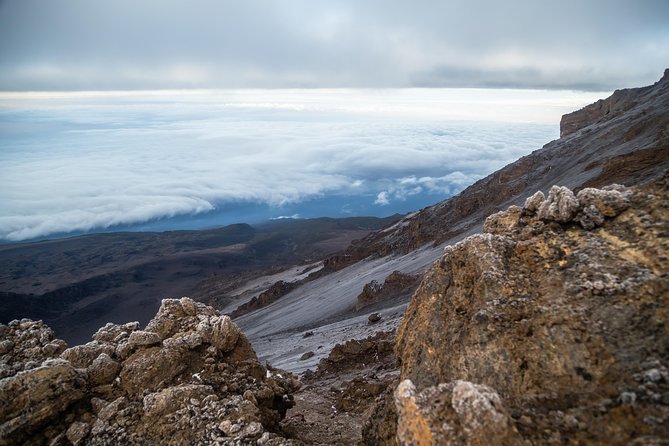
REVIEW · MULTI-DAY NORTHERN CIRCUIT SAFARI PACKAGES
Kilimanjaro climb, Northern Circuit route (8-day)
Northern Circuit has a special kind of quiet. This newer route is designed for acclimatization and it often stays far less crowded than the classic trails, so the northern-slope scenery feels more personal. I also like that Altezza runs it with a strong, organized team, including certified medical-trained guides and proper high-altitude gear.
Two things I really appreciate: the itinerary is paced to help your body adjust, and the support crew is built for safety. You’ll see that care show up in details like oxygen tanks, altimeters, and a medical kit on the mountain, plus a summit-night setup with one guide per two climbers.
One consideration: Kilimanjaro is still hard, especially during the descent. The tour itself notes that most accidents happen on the way down, and altitude can make even simple steps feel tricky.
In This Review
- Key things that make this Kilimanjaro route feel different
- Moshi arrival and first-day logistics that set your tone
- Aishi Machame Hotel: where you refuel before and after altitude
- Day 2 start at Londorossi Gate, then Shira 1: easy climbing that actually helps
- Shira 1 to Shira 2, then Lava Tower: small wins that protect your summit chances
- Around the northern slope: Moir Valley rhythm and the big-view payoff
- School Hut Summit Camp and setup for the summit night
- Summit attempt from School Hut to Uhuru Peak: pace, monitoring, and safety-first climbing
- Descent to Mweka and finishing with hotel recovery
- Price and value: what $4,010 buys you on this kind of climb
- What you should expect physically and mentally
- Who should book this Northern Circuit with Altezza
- Should you book it?
- FAQ
- What time does the tour start?
- Does the program include airport pickup and drop-off?
- Where will I stay during the climb?
- Are tents and camp equipment included?
- What kind of medical support is included?
- What meals and dietary options are available?
- Is travel insurance included, and is there a cancellation window?
Key things that make this Kilimanjaro route feel different
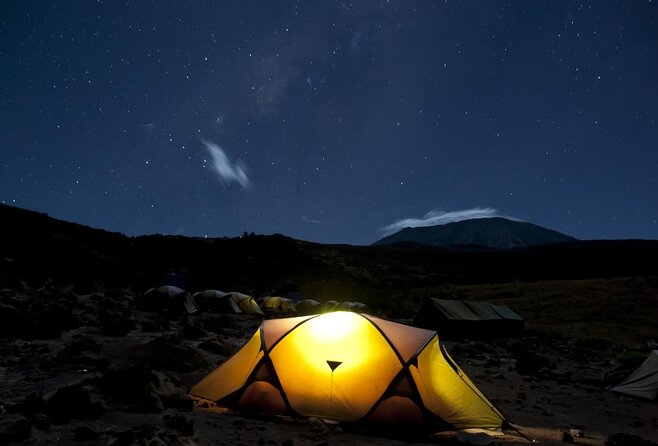
- Northern Circuit acclimatization tempo: Multiple days with modest altitude gains before the push higher.
- Usually fewer people on-trail: The route is described as rarely crowded, which helps the wilderness feel real.
- Certified first responder support: Wilderness First Responder guides, plus medical check-ups and equipment.
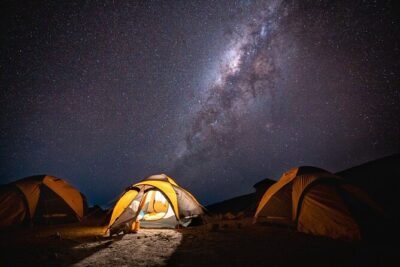
- Practical camp setup: Branded tents (North Face VE-25), pads, and full camp services so you sleep and eat well.
- Summit night guided tightly: One guide per two climbers, with active health monitoring.
Longer northern circuit routes, side by side
- Big Five Safari In Tanzania★ 5.0 · 99 reviews
- Unforgettable Tanzania Safari And Zanzibar Beach★ 5.0 · 97 reviews
- 8-Day Essence of Tanzania Safari – Luxury★ 5.0 · 72 reviews
- 4-day Tanzania Safari★ 5.0 · 53 reviews
Moshi arrival and first-day logistics that set your tone
Your trip starts in Moshi, and the program begins the moment you land at Kilimanjaro International Airport (JRO). You meet an Altezza Travel representative and get a transfer to the included hotel, and then there’s a briefing with the team so you know what to expect before you ever step onto the mountain. Check-in is from 2:00 PM, so you’ll have a cushion if your flight lands early or late.
I like this approach because it turns the first day from chaos into a simple routine. After you travel, the last thing you want is a scramble for forms, gear, or unclear meeting times. Here, you get a calm start, hot water, and the kind of downtime that matters when you’re about to climb from roughly 2,200 m up into the 5,800 m zone.
If you prefer structured travel, this works. If you like spontaneity, you’ll still find room for it, but Kilimanjaro rewards people who show up prepared.
Aishi Machame Hotel: where you refuel before and after altitude
You get two nights at Aishi Machame Hotel included, plus a final rest day after you finish. On summit return day, you’ll also descend to the exit gate and then get driven back to hotel for certificates, so the hotel acts like your home base for both recovery and celebration.
What stands out in the setup is that the hotel is meant to be functional, not fancy. Expect cozy rooms, hot water, polite staff, a swimming pool, and internet access. That might sound like basic stuff, but it matters when you’re spending days at altitude and you want to sleep well and eat comfortably without stress.
You’ll also want to plan your last day around a normal hotel schedule. Checkout is at 11:00 AM, and if your flight needs it, you can extend the stay for an extra fee.
Day 2 start at Londorossi Gate, then Shira 1: easy climbing that actually helps
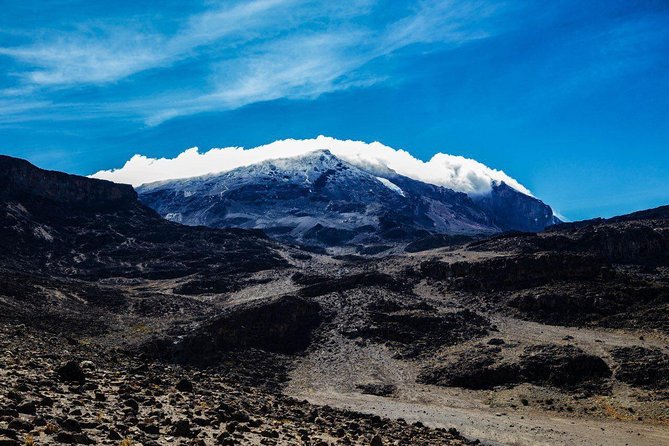
On the first mountain day, you travel by vehicle for about 3 to 4 hours to Kilimanjaro National Park’s western entrance, Londorossi Gate (2,200 m). After the routine formalities and registration, you head by off-road vehicle to a drop-off point around 3,500 m.
From there, the trek to Shira 1 is described as a small altitude gain and not too physically challenging. This is a smart way to begin a high-altitude climb. You get the rhythm of trekking while your body is still adapting to thinner air.
You’ll also see the Shira Plateau for the first time, and that is a great psychological win. Kilimanjaro is a mental game as much as a physical one, and being able to look around at those northern views helps you stay patient when the real altitude work hasn’t started yet.
Practical tip: go slow on these early miles. If you feel great, that’s exactly when you should keep the pace gentle, because you’re building a foundation for later days.
Other ways up Kilimanjaro we reviewed
Shira 1 to Shira 2, then Lava Tower: small wins that protect your summit chances
Day 3 is another “moderate effort” day: from Shira 1 to Shira 2 Camp, with another modest climb and even a chance to take an acclimatization walk toward Lava Tower after lunch. The additional rest is built into the schedule, and the altitude gains are controlled, including a further gain of about 300 m.
The tour also flags that on favorable weather, you may see Mount Meru, which sits as the fifth-highest mountain in Africa. That’s a nice bonus because it gives you something to look at that isn’t only Kilimanjaro. Early in the climb, a second landmark keeps your brain engaged, and engagement helps you keep your breathing steady.
Day 4 then moves from Shira around 3,900 m up toward Lava Tower at about 4,630 m, with ups and downs that can make some people feel uncomfortable. The key is that the plan includes time at higher altitude to acclimatize properly. There’s even a thoughtful decision point here: if someone in the group isn’t acclimatizing well, the guide may bypass Lava Tower and take a porter trail instead, which can reduce the highest altitude reached.
I love that this tour doesn’t treat the route as a checklist. It gives your guide permission to adjust based on how your body is responding. On a mountain like this, that kind of flexibility is worth its weight in oxygen tanks.
Around the northern slope: Moir Valley rhythm and the big-view payoff
After Lava Tower and Moir Hut Camp, Day 5 becomes a long but easy trekking day. You’ll start around the northern slope, moving through a pattern of highs and lows without steep altitude spikes. That design matters because steep gains can trigger altitude illness. Instead, you get continuous motion with fewer sudden jolts upward.
The route also passes near the border with Kenya, which means you get some of the bigger panoramic opportunities. The tour specifically calls out views of the Tsavo and Amboseli Valleys. Even if you’re not a landscape photographer, you’ll feel the difference. When the view opens, it’s easier to stay calm and keep a consistent pace.
Day 6 then finishes your time up the northern slope and stops at 3rd Cave Camp, where the route meets up with the traditional Rongai route. This is a meaningful transition because it signals you’re moving into the next phase of the climb and your body has had enough time to adapt around the 4,000 m mark.
One more point I appreciate: Day 6 is described as shorter trekking than Day 5, which gives you a breather right when you’d otherwise be tempted to overdo it. That breathing room can help your legs feel human again.
School Hut Summit Camp and setup for the summit night
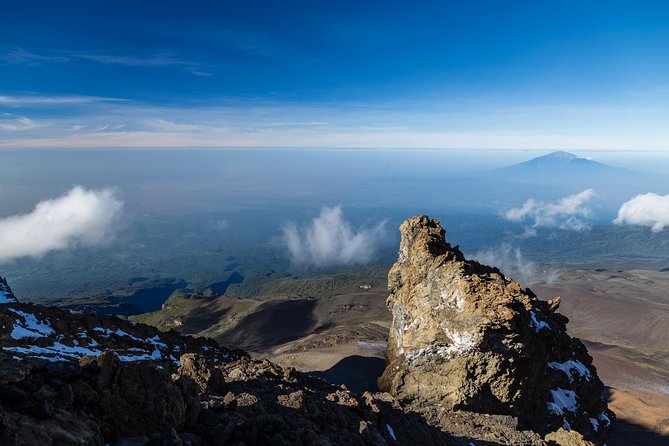
Day 7 takes you to School Hut Summit Camp at about 4,750 m. The trekking is described as not very hard, but you still have to manage pace carefully. On Kilimanjaro, “not very hard” mainly means you’re not fighting steep terrain, not that altitude stops being a challenge.
The practical recommendation here is clear: sleep well, avoid strenuous activity, and drink plenty of fluids because that night you’ll complete the trekking to Uhuru Peak (5,895 m).
I treat this day like a pre-summit “training day,” even though it’s not a workout. Your job is to conserve energy, follow guidance, and stay hydrated. If you’re the type who wants to wander around and prove a point, don’t. The mountain doesn’t care about your stubborn streak.
Summit attempt from School Hut to Uhuru Peak: pace, monitoring, and safety-first climbing
Summit night starts around midnight from School Hut at 4,750 m. Even though the route is relatively easy technically, it’s still challenging because you’re operating in extreme altitude. This is where the tour’s safety structure matters.
One guide is nominated per every two climbers, and their main responsibility is monitoring your health. That means you’re not only “with a guide,” you’re with someone actively watching oxygenation, fatigue, and how you’re coping.
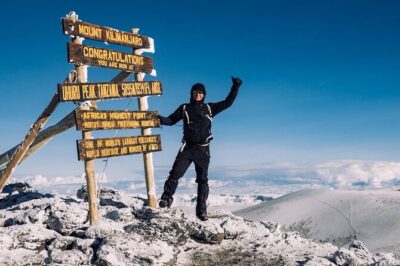
If you successfully reach the top, the tour notes that a walk upon the nearest glacier is an option. It’s the kind of moment you’ll remember for the rest of your life, but don’t rush it. Move as slowly as needed to keep your breathing controlled.
Then comes the part most people underestimate: the transition to descent. After summiting, the group descends to Barafu Camp for a two-hour lunch and rest break. From there, you continue down to Millennium Camp around 3,820 m, which gives you a lower-altitude night in a rainforest setting.
Descent to Mweka and finishing with hotel recovery
Day 8 to Day 9 is all about getting home safely. The tour explicitly reminds you that 9 out of 10 accidents occur during descent. That isn’t meant to scare you, it’s meant to keep your feet honest. In practical terms, it means you should treat each step like it matters, especially on rocky or icy sections and anytime your knees start to feel “done.”
By Day 9, you’ll sleep at Millennium Camp (3,820 m) in tropical rainforest conditions. Then you’ll have a hot breakfast and descend to the park’s exit gate at Mweka (1,650 m). After that, you’re driven back to Altezza offices to receive accomplishment certificates, then transferred to the hotel for rest.
There’s a satisfying rhythm here. You don’t end with vague “good luck, see you later.” You end with a clear finishing loop, meals, and time to recover before you fly out.
Price and value: what $4,010 buys you on this kind of climb
At $4,010 per person, this is not a cheap Kilimanjaro climb. But you’re also not just paying for a route. You’re paying for safety systems, staffing, and equipment that carry real costs on a mountain like this.
Here’s the value angle that matters most:
- Included hotel stays: Two nights at Aishi Machame Hotel, plus a rest day.
- High-altitude support: oxygen tanks and altimeters, medical kits, and medical check-ups.
- Certified professionals: Wilderness First Responder guides and a full climbing crew including porters, camp masters, and cooks.
- Camp comfort you don’t have to guess about: dining tent, sleeping pads, and tents sized and supplied for hikers (North Face VE-25), with two hikers per tent (except solo).
- Meals and flexibility: three meals a day with choice options, plus vegetarian, vegan, lactose-free, gluten-free, halal, and other meal plans.
- Transport and permits: ground transport, park fees, and JRO airport pickup and drop-off.
If you were trying to self-organize, the biggest headache would be the coordination and the medical and logistical pieces. This package handles those moving parts for you.
The one “hidden” cost to watch is what’s not included: mountaineering insurance is highly recommended, and your personal gear and some in-country food outside the trek meals are not included. So budget for travel to Tanzania and also for insurance that covers trekking up to 6,000 m.
What you should expect physically and mentally
This climb is for people with moderate physical fitness, but moderate does not mean easy. The Northern Circuit is built to help your body acclimatize, yet you still trek multiple days, sleep at high camps, and do a midnight summit push.
Mentally, you should expect slow progress at times. You’ll feel altitude effects even when the pace feels gentle. That’s why the small daily gains on the Shira side and the rest opportunities built in are so important. They keep you from spending the whole trek in survival mode.
Also, you should expect the summit night to be the hardest part. The actual technical challenge may be limited, but your body will be fighting the altitude. The tight guide-to-climber monitoring (one guide per two) is there for a reason.
Who should book this Northern Circuit with Altezza
This works best for you if:
- You want excellent acclimatization without constantly jumping to higher camps too fast.
- You prefer a quieter-feeling route with fewer people on-trail.
- You value strong support, including medical-minded guidance and well-run camps.
- You like structure, clear briefings, and a clear safety plan for summit night and descent.
It may not be the best fit if you hate slow pacing, dislike cold early starts, or expect Kilimanjaro to feel like a casual hike. The tour’s own structure makes it clear this is a serious altitude trek.
Should you book it?
I’d book this Northern Circuit climb with Altezza Travel if you want the best chance of a calmer acclimatization build and a professional team that treats safety as the job, not a slogan. The included gear and medical support are concrete, not vague, and the focus on descent safety is the kind of detail that can keep your trip running smoothly.
If you’re considering other routes, the big decision is your tolerance for altitude and long treks. This one is paced for your body, and it stays relatively quiet. That combination is exactly what makes Kilimanjaro feel like an adventure instead of a stressful cattle line.
FAQ
What time does the tour start?
The meeting point lists a 9:00 am start time.
Does the program include airport pickup and drop-off?
Yes. The tour includes JRO pick-up and drop-off.
Where will I stay during the climb?
The tour includes two nights at Aishi Machame Hotel, and then you return there after the trek.
Are tents and camp equipment included?
Yes. High-quality branded group equipment is included, including North Face VE-25 tents (two hikers per tent, except for solo climbs) and sleeping pads, plus camp dining setup.
What kind of medical support is included?
The included support includes medical kits, medical check-ups, and oxygen tanks and altimeters. Guides are Wilderness First Responder certified.
What meals and dietary options are available?
You get three meals a day. Dietary plans listed include vegetarian, vegan, lactose-free, gluten-free, halal, and other options.
Is travel insurance included, and is there a cancellation window?
Mountaineering insurance is not included, though it is highly recommended. The experience has free cancellation up to 24 hours in advance of the start time for a full refund.
Kilimanjaro, Route by Route
- Kilimanjaro climb by Lemosho Route (7-day)
★ 5.0 · 651 reviews - Kilimanjaro climb, Machame Route (7-day)
★ 5.0 · 262 reviews - Kilimanjaro Climbing Lemosho Route 8 Days.
★ 5.0 · 186 reviews - Climbing Kilimanjaro – Machame Route
★ 5.0 · 170 reviews - Climbing Kilimanjaro through 7 days Machame Route
★ 5.0 · 151 reviews
Longer Trips Through the North
- Big Five Safari In Tanzania
★ 5.0 · 99 reviews - Unforgettable Tanzania Safari And Zanzibar Beach
★ 5.0 · 97 reviews - 8-Day Essence of Tanzania Safari – Luxury
★ 5.0 · 72 reviews - 7-Day Magical Tanzania Safari -Premium High End Package
★ 5.0 · 53 reviews - 4-day Tanzania Safari
★ 5.0 · 53 reviews
Just added from around Moshi
Multi-Day Northern Circuit Safari Packages, compared.
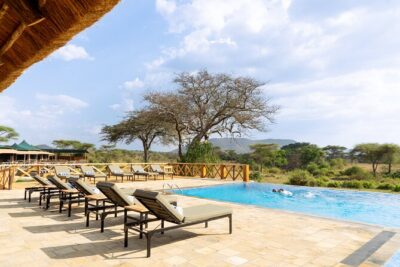 ★ 5.07-Day Premium Luxury Tanzania Safari All-InclusiveFrom $4,840426 reviews
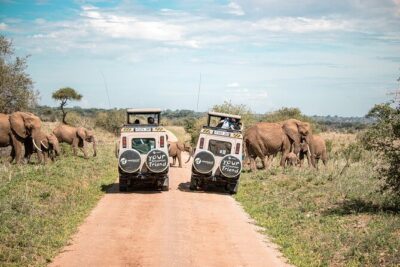 ★ 5.0Tanzania Wildlife Encounters – 6 DaysFrom $3,413277 reviews
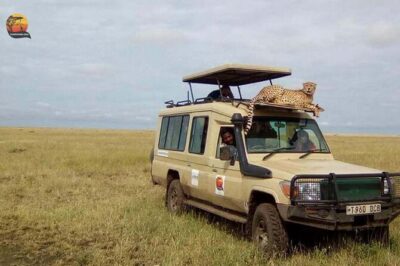 ★ 5.0Group Safari 7 Days in Tanzania’s Main ParksFrom $3,000240 reviews
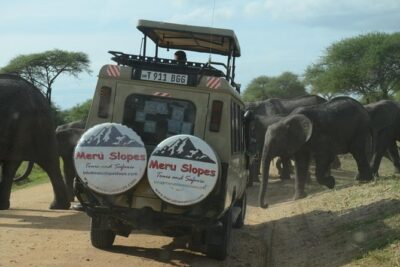 ★ 5.04 Days Join Group tour Tarangire Serengeti and Ngorongoro craterFrom $1,090219 reviews
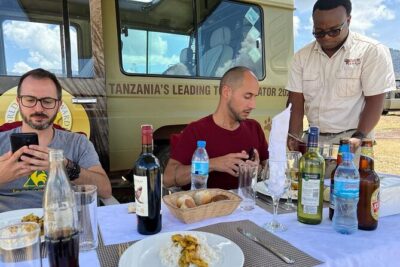 ★ 5.05-Day Private Northern Tanzania Safari from ArushaFrom $2,780182 reviews
 ★ 5.05 Days Best of Tanzania Luxury Safari Northern CircuitFrom $3,744174 reviews
 ★ 5.08 Day Spectacular Migration Serengeti mid -Range Tanzania SafariFrom $4,257161 reviews
 ★ 5.0Multi-Day Tanzania Odssey Safari from ArushaFrom $4,164120 reviews
Browse the lists this tour appears in