
REVIEW · MOUNT KILIMANJARO TREKS
Kilimanjaro 7 Day Private Trekking Experience
Kilimanjaro feels like a switch you flip. In 7 days you climb out of rainforest and into moorland, semi-desert, and near-permanent ice, with a route built around altitude acclimatization. I like the private setup, so it is just your group, and I like the clear “clockwork” of the big moments, like the midnight summit departure.
What I also like is the team emphasis, not just the hike. You get guide and porter support, plus a chef and camping crew, and past trips highlight people like Oscar (owner) and guides such as Saul for planning and communication. The main drawback to weigh is simple: this is physically demanding, and if weather ruins plans, the experience may be moved or refunded based on that condition.
In This Review
- Key Highlights Before You Go
- The Private Feel, and What $3,120 Buys You on Kilimanjaro
- Moshi Start to Machame Gate: Why the Setup Matters
- Day 1, Machame Rainforest to Machame Camp: Your First Altitude Lessons
- Day 2, Shira Moorlands and Shira Plateau: First Ice Glimpses
- Day 3, Lava Tower Acclimatization Then Barranco Camp
- Day 4, Barranco Wall Scramble Into Karanga Valley Ridges
- Day 5, Barafu Camp and the South Circuit Views
- Day 6, Midnight Summit Push, Stella Point Sunrise, and Uhuru Peak
- Day 7, Mweka Descent Through Rainforest and the Moshi Finish Ritual
- Food, Tents, and Crew Roles: The Team is the Experience
- Included vs. Not Included: Plan the Budget Like a Climber
- Who This Private Kilimanjaro Trek Fits Best
- Should You Book This 7-Day Private Trek?
- FAQ
- How long is the Kilimanjaro trek?
- Where does the trek start?
- Is this a private trek?
- What is included in the price?
- Do I need to bring climbing gear?
- Are guide and porter gratuities included?
- When do you start the summit attempt?
Key Highlights Before You Go
- Private for your group: only your party participates, so pacing and decisions feel more controlled.
- Route variety from Machame to Mweka: rainforest, moorland, semi-desert, then back to forest for the finish.
- Acclimatization rhythm: stops like Lava Tower and the Barranco sleep-low approach are built into the schedule.
- The midnight summit push: wake-up tea at 11:30 pm, depart at midnight, reach Stella Point as you aim for sunrise.
- You end in Moshi with real comfort: hot shower, lunch, and your certificate after Mweka Gate.
Other ways up Kilimanjaro we reviewed
- Kilimanjaro climb by Lemosho Route (7-day)★ 5.0 · 651 reviews
- Kilimanjaro climb, Machame Route (7-day)★ 5.0 · 262 reviews
- Kilimanjaro Climbing Lemosho Route 8 Days.★ 5.0 · 186 reviews
- Climbing Kilimanjaro – Machame Route★ 5.0 · 170 reviews
The Private Feel, and What $3,120 Buys You on Kilimanjaro
At $3,120 per person, you are paying for more than a “walking service.” This is a fully staffed climb that includes food, tents, crew salaries, and pre and post climb accommodation, plus pick-up support. That matters on Kilimanjaro because the difference between a stressful trek and a smooth trek often comes down to logistics and camp operations.
The private aspect is a real value add if you hate feeling rushed. With only your group participating, you can usually expect more flexibility in how you handle breaks, photos, and the pace of day-to-day walking. On mountain days, that can help you stay calm and consistent, which is exactly what altitude challenges reward.
Still, budget-wise, remember this cost is not your full trip cost. Personal gear and gratuities are not included, and travel insurance is listed as not included, so plan those items early.
Moshi Start to Machame Gate: Why the Setup Matters
You start in Moshi, and the plan includes pick-up support. The day before your climb, or at least before the trek begins, you meet the guides and porters and do a final equipment and supply cross-check. That step is underrated. When gear is sorted before the climb, you spend fewer minutes worrying and more minutes walking.
You also get a practical option for carry-weight. Anything you do not want to take with you on the mountain can be left at a lock-up in your hotel. That one policy can make the first day feel lighter, especially if you packed too much “just in case.”
Once you reach the Machame Gate, you handle registration with the Kilimanjaro Park office, then start your ascent with a packed lunch. It is a straightforward flow: meet team, check gear, sort your pack, register, then go.
Day 1, Machame Rainforest to Machame Camp: Your First Altitude Lessons
Day 1 climbs from about 1,800 m to 3,000 m over roughly 11 km and about 6 hours, moving through rainforest. Rainforest on Kilimanjaro can mean wet footing and slippery trails, so even though it is a “warm-up” day in many people’s minds, treat it like real training.
The day has a clear rhythm. You start after arriving at Machame Gate, get a packed lunch partway up, and then continue until you reach Machame Camp in the late afternoon. Camping in the evening is where you learn your body’s pattern: how fast you cool down, how your appetite changes, and how your sleep feels as altitude creeps up.
A small detail you can plan around is that you start early enough to have daytime hiking, yet end with camp time rather than a rushed finish. That matters when you want your first night to be calm.
Day 2, Shira Moorlands and Shira Plateau: First Ice Glimpses
On Day 2 you wake up around 6:30 am with hot drinks like coffee, tea, or hot chocolate. Breakfast comes after, and then you leave rainforest behind. The trail heads into open moorlands with sparse vegetation and a steep rocky ridge feel, then turns toward a river gorge as you work up toward Shira Plateau.
This day is about 9 km and around 6 hours, rising roughly from 3,000 m to 3,850 m. You get your first major visual payoff here: a first glimpse of the Western Breach and its glaciers. Even if you know the mountain is changing, seeing it in person is a psychological shift. It makes the climb feel real in a good way.
You end at Shira Camp, and the cook provides boiled drinking water and hot drinks. That combination is practical: hot fluids help you feel human again after cold air and wind.
Day 3, Lava Tower Acclimatization Then Barranco Camp
Day 3 is where the schedule shows its thinking. You climb from about 3,850 m up to Lava Tower at 4,600 m, then descend to around 3,950 m at Barranco Camp. The day covers about 12 km and roughly 7 hours, with a “climb high, sleep low” approach that is central to altitude management.
Plan for this to be one of your toughest days so far. The route up to Lava Tower is designed for acclimatization, not comfort, and you will feel the thinner air. The good part is that you break at Lava Tower for lunch and extra acclimatization time before your descent.
After lunch, you start a 2-hour descent by about 650 m to Barranco Camp. In practice, that descent phase can feel like recovery, but it is also when legs get tested on stone and uneven ground.
The semi-desert feel also means fewer distractions. Fewer trees. More open sky. More wind. If you like watching conditions shift across elevations, this is a fascinating day.
Day 4, Barranco Wall Scramble Into Karanga Valley Ridges
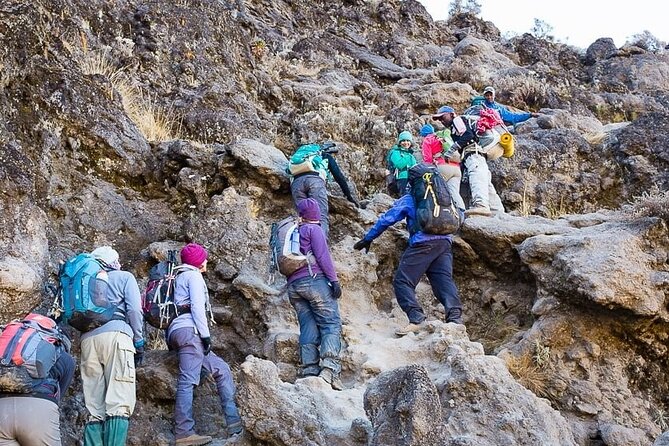
Day 4 adds a very specific technical moment: a 1.5-hour scramble up Barranco Wall. You are gaining only about 250 m (around 820 feet) over roughly 7 km, yet it still takes about 7 hours because scramble terrain slows you down.
This is described as the hardest part of the day, and in some sections you will use your hands to pull yourself up. That is important: this is not a smooth hiking trail day. If you have knee issues or you hate exposure on rocky steps, you should take that seriously.
Once you reach the top, you descend into Karanga Valley, and the plan is to camp on a ridge above the valley to help acclimatization. That sleep-low detail matters, because you are already doing the altitude math in your head by now. The mountain can feel like it is giving you a puzzle, and this ridge camping approach is how the route tries to help your body solve it.
Day 5, Barafu Camp and the South Circuit Views
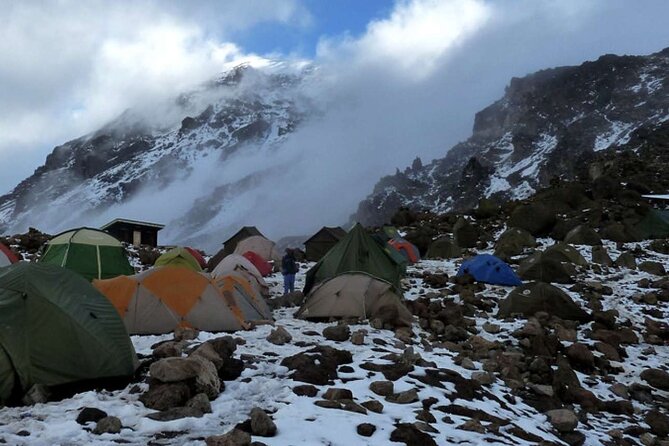
After breakfast on Day 5, you hike toward Barafu Camp, roughly 6 km with about 400 m (around 1,320 feet) of elevation gain, taking about 7 hours. Along the way, you get views of Kibo’s glaciers and a junction where the descent route, Mweka, connects with the Machame trail.
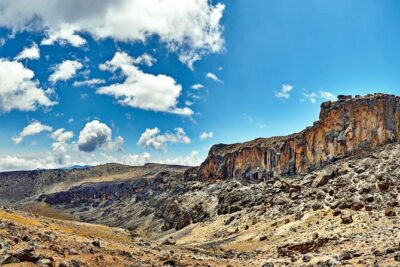
There is another “see the goal” moment on this day. You top out just below the Heim Glacier, then the route drops through Karanga Valley and crosses ridges and valleys before you join the Mweka Route, which becomes your descent route later.
This is the South Circuit portion, and it is built to give you summit angles from multiple directions. Even when your brain is tired, your eyes will do their job. And by the end of the day, you understand why tomorrow is the big day.
If you like planning ahead, this is also when you should get mentally ready for the midnight start. No matter how excited you are, your body will want rituals: water timing, snack timing, and a calm bedtime.
Day 6, Midnight Summit Push, Stella Point Sunrise, and Uhuru Peak
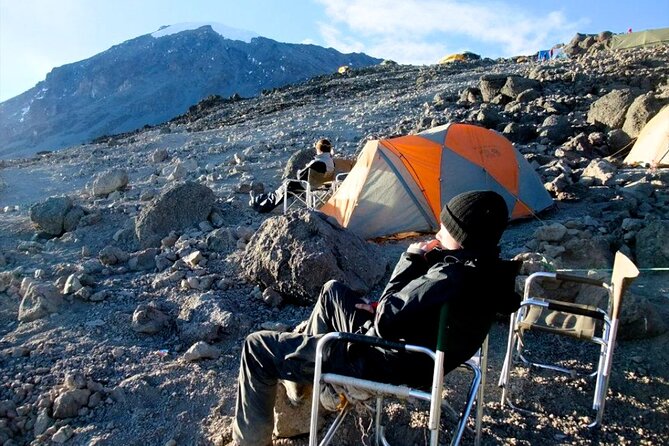
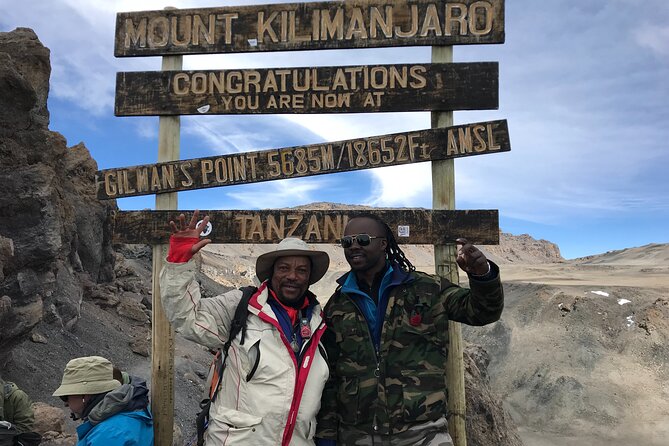
Day 6 is the reason many people come to Kilimanjaro. You get wake-up tea at 11:30 pm, and then you depart at midnight. Your first stretch is a 6-hour climb in the dark, using headlamps to navigate winding pathways through areas described as thick screen sections connected to Ratzel and Rebmann Glaciers until you reach Stella Point.
The itinerary labels this as the most challenging part for many people, and that tracks with the reality of summit attempts. Cold at night, uneven footing, and altitude combine into a mental endurance test.
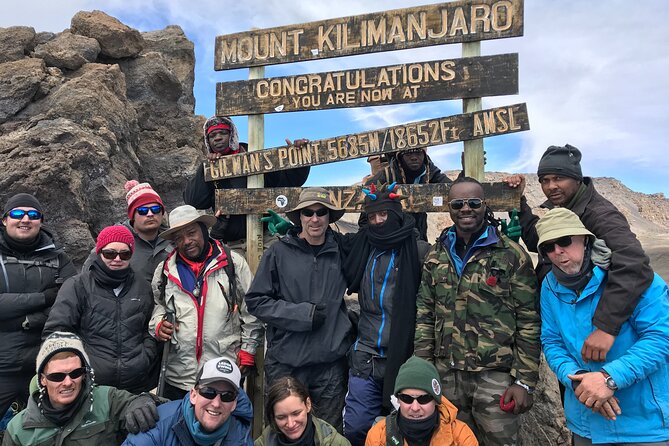
Then comes the payoff. Many people describe the sunrise at this point as one of the most memorable moments of their lives, and the plan explicitly calls it emotional and beautiful. Even if you do not want to get dramatic, it is still a huge moment because you finally see the mountain wake up around you.
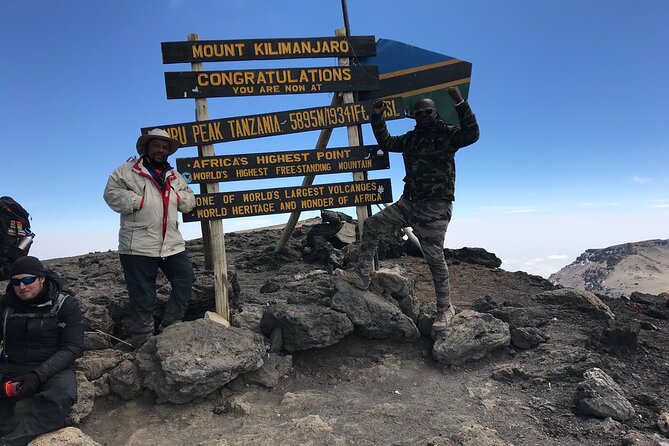
The route continues through to Uhuru Peak, with the plan showing ascent and descent totals for the day. Expect stone screen and ice field sections, and expect a long day overall, described as 6 to 8 hours for ascent and 7 to 8 hours for descent. After you summit, you still have miles to walk down, and descending is its own kind of challenge on sore muscles.
Day 7, Mweka Descent Through Rainforest and the Moshi Finish Ritual
On Day 7 you drop from about 3,100 m down to 1,800 m over roughly 10 km and about 3 to 4 hours. The route heads back into rainforest, which is a huge relief after alpine conditions earlier in the week.
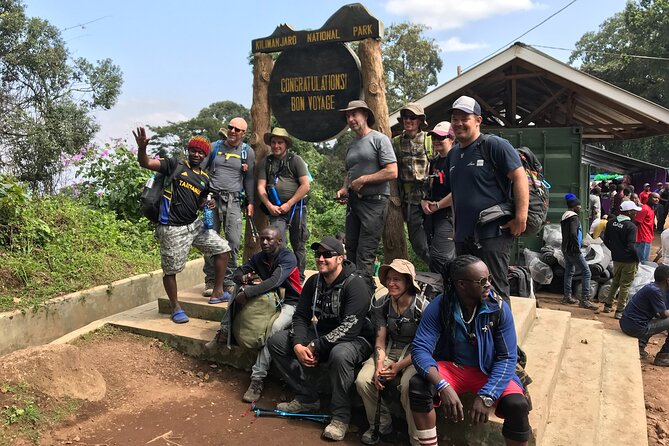
You wake up for a final celebratory breakfast, and the team thanks you in their unique way. The plan also encourages you to tip each team member or the team as a show of appreciation. Then you do the last descent to Mweka Gate and get a celebratory beer or champagne while your equipment is loaded onto the van.
After that, it is off to a Kilimanjaro Wonders Hotel in Moshi for a hot shower and lunch. Finally, you receive your certificate of achievement. That certificate is not just paper. It is the official end of a multi-day effort where most of your attention was spent on breath, footing, and staying steady.
Food, Tents, and Crew Roles: The Team is the Experience
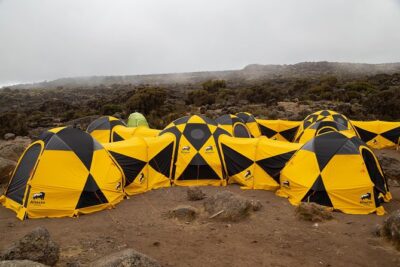
This trek is built on a whole support system, not just guides. Your schedule includes a chef and camping crew, and the plan references crew salaries as included. Meals are included with multiple breakfasts, lunches, and dinners across the trek, plus hot drinks along the way.
That matters because Kilimanjaro requires energy management. If your food is reliable and your camp routine is organized, you can focus on acclimatization and walking technique rather than “where is dinner” stress.
The reviews highlight this team side strongly. People like Oscar respond quickly and clearly during the planning phase. Guides such as Saul are described as kind, friendly, and knowledgeable, with real local confidence on the trail. Other names that came up include mvungi, Jonas, Emmanuel, Jac(k)ie, and Gaudence, and the tone is consistent: people on the ground make the climb feel like it has a family feel without losing professionalism.
Included vs. Not Included: Plan the Budget Like a Climber
Here is what is explicitly included:
- Food (breakfast, lunch, dinner)
- Tents
- Meet and greet services
- Mountain crew salaries (guides, transfers as specified)
- All pre and post climb accommodation
You also get practical extras like a mobile ticket listed for the experience. On a climb, small admin wins help you stay focused.
Not included items you should budget for:
- Climbing personal gear, though it can be hired locally if needed
- Guide and porter gratuities
- Personal travel and baggage insurance
- Telephone bill and laundry
This last part is where many first-time climbers get surprised. Insurance is not optional on long, remote treks, even if you are not thinking about worst-case scenarios. And gratuities are part of how the system works on Kilimanjaro, since you are tipping individual labor.
Who This Private Kilimanjaro Trek Fits Best
This tour is best for travelers who want structured support and a private group feel. You should have strong physical fitness, and the route is clearly geared for people who can handle multiple days of steady altitude hiking plus one intense scramble day at Barranco Wall and a very demanding summit day.
I also think it fits couples, friends, and small groups who want more personalized pacing. If you do not like big group dynamics, the private setup is the main reason to pick this format.
If you are traveling with anyone under 15, the data says special requirements are needed before trekking. If that affects you, you will want to clarify those requirements early.
Should You Book This 7-Day Private Trek?
Yes, I would book it if you want a well-staffed route with a clear acclimatization plan, and you value the way the finish includes real comfort in Moshi, not just a random handoff. The combination of private pacing, strong crew support, and the itinerary’s focus on acclimatization beats the “just walk uphill” style that can be risky for comfort and decision-making.
I would think twice if you dislike demanding physical days or you know you struggle with scrambling or very early starts. Day 4 includes a hands-on scramble, and Day 6 is a midnight departure with a very long, cold climb and descent.
If you can train, pack smart, and trust the process, this is the kind of Kilimanjaro plan that gives you the best chance to enjoy the climb instead of just surviving it.
FAQ
How long is the Kilimanjaro trek?
The trek is listed as 7 days approximately.
Where does the trek start?
The experience is based in Moshi, and you are driven to the Machame Gate at the start of the climb.
Is this a private trek?
Yes. It is described as a private tour or activity, and only your group will participate.
What is included in the price?
Included items list food, tents, meet and greet services, mountain crew salaries, and all pre and post climb accommodation, along with breakfast, lunch, and dinner across the trekking days.
Do I need to bring climbing gear?
Personal climbing gears are not included, but the experience notes that gear can be hired locally if required.
Are guide and porter gratuities included?
No. Mountain guide and porter gratuities are not included.
When do you start the summit attempt?
On the summit day, wake-up tea is served at 11:30 pm, and departure is at midnight.
Kilimanjaro, Route by Route
- Kilimanjaro climb by Lemosho Route (7-day)
★ 5.0 · 651 reviews - Kilimanjaro climb, Machame Route (7-day)
★ 5.0 · 262 reviews - Kilimanjaro Climbing Lemosho Route 8 Days.
★ 5.0 · 186 reviews - Climbing Kilimanjaro – Machame Route
★ 5.0 · 170 reviews - Climbing Kilimanjaro through 7 days Machame Route
★ 5.0 · 151 reviews
Just added from around Moshi
Mount Kilimanjaro Treks, compared.
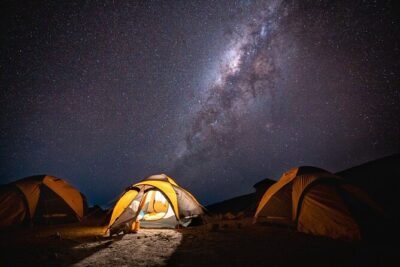 ★ 5.0Kilimanjaro climb by Lemosho Route (7-day)From $3,476651 reviews
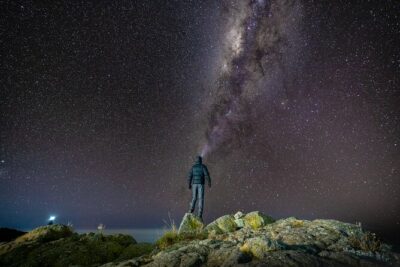 ★ 5.0Kilimanjaro climb, Machame Route (7-day)From $3,377262 reviews
 ★ 5.08-Day Small-group Lemosho Kilimanjaro Summit TrekkingFrom $2,895186 reviews
 ★ 5.0Kilimanjaro Climbing Lemosho Route 8 Days.From $2,300186 reviews
 ★ 5.0Climbing Kilimanjaro – Machame RouteFrom $2,322170 reviews
 ★ 5.0Climbing Kilimanjaro through 7 days Machame RouteFrom $2,425151 reviews
 ★ 5.0Kilimanjaro climb, Lemosho Route (8-day)From $3,975148 reviews
 ★ 5.0Kilimanjaro climb, Lemosho Route (6-day)From $3,034129 reviews
Browse the lists this tour appears in