
REVIEW · MOUNT KILIMANJARO TREKS
Kilimanjaro 360
Cycle around Kilimanjaro on two wheels. This is a bike tour that keeps you moving through Tanzania from Moshi toward the Maasai Lands, then across wildlife country and multiple foothill routes, with nights in hotels and camps plus plenty of time to meet people along the way. I love that it blends real riding with cultural stops like Olpopongi and Chagga-led waterfall time, and I also like that you ride with a real support system, including a vehicle and a bike mechanic.
The main thing to consider is the pace and roads: you’ll average long ride days (often around 6 hours), with a mix of tarmac and dirt, and you do need moderate fitness. There’s also one serious caution in the available feedback about payment and cancellation handling, so I suggest you confirm refund terms clearly before you send money.
In This Review
- Key points before you book Kilimanjaro 360
- What this tour really gives you: a Kilimanjaro circuit by bike
- Price and value: why $2,690 can make sense here
- Day 1 in Moshi: airport pickup, bike fitting, and a first spin
- Day 2 to Olpopongi: from coffee-and-banana country to Maasai Lands
- Day 3 through Enduimet to Simba Farm: wildlife corridor riding
- Day 4 toward the Rongai side: Nalemoru, Snowcap Cottages, and big peak views
- Day 5 to Lake Chala: a downhill day with a crater lake twist
- Day 6 to Marangu and Kinukamori waterfalls: short ride, meaningful stories
- Day 7 back to Moshi: steep work, gradual downhill, and a celebratory finish
- Day 8: a free morning to reset in Moshi
- Support, safety, and comfort details that change your experience
- The feedback I’d trust most, and the one red flag
- Who should book Kilimanjaro 360
- Should you book it? My decision guide
- FAQ
- How many days is the Kilimanjaro 360 tour?
- Where does the tour start?
- What time does the tour start each day?
- What bike gear is included?
- Are meals included?
- Do you camp or stay in hotels?
- Is a support vehicle included?
- What road conditions should you expect?
- Who is this tour best suited for?
- Is free cancellation available?
Key points before you book Kilimanjaro 360
- Mountain bikes and helmets plus daily snacks, fruit, and 2 to 3 liters of water
- Support vehicle, driver, cooks, and a bike mechanic so you are not riding on your own
- Culture stops that are specific, not generic, including Olpopongi and Kinukamori waterfall guiding
- Camping with proper gear, not just a sleeping bag and good luck
- Big scenery changes across the west, north, and eastern sides of Kilimanjaro
- Group size stays small (max 16), which makes the trip feel coordinated
Other ways up Kilimanjaro we reviewed
- Kilimanjaro climb by Lemosho Route (7-day)★ 5.0 · 651 reviews
- Kilimanjaro climb, Machame Route (7-day)★ 5.0 · 262 reviews
- Kilimanjaro Climbing Lemosho Route 8 Days.★ 5.0 · 186 reviews
- Climbing Kilimanjaro – Machame Route★ 5.0 · 170 reviews
What this tour really gives you: a Kilimanjaro circuit by bike
Kilimanjaro 360 is built for people who want to experience the mountain without doing the summit hike. You get a full loop feeling, not just point-to-point transportation, and that changes how you experience the region. Instead of rushing from one photo stop to the next, you get a steady rhythm of effort, rest, and conversation with locals.
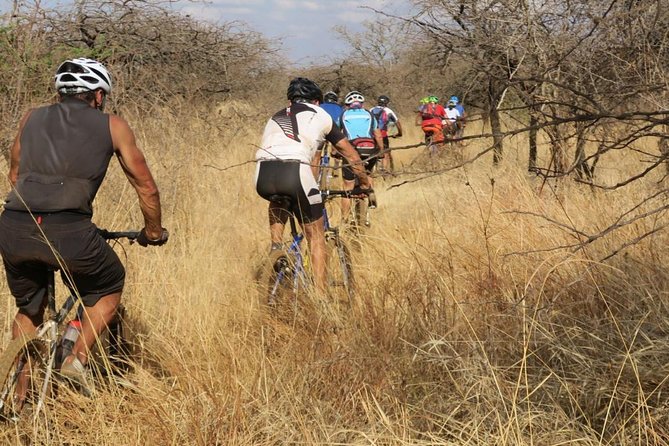
The best part is that the route is framed by culture and land use. You cycle through plantation areas and then shift into drier plains and acacia woodlands, then back into greener foothill farms. That makes your day-to-day feel different, even when you are following the same general “around Kilimanjaro” concept.
Price and value: why $2,690 can make sense here
At $2,690 per person, this is not a budget tour. But when you look at what’s included, the price starts to feel more like “one package that covers the hard parts” than just bike rental plus transportation.
Here’s what you do get for your money:
- Mountain bikes and helmets, plus snacks and fruit
- 2 to 3 liters of water per day
- Pickup and airport transfer
- Hotels before and after (3-star)
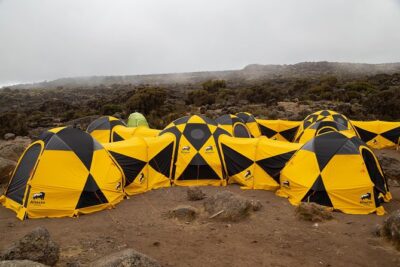
- Camping gear with tents, sleeping bags, mattresses, and camp tables with chairs
- Support vehicle, tour guide(s), bike mechanic, driver, and cook
- Village fees and Wildlife Management Area fees
- Breakfast, lunch, dinner every day of the tour
What’s not included is also clear: tips for the crew, laundry, Tanzania visa, and travel or medical insurance (strongly recommended). For me, that means you should plan your budget like this: base trip cost plus a realistic allowance for tipping, plus the cost of your visa and insurance.
One extra note: there is at least one major negative comment in the available feedback about cancellation and money not being returned the way it was expected. That does not mean it will happen to you, but it does mean you should be careful. I would confirm how refunds work with this specific operator, in writing, before you book.
Day 1 in Moshi: airport pickup, bike fitting, and a first spin
Your start is early, with pickup logic beginning from Kilimanjaro International Airport (JRO). After transfer to Moshi, you meet your guide and do bike fitting, which matters because you’ll be on a mountain bike for multiple days. You also get time for a short test ride if you arrive by the morning or afternoon flight, often through nearby sugar cane plantations and local villages.
You stay at Keys Hotel for the first night, with dinner included. That’s a smart move because it reduces the “where do we sleep tonight” stress right at the beginning. Plus, it puts you in Moshi, which is the natural base for the Kilimanjaro area cycling routes.
What to watch for: even if you are excited to ride right away, treat the first day as your setup day. Good fit now helps you enjoy the harder days later.

Day 2 to Olpopongi: from coffee-and-banana country to Maasai Lands
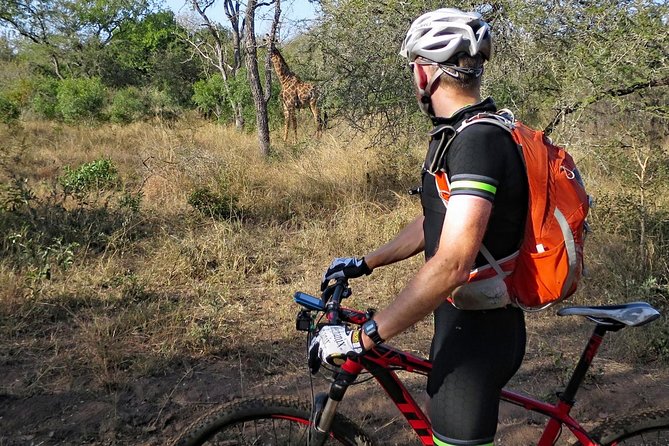
The ride starts on the southern, greener side of Kilimanjaro, then gradually shifts toward the more arid western side. You cycle through coffee and banana plantations at first, then head west toward open plains and acacia woodlands. Wildlife is part of the picture here, and the mountain views can be spectacular when the air is clear.
This is also where the tour includes Olpopongi Maasai Cultural Village and Museum. Instead of a quick look-and-leave stop, it’s tied into your riding day, so you experience the land before you meet the people who live with it. The Maasai connection is part of why this area is often called the Maasai Lands.
How it feels day-to-day: this is a transition day. If you like variety, you will enjoy it. If you want everything to feel easy, you might find the shift from cultivated areas to drier plains a mental adjustment as well as a physical one.
Day 3 through Enduimet to Simba Farm: wildlife corridor riding
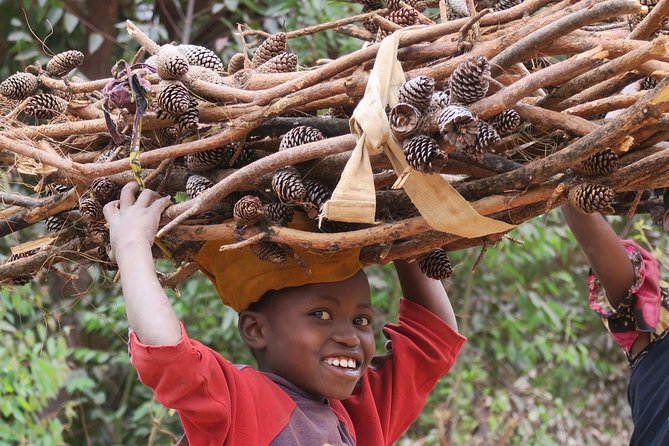
Today centers on the Enduimet Wildlife Management Area, described as one of Tanzania’s best kept secrets and an important migratory route for wildlife. It borders Amboseli National Park, and the tour specifically notes African elephants among the animals connected to the area.
You ride from wide open plains with acacia trees, then the route gets greener as you move toward the lower slopes where cultivation increases. The tour ends at Simba Farm, perched above wheat and barley fields. That farmland setting gives you a different kind of “end of day” feeling than a purely natural campsite.
The value for you: even if you are not seeing wildlife all the time, wildlife corridors change how you ride. Roads feel wider, views feel longer, and you tend to pass through areas where people and animals share space in practical ways. That makes the cultural part feel grounded, not staged.
Day 4 toward the Rongai side: Nalemoru, Snowcap Cottages, and big peak views
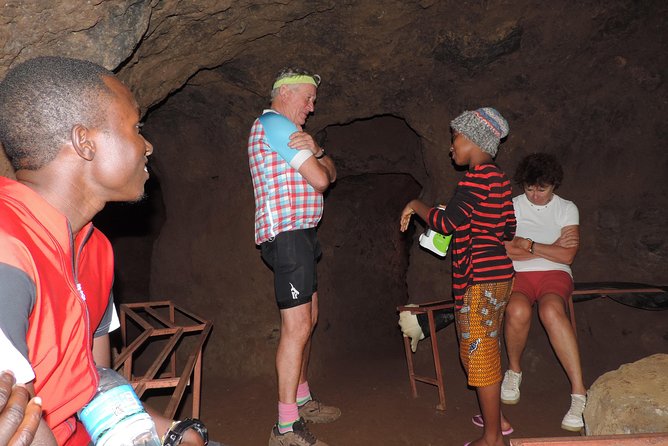
On the fourth day, you cycle toward the north east side of Kilimanjaro to Nalemoru village, near the Kenyan border. This is connected to the Rongai route up Kilimanjaro, so the terrain and forest edges you encounter will feel like the start of a different kind of Kilimanjaro country.
The ride moves through open farmlands and multiple towns as you climb into the foothills toward the Rongai forest. On a clear day, the tour notes amazing views of Kibo and Mawenzi peaks. Even if clouds show up, you’ll still feel the “changing altitude and vegetation” story as you work your way through the day.
You sleep camping at Snowcap Cottages, right at the edge of the Rongai forest. The included road mix is listed as tarmac and dirt road, and the distance is 73 km, with about 6 hours riding.
Possible drawback: because it’s both forest edge and foothill riding, you may feel it more in your legs than you expected, especially if you start the day too fast.
Day 5 to Lake Chala: a downhill day with a crater lake twist
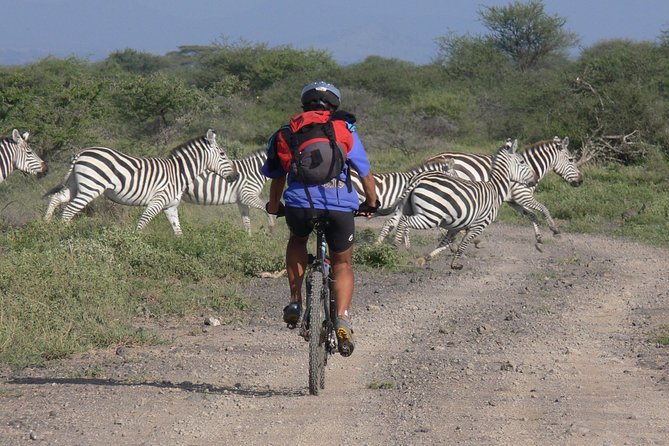
Day five is a downward ride toward Lake Chala, a crater lake on the border between Tanzania and Kenya. The waters are described as turquoise blue and green, and the lake is fed entirely by underground springs from Mount Kilimanjaro.
You’ll camp right on the edge of this caldera, with a volcanic backdrop that sets a calm, unwind vibe after several more “working hard” riding days. The route details again note tarmac and dirt roads, with 65 km covered in about 6 hours.
Why I think this day matters: Lake Chala is one of those places that changes the mood of a cycling trip. You spend the day moving downhill, you arrive at something that feels ancient and still, and you have time to sit without rushing to the next stop.
Bring your expectations: it’s not a resort day. You’re camping by the lake, so enjoy the outdoors version of comfort.
Day 6 to Marangu and Kinukamori waterfalls: short ride, meaningful stories
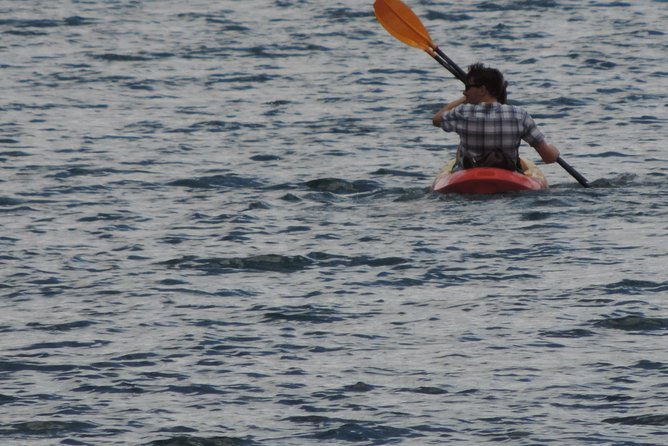
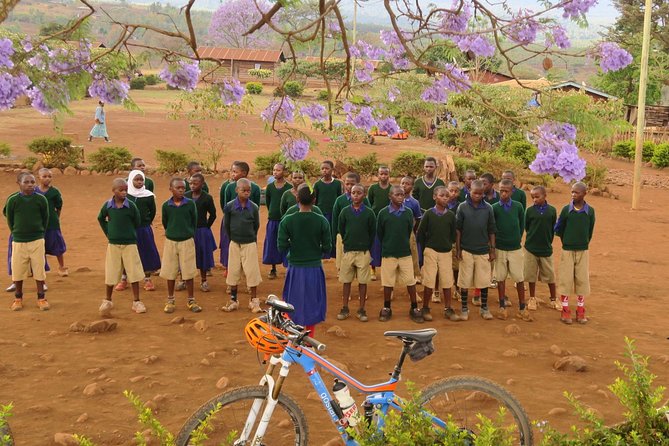
The sixth day is described as short but challenging, with a ride up to Marangu village in the foothills. Along the way you pass banana and coffee plantations, and you’ll get direct human contact as you ride through the area. The tour even mentions people calling out Jambo as you pass, which gives the route a lived-in feel.
Before reaching camp, there’s a detour to Kinukamori waterfalls. You can stretch your legs and walk down toward the base of the falls, and there’s a local Chagga guide who shares local history, traditions and customs, plus a legend connected to the waterfalls.
You camp in the Marangu area, and this day is listed with the same pattern of meals included, with no separate admission ticket cost mentioned for the waterfall detour.
What to watch for: because the ride is described as challenging even if shorter, don’t treat it like a “recovery day.” Plan to keep a steady effort.
Day 7 back to Moshi: steep work, gradual downhill, and a celebratory finish
Your final cycling day covers villages and plantations on the slopes of Kilimanjaro, then drops you back toward Moshi town. The day has two halves: several steep ascents and descents early on, followed by a more gradual downhill ride later.
The tour also notes that you take back roads through the suburbs and outskirts of Moshi, which I like for two reasons. First, you avoid the feeling of arriving by highway and missing the town’s edge. Second, you see the “everyday Tanzania” connections to the mountain base where people live and farm.
You end at Keys Hotel again, with the tour describing a celebratory dinner plus sparkling wine as a toast to finishing. The distance is 37 km with about 4 hours riding.
Why this matters psychologically: after multiple camp nights and long ride days, you end with a proper hotel dinner and a literal sense of closure.
Day 8: a free morning to reset in Moshi
Day eight is left open for you to wind down before your flight. Depending on flight time, you can explore Moshi and pick up souvenirs before heading to the airport.
The only clear meal detail here is breakfast included. So if you want coffee, snacks, or a final meal that isn’t part of the tour, this is your window.
Support, safety, and comfort details that change your experience
This tour is backed by a full operating team: guide(s), driver, cook, and a bike mechanic. A support vehicle is included, which matters because breakdowns on long, sometimes rural routes can be stressful without backup. You also get a first aid medical kit, and you have a group limit of 16 travelers, which helps the crew manage everyone’s pace.
The included equipment is also practical:
- Mountain bikes and helmets
- Quality camping gear (tents, sleeping bags, mattresses)
- Tables with chairs at camp
- Snacks, fruit, and water
That camp setup is more than a “nice to have.” It affects whether you can recover properly between riding days. After long days in the saddle, sleep quality matters.
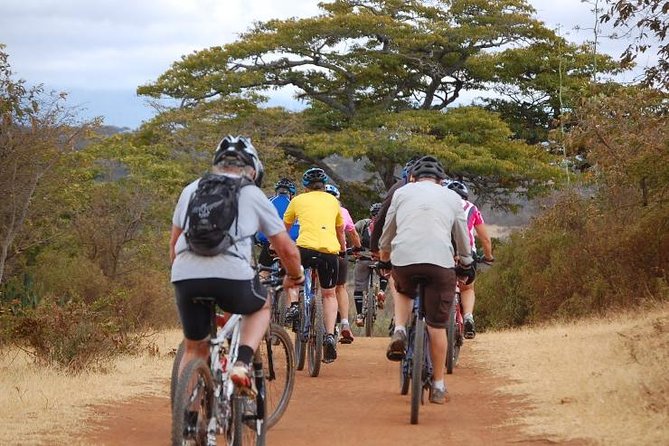
One more practical point: you are told you should have moderate physical fitness. The cycling time often sits around 6 hours on many days, and the route includes a mix of tarmac and dirt. If you can’t handle multi-hour rides with hills, you might still complete it, but you’ll likely finish tired in a not-fun way.
The feedback I’d trust most, and the one red flag
The positive feedback pattern is strong. People praise the planning and communication, the support on the rides, and the quality of accommodations and camping sites. Several comments highlight guides such as George and Baraka, and also mention Roy as responsive and helpful during planning and bike needs. There’s also praise for the bikes themselves, including rental quality and multiple bike sizes.
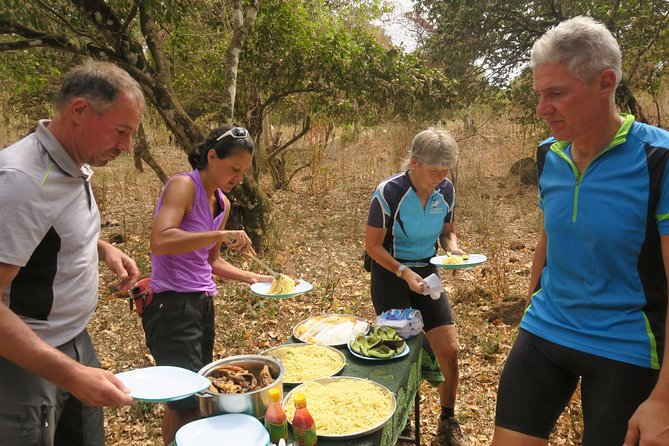
The camping side gets a lot of credit too, with comments saying the camping sites and setups were beyond expectation, plus strong food and snack coverage.
Now for the red flag: one negative comment claims a booking was canceled by Roy and nearly all the money was kept, with the reviewer saying they lost over $2,000 and warning others not to trust him with payment. I cannot judge what happened from a single account, but I treat it as a serious signal. If you book, protect yourself by confirming payment schedule, written refund terms, and what happens if the tour must change.
Who should book Kilimanjaro 360
You’ll likely love this if you:
- Want a multi-day cycling circuit rather than a single-day ride
- Like meeting people as part of the route, with stops at places like Olpopongi and Kinukamori waterfalls
- Prefer tours with strong operations, meaning a support vehicle, a mechanic, and consistent meals
- Are comfortable riding on mixed surfaces and tackling hills
This might be less ideal if you:
- Want short, easy riding every day
- Need fully predictable road conditions (some days include dirt roads and village roads)
- Are extremely sensitive to business and refund risk, given the cancellation complaint in available feedback
Should you book it? My decision guide
If your goal is to circle Kilimanjaro by bike and you want the day-by-day mix of farms, plains, and culture, I think Kilimanjaro 360 fits well. The value comes from the all-in package feel: bikes, meals, camping gear, fees, and real support. And the route choices, including Lake Chala and Kinukamori, give you variety that most cycling tours around big destinations do not.
I would still make one move before paying: ask clear questions about cancellation and refunds, and make sure you get the answers in writing. If you get comfortable with that and you’re honest about your riding fitness, this is the kind of trip that can feel like a once-in-a-while life chapter, not just another tour stamp.
FAQ
How many days is the Kilimanjaro 360 tour?
It runs for about 8 days, with approximately 6 days of cycling included.
Where does the tour start?
The tour is based in Moshi, Tanzania. Pickup is offered from Kilimanjaro International Airport (JRO), and you also have a transfer to the airport at the end.
What time does the tour start each day?
The meeting start time is listed as 7:00 am.
What bike gear is included?
Mountain bikes and helmets are included.
Are meals included?
Yes. Breakfast, lunch, and dinner are included for 8 days of the tour.
Do you camp or stay in hotels?
Both. There are nights at a 3-star hotel (before and after) and camping nights during the cycling days, using included camping gear.
Is a support vehicle included?
Yes. A support vehicle is included, along with a bike mechanic, driver, and cook.
What road conditions should you expect?
The tour notes a mix of tarmac and dirt roads on at least the longer ride days, and you should be ready for mixed road conditions.
Who is this tour best suited for?
You should have moderate physical fitness.
Is free cancellation available?
Yes. The tour allows free cancellation up to 24 hours before the experience start time for a full refund, and it notes weather-related cancellations may offer a different date or a full refund.
Kilimanjaro, Route by Route
- Kilimanjaro climb by Lemosho Route (7-day)
★ 5.0 · 651 reviews - Kilimanjaro climb, Machame Route (7-day)
★ 5.0 · 262 reviews - Kilimanjaro Climbing Lemosho Route 8 Days.
★ 5.0 · 186 reviews - Climbing Kilimanjaro – Machame Route
★ 5.0 · 170 reviews - Climbing Kilimanjaro through 7 days Machame Route
★ 5.0 · 151 reviews
Just added from around Moshi

Mount Kilimanjaro Treks, compared.
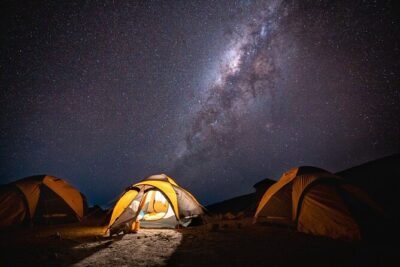 ★ 5.0Kilimanjaro climb by Lemosho Route (7-day)From $3,476651 reviews
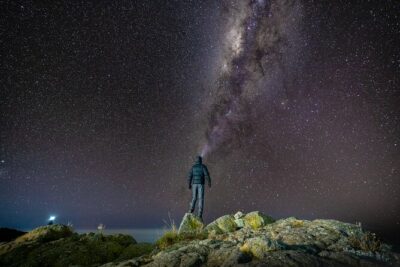 ★ 5.0Kilimanjaro climb, Machame Route (7-day)From $3,377262 reviews
 ★ 5.08-Day Small-group Lemosho Kilimanjaro Summit TrekkingFrom $2,895186 reviews
 ★ 5.0Kilimanjaro Climbing Lemosho Route 8 Days.From $2,300186 reviews
 ★ 5.0Climbing Kilimanjaro – Machame RouteFrom $2,322170 reviews
 ★ 5.0Climbing Kilimanjaro through 7 days Machame RouteFrom $2,425151 reviews
 ★ 5.0Kilimanjaro climb, Lemosho Route (8-day)From $3,975148 reviews
 ★ 5.0Kilimanjaro climb, Lemosho Route (6-day)From $3,034129 reviews
Browse the lists this tour appears in