
REVIEW · MOUNT KILIMANJARO TREKS
Kilimanjaro 360° 9 days Tour
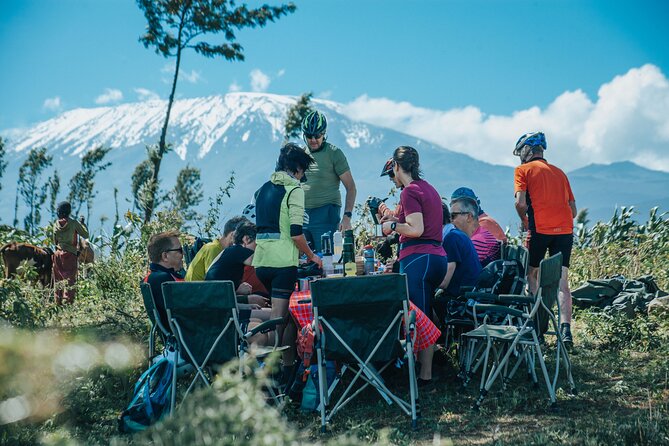
Nine days on two wheels around Kilimanjaro is wild. This Kilimanjaro 360° cycling challenge pairs Chagga and Maasai country with long stretches of off-road riding and ends with real overnight stays in rural spots. I love that it feels like active travel, not a bus tour with a bike sticker. The one caution is fitness: you’ll face rocky climbs, plus some muddy, hilly forest riding.
Starting in Moshi with airport pickup and a supporting vehicle, you can focus on the ride and the scenery. And when the weather cooperates, you get those big, clear-day sightlines across Tanzania and even toward Kenya.
In This Review
- Key things I’d pack for this ride (and why they matter)
- Moshi as your starting base, with airport pickup and Day 1 setup
- Day 2 from Machame Gate through Chagga farms to Olpopongi Maasai village
- Day 3 Sinya and Ngasurai open plains: wildlife corridor riding with big clear-day views
- Day 4 Shira Plateau climb to a helipad at 3700 m, then back down
- Day 5 north-eastern Kilimanjaro side to the Rongai trek entry at Nalemoru village
- Day 6 downhill to Lake Chala: caldera lake, underground springs, and bird-filled recovery
- Day 7 deep forest cycling to Kahawa Shambani campsite in Uru village
- Day 8 uphill toward Mweka Gate, then the easy Moshi finish
- Bikes, meals, and the supporting vehicle that keeps things sane
- What the trip teaches you about culture and landscape, not just distance
- Price and value: why about $2,499 can make sense here
- Who should book Kilimanjaro 360°, and who should pause
- Should you book this Kilimanjaro 360° 9-day MTB tour with One Bike Tanzania?
- FAQ
- Where does the tour start and end?
- Is pickup offered?
- What’s included in the price?
- Is a private tour available?
- How long is the tour?
- What level of fitness do I need?
- Do I need to bring my own bike?
- Is the tour weather dependent?
Key things I’d pack for this ride (and why they matter)
- Off-road variety every day: gravel, dirty roads, and forest trails, not just smooth paths.
- Culture woven into the route: Chagga farms, Maasai areas, and village stops that shape the pace.
- Clear-day view potential: Mt. Kilimanjaro views plus distant features like Mt. Meru and Ol Doinyo Lengai, depending on visibility.
- Multiple overnight styles: from a Maasai-hut stay to campsites and lake-side nights.
- A real safety net: bikes and helmets included, plus a supporting vehicle that keeps the trip practical.
Other ways up Kilimanjaro we reviewed
- Kilimanjaro climb by Lemosho Route (7-day)★ 5.0 · 651 reviews
- Kilimanjaro climb, Machame Route (7-day)★ 5.0 · 262 reviews
- Kilimanjaro Climbing Lemosho Route 8 Days.★ 5.0 · 186 reviews
- Climbing Kilimanjaro – Machame Route★ 5.0 · 170 reviews
Moshi as your starting base, with airport pickup and Day 1 setup
Most people arrive to Tanzania via Kilimanjaro airport and then need a smooth handoff into the trip. On day one, the team picks you up from the airport or your arrival point and transfers you to your hotel in Moshi. After that, you get the info and prep you need before the biking really starts, plus time to rest and wander the city.
What I like about this approach is that it removes the common first-day stress. Instead of scrambling for gear or directions after a flight, you get oriented early, then you can explore Moshi at your own pace.
What to consider: you’ll want to treat day one as your body’s warm-up day. If you arrive exhausted, that first night in town can either help you reset or make day two feel harder than it should.
Day 2 from Machame Gate through Chagga farms to Olpopongi Maasai village
Your ride starts at Machame gate, and right away you’ll feel the Tanzania mix of cultivated land and mountain slopes. A dirty and gravel road leads you through rain forest, then through banana and coffee plantations tied to the Chagga people. As you head west, the scenery opens up into windy sections with more plains and acacia woodlands.
Then comes the cultural shift. You’ll pass through Maasai land, and you’ll have time to experience the differences among tribes and their ways of life. The route also threads by places like Ngabobo and Tinga Tinga village, then follows the edge of the national park area where animals move through native paths.
At the end of the day, you sleep in a traditional Maasai-hut at Olpopongi Maasai village. This is the kind of night that changes how you remember the riding. You’re not just passing landscapes, you’re slowing down enough to connect.
Potential drawback: with this kind of day, you can feel the contrast between easy-going plantation scenery and the harder riding that comes later. If you tend to overpace in the first few hours, day two can quietly set the tone for your whole trip.
Day 3 Sinya and Ngasurai open plains: wildlife corridor riding with big clear-day views
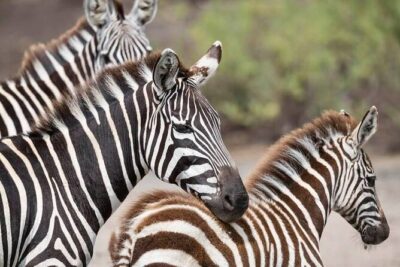
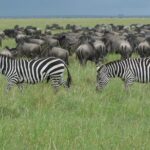
Day three is about open plains and a sense of space. You cycle through the Sinya and Ngasurai open plains, which act as a wildlife corridor for animals traveling between Amboseli National Park in Kenya and the Enduimet wildlife management area in Tanzania. Even if you do not spot wildlife every minute, the route makes the idea of migration feel real.
This day is also explicitly off-the-beaten-path, with no tarmac. On a clear day, you can catch magnificent views that include Mt. Kilimanjaro, Mt. Meru, and Ol Doinyo Lengai. That means you can ride with the mountain as your moving backdrop, not just as a distant silhouette.
You end at Simba farm campsite for the night. Campsite nights like this tend to be about rhythm: ride, eat, recover, repeat.
What to consider: open plains can mean wind and temperature swings. Even if you’re not climbing hard that day, the environment can still tax you, especially if you’re not dressed in layers.
Day 4 Shira Plateau climb to a helipad at 3700 m, then back down
If you want one day that feels like the real “challenge” of Kilimanjaro 360°, this is it. You climb on dirty and rocky roads up toward the Shira Plateau of Mt. Kilimanjaro, reaching a helipad at about 3700 meters. From there, the reward is huge: you get views toward the top of Kilimanjaro and Kibo peak covered with snow, plus Maasai land stretching out on the other side.
Then you rest briefly, and the day turns into the fun part: an easier downhill ride back to Simba farm campsite.
This is the kind of day that makes the rest of the itinerary click into place. The climbs and descents become more than “distance,” they become altitude and perspective. Even if you’re not pushing for records, you’ll feel the mountain’s scale.
Possible drawback: rocky uphill riding is harder on your legs and hands than smooth climbing. If your bike skills are rusty, spend extra time getting comfortable with braking and line choice before you assume you’ll fly downhill.
Day 5 north-eastern Kilimanjaro side to the Rongai trek entry at Nalemoru village
Day five takes you to the north-eastern side of Mt. Kilimanjaro near the Kenya border. Expect vibrant villages and farm life, then a finish at the entry of the Rongai trek route to Kilimanjaro in Nalemoru village. From there, you’ll stay at Snow Cap Cottages in Rongai village.
This day works well if you like a steady mix of riding and human scale. You’ll see more of the daily textures of life rather than just big scenery. And because the Rongai area is near a forest conservation zone for many tree species, the environment feels more textured as you get closer to the forest edge.
What to consider: this section can feel like a balance day, not the lightest ride, not the toughest climb either. It still matters because fatigue is cumulative. If you saved your energy for day six and seven, this is where you decide if that plan holds.
Day 6 downhill to Lake Chala: caldera lake, underground springs, and bird-filled recovery
After a couple of tougher riding days, day six is designed to feel more relaxing. You take a smooth downhill ride to Lake Chala, a unique caldera lake fed by underground springs from Mt. Kilimanjaro.
Here’s why this stop is more than scenery: it’s recovery with a view. You get time to enjoy the lake and its diversity of life, forest, plants, and birds, then you spend the night by the lake.
Lake Chala is the kind of place where you can actually feel your body downshift. After days of focus and effort, this is where you can let your mind stop scanning the trail and start watching the water.
Potential drawback: “relaxing” doesn’t mean “no movement.” If you’ve been leaning hard on the brakes downhill or riding tense to avoid terrain, you may still feel it in your shoulders and wrists afterward. Give yourself the full lake time, not just a quick photo run.
Day 7 deep forest cycling to Kahawa Shambani campsite in Uru village
Day seven is described as more challenging again, and the details matter. You’ll ride on dirt and sometimes muddy roads with a lot of uphills and downhills. This route goes deep into dense forest, and you’ll feel the change in light, air, and footing once you’re under the canopy.
The ride ends at Kahawa Shambani campsite in Uru village for the night. Campsite nights in forest areas can be cool and damp, so drying out matters. If you run cold easily, pack accordingly.
This is also the day where you usually get the most “riding in nature” feeling. Your pace slows. The trail takes attention. In return, you feel like you earned the quiet.
What to consider: muddy sections can wear you out quickly, not just physically but mentally. If you tend to fight the bike instead of adjusting your technique, this day will be a grind.
Day 8 uphill toward Mweka Gate, then the easy Moshi finish
You’ll start day eight with uphill riding toward Mweka Gate. After cycling around much of Kilimanjaro’s whole circuit, the approach back feels like both effort and closure. Once you’ve done the long way around, you switch gears into an easier, relaxing ride back to Moshi via tarmac.
That tarmac return is more than convenience. It’s a psychological gift. Your body gets to move forward without constant gear and traction decisions.
Back in town, you get dinner and time to relax or experience Moshi’s nightlife, then you sleep in your hotel.
Potential drawback: the last-day uphill can feel like the trip’s “final boss” even if you’re tired. The tarmac afterward helps, but you still want to save some clean energy for that last ascent.
Bikes, meals, and the supporting vehicle that keeps things sane
This trip includes a mountain bike and helmet, plus water and snack support during rides. There’s also a supporting vehicle, which matters on a route that includes rocky sections, steep days, and muddy forest riding.
For food, the itinerary lists nine lunches, eight breakfasts, and seven dinners included. That’s a big value point because it reduces how often you have to budget time and cash on the road. It also helps keep you fueled for consecutive riding days.
The supporting vehicle also affects how you pace yourself. Even when you feel good, knowing there’s backup for the day can keep you from taking unnecessary risks. And the more realistic your logistics feel, the more you can enjoy the experience instead of managing it.
One more value angle: One Bike Tanzania has a reputation for flexibility when plans need to change. Riders have described the team as professional at coordinating ahead of time, including modified versions of the ride. That matters because weather and timing can shift, and you’ll want a provider that can adjust without making you feel lost.
What the trip teaches you about culture and landscape, not just distance
This isn’t a “mountain view, quick ride, done” itinerary. You get a steady pattern of meeting people, passing farms, and riding through areas tied to specific groups. Chagga farms show up early with banana and coffee along the route. Then Maasai land takes over on day two, including the Maasai-hut overnight at Olpopongi.
You also get the ecosystem story. Wildlife corridors show up explicitly on day three, where animals travel between areas in Kenya and Tanzania. Lake Chala adds another layer through its caldera origin and life around the springs-fed lake. Then the dense forest on day seven adds the shade and texture you do not get from open plains.
If you like learning while you move, this style works. You’re not stuck in one place for days, and you’re not stuck only watching from a vehicle window.
What to consider: if you hate back-to-back time on a bike seat, this experience can feel like too much even if you are physically fit. But if you enjoy the mental payoff of getting from one place to the next, it’s a strong match.
Price and value: why about $2,499 can make sense here
At $2,499 per person for a nine-day MTB circuit, the headline number looks high until you break down what’s included. You get bike and helmet, water and snacks, a supporting vehicle, and a lot of meals across the trip. You also get multiple lodging styles and a full route plan that circles the mountain’s areas around Moshi.
In practical terms, you’re paying for:
- Logistics that remove hassle (pickup, route planning, transfers back)
- Bike and safety equipment provided
- Food coverage for almost every full day (most meals included)
- Overnight stays in several locations rather than one repeating base
One more subtle value point comes from how riders describe the operator: the team is seen as adaptable, and that can protect your trip if you have timing constraints or want a modified plan.
Possible drawback: if you already have your own bike, your value math shifts. The tour is priced for convenience and support, not for budget travelers who can DIY everything.
Who should book Kilimanjaro 360°, and who should pause
This tour is for you if you want a cycling challenge paired with real rural encounters around Moshi. You should be comfortable with gravel, rocky roads, and occasional muddy tracks. The operator lists the need for a strong physical fitness level, and the itinerary backs that up with uphill days and forest terrain.
It also fits well if you enjoy wildlife corridors, lake scenery, and cultural changes day to day. Private tour format helps too, since only your group participates.
I’d think twice if you:
- want mostly smooth riding with minimal climbs
- get easily stressed by muddy footing
- are hoping to do a casual vacation where every day is short and easy
Should you book this Kilimanjaro 360° 9-day MTB tour with One Bike Tanzania?
Yes, I think it’s a smart booking if your ideal trip looks like active travel, culture you can actually see, and scenery you earn with your legs. The route mix stands out because you rotate between farm country, Maasai land, wildlife corridor riding, lake time at Lake Chala, and dense forest biking.
The best reason to book is the whole package: bikes and helmets provided, a supporting vehicle, and meals covered across most days. If you want a structured adventure without constantly figuring out logistics, this checks a lot of boxes.
The main reason to hesitate is fitness and terrain. If you’re not ready for rocky climbs and some muddy rides, you’ll spend energy fighting the route instead of enjoying it.
If you are solid on a mountain bike, can handle hills, and want an authentic Tanzanian circuit experience around Kilimanjaro, this is the kind of trip that tends to stick with people.
FAQ
Where does the tour start and end?
The tour starts at One Bike Shop on Mailimoja Rd in Moshi, Tanzania, and it ends back at the same meeting point.
Is pickup offered?
Yes. On day one, you can be picked up from Kilimanjaro airport or any other arrival point and transferred to your hotel in Moshi.
What’s included in the price?
The tour includes a mountain bike and helmet, water and snacks, a supporting vehicle, and meals: 9 lunches, 8 breakfasts, and 7 dinners.
Is a private tour available?
Yes. This is listed as a private tour or activity, with only your group participating.
How long is the tour?
It runs for 9 days (approximately).
What level of fitness do I need?
The tour information says travelers should have a strong physical fitness level.
Do I need to bring my own bike?
No. Mountain bikes and helmets are included.
Is the tour weather dependent?
Yes. It requires good weather. If canceled due to poor weather, you’ll be offered a different date or a full refund.
Kilimanjaro, Route by Route
- Kilimanjaro climb by Lemosho Route (7-day)
★ 5.0 · 651 reviews - Kilimanjaro climb, Machame Route (7-day)
★ 5.0 · 262 reviews - Kilimanjaro Climbing Lemosho Route 8 Days.
★ 5.0 · 186 reviews - Climbing Kilimanjaro – Machame Route
★ 5.0 · 170 reviews - Climbing Kilimanjaro through 7 days Machame Route
★ 5.0 · 151 reviews
Just added from around Moshi
Mount Kilimanjaro Treks, compared.
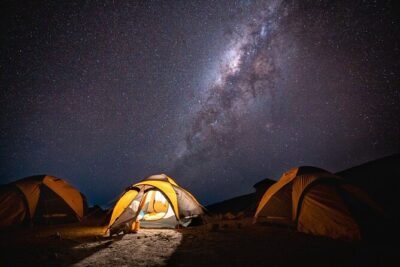 ★ 5.0Kilimanjaro climb by Lemosho Route (7-day)From $3,476651 reviews
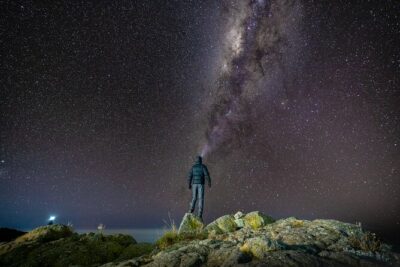 ★ 5.0Kilimanjaro climb, Machame Route (7-day)From $3,377262 reviews
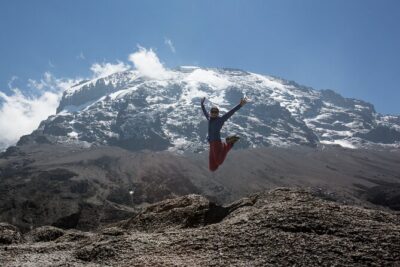 ★ 5.08-Day Small-group Lemosho Kilimanjaro Summit TrekkingFrom $2,895186 reviews
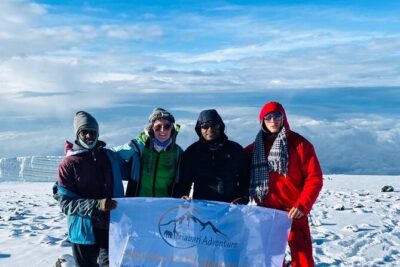 ★ 5.0Kilimanjaro Climbing Lemosho Route 8 Days.From $2,300186 reviews
 ★ 5.0Climbing Kilimanjaro – Machame RouteFrom $2,322170 reviews
 ★ 5.0Climbing Kilimanjaro through 7 days Machame RouteFrom $2,425151 reviews
 ★ 5.0Kilimanjaro climb, Lemosho Route (8-day)From $3,975148 reviews
 ★ 5.0Kilimanjaro climb, Lemosho Route (6-day)From $3,034129 reviews
Browse the lists this tour appears in