
REVIEW · MOUNT KILIMANJARO TREKS
Hiking Mt Kilimanjaro 7 days scenic route & moderate challenge
Kilimanjaro has a way of changing your breathing fast. This 7-day Machame route focuses on scenery and smart acclimatization before the long summit night. I like how the days feel paced for altitude, not just mileage, and I also love that your team keeps logistics tight, from boiled water to camp timing.
Two things I especially like: the scenic variety from rainforest to moorland to alpine desert, and the way the plan builds in acclimatization without wasting your energy. One drawback to weigh: Machame can be steep and difficult, and the shorter itinerary means you really need to take altitude seriously from day one.
In This Review
- Key Highlights You’ll Actually Feel on the Trail
- The Machame Route Choice: Whiskey Scenery, Real Altitude Work
- Getting Started From Moshi and Machame Village: Morning Energy, Possible Mud
- Day 1 in the Rain Forest: Make Your Steps Count, Not Your Energy
- Day 2 to Shira Plateau (3840m): Forest Up, Moorland Alongside Views
- Day 3 Toward Lava Tower and Barranco: The Toughest Day for Symptoms
- Day 4: The Great Barranco Wall and Karanga Valley Acclimatization
- Day 5 to Barafu Hut (4550m): Go Easy, Know the Water Situation
- Day 6 Summit Night: Tea Biscuits, Heavy Scree, Stella Point Sunrise
- Day 7 Descent and Certificates: Celebration Beats the Paperwork
- How Difficult Is This 7-Day Machame Route, Really?
- What the Small Group Size Changes for You
- Price and Value: Why $2,650.16 Can Be Fair for Kilimanjaro
- Weather, Cold, and the Reality of the Camps
- Who Should Book This Machame 7-Day Plan (and Who Should Rethink)
- Should You Book Safari Soles for Machame 7 Days?
- FAQ
- Where do you get picked up?
- How long is the Kilimanjaro hike?
- What route is this trek on?
- What fitness level do I need?
- How big is the group?
- Does the tour include entrance tickets?
- What time do you start the summit attempt?
- What certificates do you get when you finish?
- What happens if weather conditions are poor?
- What is the cancellation policy?
Key Highlights You’ll Actually Feel on the Trail
- Day-by-day scenery changes, from rain forest to moorland, semi-desert, and alpine desert camps
- Acclimatization built into the route, including the classic Great Barranco Wall day
- A clear summit plan with a late-night start around 23h30 and a Stella Point sunrise break
- Proper altitude attention, with guides checking for signs like breathlessness and headaches
- Small group size with a maximum of 8 travelers, so the experience feels more controlled
- Certificates for your altitude milestone, green for Stella Point and gold for Uhuru Peak
Other ways up Kilimanjaro we reviewed
- Kilimanjaro climb by Lemosho Route (7-day)★ 5.0 · 651 reviews
- Kilimanjaro climb, Machame Route (7-day)★ 5.0 · 262 reviews
- Kilimanjaro Climbing Lemosho Route 8 Days.★ 5.0 · 186 reviews
- Climbing Kilimanjaro – Machame Route★ 5.0 · 170 reviews
The Machame Route Choice: Whiskey Scenery, Real Altitude Work
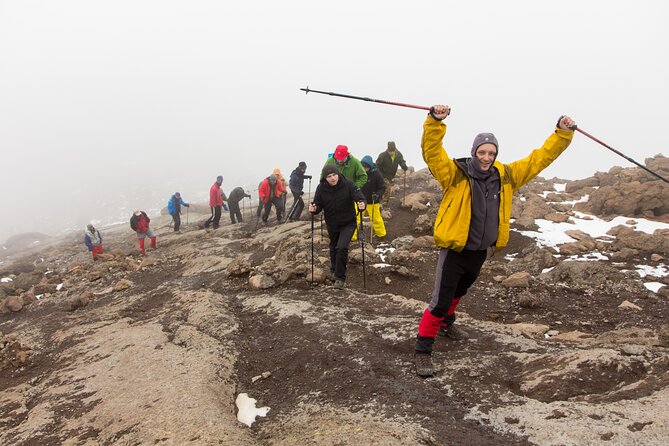
The Machame route is often called the Whiskey route, and the nickname makes sense in a practical way. It feels like a sustained, scenic push upward, with enough ups and downs to make acclimatization part of the hike, not an afterthought.
You’ll need to be ready for a hard physical effort. Even with acclimatization days, Machame’s timing is demanding, especially because several camps sit at high elevations and the summit attempt is long.
On the plus side, the route gives you big visual payoffs: as you climb, the views open up and you can spot distant glacial features. It is not just a treadmill to the top, it is a slow reveal of Kilimanjaro’s zones.
Getting Started From Moshi and Machame Village: Morning Energy, Possible Mud
Your day begins in Moshi area with pickup from Arusha (1400m). You drive to Machame Village first, then you get your packed lunch and you can grab mineral water in the village before the real climb begins.
From there, road conditions decide the first obstacle. If the vehicle can’t go all the way to Machame gate, you do a muddy 3 km walk that can take about an hour.
Then the real character of the Machame route hits: you enter the rain forest almost immediately. You should plan for rain, because a wet rainforest day turns trail conditions into soggy, muddy, and slippery footing. If you hate slipping, this is your warning label.
Day 1 in the Rain Forest: Make Your Steps Count, Not Your Energy
Day 1 is about getting your rhythm. You register at the gate office, then you begin ascending into forest where the air can feel heavy and damp.
You’ll have a welcome lunch stop about halfway. After that, you reach camp, and you will likely get your first taste of cold weather depending on conditions.
Practical tip: treat Day 1 like a warm-up, not a race. Kilimanjaro rewards steady pacing more than ego-driven speed.
Day 2 to Shira Plateau (3840m): Forest Up, Moorland Alongside Views
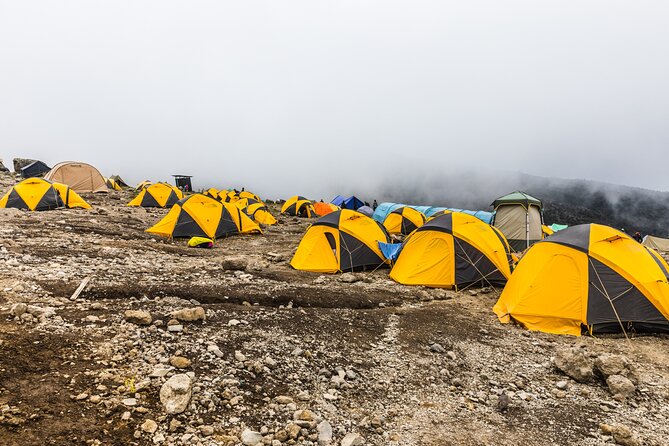
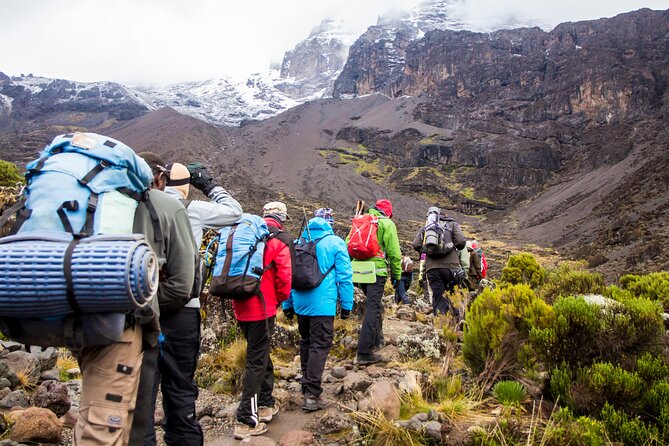
You rise at Machame camp and head out early. The hike starts with about an hour climb through the transition zone, then you move into moorland for around two gentler hours.
After a short lunch and rest, you continue up a rocky ridge toward the Shira plateau. This is where the route gives you a meaningful payoff: you can see in an easterly direction, toward the Western Breach with stunning glaciers.
By the end of the day, you reach Shira campsite at about 3840m. Dinner comes after the team boils drinking and washing water, which matters because hydration is a big part of altitude comfort.
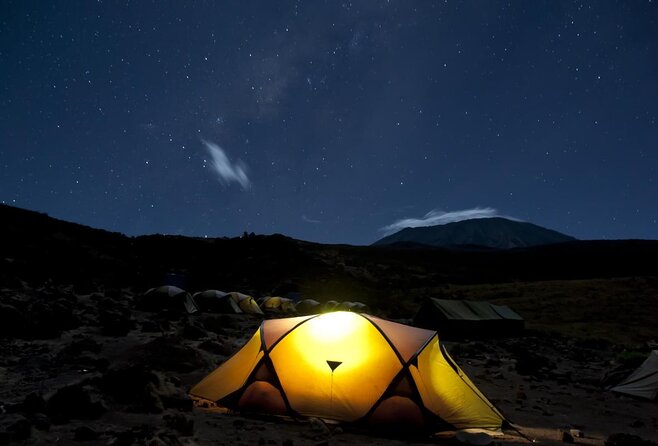
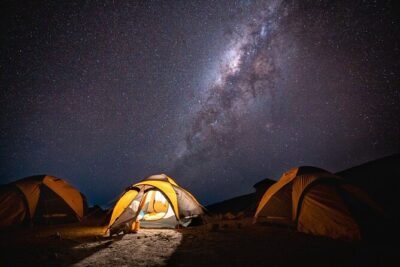
Then comes the temperature reality. That exposed camp can get colder than your previous night, with temperatures dropping below freezing. The lesson is simple: warm sleep systems are not optional.
Day 3 Toward Lava Tower and Barranco: The Toughest Day for Symptoms
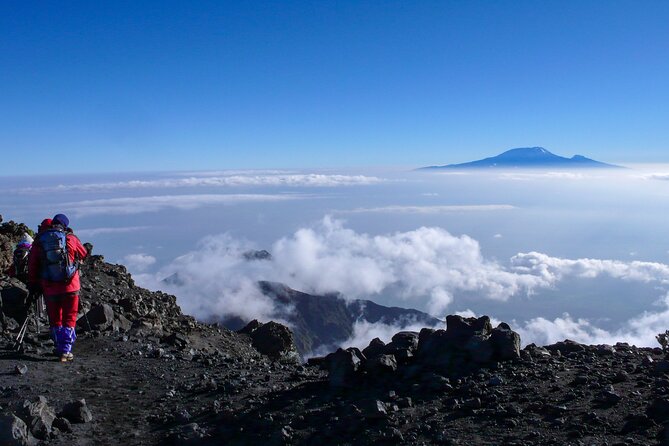
Day 3 is usually where people feel it. You move into a semi-desert, rocky zone around Lava Tower.
You reach an altitude around 4630m after about 5 hours of walking. The route includes both a lunch served in a designated area and a rocky scree ascent toward Lava Tower at about 4630m.
This is also a day associated with altitude symptoms. The hike can trigger breathlessness, irritability, and headaches in the first people who are still a little too aggressive. That is why your guide team matters.
After lunch, you descend significantly toward the Barranco camping area, dropping by almost 680m. The point is acclimatization: you get high enough to adapt, then you come back down so your body can recover before the next push.
I like that the route uses descent as a tool, not as a slowdown. Your legs get a break and your body gets a chance to catch up.
Day 4: The Great Barranco Wall and Karanga Valley Acclimatization
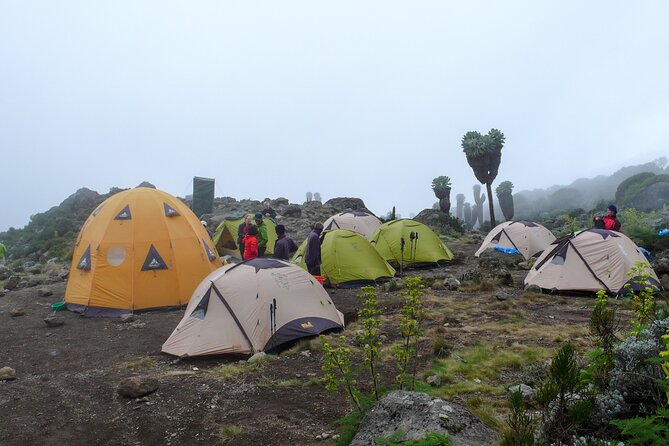
This day is a classic Kilimanjaro story: you conquer the Great Barranco Wall, then you relax into the next valley rhythm.
Morning breakfast starts you toward the Wall. It may look intimidating at first glance, but hikers often find it closer to a Class 2 hike than their fears suggest.
At the top, you get views over Heim Glacier and you can be above the clouds. That moment matters because it turns effort into meaning. You’re not just climbing, you’re witnessing.
Then the trail winds up and down in the Karanga Valley. This is a strong acclimatization day because it keeps you moving but avoids the brutal, soul-crushing grind of pure summit-terrain.
Day 5 to Barafu Hut (4550m): Go Easy, Know the Water Situation
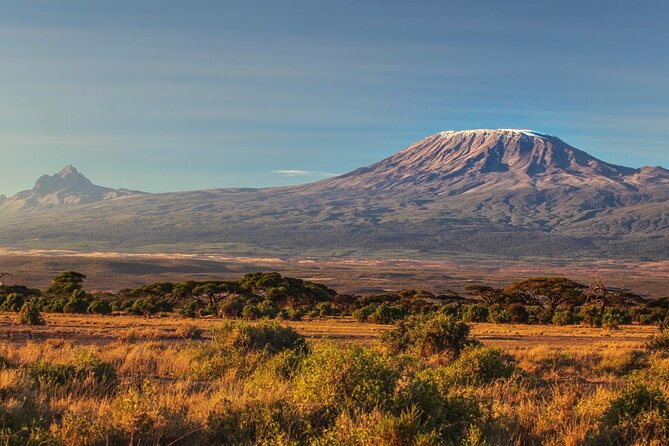
Day 5 starts from Karanga Camp around 3959m. You hike along a trail that intersects with the Mweka Route, the same trail used during the final two days’ descent.
After about an hour you reach Barafu Hut. Barafu Camp sits around 4550m and it is rocky, exposed, and windy.
This is also the last water stop for porters because there is no accessible water at Barafu Camp. If you want a simple takeaway, it is this: hydrate well before you reach Barafu, and plan to take water management seriously.
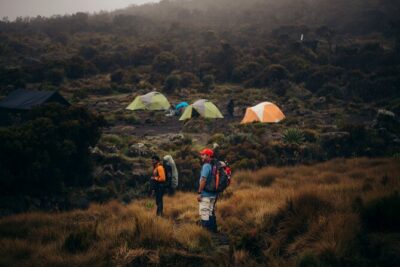
Campsite familiarity is another key point. Tents are exposed to wind and rocks, so you need to set up and orient yourself before dark. A messy, rushed setup in the cold costs energy you will later want for the summit push.
Day 6 Summit Night: Tea Biscuits, Heavy Scree, Stella Point Sunrise
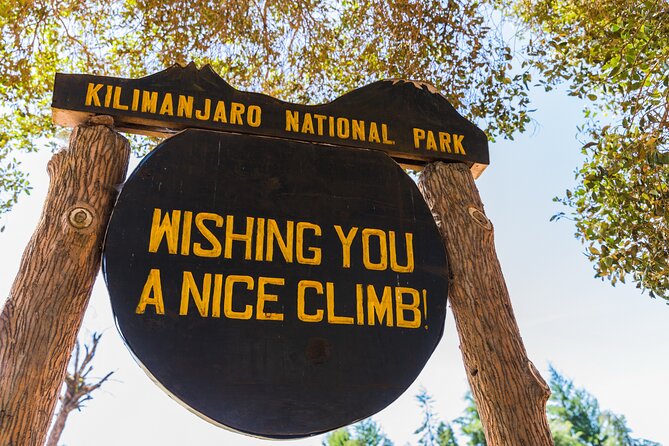
This is the day that makes or breaks the whole trip, and the schedule is intense. You rise around 23h30, then have tea and biscuits, then you shuffle out into the night.
The hike heads north-west and climbs through heavy scree toward Stella Point on the crater rim. For many people, the walk to Stella Point is mentally and physically the hardest part of the route.
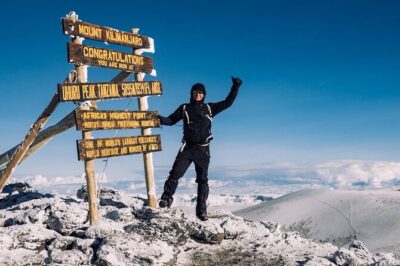
Stella Point sits at about 5685m. You stop briefly for rest and, if the weather cooperates, you get one of the best sunrise views you are likely to see anywhere. In Kilimanjaro terms, weather is everything, so keep your expectations flexible.
From Stella Point, you climb for about two more hours to Uhuru Peak (about 5895m). Snow can appear along this stretch depending on conditions, so expect cold and careful footing.
How long you spend on the summit depends on weather. The practical mindset here is not to linger, not to panic, just to go by your guide’s call and the conditions in front of you.
In one account I found especially reassuring, the guide team named Gastro and Sam offered professional help throughout the ascent and watched carefully for altitude issues like the early warning signs that show up before you fully feel sick.
Day 7 Descent and Certificates: Celebration Beats the Paperwork
You start Day 7 with a well-deserved breakfast. Then your staff brings a celebration with dancing and singing, and it is also the moment you present tips to the guide, assistant guides, chef(s), and porters.
After that, you descend for about three hours back to Mweka Gate. Then you continue down into Mweka village for about one more hour over roughly 3 kilometers.
Kilimanjaro National Park requires all hikers to sign their names to receive certificates of completion. If you reached Stella Point, you receive a green certificate. If you reached Uhuru Peak, you receive a gold certificate.
That certificate moment is small compared with the summit itself, but I like it because it turns the climb into a concrete achievement. You leave with proof that you did it.
How Difficult Is This 7-Day Machame Route, Really?
This tour is listed for moderate physical fitness, and that can be true while still feeling very hard. The Machame route is steep and challenging, especially given the shorter itinerary. Your body has to adapt quickly, and that means pace discipline matters.
Here’s how you’ll feel the challenge across days:
- Rain forest day one can wear you out with wet, slippery footing.
- Day two is steady but cold, and you sleep high.
- Day three is often the toughest due to altitude and scree sections.
- Day four helps you acclimatize, but it still asks for attention on uneven trails.
- Day five is exposed and windy, and the water situation adds pressure.
- Day six is the biggest test, long, cold, and mentally demanding.
If you have done high-altitude hikes or backpacking before, you’ll likely find this route more manageable. If you haven’t, you can still succeed, but you must be honest with your fitness and slower with your ambition.
What the Small Group Size Changes for You
The group size max is 8 travelers. That matters more than you might think.
With fewer people, it is easier for guides to monitor how you are breathing, how you are moving, and whether your attitude is turning cranky in the way altitude can cause. In one experience, the guide team was noted for helping and staying alert for altitude sickness signs, which is exactly what you want in a smaller group setting.
You’re also less likely to feel stuck behind a crowded line. On steep terrain, being able to keep your own steady rhythm is a real advantage.
Price and Value: Why $2,650.16 Can Be Fair for Kilimanjaro
At $2,650.16 per person for about 7 days, this is not a budget weekend. But Kilimanjaro is not just walking in the hills. You are paying for a staffed operation in a high-altitude environment, plus park entry and the realities of carrying food, camp support, and water handling.
The itinerary indicates admission tickets are included, and you also get practical camp support such as porters boiling drinking and washing water. Reviews reinforced that food and shelter were excellent, and that the team structure can include two guides, porters, and a cook.
So the value question is not just the number. It is whether the operation is set up to keep you safe and fed while you chase altitude.
If you compare that to the cost of trying to self-organize a high-altitude trek with guides and logistics sorted incorrectly, this price starts looking more like the cost of doing it the right way.
Weather, Cold, and the Reality of the Camps
Kilimanjaro is a cold mountain, even when the day hiking feels manageable. Camps can drop well below freezing at higher camps, and Barafu Camp is exposed to wind and rocks.
This means your success depends on how well you manage cold gear. Even if you feel tough in daylight, night temperatures can strip your warmth fast.
A good strategy is to avoid guesswork. Before you go, make sure you have layers that work together for cold wind and sleeping. The summit night also punishes poor insulation, because you are walking for hours while your body is already working at high altitude.
Who Should Book This Machame 7-Day Plan (and Who Should Rethink)
This tour is a strong fit if you:
- want a route known for scenic variety
- can handle a moderate-to-difficult hiking profile
- are willing to follow pacing and altitude guidance closely
- like the structure of a guided plan with a small group size
You might rethink the route if you:
- have limited hiking experience and are unsure about how you respond to altitude
- prefer flatter routes and shorter elevation days
- are not comfortable with early starts and long nights
For families, I saw one example of a group including teenagers aged 15 and 17, who said they were very happy with organizing their Kilimanjaro hike through Safari Soles. That suggests this can work for motivated older teens, but you still need serious fitness and altitude caution.
Should You Book Safari Soles for Machame 7 Days?
I’d book this if you want Machame for the scenery and you’re ready for the altitude discipline the route demands. The combination of a guided team, small group size, and acclimatization pacing is exactly what you want when the mountain gets cold and your body needs time to adjust.
If you’re on the fence, ask yourself one question: will you hike conservatively when the altitude makes you want to push? If the answer is yes, you will likely love this trip for the views, the camp highs and lows, and the summit sunrise moment at Stella Point.
FAQ
Where do you get picked up?
Pickup is offered from Arusha, and then you are driven to Machame Village before starting the trek.
How long is the Kilimanjaro hike?
The duration is about 7 days.
What route is this trek on?
This is the Machame route, also known as the Whiskey route.
What fitness level do I need?
The experience is for travelers with a moderate physical fitness level.
How big is the group?
The tour has a maximum of 8 travelers.
Does the tour include entrance tickets?
Admission tickets are included for the experience days listed in the itinerary, and Day 7 shows admission ticket free.
What time do you start the summit attempt?
You rise around 23h30 and then begin the summit hike that night.
What certificates do you get when you finish?
The park gives green certificates if you reached Stella Point, and gold certificates if you reached Uhuru Peak.
What happens if weather conditions are poor?
This experience requires good weather. If it is canceled due to poor weather, you will be offered a different date or a full refund.
What is the cancellation policy?
You can cancel for free up to 24 hours in advance for a full refund. If you cancel less than 24 hours before the start time, the amount paid is not refunded, and changes within 24 hours are not accepted.
Kilimanjaro, Route by Route
- Kilimanjaro climb by Lemosho Route (7-day)
★ 5.0 · 651 reviews - Kilimanjaro climb, Machame Route (7-day)
★ 5.0 · 262 reviews - Kilimanjaro Climbing Lemosho Route 8 Days.
★ 5.0 · 186 reviews - Climbing Kilimanjaro – Machame Route
★ 5.0 · 170 reviews - Climbing Kilimanjaro through 7 days Machame Route
★ 5.0 · 151 reviews
Just added from around Moshi
Mount Kilimanjaro Treks, compared.
 ★ 5.0Kilimanjaro climb by Lemosho Route (7-day)From $3,476651 reviews
 ★ 5.0Kilimanjaro climb, Machame Route (7-day)From $3,377262 reviews
 ★ 5.08-Day Small-group Lemosho Kilimanjaro Summit TrekkingFrom $2,895186 reviews
 ★ 5.0Kilimanjaro Climbing Lemosho Route 8 Days.From $2,300186 reviews
 ★ 5.0Climbing Kilimanjaro – Machame RouteFrom $2,322170 reviews
 ★ 5.0Climbing Kilimanjaro through 7 days Machame RouteFrom $2,425151 reviews
 ★ 5.0Kilimanjaro climb, Lemosho Route (8-day)From $3,975148 reviews
 ★ 5.0Kilimanjaro climb, Lemosho Route (6-day)From $3,034129 reviews
Browse the lists this tour appears in