
REVIEW · MOUNT KILIMANJARO TREKS
Explore the 360° of Kilimanjaro
Cycling Kilimanjaro’s base feels like a loop of worlds. This 360° ride strings together coffee and banana farms, acacia savannah, and Maasai country, with wildlife sightings possible along the way. What I like most is the chance for wildlife days in Enduimet and the Maasai village night where you eat, sing, and learn firsthand.
You’ll feel the variety in your legs, since the route mixes dusty dirt, some rocky sections, and a few paved stretches. The one possible drawback is that this is not a casual spin, you should be ready for 4 to 8 hour ride days, plus moderate fitness and long stretches on uneven ground. In other words, if you hate dust or hills, plan on suffering a bit.
The logistics are handled well for a bike trip like this, including pickup from JRO, bike fitting, and a support vehicle so you are not hauling the whole world on your back. I also like that the team brings practical safety tools, like a pulse oximeter for blood oxygen readings, and a full first aid kit for emergencies.
In This Review
- Key highlights you will actually care about
- A Full 360° Circle: What You Ride Around at Kilimanjaro’s Base
- Start in Moshi With Bike Fitting and a Coffee-Plantation Warm-Up
- From Southern Kilimanjaro Farms to Olpopongi and Maasai Lands
- Enduimet Wildlife Management Area to Simba Farm Views
- Toward Rongai: Nalemoru Village, Foothill Towns, and Snowcap Cottages
- Lake Chala: A Downhill Ride Into a Crater Lake on the Tanzania-Kenya Border
- Marangu Villages and Ndoro Waterfall: Chagga Culture on the Move
- Final Ride Into Moshi: Back Roads, Hills, and Toasting Your Win
- What’s Included, and How the Support Works on Real Dirt Roads
- Price and Value: Does $2,100 Really Cover the Right Stuff?
- Who Should Book This Ride, and Who Should Think Twice
- Should You Book Explore the 360° of Kilimanjaro?
- FAQ
- What time does the tour start each day?
- How many days do you cycle, and what is the total distance?
- Is pickup from the airport included?
- Is camping gear provided, and do I need a sleeping bag?
- What meals and water are included?
- Do I need a Tanzania visa?
- What happens if I cancel?
Key highlights you will actually care about
- Real ecosystem variety: farms, acacia woodland, and savannah feel completely different day to day
- Wildlife route potential: Enduimet Wildlife Management Area sits on a migratory corridor
- Culture with meals and songs: Olpopongi Maasai Cultural Village plus a Chagga waterfall guide moment
- Big scenic payoff points: Lake Chala’s crater lake and the Rongai forest edge at Snowcap Cottages
- Support that reduces fatigue: support vehicle, bike mechanic, driver, cook, plus camping gear
Other ways up Kilimanjaro we reviewed
- Kilimanjaro climb by Lemosho Route (7-day)★ 5.0 · 651 reviews
- Kilimanjaro climb, Machame Route (7-day)★ 5.0 · 262 reviews
- Kilimanjaro Climbing Lemosho Route 8 Days.★ 5.0 · 186 reviews
- Climbing Kilimanjaro – Machame Route★ 5.0 · 170 reviews
A Full 360° Circle: What You Ride Around at Kilimanjaro’s Base
This trip is built around one simple idea: you do not climb Kilimanjaro, you ride around it. That changes the whole feel. Instead of altitude training and summit drama, you get a rotating set of valleys, farms, and habitats that hug the mountain’s lower ring.
The total distance is about 370 km, mostly off road with some paved road. Over roughly 6 cycling days, you experience the mountain from multiple sides, which means the vegetation shifts noticeably. One day you are pedaling through greener cultivation zones, the next you are in drier acacia woodlands where the air feels harsher and the views open wide.
Start in Moshi With Bike Fitting and a Coffee-Plantation Warm-Up
Day 1 begins with the easiest part: someone meets you and moves you into place. You get picked up at Kilimanjaro International Airport (JRO) and transferred to Keys Hotel near Moshi, at the mountain’s base.
After you meet your guide, you do bike fitting. That matters more than people think. A proper fit helps you stay comfortable for long ride days later, especially when the surface turns dusty or rocky. If you arrive on a morning or afternoon flight, you also get time for a quick test ride through nearby coffee plantation areas and surrounding villages, which is a nice way to get your balance under you before the real cycling starts.
From Southern Kilimanjaro Farms to Olpopongi and Maasai Lands
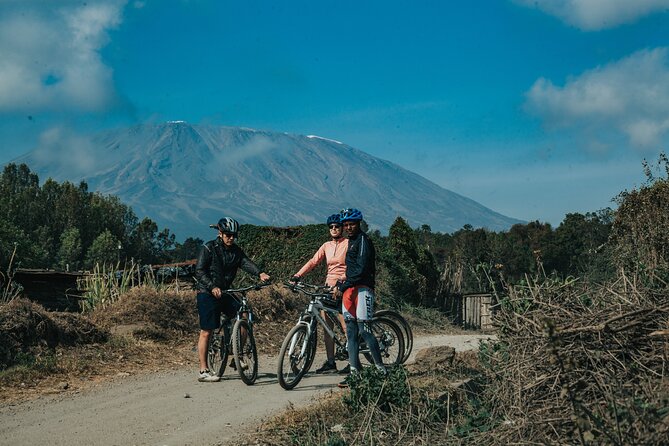
Day 2 moves you from the greener southern side toward the more arid west. You start with coffee and banana plantations, and then as you head west the terrain becomes open plains with acacia trees. This is when the big “360” idea clicks, because you can feel the mountain’s weather and land use changing as you ride around it.
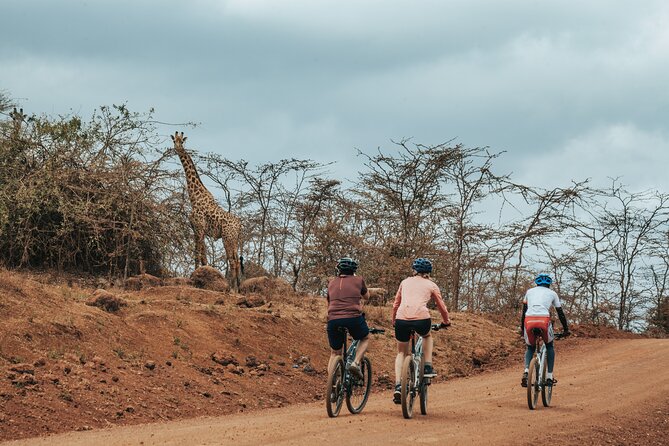
The riding day is long, about 7 hours, but it is broken up by scenery and the slow shift from cultivated fields to drier woodland. Wildlife can be seen here, and the mix of wildlife and human land use is part of what makes this route meaningful.
Your cultural stop is Olpopongi, the Maasai Cultural Village & Museum. You learn customs, songs, and dishes, and you get a more grounded sense of how Maasai communities co-exist with the wildlife in the surrounding area. The museum part helps too, because it gives context so the cultural performances feel connected to daily life, not just entertainment.
Enduimet Wildlife Management Area to Simba Farm Views
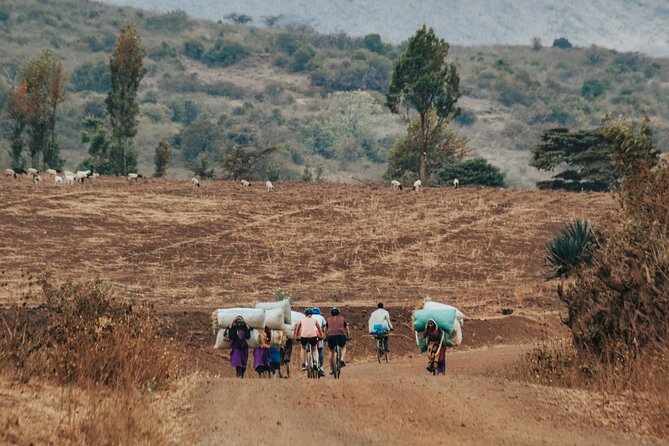
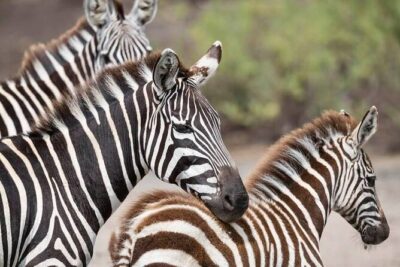
Day 3 is shorter on paper, about 4 hours, but it sets a strong tone. You ride through the Enduimet Wildlife Management Area, which sits next to Amboseli National Park and acts as a migratory route for wildlife. The area is also inhabited primarily by Maasai people, with other tribes like Chagga, Meru, and Pare in the mix.
You start on wide open plains dotted with acacia trees. As you approach the lower slopes of Kilimanjaro, it gets greener and cultivation increases. That transition is one of the quiet perks of cycling this region. You see land change in real time, not from a distant viewpoint.
The day ends at Simba Farm, overlooking vast wheat and barley fields in the west Kilimanjaro plains. It is a good spot to decompress, because the ride is basically a moving panorama. If you are the kind of traveler who likes to watch how people farm and where wildlife corridors run, this is one of the most satisfying days.
Toward Rongai: Nalemoru Village, Foothill Towns, and Snowcap Cottages
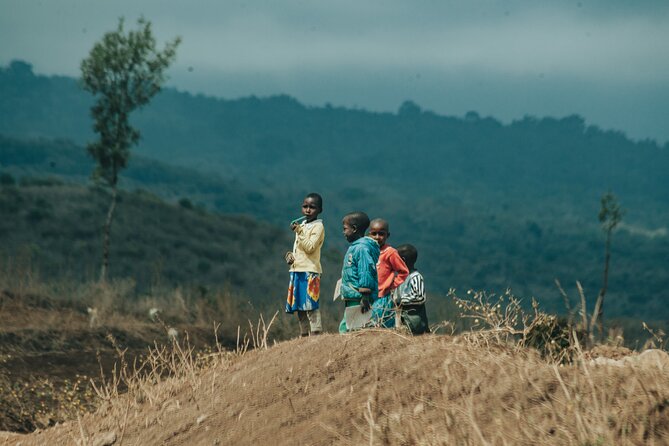
Day 4 pushes ride time up to about 8 hours, and it shows on your legs. You head toward the north east side of Kilimanjaro, stopping near Nalemoru village, close to the Kenyan border. This area is where the Rongai route up Kilimanjaro starts, so you are not far from the corridor that trekkers use.
As you cycle, the route takes you through open farmlands and then into foothills with towns along the way. You get those classic “small roads, frequent turns, constant looking” vibes, because you are never stuck seeing only one kind of scenery.
Your ride ends at Snowcap Cottages, right on the edge of the Rongai forest. On a clear day, you can enjoy views of Kilimanjaro peaks Kibo and Mawenzi. Clear weather is never guaranteed, but even when visibility is limited, this area feels like a transition zone between mountain forest and open farmland.
Lake Chala: A Downhill Ride Into a Crater Lake on the Tanzania-Kenya Border
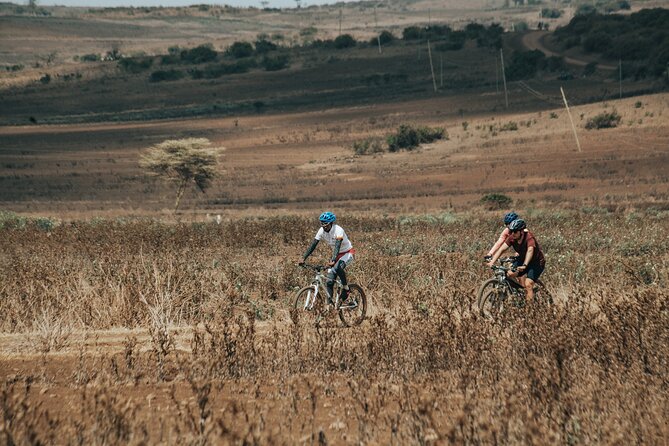
Day 5 is the relief day many people hope for, a downward hill ride of about 6 hours. You go to Lake Chala, a crater lake on the border between Kenya and Tanzania.
Lake Chala is described as being fed entirely by underground springs from Mount Kilimanjaro. That matters because it helps explain why the water is so striking and why the setting feels anchored, like the lake is powered by the mountain itself.
Your camp is on the edge of the caldera lake, with a dramatic volcanic backdrop. This is where you slow down. Cycling days give you energy, but days like this restore your attention. You have time to sit, look, and just let the day’s riding sink in.
Marangu Villages and Ndoro Waterfall: Chagga Culture on the Move
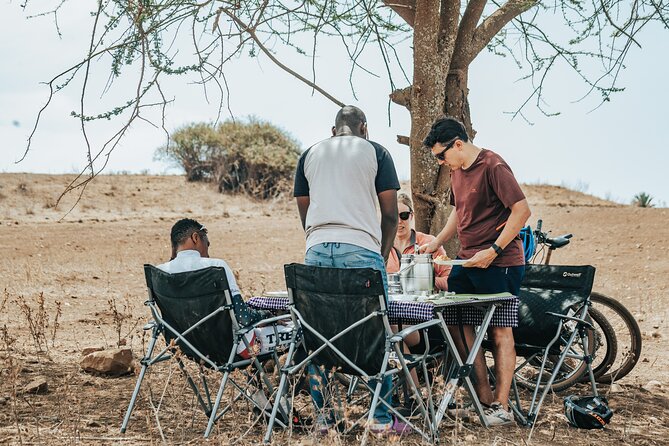
Day 6 is about 7 hours, short but challenging because it is riding up to Marangu village in the foothills. As you pedal, you pass banana and coffee plantations and you meet Chagga people along the route, with friendly greetings as you pass.
Before your final arrival at camp, you detour to Ndoro waterfalls. You can stretch your legs and walk down to the base of the falls. What makes this stop special is that you get a local guide. A Chagga guide shares history of the area and the waterfall, talks about Chagga traditions and customs, and even explains a mystical legend tied to the waterfalls and a cave association. That is the kind of storytelling that adds depth to what otherwise might feel like a quick roadside stop.
Final Ride Into Moshi: Back Roads, Hills, and Toasting Your Win
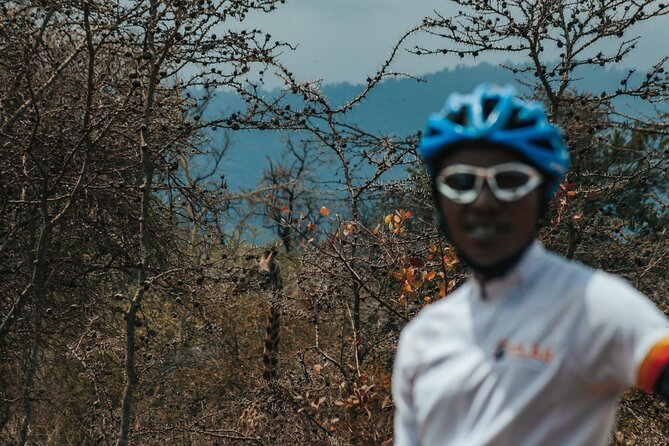
Day 7 finishes the loop back at Moshi. You start cycling across the slopes of Kilimanjaro, and the day is split in feel: the first half includes steep ascents and descents, then the second half becomes a gradual downhill ride.
As you approach Moshi Town, you ride on back roads and outskirt streets, which is a great way to avoid only seeing the obvious main routes. You end at Keys Hotel, then seal the trip with a celebratory dinner and sparkling wine to toast to finishing the 6-day journey around the mountain.
What’s Included, and How the Support Works on Real Dirt Roads
On a trip like this, the big question is not only comfort, it is how much mental load the trip removes from you. Here, a lot is handled up front.
Included meals are solid: breakfast, lunch, and dinner every day, plus snacks and fruits. You also get complimentary 3 liters of mineral water per biker, which matters when you are cycling dusty tracks and trying to stay focused on your line.
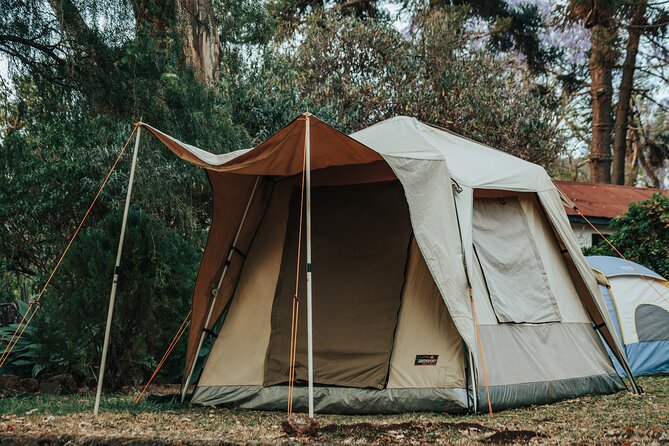
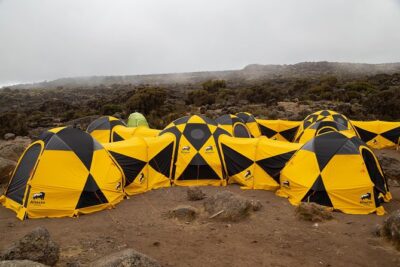
You are not left to figure out the overnight setup either. Camping gear is included, including tents, sleeping mats, chairs, and tables. One item to note: sleeping bags are not included, but you can rent one when you arrive in Moshi. If you run cold at night, plan for that rental rather than improvising.
The support team is built for bike travel. You have tour guide(s), a bike mechanic, a driver, and a cook. There is also a safety layer that I genuinely appreciate for group cycling: the guide is equipped with a pulse oximeter and takes blood oxygen readings of clients. You also get a complete first aid kit for emergencies.
You even get a branded item, an Oclaa Adventures T-shirt, and there is a mobile ticket. These may sound small, but they help the trip feel organized from day one.
Price and Value: Does $2,100 Really Cover the Right Stuff?
The price is $2,100 per person. For cycling tourism, that number only feels fair when you look at what is bundled, not just what is listed.
Here, you get a lot of practical value in the form of services and materials: meals all day, camping gear, support vehicle coverage, and a staffed team that includes a mechanic and a cook. You also get accommodation before and after the trip, plus the airport pickup and transfer from JRO to Keys Hotel near Moshi.
There are also included fees on the itinerary, since admission ticket access is listed with the ride days. That typically means you are not spending extra time bargaining at each stop.
Where costs can grow is in the things not included. You still need to budget for compulsory tips for the guide, mechanic, driver, and cook. You may also need a sleeping bag rental, and you will need to handle your Tanzania entry visa, plus health requirements and personal medicine. Travel and medical insurance are optional but strongly recommended, and that is smart for a remote, active cycling route.
My bottom line on value: this is priced like an organized, supported adventure, not like a bare-bones bicycle tour. If you want help with food, equipment, and safety, the cost makes sense.
Who Should Book This Ride, and Who Should Think Twice
This trip suits you best if you like active travel with a social and cultural edge. You get culture without stopping to stare at it from a bus window. You get wildlife route potential, farm country, and real mountain-side communities like Maasai and Chagga.
It also suits cyclists who understand that road surface will vary. The tracks are mainly dusty and sometimes rocky, with a few asphalt roads. You do not need to be an elite cyclist, but you should be comfortable riding for half to full days and handling changing terrain.
I would think twice if you hate hills, long riding days, or uneven ground. Even the ride days that are shorter still sit inside a week of active travel, and the overall distance adds up.
Should You Book Explore the 360° of Kilimanjaro?
If your goal is to see Kilimanjaro’s base as a living, working region, this is a strong pick. You will ride through multiple ecosystems, meet communities, and have stops with real meaning, like Olpopongi and Ndoro waterfalls. The support system is built for cyclists, including a bike mechanic, camping gear, and safety tools like pulse oxygen readings.
Book this if you can ride moderate distances daily, you are okay with dusty roads and a mix of off road and paved riding, and you are excited by wildlife and culture as part of the journey, not just scenery.
Skip it or look for a gentler option if you want mostly paved roads, short days, and minimal physical strain. This is a route that asks you to pedal and stay present.
FAQ
What time does the tour start each day?
The meeting start time is 7:00 am.
How many days do you cycle, and what is the total distance?
The experience is listed as 7 days approx., with 6 days of cycling and a total distance of about 370 km.
Is pickup from the airport included?
Yes. You can be picked up at Kilimanjaro International Airport (JRO) and transferred to Keys Hotel near Moshi.
Is camping gear provided, and do I need a sleeping bag?
Camping gear is included, including tents and sleeping mats, plus chairs and tables. A sleeping bag is not included, but it can be rented if you do not have one when you arrive in Moshi.
What meals and water are included?
Breakfast, lunch, and dinner are included, plus snacks and fruits. You also receive complimentary 3 liters of mineral water per biker.
Do I need a Tanzania visa?
Yes, entry visa for Tanzania is not included, and you are responsible for health requirements and personal medicine as needed.
What happens if I cancel?
You can cancel for a full refund if you cancel at least 24 hours before the experience’s start time. If you cancel less than 24 hours before, the amount paid is not refunded.
Kilimanjaro, Route by Route
- Kilimanjaro climb by Lemosho Route (7-day)
★ 5.0 · 651 reviews - Kilimanjaro climb, Machame Route (7-day)
★ 5.0 · 262 reviews - Kilimanjaro Climbing Lemosho Route 8 Days.
★ 5.0 · 186 reviews - Climbing Kilimanjaro – Machame Route
★ 5.0 · 170 reviews - Climbing Kilimanjaro through 7 days Machame Route
★ 5.0 · 151 reviews
Just added from around Moshi

Mount Kilimanjaro Treks, compared.
 ★ 5.0Kilimanjaro climb by Lemosho Route (7-day)From $3,476651 reviews
 ★ 5.0Kilimanjaro climb, Machame Route (7-day)From $3,377262 reviews
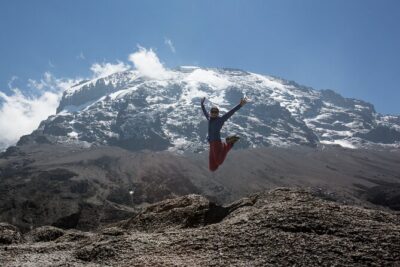 ★ 5.08-Day Small-group Lemosho Kilimanjaro Summit TrekkingFrom $2,895186 reviews
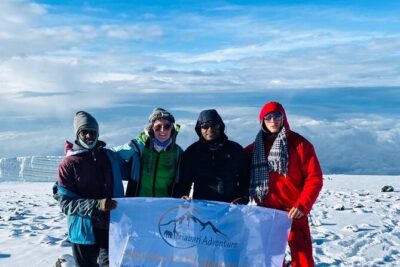 ★ 5.0Kilimanjaro Climbing Lemosho Route 8 Days.From $2,300186 reviews
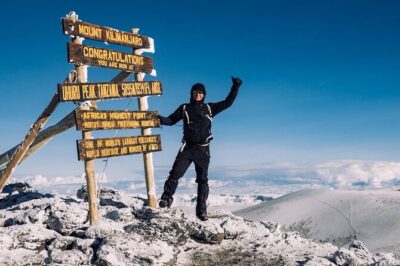 ★ 5.0Climbing Kilimanjaro – Machame RouteFrom $2,322170 reviews
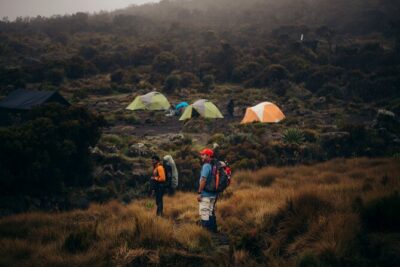 ★ 5.0Climbing Kilimanjaro through 7 days Machame RouteFrom $2,425151 reviews
 ★ 5.0Kilimanjaro climb, Lemosho Route (8-day)From $3,975148 reviews
 ★ 5.0Kilimanjaro climb, Lemosho Route (6-day)From $3,034129 reviews
Browse the lists this tour appears in