
REVIEW · NGORONGORO CRATER SAFARIS
Cycling from Kilimanjaro to Ngorongoro Crater
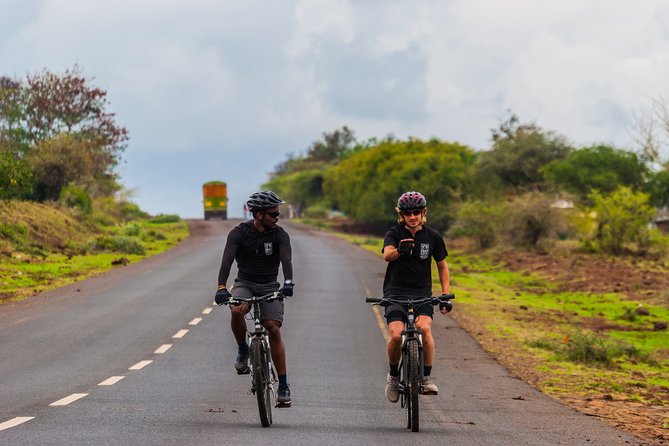
Bike across Tanzania’s wildlife corridors, step by step. This Moshi to Ngorongoro journey by One Bike Tanzania strings together Mt. Kilimanjaro villages, Maasai plains, and the Ngorongoro Crater region, with guides like Hilary, Goodluck, and Joseph looking after the route and the people. You get a full northern-circuit taste without spending your days in a vehicle.
What I like most is the day-to-day feel. You ride through Chagga banana and coffee country, then shift into drier Maasai areas, and you do it with tailored pacing. I also really appreciate how the trip puts wildlife corridors on your path, with a strong emphasis on elephants and the timing of where animals move.
One thing to consider: this is not a cruise. You’ll be on tarmac, gravel, and dusty dirt roads, and the day that climbs the Great Rift Valley escarpment is tough even if it sounds scenic from the map.
In This Review
- Key things I’d plan for
- From Moshi to Ngorongoro Crater: what this 6-day ride really is
- Price and logistics: what $2,820.52 buys you (and what to double-check)
- Day 1: West from Kilimanjaro, Chagga coffee to Ngabobo village
- Day 2: Dusty plains toward Arusha, elephant migration country
- Day 3: The longest ride, then Tarangire elephant territory and Roika Tented Lodge
- Day 4: Rift Valley views, wildlife corridors between Tarangire and Lake Manyara
- Day 5: Lake Manyara gate, Rift escarpment climb, then Karatu to Ngorongoro
- Day 6: lodge reset, optional game drive, then transfer out
- What you’ll likely see: wildlife, roads, and the human side
- Who this tour suits best, and who should think twice
- Should you book this Kilimanjaro to Ngorongoro cycling trip?
- FAQ
- Where does the tour start and what time do we begin?
- How long is the trip from Kilimanjaro to Ngorongoro?
- Is pickup included?
- Is this a private tour?
- What is included in the price?
- Is a game drive included at Ngorongoro?
- What kind of cycling terrain should I expect?
- What fitness level do I need?
- Where does the tour end?
- What if weather is bad or the minimum number of travelers is not met?
Key things I’d plan for
- A support vehicle is included, so you’re not wrestling logistics while your legs do the hard work
- Private tour means your group sets the pace, and the guides adjust daily effort to match ability
- Big variety in road surfaces from tarmac to dusty tracks keeps each day from feeling like repeats
- Wildlife corridors and elephant country are built into the ride, not squeezed into one quick stop
- Game drive is optional on the final day, if you want that crater-or-bush moment
- All major costs are bundled (transport, lodging, and meals), which helps when you’re budgeting
Other ways down into the Ngorongoro Crater
- Safari Serengeti And Ngorongoro★ 5.0 · 288 reviews
- 5 Days Camping Tarangire, Serengeti & Ngorongoro crater & Visiting Maasai★ 5.0 · 58 reviews
- 4 Days Group Joining Camping Safari to Tarangire Serengeti Ngorongoro Crater★ 5.0 · 50 reviews
- 3-Day Ngorongoro Crater Manyara and Tarangire Safari from Arusha★ 5.0 · 49 reviews
From Moshi to Ngorongoro Crater: what this 6-day ride really is
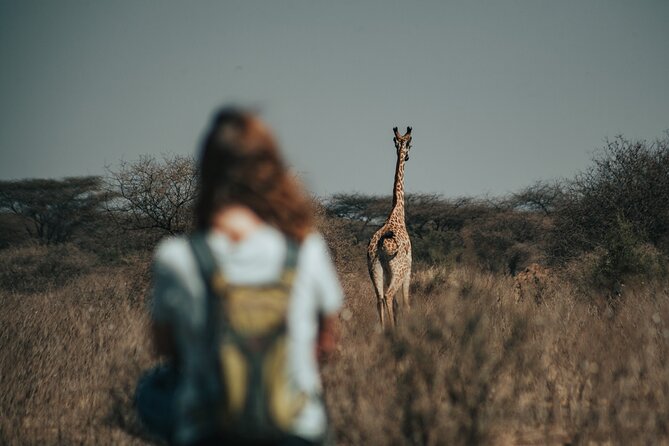
This tour is built for travelers who want the northern circuit highlights, but prefer movement over sitting still. Instead of just visiting parks, you connect them by bike, so the trip feels more like a journey through Tanzania’s everyday geography. You start in Moshi, you ride out from the base region of Kilimanjaro, and you end at the edge of the Ngorongoro conservation area, with a chance to roll directly into a crater game drive on Day 6.
The pacing is also clearly designed for real people, not just fitness machines. The physical requirement is described as moderate fitness, and the guidance is to tailor the daily ride to your abilities and requests. In practice, that usually matters a lot on a multi-day cycling route where the “wrong” effort on Day 1 can ruin Day 3.
You should also know the tour’s rhythm: some days are longer but easier because they’re mostly on undulating tarmac. Other days sound shorter but bring steep climbs and that Rift Valley escarpment. The result is a mix of endurance and leg-burning moments.
Price and logistics: what $2,820.52 buys you (and what to double-check)
At $2,820.52 per person, you’re paying for more than a bike route. The tour description bundles the big essentials: a supporting vehicle, accommodation, and meals. Breakfast is included for 5 mornings, lunch for 6 days, and dinner for 6 nights. That kind of package is a value play here, because you’re traveling between parks and lodges, not from one city hotel to the next.
It’s also private, so you’re not dealing with random strangers adding pressure to your pace. You’re told that pickup is offered and you’ll receive a mobile ticket, which is handy for keeping your start time and details in one place. The meeting point is One Bike Shop on Mailimoja Rd in Moshi, and the start time is 7:00 am.
Two “check before you book” notes based on what’s written:
- Insurance wording is inconsistent. The description says travel insurance is provided for the cycling journey for peace of mind, but the listing notes say insurance is not included. I’d confirm what’s actually covered and for which part of the trip.
- Tips are not included. That matters because tip culture can vary a lot by region, and budgeting for it helps you avoid last-day awkwardness.
Bottom line: if you want a guided, supported ride with meals and lodging handled, the price starts to make sense. If you’re the type who enjoys self-planning and you already have cycling support and route logistics, then the value is less obvious.
Day 1: West from Kilimanjaro, Chagga coffee to Ngabobo village
Day 1 begins right from the One Bike Shop in Moshi at 7:00 am, and the ride starts westward toward the Kilimanjaro side. This is where the trip earns its “northern circuit” label, because the scenery and culture change fast.
Early on, you’ll ride on a mix of tarmac and gravel, passing through Chagga villages plus banana and coffee plantations. After that, the vegetation thins as you go more west, and the terrain feels more open. That shift matters because it changes your mental game: you’re no longer focused only on comfort and shade. You’re now noticing dust, sun, and the wider horizon where wildlife can cross roads.
The Maasai presence comes into focus as the land becomes more arid and open. You’re also cycling through an area where you may cross paths with wildlife on the road, then finish the day with an overnight in Ngabobo village after a day with small uphills and downhills.
The main drawback for Day 1 is exactly what makes it special: it’s a transition day. If you’re expecting one “smooth” road the whole time, you won’t get it. If you’re okay with variety, it sets you up well for the rest of the route.
Other ways up Kilimanjaro we reviewed
Day 2: Dusty plains toward Arusha, elephant migration country
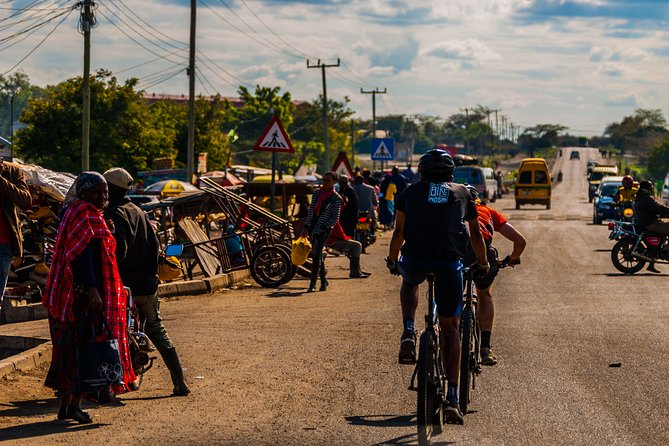
Day 2 keeps the adventure feel. The ride is described as long and mostly on dirty and dusty roads, but without big uphills. That’s an important distinction, because it suggests you’ll be grinding time in the saddle more than climbing your way into pain.
You cycle through Ngasurai open plains, which are described as part of the migratory path for wildlife, especially elephants traveling from Amboseli National Park in Kenya. Even if you don’t see elephants every hour, that information changes the way you ride. You’re moving through real movement corridors, not just “nearby scenery.”
As you head toward Arusha, the ride becomes easier when you enter the main tarmac road. You pass villages with a view of Mount Meru in the background, and that kind of long mountain view is the reward you get after a dusty morning.
You overnight in a lodge in Arusha. For many people, that’s the day’s biggest practical win: your energy gets a reset in a more settled town setting.
If you’re sensitive to dust, plan to treat Day 2 as your “dust management” day. The upside is that it’s also the day where the animal corridor story becomes part of your daily route.
Day 3: The longest ride, then Tarangire elephant territory and Roika Tented Lodge
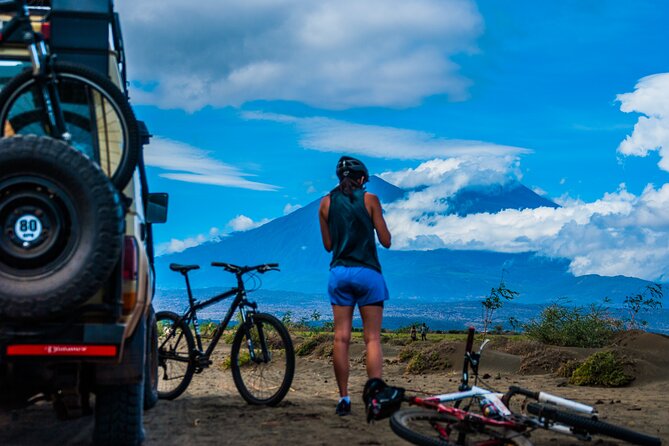
Day 3 is called the longest ride on the tour, but it’s framed as less demanding because it’s mostly tarmac with gentle undulations. This is classic cycling strategy for a multi-day itinerary: longer time, less vertical drama.
Along the way, you pass colorful Tanzanian villages and see everyday life at close range. By bike, you don’t arrive as a quick stop and you don’t get the “just behind the bus window” view. You move slowly enough that you notice people, roadsides, and rhythms.
You end at the border of Tarangire National Park, where there’s said to be the largest concentration of elephants in Tanzania. Then you get to rest at Roika Tented Lodge.
The Day 3 trade-off is simple: it’s longer. If you’ve been pacing well, it can feel like a “power day” built on steadiness. If you started Day 1 too hard, Day 3 can feel like the hangover.
Day 4: Rift Valley views, wildlife corridors between Tarangire and Lake Manyara
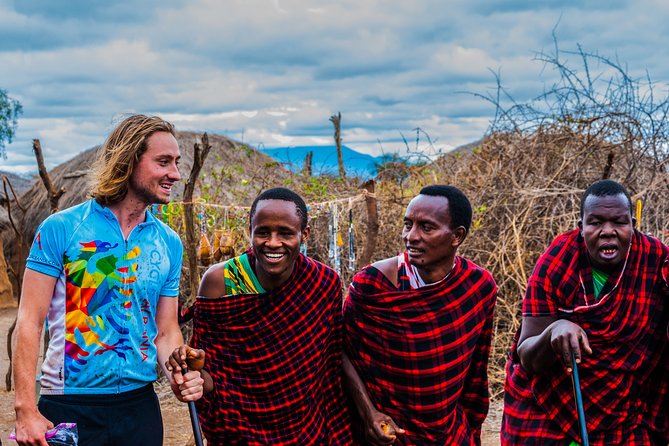
Day 4 leans hard into what Northern Tanzania is known for. You ride through wildlife corridors between Tarangire National Park and Lake Manyara. You also pass Maasai traditional settlements and get time on roads that offer views along the Great Rift Valley.
The road mix continues, but the ride is described as tarmac until the last few kilometers. After that, you turn onto a dirt road on the way to Migombani camp for your overnight.
This day is where the tour’s format really pays off: you’re not just checking a park gate. You’re riding between ecosystems where animals move, and you’re seeing people and settlements as part of the same travel story.
The main consideration is comfort and focus. Riding along a corridor and taking in Rift Valley views means you’ll want to be mentally present, not just counting miles. If you enjoy active observation, Day 4 is a standout.
Day 5: Lake Manyara gate, Rift escarpment climb, then Karatu to Ngorongoro
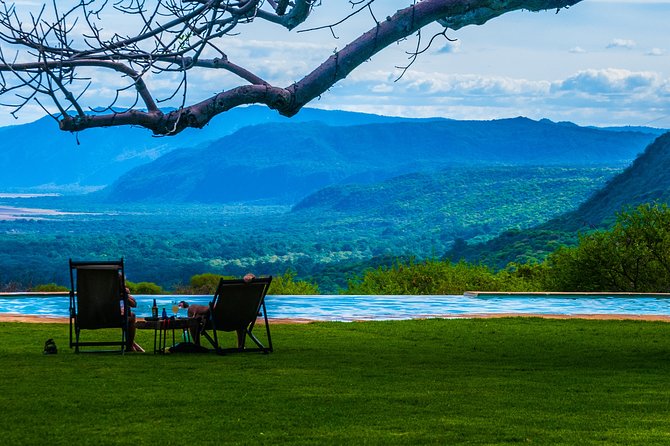
Day 5 is described as the toughest day, and it’s also the most rewarding. You start at the Lake Manyara National Park gate, then ride up toward the Great Rift Valley escarpment where the climb is steep.
This is one of those days where your effort is rewarded with a stop for a breathtaking view of Lake Manyara and the surrounding area. That kind of payoff can be a big morale boost on a cycling trip, because you’re not just suffering, you’re earning a visual reward.
After the climb, you cycle through Karatu town, then continue until the end of the tour at the Ngorongoro conservation area gate. At that point, you’re transferred to the lodge for rest and a celebration of finishing the challenge.
If you’re the type who needs certainty, Day 5 can feel intense because it combines a steep segment with town cycling and a finish at a specific gate. But if you like a clear “destination feeling” at the end of your day, that finish is exactly what you want.
Day 6: lodge reset, optional game drive, then transfer out
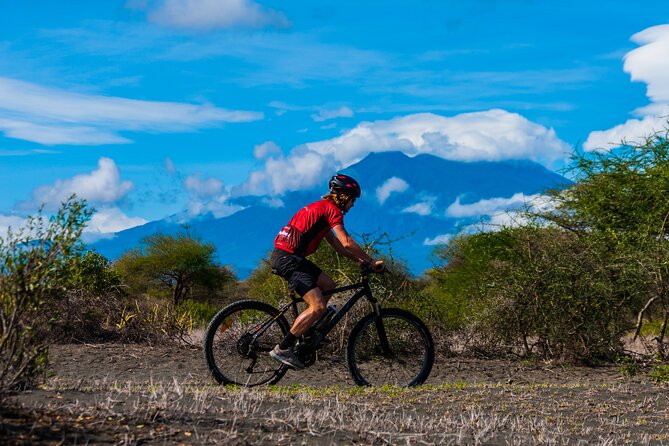
Day 6 is built for recovery. You can relax at the lodge while you wait for transfer back toward the Kilimanjaro airport or another point of departure. The tour also notes that a game drive can be arranged on this day.
This is your chance to add the classic crater experience if you feel like you want the wildlife component in a different format. The bike portion gets you close to the route and the communities, while the game drive gives you time in the crater setting.
One practical note: since Day 6 is flexible, you should decide early whether you want the additional game drive time. If you’re tired from the Rift escarpment climb, prioritize rest. If you’ve been waiting for crater wildlife, plan for the drive.
What you’ll likely see: wildlife, roads, and the human side
The tour is openly built around wildlife corridors and elephant country. You cycle through open plains described as a migratory route and you pass areas between Tarangire and Lake Manyara where wildlife movement is expected. Even when animals are not guaranteed on any single day, the itinerary is designed so your cycling days overlap with places where animals are part of the environment.
Equally important is the people side. You ride through Chagga banana and coffee areas, and then you shift into Maasai regions with traditional settlements along the route. The bike format makes this feel more personal than a drive-through stop, because you can see how roads, daily life, and travel routes intersect.
In the reviews that match this tour style, safety and organization are repeat themes, and they credit the guide team. Guides named Hilary, Goodluck, and Joseph are mentioned for making the adventure exciting while keeping it safe and tailored.
Who this tour suits best, and who should think twice
This is a strong fit if you want:
- A supported cycling challenge with a vehicle and organized lodging and meals
- Road variety, not one long monotone ride
- A trip that links cultures and ecosystems, rather than only “park days”
You’ll also enjoy it if you like watching the world move at a human pace. You’re close to roadsides and villages, and the route changes enough that each day feels like a different Tanzania chapter.
Consider thinking twice if:
- You dislike dusty conditions, because at least one long day is explicitly described as mostly dirty and dusty road
- You want only flat, easy riding, because Day 5 includes a steep climb to the Rift Valley escarpment
- You need a very low-effort trip, because the tour assumes moderate physical fitness and includes long cycling days
Should you book this Kilimanjaro to Ngorongoro cycling trip?
I’d say book it if you want Tanzania’s northern highlights in one coherent journey, and you’re excited by the idea of earning the views rather than just buying them with time in a car. The inclusion of lodging, meals, and a supporting vehicle makes the price feel less abstract, and the private, tailored approach fits different abilities without turning the experience into a race.
I would not book if you’re mainly chasing a guaranteed safari schedule. The itinerary gives you an optional game drive on Day 6, but the core value is cycling through the route that connects wildlife corridors and communities. If your top priority is a packed set of safari drives in specific parks, you may prefer a different format.
If you do book, I’d do one last practical check: confirm the insurance coverage details and make sure you’re comfortable with dusty roads and a steep Rift Valley day. Once you’re aligned with that, this is the kind of trip that stays in your head for a long time because you rode through the story, not just past it.
FAQ
Where does the tour start and what time do we begin?
The tour starts at One Bike Shop on Mailimoja Rd in Moshi, and the start time is 7:00 am.
How long is the trip from Kilimanjaro to Ngorongoro?
It’s listed as 6 days approximately.
Is pickup included?
Pickup is offered.
Is this a private tour?
Yes. It’s a private tour or activity, with only your group participating.
What is included in the price?
Included items are a supporting vehicle, lunch, and dinner for the stated number of days, plus breakfast for 5 mornings.
Is a game drive included at Ngorongoro?
A game drive is described as something you can arrange on the final day.
What kind of cycling terrain should I expect?
You’ll cycle a mix of tarmac, gravel, and dirt roads. Some days are described as dusty and longer, and Day 5 includes a steep climb toward the Rift Valley escarpment.
What fitness level do I need?
The tour says you should have a moderate physical fitness level.
Where does the tour end?
It ends back at the meeting point. On Day 6, you’ll also have a transfer back toward Kilimanjaro airport or another point of departure.
What if weather is bad or the minimum number of travelers is not met?
The experience is described as requiring good weather. If it’s canceled due to poor weather, you’ll be offered a different date or a full refund. If the minimum number of travelers isn’t met, you’ll also be offered a different experience or a full refund.
Kilimanjaro, Route by Route
- Kilimanjaro climb by Lemosho Route (7-day)
★ 5.0 · 651 reviews - Kilimanjaro climb, Machame Route (7-day)
★ 5.0 · 262 reviews - Kilimanjaro Climbing Lemosho Route 8 Days.
★ 5.0 · 186 reviews - Climbing Kilimanjaro – Machame Route
★ 5.0 · 170 reviews - Climbing Kilimanjaro through 7 days Machame Route
★ 5.0 · 151 reviews
Still Thinking About the Crater?
- Safari Serengeti And Ngorongoro
★ 5.0 · 288 reviews - 5 Days Camping Tarangire, Serengeti & Ngorongoro crater & Visiting Maasai
★ 5.0 · 58 reviews - 4 Days Group Joining Camping Safari to Tarangire Serengeti Ngorongoro Crater
★ 5.0 · 50 reviews - 3-Day Ngorongoro Crater Manyara and Tarangire Safari from Arusha
★ 5.0 · 49 reviews - 4 Day Private Tour Throughout Tarangire, Serengeti and Ngorongoro
★ 5.0 · 42 reviews
Just added from around Moshi

Ngorongoro Crater Safaris, compared.
 ★ 5.03 Days Serengeti & Ngorongoro Group Camping SafariFrom $815574 reviews
 ★ 5.0Safari Serengeti And NgorongoroFrom $2,845288 reviews
 ★ 5.05 Days Camping Tarangire, Serengeti & Ngorongoro crater & Visiting MaasaiFrom $1,254229 reviews
 ★ 5.04 Days Join Group tour Tarangire Serengeti and Ngorongoro craterFrom $1,090219 reviews
 ★ 5.04-Day Safari from Arusha: Tarangire, Serengeti and NgorongoroFrom $1,753173 reviews
 ★ 5.02 Days Tarangire and Ngorongoro Group Camping SafariFrom $550146 reviews
 ★ 5.04 Days Tarangire Serengeti Ngorongoro CraterFrom $900117 reviews
 ★ 5.03 Days Tarangire, Ngorongoro & Lake Manyara Group Camping SafariFrom $700102 reviews
Browse the lists this tour appears in