
REVIEW · MOUNT KILIMANJARO TREKS
8 Days Guided Private Trekking in Mount Kilimanjaro
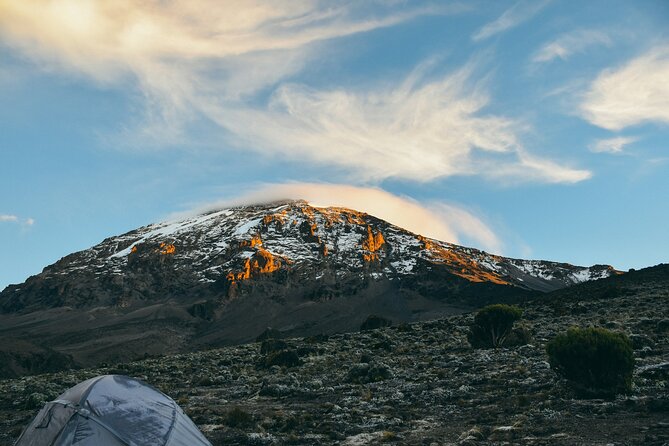
Uhuru Peak is a test of patience. This private 8-day climb mixes a smart pace with expert leadership, plus the comfort of pre-planned acclimatization. I love the individual attention that comes with a small, private-feel setup, and I love that the schedule is built to improve summit odds. The only real drawback I see is the premium price, so it makes sense to double-check what you’re getting beyond the trek itself.
From Moshi, you start at the Londorossi Gate, register for the park, and ease in through rainforest before the air gets thinner. I also like the team angle, since guides and porters are part of the experience, not an afterthought, and the tone tends to be calm and encouraging. One more consideration: if you want a fast, easy hike, Kilimanjaro is not that. This route asks for grit, especially on summit night.
Here’s the promise you can actually plan around: early starts, camp-to-camp pacing, and a summit attempt timed before sunrise, followed by a long descent to Mweka. If that sounds like your kind of challenge, you’ll find this trek has a lot of structure where it counts.
In This Review
- Key points before you commit
- Moshi start, private trekking pace, and what you’re really buying
- Day 1: Londorossi Gate, rainforest start, and Mti Mkubwa camp comfort
- Day 2: Shira 1 Camp, moorland transition, and volcanic views
- Day 3: Shira 2 Camp and the shift into alpine desert
- Day 4: Lava Tower acclimatization and the Barranco Wall highlight
- Day 5: Karanga Camp, rocky altitude work, and shorter distance payoff
- Day 6: Barafu Camp, last base before summit night
- Day 7: Summit push to Uhuru Peak before sunrise, then a long descent to Mweka
- Day 8: Mweka Gate descent through rainforest, then certificates
- Guides, porters, gear, and food, plus why it affects your stress level
- Price and value: what $2,310 covers, and what to compare
- Who this trek fits best, and who might want a different plan
- Should you book Spirit of Kilimanjaro’s 8-day private trek?
- FAQ
- Is this Mount Kilimanjaro trek private?
- Where does the trek start in Moshi?
- What meals are included during the trek?
- Are park admission tickets included?
- Do you handle visas through the tour?
- Can I cancel for free?
Key points before you commit
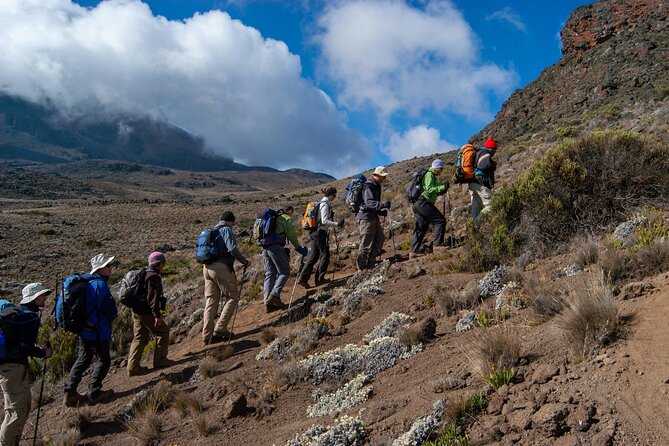
- Private, small-group feel where your guide can adjust pace and keep an eye on how you’re coping
- Londorossi Gate to Shira camps, a classic progression from rainforest to moorland and up into drier zones
- Lava Tower acclimatization plus the Barranco Wall day, which adds both challenge and payoff
- Barafu to Uhuru Peak before sunrise, the big summit push built into an 8-day itinerary
- Park admission is free for this experience, which helps the total value math
Other ways up Kilimanjaro we reviewed
- Kilimanjaro climb by Lemosho Route (7-day)★ 5.0 · 651 reviews
- Kilimanjaro climb, Machame Route (7-day)★ 5.0 · 262 reviews
- Kilimanjaro Climbing Lemosho Route 8 Days.★ 5.0 · 186 reviews
- Climbing Kilimanjaro – Machame Route★ 5.0 · 170 reviews
Moshi start, private trekking pace, and what you’re really buying
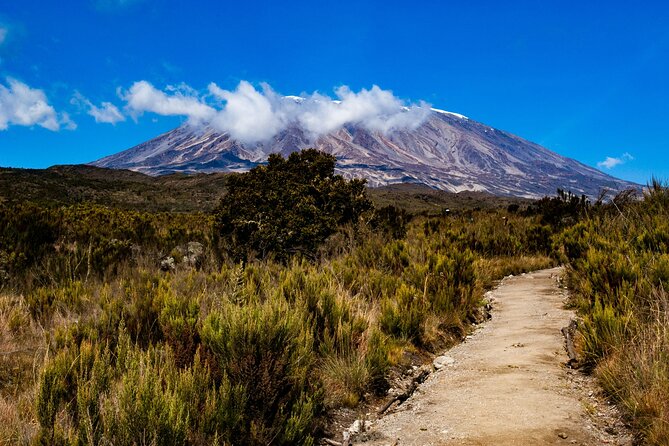
This is a guided private trek that starts in Moshi, Tanzania, with the meeting point at Panama Garden Resort, Shanty Town Road. It’s described as a private tour/activity, meaning only your group participates. That matters on Kilimanjaro because the mountain is not a place for one-size-fits-all. When you’re working at altitude, you want your guide watching your breathing, your energy, and your decision-making.
The itinerary is paced in a way that prioritizes acclimatization, not just covering distance. You’ll move through different altitude zones across the days, and you get at least one intentional “go high, then come down” moment at Lava Tower and Barranco. That kind of structure can make a big difference in how you feel later, especially when you reach the higher camps.
Your money also goes toward more than walking. The tour includes accommodations at the camps and all meals laid out across the trek: breakfast (8), lunch (8), and dinner (7). That’s helpful because you’re not trying to figure out food planning on top of altitude planning.
Finally, the experience includes a sustainability commitment, and the guides and porters are clearly part of the emotional tone people talk about after. Even if you’ve done hard hikes before, having a team that keeps things organized and human matters on summit night.
Day 1: Londorossi Gate, rainforest start, and Mti Mkubwa camp comfort
You begin at the Londorossi Gate where you’ll complete park registrations. Right away, you’re not guessing what the process is, and you’re in the national park system from the start.
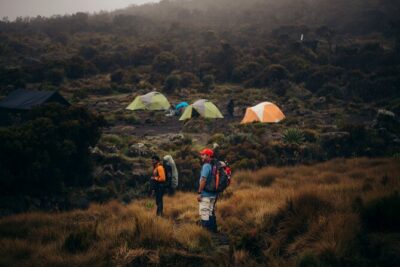
Then you head into rainforest. Day 1 is intentionally gentle in distance, about 6 kilometers, and it’s described as an easy introduction. You’ll sleep at Mti Mkubwa, also called Big Tree Camp, around 2,750 meters.
Why this day is valuable: it lets you settle into the routine. You get used to camp rhythm, crew roles, and how your body handles walking while still well below the most punishing altitudes. The rainforest also changes the mental game. It can feel humid and close, so you’ll learn quickly that your breathing pace matters more than speed.
A practical tip for day 1: take the hike easy even if you feel great. This is the “set your baseline” day, not the “prove something” day.
Day 2: Shira 1 Camp, moorland transition, and volcanic views
Day 2 continues from the rainforest into the moorland zone. This is where the air starts to feel different, and the terrain becomes more rugged. You hike about 8 kilometers, then reach Shira 1 Camp around 3,505 meters.
The standout value here is the shift in scenery, plus the promise of big views tied to Kilimanjaro’s volcanic formations. Even without getting fancy about it, you’ll notice your body is working harder at higher altitude, even if your legs feel mostly okay.
This is also a good day for patience with yourself. If your heart rate jumps quickly, it doesn’t mean something is wrong. At these elevations, your job is to keep moving steadily and conserve energy for later days.
What to watch out for: moorland can feel cooler and sometimes windier. Your clothing system needs to handle temperature swings so you don’t overheat or freeze.
Day 3: Shira 2 Camp and the shift into alpine desert
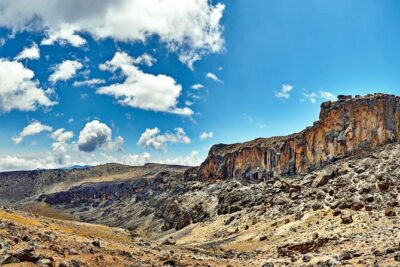
Day 3 brings you to Shira 2 Camp at around 3,850 meters, with a trek of about 7 kilometers. The terrain is described as moving into an alpine desert setting, which is a huge mental cue. Less greenery, more exposed ground, and you’ll likely feel the thinner air more clearly.
You might find this day short on paper, but it still counts. When the air is thinner, “short” can still feel like work. It’s also a day where your hydration habits matter. If you fall behind on fluids here, you’ll feel it later.
The upside: this is where the trek starts to feel serious. The mountain is reminding you, politely but firmly, that altitude has consequences.
Day 4: Lava Tower acclimatization and the Barranco Wall highlight
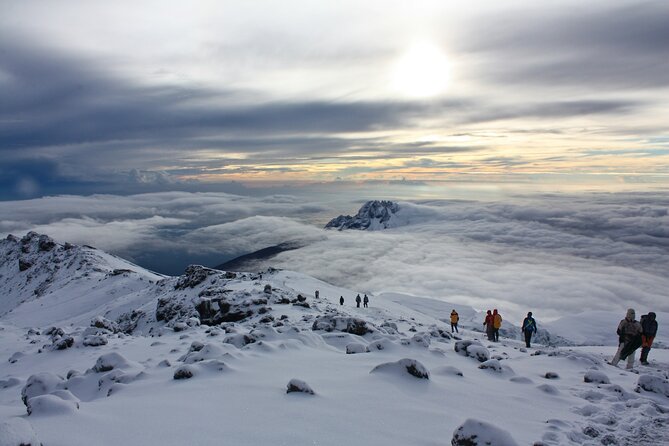
Day 4 is a two-part altitude lesson. First, you climb to Lava Tower at about 4,600 meters. Then you descend to Barranco Camp around 3,960 meters. Total distance is roughly 10 kilometers.
This is one of the most important days in the whole plan because Lava Tower is there for acclimatization before you go further. Your body gets a chance to experience higher altitude, then you come down to keep the recovery loop going.
Then there’s the Barranco Wall climb, which is described as a highlight and adds real challenge. If you’ve ever thought of Kilimanjaro as only long walking, this is where it gets more hands-on and more technical-feeling.
What I like about this day on a private trek: your guide can pace you through the effort, and you can ask for step-by-step support during the Wall. On group treks where people move at very different speeds, this part can get chaotic. Here, the private structure makes it easier to keep your footing and your focus.
Day 5: Karanga Camp, rocky altitude work, and shorter distance payoff
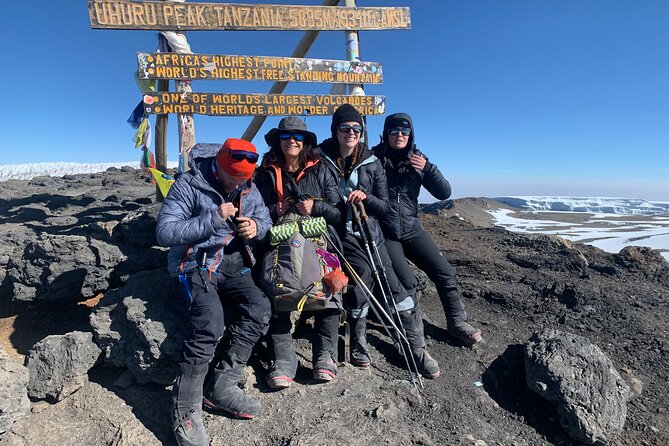
On day 5, you ascend to Karanga Camp around 4,035 meters. The trek distance is short, about 4 kilometers, and it’s described as alpine and rocky.
Short days at altitude can be a gift. This is the kind of day that lets you keep momentum without burning your legs for hours. At the same time, it’s not a free day. Rocky ground and higher elevation still ask for care and steady movement.
You can also expect panoramic views here. Even if the weather plays games, the timing of the day often gives you enough clear air to feel like you earned the scenery.
The key mindset: use day 5 to arrive at Karanga tired but not wrecked. You’re building toward Barafu, not just surviving day by day.
Day 6: Barafu Camp, last base before summit night
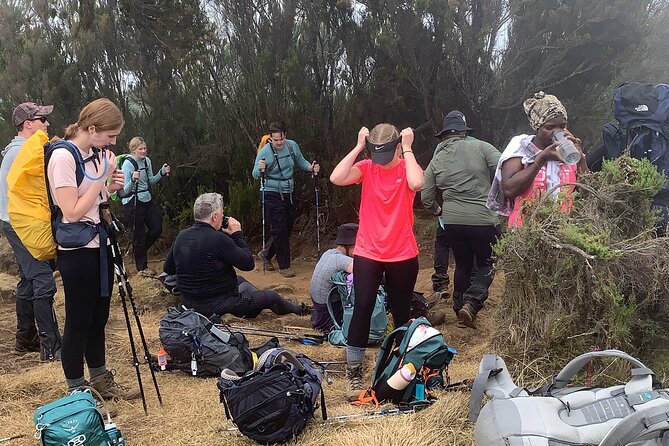
Day 6 takes you to Barafu Camp, the last stop before the summit attempt. You reach an elevation around 4,600 meters. The trek is described as about 3 kilometers, with a short walking day that’s more about position than distance.
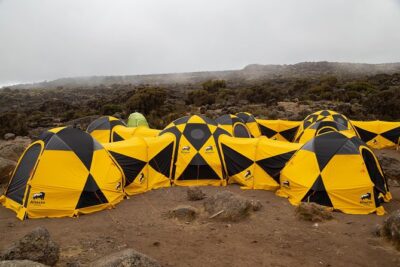
This day is all about preparation. You rest, you get your plan organized, and you treat your body like it has a job to do later. Barafu is high enough that you’ll feel the pressure in every movement, even if you aren’t walking much.
What you’ll appreciate here is the built-in summit timing. Because this climb is structured, summit night doesn’t feel like a surprise. You’re already in the right altitude zone, and you’re rested enough to start early.
Day 7: Summit push to Uhuru Peak before sunrise, then a long descent to Mweka
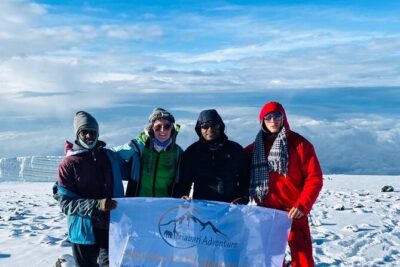
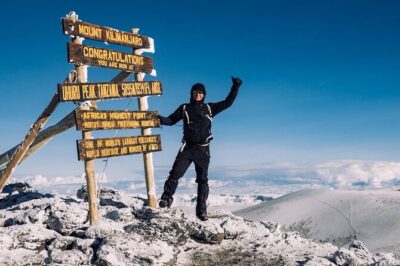
This is the hardest, most rewarding day. Your summit attempt starts in the early hours with a steep and strenuous ascent to Uhuru Peak, the highest point in Africa. You reach it just before sunrise, then you descend to Mweka Camp at about 3,100 meters.
The total distance is roughly 18 kilometers. That number looks like a lot because it is. It’s not just the walking. It’s the effort at the highest point, plus the mental grind of doing it when you’re cold, tired, and still not at the finish line.
This is also where the guide team really matters. In past treks, guides like Joseph and Swahele have been specifically credited for helping teams reach the summit, which is exactly what you want to hear when you’re trusting someone at the toughest hours. Another team, led by Joseph and Zac on a different climb, is praised for keeping porters motivated and the group morale up, even during tough work. That vibe matters on summit day.
Practical reality: you’ll feel stronger or weaker depending on your altitude response. Your best move is to follow your guide’s pace, not your ego. Summit success often comes from consistent effort, not dramatic surges.
Day 8: Mweka Gate descent through rainforest, then certificates
Day 8 is the finish line, and it comes with a real emotional payoff. You go from Mweka Camp to Mweka Gate, descending through rainforest. The trek distance is about 10 kilometers.
Once you reach Mweka Gate, you receive your summit certificates and you say goodbye to your guides and porters. Then the activity ends back at the meeting point.
The rainforest return is a nice contrast after summit conditions. It usually helps your body feel more normal again, even if your legs are still sore. This is not a day for rushing. You’re closing out the climb and helping your body recover.
If you’re the type who likes a structured finish, certificates are a good way to mark the effort. And if you’re the type who likes a story, this is where yours becomes real and shareable.
Guides, porters, gear, and food, plus why it affects your stress level
This trek is sold on expert guidance, safety, comfort, and good planning. That’s not marketing fluff when you’re talking about altitude and summit timing. A well-run team reduces uncertainty.
The overview also mentions top-notch gear. It doesn’t list exact gear items, but it’s a sign the operator isn’t treating the trek like a casual walk. You’ll also have a tour guide included, and the included accommodations and meals remove a huge chunk of decision fatigue.
Food is one of those “you don’t notice it until it’s missing” things. The experience includes 8 breakfasts, 8 lunches, and 7 dinners, and the food quality comes up in positive notes from previous summit attempts. On summit night, meals and timing matter because you need energy without upsetting your stomach.
Then there is the human side. In past experiences tied to this company, porters are described as smiling and bringing humor to camp even while doing hard work. You don’t climb Kilimanjaro alone. When the crew morale stays high, your own mental load drops.
Price and value: what $2,310 covers, and what to compare
At $2,310 per person, this is a serious investment. The value comes from what’s included: guide, accommodations, and a full set of meals across the trek. Park admission tickets are listed as free as well, which can matter for your budget.
You’re also getting a private setup, so you’re not relying on a random group pace. If you’re with family, have age-related concerns, or just want a bit more control over your day-to-day rhythm, private trekking can be worth paying for.
What you should compare before booking:
- Whether meals match your expectations, since all meals are included here
- Whether park fees are truly handled, since admission is listed as free
- Whether you’re comfortable with the pace and altitude plan, since the days include multiple high points like Lava Tower and the Uhuru Peak summit attempt
A fair caution: if your goal is the cheapest trek possible, this won’t be it. But if you want safety, structure, and a team that keeps things organized at 4,600 meters and above, the price starts to make sense.
Who this trek fits best, and who might want a different plan
This trek is described as suitable for most people, and it’s a private activity so only your group participates. Based on the way guides are praised for adapting to different needs, it could fit families and mixed-experience groups, including people who worry about their ability to summit.
It will not fit well if you want a relaxed vacation hike. Day 7 is steep, long, and demanding, and you’ll also handle altitude days that can feel harder than the walking distances suggest.
If you’re:
- aiming for the summit with a plan that takes acclimatization seriously
- hoping for a more personal relationship with your guide
- okay with cold nights and early-morning starts
…then this is a strong match.
If you’re:
- looking for a short, low-altitude trek
- expecting warm, easy days from start to finish
…you’ll probably feel disappointed.
Should you book Spirit of Kilimanjaro’s 8-day private trek?
I’d book this if you want a structured 8-day climb that takes acclimatization seriously, with included meals and the kind of guide team support that shows up in past summit outcomes. The route progression is clear, from rainforest through Shira camps, Lava Tower acclimatization, the Barranco Wall challenge, then Barafu and the summit push before sunrise.
I’d think twice if your budget is tight or if you hate early starts and long days at altitude. Kilimanjaro rewards discipline, not comfort.
One smart decision check: confirm that your expectations match the itinerary’s hardest day, Day 7. If you can handle a steep pre-dawn ascent and a long descent afterward, you’ll likely enjoy the rest more because it feels like steps toward a goal, not random survival.
FAQ
Is this Mount Kilimanjaro trek private?
Yes. This is listed as a private tour/activity, meaning only your group will participate.
Where does the trek start in Moshi?
The meeting point is Panama Garden Resort Tanzania, Shanty Town Road, Moshi TZ, 6907, Tanzania. The activity ends back at the same meeting point.
What meals are included during the trek?
Meals included are breakfast 8 times, lunch 8 times, and dinner 7 times.
Are park admission tickets included?
Yes. Kilimanjaro National Park admission is shown as free for the trek days listed.
Do you handle visas through the tour?
Visas are not included.
Can I cancel for free?
Free cancellation is available if you cancel up to 24 hours in advance for a full refund. If you cancel less than 24 hours before the start time, the amount paid is not refunded.
Kilimanjaro, Route by Route
- Kilimanjaro climb by Lemosho Route (7-day)
★ 5.0 · 651 reviews - Kilimanjaro climb, Machame Route (7-day)
★ 5.0 · 262 reviews - Kilimanjaro Climbing Lemosho Route 8 Days.
★ 5.0 · 186 reviews - Climbing Kilimanjaro – Machame Route
★ 5.0 · 170 reviews - Climbing Kilimanjaro through 7 days Machame Route
★ 5.0 · 151 reviews
Just added from around Moshi
Mount Kilimanjaro Treks, compared.
 ★ 5.0Kilimanjaro climb by Lemosho Route (7-day)From $3,476651 reviews
 ★ 5.0Kilimanjaro climb, Machame Route (7-day)From $3,377262 reviews
 ★ 5.08-Day Small-group Lemosho Kilimanjaro Summit TrekkingFrom $2,895186 reviews
 ★ 5.0Kilimanjaro Climbing Lemosho Route 8 Days.From $2,300186 reviews
 ★ 5.0Climbing Kilimanjaro – Machame RouteFrom $2,322170 reviews
 ★ 5.0Climbing Kilimanjaro through 7 days Machame RouteFrom $2,425151 reviews
 ★ 5.0Kilimanjaro climb, Lemosho Route (8-day)From $3,975148 reviews
 ★ 5.0Kilimanjaro climb, Lemosho Route (6-day)From $3,034129 reviews
Browse the lists this tour appears in