
REVIEW · KILIMANJARO MACHAME ROUTE
7-Day Mountain Climbing in Machame Route
Machame turns Kilimanjaro into seven memorable days. This private 7-day climb out of Arusha blends rainforest wildlife, moorland views of Kibo, and a summit night plan that starts with tea in the dark.
I like how this route keeps you moving while still building in recovery, from the forest hike on Day 1 to the drier, higher terrain above. I also like that park fees and meals are included, so you are not juggling extra line items while you are busy breathing hard. The main drawback to consider is simple, at $2,700 per person it is not a budget adventure, and tips are not included.
In This Review
- Key Highlights Worth Your Attention
- Machame Route Basics: How a 7-Day Plan Makes Kilimanjaro Feel Possible
- Day 1: Arusha to Kilimanjaro National Park and Machame Camp Through Thick Forest
- Day 2: Shira Camp Views of Kibo Glacier and a Shift Into Moorlands
- Day 3: Volcanic Rocks and Barranco Camp, a Scene Change You Will Feel
- Day 4: Barranco Wall Rock Climbing and Karanga Valley Recovery
- Day 5: Barafu Camp, Finishing the South Circuit, and Preparing for Summit Night
- Day 6: Midnight Wake, Stella Point Before Sunrise, and Reaching 5,985m
- Day 7: Mweka Gate Descent, Final Celebrations, and Return to Moshi or Arusha
- Food, Camps, and the Logistics That Keep You From Worrying
- Value Check: Does $2,700 Make Sense for a Private Machame Climb?
- Who This 7-Day Machame Route Suits Best
- Should You Book Serengeti Wildlife Safaris for the Machame Route?
- FAQ
- How long is the Kilimanjaro climb on the Machame Route?
- Where does the climb start, and what time do we begin?
- What is included in the price?
- Is accommodation provided during the climb?
- Are tips included?
- What fitness level do I need, and what happens with bad weather?
Key Highlights Worth Your Attention
- Forest wildlife on Day 1, including blue colobus monkeys and a mix of birdlife
- Shira Camp’s Kibo Glacier views, with a clear shift from rainy forest to moorlands
- Barranco Camp for that classic Kilimanjaro feel, often described as the most beautiful camp
- Old-school challenge on Day 4, with Barranco Wall rock climbing
- Stella Point timing and a sunrise summit window on the big Day 6 push
- Celebrations with guides, porters, and cooks, especially at Mweka Gate on Day 7
More Machame departures, compared
- 7-Day Machame Kilimanjaro Summit Tour from Arusha★ 5.0 · 125 reviews
- 6 Days: Hiking Kilimanjaro via Machame Route★ 5.0 · 24 reviews
- 6-Day Guided Tour in Machame Route Mt Kilimanjaro★ 5.0 · 17 reviews
- KILIMANJARO MACHAME ROUTE, (Climb 7days)★ 5.0 · 16 reviews
Machame Route Basics: How a 7-Day Plan Makes Kilimanjaro Feel Possible
Kilimanjaro is famous for being doable, not because it is easy, but because it is structured. This Machame Route version leans into that. You do not need to be an expert mountaineer. What you do need is a solid baseline of fitness and the willingness to keep going when you are tired, especially at altitude.
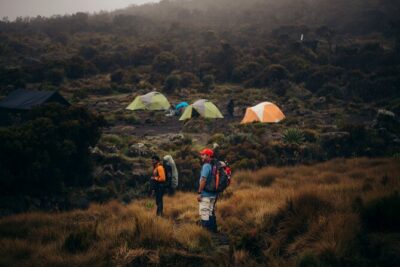
One thing I like about this trip is the way it varies the terrain. You start in rainforest, then move into moorland, then spend nights in camps that feel increasingly stark, semi-desert and alpine desert. That variety helps your brain stay engaged. It also gives your body different walking conditions day to day, which can feel better than repeating the same grind.
You also get a private group setup, so your guide team can pace you more directly and you are not sharing decision-making space with strangers. It is still a climb in Kilimanjaro National Park, with the usual altitude realities, but the logistics are kept focused on your group.
The other big variable is weather. Kilimanjaro climbs are weather dependent, and the plan is built around summit night and sunrise. When conditions cooperate, you get those unforgettable moments. When they do not, you need flexibility. This tour’s weather requirement is part of why you should plan like a grown-up, pack smart, and take rest days seriously.
Day 1: Arusha to Kilimanjaro National Park and Machame Camp Through Thick Forest
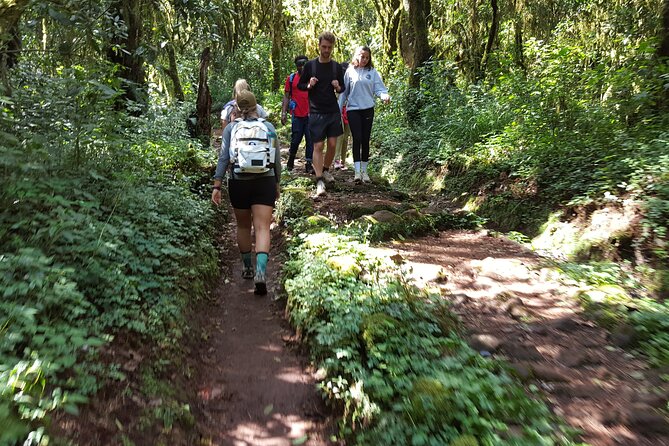
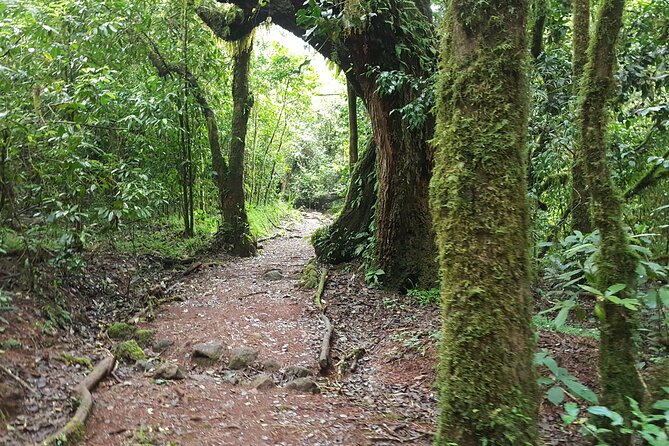
Day 1 is your entry point. You depart Arusha for Kilimanjaro National Park, handle the required formalities, then start walking into thick forest. This is the part of the climb where Kilimanjaro feels alive. You are not just climbing rocks, you are hiking through a real ecosystem.
The itinerary calls for about 5 to 6 hours of hiking, and it is not empty walking. You might spot wildlife like blue colobus monkeys and a range of bird species. It is one of the best days for calming your nerves, because the forest vibe makes altitude feel less abstract.
By the end of the day you reach Machame Camp at about 3,000 meters. You gain a lot of elevation in this first push, roughly from 1,811m to 3,021m (about 1,210m of altitude gain). That is normal for the route, but it is still a reason to take Day 1 steadily. If you go too fast early, you pay later.
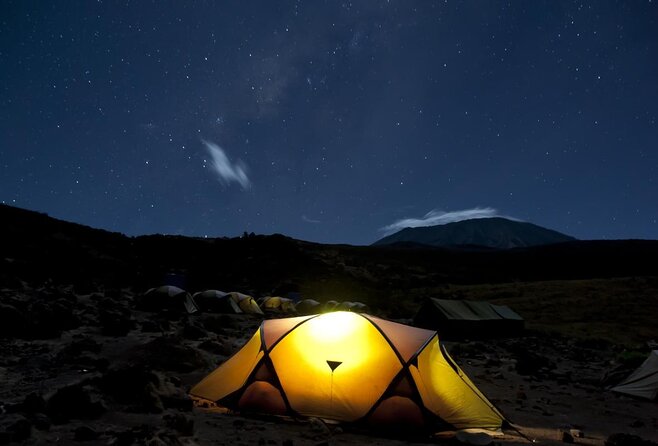
Practical bonus on Day 1: after you arrive, your porters and cook are set up and waiting for you. The plan even mentions time for a hot bath, plus meals to help you recover for the next day. It matters. On Kilimanjaro, the difference between feeling okay and feeling miserable often comes down to whether you can eat and sleep well after hiking.
Day 2: Shira Camp Views of Kibo Glacier and a Shift Into Moorlands
Day 2 starts bright and early, but it is a shorter climb. You still gain altitude, but the hiking time is less than Day 1, around 4 to 5 hours. That matters for acclimatization and for keeping summit energy in your legs.
This is also the day you transition out of rainforest. The rainy forest gives way to open moorlands, so the mood changes fast. Where Day 1 felt green and humid, Day 2 feels more exposed. Your body has to adapt to drier air and more direct sun exposure during daytime.
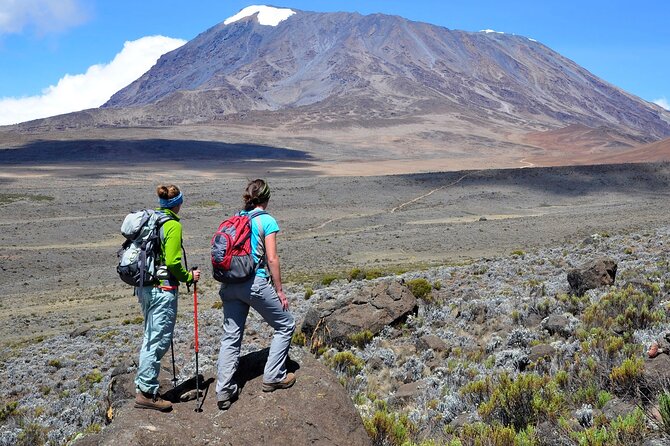
By midafternoon you arrive at Shira Camp, then you get time to rest and take in the view of Kibo Glacier. That is the kind of sight that makes you realize you are really on the mountain, not just doing a hike.
Altitude goes from about 3,021m to 3,839m (about 818m gained). The good news is you are not cranking for hours and hours. The careful pacing here helps you stay consistent, and consistency is one of the best strategies for altitude.
Day 3: Volcanic Rocks and Barranco Camp, a Scene Change You Will Feel
Day 3 brings an immediate challenge. The plan highlights a 300 feet volcanic rock formation as your first intimidating hurdle. That is not the kind of obstacle you power through. You just move up step by step, conserve energy, and let your breathing settle.
Then you go into a slower, more deliberate section where you descend to Barranco Camp at around 4,500 meters. Yes, you descend after climbing. That sounds counterintuitive, but it is a smart part of acclimatization. Your body gets time to adjust to height without adding more altitude pressure than necessary.
Barranco Camp is described as one of the most beautiful camps on Kilimanjaro. I get why. At Barranco, the terrain starts to look more sculpted by wind and elevation. You feel the mountain in a more dramatic way than in the forest.
This day’s walking is listed as around 5 to 6 hours, and the elevation line is roughly 3,839m to 3,986m. Even when the numbers feel a little different on different segments, the bigger point is the same: you are steadily working up, then using descent to recover and reset.
Day 4: Barranco Wall Rock Climbing and Karanga Valley Recovery
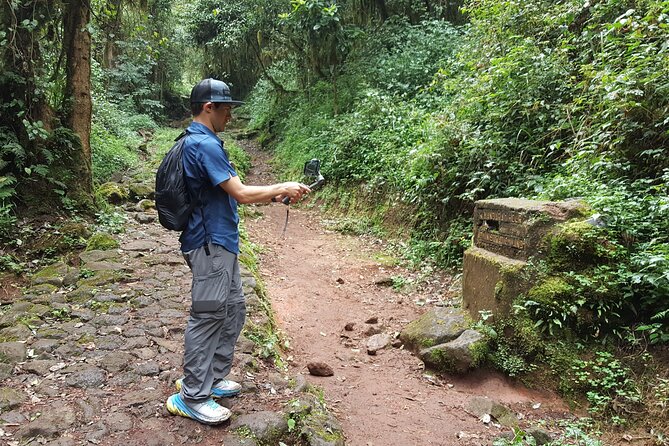
If Day 3 was about volcanic surprises, Day 4 is about putting your feet on more technical ground. The itinerary calls this your first real taste of mountain climbing, and it includes old-school rock climbing through Barranco Wall.
This is a crucial day for first-time climbers. You are not just walking in a line. You are doing something that feels more adventurous. A wall like this also helps you trust your guide team and your gear. It is usually easier mentally than it is physically, because your focus becomes one step at a time instead of one long grind.
After Barranco Wall, you continue toward Karanga Valley, where you stop for lunch and then rest for overnight at Karanga Camp. The plan lists about 5 hours of hiking. You gain only a little altitude across the day, so the emphasis becomes endurance and steady movement rather than a major ascent.
This day is also where you may notice that the mountain starts to feel harsher. Semi-desert and alpine conditions mean less cover. Clothing and pacing matter more than they did on Day 1.
Day 5: Barafu Camp, Finishing the South Circuit, and Preparing for Summit Night
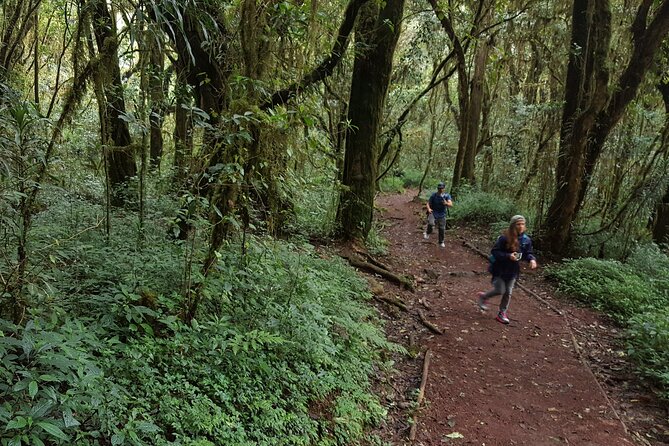
Day 5 pushes higher, heading to Barafu Camp. You also get a milestone moment here: the plan states you have finished the South Circuit. That is not just a label. It is a way of telling you that you are now on the final approach to the summit push, even if you still have the hardest night to go.
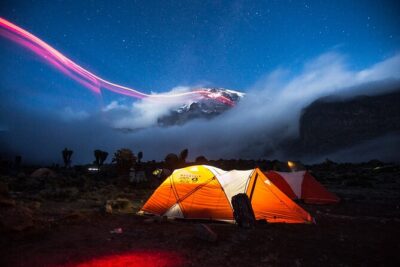
The day includes a 2 to 3 hour hike after arriving at Barafu, then early preparation for summit night. This part of the plan is thoughtful. You get a tasty mountain meal, plenty of water, and time to rest. The schedule matters because Day 6 starts when it is still dark.
Altitude for Day 5 is listed from about 4,034m up to 4,662m. That is about 628m gained. Your breathing may feel a bit sharper. Your legs may feel heavy. Do not treat this day as a victory lap. Treat it like the calm before the storm.
If you handle the preparation seriously, summit night becomes about one job: keep your steps moving efficiently in the cold dark.
Day 6: Midnight Wake, Stella Point Before Sunrise, and Reaching 5,985m
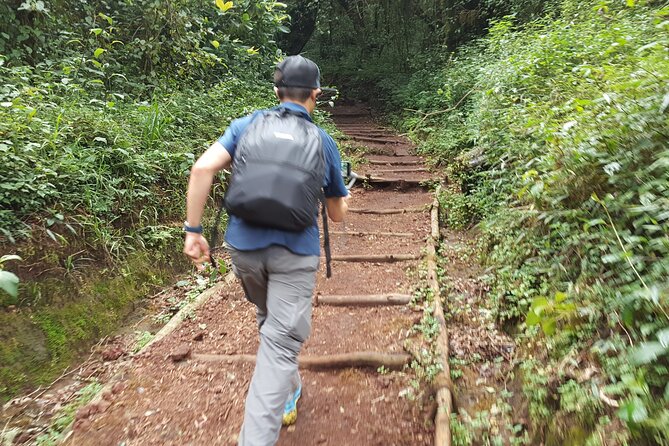
This is the big one. You will be woken up around midnight with tea and a light meal. You dress in the dark, then hike in pitch darkness for about 5 to 6 hours.
The plan describes the hike as easy, meaning the rhythm is manageable, but the conditions still demand focus. Slow, steady walking is the game. You are going upward with very little time for sightseeing until the light comes.
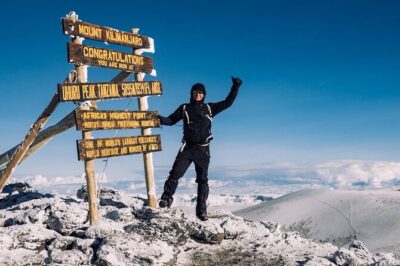
You reach Stella Point a few hours before sunrise. Then there is an additional 1 hour of extreme hiking before you reach the peak. Peak elevation is given as 5,985 meters.
When you finally stand at the top, you get sunrise and panoramic views. That moment is why people keep coming back, even after they tell themselves they will never do it again.
After summit, you begin descending to Barafu Camp for lunch and celebration, then continue down toward the final day. Expect tired legs and a mind that is still half switched on from the summit. That is normal.
Day 7: Mweka Gate Descent, Final Celebrations, and Return to Moshi or Arusha
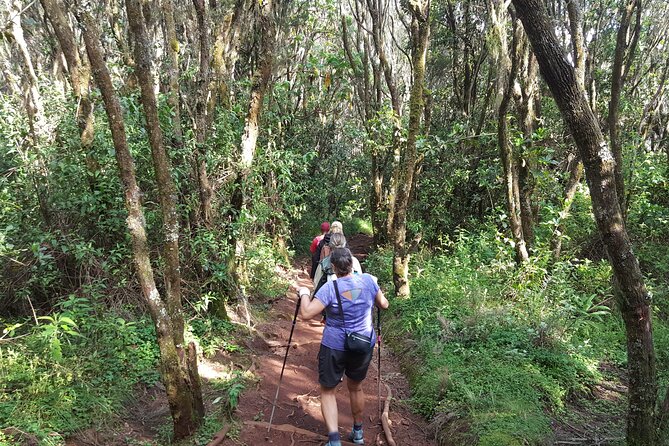
Day 7 is your wind-down day, even if your knees might disagree. You enjoy your final meal on the mountain before you climb down to Mweka Gate. The hiking time is listed as 3 to 4 hours.
This is also a social day in the best way. The itinerary calls for celebration with your guides, potters, and the cook when you reach Mweka Gate. Then your driver takes you back to your accommodation in either Moshi or Arusha.
The plan specifies Forest Hill Carnival Hotel as the accommodation after the climb. Even if you just want a shower and sleep, that last night matters. It is the moment you stop performing and start recovering.
Altitude drops from about 3,106m to 1,633m, an altitude loss of roughly 1,473m. That is why the descent can feel both great and dangerous. Great because you are going down. Dangerous because you can overstride. Keep your steps short, stay relaxed, and let the ground do the work.
Food, Camps, and the Logistics That Keep You From Worrying
One of the biggest value points here is how much is handled for you. The tour includes park fees and meals throughout the week. Meal counts in the plan are breakfast (7), lunch (7), and dinner (6). That lines up with the fact that your last day includes breakfast and lunch, then the descent.
You do not just get food. You get a rhythm: hikers need predictable meals and hydration. On Kilimanjaro, that means less mental strain and more energy for each day.
Accommodation is also part of the package. The plan names specific camps: Machame Camp, Shira Camp, Barranco Camp, Karanga Camp, and Barafu Camp. Day 7 ends at Forest Hill Carnival Hotel, which is a nice shift from basic camp life to something closer to comfort.
The itinerary also notes porters and cook support, including porters waiting for you at camp after Day 1. On summit night and on summit day, that support becomes more important than people expect. You want your team to be focused on the mountain. You need to focus on yourself.
Gear support is not listed in the formal inclusions, but past experiences shared for this route describe having essentials like trekking poles, sleeping bags, sleeping pads, and warm clothes, plus the rest of what you need. That kind of setup is a real value, because it reduces the risk of arriving underprepared and needing last-minute rentals.
Value Check: Does $2,700 Make Sense for a Private Machame Climb?
At $2,700 per person, you are paying for a full system, not just hiking. The plan includes park fees, and it also lists admission ticket inclusion as part of the daily structure. Meals are covered across most of the week, with seven breakfasts and seven lunches.
Then there is the operational side. You get expert guides, a porter and cook support structure, camp-to-camp movement, and a final driver back to your hotel. Those are the kinds of costs that add up fast when you try to DIY Kilimanjaro, especially once you factor in the time and stress of arranging permits, staffing, and safe summit logistics.
The one cost you should plan for: tips are not included and are recommended. I treat tips as part of the real total cost, not an afterthought. So budget for that from the start.
Also, remember what you are really buying. You are buying the mountain experience with a trained team around you, and the chance to follow a route that builds toward summit in a structured way. If you want maximum control over every detail, this style may feel too packaged. If you want the important parts handled while you focus on staying healthy, it is a good fit.
Who This 7-Day Machame Route Suits Best
This climb is aimed at people with moderate physical fitness. The overview also claims that climbers have reached the summit across a wide age range, from 89 down to 7 years, with expert support. That tells me the guiding approach prioritizes pacing and consistency, not athletic showboating.
I think this is a strong choice if:
- You want first-time Kilimanjaro but still want a route with variety
- You like the idea of rainforest, moorland, and stark alpine terrain across the week
- You want a private tour and your own group rhythm
- You are excited by a structured summit night, including tea at midnight and sunrise timing at Stella Point
This is less ideal if:
- You cannot commit to night hiking on Day 6
- You dislike cold, because summit timing means very early and very chilly hours
- You are not comfortable with altitude and the reality that the climb is harder than it looks on paper
Should You Book Serengeti Wildlife Safaris for the Machame Route?
If you want a 7-day Machame Route climb that feels organized, with meals and park fees handled, this is worth serious consideration. The itinerary is built around acclimatization, and it includes the iconic milestones you want, like Barranco Wall and the summit push to 5,985m timed for sunrise from the route’s key point at Stella Point.
Before you book, do two practical things. First, confirm the exact gear support you will receive, especially warmth and sleeping setup, since conditions can be very cold near the summit. Second, be honest with yourself about fitness and your ability to maintain a steady pace through the dark hours on Day 6.
If those checks pass, this plan offers a very classic Kilimanjaro story, forest-to-summit, with a team that keeps you moving and fed.
FAQ
How long is the Kilimanjaro climb on the Machame Route?
The trek lasts 7 days (approximately), with the final descent beginning on Day 7 from near the summit area down to Mweka Gate.
Where does the climb start, and what time do we begin?
You start in Arusha, and the listed start time is 7:30 am. The tour also notes pickup offered.
What is included in the price?
The price includes park fees and meals. The itinerary also indicates that an admission ticket is included as part of the daily program.
Is accommodation provided during the climb?
Yes. You sleep at named Kilimanjaro camps during the trek, including Machame Camp, Shira Camp, Barranco Camp, Karanga Camp, and Barafu Camp. After the descent, the plan lists Forest Hill Carnival Hotel as the accommodation.
Are tips included?
No. Tips are not included, and they are recommended at the end of the climb.
What fitness level do I need, and what happens with bad weather?
You should have moderate physical fitness. The experience requires good weather, and if it is canceled due to poor weather, you are offered a different date or a full refund.
More Machame Departures
- 7-Day Machame Kilimanjaro Summit Tour from Arusha
★ 5.0 · 125 reviews - 6 Days: Hiking Kilimanjaro via Machame Route
★ 5.0 · 24 reviews - 6-Day Guided Tour in Machame Route Mt Kilimanjaro
★ 5.0 · 17 reviews - KILIMANJARO MACHAME ROUTE, (Climb 7days)
★ 5.0 · 16 reviews - 7 days Kilimanjaro climb via Machame route (Whiskey route)
★ 5.0 · 16 reviews
Just added from around Arusha
Kilimanjaro Machame Route, compared.
 ★ 5.0Kilimanjaro climb, Machame Route (7-day)From $3,377262 reviews
 ★ 5.0Climbing Kilimanjaro – Machame RouteFrom $2,322170 reviews
 ★ 5.0Climbing Kilimanjaro through 7 days Machame RouteFrom $2,425151 reviews
 ★ 5.07-Day Machame Kilimanjaro Summit Tour from ArushaFrom $2,695125 reviews
 ★ 5.07 Days Kilimanjaro via Machame route affordable priceFrom $2,400110 reviews
 ★ 4.2#1. Best Kilimanjaro Day hike Tour-Machame Route-ISMANIFrom $11547 reviews
 ★ 5.07 Days Machame route – KilimanjaroFrom $2,85045 reviews
 ★ 5.0The Best of Machame Route in 6 Days: Your World’s Summit GuideFrom $1,15044 reviews
Browse the lists this tour appears in