
REVIEW · KILIMANJARO MARANGU ROUTE
6 Day Kilimanjaro Climbing Via Marangu Route
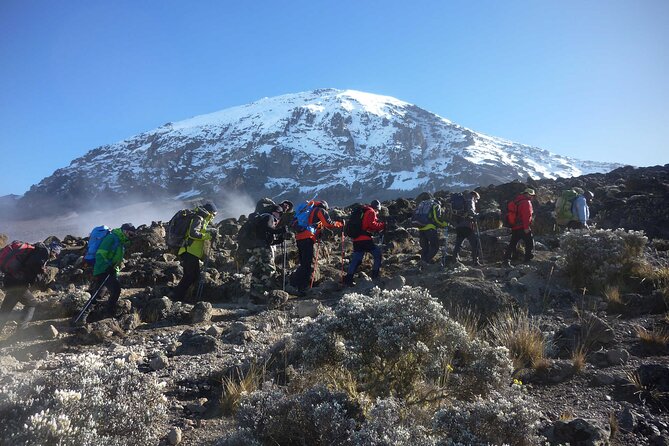
Kilimanjaro is serious altitude, made more manageable here. This 6-day Kilimanjaro climb follows the Marangu Route, with the goal of reaching Uhuru Peak, and it strings together rainforest, heathland, alpine desert, and the harsh high zone. The operator also leans into comfort, with Signature Camping style tents and solid meals, and you’ll be in capable hands, including guides such as Antipas and Emanuel in past groups.
What I like most is the way the itinerary builds your day-to-day rhythm for acclimatization, not just speed. You trek from Mandara Hut (around 2,700 meters) up to Horombo Hut (about 3,700 meters) and onward to Kibo Hut (around 4,700 meters), then you tackle the summit push early, before sunrise. I also like the practical support bundle: sleeping bag and camping equipment are included, plus breakfast, lunch, and dinner are covered, so you can focus on moving, hydrating, and resting.
One consideration: this is still a mountain climb, and the higher you go, the less forgiving it gets. Day 3 (entering the alpine desert zone) and Day 4 (the summit start in the early hours) are the big tests, so if you are sensitive to altitude or want a very relaxed pace, plan carefully with the team.
In This Review
- Key Highlights
- Marangu Route vs. the Harder Feel of Other Routes
- Price and What You Really Get for $2,196
- Where You Meet the Team and How the Timing Works
- Day-by-Day: What You’ll Feel on the Marangu Route
- Day 1: Marangu Gate to Mandara Hut (rainforest start)
- Day 2: Heathland zone to Horombo Hut (Mawenzi views)
- Day 3: Alpine desert zone to Kibo Hut (the air thins)
- Day 4: Summit early, then descend to recover (Uhuru Peak timing)
- Day 5: Horombo Hut down to Marangu Gate (certificates and goodbyes)
- Guides, Support, and the Comfort That Changes Your Experience
- Who This Tour Fits Best (and Who Should Think Twice)
- How to Prepare Without Overcomplicating It
- Should You Book This Marangu Route Climb?
- FAQ
- What route is this Kilimanjaro climb using?
- How long is the trek?
- What time and where does the tour start?
- Is pickup offered?
- What’s included in the price?
- What is the cancellation policy?
Key Highlights
- Marangu Route focus: rainforest to heathland, then alpine desert, and the arctic-like high zone on summit day
- Major altitude waypoints: Mandara Hut (2,700 m), Horombo Hut (3,700 m), Kibo Hut (4,700 m)
- Early-hours summit timing: aiming to reach Uhuru Peak (19,340 feet) just before sunrise
- Signature Camping comfort: spacious tents and memorable meals, not just basic survival mode
- Guides with real mountain experience: English-speaking support is part of the setup, with names like Antipas, Tuliza, Emanuel, and William showing up in past groups
Other ways up Kilimanjaro we reviewed
- Kilimanjaro Airport taxi to/from Moshi town/Arusha town★ 5.0 · 60 reviews
- 6 Days Climbing Mount Kilimanjaro Machame Route★ 5.0 · 40 reviews
- 8 Days Kilimanjaro Hike via Lemosho Route★ 5.0 · 39 reviews
- 7-Day Machame Route Kilimajaro★ 5.0 · 28 reviews
Marangu Route vs. the Harder Feel of Other Routes
The Marangu Route is often chosen for its clearer structure and the way it fits climbers who want an organized progression up Kilimanjaro. You start at the Marangu Gate, move through lush rainforest early on, then gradually climb out of the wet, green band and into drier, colder zones. The big value for you is not only the summit goal, it is the staged changes in terrain that make the climb feel like a sequence you can understand.
This climb is built around hut or base stops such as Mandara Hut, Horombo Hut, and Kibo Hut. That matters because it turns a huge mountain into reachable chunks. Instead of guessing how your day will go, you know where you are headed and what altitude you are sleeping at.
Also, the operator describes six ecological zones along the climb. That tells you you’re not just doing a straight line upward. You’ll see how Kilimanjaro changes with elevation, and those shifts help keep your senses engaged, especially on days that feel long.
Price and What You Really Get for $2,196
At $2,196 per person, this is not a budget adventure. The good news is that the price is packed with essentials you would otherwise pay for or carry yourself.
Here’s what’s included that directly affects your cost and workload:
- guide and all fees and taxes
- meals for the trekking days (breakfast, lunch, dinner)
- snacks and bottled water
- a sleeping bag and camping equipment
- pickup offered, plus return to the meeting point
Value is not just price, it is the tradeoff. You pay for structure, logistics, and mountain support. That can be a big deal on Kilimanjaro, where the wrong gear or missing meals can turn a tough day into a miserable one. If you are coming from far away, the included equipment also reduces what you must bring through airports.
One honest note: international flights and visa are not included, so you’ll want to budget those separately and leave time for travel days. And if you’re comparing operators, double-check what is covered in addition to the trek itself, like porting, fees, and meals.
Where You Meet the Team and How the Timing Works
The start time is 7:30 am, and the meeting point is Kilimanjaro International Airport in Tanzania. The experience ends back at the meeting point, with pickup offered, which is a practical setup when you do not want to wrestle with local transport on Day 1.
The max group size is listed as 100 travelers. That does not automatically mean you will feel crowded on the mountain, but it does hint that you are part of a larger system, with a schedule that keeps many people moving through the park.
For planning, also keep in mind the schedule label can be confusing. The trip is called a 6-day Kilimanjaro climb, but the itinerary provided runs through Day 1 to Day 5 and then finishes at Marangu Gate. When you book, confirm the exact start-to-finish count with Spirit of Kilimanjaro so your flights line up cleanly.
Marangu, other operators and other lengths
Day-by-Day: What You’ll Feel on the Marangu Route
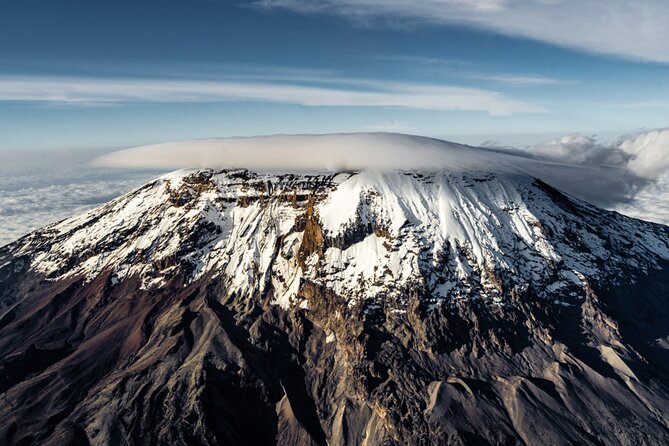
Day 1: Marangu Gate to Mandara Hut (rainforest start)
Your adventure begins at the Marangu Gate. This is where you handle park formalities and meet your guides and porters, then you step into rainforest conditions. The first trek is about 8 kilometers and described as relatively easy. That is a big psychological help. You get a chance to find your pace, get used to the altitude rhythm, and learn how your body handles hiking with a pack.
Mandara Hut is around 2,700 meters, so you’re already higher than most people expect when they think of Tanzania. Even if this day feels gentle, it is still Day 1 of altitude, so pacing matters.
Practical reality tip: treat Day 1 like a warm-up. You’re not trying to “finish strong,” you’re trying to arrive feeling steady for Day 2.
Day 2: Heathland zone to Horombo Hut (Mawenzi views)
After breakfast, the climb continues and you leave the rainforest behind. This is where the air tends to feel different and the terrain shifts into heathland. You hike about 12 kilometers, and part of the experience is the gradual opening of views, including glimpses of Mawenzi Peak, one of Kilimanjaro’s iconic formations.
Your overnight stop is Horombo Hut at about 3,700 meters. This altitude change is meaningful. The day is longer than Day 1, so it can feel like the first real effort.
This is the day where your hydration habits start to matter more. The overall itinerary stresses pacing and hydration during the tougher altitude segments, and Day 2 is where that mindset should begin, not after you notice you’re slowing down.
Day 3: Alpine desert zone to Kibo Hut (the air thins)
Today takes you up to Kibo Hut around 4,700 meters. The landscape shifts dramatically into the alpine desert zone. The air can feel sharper, and your body may start reminding you that you are now dealing with high altitude, not just steep trail.
One of the most talked-about moments on this part of the route is catching your first glimpse of the saddle between Mawenzi and Kibo. That “this is really happening” feeling often lands around this elevation, because you can finally see how the summit area connects.
This is described as challenging due to increased altitude. That means you need to keep expectations realistic. Short bursts of effort are fine, but sustained push-ups rarely help on Kilimanjaro. Go slow, keep taking fluids, and let the team’s rhythm guide you.
Day 4: Summit early, then descend to recover (Uhuru Peak timing)
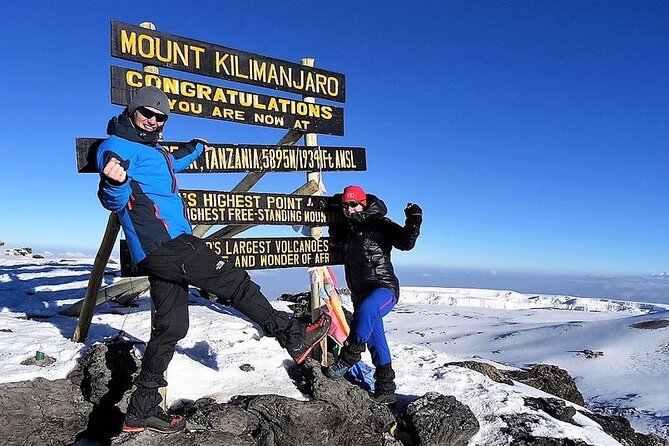
This is the big day. The plan is to start the summit ascent early enough to reach Uhuru Peak, the highest point in Africa, just before sunrise. That timing is not just for bragging rights. Morning conditions can help with visibility, and it gives you a controlled window before the heat builds later.
Even with good pacing, the climb to Uhuru Peak is both physically and mentally demanding. The payoff is the achievement at the top, then a descent that keeps moving you toward recovery.
After celebrating your summit, you descend back to Kibo Hut, then continue down to Horombo Hut for the night. Going down matters as much as going up because it’s part of how you avoid feeling wrecked when your final day comes.
Day 5: Horombo Hut down to Marangu Gate (certificates and goodbyes)
The final day is a descent from Horombo Hut back to the Marangu Gate. As you drop in elevation, the route moves through heath and rainforest zones again. This is often when people notice wildlife and birds more easily, since the trail is less about battling thinning air and more about watching the mountain wake up lower down.
After you reach Marangu Gate, you receive your summit certificates and say farewell to your guides and porters. That moment is more than paperwork. It’s the official end of a long process, and it helps you mark the achievement cleanly.
Guides, Support, and the Comfort That Changes Your Experience
Good guides do more than point the way. They keep your day organized, adjust pacing, and help you feel safe enough to focus on your effort instead of anxiety.
In the information provided, the guides are described as highly informed about the mountain and its surrounding areas, and the emphasis is on support. Several past participants also called out excellent teamwork and English-speaking communication. Names that came up include Antipas, Emanuel, Tuliza, and William. If those guide names appear in your group assignment, consider it a strong sign of experience and calm leadership.
Then there is the comfort side. The experience highlights Signature Camping, with spacious tents and deluxe comfort, plus amazing meals. Even if you are sleeping at hut stops like Mandara, Horombo, and Kibo, the comfort promise is important. Food and sleep quality affect how you climb, and on summit day that can be the difference between feeling flat and feeling focused.
Who This Tour Fits Best (and Who Should Think Twice)
Most people can participate, and the operator positions it for travelers who want structure, included meals, and guided altitude progression. This can suit:
- first-timers who want a clearly planned route
- climbers who prefer not to manage logistics and equipment on their own
- groups that include mixed ages, because supportive guidance is part of the experience
From past group stories, it has worked for people in the 30s and 40s alongside a 70-year-old dad, with a guide who adjusted attention to help keep the group comfortable. That does not mean it is easy, but it does suggest the team is used to real-world needs, not just athletic climbers.
Who should think twice:
- if you want a fully sedentary trip or a very short walk every day
- if altitude anxiety is a major issue for you, since Day 3 and Day 4 are the hardest segments of the plan
- if you have tight international flight timing, because you’ll want to ensure the full trek window lines up with your return
How to Prepare Without Overcomplicating It
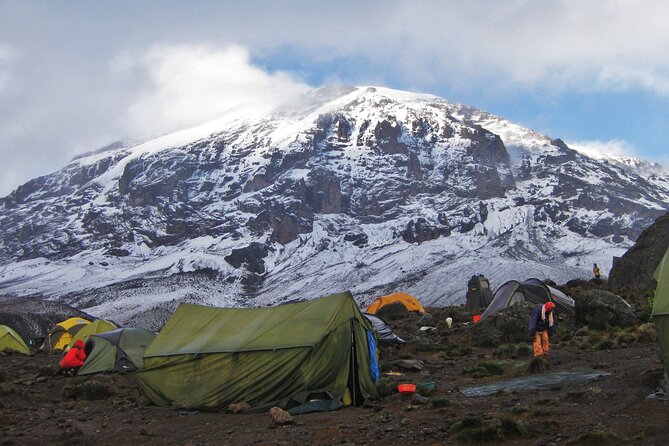
You do not need fancy plans, but you do need basic readiness. The setup itself highlights proper acclimatization and physical preparation as essential, with the expert staff supporting you through the process.
Here’s how to keep it grounded:
- Plan for steady pacing. The route specifically notes the need for pacing as altitude increases.
- Prioritize hydration. The itinerary calls this out as essential on the higher, tougher day.
- Trust the progression. The climb goes from rainforest to heathland to alpine desert to the high zone, so give your body time to adapt.
And remember, you are provided with a sleeping bag and camping equipment. That is one less thing to worry about, but it also means you should pack thoughtfully for your day comfort, because the mountain will still ask for layers and a calm attitude.
Should You Book This Marangu Route Climb?
Book it if you want a guided Kilimanjaro climb that trades some raw adventure for comfort, structure, and included essentials. The combination of organized altitude steps, early summit timing, included sleeping gear, and multiple meals can make a huge difference in how you experience the mountain.
Skip or ask harder questions before booking if:
- you need crystal-clear confirmation of the exact day count for your flight schedule, since the name says 6 days but the detailed plan ends after Day 5
- you are worried about harder altitude days and want a gentler option than Day 3 and Day 4
If you book, your best move is simple: communicate your fitness level honestly, follow the team’s pace, and treat each day as preparation for the summit push rather than a race.
FAQ
What route is this Kilimanjaro climb using?
This climb follows the Marangu Route, starting at Marangu Gate and moving through multiple altitude zones up to Uhuru Peak.
How long is the trek?
The trip is described as about 5 days, even though it is marketed as a 6-day climb. The provided schedule runs through Day 1 to Day 5 and ends at Marangu Gate, so confirm the exact full-day count when booking.
What time and where does the tour start?
Start time is 7:30 am at Kilimanjaro International Airport, and the experience ends back at the same meeting point.
Is pickup offered?
Yes, pickup is offered.
What’s included in the price?
Included are a guide, all fees and taxes, sleeping bag, camping equipment, meals (breakfast, lunch, dinner), plus coffee and/or tea, snacks, and bottled water.
What is the cancellation policy?
Free cancellation is available. You can cancel up to 24 hours before the experience for a full refund. If you cancel less than 24 hours before the start time, the amount paid is not refunded.
The Marangu Trail
- Kilimanjaro Climbing 5 days Marangu route
★ 5.0 · 22 reviews
Kilimanjaro, Route by Route
- 7 Days Kilimanjaro via Machame route affordable price
★ 5.0 · 110 reviews - Kilimanjaro Airport taxi to/from Moshi town/Arusha town
★ 5.0 · 60 reviews - 6 Days Climbing Mount Kilimanjaro Machame Route
★ 5.0 · 40 reviews - 8 Days Kilimanjaro Hike via Lemosho Route
★ 5.0 · 39 reviews - 7-Day Machame Route Kilimajaro
★ 5.0 · 28 reviews
Just added from around Kilimanjaro
Kilimanjaro Marangu Route, compared.
 ★ 5.0Kilimanjaro climb, Marangu route (6-day)From $2,90272 reviews
 ★ 5.0Climbing Kilimanjaro – Marangu RouteFrom $2,00465 reviews
 ★ 5.0Private Full Day Hiking Experience to Marangu RouteFrom $26061 reviews
 ★ 4.5From Arusha/Moshi: Kilimanjaro Hike Marangu Route Day TripFrom $10154 reviews
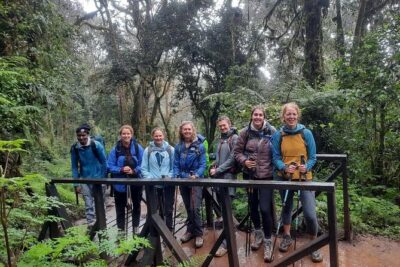 ★ 5.0Mount Kilimanjaro Day Hike Through Marangu Route to Mandara HutFrom $26537 reviews
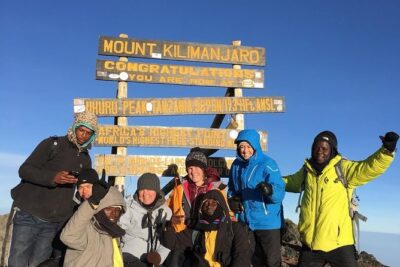 ★ 5.0Kilimanjaro Climbing 5 days Marangu routeFrom $90022 reviews
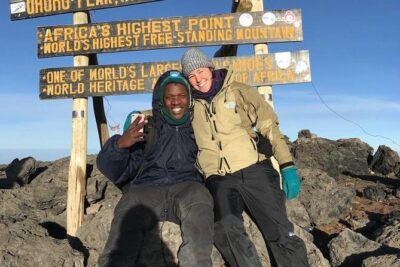 ★ 5.0Best Kilimanjaro Adventures 6 Days Marangu Route ExperienceFrom $1,00018 reviews
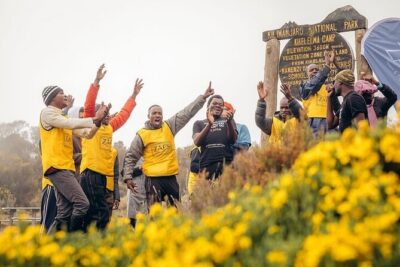 ★ 5.0Kilimanjaro Private Climbing in 6 Days Marangu RouteFrom $2,00016 reviews
Browse the lists this tour appears in