
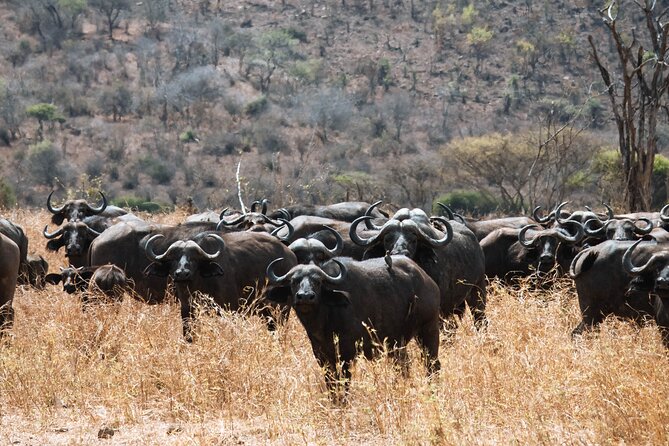
REVIEW · NGORONGORO CRATER SAFARIS
2 Day Tanzania Safari in Tarangire and Ngorongoro Crater
Two days, two icons of Northern Tanzania. This 2-day safari pairs Tarangire National Park with Ngorongoro Crater, aiming for maximum sightings when you have limited time. I especially like the elephant drama at Tarangire, where the dry-season water at the river can bring big herds close to the road.
The second thing I like is how the Ngorongoro day is built for easy viewing, with a half-hour crater descent and a game drive from a Land Cruiser 4×4 with a pop-up roof. From the guides named in the feedback, Aaron Temu and Adam come up for a big reason, they keep things smooth and explain what you are actually seeing.
One consideration: this safari is not suitable for people with mobility issues using special mobility aids. Many safari areas are remote, and the safari vehicles do not offer special seating or storage for mobility aids, so it may not work for everyone.
In This Review
- Key things to know before you go
- Fast-Track Safari: Two Parks in Two Days from Moshi
- Tarangire National Park: Elephants at the Dry-Season Water Source
- Your Tarangire Safari Drive: What the 4×4 Setup Actually Changes
- Ngorongoro Crater: The Half-Hour Descent and Wildlife Density in a Caldera
- The Ngorongoro Break: Lake Magadi Snack Stop
- Meals, Lodges, and Daily Comfort on a Short Safari
- Price and Logistics: Is $1,310 Per Person Good Value?
- Group Size, Private Use, and Guide Quality
- What to Bring, and What to Watch Out For
- Who This 2-Day Safari Fits Best
- Should You Book This Tarangire and Ngorongoro Safari?
- FAQ
- Where does pick-up and drop-off happen for this safari?
- What time does the safari start?
- Is the safari vehicle set up for wildlife viewing?
- What meals and drinks are included?
- Is Wi-Fi available during the tour?
- What is included in the price, and what is not?
Key things to know before you go
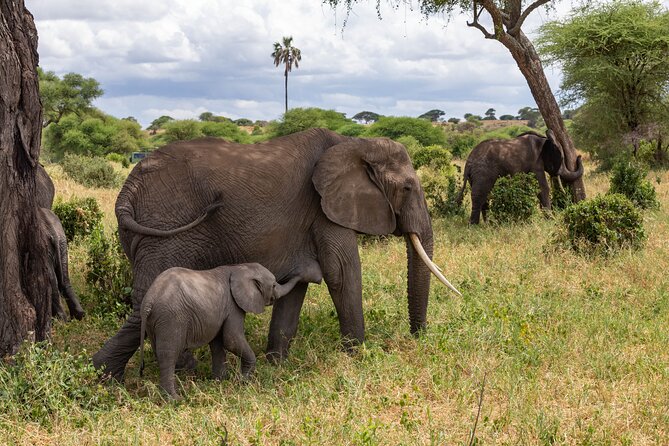
- Tarangire River pull in dry season, elephants gather where the water is
- Half-hour descent into Ngorongoro, putting you fast into the crater ecosystem
- Pop-up roof Land Cruiser 4×4, designed for strong wildlife viewing from your seat
- Guide support matters, with names like Aaron Temu and Adam getting credit for good explanations
- Included park fees and meals, so the core costs feel more predictable
Other ways down into the Ngorongoro Crater
- Safari Serengeti And Ngorongoro★ 5.0 · 288 reviews
- 5 Days Camping Tarangire, Serengeti & Ngorongoro crater & Visiting Maasai★ 5.0 · 58 reviews
- 4 Days Group Joining Camping Safari to Tarangire Serengeti Ngorongoro Crater★ 5.0 · 50 reviews
- 3-Day Ngorongoro Crater Manyara and Tarangire Safari from Arusha★ 5.0 · 49 reviews
Fast-Track Safari: Two Parks in Two Days from Moshi
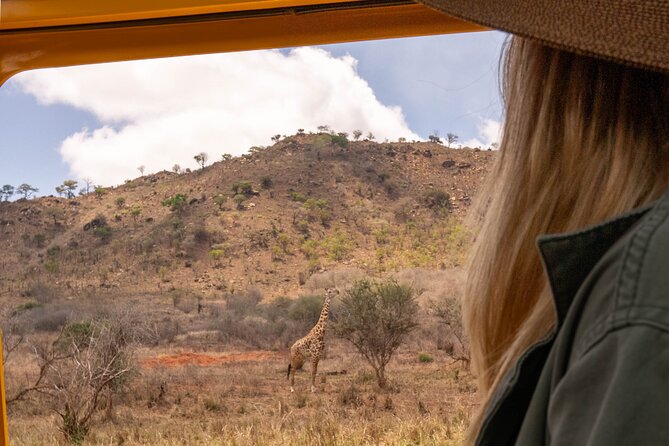
If your Tanzania time is tight, this is the kind of itinerary that makes sense. You are not spending your days on endless road time. You are using your two days to hit two of Northern Tanzania’s best-known wildlife settings: Tarangire and Ngorongoro Crater.
I also like that the trip is positioned around real viewing logic. Tarangire’s big draw is the way wildlife concentrates around water, especially during drier months. Ngorongoro’s draw is density, you get access to a huge protected ecosystem in a relatively compact area once you are down in the crater.
The base is Moshi, and your logistics revolve around Kilimanjaro International Airport (JRO) pick-up and drop-off. That matters if you are combining this safari with other Tanzania plans, because it lowers the number of moving parts you have to manage yourself.
Tarangire National Park: Elephants at the Dry-Season Water Source
Day 1 starts with an early rhythm. After breakfast, around 7:30 AM, you are picked up and you drive toward Tarangire, with park entry time aiming around late morning, roughly 10:00 AM. The day then runs about 7 hours of safari time.
Tarangire is special because of the Tarangire River. In the dry season, it becomes one of the only drinking sources for animals across a wide area. When water is scarce, animals do not spread out as much. That is when you get the payoff of shorter itineraries, more sightings per hour.
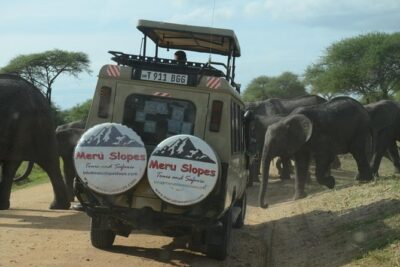
This is also where you can experience some of Tanzania’s most consistent elephant action in the north. During much of the year, and particularly from June to October and from December to March, Tarangire can hold a large elephant population. The result is a very different feel from parks where elephants are more scattered.
You should also understand the vibe. The information on this trip highlights that elephants often come quite close to vehicles and that it is considered safe in the context of normal safari behavior. I still advise you to play it smart: stay seated, keep your windows handled the way your guide instructs, and respect the distance your guide reads in the moment.
Your Tarangire Safari Drive: What the 4×4 Setup Actually Changes
Tarangire is about the hunt for movement. A short safari day can still feel full because elephants, birds, and other grazers can show up repeatedly when they are anchored to water.
The vehicle setup is geared for that. You ride in a new Land Cruiser 4×4 with a pop-up roof, ergonomic seating, and power sockets. There is also a refrigerator in the vehicle, plus you get bottled water and soft drinks in the jeep. For camera people, the pop-up roof is a practical upgrade, it makes it easier to keep a steady view when an animal is just slightly higher or farther than eye level.
Another small thing I appreciate: binoculars are included, one piece per car. That means you do not have to gamble on whether you packed your own. If you are the type who likes to identify birds or scan herds for patterns, it helps you get more out of the time you have.
Tarangire again, with different operators
Ngorongoro Crater: The Half-Hour Descent and Wildlife Density in a Caldera
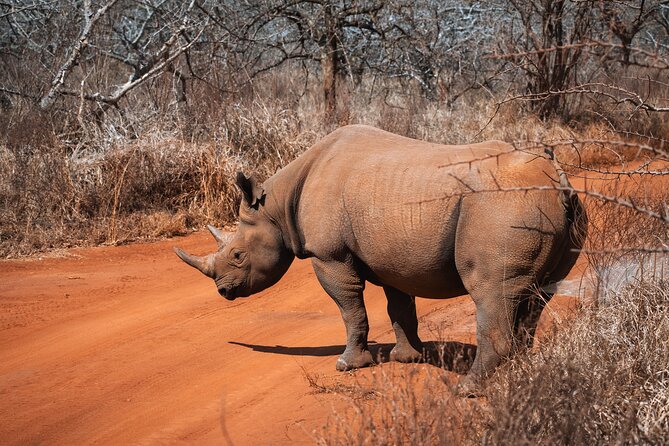
Day 2 shifts the scale. You drive to Ngorongoro Crater for a legendary morning. The crater is described as relatively small compared to the broader conservation area around it, but it is famous for having an extremely high variety of animals within a small footprint.
Once you start descending, plan on about a half-hour drive down into the crater. The road passes through lush forests with scenery that breaks up the day before the wildlife hunt starts.
After you reach the crater floor, you get a morning game drive around the crater. This is where short-safari timing really works in your favor. In a crater setting, you are not chasing animals across the horizon for hours the way you might in more open country. You are watching for clusters, tracks, and sudden movement in and around the same zones.
The Ngorongoro Break: Lake Magadi Snack Stop
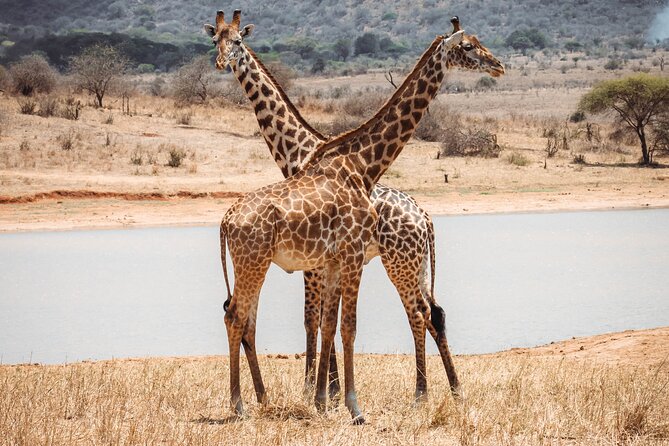
A safari should not feel like a nonstop sprint. After the morning game drive, this itinerary includes a break at a picnic area next to Lake Magadi for a snack and rest.
That stop is more useful than it sounds. In crater environments, morning temperatures can change quickly, and your eyes need a reset between sightings. A planned pause also helps you keep your focus for the later part of the day, even when the first sightings were strong.
Your day still runs about 7 hours total, so it is not a long, slow day either. But you get at least one built-in moment to stretch, drink something warm if offered, and refocus.
Meals, Lodges, and Daily Comfort on a Short Safari
On a 2-day safari, comfort can make or break the experience. You do not want to feel hungry, stressed, or constantly worried about supplies.
This trip includes breakfast, lunch on both days, and dinner (2). You also get bottled water and soft drinks in the jeep, plus hot coffee and tea while you are out driving. That is exactly what you need for early mornings and long road blocks.
You also get accommodation before and after safari as per the program. The exact properties are not listed here, but the key point is that the tour covers lodging around the safari so you do not have to scramble to book something at the last minute.
Wi-Fi is included too, with a signal available only in 60 to 75 percent of the traveled territories. So do not plan your entire life on it. Treat it as a bonus, not a promise.
Two other comfort-and-safety details I like: you get medical kit support included, and you also get access to an air ambulance service by AMREF Flying Doctors. That does not mean you will need it, but it is reassuring on a longer travel day where a lot of things are outside your control.
Price and Logistics: Is $1,310 Per Person Good Value?
At $1,310.00 per person for a 2-day safari, this is not a budget outing. Still, the value depends on what you would otherwise pay to assemble the experience yourself.
Here is what is included that usually costs extra when you book everything separately:
- Certified English speaking safari guide
- A new Land Cruiser 4×4 with pop-up roof and practical comforts
- National park fees for the entire tour, including park entry and concession fees
- Meals, including breakfast, lunch (2), and dinner (2)
- Pick-up and drop-off at JRO
- Binoculars (1 per car)
- Bottled water, soft drinks, and hot coffee and tea while in the jeep
- Medical kit and AMREF Flying Doctors air ambulance service
The “not included” list is also fairly clear, and it helps you budget:
- Alcoholic beverages (lodges and on safari) are extra
- Air tickets, visa fee, and travel insurance are extra
- Tips to your safari guide are not included
To me, the strongest value lever is that the park fees and core food are bundled. If you have ever tried to piece together a quick safari across multiple parks, you know how fast costs add up once you include entry fees, a vehicle, guide time, and meal plans.
If you are thinking about your total trip spend, also remember you will be traveling in and out of the Kilimanjaro region through JRO. That pick-up and drop-off matters, especially if you are also juggling other plans before or after your safari.
Group Size, Private Use, and Guide Quality
This is described as a private tour activity, meaning only your group participates. That usually translates to fewer compromises about pacing, seating, and where you stop for viewing opportunities.
It is also listed with group discounts as a feature. Since this is private, it can still make sense if you are traveling with friends or family and want to keep costs down while holding onto the private feel.
Guide quality is not a small detail on safari. In feedback linked to this operator, the names Aaron Temu and Adam come up for animal knowledge and for keeping the days organized. In practical terms, that is what you want in a short itinerary: a guide who helps you spot and understand things fast, and who keeps timings under control so you do not miss your best windows.
What to Bring, and What to Watch Out For
The itinerary is short, so packing smart matters more than packing a lot.
For the vehicle and crater days, you will likely want:
- A camera ready for steady viewing from the vehicle
- Warm layers for early mornings and possible temperature swings
- Sun protection, since you will spend meaningful time outside even when you are watching from inside the jeep
For comfort, plan for long sitting time. The jeep has ergonomic seats and a pop-up roof, but it is still wildlife viewing on roads and in dust.
For planning, note the mobility limitation. This safari is not suitable if you need special mobility aids. If you have any accessibility needs, it is worth asking the operator directly before you book, because safari vehicles and lodge infrastructure are not described as being adapted for special storage or seating.
Who This 2-Day Safari Fits Best
This safari fits best if you check most of these boxes:
- You have limited time and want big-name parks, without a multi-day park-hopping marathon
- You value maximum sightings per day over long, slow travel days
- You want a clear plan with meals, park fees, and airport transfers handled
- You are comfortable spending most of each day in a safari vehicle, scanning and waiting for movement
It is also a good fit if you want an operator that can coordinate multiple activities around the same dates. Names associated with the service style show up in other trip combinations too, including Kilimanjaro summit climbs and multi-location packages. Even if you are not doing those, it suggests they are used to managing schedules.
Should You Book This Tarangire and Ngorongoro Safari?
If your goal is to see the best-known Northern Tanzania wildlife settings in the shortest time possible, I would say yes, this is a strong choice. Tarangire’s elephant pull around water plus Ngorongoro’s density in a crater setting is a smart pairing for a 2-day trip.
Book it if you appreciate structure: guide time, bundled park fees, included meals, and airport transfers handled. That kind of planning reduces stress when you are only in Tanzania for a short window.
Think twice if mobility is a factor, or if you are the type who wants every day to feel slow and open-ended. This itinerary is built for efficient viewing, not leisurely wandering.
If you want a tight, high-impact safari with practical support and a well-organized pace, this is the kind of plan that can make your limited time feel like it went farther.
FAQ
Where does pick-up and drop-off happen for this safari?
You are picked up at Kilimanjaro International Airport (JRO) and dropped off back at JRO after the tour.
What time does the safari start?
The start time is listed as 9:00 AM. Day 1 is described as having you arrive at Tarangire by around 10:00 AM after breakfast and morning pick-up timing.
Is the safari vehicle set up for wildlife viewing?
Yes. You ride in a new Land Cruiser 4×4 with a pop-up roof, ergonomic seats, refrigerator, and power sockets.
What meals and drinks are included?
Breakfast is included, and lunch and dinner are included for 2 days. While you are in the jeep on safari, bottled water, soft drinks, hot coffee, and tea are included.
Is Wi-Fi available during the tour?
Free Wi-Fi is included, but the signal is only available in about 60 to 75 percent of the traveled territories.
What is included in the price, and what is not?
National park fees for the entire tour are included, along with the guide, vehicle, meals, and other items like binoculars. Alcoholic drinks, air tickets, travel insurance, visa fee, and tips to your guide are not included.
Longer Trips Through the North
- Big Five Safari In Tanzania
★ 5.0 · 99 reviews - Unforgettable Tanzania Safari And Zanzibar Beach
★ 5.0 · 97 reviews - 8-Day Essence of Tanzania Safari – Luxury
★ 5.0 · 72 reviews - 4-day Tanzania Safari
★ 5.0 · 53 reviews - 7-Day Magical Tanzania Safari -Premium High End Package
★ 5.0 · 53 reviews
Tarangire and Its Baobabs
- 5 Days Camping Tarangire, Serengeti & Ngorongoro crater & Visiting Maasai
★ 5.0 · 58 reviews - 4 Days Group Joining Camping Safari to Tarangire Serengeti Ngorongoro Crater
★ 5.0 · 50 reviews - 3-Day Ngorongoro Crater Manyara and Tarangire Safari from Arusha
★ 5.0 · 49 reviews - 4 Day Private Tour Throughout Tarangire, Serengeti and Ngorongoro
★ 5.0 · 42 reviews - 7 Days Safari. Serengeti, Tarangire, Lake Manyara & Ngorongoro Crater.
★ 5.0 · 34 reviews
Still Thinking About the Crater?
- Safari Serengeti And Ngorongoro
★ 5.0 · 288 reviews - 5 Days Camping Tarangire, Serengeti & Ngorongoro crater & Visiting Maasai
★ 5.0 · 58 reviews - 4 Days Group Joining Camping Safari to Tarangire Serengeti Ngorongoro Crater
★ 5.0 · 50 reviews - 3-Day Ngorongoro Crater Manyara and Tarangire Safari from Arusha
★ 5.0 · 49 reviews - 4 Day Private Tour Throughout Tarangire, Serengeti and Ngorongoro
★ 5.0 · 42 reviews
Just added from around Moshi
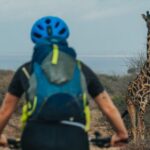
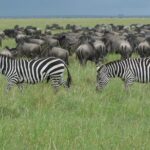
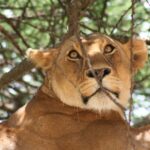
Ngorongoro Crater Safaris, compared.
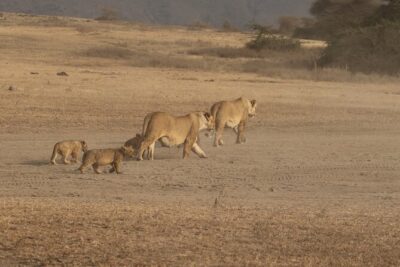 ★ 5.03 Days Serengeti & Ngorongoro Group Camping SafariFrom $815574 reviews
 ★ 5.0Safari Serengeti And NgorongoroFrom $2,845288 reviews
 ★ 5.05 Days Camping Tarangire, Serengeti & Ngorongoro crater & Visiting MaasaiFrom $1,254229 reviews
 ★ 5.04 Days Join Group tour Tarangire Serengeti and Ngorongoro craterFrom $1,090219 reviews
 ★ 5.04-Day Safari from Arusha: Tarangire, Serengeti and NgorongoroFrom $1,753173 reviews
 ★ 5.02 Days Tarangire and Ngorongoro Group Camping SafariFrom $550146 reviews
 ★ 5.04 Days Tarangire Serengeti Ngorongoro CraterFrom $900117 reviews
 ★ 5.03 Days Tarangire, Ngorongoro & Lake Manyara Group Camping SafariFrom $700102 reviews
Browse the lists this tour appears in