
REVIEW · KILIMANJARO MACHAME ROUTE
The Best & Unique Kilimanjaro Hiking tour 7 days Machame route
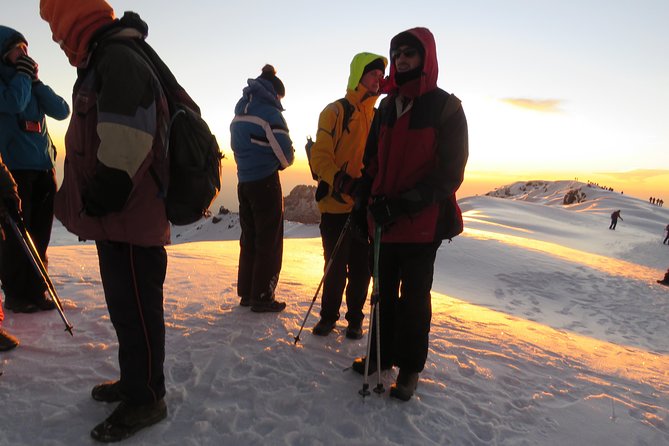
Kilimanjaro feels like two hikes in one. The Machame Route gives you a smart ramp-up, with big scenery changes from rainforest to alpine desert. You also get a well-run, guide-led climb that prioritizes pacing and safety, not chaos.
I like two things a lot: the meals are included (breakfast, lunches, and dinners), and the team uses an adjustable pace with experienced guides like Maneno and Hassan. One drawback to plan for is budget creep, since park fees and rescue fees are not included, and tips for the mountain crew are also extra.
If you want a climb that makes room for acclimatization and avoids you starting summit push with zero sleep time, the 7-day schedule on Machame is built for that. It’s still hard. But it’s hard in a way you can manage.
In This Review
- Key things that make this Machame trek worth your time
- Moshi to Machame Gate: where the trip starts and how it runs
- Price and value on the $1,200 Machame package
- What’s included in the trek price
- What is not included
- Day 1 (Machame Gate to Machame Camp): rainforest start, big altitude jump
- Day 2 (Machame Camp to Shira 2 Camp): heath terrain and careful pacing
- Day 3 (Shira 2 to Lava Tower and down to Barranco): the drama of Lava Tower
- Day 4 (Barranco to Karanga): short mileage, smart acclimatization
- Day 5 (Karanga to Barafu): getting high, getting ready
- Day 6 (Barafu to Uhuru Peak to Mweka Camp): midnight summit push reality
- How to think about day 6
- Day 7 (Mweka Camp to Mweka Gate): finish in rainforest mode
- What the guides and camping support really change for you
- Who this Machame tour is for, and who should reconsider
- Should you book this 7-day Machame Route?
- FAQ
- How long is the Kilimanjaro hike on the Machame route?
- Where does the tour start?
- Is pickup included from Moshi?
- What meals are included during the trek?
- Do I need to carry my own camping equipment?
- Are park fees included in the price?
- What is the maximum group size?
- When do you start the summit attempt?
- Is there free cancellation?
- Should you book this tour or look for another?
Key things that make this Machame trek worth your time
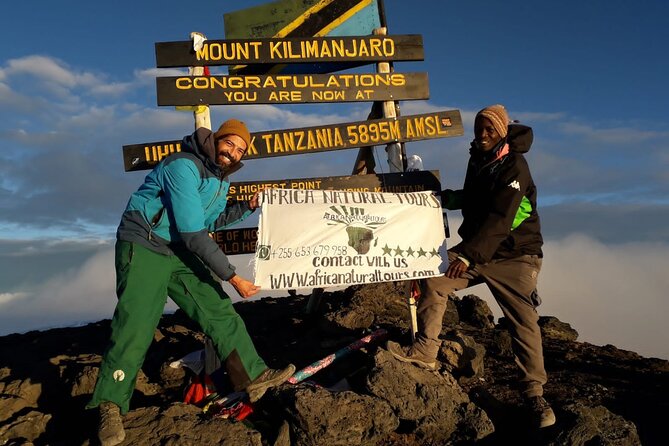
- Included food, no food hauling: breakfast, lunches, and dinners remove one heavy job from your shoulders.
- Private transportation to reduce crowd stress: you avoid the worst of the “everyone funnels onto the same trail” feeling.
- Experienced English-speaking guidance: you’re not left guessing routes, timing, or altitude pacing.
- Camping setup provided: tent and mattress are included, so you can pack smarter.
- A route with built-in acclimatization breaks: slower build before the big day helps you conserve energy for the summit push.
Other ways up Kilimanjaro we reviewed
- Kilimanjaro climb by Lemosho Route (7-day)★ 5.0 · 651 reviews
- Kilimanjaro climb, Machame Route (7-day)★ 5.0 · 262 reviews
- Kilimanjaro Climbing Lemosho Route 8 Days.★ 5.0 · 186 reviews
- Climbing Kilimanjaro – Machame Route★ 5.0 · 170 reviews
Moshi to Machame Gate: where the trip starts and how it runs
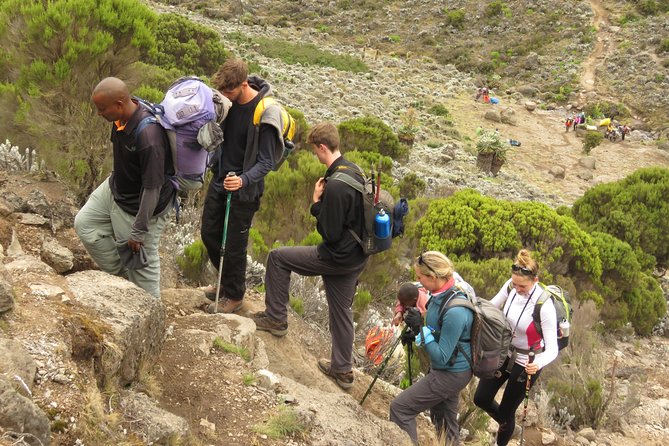
Most Kilimanjaro trips live or die on the first few hours, and this one starts in Moshi. Pickup is offered from your Moshi-area hotel to Machame Gate, which helps you avoid day-of scramble. The meeting point is Africa Natural Tours L.T.D on Mkwawa Avenue, and the activity is organized around that base.
You’ll also get a mobile ticket, which is a small thing, but it usually means fewer paper hassles once you’re in-country. From a practical view, the key is that your logistics are handled early, so you can focus on one goal: getting your body moving at altitude without rushing.
Group size is capped at a maximum of 50 travelers, and the tour includes private transportation to help you avoid crowds. That doesn’t mean it will feel empty out there, but it does mean your start and transfers are less chaotic than the classic “big herd” approach.
Price and value on the $1,200 Machame package
At $1,200 per person for a 7-day climb, the biggest value question is what you avoid paying for and what you still must budget. Here’s the balance based on what’s included.
What’s included in the trek price
- Meals on the mountain: breakfast, lunch, and dinner
- Professional English-speaking guide
- Camping equipment like tent and mattress
- Pickup and drop off connected to Machame Gate and Moshi
More Machame departures, compared
What is not included
- All park fees (entry fee, rescue fee, camping fee)
- Tips to the mountain crew
- Airport transfers (Kilimanjaro International Airport to/from is not included)
- Town hotel stays before and after the trek
So is it a good deal? For me, it’s solid if you’re the kind of traveler who wants to keep the mountain day simple. Food and basic camping setup are two of the most annoying things to manage on Kilimanjaro. If you tried to piece those together yourself, you’d likely spend time and energy that you just don’t want to invest.
The main cost “surprise” to watch for is park and rescue fees, plus crew tips. Even when a price looks clean at first glance, Kilimanjaro always has add-ons. You’ll feel more confident if you mentally separate the base trek cost from park fees and gratuities.
Day 1 (Machame Gate to Machame Camp): rainforest start, big altitude jump
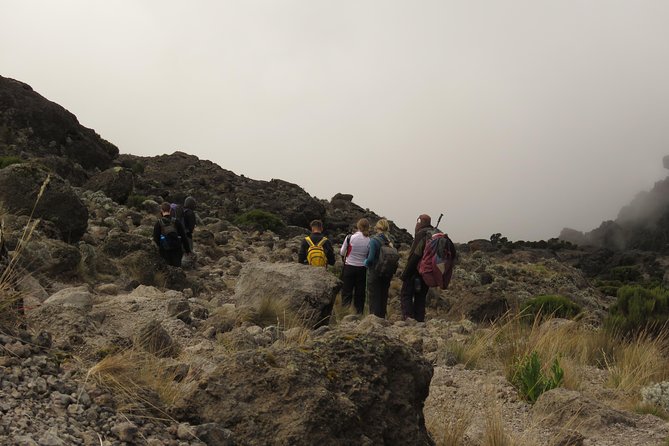
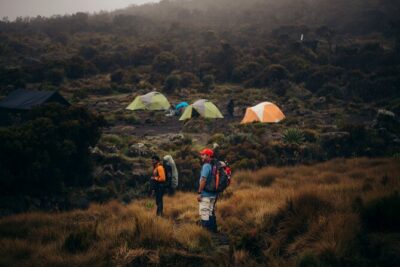
Day 1 climbs from 5,380 ft to 9,350 ft, covering about 11 km with roughly 5 to 7 hours of hiking. Habitat here is rainforest, which usually means cooler shade at the start, and then thicker air as you gain elevation.
This is a classic “get moving, don’t race” day. The trail is enough work on its own, and the altitude is doing the rest. The route choice matters too. Machame is known for changing ecosystems as you go, and you begin that shift on day 1.
The practical win: meals are handled. You show up, hike, and return for dinner. That matters because the more you have to manage logistics, the easier it is to burn energy you’ll want later.
Day 2 (Machame Camp to Shira 2 Camp): heath terrain and careful pacing
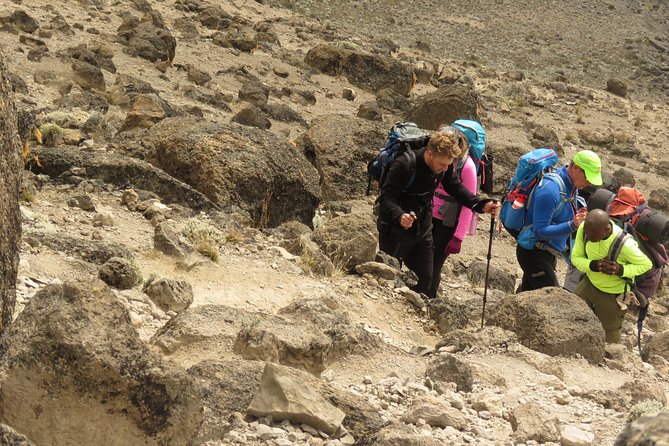
Day 2 goes from 9,350 ft to 12,500 ft over only 5 km, with 4 to 6 hours of hiking. That short distance can fool you. The climb still takes time because you’re gaining height fast and your body needs steady effort.
Habitat shifts into heath. This is a “you’ll feel it in your lungs” kind of day, even when the trail seems gentle on paper. The best approach is to keep your breathing calm and let the minutes pass. If your guide gives you pace guidance, take it seriously. It’s not a vibe thing, it’s oxygen math.
This is where acclimatization starts paying off. You’re not just stacking meters. You’re teaching your body how to operate in thinner air before the route gets sharper.
Day 3 (Shira 2 to Lava Tower and down to Barranco): the drama of Lava Tower
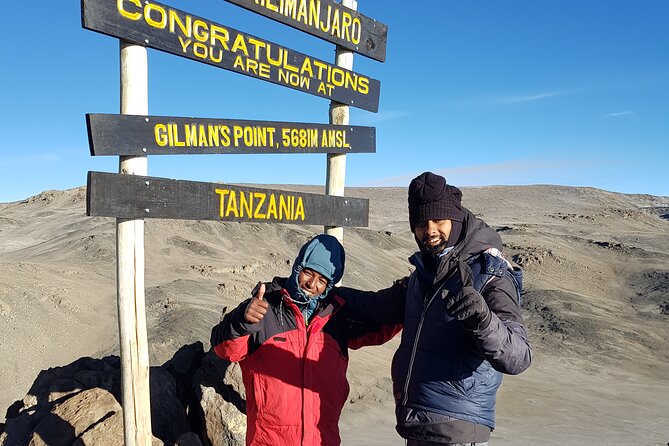
Day 3 is a split day. First, you rise from 12,500 ft to 15,190 ft at 7 km and about 4 to 5 hours, hitting Lava Tower. Then you descend from 15,190 ft to 13,044 ft for 3 km and 2 to 3 hours to Barranco Camp. Habitat stays in alpine desert.
Why Lava Tower matters: it’s a major altitude waypoint that can feel like the trek’s first big “moment.” You’ll likely see your breathing tighten as you approach the high point. The good news is the later drop to Barranco Camp gives your legs a break, and that balance is part of what makes this schedule workable.
On this kind of day, you’ll benefit from having a guide who watches your pace rather than pushing everyone as fast as possible. The climb is safer when the team focuses on steady progress, not visible speed.
Day 4 (Barranco to Karanga): short mileage, smart acclimatization
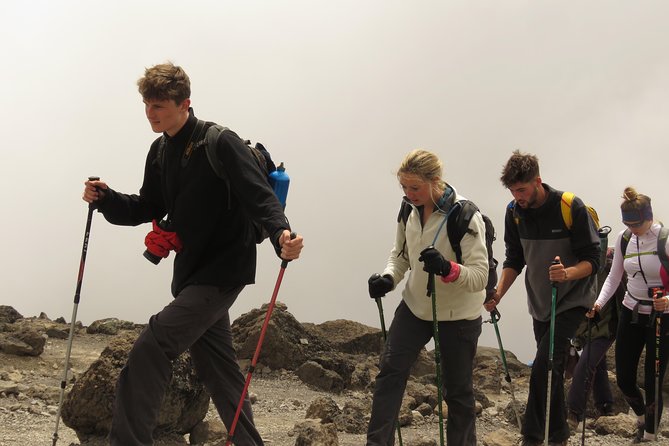
Day 4 moves from 13,044 ft to 13,106 ft over 5 km, with about 4 to 5 hours. That elevation change is small, which is the point. You’re in alpine desert, and you’re letting your body adapt while you keep moving.
This day often feels like a break on the schedule, even though the hike time can still be substantial. You’ll want to use it strategically: hydrate, keep your energy steady, and don’t burn motivation by going too hard.
A short, controlled acclimatization day is valuable because it sets you up for the tougher climb to Barafu. If you skip that idea and rush through, you tend to pay for it later.
Day 5 (Karanga to Barafu): getting high, getting ready
Day 5 climbs from 13,106 ft to 15,331 ft across 4 km, and you’ll hike about 4 to 5 hours in alpine desert.
This is a step toward summit day. Even though the distance is short, it can feel demanding because the altitude keeps tightening. This is one of those “save your effort” days. You don’t need to prove anything on day 5. You need to arrive with enough stamina for what comes next.
If your guide is flexible with pace, day 5 is where you’ll notice it most. Maneno and Hassan are specifically mentioned for adapting to individual hiking rhythm, and that kind of leadership matters more than people think when the air gets thin.
Day 6 (Barafu to Uhuru Peak to Mweka Camp): midnight summit push reality
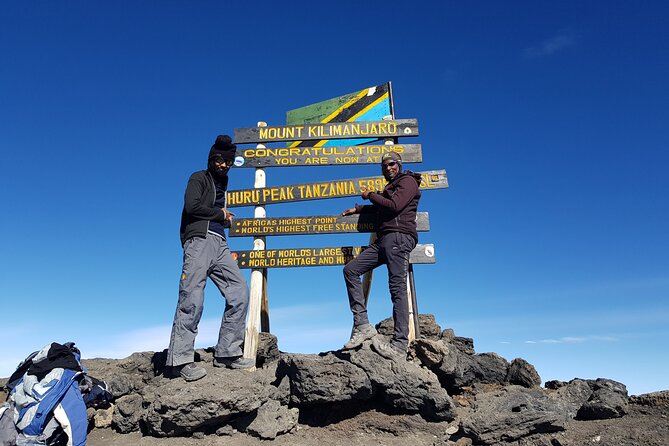
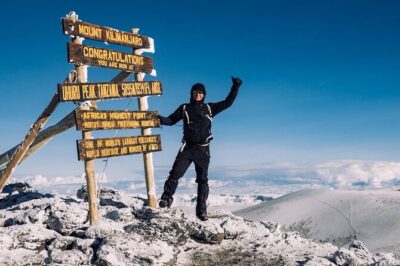
Day 6 is the summit day. You start from 15,331 ft up to 19,341 ft at Uhuru Peak, about 5 km and roughly 7 to 8 hours. Habitat changes to arctic. Then you descend dramatically down to Mweka Camp from 19,341 ft to 10,065 ft for 12 km and about 4 to 6 hours, with rainforest habitat again.
The route overview notes that the summit attempt starts at midnight. That matters. Starting at midnight means you may get limited sleep right before the hardest climb you’ll do on the whole trip. The value of the 7-day Machame build is that you’re not climbing from scratch to the summit without support. Your earlier days create a foundation so you can handle the night push.
How to think about day 6
- Treat the ascent as a long, steady effort, not a sprint.
- Expect cold and fatigue. You’re climbing in the thin air zone where small mistakes feel bigger.
- The descent is part of day 6, and it can be just as punishing for your knees.
When the team runs a “detail oriented, safe” expedition (as this one is described), that typically shows up most on day 6, where timing, pacing, and close attention reduce risk.
Day 7 (Mweka Camp to Mweka Gate): finish in rainforest mode
Day 7 descends from 10,065 ft to 5,380 ft over 10 km, with about 3 to 4 hours of hiking, staying in rainforest. This is where you get your legs back in a different way: not because it’s easy, but because the air is thicker and your body can recover faster.
You’ll end back at Machame Gate area routing and return toward Moshi, and the activity ends at the meeting point associated with the operator. For most people, day 7 is mental relief. You still have to walk, but the goal is no longer height. It’s finishing clean.
What the guides and camping support really change for you
On Kilimanjaro, the mountain doesn’t just challenge your legs. It challenges decision-making. Do you drink enough? Pace right? Keep moving when you want to stop? Get sleep when you can? A guided experience helps you stay on track.
Here’s what you can count on:
- Professional English-speaking guide: route guidance, pacing, and safety decisions.
- Camping equipment: tent and mattress, so you’re not hauling basic shelter gear.
- Included meals: breakfast, lunches, dinners, reducing your day-to-day workload.
And then there’s the human part. The climb is described as very well run and detail oriented, with flexibility in pace from experienced guides like Maneno and Hassan. For you, that means the expedition is more likely to match your real body, not some generic hiking pace.
Private transportation also helps because it reduces your stress before you even start climbing. A calm start tends to lead to a calmer summit push.
Who this Machame tour is for, and who should reconsider
This trek is listed for travelers with moderate physical fitness. But moderate doesn’t mean casual. You should be comfortable with daily hiking that lasts hours, plus the altitude effect that makes every effort feel stronger.
You’ll like this tour most if:
- You want a structured 7-day schedule with time for acclimatization.
- You prefer meals and camping basics included, so you can focus on hiking.
- You value a guide-led plan over “figure it out” navigation.
You might want to think twice if:
- You’re trying to minimize out-of-pocket costs, because park fees, rescue fees, camping fees, and tips are not included.
- You know you struggle with very early night starts. Day 6 includes a midnight summit attempt.
Should you book this 7-day Machame Route?
Book this tour if you want an organized, guide-led Kilimanjaro climb that handles the big logistics for you: food, camping basics, and transfers to Machame Gate. The Machame schedule also gives you a smart build toward the summit, which helps you manage the reality of a midnight summit push.
Before you commit, budget for park fees and rescue fees, and plan for crew tips. Also be honest with your fitness and stamina. If you can hike daily, follow pace guidance, and take acclimatization seriously, this is a strong choice.
If you want a smoother climb rhythm and less mental overhead, this Machame 7-day experience is built for exactly that.
FAQ
How long is the Kilimanjaro hike on the Machame route?
It runs for about 7 days.
Where does the tour start?
The meeting point is Africa Natural Tours L.T.D on Mkwawa Avenue in Tanzania.
Is pickup included from Moshi?
Yes. Pickup from your booked hotel in Moshi town to Machame Gate is included.
What meals are included during the trek?
Breakfast, lunches, and dinners during the trekking are included.
Do I need to carry my own camping equipment?
No. Camping equipment such as tents and mattresses are included.
Are park fees included in the price?
No. All park fees, including entry fee, rescue fee, and camping fee, are not included.
What is the maximum group size?
The tour has a maximum of 50 travelers.
When do you start the summit attempt?
The summit push starts at midnight.
Is there free cancellation?
Yes. Free cancellation is offered, and you can cancel up to 24 hours in advance for a full refund.
Should you book this tour or look for another?
If you want a well-run, guide-led climb with meals and camping gear handled, this Machame 7-day option is a practical fit. Just make sure you have money set aside for park fees and tips, and be ready for the demanding midnight summit night on day 6.
More Machame Departures
- Kilimanjaro climb, Machame Route (7-day)
★ 5.0 · 262 reviews - Climbing Kilimanjaro – Machame Route
★ 5.0 · 170 reviews - Climbing Kilimanjaro through 7 days Machame Route
★ 5.0 · 151 reviews - #1. Best Kilimanjaro Day hike Tour-Machame Route-ISMANI
★ 4.2 · 47 reviews - 7 Days Machame route – Kilimanjaro
★ 5.0 · 45 reviews
Kilimanjaro, Route by Route
- Kilimanjaro climb by Lemosho Route (7-day)
★ 5.0 · 651 reviews - Kilimanjaro climb, Machame Route (7-day)
★ 5.0 · 262 reviews - Kilimanjaro Climbing Lemosho Route 8 Days.
★ 5.0 · 186 reviews - Climbing Kilimanjaro – Machame Route
★ 5.0 · 170 reviews - Climbing Kilimanjaro through 7 days Machame Route
★ 5.0 · 151 reviews
Just added from around Moshi
Kilimanjaro Machame Route, compared.
 ★ 5.0Kilimanjaro climb, Machame Route (7-day)From $3,377262 reviews
 ★ 5.0Climbing Kilimanjaro – Machame RouteFrom $2,322170 reviews
 ★ 5.0Climbing Kilimanjaro through 7 days Machame RouteFrom $2,425151 reviews
 ★ 5.07-Day Machame Kilimanjaro Summit Tour from ArushaFrom $2,695125 reviews
 ★ 5.07 Days Kilimanjaro via Machame route affordable priceFrom $2,400110 reviews
 ★ 4.2#1. Best Kilimanjaro Day hike Tour-Machame Route-ISMANIFrom $11547 reviews
 ★ 5.07 Days Machame route – KilimanjaroFrom $2,85045 reviews
 ★ 5.0The Best of Machame Route in 6 Days: Your World’s Summit GuideFrom $1,15044 reviews
Browse the lists this tour appears in