
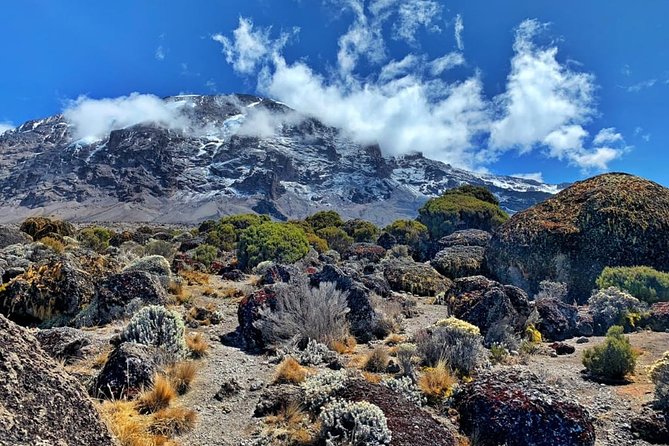
REVIEW · KILIMANJARO MACHAME ROUTE
The 6 Days Kilimanjaro Climbing Tour via Machame Route in 2025/26
Six days can change your life. This Machame route climb from Moshi is built for altitude adaptation, yet it still packs in the kind of steep, cold work that makes Kilimanjaro feel real.
I like the way the plan balances effort and acclimatization. On the Machame path, you climb quickly to big elevations by day 3, then you get a key acclimatization finish at about 13,000 ft before you go higher again.
My main caution is how intense days 4 and 5 are. Day 4 ends with camp at Barafu, then you wake in the midnight to 2am window for the long summit push, with very little sleep and heavy scree under cold, high altitude conditions.
In This Review
- Key things to know before you climb Machame
- Moshi meet-up, permits, and the basics you should plan for
- Day 1: Machame Gate rainforest slog to Machame Camp
- Day 2: Moorland to Shira campsite, 9,400 to 12,500 ft
- Day 3: Shira Plateau to the Lava Tower, then down to Barranco Hut
- Day 4: Barranco to Barafu, the South Circuit workday
- Day 5: Midnight summit start via scree to Stella Point and sunrise
- Day 6: Descent through wet mud to Mweka Gate and your summit certificates
- Fitness and altitude reality check for Machame in 2025/26
- Gear that makes day-to-day life easier (especially in muddy and cold zones)
- Guides, crew, and the small things that help you finish
- Price and value: is $2,000 fair for Machame’s difficulty?
- Who should choose this 6-day Machame plan
- Should you book the 6 Days Kilimanjaro via Machame in 2025/26?
- FAQ
- What is the start time and meeting point for this tour?
- What’s included in the price?
- What is not included?
- Do I get pickup from Moshi?
- How hard is the summit day compared to the rest of the trek?
- What happens if the weather is poor or I cancel?
Key things to know before you climb Machame
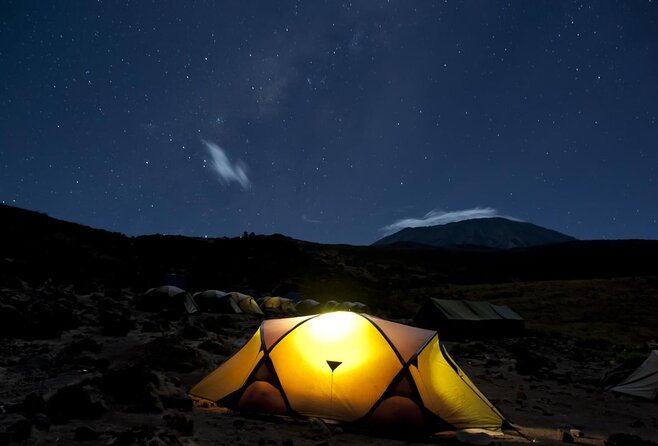
- Acclimatization style: early altitude exposure on day 3, then a restorative day-ending elevation near 13,000 ft
- Habitat shifts fast: rainforest to moorland, then semi desert, alpine desert, arctic zones, and back down to forest
- The double hard day: Barranco to Barafu on day 4, then a midnight summit start on day 5
- Stella Point moment: a high crater-rim stop where sunrise can happen, weather permitting
- What’s included: park fees and admission tickets plus most meals, so your budget stays clearer
Other ways up Kilimanjaro we reviewed
- Kilimanjaro climb by Lemosho Route (7-day)★ 5.0 · 651 reviews
- Kilimanjaro climb, Machame Route (7-day)★ 5.0 · 262 reviews
- Kilimanjaro Climbing Lemosho Route 8 Days.★ 5.0 · 186 reviews
- Climbing Kilimanjaro – Machame Route★ 5.0 · 170 reviews
Moshi meet-up, permits, and the basics you should plan for
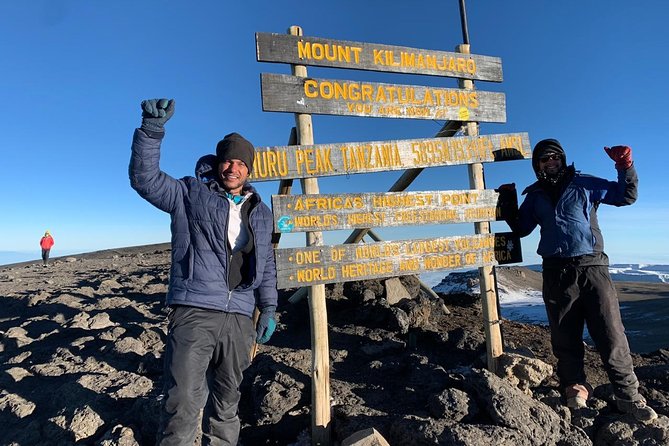
This 6-day Kilimanjaro climbing experience starts in Moshi, Tanzania. Your meet-up is at KILISERENGORO TOURS (Kilimanjaro Hiking Company), with a listed start time of 8:00 am, and the activity ends back at the meeting point after the final descent and certificate step.
On the cost side, the price is $2,000 per person for 2025/26. It’s not just a seat and a route map. What you get includes all fees and taxes plus the park admission tickets and most meals (6 breakfasts, 6 lunches, and 5 dinners listed). That matters because Kilimanjaro costs can get muddy fast when permits and overhead aren’t clearly spelled out.
Two items to keep in mind early: visa and flights are not included, and crew tips are not included either. If you budget for those upfront, you avoid the classic last-minute scramble right before your climb.
Day 1: Machame Gate rainforest slog to Machame Camp
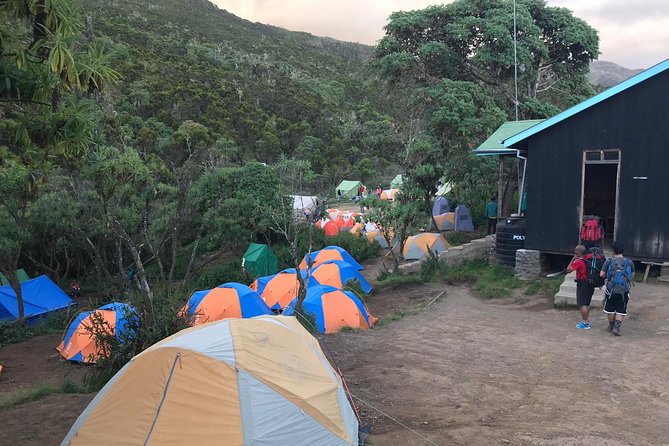
Day 1 begins with a short drive from Moshi to the Kilimanjaro National Park gate, about 50 minutes. You’ll then head into the mountain on a winding track through rain forest, moving up a ridge toward Machame Camp.
This is a friendly start in terms of stress level, but it can still be slippery. Lower down, the trail can turn muddy, and that is where gaiters and trekking poles earn their keep. If you’re the type who hates wet socks, you’ll appreciate how much gear choices matter here.
You’re looking at about 6 hours walking on day 1, with the first big payoff being that you’re already seeing altitude and vegetation change in real time. The trail’s just starting to teach you Kilimanjaro rules: slow pace, steady feet, and respect for the terrain.
Day 2: Moorland to Shira campsite, 9,400 to 12,500 ft
After breakfast, the climb shifts out of the rainforest and into a more open, higher zone. You’ll go from roughly 9,400 ft up to about 12,500 ft, typically over 4 to 6 hours.
The route description points to moorland with heather and rocky ridges, plus a river gorge section where you rest and refuel. Day 2 is where you start to feel the altitude in your breathing. It’s not yet the summit-day suffering, but it’s the “your body is paying attention now” moment.
The day ends at the Shira campsite. That’s an important beat psychologically too. You’re not just chasing altitude for fun. You’re building rhythm and teaching yourself to keep moving without sprinting your way into trouble.
More Machame departures, compared
Day 3: Shira Plateau to the Lava Tower, then down to Barranco Hut
Day 3 is the altitude turning point for the Machame plan. You climb from about 12,500 ft to 13,000 ft and hike roughly 6 to 8 hours through semi desert terrain.
Here’s what makes this day special: you head up past the junction toward Kibo, then move toward the Lava Tower, also called the Shark’s Tooth. You’ll also pass by a junction leading toward the Arrow Glacier at around 16,000 ft, then you descend to Barranco Hut at about 13,000 ft.
That down part is not a mistake. It’s a real acclimatization tool. You end the day near the same elevation you started, which helps your body process altitude before the brutal day 4 and midnight summit start. If you’re tempted to rush everything, this is the day to slow down and let your body catch up.
Day 4: Barranco to Barafu, the South Circuit workday
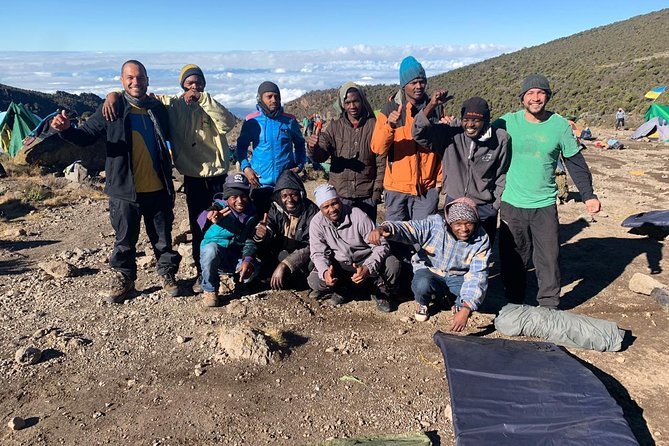
Day 4 is where the Machame schedule tightens. You leave Barranco and push on a steep ridge, passing the Barranco Wall, then continue to the Karanga Valley campsite. After that, you connect toward the Mweka Trail and keep climbing until you reach Barafu Hut.
The day runs about 8 to 10 hours, with elevation shifting roughly from 13,000 ft to 15,000 ft. Habitat is listed as alpine desert, which usually means colder, windier, and more exposed walking than earlier days.
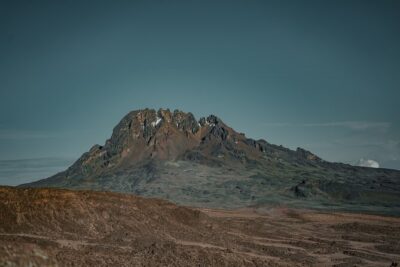
This is also when you complete the South Circuit, and you get some of the best “I can see the mountain’s shape” moments. From camp at Barafu, you can spot the Mawenzi and Kibo peaks. That view is motivating, but it’s also a reminder: summit day is coming and it’s not a gentle stroll.
You’ll rest, eat, and prepare for the summit push. Given the next day starts midnight to 2am, your goal tonight is simple: sleep when you can and keep your energy for the cold hours ahead.
Day 5: Midnight summit start via scree to Stella Point and sunrise
Day 5 is the heart of Kilimanjaro and the hardest part of this whole plan. You start very early, from midnight to 2am, climbing toward the summit between the Rebmann and Ratzel glaciers.
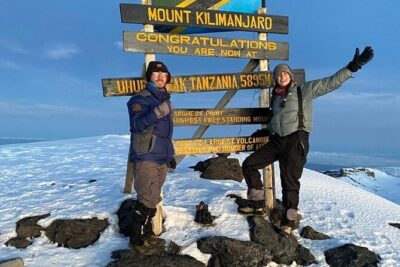
The route heads northwesterly and climbs through heavy scree, with the most challenging feel coming here. You ascend toward Stella Point on the crater rim at about 18,600 ft. Then you take a short rest and, if weather cooperates, you get the famous sunrise moment.
This day is listed as about 7 to 8 hours ascent plus 4 to 6 hours descent. Elevations swing dramatically, from roughly 15,300 ft to 19,345 ft, then down to around 10,000 ft by the end of the day. That is why people call it the big push. Your legs burn, but your head works overtime too.
Also, consider the sleep reality. The overall Machame plan described here notes that you may only get 4 to 6 hours of sleep total during the toughest stretch. Treat day 5 like a night shift, not a hike. Your pace, warmth, and hydration habits will matter as much as your fitness.
Day 6: Descent through wet mud to Mweka Gate and your summit certificates
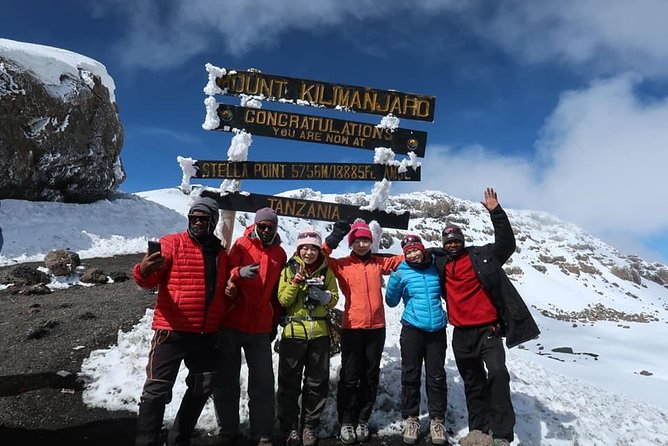
The final day is mostly descent, but don’t treat it as easy. You start around 10,000 ft and drop to roughly 5,400 ft, walking about 3 to 4 hours through rain forest.
You’ll descend to the Mweka Park Gate for summit certificates, then continue about another hour to Mweka Village. A vehicle meets you at Mweka Village to take you back to Moshi.
This last day often brings sloppy trail conditions. Lower elevations can be wet and muddy, so your gaiters and trekking poles still have a job. Comfort-wise, the guidance is practical: shorts and T-shirts may be enough for some walking, while you should keep rain gear and warmer clothing handy because Kilimanjaro weather changes quickly.
The emotional arc is real too. Certificates at the gate give you a marker, not just a feeling. After that, it’s about recovery, hot food, and letting your body reset.
Fitness and altitude reality check for Machame in 2025/26
The Machame route is described here as difficult, and that’s accurate. Compared with some other 6-day options, this version exposes you to higher elevations more quickly, including a key altitude build on day 3.
You don’t need to be an athlete to do it, but you do need to be consistent. The guidance says travelers should have moderate physical fitness, and you should take the “good shape” note seriously. That’s because elevation gains and losses are relentless here, especially with day 4 and day 5 stacked together.
A useful mental trick is to train your expectations, not just your legs. The plan includes up to 19 to 24 hours of demanding walking at extremely high elevations across the trek, with very limited sleep. If you know you struggle with cold nights, poor sleep, or long steep effort, you can still prepare, but you should prepare hard.
Gear that makes day-to-day life easier (especially in muddy and cold zones)
I can’t list a full official gear kit here because only a few items are explicitly recommended in the information you provided. Still, you do have clear signals for what matters most on this route.
Start with the wet-and-slippery problem. On day 1 and again on the final descent, the trail can be muddy and slippery, so gaiters and trekking poles are a smart investment. They help your stability and keep you from constantly thinking about your footing.
Next is weather variability. Even though you might wear shorts and a T-shirt at lower levels, keep rain gear and warmer layers for the summit night era. Day 5’s arctic habitat label is your clue that cold is not theoretical on this route.
Finally, plan your body basics. The itinerary structure includes multiple meals (breakfast daily, lunches daily, and dinners on most days). Even with great food, you should still manage your own pace and hydration, because altitude makes normal exertion feel like more.
Guides, crew, and the small things that help you finish
The climb is a team effort, and that comes through strongly in the names mentioned from past climbs. You might be with a guide such as Baraka (described as Maasai) or Buda, depending on your group. In both cases, the emphasis is similar: keep you moving, keep you calm, and help you handle the long hours.
Crew quality shows up in the unglamorous areas: how quickly camp needs to happen before the summit start, how meals get prepared, and how the team reads the mountain’s pace and weather shifts. The information here also indicates porter and guide support as part of the overall experience, with meals and daily schedules already accounted for.
And yes, the food matters. Dinner support and the overall meal plan is part of what makes these long days survivable, especially with summit night.
Price and value: is $2,000 fair for Machame’s difficulty?
At $2,000 per person, you are paying for a full 6-day high-altitude package that includes all fees and taxes, admission tickets, and a lot of food. For many travelers, the biggest value is clarity. Instead of budgeting for permits separately, your plan already covers those costs.
The exclusions are equally important for value math. You still need to budget flights, a visa, and crew tips. If you add those later, you might realize the final trip cost is higher than the headline rate, but at least the biggest park-cost items are already handled.
Also, think about time value. Six days is short for Kilimanjaro. That means you’re choosing a route that fits the timeline and still supports acclimatization, not just checking a box. Machame’s “hard but logical” profile is the reason many people pick it when they only have about a week.
Who should choose this 6-day Machame plan
You’ll probably be a great fit if you:
- Have moderate fitness and can sustain steep climbing for long hours
- Want a route designed for acclimatization within a tight 6-day schedule
- Are comfortable with the idea that day 4 and day 5 are truly demanding
- Prefer a route with big scenery changes, from rainforest to alpine desert to arctic conditions
You might want to think twice if you:
- Want a relaxed pace or lots of sleep
- Know you struggle with cold nights, long climbs, or steep scree walking
- Don’t like muddy footing, even with poles and gaiters
Should you book the 6 Days Kilimanjaro via Machame in 2025/26?
If you’re ready for a serious challenge with a payoff that’s measurable and unforgettable, I’d say yes. Machame gives you a strong acclimatization rhythm within only six days, but it doesn’t pretend the summit day is easy. Day 5 is the hard truth of the mountain, and day 4 sets you up for it.
Book this if your priority is finishing in a tight timeframe and you can handle steep altitude days with limited sleep. If that sounds like you, plan your gear for mud and cold, take your training seriously, and trust the pacing. If not, choose a route that matches a calmer schedule, because Kilimanjaro punishes mismatched expectations.
FAQ
What is the start time and meeting point for this tour?
The start time is 8:00 am. The listed meeting point is KILISERENGORO TOURS : Kilimanjaro Hiking Company, at TZ, 2511, Tanzania.
What’s included in the price?
The price includes all fees and taxes, plus breakfast (6), lunch (6), and dinner (5). It also includes admission tickets.
What is not included?
Flights, visa, and crew tips are not included.
Do I get pickup from Moshi?
Pickup is offered.
How hard is the summit day compared to the rest of the trek?
The plan calls for a very early summit start on day 5, from midnight to 2am, and it includes heavy scree climbing toward Stella Point. This is described as the most mentally and physically challenging portion, followed by descent.
What happens if the weather is poor or I cancel?
The experience requires good weather. If it is canceled due to poor weather, you’ll be offered a different date or a full refund. Free cancellation is available up to 24 hours in advance for a full refund.
More Machame Departures
- Kilimanjaro climb, Machame Route (7-day)
★ 5.0 · 262 reviews - Climbing Kilimanjaro – Machame Route
★ 5.0 · 170 reviews - Climbing Kilimanjaro through 7 days Machame Route
★ 5.0 · 151 reviews - #1. Best Kilimanjaro Day hike Tour-Machame Route-ISMANI
★ 4.2 · 47 reviews - 7 Days Machame route – Kilimanjaro
★ 5.0 · 45 reviews
Kilimanjaro, Route by Route
- Kilimanjaro climb by Lemosho Route (7-day)
★ 5.0 · 651 reviews - Kilimanjaro climb, Machame Route (7-day)
★ 5.0 · 262 reviews - Kilimanjaro Climbing Lemosho Route 8 Days.
★ 5.0 · 186 reviews - Climbing Kilimanjaro – Machame Route
★ 5.0 · 170 reviews - Climbing Kilimanjaro through 7 days Machame Route
★ 5.0 · 151 reviews
Just added from around Moshi
Kilimanjaro Machame Route, compared.
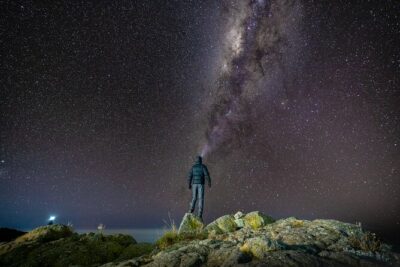 ★ 5.0Kilimanjaro climb, Machame Route (7-day)From $3,377262 reviews
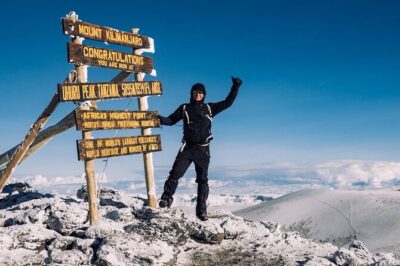 ★ 5.0Climbing Kilimanjaro – Machame RouteFrom $2,322170 reviews
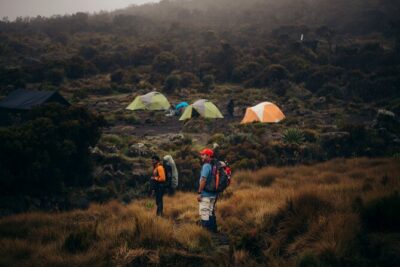 ★ 5.0Climbing Kilimanjaro through 7 days Machame RouteFrom $2,425151 reviews
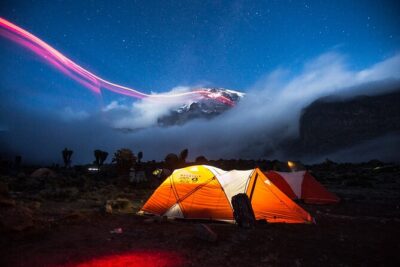 ★ 5.07-Day Machame Kilimanjaro Summit Tour from ArushaFrom $2,695125 reviews
 ★ 5.07 Days Kilimanjaro via Machame route affordable priceFrom $2,400110 reviews
 ★ 4.2#1. Best Kilimanjaro Day hike Tour-Machame Route-ISMANIFrom $11547 reviews
 ★ 5.07 Days Machame route – KilimanjaroFrom $2,85045 reviews
 ★ 5.0The Best of Machame Route in 6 Days: Your World’s Summit GuideFrom $1,15044 reviews
Browse the lists this tour appears in