
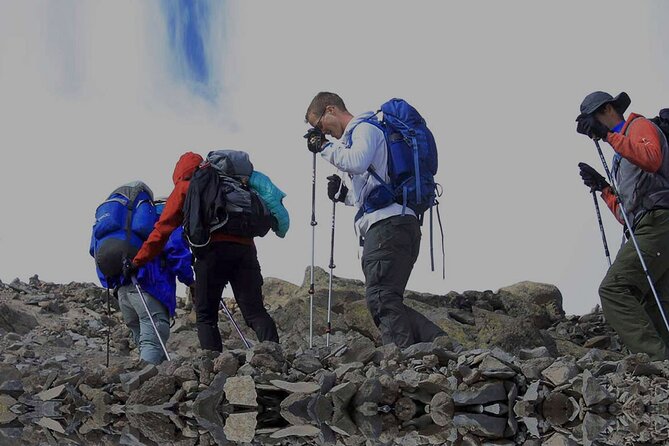
REVIEW · KILIMANJARO MACHAME ROUTE
Private 6-Day Kilimanjaro Climbing via Machame route from Arusha
Six days on Kilimanjaro, no shortcuts. This Machame Route climb is a scenic, crew-supported route that takes you from rainforest trails up toward moorlands and the glacier zone, with a tough summit night built in.
I really like how the climb stays practical and paced, especially with the longer days that help you acclimatize. I also like the private setup, with pickup and transport, plus the strong push toward a Stella Point sunrise break on summit morning.
One consideration is the reality of altitude plus cold nights and a wet, muddy Day 6 descent. Also, tips are not included, so you’ll need to budget for those.
In This Review
- Key things that make this climb work
- Arusha to Kilimanjaro National Park: Day 1 rainforest conditions and permit-wait energy
- Machame’s climb rhythm: Day 2 through Shira Plateau to colder air
- Day 3 Shira to Barranco: acclimatization without big gains
- Day 4 Barranco Wall and Barafu: South Circuit energy and the summit setup
- Summit night on Day 5: 10 hours of heavy effort and Stella Point sunrise
- Day 6 descent to Mweka Gate: celebrate, then protect your knees
- Price and included value: what $160 actually covers
- The crew setup that makes a private Machame feel safer and calmer
- Where the altitude and terrain will challenge you most
- Who should book this Machame trek, and who should reconsider
- Should you book this private Machame climb from Arusha?
- FAQ
- FAQ
- What route is included in this 6-day Kilimanjaro climb?
- Where does the climb start and what time?
- How long is the trip?
- What’s included in the price?
- Are tips included?
- Is this a private tour?
- Can I cancel for a full refund?
Key things that make this climb work
- Private transport from Arusha to Kilimanjaro National Park, so you start the climb on time
- Machame’s Whisky Route is known for scenery, forest hiking, and a better rhythm for acclimatization
- A real crew team with guides, assistant guide, cook, and porters supporting food and safety
- A key acclimatization day at Shira to Barranco that matters for how you feel later
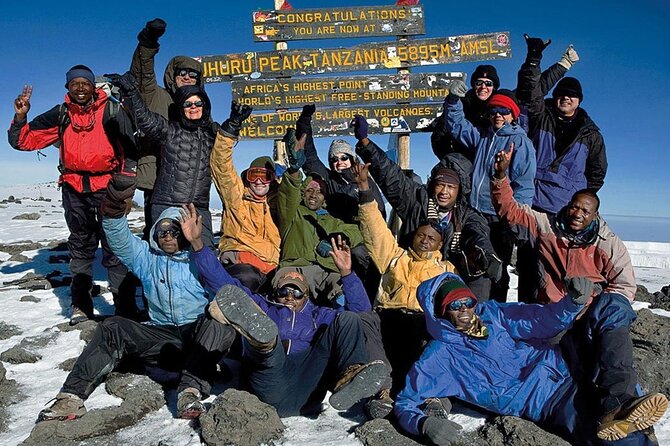
- Summit timing includes an early start between midnight and 2 a.m., plus a sunrise at Stella Point
- Day 6 descent into warmer, muddy conditions where gaiters and trekking poles help a lot
Other ways up Kilimanjaro we reviewed
- 8-Day Small-group Lemosho Kilimanjaro Summit Trekking★ 5.0 · 186 reviews
- 7-Day Machame Kilimanjaro Summit Tour from Arusha★ 5.0 · 125 reviews
- Mountain Kilimanjaro Day Hike★ 5.0 · 102 reviews
- 4 days Best experience Kilimanjaro Hike, Serengeti &Ngorongoro★ 5.0 · 54 reviews
Arusha to Kilimanjaro National Park: Day 1 rainforest conditions and permit-wait energy
Your day starts in Arusha, with pickup offered and a start time of 6:00 am from Arusha Airport. The drive to Kilimanjaro National Park is part of the anticipation, winding you through the Machame area before you reach the gate.
Once you arrive, you’ll wait for permits to be issued. It’s not just paperwork. It’s where you get a feel for how many teams are preparing and how the process runs on Kilimanjaro. Then the hiking begins, moving from about 1,811 m (5,942 ft) up to 3,021 m (9,911 ft), gaining roughly 1,210 m.
The first trails can be muddy and slippery, especially as you move through rainforest and windy sections. This is where I’m grateful the plan calls out the basics: bring gaiters and trekking poles for Day 1. If you’re used to dry trails, wet volcanic soil is a whole different game. Poles also help you keep your footing while you adjust to your pack weight.
This day is also a mindset shift. You’re not yet fighting for summit angles, but you are learning your pace, your breath, and your balance.
Machame’s climb rhythm: Day 2 through Shira Plateau to colder air
Day 2 climbs from 3,021 m (9,911 ft) to 3,839 m (12,595 ft), with about 818 m of altitude gain. The route pushes you out of rainforest into more open, ascending terrain. You cross a valley, then climb a steep rocky ridge.
This is the kind of transition you want on Machame. The forest hiking builds stamina, then you start getting the feel of the mountain’s changing “feel” as you climb. Expect temperatures to drop as the days go on.
You finish at Shira campsite after about 5 hours of hiking. Even if you don’t feel exhausted, your body is learning what thin air means. The better you treat the effort on Day 2, the easier it tends to be to move smoothly later, especially when the nights begin to feel properly cold.
If you’re thinking about success, this is part of it. The Machame Route’s popularity ties to how it gives you time. You’re not just grabbing elevation. You’re building a pattern you can repeat without burning out.
Day 3 Shira to Barranco: acclimatization without big gains
Day 3 is a quiet but essential day. You start around 3,839 m (12,595 ft) and end around 3,986 m (13,077 ft), gaining only about 147 m. That sounds small, but the purpose is crystal clear: acclimatization.
From Shira Plateau, you hike along a ridge, passing junctions toward Kibo peak before heading south east to the Lava Tower, sometimes called the Shark’s Tooth at 4,650 m (15,250 ft). After that, you reach another junction that leads toward Arrow Glacier, then you descend to Barranco Camp for overnight.
What I like about this kind of day is that it prepares you for the real work ahead. If Day 3 is treated lightly, Day 4 can feel brutal. If Day 3 is treated with respect, Day 4 becomes more doable.
You’ll also notice how the route keeps offering landmarks and decision points. The climbing isn’t random. It’s structured, and those ridges and junctions help you stay oriented when altitude makes every movement feel slower.
More Machame departures, compared
Day 4 Barranco Wall and Barafu: South Circuit energy and the summit setup
Day 4 climbs from roughly 3,986 m (13,077 ft) up to about 4,034 m (13,235 ft) and then to 4,662 m (15,295 ft). Total altitude gained is listed at about 676 m, but the real story is how you spend it.
After breakfast, you continue on a steep ridge toward Barranco Wall and into Karanga Valley. This is one of the most memorable parts of the trek because you’ll get a hands and legs moment, then crest sections that feel more technical than earlier days. You’re also moving toward the junction connecting with the Mweka Trail.
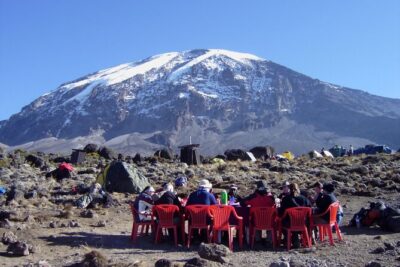
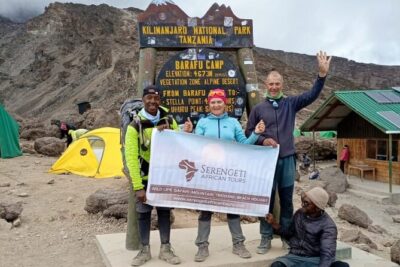
Then you head for Barafu Camp. Reaching Barafu means you’ve completed the South Circuit, and you start seeing the summit from different angles across the days. The view isn’t just decoration. It helps you mentally connect the work to an actual goal.
Once you arrive, you get early dinner and rest. Summit night is coming soon, and Barafu Camp is where your body needs to switch gears from hiking energy to survival stamina. A good crew and steady pace matter here, because your sleep quality can make or break summit morning.
Summit night on Day 5: 10 hours of heavy effort and Stella Point sunrise
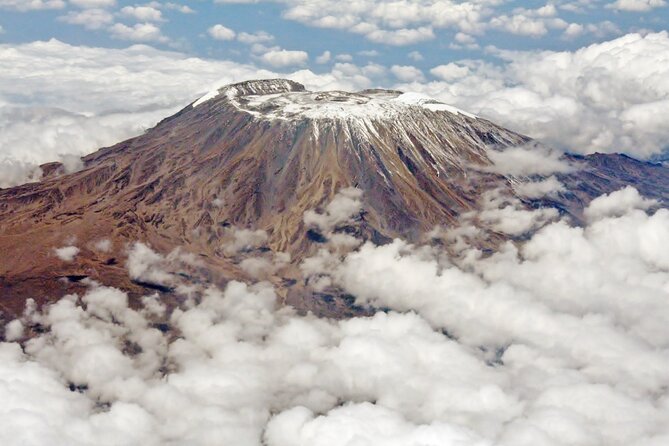
Day 5 is the big one. You climb from 4,662 m (15,295 ft) up to 5,895 m (19,341 ft), gaining about 1,233 m. You’re also climbing with a huge planned time commitment: about 10 hours.
You start very early, between midnight and 2 a.m. That timing is common for summit attempts because of safer conditions and better light. The catch is that your body starts cold and tired. This is why the route includes earlier acclimatization days, because this stage demands more from your lungs and legs than most people expect.
The climb goes toward Stella Point along the crater rim, with heavy scree sections as you ascend. You’re also moving through an area between the Rebmann and Ratzel glaciers, staying warm and focused. That focus is not fluff. In these conditions, distraction is wasted energy.
Then comes the short rest at Stella Point, where sunrise can be magnificent. Faster hikers might reach sunrise from the summit, but even if you don’t, this break is worth the effort. It’s one of the moments where the pain makes sense.
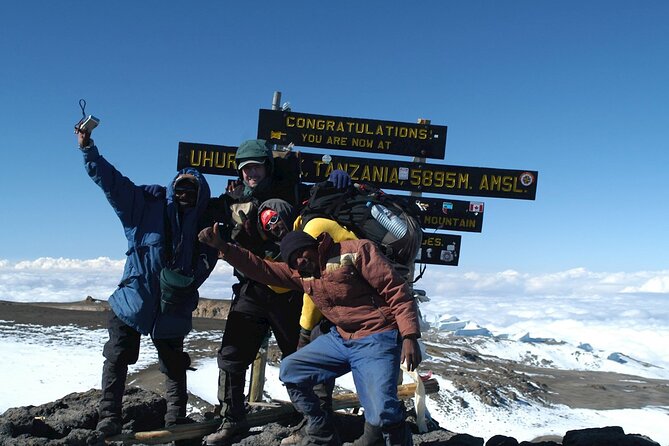
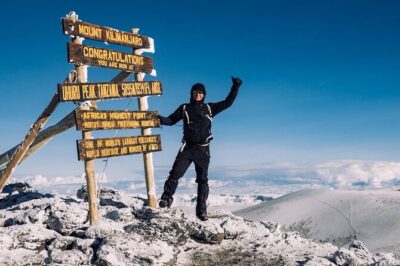
After Stella Point, you still have about a final hour ascent toward Uhuru Peak. Once you reach the summit point, your task changes from climbing to controlled movement and managing fatigue.
Day 6 descent to Mweka Gate: celebrate, then protect your knees
After summit, Day 6 starts with breakfast and a ceremony of appreciation and team bonding with your crew. That part matters more than people think. You’re not just checking a summit box. You’re acknowledging the guide team, cooks, and porters who make it possible for you to be here.
Then it’s goodbye and descent from about 3,106 m (10,190 ft) all the way down to 1,633 m (5,358 ft). You lose about 1,473 m of altitude, and the route continues down to the Mweka Park Gate for summit certificates.
The descent is described as warmer, with wet, muddy, steep terrain. This is where gaiters and trekking poles are more than recommended. They help keep you stable when your legs are already drained and your step wants to get sloppy.
From the gate, you’ll transfer by vehicle to Mweka village for a drive back to your hotel in Moshi, about 30 minutes. After that, you can finally recover properly, with a hot shower, dinner, and celebrations.
A summit is the headline, but Day 6 is what determines how good your recovery feels later. Move carefully, not bravely.
Price and included value: what $160 actually covers
At $160 per person, this private 6-day Machame climb is priced as budget-friendly compared to many packaged climbs. The value comes from what’s included.
You get all fees and taxes, private transportation, and proper ration for the mountain crew (cook and porters), plus pre and post accommodations and airport transfers. Meals are included across the trek: 4 dinners, 4 breakfasts, and 5 lunches.
You also get a pickup offer and a mobile ticket. And because it’s private, you avoid the big-group scramble that can slow down starts and logistics.
What’s not included is tips. That’s the one line item that can surprise people if they don’t plan for it. Also, you’ll want to budget for key gear like gaiters and trekking poles since the route calls them out for slippery, muddy sections.
Bottom line on value: if you’re the kind of traveler who wants the structure of a private climb and meals handled, this price can feel like a strong deal. If you’re traveling with minimal gear and no plan for tips, it can feel tight fast.
The crew setup that makes a private Machame feel safer and calmer
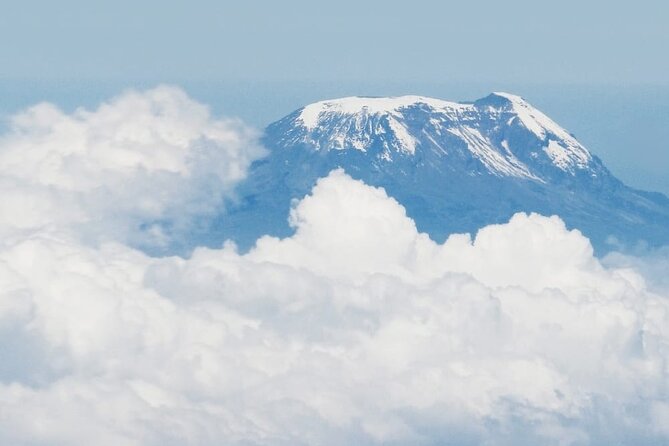
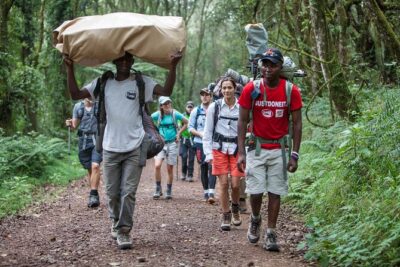
One of the most praised parts is the team approach. On Kilimanjaro, you don’t just need someone to hold a map. You need a crew that keeps your energy up with food, keeps operations organized, and helps you stay calm when altitude makes everything harder.
In the Machame experience, the names that show up clearly include Ema as guide, Godwin as assistant guide, and Peter as cook, plus the porters who carry much of the heavy workload. You’ll also see evidence of strong preparation and safety focus in how people talk about their trek.
Why this matters for you: when the team runs well, you spend less energy guessing, negotiating, or worrying. That extra mental space can be the difference between pushing through summit night or fading before it starts.
Because this is private, you should also expect more direct attention from your guide team. That can help if you’re managing your pace, your breathing, or small concerns that come up when weather shifts.
Where the altitude and terrain will challenge you most
This climb is for travelers with moderate physical fitness, and it will still push you. The toughest parts are predictable, and the route prepares for them.
Day 1 and Day 2 can be slippery and tiring, even if you feel okay at first. Mud is work. Wet ground makes every step smaller and slower.
Day 3 is a trick day, because it’s not much higher at the start. Treat it seriously anyway. That’s how acclimatization turns into real benefits later.
Day 4 includes Barranco Wall and brings you toward Barafu Camp. If you arrive tired there, summit night feels worse.
Day 5 is mentally and physically intense. Starting between midnight and 2 a.m. means cold stress plus heavy exertion. You’ll be focused on the route along scree toward Stella Point and then Uhuru Peak.
Day 6 is the surprise challenge. Many people think they’re done when they reach the certificate stage. In truth, knees and balance still need protection on steep, muddy, wet terrain.
Who should book this Machame trek, and who should reconsider
This is a strong fit if you want:
- a private Kilimanjaro climb with your own group only
- Machame’s scenic Whisky Route style, including forest sections and moorland climbing
- a plan that builds acclimatization into the schedule
- a crew-led experience with food support and structured summit timing
You might reconsider if:
- you’re not ready for early summit departures (midnight to 2 a.m.)
- you struggle with long days and technical feeling footing like Barranco Wall
- you’re not willing to budget for tips and essential climb gear like gaiters and trekking poles
Also, plan your expectations around weather and temperature shifts. Temperatures begin to drop as you climb into higher zones, and summit night requires staying warm. Day 6 warms up, but the ground stays wet and steep.
Should you book this private Machame climb from Arusha?
If your goal is a properly paced, crew-supported Kilimanjaro attempt with the Machame Route’s scenic reputation, I think this is a solid choice. The included meals, airport transfers, and private transport reduce a lot of the friction that can mess with your energy.
I’d book it if you’re honest about the hard parts: altitude, a summit push starting between midnight and 2 a.m., and a Day 6 descent on wet, muddy terrain. If you prepare for those realities with gaiters, trekking poles, and realistic pacing, the experience has a good chance to feel rewarding from start to finish.
FAQ
FAQ
What route is included in this 6-day Kilimanjaro climb?
It follows the Machame Route, also known as the Whisky Route.
Where does the climb start and what time?
The start point is Arusha Airport, with a start time of 6:00 am.
How long is the trip?
It is listed as 6 days approximately.
What’s included in the price?
All fees and taxes are included, along with private transportation, proper rations for the mountain crew, pre and post accommodations, airport transfers, and meals (4 dinners, 4 breakfasts, and 5 lunches).
Are tips included?
No. Tips are not included.
Is this a private tour?
Yes. It’s a private tour/activity, and only your group will participate.
Can I cancel for a full refund?
Yes, you can cancel up to 24 hours in advance of the experience start time for a full refund. Within 24 hours of the start time, the amount paid is not refunded.
More Machame Departures
- 7-Day Machame Kilimanjaro Summit Tour from Arusha
★ 5.0 · 125 reviews - 6 Days: Hiking Kilimanjaro via Machame Route
★ 5.0 · 24 reviews - 6-Day Guided Tour in Machame Route Mt Kilimanjaro
★ 5.0 · 17 reviews - KILIMANJARO MACHAME ROUTE, (Climb 7days)
★ 5.0 · 16 reviews - 7 days Kilimanjaro climb via Machame route (Whiskey route)
★ 5.0 · 16 reviews
Kilimanjaro, Route by Route
- 8-Day Small-group Lemosho Kilimanjaro Summit Trekking
★ 5.0 · 186 reviews - 7-Day Machame Kilimanjaro Summit Tour from Arusha
★ 5.0 · 125 reviews - Mountain Kilimanjaro Day Hike
★ 5.0 · 102 reviews - 4 days Best experience Kilimanjaro Hike, Serengeti &Ngorongoro
★ 5.0 · 54 reviews - From Arusha/Moshi: Kilimanjaro Hike Marangu Route Day Trip
★ 4.5 · 54 reviews
Just added from around Arusha
Kilimanjaro Machame Route, compared.
 ★ 5.0Kilimanjaro climb, Machame Route (7-day)From $3,377262 reviews
 ★ 5.0Climbing Kilimanjaro – Machame RouteFrom $2,322170 reviews
 ★ 5.0Climbing Kilimanjaro through 7 days Machame RouteFrom $2,425151 reviews
 ★ 5.07-Day Machame Kilimanjaro Summit Tour from ArushaFrom $2,695125 reviews
 ★ 5.07 Days Kilimanjaro via Machame route affordable priceFrom $2,400110 reviews
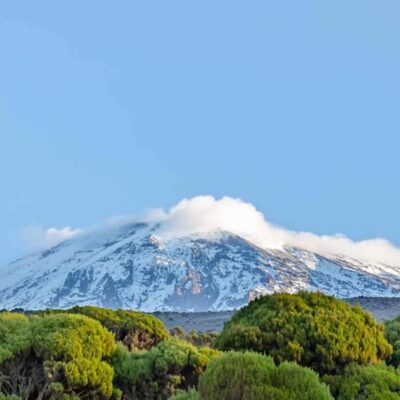 ★ 4.2#1. Best Kilimanjaro Day hike Tour-Machame Route-ISMANIFrom $11547 reviews
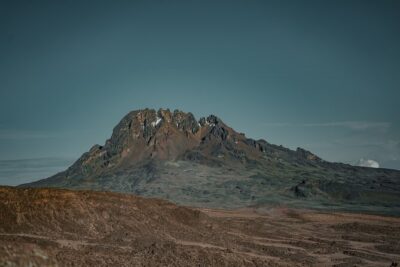 ★ 5.07 Days Machame route – KilimanjaroFrom $2,85045 reviews
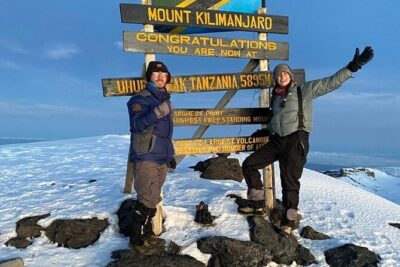 ★ 5.0The Best of Machame Route in 6 Days: Your World’s Summit GuideFrom $1,15044 reviews
Browse the lists this tour appears in