
REVIEW · KILIMANJARO MACHAME ROUTE
Mt.kilimanjaro-machame Route
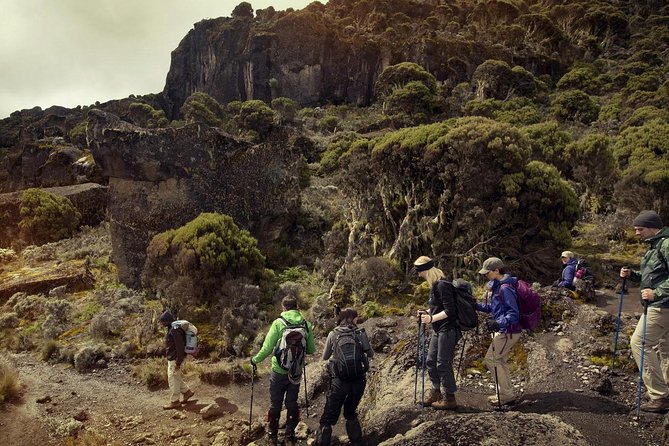
Kilimanjaro on the Machame Route is big-time altitude with real human support. I like how this trek treats guides and crew as the main event, not an afterthought, and you get a paced itinerary built around acclimatization. What I love most is the way the route stages altitude changes day by day, plus the emphasis on staying comfortable with practical details like rainforest rain gear. One thing to consider: the summit push is straightforward in technique, but the altitude is the hard part.
Here’s the vibe. You start near Moshi, meet your team in the morning, then work your way from forest to high camps to Uhuru Peak and back down to Mweka Gate. Reviews highlight that guides like Fred and Nancy, and crews including Qamrish and Ayoub, helped people stay calm, organized, and moving at the right speed, even when plans shifted at the last minute. That kind of consistency can be the difference between a stressful hike and a once-in-lifetime experience.
In This Review
- Why the Machame Route Works for Real Acclimatization
- The Team on Kilimanjaro: Your Guides Are the Trek
- Price and Inclusions: What Your Money Actually Covers
- Day 1, Machame Gate to Machame Camp: Rainforest Entry and Permit Day
- Day 2, Shira Camp and the Lava Tower Acclimatization Plan
- Day 3, Lava Tower (4,630 m) and Barranco Camp Wall Country
- Day 4, Barranco Wall to Karanga and Barafu: The Day Before the Summit Push
- Day 5, Uhuru Peak Night Summit and Descent to Millennium Camp
- Day 6, Mweka Gate Finish Through Tropical Forest
- What I’d Prioritize If You Want This to Feel Like a Win
- Who This Trek Fits Best
- Should You Book This Machame Route Trek?
- FAQ
- How long is the Mt. Kilimanjaro Machame Route trek?
- Where does the trek start and what time does it begin?
- Is hotel pickup included?
- What is the highest point on the itinerary?
- Is this tour private?
- What happens if weather is poor?
Why the Machame Route Works for Real Acclimatization
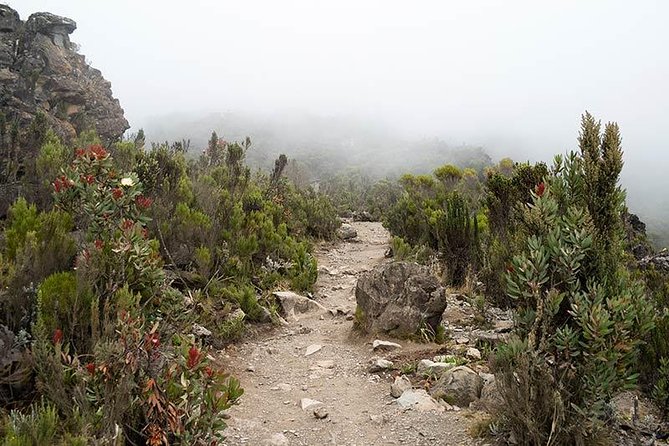
The Machame Route is often picked for its variety. You move through rainforest early, then shift into open views and sharper altitude steps. That mix keeps the trek from feeling monotonous, and it gives your body a chance to adjust in stages.
This specific 6-day structure leans on that logic:
- You do higher elevation work before the highest camp.
- You include short, targeted acclimatization hikes that help you react better when you later go higher.
- You descend as part of the plan, which matters for how your breathing and energy feel.
Price-wise, $1,743.59 per person is not cheap. But you’re paying for more than walking. You’re paying for the mountain support crew, the permit and rescue registration process handled with your group, the camping setup that keeps you fed and warm, and the private nature of the experience so your team can move in sync. For many people, that’s the actual value: less uncertainty.
Other ways up Kilimanjaro we reviewed
- Kilimanjaro climb by Lemosho Route (7-day)★ 5.0 · 651 reviews
- Kilimanjaro climb, Machame Route (7-day)★ 5.0 · 262 reviews
- Kilimanjaro Climbing Lemosho Route 8 Days.★ 5.0 · 186 reviews
- Climbing Kilimanjaro – Machame Route★ 5.0 · 170 reviews
The Team on Kilimanjaro: Your Guides Are the Trek
On Kilimanjaro, the best gear in the world cannot replace smart pacing. This trip clearly treats your guides like the core of the experience, and the results show.
From the feedback I see, guides can make the trek feel manageable, especially during the most intense parts:
- People mention support throughout the climb, not just at the start.
- The group is guided with pace decisions, not just a generic “go faster” rule.
- There are specific guide teams named in comments, including Qamrish and Ayoub, plus Fred and Nancy on other trips.
One detail I really like is the pairing setup for the summit ascent. During the Uhuru Peak night climb, each pair of climbers gets a personal guide for the entire ascent to monitor physical and mental conditions. That means you’re less likely to get separated, and it lowers the chance you’ll push too hard because someone else set the rhythm.
That said, you still need to show up with moderate physical fitness. This is listed as suitable for a moderate fitness level, but the altitude climbs are real. Train for hiking, practice walking with a pack, and take acclimatization seriously.
Price and Inclusions: What Your Money Actually Covers
The big number here is $1,743.59 per person for an approximately 6-day trek. For your decision, focus on what’s included:
- Pickup is offered and you’ll get transferred back to the hotel after your finish.
- You’ll receive a mobile ticket.
- Admission to the park is marked as free in the provided details, and the team helps with permits and registering with search and rescue.
- It’s a private tour/activity, so your group is the only group participating.
Also note the daily rhythm. Days are listed around 12 hours. That doesn’t mean you’ll hike non-stop. It means your day is structured around high-altitude travel, camp routines, meals, and rest.
If you’re trying to compare offers, don’t only compare the headline price. Compare what your team handles for you: permits, camp logistics, guiding, and meals. On Kilimanjaro, that’s where costs and comfort often hide.
Day 1, Machame Gate to Machame Camp: Rainforest Entry and Permit Day
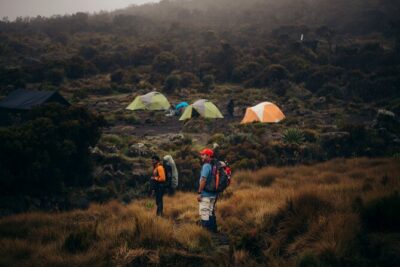
Your trek starts at Kilimanjaro National Park’s Machame Gate (1,800 m). In the morning, your guide and mountain support crew arrive at your hotel for a quick briefing. Then you drive to the gate, where permits are acquired and you register with search and rescue.
Once paperwork is done, the hike begins toward Machame Camp (3,010 m).
What makes Day 1 special:
- You enter through rainforest. That means heat, humidity, and a real chance of tropical showers.
- The plan is long enough to set the tone but not so brutal that you blow yourself up early.
Practical advice that matters: bring spare clothing and raincoats. Rain can also mean wet gear, wet shoes, and cold camp evenings if you aren’t ready.
More Machame departures, compared
Day 2, Shira Camp and the Lava Tower Acclimatization Plan
Day 2 takes you from the first big change zone to Shira Camp (3,845 m). You start in the aftermath of the rainforest, and you can expect clearer views as you rise. The Shira Plateau often becomes visible in front of you, which is one of those “okay, this is real now” moments.
The trek on this day is described as not very difficult physically. That doesn’t mean it’s easy. Altitude still plays games with your breathing and sleep.
At camp, you’ll rest and eat, then do an acclimatization hike toward Lava Tower Camp, with around a 300-meter gain in altitude. Then you go back down to Shira Camp for a hot dinner.
Why this pattern helps:
- You get time above where you slept.
- You don’t jump too high in one shot.
- You return to a slightly lower camp to recover.
You’ll feel the altitude shift. That’s normal. Your job is to listen to your body and keep your pace smooth.
Day 3, Lava Tower (4,630 m) and Barranco Camp Wall Country
Day 3 is a key turning point because you push toward Lava Tower (4,630 m), the high-altitude “work section” of the route. This part includes multiple ascents and descents and can feel difficult. The good news is that the route builds in a reason for that pain: you spend time at altitude to acclimatize.
Lunch happens here after at least one to two hours. That matters because you’re not just rushing through. You’re giving your body the chance to adjust before you drop back down.
Then you descend to Barranco Camp (3,960 m). This is where the famous Barranco Wall appears in a big way. It’s massive and steep-looking, and that can be intimidating from below.
One reassurance in the trip notes: the Barranco Wall hike has a simple hiking trail. It’s not an ice climbing day. Still, leave early next day to avoid crowds.
Day 4, Barranco Wall to Karanga and Barafu: The Day Before the Summit Push
Day 4 begins with an early wakeup and breakfast, then the climb of Barranco Wall. The route guidance recommends leaving camp early, mainly to avoid crowds. The actual hike up the gorge wall takes around an hour and is described as not difficult.
Afterward, you rest and take photos with Kibo volcano in the background. This is a scenic payoff day, the kind that makes the effort feel worth it.
Next you hike to Karanga Camp. Expect numerous ascents and descents. The group pace is managed by expert guides so you don’t burn matches too fast.
At Karanga, you have warm lunch, then after a couple of hours you continue to Barafu Camp (4,640 m) for hot dinner. The plan here is clear: rest and sleep. Summiting works best when you’re not running on zero.
Day 5, Uhuru Peak Night Summit and Descent to Millennium Camp
Night summit day is where Kilimanjaro becomes serious.
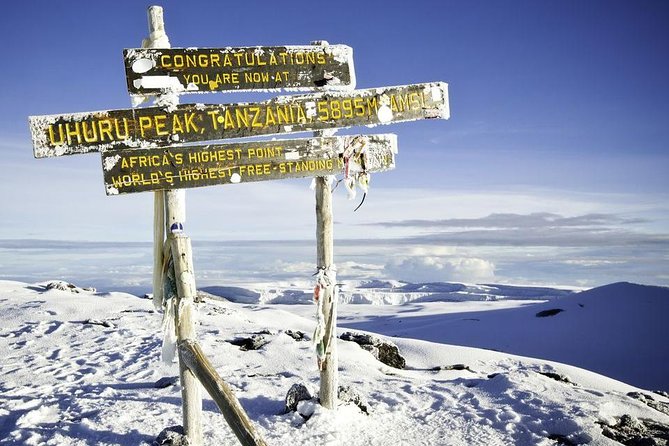
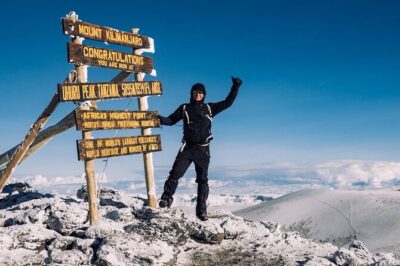
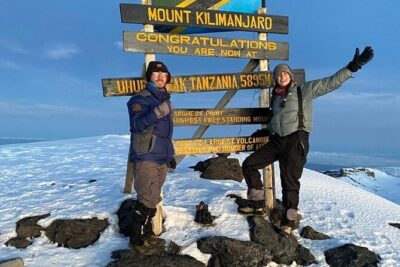
You depart Barafu Camp (4,640 m) at night for the ascent to Uhuru Peak (5,895 m). Technically, the climb is described as relatively simple. The challenge is the height. High altitude changes how your body handles effort, and it can also mess with your mindset. That’s why this day comes with personal attention.
Each pair gets a personal guide for the entire ascent to monitor physical and mental conditions. That is a big deal. You want someone watching for early trouble signs and helping you adjust your pace before you reach a crisis point.
After you reach Uhuru Peak, there’s an optional moment of descending toward the nearest glacier if desired. Then you go back to Barafu Camp for about a two-hour rest.
After that, you descend to Millennium Camp (3,820 m). For many people, this is the “finally, relief” part of the day, because lower altitude often means breathing feels easier and your body can start recovering.
Day 6, Mweka Gate Finish Through Tropical Forest
Day 6 starts in a camp set in a tropical rainforest. That’s a quiet relief after higher elevation nights.
You wake up, feel the reduction in height, and get breakfast. Then you head to the exit, Mweka Gate (1,650 m). The descent is your payoff, but it’s also where you’ll want to move carefully. Your legs may be tired, and downhill can be harder than you expect.
At the end:
- The whole group gathers to congratulate you.
- You sign or share thoughts in the guestbook.
- You receive commemorative certificates in the office.
- Your team provides a transfer back to the hotel.
It’s a satisfying wrap-up that turns the climb into a story you can remember, with a paper reminder in your hands.
What I’d Prioritize If You Want This to Feel Like a Win
If you’re considering this Machame Route trek, I’d focus on three things.
First, take acclimatization as your job, not your obstacle. The itinerary builds in altitude time on Day 2 and Day 3, and then stages the biggest push later. If you treat those days casually, you’ll pay for it later.
Second, listen to your guide about pacing. This trek explicitly credits guides with selecting an optimal pace for the group on the tougher hiking days. That’s not fluff. It’s how you avoid getting too exhausted too early.
Third, prepare for weather variability early and late. Day 1 rides the rainforest, and Day 6 is also described as rainforest camp. Rain gear is not a nice-to-have. It’s basic.
Who This Trek Fits Best
This tour fits best if you:
- want a guided, private experience on a famous route,
- prefer structure and support over DIY improvising,
- can handle long days of hiking, roughly 12 hours in the schedule,
- are okay with cold nights and the altitude challenge of Uhuru Peak.
If you want a completely low-effort hike, Kilimanjaro isn’t that. But if you want a guided approach that tries to get you to the top safely and thoughtfully, this Machame Route plan makes sense.
Should You Book This Machame Route Trek?
I’d book it if you want a 6-day Kilimanjaro plan that treats the team as the main advantage. The standout theme in the available feedback is support that helps people stay steady, organized, and calm. Named guides like Fred and Nancy, plus Qamrish and Ayoub, show up as part of that experience, and the emphasis on pace management plus summit-time monitoring is exactly what you want when altitude turns every step into a breathing test.
I’d be cautious if:
- you know you struggle with altitude or long hiking days,
- you don’t train and plan ahead for stamina,
- you’re not ready for rainforest rain and wet gear challenges early in the trek.
If you’re deciding today, here’s my practical take: choose this if you trust guided structure more than improvisation. Kilimanjaro rewards good pacing, and this itinerary clearly builds around that.
FAQ
How long is the Mt. Kilimanjaro Machame Route trek?
The trek is listed as 6 days (approximately).
Where does the trek start and what time does it begin?
The start time is 7:00 am. You’ll travel from Moshi to Kilimanjaro National Park and begin at Machame Gate (1,800 m).
Is hotel pickup included?
Pickup is offered, and you’ll also receive a transfer back to your hotel after finishing at Mweka Gate.
What is the highest point on the itinerary?
The itinerary includes a summit of Uhuru Peak at 5,895 m.
Is this tour private?
Yes. It is described as a private tour/activity, with only your group participating.
What happens if weather is poor?
The experience requires good weather. If it is canceled due to poor weather, you’ll be offered a different date or a full refund.
More Machame Departures
- Kilimanjaro climb, Machame Route (7-day)
★ 5.0 · 262 reviews - Climbing Kilimanjaro – Machame Route
★ 5.0 · 170 reviews - Climbing Kilimanjaro through 7 days Machame Route
★ 5.0 · 151 reviews - #1. Best Kilimanjaro Day hike Tour-Machame Route-ISMANI
★ 4.2 · 47 reviews - 7 Days Machame route – Kilimanjaro
★ 5.0 · 45 reviews
Kilimanjaro, Route by Route
- Kilimanjaro climb by Lemosho Route (7-day)
★ 5.0 · 651 reviews - Kilimanjaro climb, Machame Route (7-day)
★ 5.0 · 262 reviews - Kilimanjaro Climbing Lemosho Route 8 Days.
★ 5.0 · 186 reviews - Climbing Kilimanjaro – Machame Route
★ 5.0 · 170 reviews - Climbing Kilimanjaro through 7 days Machame Route
★ 5.0 · 151 reviews
Just added from around Moshi
Kilimanjaro Machame Route, compared.
 ★ 5.0Kilimanjaro climb, Machame Route (7-day)From $3,377262 reviews
 ★ 5.0Climbing Kilimanjaro – Machame RouteFrom $2,322170 reviews
 ★ 5.0Climbing Kilimanjaro through 7 days Machame RouteFrom $2,425151 reviews
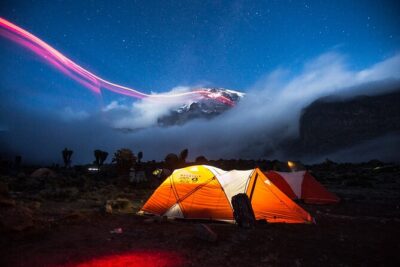 ★ 5.07-Day Machame Kilimanjaro Summit Tour from ArushaFrom $2,695125 reviews
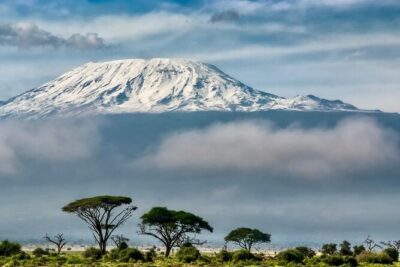 ★ 5.07 Days Kilimanjaro via Machame route affordable priceFrom $2,400110 reviews
 ★ 4.2#1. Best Kilimanjaro Day hike Tour-Machame Route-ISMANIFrom $11547 reviews
 ★ 5.07 Days Machame route – KilimanjaroFrom $2,85045 reviews
 ★ 5.0The Best of Machame Route in 6 Days: Your World’s Summit GuideFrom $1,15044 reviews
Browse the lists this tour appears in