
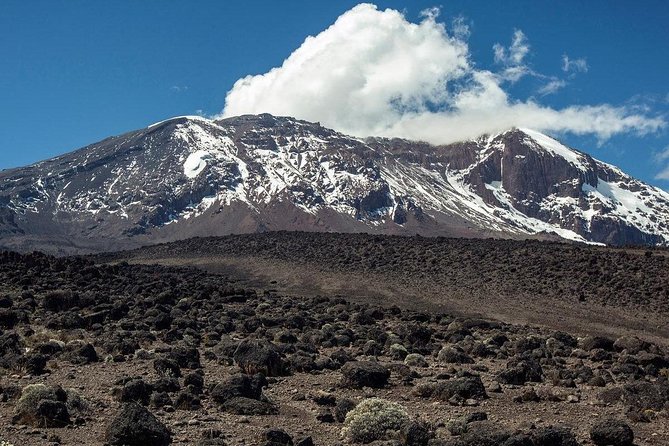
REVIEW · KILIMANJARO MACHAME ROUTE
Mt Kilimanjaro Climbing; 6 Days Machame route
Kilimanjaro here feels earned, not packaged. This Machame climb, also called the Whiskey Route, trades the easier hut system for tent camping and a tougher pace, while your private crew handles the details so you can focus on the hike. I love how organized the whole setup feels, from pickup to summit morning.
The second thing I really like is the day-to-day care, especially the food. A good chef makes a huge difference when you are marching all day, and the meals on this route get called out as truly delicious, with friendly porters keeping the mood up.
One consideration before you say yes: Machame is harder than routes that use huts, and you should expect long hiking days plus a very early summit attempt. If you are not comfortable with cold, uneven trails, and big elevation changes, you’ll feel it.
In This Review
- Key highlights from this 6-day Machame climb
- Why the Machame Route earns its Whiskey Route nickname
- Arusha or Moshi pickup to Machame Camp: Day 1’s rain-forest rhythm
- Day 2 through Shira: moorland hikes, Kibo views, and Shira Caves
- Lava Tower and the Barranco descent: where acclimatization starts to feel real
- Great Barranco to Barafu: the long day that sets up summit night
- Summit day: from the crater rim to Stella and Uhuru, then down into the heather zone
- Day 6: Mweka Park Gate certificates and the final vehicle to Moshi or Arusha
- Price and what you actually get for $2,200 per person
- Who this Machame climb fits best, and who should pause
- Should you book this 6-day Machame route?
- FAQ
- What is the duration and starting time for this Machame climb?
- Where does the climb start and where do you finish?
- Are meals included in the price?
- What lodging and water are included during the trek?
- What is included in the $2,200 per person price?
- What is not included?
- What is the cancellation policy?
Key highlights from this 6-day Machame climb
- Whiskey Route difficulty, with tent camping rather than the hut-style comfort some people expect
- Filtered water throughout the trek, so you are not stuck guessing what is safe to drink
- Clear photo targets, including the Western Breach and Breach Wall viewpoints on the way down
- Acclimatization payoff at Lava Tower (around 4600 m), where you often feel the altitude work
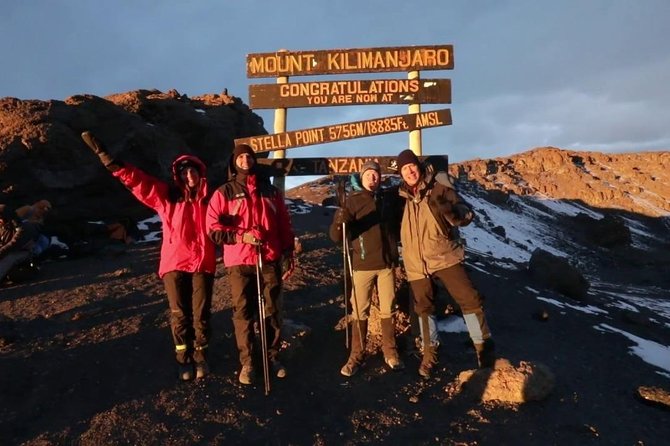
- A serious summit day plan with Stella Point and Uhuru Peak, plus possible snow on the upper section
- Chef-led meals and attentive crew, with organization and safety repeatedly praised
Other ways up Kilimanjaro we reviewed
- Kilimanjaro climb by Lemosho Route (7-day)★ 5.0 · 651 reviews
- Kilimanjaro climb, Machame Route (7-day)★ 5.0 · 262 reviews
- Kilimanjaro Climbing Lemosho Route 8 Days.★ 5.0 · 186 reviews
- Climbing Kilimanjaro – Machame Route★ 5.0 · 170 reviews
Why the Machame Route earns its Whiskey Route nickname
Machame is the Kilimanjaro route that tends to feel more dramatic than the better-known, more comfortable options. The big difference is sleeping style. Machame is often described as a tent route, not a hut route, so you spend your nights in camp rather than in the enclosed hut system.
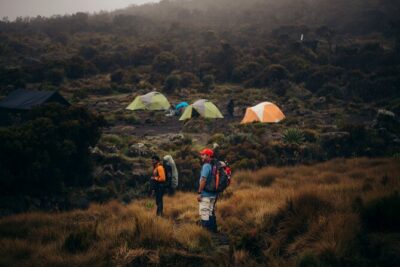
That also means you are more exposed to the mountain’s mood. One day you are hiking through damp rain forest, and another day you are walking through sparse moorland or rocky, semi-desert stretches. It is the same mountain, but you feel like you crossed into different worlds in a few hours.
The upside is that the route gives you real altitude training, not just a long walk. You go up high enough to start adapting before the summit push, and you build toward the big day step by step. Done right, that is one reason people come back praising the experience as a serious, life-memory climb.
Arusha or Moshi pickup to Machame Camp: Day 1’s rain-forest rhythm
Your day starts with a private vehicle pickup and a transfer to the Kilimanjaro National Park gate. The schedule lists a start time of 8:00 am from Moshi Urban, and you will end back at the meeting point after the final drop on Day 6.
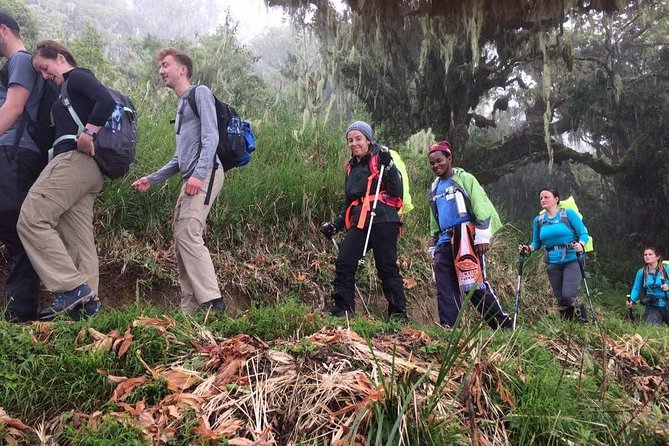
Once the gate is behind you, Day 1 is all about getting warmed up in the rain forest. You hike about 11 km in roughly 5 to 7 hours, moving along a winding trail up the ridge toward Machame Camp. This is where your gear choices matter. Sections can be muddy and slippery, so gaiters and trekking poles can save your feet and your patience.
What I like about this first day is that it is not just a grind. The forest walk helps you settle into the rhythm: steady steps, deep breaths, and the slow change from low-world heat into mountain air. By the time you reach camp, you have the early win of being settled and ready for the next day, not scrambling to catch up.
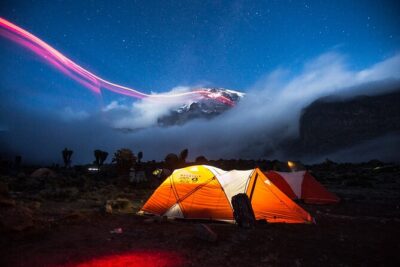
Camp itself is tent-based, and you’ll want to treat Day 1 as your setup day. Eat well, hydrate, and get an early night, because the mountain does not care how excited you are.
Day 2 through Shira: moorland hikes, Kibo views, and Shira Caves
Day 2 shifts away from the dense forest and into moorland. The hike is shorter on paper, around 5 km with about 4 to 6 hours of walking. But the terrain can feel sharper and more exposed as the trees thin out.
You finish at Shira Camp, on a small plateau in the high moorlands. This is one of the first places you really appreciate how Kilimanjaro sits in the region. You are looking toward Kibo in the northeast and toward Mount Meru to the west. If you like sky and shape, this is a good day to keep your camera handy.
Two details I especially appreciate from this route description are the wildlife and the side walk option. White-necked ravens can be seen throughout the day. And there is a short walk to the Shira Caves near camp, which breaks up the standard routine and gives your legs a small change of pace.
The possible drawback: moorland can be windy and chilly. Even if your body is warm from hiking, your comfort will depend on how smart you are with layering. Plan on getting cold at some point, and then managing it, not panicking when it happens.
More Machame departures, compared
Lava Tower and the Barranco descent: where acclimatization starts to feel real
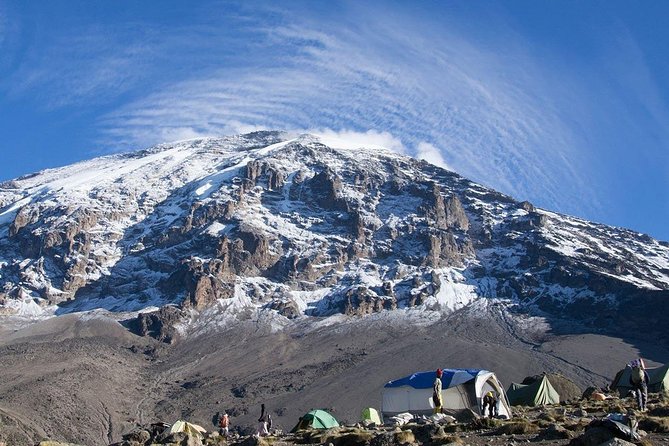
Day 3 is a classic Machame turning point. You hike about 10 km in roughly 6 to 8 hours, moving through semi-desert and rocky terrain near Lava Tower.
This is where the route’s structure becomes useful for most people. After lunch served at a designated area, you ascend toward Lava Tower, then you descend to the Barranco camping area. The description points to a key altitude moment: reaching the high point around 4600 m at Lava Tower.
That is not just trivia. This is often the first place where people notice the altitude is not theoretical anymore. If you pace yourself well, you start to feel that your body is adapting, which makes the later days more manageable.
Another reason Day 3 stands out is photography. The descent gives opportunities for pictures of the Western Breach and the Breach Wall. Even if you are not a dedicated photographer, this is one of those moments when you stop and look around, because the views are right there and big.
The trade-off is that rocky semi-desert terrain can be mentally tiring. Your feet will notice every uneven step. Trekking poles can help on the descent, and a steady cadence matters more than speed.
Great Barranco to Barafu: the long day that sets up summit night
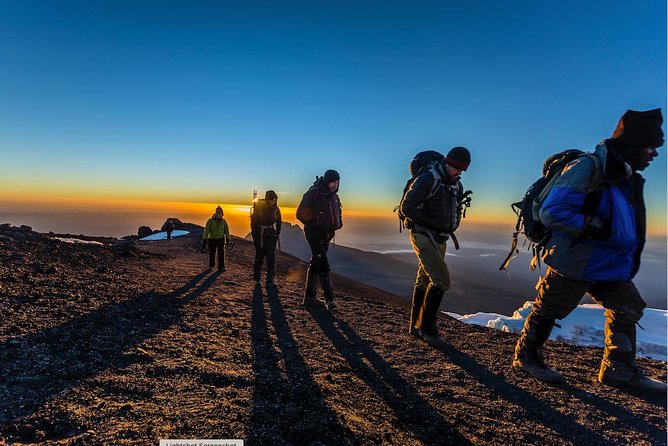
Day 4 is the “prepare for the big push” day. You are looking at about 9 km and around 8 hours of hiking, in alpine desert conditions. After breakfast, you take a short scramble to the top of Great Barranco, then you traverse across scree and ridges into the Karanga Valley.
This section is described as moving beneath the icefalls of the Heim, Kersten, and Decken glaciers. Even if you have limited time on the mountain, this part gives you a front-row sense of what is changing up high and why early and careful moves matter.
After a break in Karanga, you cross a junction that connects with the Mweka Trail, which is used later for descent. Then you continue up to Barafu Camp, where you rest, have dinner, and prepare for the summit day.
Barafu has its own special payoff: views of Mawenzi and the Kibo peak. If summit morning is the headline, Barafu is the scene-setting act. You are tired, but the view reminds you why the work is worth it.
A real consideration here: Day 4 is long. If you go into it overly aggressive, you might pay the price on summit night. The best strategy is patience. Let the crew set expectations, and keep your pace smooth.
Summit day: from the crater rim to Stella and Uhuru, then down into the heather zone
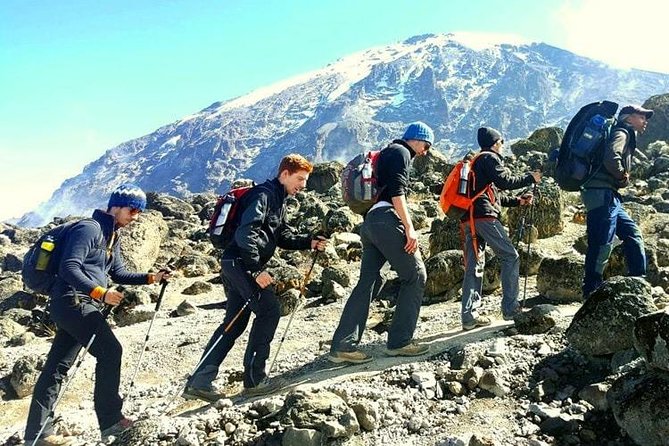
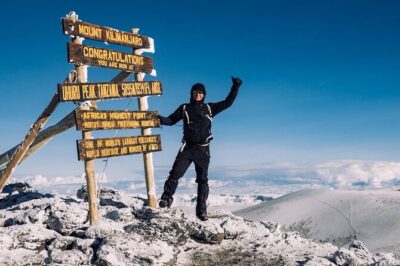
Day 5 is the big one. You start early for the ascent to the rim of the Kibo Crater between the Rebmann and Ratzel Glaciers. The route description notes that the last section can be snow-covered. If conditions are snowy, an ice-axe or a ski stick can help with balance.
At the rim you reach Stella Point, and then you have another hour to Uhuru Peak. This is your moment for the summit sunrise and the classic high-altitude views people dream about. The plan then includes a short stop for photos and a controlled descent.
After Uhuru Peak, you descend to Barafu Hut for rest and lunch, then continue down past Millennium Camp toward Mweka Hut in the giant heather zone near the forest edge. The note in the plan suggests some hikers continue further down if their strength allows, but the core objective is the safe descent and getting you positioned for the final certification day.
One thing to know going in: the day is measured in total effort, not just miles. Your ascent and descent are long in the time sense, and the air up high changes how each step feels. The only winning move is pacing and trusting your crew.
Also, if you want to feel more comfortable up high, layer management and hand protection matter. The cold tends to be steady even when you are moving hard.
Day 6: Mweka Park Gate certificates and the final vehicle to Moshi or Arusha
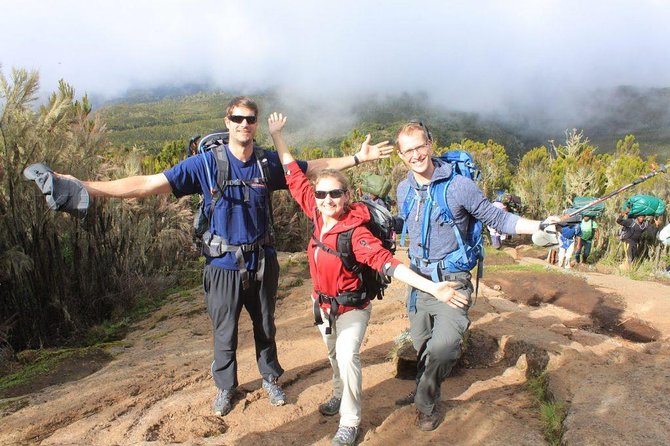
Day 6 is shorter and more emotional. After breakfast, you continue the descent to the Mweka Park Gate to receive your summit certificates. Then you go another hour onward to Mweka Village, where a vehicle meets you to drive you back to your hotel in Moshi or Arusha.
The hiking time listed is about 3 to 4 hours, and you end with the feeling most people want after a week of altitude effort: closure. Certificates are not the reason to climb, but they are a clean way to mark that you finished the hard part safely.
Your best strategy on Day 6 is simple. Move carefully on the final downhills, keep sipping water, and don’t rush just because you are thinking about your shower.
Price and what you actually get for $2,200 per person
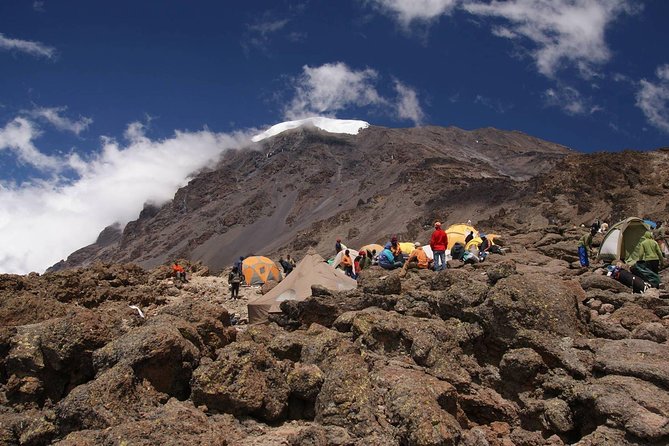
At $2,200 per person for a roughly 6-day Machame climb, the price is not budget travel. You are paying for logistics, people, and safety infrastructure.
Here is what is included:
- Private transportation
- All fees and taxes
- Guides and porters salaries
- Sleeping tents
- Filtered water throughout the trek
- Meals, including 6 breakfasts, 5 lunches, and 5 dinners
That meal list matters more than you might think. On summit day especially, having planned fuel takes stress off you. And filtered water reduces the guesswork, which is one less thing to manage on a high-stakes trip.
What is not included:
- Visas, insurances, and flights
- Gratitude for your mountain crew
- Personal items like snacks you might buy, laundry services, and alcoholic or non-alcoholic beverages
My take on value: this price makes sense if you want a private group climb, a dedicated crew, and a route that is demanding but structured for acclimatization. If you are trying to squeeze Kilimanjaro into a strict backpacker budget, you might feel the cost. But if you want the experience run well, the included support is a big part of why people leave satisfied.
Who this Machame climb fits best, and who should pause
This plan is aimed at people with moderate physical fitness. That does not mean it is casual. It means you do not need to be a marathoner, but you do need to be ready for sustained uphill walking, altitude changes, and cold nights.
You’ll likely enjoy this climb if you:
- want the more difficult Machame route and understand tent camping is part of the deal
- like a clear step-by-step progression toward the summit
- appreciate strong food support during a long trek
- want the comfort of private transportation and a private group setup
You might rethink it if you:
- know you struggle with early mornings and long summit-day effort
- dislike cold conditions and exposure from camp to camp
- are not comfortable with muddy trails, scree traverses, and rocky footing
If you are going solo, one note from the experience pattern is that a close, attentive setup can still make you feel supported. The overall vibe matters on Kilimanjaro, and an organized crew helps a lot.
Should you book this 6-day Machame route?
If your priority is a classic Kilimanjaro challenge with strong logistics, this Machame plan is a solid choice. I like that it is structured for acclimatization, it includes the basics that keep you sane on a high-stakes trek (filtered water, tents, and planned meals), and the crew experience seems to be a real strength.
The main reason to hesitate is the difficulty level. Machame is not the easy, hut-based option. If you are excited by the idea of tents, higher exposure, and a serious summit push, you are likely to love it. If you want maximum comfort and minimal strain, you may find it too demanding.
If you do book it, start training early, plan for cold, pack for slippery terrain, and trust the pacing. Kilimanjaro rewards steady steps more than heroic ones.
FAQ
What is the duration and starting time for this Machame climb?
The trip is listed as about 6 days, and it starts at 8:00 am from Moshi Urban. You return to the meeting point at the end of the activity.
Where does the climb start and where do you finish?
It starts at Moshi Urban, Tanzania, and the ticket redemption point is at Mount Kilimanjaro in Tanzania. The experience ends back at the same meeting point, after the vehicle pick-up in Mweka Village.
Are meals included in the price?
Yes. The plan includes 6 breakfasts, 5 lunches, and 5 dinners.
What lodging and water are included during the trek?
You sleep in sleeping tents, and the trek includes filtered water throughout the journey.
What is included in the $2,200 per person price?
Included items are private transportation, all fees and taxes, guide and porter salaries, sleeping tents, filtered water, and the full set of included meals.
What is not included?
Not included are visas, insurance, flights, gratuity for the mountain crew, personal items, laundry services, and alcoholic or non-alcoholic beverages.
What is the cancellation policy?
The experience allows free cancellation up to 24 hours before the start time for a full refund. If you cancel less than 24 hours before the start time, the amount paid is not refunded.
More Machame Departures
- Kilimanjaro climb, Machame Route (7-day)
★ 5.0 · 262 reviews - Climbing Kilimanjaro – Machame Route
★ 5.0 · 170 reviews - Climbing Kilimanjaro through 7 days Machame Route
★ 5.0 · 151 reviews - #1. Best Kilimanjaro Day hike Tour-Machame Route-ISMANI
★ 4.2 · 47 reviews - 7 Days Machame route – Kilimanjaro
★ 5.0 · 45 reviews
Kilimanjaro, Route by Route
- Kilimanjaro climb by Lemosho Route (7-day)
★ 5.0 · 651 reviews - Kilimanjaro climb, Machame Route (7-day)
★ 5.0 · 262 reviews - Kilimanjaro Climbing Lemosho Route 8 Days.
★ 5.0 · 186 reviews - Climbing Kilimanjaro – Machame Route
★ 5.0 · 170 reviews - Climbing Kilimanjaro through 7 days Machame Route
★ 5.0 · 151 reviews
Just added from around Moshi
Kilimanjaro Machame Route, compared.
 ★ 5.0Kilimanjaro climb, Machame Route (7-day)From $3,377262 reviews
 ★ 5.0Climbing Kilimanjaro – Machame RouteFrom $2,322170 reviews
 ★ 5.0Climbing Kilimanjaro through 7 days Machame RouteFrom $2,425151 reviews
 ★ 5.07-Day Machame Kilimanjaro Summit Tour from ArushaFrom $2,695125 reviews
 ★ 5.07 Days Kilimanjaro via Machame route affordable priceFrom $2,400110 reviews
 ★ 4.2#1. Best Kilimanjaro Day hike Tour-Machame Route-ISMANIFrom $11547 reviews
 ★ 5.07 Days Machame route – KilimanjaroFrom $2,85045 reviews
 ★ 5.0The Best of Machame Route in 6 Days: Your World’s Summit GuideFrom $1,15044 reviews
Browse the lists this tour appears in