
REVIEW · KILIMANJARO MACHAME ROUTE
Mt Kilimanjaro Climb – 7 days Machame
Kilimanjaro feels close, then it punches back. This 7-day Machame route hike out of Moshi mixes rainforest walking, high-altitude scenery, and a midnight summit plan for a real sense of progress. I also like that the itinerary is built for altitude changes, with climb high, sleep low style acclimatization so your body gets time to adjust.
I really like how taken-care-of you are on the mountain. Meals are included (three per day), camping setup is handled (tents, mattresses, and mess tent), and you are not left trying to figure out food, water, or logistics at 4,000 meters.
One consideration: you are starting the summit push around midnight, so you need to be okay with cold, darkness, and getting up on a tight schedule. The hike is for moderate fitness, and it is not a leisurely stroll.
In This Review
- Quick take on this 7-day Machame climb
- Machame Route, 7 Days, and why sleep low matters
- Price and value: what $2,543.59 covers, and what it does not
- Moshi, the park gate, and Day 1’s rainforest start
- Day 2 to Shira Plateau: moor, heath, and the Kibo sunset glow
- Day 3 to Lava Tower and Barranco Camp: acclimatize without burning out
- Day 4 up Barranco Wall: hands may help, and that is okay
- Day 5 to Barafu Camp: moonlike alpine desert and an early night
- Day 6 summit day: tea at midnight, Stella Point, and Uhuru Peak sunrise
- Day 7 Mweka Gate: farewell ceremony, rainforest walk, and the reset back in Moshi
- Safety, oxygen, and the kind of guide support that matters
- Gear, food, and vegetarian options you should plan for now
- Who this Machame 7-day climb fits best
- Should you book this 7-day Machame climb with Nyange Adventures?
- FAQ
- What route is this, and how long is the climb?
- Where do you meet and where does the trek start?
- Is pickup and drop-off included?
- Are meals included?
- Do you provide camping accommodation?
- Is oxygen provided for altitude support?
- Do I need to bring my own climbing gear?
- Can I get vegetarian meals?
- What about travel insurance?
- How do tips work?
- Is there free cancellation?
Quick take on this 7-day Machame climb
- Machame route timing that helps with acclimatization, including a full Shira to Barranco sequence
- Oxygen tank and ox meter included, plus a professional guide team for safety decisions
- All meals included (breakfast, lunch, dinner) with drinking water planned each day
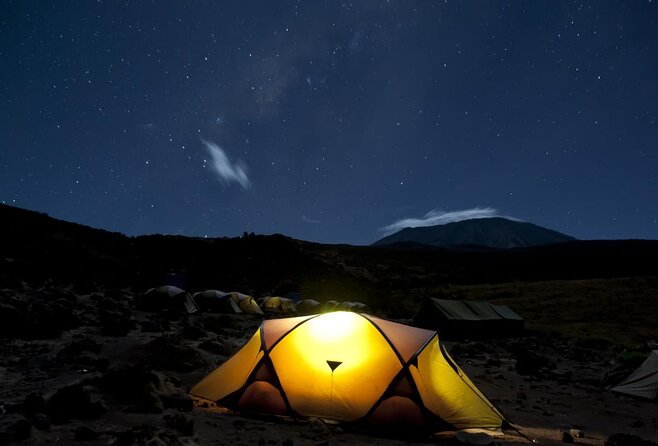
- Camping support with tents, mattresses, and a mess tent, so you pack less than you expect
- Sunrise summit plan with Stella Point and Uhuru Peak, then descent back to Barafu
- Hotel pickup and drop-off, plus return transport to and from the park gate
Other ways up Kilimanjaro we reviewed
- Kilimanjaro climb by Lemosho Route (7-day)★ 5.0 · 651 reviews
- Kilimanjaro climb, Machame Route (7-day)★ 5.0 · 262 reviews
- Kilimanjaro Climbing Lemosho Route 8 Days.★ 5.0 · 186 reviews
- Climbing Kilimanjaro – Machame Route★ 5.0 · 170 reviews
Machame Route, 7 Days, and why sleep low matters
The Machame route is one of Kilimanjaro’s classic tracks, often called the Whisky Route. The nickname makes it sound a bit playful, but the hiking is serious. Over seven days you get a pattern of effort and recovery that you can feel in your legs: you go up, then you sleep a little lower than the peak altitude of the day. That is the core idea behind climb high, sleep low on this itinerary.
Why you should care: altitude does not just feel like tiredness. It affects breathing, sleep, and appetite. If the schedule pushes you too fast, you can pay for it later. This route gives you a chance to acclimatize with a day that climbs to Lava Tower at about 4,640 meters and then continues toward Barranco Camp, instead of only sprinting upward.
Also, your days are not all equally steep. Some are shorter so you can arrive before dark. Others are longer, but they include changes in terrain that keep your mind engaged. Kilimanjaro is a long day mentally, so any variation helps.
Price and value: what $2,543.59 covers, and what it does not
At $2,543.59 per person, this is not a budget hike. The good news is that the package is structured to cover the expensive parts of a guided Kilimanjaro climb.
What you are paying for in practical terms:
- Guiding and support: professional guide support is included, and your team also includes a cook and porters as part of the overall operation
- Meals and water: three meals a day plus drinking water are included
- Camping equipment: tents, mattresses, and a mess tent are included, which can be a major cost saver if you do not want to ship gear
- Safety resources: oxygen cylinder and an ox meter are supplied, and this matters when altitude affects people differently
- Transport to the gate: hotel pickup and drop-off plus transport to and from the park gate
What is not included:
- Personal climbing gear and equipment
- Tips for the cook, guide, assistant guide, and porters (these are listed as suggested industry amounts)
- Travel insurance
- Alcohol and soft drinks
Is it good value? If you add up guide time, porter support, camp setup, and the oxygen safety layer, the price starts to make more sense. The biggest risk with any Kilimanjaro deal is underestimating costs you add later, like insurance and tips. Here, the package is transparent, and that lowers stress.
Moshi, the park gate, and Day 1’s rainforest start
Most trips like this begin with a transfer day, and this one works that way. After breakfast you head to the Kilimanjaro National Park gate, where the guide handles entrance formalities while you watch the teams getting ready. That first gate moment is surprisingly interesting. You see how much gear goes into a week on the mountain, and you start to understand the scale of the operation.
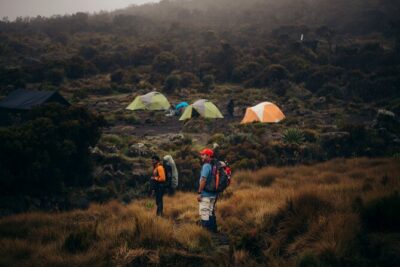
Your destination on Day 1 is Machame Camp, typically a 5 to 6 hour walk. Expect a rainforest start. This is not just green scenery for scenery’s sake. You will be walking through ancient trees, with primeval ferns, and liana and lichen details that make the forest feel older than the rest of the world. It is also a physical warm-up. It helps you settle into rhythm before altitude becomes the main character.
Practical tip: start thinking about layering early. Rainforest days can feel muggy, and later the air dries out fast. Wear what you can adjust, not what you can only remove once you are already sweaty.
More Machame departures, compared
Day 2 to Shira Plateau: moor, heath, and the Kibo sunset glow
Day 2 is shorter than Day 1, and that is intentional. You still start early, and you aim to arrive mid-afternoon at your campsite on the Shira Plateau.
The terrain shift is one of the most noticeable changes on this whole trek. The hike moves from rainforest into moor and heath land. Instead of thick vegetation, you get open, windy areas where your breathing is the main effort. Views widen quickly, which can be motivating and also a reminder that you are getting higher.
From camp you can see the mountain range, and the glacier of Kibo lights up as the sun sets. That is a classic Kilimanjaro moment: the sky goes dramatic, the ice looks unreal, and suddenly your summit plan feels less like math and more like a target.
Possible drawback: open moorland can feel cold once the sun goes down. Even if you feel fine walking, you can get chilled during breaks and at camp. Keep something warm accessible in your pack.
Day 3 to Lava Tower and Barranco Camp: acclimatize without burning out
Day 3 is where the itinerary shows it understands altitude. You climb roughly 700 meters and then sleep at an elevation not much higher than the previous night. That is the kind of compromise you want on Kilimanjaro, because it reduces the chance you will feel wrecked before the real hard days.
You start at Shira Plateau and head toward Lava Tower around 4,640 meters. After a rest, the route continues through the Barranco Valley. The hike time is about 6 to 7 hours, and you experience an alpine desert feel as you climb, then more interesting plant scenery as you continue: small lobelia plants and giant senecio.
Two things to remember:
- The goal here is not to go fast. The goal is to adjust.
- Treat pauses like part of the plan, not wasted time. If you pace well, you arrive fresher.
By evening you eat dinner, then rest for Barranco Camp. The sleep that night matters because Day 4 includes the famous Barranco Wall.
Day 4 up Barranco Wall: hands may help, and that is okay
If you have seen pictures of Kilimanjaro, you have probably seen the Barranco Wall. Day 4 goes right at it. It is often described as dramatic, but it is not technical climbing in the usual sense. You might need your hands for grip at times, but there are no climbing passages.
The guide team keeps safety tight. That means listening, not improvising. If your footing feels uncertain, slow down. Everyone gets through this section, but good form is what makes it smooth instead of stressful.
After the wall you deal with a series of ascents and descents, then you walk along a ridge. This is one of those days where the effort feels less like a single steep climb and more like a rolling route with a steady view. The glacier of Kibo stays with you to your left as you hike toward camp.
Walking time is around 3 to 4 hours, which sounds easy until you remember altitude. You should treat it like a focused session rather than a victory lap.
Day 5 to Barafu Camp: moonlike alpine desert and an early night
On Day 5 you head to Barafu Camp, reaching it after about 3 to 4 hours. Most of that time takes you through a moonlike alpine desert. It looks barren, but it is a place your body learns from. You get less humidity, thinner air, and a more exposed hiking feel.
The package logic here is smart: after dinner, you go to bed early. The highlight is now only some hours away, and that early sleep is not a suggestion. It is fuel.
One practical reality: Barafu Camp days often feel quiet. The excitement is building, but you will also be cold. If you overpack hope and underpack warmth, you will feel it overnight.
Day 6 summit day: tea at midnight, Stella Point, and Uhuru Peak sunrise
Summit day is the day most people remember. This itinerary has the plan starting at midnight, with a wake-up just before that for tea and biscuits. Yes, it is early. Yes, you will be cold. The goal is to get moving while temperatures are still manageable and before the day heats up.
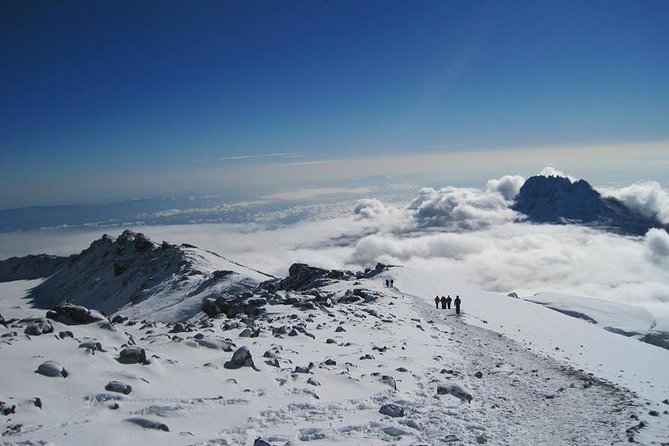
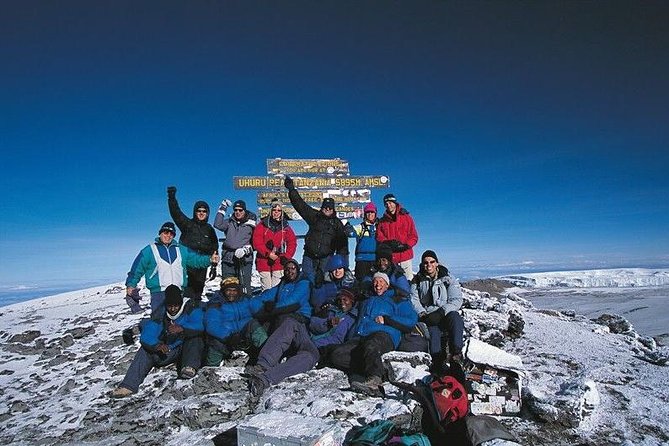
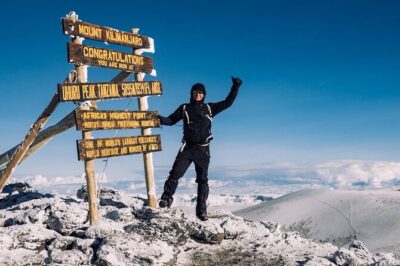
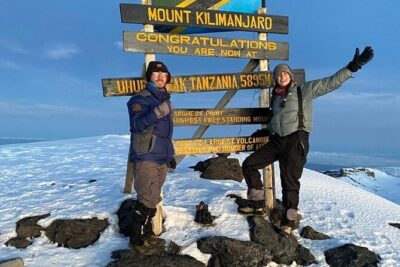
After about 5 to 7 hours you reach Stella Point, which sits on the crater rim. After another 1 to 2 hours you continue on to Uhuru Peak at 5,895 meters.
And this is why people do Kilimanjaro. The sunrise from Uhuru Peak is described as magnificent, standing on Africa’s highest mountain and watching the light come up over the region. Even if you have imagined it a thousand times, it lands differently in real cold air.
After the summit, you descend along the same way back to Barafu Camp, reaching it after about 1 to 2 hours. You do not come back triumphant in slow motion. You come back tired, relieved, and ready for snacks and refreshment while the team is waiting for you.
Day 7 Mweka Gate: farewell ceremony, rainforest walk, and the reset back in Moshi
After breakfast on Day 7 you get a traditional farewell ceremony with your mountain crew. This is one of those moments that helps the climb feel human. It is not just you and a summit. It is the entire support team that made the days possible.
Then you walk about 2 to 3 hours through the rainforest toward Mweka gate. The air changes again. It feels like you can finally exhale.
At the gate, the driver is waiting for you. You are transferred back to your hotel for a shower, a cold drink, a debrief, and the awarding of your certificate of achievement. The rest of the day is yours to relax and reflect.
If you are wondering whether you will feel okay afterward: many people feel tired but also strangely clear-headed. It is a long physical experience, but the mental payoff can be immediate.
Safety, oxygen, and the kind of guide support that matters
On paper, safety can sound like a checklist. On Kilimanjaro, it is the difference between a calm climb and a panicked one.
This itinerary includes:
- Oxygen cylinder and an ox meter
- A professional guide (and typically a full support team behind the scenes)
You also get operational safety through procedures. For example, on Day 4 at Barranco Wall, your guides stress listening and safe handling rather than bravado. That is exactly what you want on a mountain where conditions can change quickly.
What you still control:
- pace and breathing
- how you layer for cold
- whether you communicate when you feel off
- basic hydration and meal discipline (since you are relying on provided meals and water)
No oxygen setup can replace acclimatization. But it gives you an extra layer of preparedness, especially if altitude hits differently than you expected.
Gear, food, and vegetarian options you should plan for now
This tour includes three meals a day and drinking water, plus coffee and/or tea. Vegetarian meals are available if you advise at booking. That is a big deal if your food preferences are non-negotiable, because you want fewer surprises on summit day.
But you still must bring personal climbing gear and equipment. The package will handle tents, mattresses, and camp setup, plus the guide team and supplies like drinking water. You are still responsible for your own clothing and core kit.
My practical advice:
- Build your layers so you can cool down during the day and warm up at night.
- Keep essentials accessible, not buried.
- If you have never climbed before, focus on comfort and reliability of boots and gloves rather than the newest gear.
Who this Machame 7-day climb fits best
This trek is geared toward people with moderate physical fitness. It is also described as suitable for experienced climbers and those beginning their journey, which fits with Machame’s mix of walking days and recovery days.
I think it is a good match if you:
- want a classic Kilimanjaro experience with a strong acclimatization structure
- like having meals and camp logistics handled so you can focus on hiking
- are motivated by the summit sunrise payoff and can handle midnight wake-up
You might want to reconsider if you:
- know you struggle with cold, darkness, or early alarms
- get anxious when breathing feels strained at altitude
- are hoping for a low-effort hike
Kilimanjaro is not a test of speed. It is a test of patience and steady pacing.
Should you book this 7-day Machame climb with Nyange Adventures?
I would book this itinerary if you want a well-supported Machame route with oxygen support, full meal and camping setup, and a clear seven-day structure that prioritizes acclimatization. The price is not cheap, but the included items target the main cost drivers of Kilimanjaro: staffing, camp equipment, food, gate transport, and safety gear.
Before you say yes, do the boring checks that keep the trip smooth: confirm what personal gear you must bring, plan for tipping expectations for the team, and make sure you are ready for the midnight start. If you do that homework, you will spend the week focused on the hiking and the big moments, not on logistics.
FAQ
What route is this, and how long is the climb?
This is a 7-day Kilimanjaro climb using the Machame route, sometimes called the Whisky Route. The duration is listed as approximately 7 days.
Where do you meet and where does the trek start?
The meeting point is Kilimanjaro Airport. After breakfast you are picked up and taken to the Kilimanjaro National Park gate to start the climb.
Is pickup and drop-off included?
Yes. Hotel pickup and drop-off are included, along with transport to and from the gate for the trek.
Are meals included?
Yes. The package includes three meals a day, with breakfast, lunch, and dinner planned across the six nights on the mountain. Drinking water is also included.
Do you provide camping accommodation?
Yes. You get camping facilities, including a tent, mattresses, and a mess tent for meals.
Is oxygen provided for altitude support?
Yes. Oxygen cylinder and an ox meter are included, along with a professional guide.
Do I need to bring my own climbing gear?
Yes. All personal mountain climbing gear and equipment are not included, so you should plan to bring your own.
Can I get vegetarian meals?
Yes. A vegetarian option is available if you advise at the time of booking.
What about travel insurance?
Travel insurance is not included, so you’ll need to arrange it yourself.
How do tips work?
Tips for the team are not included. Suggested amounts are $12 a day for the cook, $20 a day for your head guide, $12 to $15 a day for the assistant guide, and $5 to $8 a day to each porter, divided among everyone in the climb.
Is there free cancellation?
Yes. Free cancellation is offered if you cancel at least 24 hours in advance for a full refund. If you cancel less than 24 hours before the start time, the amount paid is not refunded.
More Machame Departures
- Kilimanjaro climb, Machame Route (7-day)
★ 5.0 · 262 reviews - Climbing Kilimanjaro – Machame Route
★ 5.0 · 170 reviews - Climbing Kilimanjaro through 7 days Machame Route
★ 5.0 · 151 reviews - #1. Best Kilimanjaro Day hike Tour-Machame Route-ISMANI
★ 4.2 · 47 reviews - 7 Days Machame route – Kilimanjaro
★ 5.0 · 45 reviews
Kilimanjaro, Route by Route
- Kilimanjaro climb by Lemosho Route (7-day)
★ 5.0 · 651 reviews - Kilimanjaro climb, Machame Route (7-day)
★ 5.0 · 262 reviews - Kilimanjaro Climbing Lemosho Route 8 Days.
★ 5.0 · 186 reviews - Climbing Kilimanjaro – Machame Route
★ 5.0 · 170 reviews - Climbing Kilimanjaro through 7 days Machame Route
★ 5.0 · 151 reviews
Just added from around Moshi
Kilimanjaro Machame Route, compared.
 ★ 5.0Kilimanjaro climb, Machame Route (7-day)From $3,377262 reviews
 ★ 5.0Climbing Kilimanjaro – Machame RouteFrom $2,322170 reviews
 ★ 5.0Climbing Kilimanjaro through 7 days Machame RouteFrom $2,425151 reviews
 ★ 5.07-Day Machame Kilimanjaro Summit Tour from ArushaFrom $2,695125 reviews
 ★ 5.07 Days Kilimanjaro via Machame route affordable priceFrom $2,400110 reviews
 ★ 4.2#1. Best Kilimanjaro Day hike Tour-Machame Route-ISMANIFrom $11547 reviews
 ★ 5.07 Days Machame route – KilimanjaroFrom $2,85045 reviews
 ★ 5.0The Best of Machame Route in 6 Days: Your World’s Summit GuideFrom $1,15044 reviews
Browse the lists this tour appears in