
REVIEW · KILIMANJARO MACHAME ROUTE
Machame Route 7 Days 6 Nights /Kilimanjaro Climb
Kilimanjaro feels real on the Machame Route. This 7-day trek from Moshi focuses on more time to acclimatize, with a classic sequence of camps that builds you toward the summit push. I love how the Machame climbs in stages and uses the day-longer approach (often via the Karanga Valley) that can improve your chances versus shorter pacing options.
Two things I really like about this style of climb are the people running it and the way the meals support you day after day. Names like Goodluck and Moses come up in successful summit experiences, and the cook Roger is credited for consistently tasty food that keeps your energy up during big elevation days.
The main drawback is simple: Machame can be more arduous than easier-sounding alternatives. You also face long hiking windows, including a very demanding summit day, so you should be honest about your fitness and stamina before you commit.
In This Review
- Key things to know before you hike
- Why the Machame Route from Moshi is such a popular choice
- Your day-by-day climb, with real numbers and what they mean
- Day 1: Machame Gate to Machame Camp (5,400 ft to 9,400 ft)
- Day 2: Machame Camp to Shira Camp (9,400 ft to 12,500 ft)
- Day 3: Shira Camp to Lava Tower to Barranco Camp (12,500 ft to 13,000 ft)
- Day 4: Barranco Camp to Karanga Camp (13,000 ft to 13,100 ft)
- Day 5: Karanga Camp to Barafu Camp (13,000 ft to 15,300 ft)
- Day 6: Barafu to summit and down to 10,000 ft (15,300 ft to 19,340 ft, then to 10,000 ft)
- Day 7: Mweka Camp to Mweka (10,000 ft to 5,400 ft)
- What the guiding support does for your summit odds
- Price and value: is $2,450 per person realistic for this trek
- Fitness reality check: moderate fitness, serious altitude
- Moshi logistics that keep the trip simple
- Should you book this Machame climb?
- FAQ
- What location does the Kilimanjaro climb start from?
- How long is the Machame Route experience?
- What route is this?
- What time does the experience start?
- Is this tour private?
- What is included in the price?
- Are tips included?
- Do I need personal mountain equipment and travel insurance?
- Is the visa included?
- What happens if the climb is canceled due to weather?
- Is a mobile ticket provided?
Key things to know before you hike
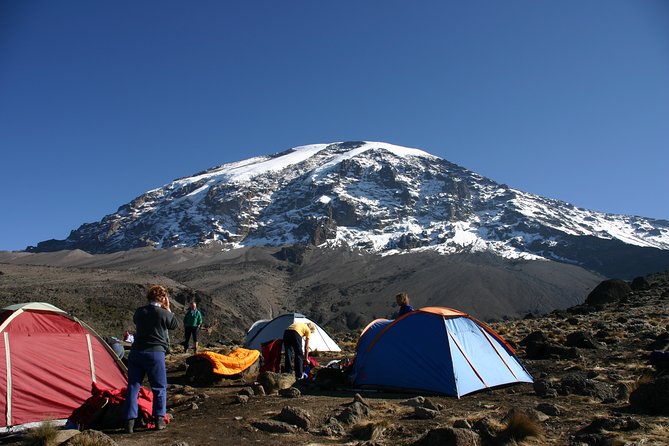
- Machame gives you acclimatization time, often adding an extra day in the Karanga Valley to help your body adjust.
- You climb in stages, with camp-to-camp days that are short enough to manage, then a long summit push later.
- Guides matter here, and the names Goodluck and Moses are tied to groups that reach the top with patience and encouragement.
- Food is built into the schedule, with breakfast, lunch, and dinner included to keep you fueled at altitude.
- You need to budget for the extras, like crew tips, personal gear, travel insurance, and your visa.
- This private setup is group-only, so logistics feel tighter and easier than crowded shared tours.
Other ways up Kilimanjaro we reviewed
- Kilimanjaro climb by Lemosho Route (7-day)★ 5.0 · 651 reviews
- Kilimanjaro climb, Machame Route (7-day)★ 5.0 · 262 reviews
- Kilimanjaro Climbing Lemosho Route 8 Days.★ 5.0 · 186 reviews
- Climbing Kilimanjaro – Machame Route★ 5.0 · 170 reviews
Why the Machame Route from Moshi is such a popular choice
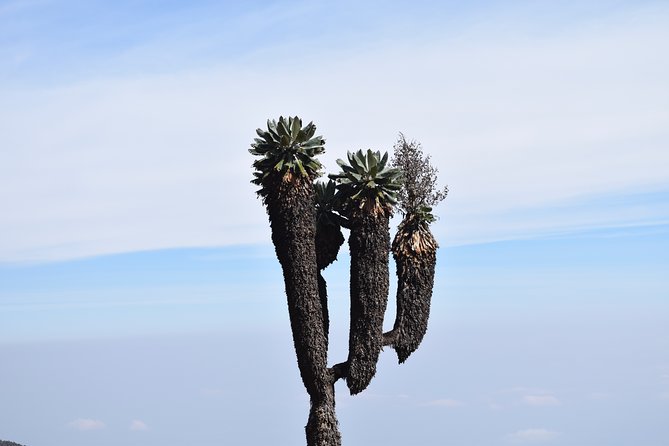
The Machame Route has moved into the top tier for Kilimanjaro trekking for a reason. It is often described as the most enjoyable route by guides, but it is also the more demanding one. The tradeoff is time and pacing. Machame typically gives you one extra day compared with shorter schedules, and that extra time can help you acclimatize better before the high point.
That pacing matters because Kilimanjaro is not just about legs. It is about how your body handles increasing altitude over multiple days. Machame’s rhythm, with gradual camp changes and a possible extra acclimatization stop in the Karanga Valley, is designed to help your body get used to elevation before the final push.
There is also a bonus option many hikers appreciate: you can take the Western Breach or Arrow Glacier approach to the summit. If you are the type of person who wants options on the mountain rather than a one-track plan, that flexibility is worth paying attention to.
Your day-by-day climb, with real numbers and what they mean
This is a 7-day, 6-night structure, starting in Moshi and ending back at your meeting point. The schedule moves through the Machame Gate corridor, Shira, Lava Tower, Barranco, Karanga, Barafu, the summit day, and then down to Mweka.
Here is what the climb looks like in practical terms.
Day 1: Machame Gate to Machame Camp (5,400 ft to 9,400 ft)
You start with a hike from Machame Gate up to Machame Camp, gaining significant altitude over about 11 km. Expect roughly 5 to 7 hours on the trail.
This is your body’s first big altitude reality check. Even if you feel okay at the gate, you will want to keep your pace controlled. A day like this sets the tone for the next few days. Go steady, drink consistently, and treat this as your warm-up for higher elevations.
Potential challenge: the gain is real early. If you start too fast, you can feel it later.
More Machame departures, compared
Day 2: Machame Camp to Shira Camp (9,400 ft to 12,500 ft)
Day 2 climbs again, but the hike distance is much shorter, about 5 km, typically 4 to 6 hours. Elevation takes you up to around 12,500 ft, so you are still moving into thinner air even with less trail time.
This is a good day for smart pacing. You can focus on breathing and rhythm instead of chasing speed. The shorter distance can also mean less time in the elements, which matters if weather shifts.
What to like: shorter time on your feet while still gaining altitude.
Day 3: Shira Camp to Lava Tower to Barranco Camp (12,500 ft to 13,000 ft)
This is a longer-feeling day at altitude. You hike about 10 km for around 6 to 8 hours, moving through Lava Tower and ending at Barranco Camp around 13,000 ft.
A route segment like Lava Tower is valuable for acclimatization. Even though the end elevation is not dramatically higher than where you started, you are working at altitude long enough to stress-test how your body responds. That experience helps you understand your breathing and energy levels before the later days.
Possible drawback: longer trail time at altitude. Even if the elevation gain looks modest on paper, effort can feel heavier.
Day 4: Barranco Camp to Karanga Camp (13,000 ft to 13,100 ft)
Day 4 is a shorter move, about 3 miles or roughly 4 to 5 hours, and you end near 13,100 ft in the alpine desert habitat.
This day is often the kind of breather that is not really a breather. Yes, the hiking time is shorter, but you are still at high altitude. The value is that you gain a bit of elevation and, depending on how your trek is timed, you may get a better shot at acclimatizing before the summit window.
What to love here: the chance to stabilize your altitude tolerance instead of rushing onward.
Day 5: Karanga Camp to Barafu Camp (13,000 ft to 15,300 ft)
Now it ramps up. You hike about 2.5 miles for 4 to 5 hours, ending at Barafu Camp around 15,300 ft.
Short distance, bigger effort. This is where you feel the climb steepen in a way that can surprise people who are thinking only in terms of kilometers. Plan on working your breathing, not your ego.
Consideration: the shorter hike can still drain you, because altitude makes every step cost more.
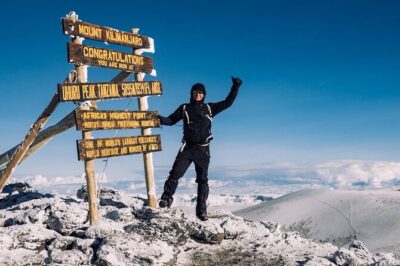
Day 6: Barafu to summit and down to 10,000 ft (15,300 ft to 19,340 ft, then to 10,000 ft)
This is the legendary day. You are looking at about a 12 to 15 hour hike total, with roughly a 3 mile summit push and then about a 7 mile descent down to around 10,000 ft.
Reaching 19,340 ft is the headline. But what matters for your comfort is the sequence. Even after you reach the top, you still have work to do on the way down. Your legs may feel fine on the summit, then suddenly clumsy halfway through descent.
This is the day where preparation matters most. Your best strategy is pacing early, steady breathing, and following your guide’s advice closely.
Possible drawback: the summit day is long and high. There is no hiding from that reality.
Day 7: Mweka Camp to Mweka (10,000 ft to 5,400 ft)
You finish with a descent from Mweka Camp to Mweka. Expect about 3 to 4 hours and roughly 6 miles, dropping down to around 5,400 ft.
This day is a reward, but it still deserves respect. Descents can be tough on knees and shins. Take it step by step, use stable footing, and focus on keeping your balance as you get tired.
You end back at the meeting point in Moshi, so your trip can close out without extra transfers.
What the guiding support does for your summit odds
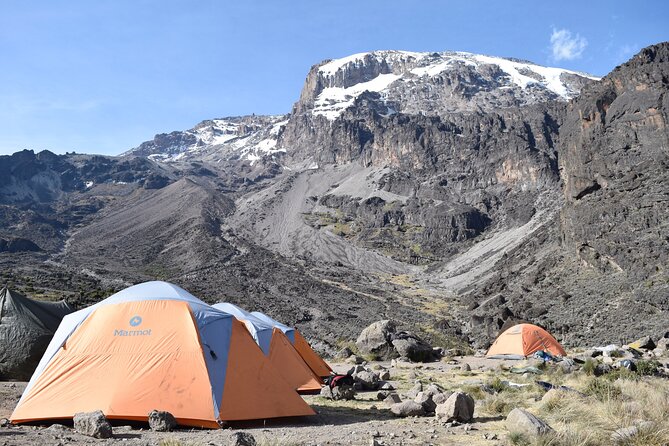
Kilimanjaro is one of those adventures where the itinerary is only half the story. The other half is the support on the ground.
This operator is tied to guides like Goodluck and Moses, and they are associated with experiences that emphasize patience and encouragement, not pressure. I like that approach because it matches what the mountain demands. When you are tired, you do not need a hype speech. You need steady guidance, encouragement that fits the moment, and someone who watches your pace.
Food support is part of that system too. The cook Roger comes up alongside the idea of tasty meals. Even if you cannot taste everything at altitude the way you do at sea level, regular meals make a difference for hydration, energy, and morale.
One practical note: tips for the crew are not included. I recommend budgeting for that in advance, because tipping is how you complete the support ecosystem that makes the climb run smoothly.
Price and value: is $2,450 per person realistic for this trek
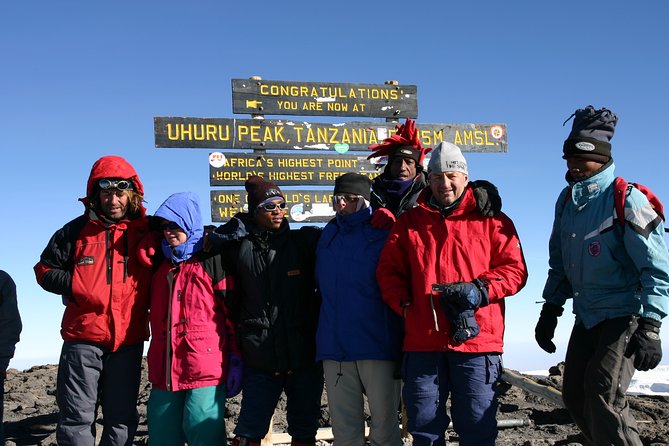
At $2,450.00 per person, this climb is not a budget activity. But it is also not just paying for a trail. You are paying for the planning, permits and fees, staffed logistics, meals, and transportation that keep your days predictable.
Here is what is included:
- All fees and taxes
- Breakfast, lunch, and dinner
- Private transportation
- Pickup offered
- Mobile ticket
- Confirmation at booking
Not included:
- Tips to the crew
- Personal mountain equipment
- Travel insurance
- Visa
So the value question becomes: are you buying peace of mind and support, or just walking between camps? For Machame, those included pieces matter. Meals are not an afterthought, they are scheduled. Private transportation and pickup remove friction in Moshi. And having fees covered reduces the number of surprises that can otherwise distract you right before you climb.
The biggest value driver for me is the acclimatization pacing built into Machame, which can mean a steadier experience on a route that is known to be more demanding than alternatives. If you are the kind of person who wants a better shot at handling altitude well, that extra time has real worth.
Fitness reality check: moderate fitness, serious altitude
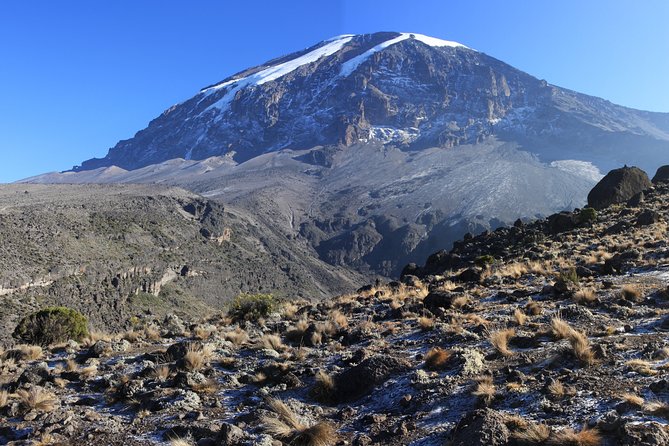
The description calls for moderate physical fitness. That does not mean it is easy. Machame includes long hiking windows, big elevation changes, and the kind of summit day that stretches endurance to the edge.
A practical way to read the difficulty is to look at the day 6 numbers. Even if you feel strong on flat ground, altitude turns distance into effort. A 12 to 15 hour day with a high summit push plus a descent means you should be training for stamina and comfort over uneven terrain.
If you tend to rush when you are motivated, practice holding back. If you tend to get breathless, practice breathing steady and slow. If you know you can handle 3 to 5 hour hikes on a normal day, then build up toward longer sessions so the summit day does not feel like a shock.
Moshi logistics that keep the trip simple
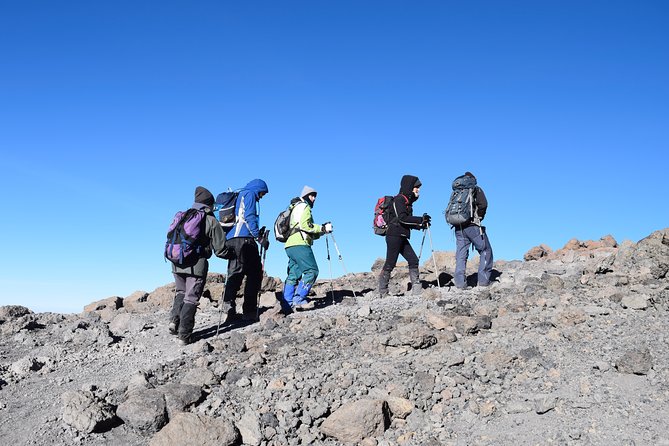
You start in Moshi, Tanzania and end back at the meeting point. Pickup is offered, and private transportation is included, which helps you focus on the mountain instead of wasting energy on transfers.
The meeting point is listed as near public transportation. That is useful if you want options for getting to your start location, or if you are pairing this climb with other Tanzania plans before or after.
Also, because the start time is listed as 12:30 am, plan your pre-climb evening carefully. The timeline suggests an early start in the real world, so you want sleep, meals, and gear organization handled the night before.
Should you book this Machame climb?
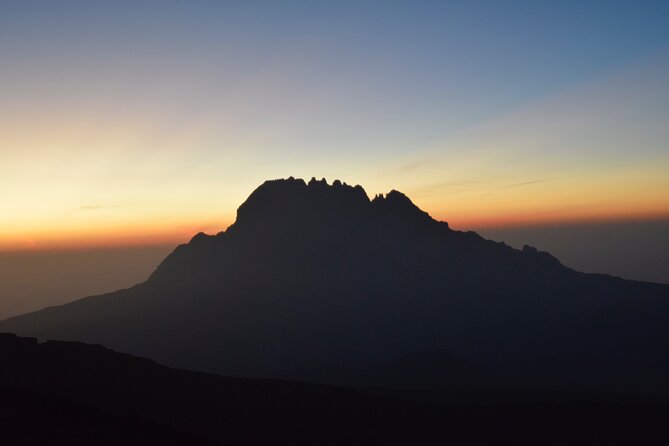
I think this is a strong pick if you want:
- A route known for higher success rates and better acclimatization pacing
- The chance to hike Machame with an experienced operator and support team
- A plan that uses an extra acclimatization approach such as the Karanga Valley
- Meals and fees handled for you, so you are not managing logistics in the middle of altitude stress
I would hesitate if:
- You know you struggle with long days or you dislike endurance challenges
- You are looking for the easiest route on Kilimanjaro, because Machame is often regarded as longer and more arduous
- You do not want to take the summit day seriously, because day 6 is a huge effort window
If you are ready to train, pace yourself, and respect altitude, booking makes sense. If you are unsure, it is worth being honest with yourself about how you handle a 12 to 15 hour push at high elevation.
FAQ
What location does the Kilimanjaro climb start from?
It starts in Moshi, Tanzania. The experience ends back at the meeting point.
How long is the Machame Route experience?
It is listed as 7 days (about 6 nights).
What route is this?
This is the Machame Route Kilimanjaro climb.
What time does the experience start?
The start time is listed as 12:30 am.
Is this tour private?
Yes. It is described as a private tour or activity, with only your group participating.
What is included in the price?
All fees and taxes are included, plus breakfast, lunch, and dinner, and private transportation.
Are tips included?
No. Tips to the crew are not included.
Do I need personal mountain equipment and travel insurance?
Personal mountain equipment and travel insurance are not included.
Is the visa included?
No. Visa is not included.
What happens if the climb is canceled due to weather?
The experience requires good weather. If it is canceled due to poor weather, you are offered a different date or a full refund.
Is a mobile ticket provided?
Yes. A mobile ticket is listed as part of the experience.
More Machame Departures
- Kilimanjaro climb, Machame Route (7-day)
★ 5.0 · 262 reviews - Climbing Kilimanjaro – Machame Route
★ 5.0 · 170 reviews - Climbing Kilimanjaro through 7 days Machame Route
★ 5.0 · 151 reviews - #1. Best Kilimanjaro Day hike Tour-Machame Route-ISMANI
★ 4.2 · 47 reviews - 7 Days Machame route – Kilimanjaro
★ 5.0 · 45 reviews
Kilimanjaro, Route by Route
- Kilimanjaro climb by Lemosho Route (7-day)
★ 5.0 · 651 reviews - Kilimanjaro climb, Machame Route (7-day)
★ 5.0 · 262 reviews - Kilimanjaro Climbing Lemosho Route 8 Days.
★ 5.0 · 186 reviews - Climbing Kilimanjaro – Machame Route
★ 5.0 · 170 reviews - Climbing Kilimanjaro through 7 days Machame Route
★ 5.0 · 151 reviews
Just added from around Moshi
Kilimanjaro Machame Route, compared.
 ★ 5.0Kilimanjaro climb, Machame Route (7-day)From $3,377262 reviews
 ★ 5.0Climbing Kilimanjaro – Machame RouteFrom $2,322170 reviews
 ★ 5.0Climbing Kilimanjaro through 7 days Machame RouteFrom $2,425151 reviews
 ★ 5.07-Day Machame Kilimanjaro Summit Tour from ArushaFrom $2,695125 reviews
 ★ 5.07 Days Kilimanjaro via Machame route affordable priceFrom $2,400110 reviews
 ★ 4.2#1. Best Kilimanjaro Day hike Tour-Machame Route-ISMANIFrom $11547 reviews
 ★ 5.07 Days Machame route – KilimanjaroFrom $2,85045 reviews
 ★ 5.0The Best of Machame Route in 6 Days: Your World’s Summit GuideFrom $1,15044 reviews
Browse the lists this tour appears in