
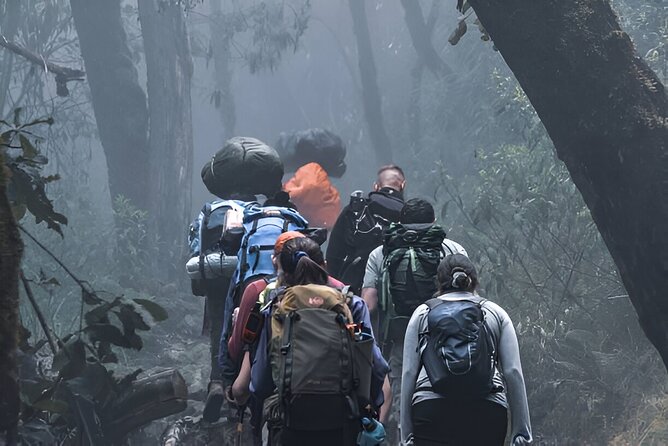
REVIEW · KILIMANJARO MACHAME ROUTE
Machame Route 7-Day Private Kilimanjaro Trek
That first trail smells like adventure.
This 7-day Machame Route climb in Kilimanjaro National Park is built for altitude adjustment and for full-on variety, from thick rainforest to moorland and even icy high terrain. I especially like how the day-by-day plan gives you time to breathe and recover, and how the camp-to-camp hiking is paced so you are not constantly going straight up. The only real consideration is the long, steep summit night, when fatigue is the biggest opponent, not your motivation.
What makes this feel different is the support system around you. You get an experienced guide team and porters, meals, clean drinking water, camping gear, and safety items like first aid kits and oxygen tanks, plus park fees and permits handled. One more thing to keep in mind: you still need moderate fitness, and the trek runs on conditions, so bad weather can affect timing.
The result is a classic Kilimanjaro challenge, with enough structure to make it feel manageable instead of chaotic. Guides like Jackson, William, Innocent, Kenny, Shafii, and Emmanuel show up again and again in past climbs, and the consistent theme is professional, kind support that keeps you moving and feeling safe.
In This Review
- Key things that make this Machame trek work
- Why the Machame Route’s 7-day rhythm matters for your body
- Price and value: what $2,209 includes (and why it’s not just the hiking)
- Getting ready in Moshi: pre-briefing and the two-night buffer
- Day 1: Machame Gate rainforest to Machame Camp (3,010 m)
- Day 2: Shira Camp moorland shift, plus views of Meru and the Shira Plateau
- Day 3: Lava Tower acclimatization run, then down to Barranco Camp
- Day 4: Barranco Wall for strong legs, then Karanga Camp at 4,035 m
- Day 5: Barafu Camp prep day, short and steep climb to 4,640 m
- Day 6: Midnight summit to Uhuru Peak (5,895 m) and the long ride down
- Day 7: Rainforest descent to Mweka Gate, then celebrate in Moshi
- Guides, safety gear, and the feeling of being supported
- Who should choose this 7-day private Machame trek
- The biggest drawback: the summit night is a real challenge
- Should you book this Machame Route trek with Bush Lion Trekking and Tours?
- FAQ
- How long is the Machame Route trek?
- Where does the trek take place?
- Is this a private tour?
- What is included in the price for the climb?
- What accommodations are provided?
- What are you responsible for bringing?
- What is not included in the overall package?
- What is the cancellation policy?
Key things that make this Machame trek work
- Altitude plan that makes sense, with the Lava Tower day designed to help acclimatization before you go higher
- Rainforest-to-alpine variety, so each day feels like a new setting instead of repeating the same trail
- Camp logistics handled, with tents, sleeping mats, sleeping bags, and a portable toilet included
- Summit safety backup, including first aid kits and oxygen tanks
- Guide support that feels real, with many past trips highlighting clear communication and patient help from the team
Other ways up Kilimanjaro we reviewed
- Kilimanjaro climb by Lemosho Route (7-day)★ 5.0 · 651 reviews
- Kilimanjaro climb, Machame Route (7-day)★ 5.0 · 262 reviews
- Kilimanjaro Climbing Lemosho Route 8 Days.★ 5.0 · 186 reviews
- Climbing Kilimanjaro – Machame Route★ 5.0 · 170 reviews
Why the Machame Route’s 7-day rhythm matters for your body
The Machame Route is one of the more popular Kilimanjaro paths for a reason: it mixes steep climbs with altitude-smart breaks. In a 7-day format, that balance is the whole game. You are gaining elevation often, but you are not just stacking straight-up days with no relief.
What I like is the way the plan includes both climb days and “reset” days. The Barranco to Karanga sequence gives you time to keep moving without turning every hour into a maximum effort. Then the big payoff is on summit night, where you have already done the heavy altitude thinking.
There is also a practical realism to this route. You walk through thick forest early on, then transition into moorland and higher zones. That matters because you feel the change in air, terrain, and pace. If you start your climb like you are sightseeing, you will pay for it later. This schedule forces you to build steady rhythm and respect the altitude.
Price and value: what $2,209 includes (and why it’s not just the hiking)
At $2,209 per person, this is not a cheap “just book a flight and walk” style tour. But it is also not only about the guide walking next to you. The price is doing real work for you in several categories:
- Park fees and permits are included, so you are not chasing official costs later
- Transport to and from the trailhead is included, plus airport transfers to and from Kilimanjaro International Airport
- Your camp setup is covered, with tents, sleeping mats, sleeping bags, and a portable toilet
- You get meals during the climb (breakfast, lunch, dinner) and clean drinking water
- Safety equipment is provided, including first aid kits and oxygen tanks
- You also receive the summit certificate
You are still responsible for personal gear, tips, air travel, and travel insurance, but the big operational pieces are handled. For many people, that turns Kilimanjaro from a “project” into a planned expedition.
Getting ready in Moshi: pre-briefing and the two-night buffer
Your climb starts with time to get oriented in Moshi. Two nights of accommodation are included, one night before the trek and one night after. That simple detail matters more than it sounds. It gives you a calmer start day, with a pre-climb briefing and orientation and a chance to settle in before you begin hiking.
You will also get a quick briefing and sign-in when you reach the Kilimanjaro National Park side at Machame Gate. That part is not glamorous, but it is important. It means the day begins with clarity, not confusion about paperwork and trail entry.
If you are coming from the airport, the included transfers help you avoid the first-stress spiral. The goal on Kilimanjaro is not to save time. The goal is to start with your head in the right place.
More Machame departures, compared
Day 1: Machame Gate rainforest to Machame Camp (3,010 m)
This is your “welcome to Kilimanjaro” day. You drive from Moshi to Machame Gate, then sign in and get a short briefing. After that, you start walking through thick rainforest.
Expect green, shade, and that humid start where your body is already working, even if it does not feel like the summit is close. You hike about 5 to 7 hours and cover around 11 km (roughly 7 miles). Then you sleep at Machame Camp (3,010 meters).
Why this day is special: the forest section is where you learn how your pace should feel. If you go too fast early, you will feel it by the end of the day. If you go steady, the rainforest becomes a warm-up you can handle.
A practical note: rainforest trails can be muddy. Your best plan is not to fight the ground. Adjust your stride and keep your effort smooth.
Day 2: Shira Camp moorland shift, plus views of Meru and the Shira Plateau
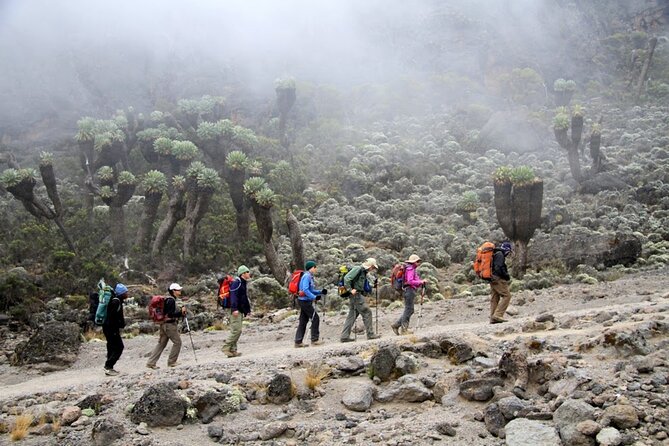
Day 2 is where the terrain starts changing more noticeably. You leave the rainforest zone and move into the moorland area. The scenery shifts, and the views expand.
You hike about 4 to 6 hours and cover around 5 km (about 3 miles), arriving at Shira Camp (3,840 meters). The big perk here is perspective. You can see Mount Meru and the Shira Plateau in the distance on a day that does not feel like a full grind.
Why this matters for your success: shorter distance with higher elevation helps you acclimatize. It also gives you a chance to practice how you will manage breathing when the air thins.
The drawback is that “shorter” does not mean “easy.” Your legs might feel fine while your breathing tells a different story.
Day 3: Lava Tower acclimatization run, then down to Barranco Camp
This day is often the key to feeling confident about the altitude. You hike up toward Lava Tower (4,630 meters), stop for lunch, and rest. Then you descend to Barranco Camp (3,960 meters).
You cover about 10 km (around 6 miles) over roughly 6 to 8 hours. That up-then-down profile is the point. It helps your body adjust instead of only spiking upward.
Why Lava Tower matters: it gives you a high point experience without forcing you to sleep at the highest elevation of the day. You are training your system for what comes later while still keeping the overall pattern climb, acclimatize, recover.
If you want a simple strategy for this day, it is this: go slower than you think you need to. You are not racing. You are setting up your summit attempt.
Day 4: Barranco Wall for strong legs, then Karanga Camp at 4,035 m
Day 4 starts with a climb up the Barranco Wall. It is described as steep but safe, and it does not require special climbing skills. That is great news if you are nervous about technical moves.
Once you reach the top, you get outstanding views before you continue. After the wall, the trail leads through a drier, open area to Karanga Camp (4,035 meters). You hike about 5 km (about 3 miles) in roughly 4 to 5 hours.
What makes this day feel worthwhile is the variety of effort. You get a distinct “workout moment” on the wall, and then you still have enough walking time after to keep your rhythm going.
Consideration: the wall can feel intimidating when you are tired. Treat it like a step-by-step climb, not a test of speed.
Day 5: Barafu Camp prep day, short and steep climb to 4,640 m
Day 5 is all about positioning. You head to Barafu Camp (4,640 meters), and the hike is short but steep. You walk about 4 km (2.5 miles) in roughly 4 to 5 hours through rocky alpine desert.
Then you switch into summit mode. After an early dinner, you rest and prepare for the final challenge.
This is one of the most important psychological shifts in the whole trek. You are no longer just earning camps. You are preparing for midnight to Uhuru.
A practical reality: because you climb higher so quickly, you want to keep your effort controlled. Do not save energy by rushing. Save energy by moving smoothly.
Day 6: Midnight summit to Uhuru Peak (5,895 m) and the long ride down
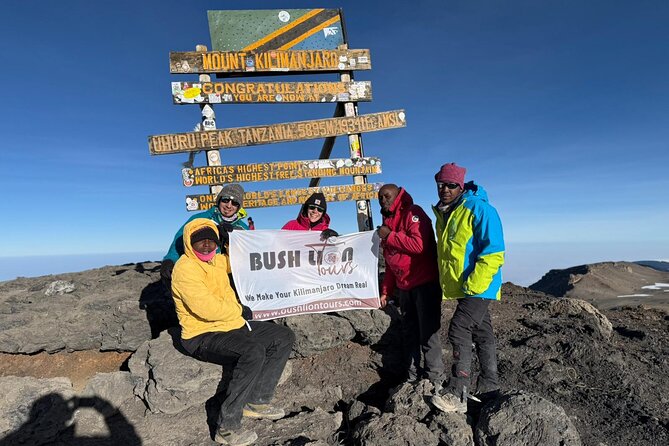
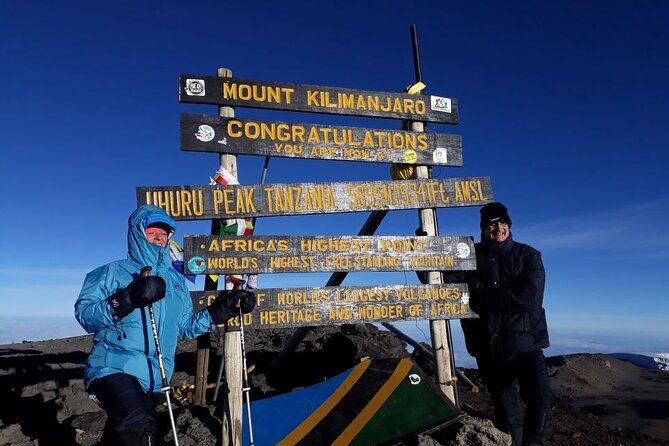
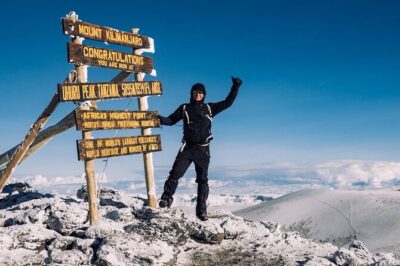
This is the day you came for, and it starts in the dark. You begin the climb around midnight, and you are aiming for Uhuru Peak (5,895 meters).
The summit walk is described as the hardest part, with steep terrain and loose ground. It takes about 7 to 8 hours to reach Uhuru Peak. After celebrating, you descend to Barafu Camp for a short rest. Then you continue down to Mweka Camp (3,110 meters).
Total walking time is long, around 12 to 15 hours, with about 17 km (11 miles) covered for the day.
Why this day is worth the grind: success at Uhuru Peak is the kind of goal you remember for life. You also get a real sense of accomplishment when you finally step onto the highest point in Africa.
What to watch for: loose ground slows everyone down. You can help yourself by keeping your footing deliberate and not over-striding. Also, expect strong fatigue, even for people who felt great earlier.
Day 7: Rainforest descent to Mweka Gate, then celebrate in Moshi
Your final day is a descent through rainforest to Mweka Gate. It is described as green and full of life, and you might even see animals along the way.
You hike about 3 to 4 hours, covering roughly 10 km (6 miles). At Mweka Gate, you get your summit certificate, then the group drives you back to Moshi.
This day is not about pressure. It is about finishing clean and safely. Your knees may be tired, but your mind is likely lighter.
One more nice touch: the summit certificate makes the experience feel official and real, not just a personal moment.
Guides, safety gear, and the feeling of being supported
The consistent praise in past experiences is about people, not just scenery. Many climbs highlight guides who are kind, helpful, and professional, plus a team that keeps you feeling safe and supported.
Names that show up in past groups include Jackson (planning and communication), and guides such as William, Innocent, Kenny, Shafii, Emmanuel, Issa, and Martin. You get that “team” feeling, not a single person disappearing once you set off.
Safety-wise, this tour includes items that reduce worry. You get first aid kits and oxygen tanks, not as a gimmick but as a practical backup for altitude concerns. That matters on summit day when your body is under maximum stress.
Food also earns strong mentions, with people saying it is delicious and that the trek crew supports you from morning to camp. Good meals and clean drinking water help you keep your strength without turning each day into a survival problem.
Who should choose this 7-day private Machame trek
This is a private tour/activity, meaning only your group participates. That’s a plus if you want a more controlled experience and a team that focuses on your pacing.
It also fits people with moderate physical fitness. You do not need to be a mountain athlete, but you should be ready for hours of hiking most days, including the steep summit push.
Based on prior group profiles, it can work for:
- Couples chasing a shared big goal
- Solo travelers who want a structured team and clear communication
- Families, including at least one parent traveling with a 13-year-old
- Friends hiking together as a unit, with multiple experienced guides supporting them
The biggest drawback: the summit night is a real challenge
The biggest caution is built into the schedule. Starting around midnight and walking 7 to 8 hours over steep, loose ground is not a stroll, even if you feel strong that morning.
If you get anxious when conditions are tough, train for patience. If you get nauseous at altitude, slow your pace early. If you want a straightforward attitude, keep it simple: one step, one breath, one camp at a time.
Another consideration is weather sensitivity. The trek requires good weather, and if it is canceled due to poor weather, you are offered a different date or a full refund.
Should you book this Machame Route trek with Bush Lion Trekking and Tours?
I’d book it if you want a well-run Kilimanjaro climb that handles the heavy lifting behind the scenes: permits, transport, camping gear, meals, water, and safety equipment. The Machame Route’s plan also makes sense for people who want altitude adjustment built into the schedule.
Skip or think twice if you are not comfortable with the idea of a long summit night and a very long final day. Also, factor in what is not included: travel insurance, air tickets, personal gear, and tips. That is normal for Kilimanjaro, but you should budget for it.
If you want a serious trek with strong human support, and you like the idea of rainforest mornings turning into summit-night grit, this one is a solid bet.
FAQ
How long is the Machame Route trek?
It runs for 7 days (approx.).
Where does the trek take place?
The trek is based in Moshi, Tanzania, and it hikes within Kilimanjaro National Park.
Is this a private tour?
Yes. It is a private tour/activity, so only your group participates.
What is included in the price for the climb?
Included items are park fees and permits, experienced guides and porters, meals (breakfast, lunch, dinner) during the climb, clean drinking water during the trek, tents and camping equipment, safety equipment (including oxygen tanks and first aid kits), airport transfers, transportation to and from the trailhead, and a Kilimanjaro summit certificate.
What accommodations are provided?
You sleep in tents during the trek. Two nights of accommodation are also included: one night before the trek and one night after.
What are you responsible for bringing?
Personal gear is not included, such as hiking boots, clothing, and backpacks.
What is not included in the overall package?
Air tickets to Tanzania, travel insurance, tips for guides and porters, and additional accommodation and meals before or after the climb are not included.
What is the cancellation policy?
Free cancellation is available. You can cancel up to 24 hours in advance for a full refund, but cancellations within 24 hours of the start time are not refunded.
More Machame Departures
- Kilimanjaro climb, Machame Route (7-day)
★ 5.0 · 262 reviews - Climbing Kilimanjaro – Machame Route
★ 5.0 · 170 reviews - Climbing Kilimanjaro through 7 days Machame Route
★ 5.0 · 151 reviews - #1. Best Kilimanjaro Day hike Tour-Machame Route-ISMANI
★ 4.2 · 47 reviews - 7 Days Machame route – Kilimanjaro
★ 5.0 · 45 reviews
Kilimanjaro, Route by Route
- Kilimanjaro climb by Lemosho Route (7-day)
★ 5.0 · 651 reviews - Kilimanjaro climb, Machame Route (7-day)
★ 5.0 · 262 reviews - Kilimanjaro Climbing Lemosho Route 8 Days.
★ 5.0 · 186 reviews - Climbing Kilimanjaro – Machame Route
★ 5.0 · 170 reviews - Climbing Kilimanjaro through 7 days Machame Route
★ 5.0 · 151 reviews
Just added from around Moshi
Kilimanjaro Machame Route, compared.
 ★ 5.0Kilimanjaro climb, Machame Route (7-day)From $3,377262 reviews
 ★ 5.0Climbing Kilimanjaro – Machame RouteFrom $2,322170 reviews
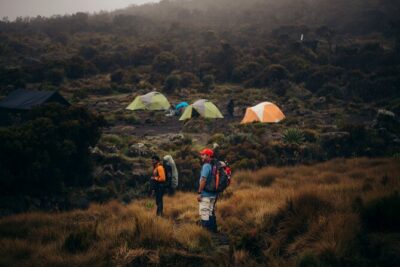 ★ 5.0Climbing Kilimanjaro through 7 days Machame RouteFrom $2,425151 reviews
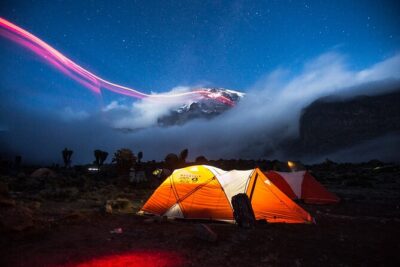 ★ 5.07-Day Machame Kilimanjaro Summit Tour from ArushaFrom $2,695125 reviews
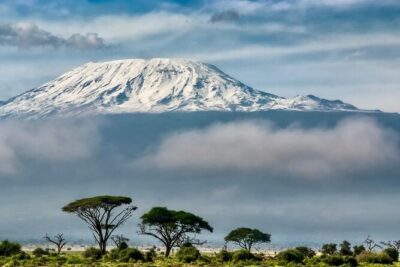 ★ 5.07 Days Kilimanjaro via Machame route affordable priceFrom $2,400110 reviews
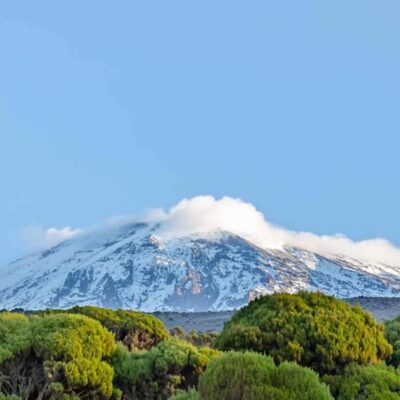 ★ 4.2#1. Best Kilimanjaro Day hike Tour-Machame Route-ISMANIFrom $11547 reviews
 ★ 5.07 Days Machame route – KilimanjaroFrom $2,85045 reviews
 ★ 5.0The Best of Machame Route in 6 Days: Your World’s Summit GuideFrom $1,15044 reviews
Browse the lists this tour appears in