
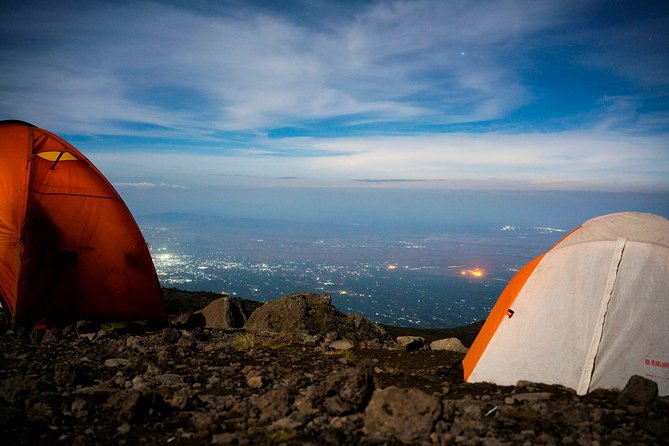
REVIEW · KILIMANJARO MACHAME ROUTE
Machame 7 days Kilimanjaro climb
Chasing sunrise on Kili is a full-body lesson. The Machame 7-day climb is one of the most scenic and popular ways up, often called the Whiskey Route because of how it helps you pace altitude. You get a structured rhythm of climb high, sleep low, which is exactly what your body wants when the mountain starts feeling mean.
Two things I really like about this setup: the route design that targets acclimatization, and the way it’s run with a team that prioritizes safety and organization. At the heart of it is Jackson and his crew, with guidance that keeps you moving at a human pace and support that shows up in the details, like prompt communication and attentive airport pickup.
The main tradeoff to plan for is that this is tented accommodation. That means nights are part of the experience, not a comfort add-on, and summit night can be genuinely challenging even with strong preparation.
In This Review
- Quick, practical highlights before you commit
- Machame Route in plain English: Whiskey Route acclimatization you can feel
- Moshi start: your pre-climb hotel nights and the 8:00am kickoff
- From Machame Gate upward: what 7 days on the mountain really means
- Summit night reality check: pushing for sunrise when it’s cold
- Tents, crew, and the meals that keep you moving
- What you need to bring since personal gear is not included
- Price and value: is $2,800 a fair deal for a 7-day Machame climb?
- Who this Machame 7-day climb suits best
- Should you book this Machame 7-day Kilimanjaro climb with Kili Footprints?
- FAQ
- Where does the Machame climb start and where does it end?
- How long is the Machame 7 days climb?
- What kind of accommodation will I have on the trek?
- What is included in the price?
- Does the trip include pickup from Moshi?
- What if the weather is poor?
Quick, practical highlights before you commit
- Machame Route design: climb high, sleep low for acclimatization over multiple days
- Starts at Machame Gate, ends at Mweka Gate: you’ll ascend one way and descend another
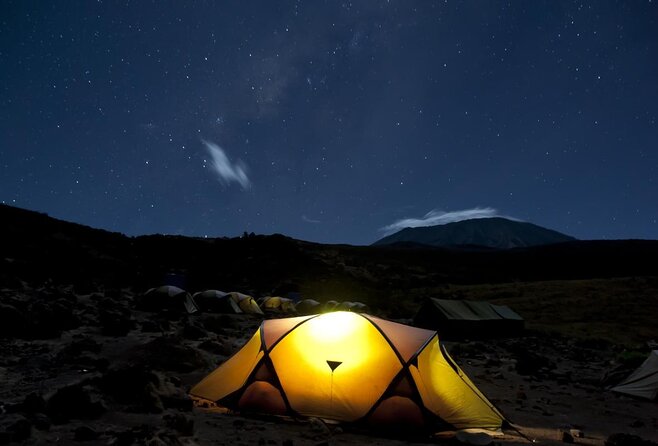
- Tented nights on the mountain: included camping gear and a more outdoorsy feel
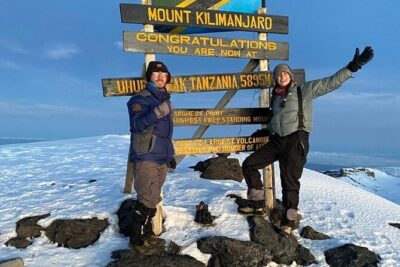
- Summit focus with sunrise timing: summit night is hard, but the goal is to be on top just in time
- Private tour style: only your group participates, with crew wages included
- Value built into the package: park fees, taxes, hotel nights, and trekking meals are part of the price
Other ways up Kilimanjaro we reviewed
- Kilimanjaro climb by Lemosho Route (7-day)★ 5.0 · 651 reviews
- Kilimanjaro climb, Machame Route (7-day)★ 5.0 · 262 reviews
- Kilimanjaro Climbing Lemosho Route 8 Days.★ 5.0 · 186 reviews
- Climbing Kilimanjaro – Machame Route★ 5.0 · 170 reviews
Machame Route in plain English: Whiskey Route acclimatization you can feel
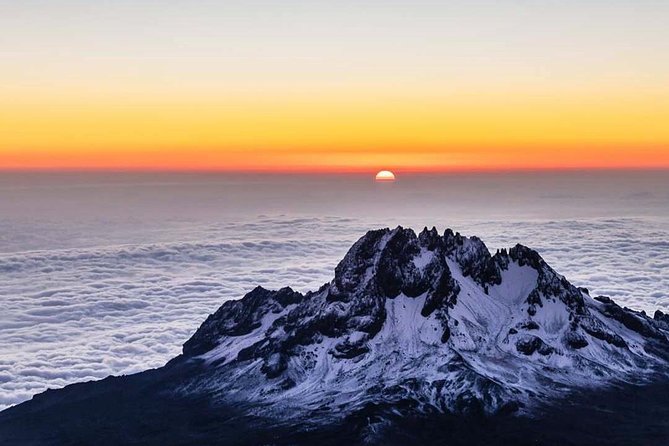
Machame is known as the Whiskey Route, and the nickname fits the vibe. It’s scenic, but it’s also smart about altitude. The big idea is that you climb higher during the day, then sleep lower at night, building tolerance slowly instead of trying to bully the mountain.
That matters because Kilimanjaro altitude is not just a number on a chart. It’s a daily body experience, and the route’s pacing gives you more time to adjust. This is why Machame is popular among climbers with a strong goal of reaching the summit.
You’ll also do the climb from the east approach and finish on a different descent route, ending at Mweka Gate. That variety helps keep the days from feeling like pure repetition. It also means the final leg is its own different kind of work: legs that are tired, weather that can shift, and the mental task of staying steady until the gates.
Moshi start: your pre-climb hotel nights and the 8:00am kickoff
Your trip is based in Moshi, Tanzania, and the start time is 8:00am. If you’re using public transportation, the meeting setup is close enough to make logistics easier. If you’re flying in, pickup is offered, and you should expect someone to help you get settled before the trek really begins.
One of the best parts of the package for many first-timers is the two night hotel stay on a bed and breakfast basis. Even if you plan to be tough, you’ll appreciate a real bed and a proper routine before you switch into mountain-mode. It also gives you time to do the calm, boring stuff well: organize your bag, double-check gear, and get your head right before the first walking day.
This is also where the human side of the operator shows. From the details provided, Jackson’s team communicates promptly, and there’s an emphasis on being there for you at key moments, not just handing you paperwork and disappearing.
From Machame Gate upward: what 7 days on the mountain really means
The climb begins at Machame Gate at the southern base of the mountain. From there, you’re moving from day to day with a steady plan: altitude increases, then you sleep, then you adjust again. That is what “climb high, sleep low” turns into on foot. It’s not a marketing phrase, it’s your daily rhythm.
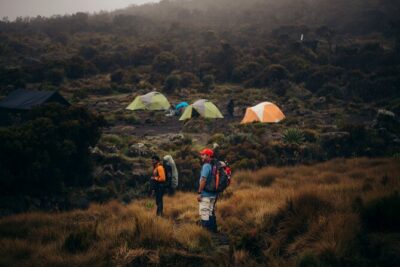
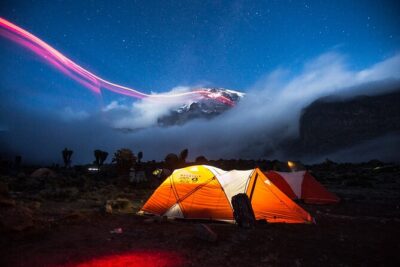
You’ll stay in tented accommodation, and camping equipment is included. That lowers the headache factor. You won’t be stuck trying to rent or buy the right mountain camping items at the last second. Your job is mostly preparation, then showing up and following the pace your guides set.
Because this climb can take six or seven days, choosing the full seven day option is a big deal. Even without fancy stats, more days usually means more opportunities to acclimatize. And in practice, it often means less urgency during the hard moments, which can reduce the risk of pushing too fast.
On Machame, expect long stretches where the pace feels slow on purpose. That’s not a flaw. It’s the strategy. A steady, controlled climb helps you preserve energy for summit night, which tends to be the toughest test of the whole trip.
More Machame departures, compared
Summit night reality check: pushing for sunrise when it’s cold
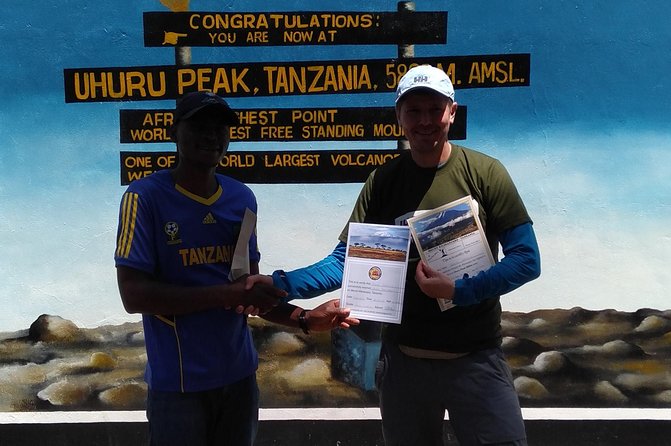
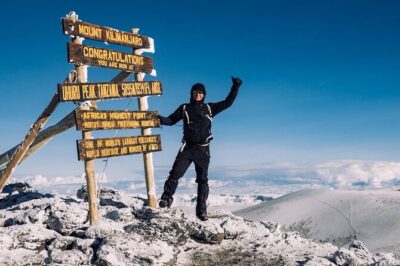
Summit night is where emotions go from excited to focused, fast. The goal is to reach the peak just in time for sunrise, which is a common highlight of a successful Machame climb. The pattern you should prepare for is early starts, cold temperatures, reduced oxygen, and a slow grind upward where your breathing becomes the main job.
The summit attempt can be challenging even when everything goes right. That’s normal. What isn’t normal is guides who ignore the reality of altitude. The best sign in the information you have here is the consistent emphasis on guides keeping you safe and in good hands, plus team support that helps you finish the climb rather than just start it.
Also, you’ll likely appreciate how the operator handles the emotional side. One of the clearest details included is how well organized the trek is, especially around the biggest night of the journey. When summit night is hard, being able to trust that the plan is solid helps your brain stop wasting energy on worry.
Tents, crew, and the meals that keep you moving
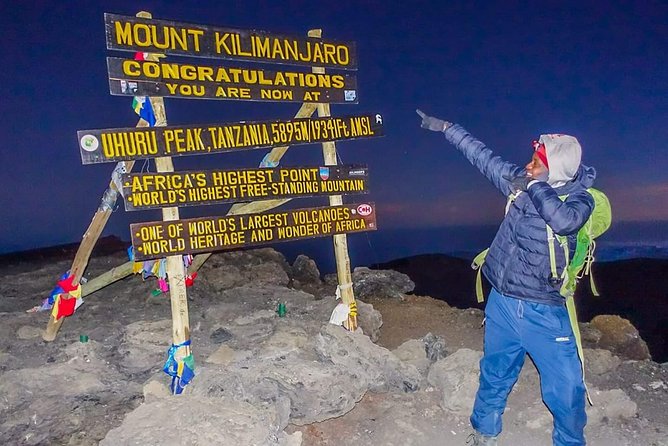
Food on Kilimanjaro isn’t just comfort. It’s fuel for altitude work. In this package, you’ll get four meals during the trek, and crew wages are included, which usually reflects how seriously the logistics are handled.
Even with meals provided, plan to treat snack and water strategy as part of your job. The included meals help, but you might still want extra small items in your daypack, depending on what your body likes. The mountain doesn’t care about your travel plans, it cares about calories and hydration.
Camping equipment is included, which is a practical win. You won’t need to source everything from scratch. Still, the package does not include personal climbing gear, so you should budget time to gather the essentials before you arrive. If you show up underprepared, you’ll waste precious energy and money fixing problems mid-trip.
Then there’s the crew side. Across the provided feedback, the cook quality comes up. When meals are good, you eat better. When you eat better, you sleep better. And when you sleep better, you’re more capable of handling the next day’s climb.
What you need to bring since personal gear is not included
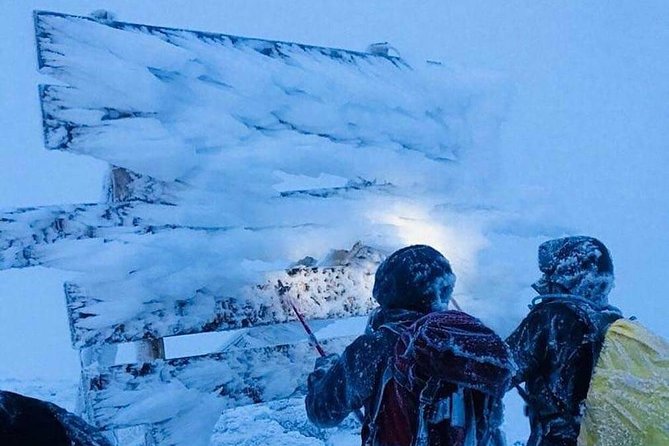
The tour includes camping gear, but personal climbing gear is not included, so you’ll want to build your kit carefully. What that typically means for your planning is that you should expect to bring items for:
- Cold weather and wind protection
- Foot support and socks that work for long days
- A daypack for water, snacks, and layers
The good news is you can prep without guessing about tents or core camping setup. The package handles the camping side, so your focus can stay on personal comfort and safety gear.
You should also plan on packing with altitude in mind. Layers matter more than weight. Breathable fabrics help. And if your shoes are even slightly “almost okay,” this is where they can become a problem.
Price and value: is $2,800 a fair deal for a 7-day Machame climb?
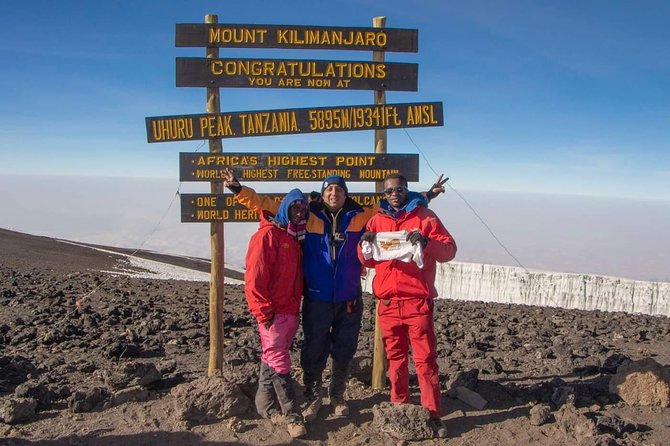
At $2,800 per person, this climb is not cheap, and that’s exactly why you should look at what’s included. This price covers:
- All fees and taxes
- Camping equipment
- Two nights in a midrange hotel, bed and breakfast
- Crew wages
- Four meals during the trek
That means you are paying for a package that reduces the biggest money-suck categories: park fees and staffing. It also reduces the stress category: you’re not piecing together hotel nights, permits, and equipment at the last minute.
Where the value gets strongest is when you factor in the full experience arc. You’re not just buying a summit. You’re buying a route choice designed for acclimatization, plus a private tour setup where your group is the only group participating. That can matter a lot for communication and pace control.
If you’re a budget traveler who already owns the right gear and wants to travel purely on your own, you might compare costs. But if you want structure, reliable logistics, and experienced guidance, the included items here do a lot of work to justify the total.
Who this Machame 7-day climb suits best
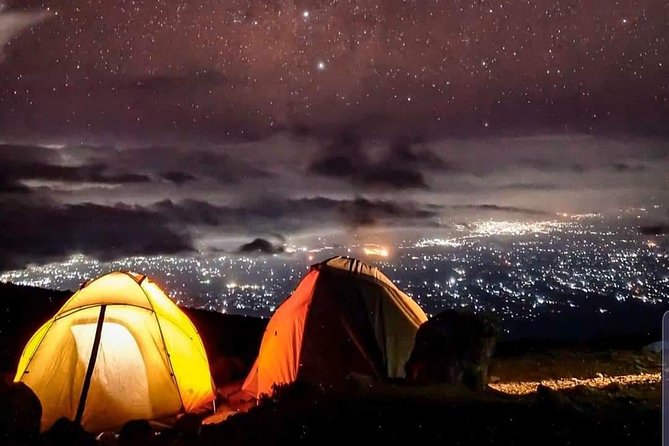
This climb is for you if you have strong physical fitness and you want a serious shot at the summit with a route that prioritizes acclimatization. Machame’s approach is designed to give your body time, which fits travelers who can handle several days of sustained uphill walking and cold nights.
It’s also a good match if you value teamwork and organization. The details you have here point to guides and crew who keep people feeling secure, plus meals that are taken seriously. When you’re pushing through summit night, that kind of calm support is not a nice-to-have. It’s practical.
This might be less ideal if you strongly dislike camping, even in decent conditions. Tented nights are part of the deal, and you should be comfortable with outdoors living for almost a week.
Also consider your gear comfort. Since personal climbing gear is not included, you’ll want to bring or buy the right items. If you hate preparing, factor that effort into your decision.
Should you book this Machame 7-day Kilimanjaro climb with Kili Footprints?
I would book if you want a Machame climb that feels structured, safe, and tuned for acclimatization. The combination of Whiskey Route pacing, a private group approach, and a team that shows up clearly at key moments like airport pickup makes this feel like a real service, not just a ticket to a trail.
I’d hesitate if tent camping is a dealbreaker for you or if you’re not ready to bring your own personal climbing gear. Summit night can be tough no matter what, and Machame does not pretend otherwise. It helps you maximize your chances, but it still asks you to do the work.
If you’re the kind of person who wants sunrise on the summit, then comes back down with a plan, this is a strong fit.
FAQ
Where does the Machame climb start and where does it end?
The climb starts at Machame Gate at the southern base of Kilimanjaro and descends to finish at Mweka Gate.
How long is the Machame 7 days climb?
The experience is listed as about 7 days (approx. 7 days 4 hours 59 minutes).
What kind of accommodation will I have on the trek?
Accommodation on the mountain is tented. The trip also includes two nights in a midrange hotel on a bed and breakfast basis.
What is included in the price?
Included items are all fees and taxes, camping equipment, two hotel nights (bed and breakfast), crew wages, and four meals during the trek.
Does the trip include pickup from Moshi?
Pickup is offered, and the meeting time is 8:00am.
What if the weather is poor?
This experience requires good weather. If it is canceled due to poor weather, you’ll be offered a different date or a full refund.
More Machame Departures
- Kilimanjaro climb, Machame Route (7-day)
★ 5.0 · 262 reviews - Climbing Kilimanjaro – Machame Route
★ 5.0 · 170 reviews - Climbing Kilimanjaro through 7 days Machame Route
★ 5.0 · 151 reviews - #1. Best Kilimanjaro Day hike Tour-Machame Route-ISMANI
★ 4.2 · 47 reviews - 7 Days Machame route – Kilimanjaro
★ 5.0 · 45 reviews
Kilimanjaro, Route by Route
- Kilimanjaro climb by Lemosho Route (7-day)
★ 5.0 · 651 reviews - Kilimanjaro climb, Machame Route (7-day)
★ 5.0 · 262 reviews - Kilimanjaro Climbing Lemosho Route 8 Days.
★ 5.0 · 186 reviews - Climbing Kilimanjaro – Machame Route
★ 5.0 · 170 reviews - Climbing Kilimanjaro through 7 days Machame Route
★ 5.0 · 151 reviews
Just added from around Moshi

Kilimanjaro Machame Route, compared.
 ★ 5.0Kilimanjaro climb, Machame Route (7-day)From $3,377262 reviews
 ★ 5.0Climbing Kilimanjaro – Machame RouteFrom $2,322170 reviews
 ★ 5.0Climbing Kilimanjaro through 7 days Machame RouteFrom $2,425151 reviews
 ★ 5.07-Day Machame Kilimanjaro Summit Tour from ArushaFrom $2,695125 reviews
 ★ 5.07 Days Kilimanjaro via Machame route affordable priceFrom $2,400110 reviews
 ★ 4.2#1. Best Kilimanjaro Day hike Tour-Machame Route-ISMANIFrom $11547 reviews
 ★ 5.07 Days Machame route – KilimanjaroFrom $2,85045 reviews
 ★ 5.0The Best of Machame Route in 6 Days: Your World’s Summit GuideFrom $1,15044 reviews
Browse the lists this tour appears in