
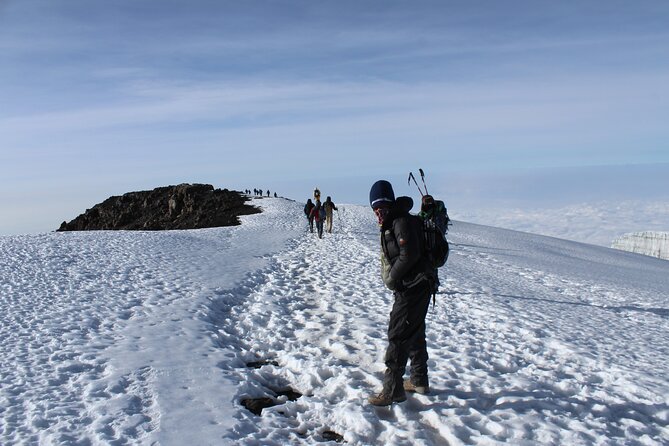
REVIEW · KILIMANJARO MACHAME ROUTE
Kilimanjaro Trek 7 Days – Machame Route
A midnight summit push on Kilimanjaro tests you in a good way. This 7-day Machame Route trip out of Moshi strings together big altitude changes with some of the mountain’s prettiest scenery, from rain forest to alpine desert. I also like how the plan builds in acclimatization moments, not just nonstop climbing.
Two things I really like: you get a full support setup (guides, cooks, porters, tents, meals) and the itinerary hits classic spots like Lava Tower and the Great Barranco Wall. One thing to consider, though: the trek is weather-dependent and the hardest day is the summit night, when it is cold, windy, and mentally demanding.
You do not need to be a mountaineer, but you do need steady pace skills and a willingness to follow your team’s guidance. In past feedback tied to Kilitwende Adventures, I see names like Jerry, Joseph, Sadhi, Nate, John, and Bobby/Robert coming up as part of the support crew, with people praising professionalism and care for comfort. Still, at $2,890 per person, this is not a budget hike, and you will still pay for some core gear and tips.
In This Review
- Key highlights that matter on Machame
- Machame Route in 7 days, and why this itinerary wins
- Price and logistics: what $2,890 covers, and what it does not
- Fitness and gear reality check before Moshi
- Day-by-day on Machame: ecosystems, climbs, and where the day feels hardest
- Day 1: Moshi to Machame Camp through the rain forest
- Day 2: Shira Plateau and heather to Shira Cave Camp
- Day 3: Lava Tower area, then a smart drop to Barranco Camp
- Day 4: Great Barranco Wall climb and Karanga Valley landing
- Day 5: Barafu Hut, southern-circuit views, and summit preparation
- Day 6: Summit night, Stella Point at sunrise, then down to Mweka Camp
- Day 7: Mweka Gate descent and summit certificate day
- Camps, meals, toilets, and the comfort points that change everything
- Crew, safety culture, and why names keep coming up
- Who this Machame trek is best for
- Should you book this Machame 7-day Kilimanjaro trek?
- FAQ
- What time does the Kilimanjaro Machame trek start?
- Does the package include pickup from Moshi and transfers to the mountain gates?
- Where do you sleep before and after the trek?
- What is included for meals and camping setup?
- Is oxygen provided for emergencies?
- What gear is not included, and are there hire options?
- What happens if weather is poor?
- Is the trek private?
Key highlights that matter on Machame
- Scenery-rich route choice in 7 days: Machame is often picked for its beauty and strong track record.
- Acclimatization is built into the rhythm: You go high (Lava Tower area) and then back down to camp the same day.
- Iconic terrain you actually hike through: Shira Plateau, Senecio Forest, Great Barranco Wall, and the final grind to Uhuru Peak.
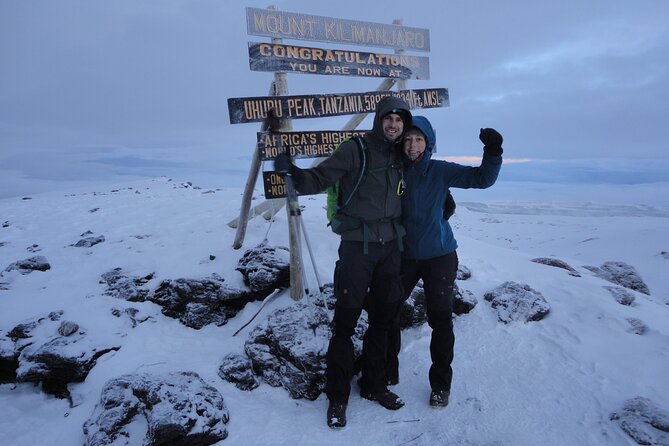
- Summit logistics with sunrise at Stella Point: The plan aims for sunrise timing around Stella Point.
- Camp comfort details included: portable flush toilet, dining tent setup, mattresses, and three meals per climb day.
- Team attention to the human side: Feedback highlights safety, organization, and support for food needs.
Other ways up Kilimanjaro we reviewed
- Kilimanjaro climb by Lemosho Route (7-day)★ 5.0 · 651 reviews
- Kilimanjaro climb, Machame Route (7-day)★ 5.0 · 262 reviews
- Kilimanjaro Climbing Lemosho Route 8 Days.★ 5.0 · 186 reviews
- Climbing Kilimanjaro – Machame Route★ 5.0 · 170 reviews
Machame Route in 7 days, and why this itinerary wins
Machame Route is the “go for it” choice on Kilimanjaro if you want variety. You start in forest, work up through moorland, then shift into alpine desert. That change in ecosystems is not just scenery for photos. It also means the air changes fast, and the trekking feels different day to day.
The other reason Machame is so popular is the 7-day pacing. Short enough to be practical, long enough to give you acclimatization chances. The route is also known as the Whiskey route. The name might get mentioned in conversation when people talk about this path, but the real reason you will care is the balance between demanding hiking and rewarding views.
From a value standpoint, this plan covers the core “what you need” pieces: park and camping fees, a trained crew, and transfers in and out of the mountain gates. That matters because Kilimanjaro is not just hiking. It is administration, logistics, and safety planning layered on top.
Price and logistics: what $2,890 covers, and what it does not
At $2,890 per person, you are paying for a lot more than a guide telling you where to step. The included items are the backbone of a smooth climb:
- Park entry fees, forest fees, camping fees, and rescue fees (with 18% VAT on tour fees and services)
- Sleeping and dining infrastructure: tent, mattress (1.5 inches foam), table and chairs, mess tent setup
- Professional guides, cooks, and porters
- Hotel stay in Moshi: 1 night before and 1 night after the trek (bed and breakfast)
- Mountain gate transfers, plus round-trip airport transfers to JRO
- Three meals per day during the climb (breakfast, lunch, dinner)
- A portable flush toilet and toilet tent
- An oxygen tank for emergency use
What is not included is where many first-time trekkers get surprised. Your personal gear and documents are on you, and you will likely budget for:
- Sleeping bag hire (listed at $40), duffle bag hire ($35), hiking boots ($40), walking sticks ($10), and other personal equipment
- Tips for your guides, porters, and cook
- Any lunches and dinners while you are at the hotel in Moshi
- Travel insurance and any visa or flight costs
So is it good value? For Kilimanjaro, yes, if you prefer a complete package where the logistics are handled and your focus stays on hiking and acclimatization. It is less “value” if you already own most gear, dislike set meal schedules, or want to keep this super budget.
Fitness and gear reality check before Moshi
This trek is best for moderate physical fitness. That sounds friendly, but Kilimanjaro still requires grit. Even if the route is described as non-technical in key sections, you will hike long days with altitude in the mix.
Your success on Machame will come down to:
- Pacing (slow, steady, consistent)
- Stamina for day 5 and especially day 6
- Willingness to accept colder, windier conditions near the summit window
- Packing essentials so you are not improvising at altitude
The gear info you should take seriously is simple: you will want a sleeping bag even if you hire it for $40, and you will want proper hiking boots if you do not already have them. Walking sticks at $10 can also help you manage steep descents like the Barranco area.
One more practical note: this is described as a private tour, so it is only your group on the trek. That is great for pacing and comfort, but it also means you should line up your group decisions early.
More Machame departures, compared
Day-by-day on Machame: ecosystems, climbs, and where the day feels hardest
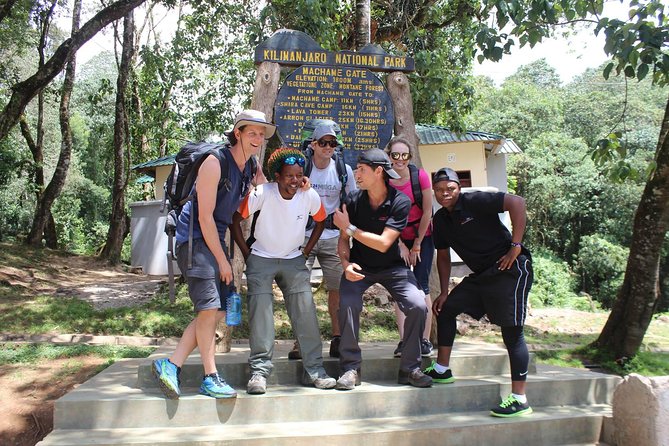
Day 1: Moshi to Machame Camp through the rain forest
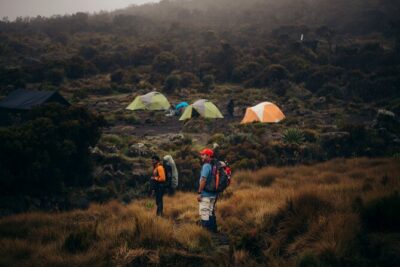
You leave Moshi after breakfast and drive to Machame gate, about an hour. After registration, you start hiking through dense rain forest on a winding trail up toward Machame Camp (2,833m / 9,350ft). It is a long first day (about 5 to 7 hours for 11 km).
What I like about this start is that it is not a sudden altitude shock. You start in the forest zone, and you start moving before you go too high. The climb still asks for effort, but it is the kind of effort you can settle into.
Possible drawback: rain forest hiking can be muddy and slower than you expect. If you start too fast, your legs pay the price later.
Day 2: Shira Plateau and heather to Shira Cave Camp
Day 2 is shorter distance (5 km) but still 4 to 6 hours. You leave the rain forest glades and climb into a higher-feeling world: heath and open moorlands. The trail crosses a large river gorge before you reach Shira Cave Camp.
This day is about transition. Your body feels the altitude shift, even if the hike does not look brutal on paper. The habitat change is dramatic: lush forest energy turns into wide, windy terrain.
What to watch for: wind and temperature swings. Even without summit cold, you can feel it up here.
Day 3: Lava Tower area, then a smart drop to Barranco Camp
Day 3 is one of the most important days for acclimatization, and you can feel that in the route profile. You start by heading toward Lava Tower (4,603m / 15,190 ft), then after lunch you descend to Barranco Camp (3,953m / 13,044ft) through Senecio Forest.
The plan lists about 4 to 5 hours total, with a key segment from Lava Tower to Barranco Camp of 2 to 3 hours. The key point is the altitude strategy: you spend time higher and end the day at a lower camp. That is exactly the kind of pattern that helps many hikers adjust.
This is also where your hike starts to feel like a “Kilimanjaro trek” rather than a simple walk. The terrain is more exposed, and the scenery gets stranger and more volcanic.
Day 4: Great Barranco Wall climb and Karanga Valley landing
Day 4 begins by descending into the base of the Great Barranco Wall, then climbing the wall itself. The climb is described as non-technical but steep, nearly 900 ft. After reaching the top, you cross hills and valleys and then descend sharply into Karanga Valley, where it is the last water point, before climbing to Karanga Camp.
Expect about 4 to 5 hours for around 5 km, plus the emotional experience of doing a steep cliff day after already being at altitude. This is not a technical climb, but the steepness can still frustrate you if you rush.
Practical tip: start the wall climb slowly and keep your breathing controlled. Short breaks are fine, and you should use them early rather than “white-knuckling” the full ascent.
Day 5: Barafu Hut, southern-circuit views, and summit preparation
Day 5 is a turning point. You pass a junction toward the Mweka Trail, climb up a rocky section, and reach Barafu Hut. At this point you have completed the southern circuit and you get views of the summit from many angles.
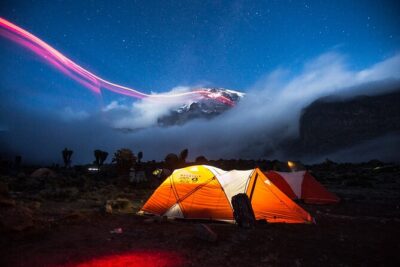
Then you arrive at camp, rest, eat early, and prepare for the summit push that starts midnight on day 6. This day is listed around 4 to 5 hours for 4 km.
What I like here is the “setup” feel. You get a perspective shift, and then you transition from hiking mode to sleep, hydration, and gear-ready mode. That mental change matters.
Possible drawback: the early dinner and preparation can feel anticlimactic if you want to keep sightseeing. Your main job on this day is to set yourself up for the night.
Day 6: Summit night, Stella Point at sunrise, then down to Mweka Camp
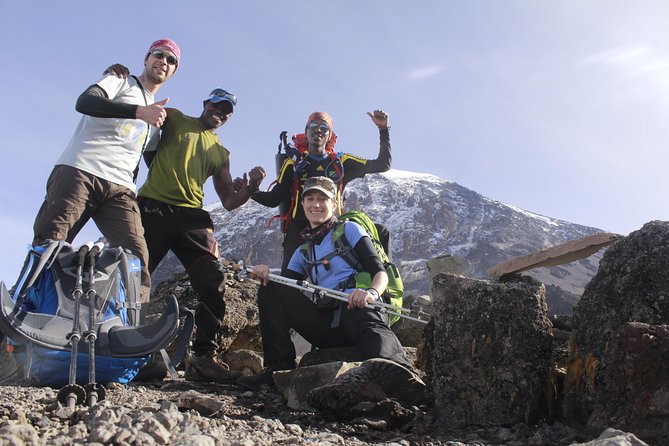
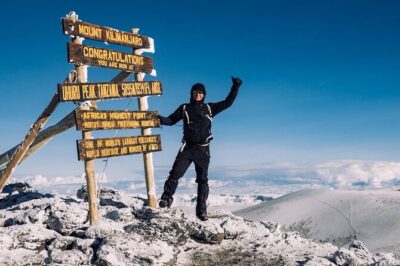
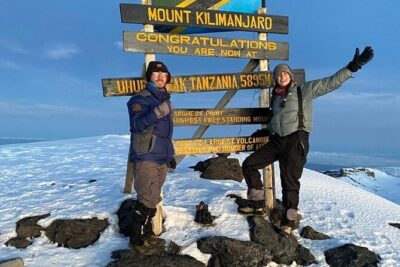
This is the day that defines Kilimanjaro. You start at midnight, push upward in darkness for several hours, and deal with wind and cold. You take short breaks and keep climbing until you reach Stella Point (18,900 ft) around sunrise, then continue to Uhuru Peak (5895m / 19,341 ft).
After spending a short time on the summit for photos, you descend to Mweka Camp (3100m / 10,065ft). The distance listed for the segment is 12 km (7 miles), with an overall hiking time of 4 to 6 hours.
What I love about this plan is the sunrise timing. Sunrise at Stella Point is a real “hold on, we made it” milestone that keeps morale up when the climb is otherwise all fatigue.
How to handle it: go easy on the pace in the dark. You are not trying to win a race. You are trying to keep moving safely while your body adjusts to altitude stress.
Day 7: Mweka Gate descent and summit certificate day
Your last day is a downhill finish, about 3 hours after breakfast. You walk down to Mweka Gate, sign out to the national park authority, collect your summit certificates, and then get transferred back to your hotel in Moshi. The route is listed at 10 km (6 miles).
This is the day for relief and quiet satisfaction. Your legs will feel the altitude work for sure, but the mental pressure eases because you know the end is in sight.
Camps, meals, toilets, and the comfort points that change everything
Kilimanjaro is cold at night, and you sleep on a thin layer of gear reality. This itinerary helps by including a tent setup, sleeping mattress (1.5 inches thick foam), a dining tent, and table and chairs. That is not luxury, but it is functional.
Meals are also included: three meals a day during the climb. People often focus on summit day, but food and hydration in the middle days are what keep you working. In feedback tied to Kilitwende, I saw repeated praise for care and food quality, with mention that diet restrictions can be accommodated.
One practical comfort feature that matters more than you might think: a portable flush toilet with a toilet tent. On multi-day treks, this is a quality-of-life upgrade that reduces stress and keeps your routine less messy.
Crew, safety culture, and why names keep coming up
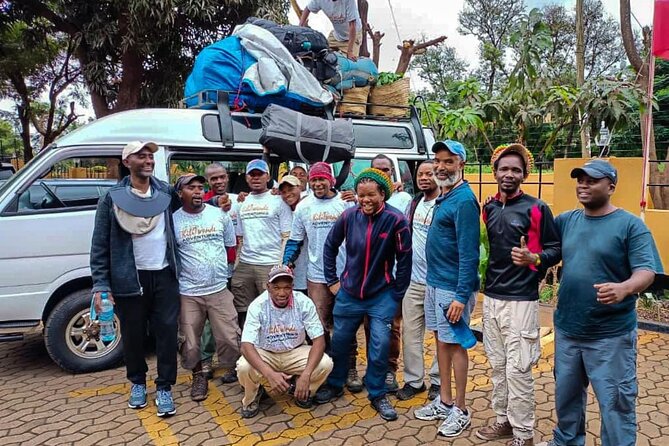
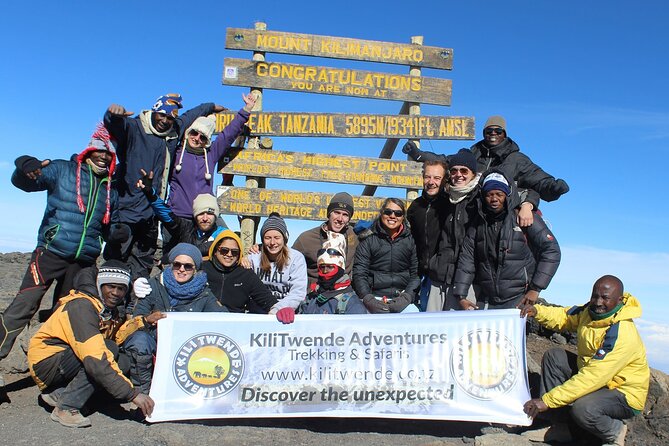
Kilimanjaro is a human-powered adventure. Your guides, cooks, and porters are the system that makes it run. Kilitwende Adventures includes professional guides plus cooks and porters, and there is also an oxygen tank available in case of emergency.
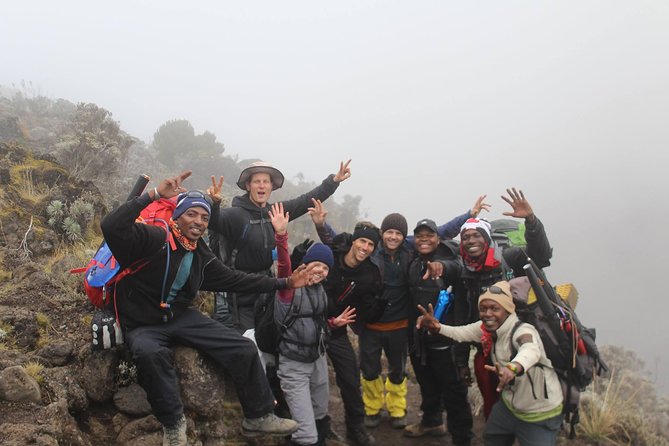
Past feedback repeatedly points to organization, professionalism, patience, and a sense of safety. Names that came up include Jerry, Joseph, Sadhi, Nate, John, and team members like Bobby and Robert. I cannot promise which individuals you will meet, but I can say the pattern is consistent: the team is central to the experience, not just background logistics.
A key takeaway for you: bring your questions early and ask about your pacing, hydration plan, and how you should handle cold and wind. A good crew will not only manage the route, they will manage your confidence too.
Who this Machame trek is best for
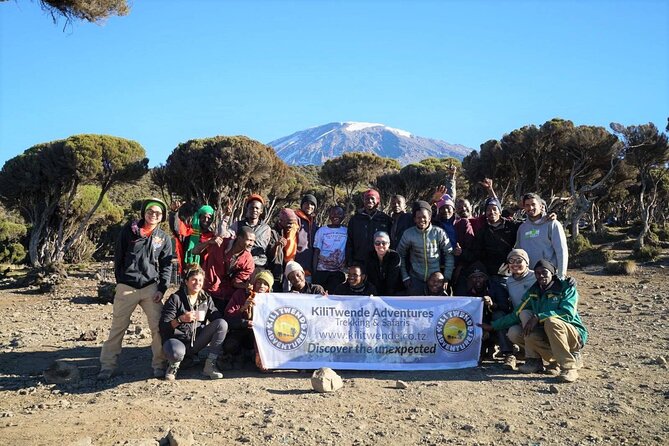
This trek fits best if you:
- Want a scenic, ecosystem-changing Kilimanjaro route
- Are aiming for a classic 7-day plan with a summit window built into the schedule
- Prefer a private-group experience
- Like the idea of a full package where meals, camping gear, and park fees are handled
It may not be ideal if you:
- Want ultra-budget travel and already plan to source everything yourself
- Are not comfortable with the summit night challenge, including cold and wind at high altitude
- Have flexibility issues around weather, since the experience requires good weather and the trek can be canceled due to poor conditions
Should you book this Machame 7-day Kilimanjaro trek?
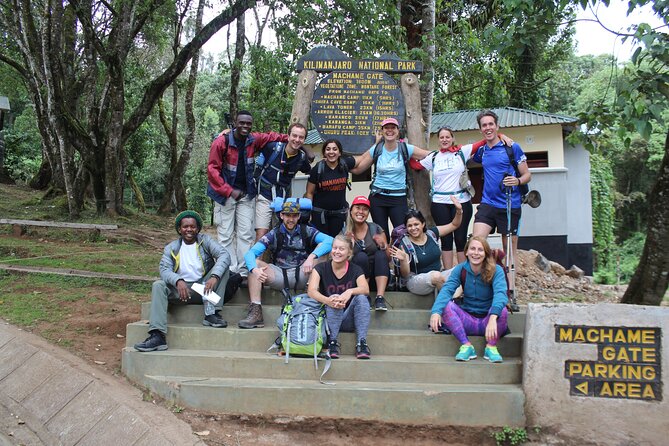
If your goal is to hike Machame for its scenery and do a structured 7-day climb with support you can rely on, I would consider this a strong choice. The value comes from how much is included: crew, park and camping fees, transfers, meals, tents, mattresses, and a practical emergency setup like the oxygen tank.
I would book if you are ready for the reality of summit night and you plan your gear and training so you are not arriving stressed. If you are on the fence because of budget, compare not just the price, but what you would have to pay for separately, like camping logistics, park fees, and basic essential gear.
FAQ
What time does the Kilimanjaro Machame trek start?
The meeting time listed is 8:30 am.
Does the package include pickup from Moshi and transfers to the mountain gates?
Yes. Pickup is offered, and transfers are included to and from the mountain gates. Round-trip airport transfers to Kilimanjaro International Airport (JRO) are also included.
Where do you sleep before and after the trek?
Hotel accommodation is included for 1 night before and 1 night after the trek, with bed and breakfast.
What is included for meals and camping setup?
During the climb you get three meals a day. Camping includes a sleeping tent, dining tent, sleeping mattress (foam, 1.5 inches thick), and table and chairs. A portable flush toilet with a toilet tent is also provided.
Is oxygen provided for emergencies?
Yes, an oxygen tank is included for emergency use.
What gear is not included, and are there hire options?
Sleeping bag hire is listed at $40, duffle bag hire at $35, hiking boots at $40, and walking sticks at $10, plus other personal equipment you may need.
What happens if weather is poor?
The experience requires good weather. If it is canceled due to poor weather, you will be offered a different date or a full refund.
Is the trek private?
Yes. It is a private tour/activity, and only your group participates.
More Machame Departures
- Kilimanjaro climb, Machame Route (7-day)
★ 5.0 · 262 reviews - Climbing Kilimanjaro – Machame Route
★ 5.0 · 170 reviews - Climbing Kilimanjaro through 7 days Machame Route
★ 5.0 · 151 reviews - #1. Best Kilimanjaro Day hike Tour-Machame Route-ISMANI
★ 4.2 · 47 reviews - 7 Days Machame route – Kilimanjaro
★ 5.0 · 45 reviews
Kilimanjaro, Route by Route
- Kilimanjaro climb by Lemosho Route (7-day)
★ 5.0 · 651 reviews - Kilimanjaro climb, Machame Route (7-day)
★ 5.0 · 262 reviews - Kilimanjaro Climbing Lemosho Route 8 Days.
★ 5.0 · 186 reviews - Climbing Kilimanjaro – Machame Route
★ 5.0 · 170 reviews - Climbing Kilimanjaro through 7 days Machame Route
★ 5.0 · 151 reviews
Just added from around Moshi
Kilimanjaro Machame Route, compared.
 ★ 5.0Kilimanjaro climb, Machame Route (7-day)From $3,377262 reviews
 ★ 5.0Climbing Kilimanjaro – Machame RouteFrom $2,322170 reviews
 ★ 5.0Climbing Kilimanjaro through 7 days Machame RouteFrom $2,425151 reviews
 ★ 5.07-Day Machame Kilimanjaro Summit Tour from ArushaFrom $2,695125 reviews
 ★ 5.07 Days Kilimanjaro via Machame route affordable priceFrom $2,400110 reviews
 ★ 4.2#1. Best Kilimanjaro Day hike Tour-Machame Route-ISMANIFrom $11547 reviews
 ★ 5.07 Days Machame route – KilimanjaroFrom $2,85045 reviews
 ★ 5.0The Best of Machame Route in 6 Days: Your World’s Summit GuideFrom $1,15044 reviews
Browse the lists this tour appears in