
REVIEW · KILIMANJARO MACHAME ROUTE
KILIMANJARO MACHAME ROUTE, (Climb 7days) “Whiskey” route
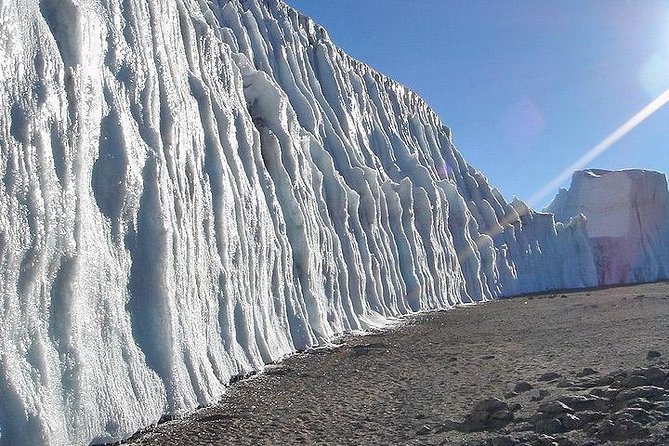
Kilimanjaro does not do gentle. This 7-day Machame (Whiskey) climb is built for gradual altitude work, so you spend more time acclimatizing before the big effort. You also get a big mix of environments, from rain forest to high arctic conditions near Uhuru Peak.
I really like the human side of this trip. Paul and his team are described as careful, attentive, and kind, and that matters on a mountain where small things can wreck your day. I also like that Paul can cater for a gluten-free diet, which is a big deal when you need your energy to stay steady.
The main consideration is the summit night. You start around midnight, and the wind and cold at that elevation can be extreme, so this is not a “happy stroll” even if you train. If you have only light fitness, you’ll probably find the mental grind harder than you expect.
In This Review
- Key things that stood out on this climb
- Why the Machame Whiskey route is a smart way to tackle Kilimanjaro
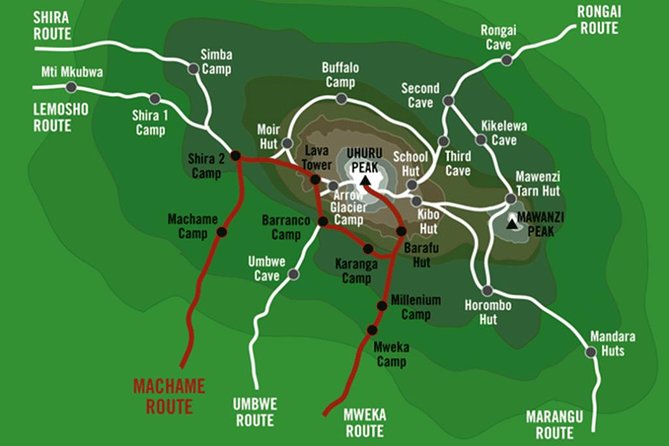
- Day 1, from Moshi to Machame Gate, then into rainforest to Machame Camp
- Day 2 to Shira 2 Camp, leaving the forest for heather and moorlands
- Day 3, Lava Tower and the Senecio Forest descent to Barranco
- Day 4, the Great Barranco Wall and a shorter acclimation day to Karanga
- Day 5, Barafu Camp, finishing the Southern Circuit, and preparing for summit night
- Day 6, midnight to Uhuru Peak, sunrise near Stella Point, then the long way down to Mweka Camp
- Day 7, Mweka Gate descent, summit certificates, and return to Moshi or Arusha
- Paul and team, the support that can make or break your experience
- Pickup, tickets, and how the logistics fit real life
- Fitness reality check, what moderate fitness means on Kilimanjaro
- Is $2,564.11 good value for a 7-day private Kilimanjaro climb?
- Who should book the Machame Whiskey route?
- Should you book this Kilimanjaro climb, yes or no?
- FAQ
- How long is the Kilimanjaro climb on this Machame route?
- What is the starting and ending point of the route?
- What is the biggest physical challenge on this itinerary?
- What types of environments will you hike through?
- Is this a private tour or group experience?
- Is pickup included?
- Is there a suggested fitness level?
- What is the cancellation refund timeline?
Key things that stood out on this climb
- Private group climb where it is only your group participating
- Machame to Shira to Lava Tower progression with planned altitude benefits
- Great Barranco Wall as a memorable, steep but non-technical challenge
- Summit push around midnight with cold and wind, then the Mweka descent
- Paul’s team support including reported gluten-free food options
- Park entry handled with admission indicated in the itinerary
Other ways up Kilimanjaro we reviewed
- 8-Day Small-group Lemosho Kilimanjaro Summit Trekking★ 5.0 · 186 reviews
- 7-Day Machame Kilimanjaro Summit Tour from Arusha★ 5.0 · 125 reviews
- Mountain Kilimanjaro Day Hike★ 5.0 · 102 reviews
- 4 days Best experience Kilimanjaro Hike, Serengeti &Ngorongoro★ 5.0 · 54 reviews
Why the Machame Whiskey route is a smart way to tackle Kilimanjaro
You can treat Kilimanjaro like a checklist, or you can treat it like a climb. This Machame (Whiskey) route leans into the second mindset, with days that deliberately move you upward, then pause just long enough for your body to adjust.
What I like most is that the route uses both time and elevation juggling. You are not just going up, up, up. You get a push to Shira 2, then another higher day reaching Lava Tower, then the plan includes a descent into the Senecio Forest before you go back up. That mix is exactly what you want when you’re trying to reduce the odds of getting hit hard by altitude.
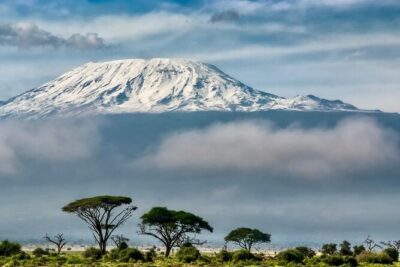
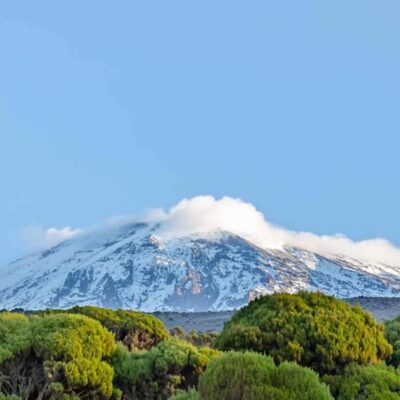
Also, Machame is known for variety. You’ll see rain forest early, then heath and open moorland, then alpine desert, and finally the icy conditions at the top. That means you get a full “feel” for what Kilimanjaro is doing to you, not just on summit day, but across multiple days.
Day 1, from Moshi to Machame Gate, then into rainforest to Machame Camp
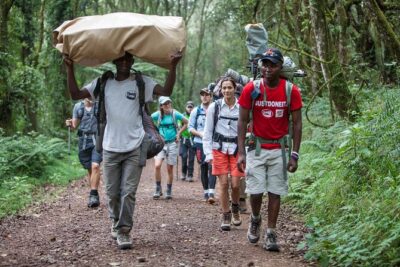
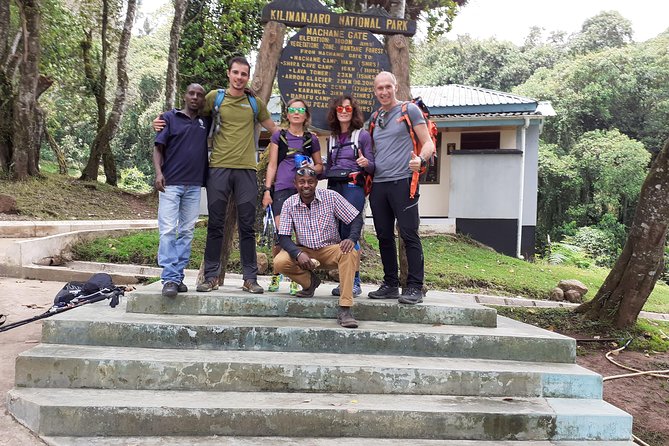
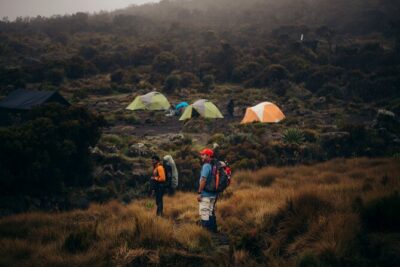
Day 1 starts with a drive from Moshi to Machame Gate, about 50 minutes. After the gate, you walk into dense rain forest on a winding trail up a ridge to Machame Camp.
The hike time is listed at about 5 to 7 hours, with elevation rising from 5,380 ft to 9,350 ft. It is a solid opener, not too long for the day, but enough to get you breathing a bit harder. The habitat label here is rain forest, which usually means warmer air and more moisture, and that can change how your clothes feel fast.
Practical takeaway: treat this first day like training. You are not trying to prove anything. Start slower than you think, and save effort for the higher days when your body will feel the altitude more.
Day 2 to Shira 2 Camp, leaving the forest for heather and moorlands
On Day 2, you go from Machame Camp to Shira 2 Camp. Elevation climbs from 9,350 ft to 12,500 ft over about 4 to 6 hours, with a short distance listed at 5 km.
You leave the glades of the rain forest and move onto a path that becomes steep and rocky. Then you reach the Shira Plateau, where you pass through heather and open moorlands, then cross a large river gorge to get to Shira 2 Camp. The habitat here is heath, and it feels very different from the first day.
This is a key acclimatization day because you’re getting higher, but not jumping straight to the top zones. Even though Shira 2 is already high, the day structure supports your body getting used to thinner air before the route pushes again.
Practical takeaway: you might feel fine at camp, but your sleep quality can change when altitude rises. Keep your water steady and pay attention to how you’re breathing, not just how your legs feel.
More Machame departures, compared
Day 3, Lava Tower and the Senecio Forest descent to Barranco
Day 3 is one of the route’s defining altitude shifts. You go from Shira 2 Camp to Lava Tower, then down toward Barranco Camp.
You climb from 12,500 ft to 15,190 ft, covering about 7 km in around 4 to 5 hours. Then you continue onward to Barranco Camp, dropping to 13,044 ft over roughly 3 km and 2 to 3 hours. The habitats listed are alpine desert for both parts, which is your first strong hint of the harsher zone ahead.
Lava Tower is described as a 300 ft tall volcanic rock formation. That gives you a visual landmark in terrain that can otherwise feel endless and stark.
The important part is what happens after the high point. You descend through the Senecio Forest to reach Barranco Camp. And here’s the clever bit: the route description notes that although you start and end around the same elevation, you still spend meaningful time at higher altitude. That kind of “up then down” pattern helps acclimatization.
Practical takeaway: descending can feel easier on paper, but your body may still be tired from higher air. Move carefully. Rocky, high-altitude trails can punish quick steps.
Day 4, the Great Barranco Wall and a shorter acclimation day to Karanga
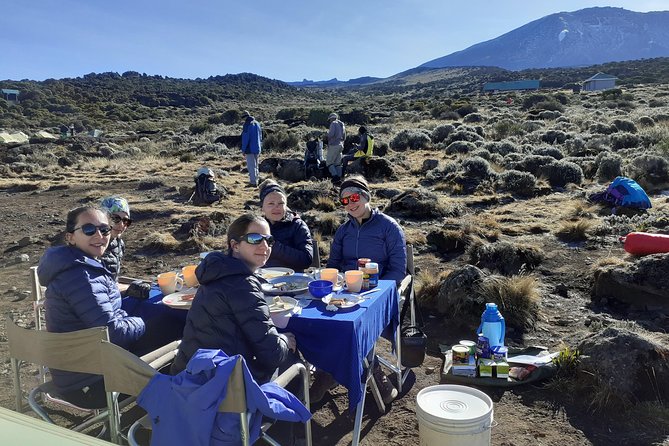
Day 4 goes from Barranco Camp to Karanga Camp. You climb from 13,044 ft to 13,106 ft, with about 4 to 5 hours and 5 km.
This is a shorter day, and it is meant to help your body adapt. You begin by descending into a ravine, then you climb the Great Barranco Wall. The wall is non-technical, but steep, nearly 900 ft. Then you cross a series of hills and valleys, and descend sharply into Karanga Valley before ending with one more steep climb to camp.
If you want the “signature Kilimanjaro moment” of this climb, this is it. It feels dramatic, and it tends to be memorable even for people who are nervous about heights. Because it is steep but not technical, it is a strong challenge without requiring climbing gear.
Practical takeaway: go steady on the wall. Short steps. No rushing. If you feel your breathing hitch, stop for a moment and reset, then continue.
Day 5, Barafu Camp, finishing the Southern Circuit, and preparing for summit night
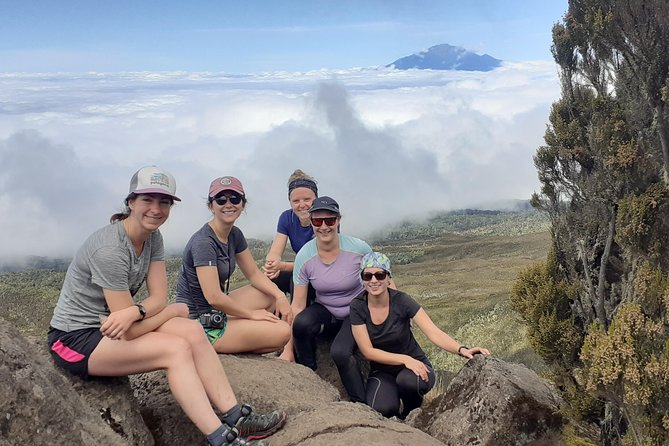
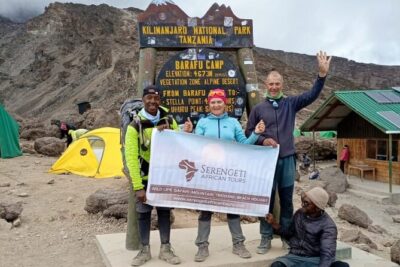
Day 5 is Karanga to Barafu Camp. Elevation goes from 13,106 ft to 15,331 ft in about 4 to 5 hours, with only 4 km listed. So yes, it’s short on distance, but you earn the altitude.
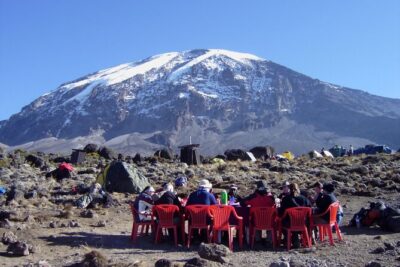
You make it toward a junction that connects with the Mweka Trail, then continue up to the rocky section to reach Barafu Hut. The route notes that at this point you have completed the Southern Circuit, and you can see both Mawenzi and Kibo from Barafu.
Then you rest. You eat an early dinner. And you prepare for the next day, which is the big one.
Practical takeaway: save your energy here. Summit day will ask for everything you have left, including mental patience. Your goal is to wake up rested, not “carried by adrenaline.”
Day 6, midnight to Uhuru Peak, sunrise near Stella Point, then the long way down to Mweka Camp
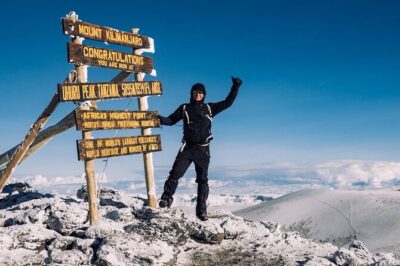
Day 6 is the summit push. You start from Barafu Camp to Uhuru Peak, rising from 15,331 ft to 19,341 ft over about 7 to 8 hours. You then continue from Uhuru Peak to Mweka Camp, dropping all the way down to 10,065 ft in about 4 to 6 hours. The habitats listed shift from Arctic at the summit zone to rain forest on the descent.
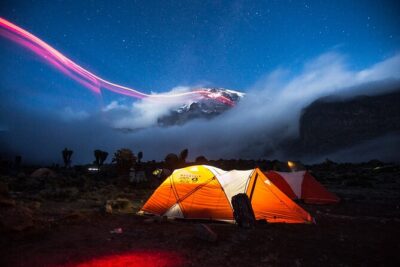
The plan starts very early, around midnight. The climb in darkness for several hours is described as the most mentally and physically challenging part of the trek. Wind and cold at that elevation and time can be extreme, and that matters because you are working hard while also trying to keep warm.
You take frequent but short breaks. As you near Stella Point around 18,900 ft, you get the best reward: a sunrise coming over Mawenzi. That moment is one of those rare travel rewards that stays in your memory because you earn it the hard way.
Practical takeaway: on summit day, your success is often about pacing, not speed. If you keep a steady rhythm, you’re more likely to avoid burning out early.
Day 7, Mweka Gate descent, summit certificates, and return to Moshi or Arusha
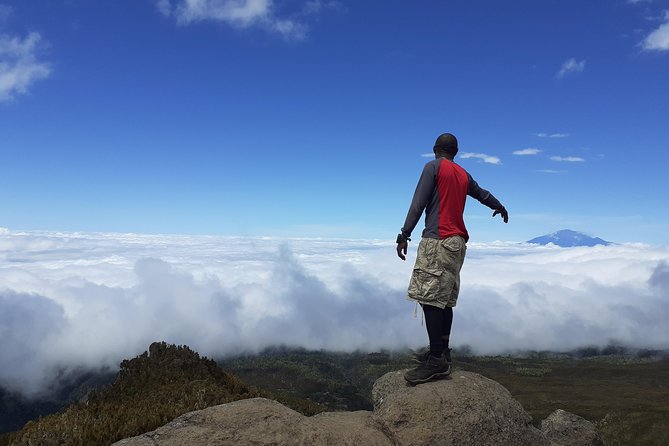
On Day 7, you go from Mweka Camp to Mweka Gate, dropping from 10,065 ft to 5,380 ft over about 3 to 4 hours across 10 km. The habitat is again rain forest.
You continue the descent to Mweka Gate and collect summit certificates. From the gate, you keep going for about another hour to Mweka Village. Then a vehicle meets you at Mweka Village to drive you back to your hotel in Moshi or Arusha.
This final day sounds simple, but altitude fatigue can make it feel long. Also, the route notes that at lower elevations it can be wet and muddy, so watch your footing. Think “controlled steps,” not “I’m done so I’m rushing.”
Practical takeaway: bring something for your feet and hands for the muddy sections. Your body will thank you.
Paul and team, the support that can make or break your experience
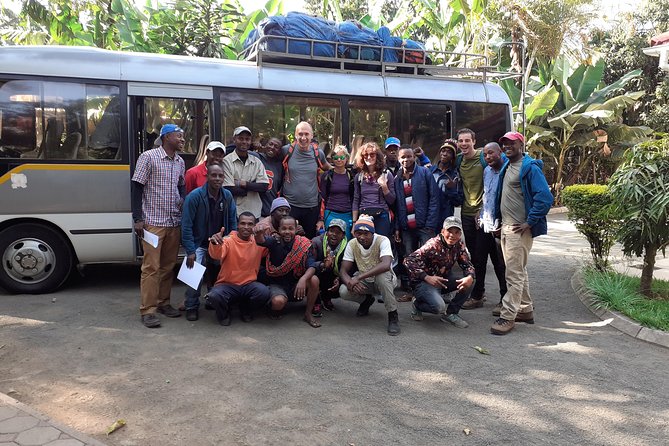
The most consistent praise in the provided feedback is about the care and attention from Paul and his team. People describe them as exceptional and attentive, with hospitality and kindness that help you feel at home. That might sound like “nice,” but on Kilimanjaro it has a real purpose.
Good leadership shows up in the small stuff: pacing, spotting when someone is flagging, and keeping the group moving in a way that protects acclimatization. When the climb gets hard, you want a guide who does not just push forward, you want someone who reads the situation and manages effort.
I also appreciate the reported diet support. Paul is specifically mentioned as able to cater for a gluten-free diet. If you have dietary restrictions, you should ask early and clearly. With a caring team, it becomes much easier to focus on the climb instead of food anxiety.
Pickup, tickets, and how the logistics fit real life
This trip includes pickup offered, and it uses a mobile ticket. You are also close to public transportation, which can help if you need to adjust timing around flights or hotel changes.
The itinerary-driven timing matters too. For example, the drive into the mountain happens right away on Day 1, and the return happens after the final descent into Mweka Village. That keeps your “big travel day” count reasonable. You are not stacking extra overnight transfers on top of altitude stress.
Value-wise, this is not just a hike with someone showing up. It is a coordinated, multi-day operation where guides and cooks are part of the package, and where the mountain schedule does most of the work for you.
Fitness reality check, what moderate fitness means on Kilimanjaro
The trip description calls for moderate physical fitness level. I interpret that as: you can walk for hours, you can handle uphill days, and you are comfortable with basic endurance workouts.
But Kilimanjaro is not only about fitness. It is also about cold tolerance, mental stamina, and the ability to keep moving when you feel your breath shorten. Summit night is where that shows up.
If you’re building prep, focus on long walks, stair climbs, and workouts that train steady effort. Also practice what you’ll do at high altitude in a “small way,” like dressing in layers correctly and keeping your hydration habits consistent.
If you get nervous at the start, that is normal. The route structure gives you time to build confidence. The mountain teaches fast, so your best strategy is steady, patient movement.
Is $2,564.11 good value for a 7-day private Kilimanjaro climb?
At $2,564.11 per person for about 7 days, this is not a bargain, but it may still be good value depending on what you care about.
Here’s what justifies the cost in practical terms. You are getting a full multi-day climb that includes guide and cook support, private group operation, and a route with planned acclimatization days. You’re also getting a team led by Paul that is specifically noted for exceptional care, including reported dietary accommodation for gluten-free needs.
Value is not only price. Value is the quality of decisions made on the mountain, the help when weather shifts, and the attention to your comfort when conditions are hard. If those are top priorities for you, this trip’s reviews align with what you want to feel.
If you’re purely cost-driven, you might find cheaper options. But on Kilimanjaro, cheap often means less room for careful management. I’d rather pay for good support than gamble with my summit outcome.
Who should book the Machame Whiskey route?
This climb is a strong fit if you want a classic Kilimanjaro route with multiple altitude adjustments before summit night. It is also a good choice if you like the idea of varied terrain, because you’ll pass through rain forest, heath, alpine desert, and then the brutal summit zone.
It also fits people who want private operation. Only your group participates, so you are not stuck with a random mix of pace styles.
If you have a gluten-free diet or other restrictions, this specific team is worth considering because Paul is reported to handle gluten-free needs. You should still confirm details directly with the operator before you travel.
Should you book this Kilimanjaro climb, yes or no?
I’d book it if you want a well-run 7-day climb, guided with strong care, and you appreciate route planning that focuses on acclimatization rather than speed. The descriptions around Paul and his team matter because Kilimanjaro rewards patience.
I would think twice if you know you cannot handle cold nights or if you struggle with long, steep uphill effort even at lower altitudes. This route asks you to work hard, especially around midnight, and the wind and cold near Uhuru Peak are not gentle.
If you’re the kind of traveler who likes a goal you can earn, and you value a guide team that treats you like a person, not a number, this one is a solid bet.
FAQ
How long is the Kilimanjaro climb on this Machame route?
The climb is 7 days, from Machame Gate to Mweka Gate, with Day 6 including the summit push.
What is the starting and ending point of the route?
You start at Machame Gate and end at Mweka Gate. After collecting summit certificates at the gate, you continue to Mweka Village for the drive back to your hotel in Moshi or Arusha.
What is the biggest physical challenge on this itinerary?
The summit push is the hardest part. The plan starts around midnight, and the wind and cold at summit elevation can be extreme.
What types of environments will you hike through?
You pass through several habitat zones listed in the itinerary, including rain forest, heath, alpine desert, and Arctic conditions near Uhuru Peak.
Is this a private tour or group experience?
It is a private tour or activity. Only your group will participate.
Is pickup included?
Pickup is offered.
Is there a suggested fitness level?
Yes. The description says travelers should have a moderate physical fitness level.
What is the cancellation refund timeline?
You can cancel up to 6 days in advance for a full refund. Cancel 2 to 6 days in advance for a 50% refund, and cancel less than 2 days in advance with no refund.
More Machame Departures
- 7-Day Machame Kilimanjaro Summit Tour from Arusha
★ 5.0 · 125 reviews - 6 Days: Hiking Kilimanjaro via Machame Route
★ 5.0 · 24 reviews - 6-Day Guided Tour in Machame Route Mt Kilimanjaro
★ 5.0 · 17 reviews - KILIMANJARO MACHAME ROUTE, (Climb 7days)
★ 5.0 · 16 reviews - 7 days Kilimanjaro climb via Machame route (Whiskey route)
★ 5.0 · 16 reviews
Kilimanjaro, Route by Route
- 8-Day Small-group Lemosho Kilimanjaro Summit Trekking
★ 5.0 · 186 reviews - 7-Day Machame Kilimanjaro Summit Tour from Arusha
★ 5.0 · 125 reviews - Mountain Kilimanjaro Day Hike
★ 5.0 · 102 reviews - 4 days Best experience Kilimanjaro Hike, Serengeti &Ngorongoro
★ 5.0 · 54 reviews - From Arusha/Moshi: Kilimanjaro Hike Marangu Route Day Trip
★ 4.5 · 54 reviews
Just added from around Arusha
Kilimanjaro Machame Route, compared.
 ★ 5.0Kilimanjaro climb, Machame Route (7-day)From $3,377262 reviews
 ★ 5.0Climbing Kilimanjaro – Machame RouteFrom $2,322170 reviews
 ★ 5.0Climbing Kilimanjaro through 7 days Machame RouteFrom $2,425151 reviews
 ★ 5.07-Day Machame Kilimanjaro Summit Tour from ArushaFrom $2,695125 reviews
 ★ 5.07 Days Kilimanjaro via Machame route affordable priceFrom $2,400110 reviews
 ★ 4.2#1. Best Kilimanjaro Day hike Tour-Machame Route-ISMANIFrom $11547 reviews
 ★ 5.07 Days Machame route – KilimanjaroFrom $2,85045 reviews
 ★ 5.0The Best of Machame Route in 6 Days: Your World’s Summit GuideFrom $1,15044 reviews
Browse the lists this tour appears in