
REVIEW · KILIMANJARO MACHAME ROUTE
Kilimanjaro Machame Route 7 Days
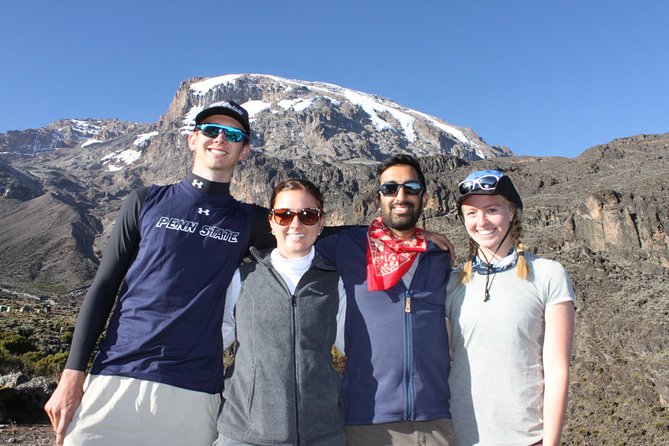
Kilimanjaro rewards good planning. The 7-day Machame Route from Moshi gives you a steady climb with built-in acclimatization, moving you through rainforest, alpine zones, and up to Uhuru Peak. It is a trek that feels like a long conversation with the mountain: you test yourself, then you recover, then you test yourself again.
Two things I really like: the heavy-duty safety setup (emergency oxygen tanks, VHF radios, a Gamow Bag, plus a pulse-oximeter) and the practical comfort touches at camp. You get warm water for washing, purified drinking water, and a meal setup designed to keep you fueled when you are burning calories fast.
One drawback to think about up front: this is not a cheap trip, and some key costs are not included, like tips and your Tanzania visa on arrival. Also, even with a smart schedule, you still need a moderate fitness base and you have to respect altitude, day by day.
In This Review
- Key things I’d circle before you book
- Why the Machame Route works in 7 days
- Moshi transfers and the pre-trek comfort you actually use
- Day-by-day ascent: Machame Gate to Uhuru Peak and down to Mweka Gate
- Day 1: Machame Gate to Machame Camp
- Day 2: Machame Camp to Shira Camp 2
- Day 3: Shira Camp 2 via Lava Tower to Barranco Camp
- Day 4: Barranco Camp to Karanga Valley Camp
- Day 5: Karanga Valley Camp to Barafu Camp
- Day 6: Uhuru Peak push, then down to Mweka Camp
- Day 7: Down to Mweka Gate, then certificate and summit ceremony
- Safety on Kilimanjaro: oxygen, radios, and measured oxygen checks
- Camp life that helps you keep moving
- Price and value at $2,669.88 per person
- Who should book this Machame 7-day plan
- Should you book this Kilimanjaro Machame Route 7 Days?
- FAQ
- Where is this Kilimanjaro trek based, and what transfers are included?
- How long is the trek, and how much walking time is included?
- What safety equipment is included during the climb?
- What camp and comfort items are provided?
- Are meals included on the mountain?
- What is not included in the price?
- Can you cancel, and what happens if weather is poor?
Key things I’d circle before you book
- Machame pacing for acclimatization: shorter days mixed in, so your body has time to adjust.
- Safety gear that goes beyond the basics: oxygen tanks, VHF radios, Gamow Bag, and pulse-oximeter included.
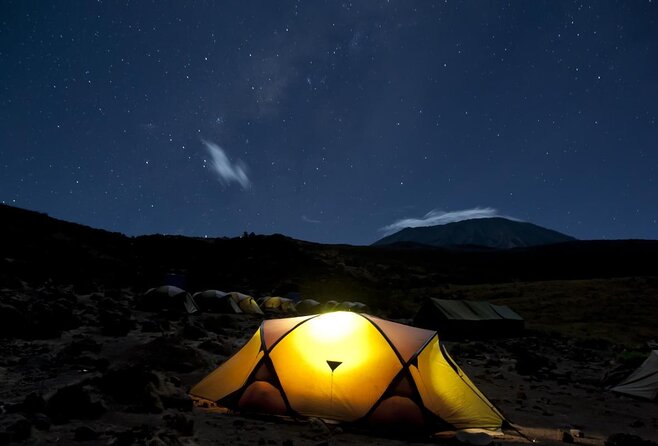
- Comfort at camp level: warm water for washing daily, purified drinking water, and solar LED lights.
- Food and camp support aimed at performance: meals for the whole trek, plus camp tents and toilet tents set up for real use.
- Local team culture: the operator is repeatedly praised for being organized, safety-conscious, and supportive on tough days.
- Private group experience: you will trek with only your group, which helps the pace stay consistent.
Other ways up Kilimanjaro we reviewed
- Kilimanjaro climb by Lemosho Route (7-day)★ 5.0 · 651 reviews
- Kilimanjaro climb, Machame Route (7-day)★ 5.0 · 262 reviews
- Kilimanjaro Climbing Lemosho Route 8 Days.★ 5.0 · 186 reviews
- Climbing Kilimanjaro – Machame Route★ 5.0 · 170 reviews
Why the Machame Route works in 7 days
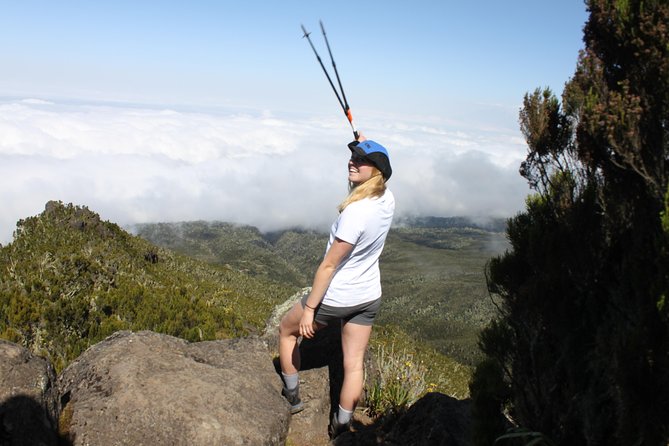
The Machame Route is one of the most popular ways up Kilimanjaro, and for good reason. It gives you variety, not just altitude math. You start in rainforest, then climb into low alpine, then high alpine, and finally into the glacial zone before the summit push. That progression is not just scenic, it also helps you pace your body.
The real win is the scheduling. This plan includes shorter walks and gradual altitude gains early on. That matters because first-time trekkers often get tripped up by the altitude, not by the hiking itself. When you get a day that feels like a breather after a harder one, it can be the difference between being steady for days and burning out early.
One more practical point: the Machame route is considered relatively challenging. That can be motivating, but it also means you should come ready to walk for 4 to 9 hours on most days, even when the distance looks modest on paper.
Moshi transfers and the pre-trek comfort you actually use
You start in Moshi, Tanzania, and the trip includes arrival and departure transfers. That is a big deal on Kilimanjaro. You want your first hours in Tanzania to be calm, not spent figuring out transport after a long flight.
The plan also includes hotel time before and after the trek. The package describes bed and breakfast accommodation with both classic standard and comfort options, including nights before and after your mountain days. I like that setup because you are not relying on guesswork. You show up, get gear checked, sleep in proper beds, then head up the mountain.
Also, it helps psychologically. Kilimanjaro is not just physical. It is mental stamina. Having a clean base in Moshi before you start your ascent helps you settle in, eat normally, and plan your layers without stress.
Day-by-day ascent: Machame Gate to Uhuru Peak and down to Mweka Gate
Here is what the climbing rhythm looks like, with the altitude and effort you can expect.
More Machame departures, compared
Day 1: Machame Gate to Machame Camp
You drive to Machame Gate at 1,640 meters (5,380 ft), then start climbing through the rainforest to Machame Camp/Machame hut at 2,850 meters (9,350 ft). Expect about 5 to 6 hours and roughly 11 km (7 miles).
This day is about getting your legs moving and letting your breathing find a new normal. Rainforest can mean humidity and steady effort, not dramatic altitude spikes. Still, you will want to keep your pace conservative, because day 2 comes fast.
Day 2: Machame Camp to Shira Camp 2
You climb from Machame Camp to Shira Camp 2 at 3,810 meters (12,500 ft). The distance is about 5 km (3 miles) with 5 to 6 hours of walking. You shift into the low alpine zone.
Short distance does not mean easy. Higher altitude can make every step feel heavier, even when you are only hiking a few miles. This is one of those days where slow and steady wins. The goal is to reach camp feeling like you could keep walking, not like your legs are shutting down.
Day 3: Shira Camp 2 via Lava Tower to Barranco Camp
This is a long day. You climb from Shira Camp 2 via Lava Tower (4,630 m, 15,190 ft) to Barranco Camp (3,976 meters / 13,044 ft). Plan on 8 to 9 hours and about 10 km (6 miles), moving from low alpine to high alpine.
Lava Tower is a key landmark on Kilimanjaro. Expect big views when the clouds cooperate, but also expect the altitude to feel real. The big push upward followed by a descent to Barranco Camp can be tough on knees. You will likely feel it most later that night and into day 4.
Day 4: Barranco Camp to Karanga Valley Camp
Today is shorter and punchier. You hike from Barranco Camp to Karanga Valley Camp at 3,995 meters (13,106 ft). Roughly 4 to 5 hours and only 4 km (2 miles), staying in the high alpine zone.
This is a recovery day on purpose. The mountains do not care about your schedule, but this kind of adjustment day can help you bounce back before the summit push. If you walk hard on day 4, it usually shows up later. So keep it steady and conserve energy.
Day 5: Karanga Valley Camp to Barafu Camp
You climb from Karanga Valley Camp to Barafu Camp at 4,673 meters (15,331 ft) in about 4 hours over 4 km (2 miles). You are deep in the high alpine.
This is where the atmosphere starts changing. Nights feel colder, and your body will likely want more rest. You will want to prioritize early sleep and follow your guide’s pacing and hydration advice. This is also a day where a clean, calm camp routine helps you mentally reset for summit night.
Day 6: Uhuru Peak push, then down to Mweka Camp
This is the day everyone remembers. You climb to Uhuru Peak at 5,895 meters (19,341 ft), then descend to Mweka Camp at about 10,000 ft. Plan around 4 to 6 hours for the main effort and descent, with about 12 km (7 miles) listed.
Altitude at this level can feel like moving through slow air. The guide team and pacing matter a lot here. Importantly, the plan includes a porter to carry your day-pack during the summit attempt, which can reduce strain and make your summit rhythm smoother.
When you summit, do not celebrate too hard with fast walking downhill. Descending after the peak is where many people overdo it. Keep moving, but protect your legs.
Day 7: Down to Mweka Gate, then certificate and summit ceremony
You descend from Mweka Camp to Mweka Gate (4,600 m) in about 4 to 5 hours over 4 km (2 miles). Then there is also a final descent from Mweka Camp to Mweka Gate at 1,640 meters (5,340 ft), listed as 3 to 4 hours and about 10 km (6 miles). You finish in the rainforest.
After you reach the gate, you transfer back to your previous hotel for a certificate and summit party ceremony. That ceremony part sounds small, but it is one of those human touches that makes the whole grind feel real.
Safety on Kilimanjaro: oxygen, radios, and measured oxygen checks
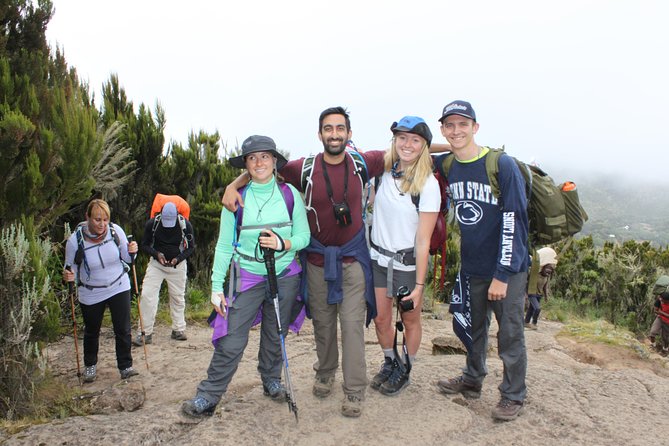
This package includes a lot of safety tools that you do not always see listed together. You get emergency oxygen tanks, VHF handheld radios carried on each trek, a Gamow Bag, and a pulse-oximeter to help measure oxygen level.
I like this combination because it covers more than one scenario. Radios help with coordination, especially on a mountain with changing conditions. Oxygen and the Gamow Bag are designed for emergency support. The pulse-oximeter gives you measurable info during the climb, which can help guides make quicker decisions about pacing and whether you need to slow down.
On top of the gear, the operator is repeatedly praised for safety-conscious monitoring and for keeping people at a good pace. One review specifically talks about monitoring vitals daily and support keeping the group moving safely to the top. Another describes being supported when someone got sick mid-climb.
No safety system can remove risk from Kilimanjaro. Altitude can still surprise you. But it is comforting to see this level of equipment included, not treated as an extra add-on.
Camp life that helps you keep moving
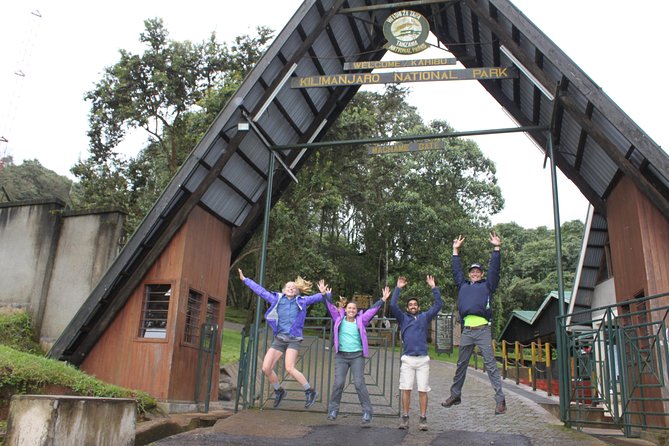
Kilimanjaro success is not just summit legs. It is what happens between climbs. The package includes warm water for washing every day and clean, purified drinking water, plus large portions of fresh, healthy, nutritious foods.
Camp setup is also handled. You get water proof tents and sleeping mats, high powered solar LED lights, and toilet tents. There is also a portable personal flash toilet. You are not going to confuse this with a hotel, but it is clearly built for comfort and hygiene.
Meals matter more than people expect. When you are trekking at altitude, you are burning a lot of energy while eating less than you normally do. Reviews mention tents up on time, clean and dry camp conditions, and lots of vegetables and plentiful food for breakfast, lunch, and dinner. That kind of consistent fueling helps you keep a steady pace and improves your chances of feeling strong later in the week.
Also, there are aluminum dining tables and chairs with backs and armrests for meals. That sounds like a minor detail until you have to sit down after a long day and you are not just collapsing on the ground. It helps your recovery.
Price and value at $2,669.88 per person
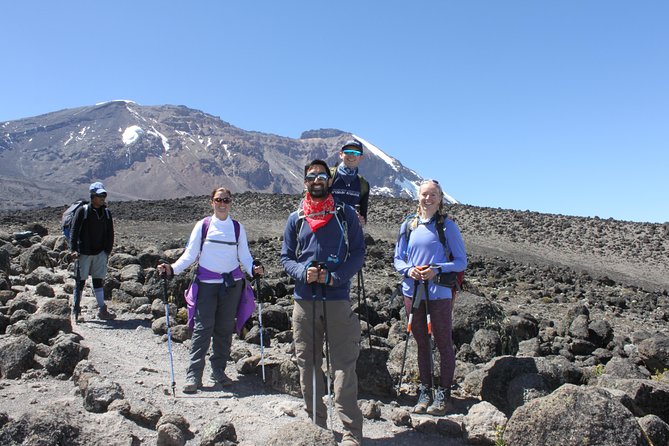
At $2,669.88 per person, this is a serious investment. The key question is not whether it is expensive. It is whether you are getting real, measurable value back.
In this package, you are not just paying for guides. You also get:
- All meals while on the mountain
- Arrival and departure transfers
- Park entrance fees and all government tax
- Emergency rescue fees on mountain
- Accommodation in Moshi before and after the climb
- Equipment listed for safety and camp comfort (oxygen, radios, Gamow Bag, pulse-oximeter, toilets, tents, sleeping mats, solar LED lights)
- Porter support during the summit attempt (your day-pack carried during the summit attempt)
- Experienced professional English speaking mountain guides and fair treatment of porters
What is not included is the usual extras: tips, Tanzania visa on arrival, and personal expenses, plus optional add-on tours.
So where is the value? It is in the overlap between safety, food reliability, and logistics being handled. On Kilimanjaro, poor organization can turn into wasted time and stress, which can indirectly affect how your body adapts. A well-run operation helps you show up to each day’s hike with fewer surprises.
If you are looking for the cheapest way up Kilimanjaro, this probably will not be your pick. If you want a plan that pays attention to safety tools and camp realities, the cost starts making more sense.
Who should book this Machame 7-day plan
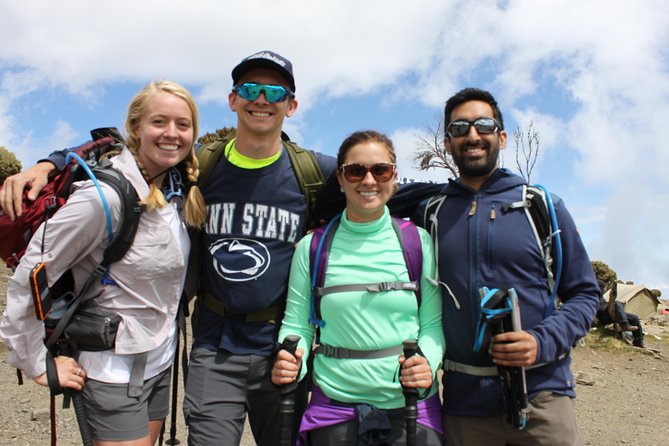
This route and schedule fit people who want a real challenge but also want smart pacing. The trek is listed as suitable for both experienced and less experienced climbers, with the plan focusing on altitude acclimatization through shorter walks.
You should especially like this trip if:
- You want help managing altitude with a day-by-day rise that gives you breaks
- You care about camp comfort, like warm water and purified drinking water
- You want a safety-focused package with oxygen, radios, and a Gamow Bag
- You prefer a private group experience with only your group on the mountain
You might think twice if:
- Your budget is tight, since tips and your visa are not included
- You are not ready for early starts and long hiking days, even when some days are shorter
- You want a trip that is only about the summit and not about steady effort for a full week
One practical prep tip: plan your mindset as much as your gear. This climb is as much about staying calm and consistent as it is about pushing upward.
Should you book this Kilimanjaro Machame Route 7 Days?
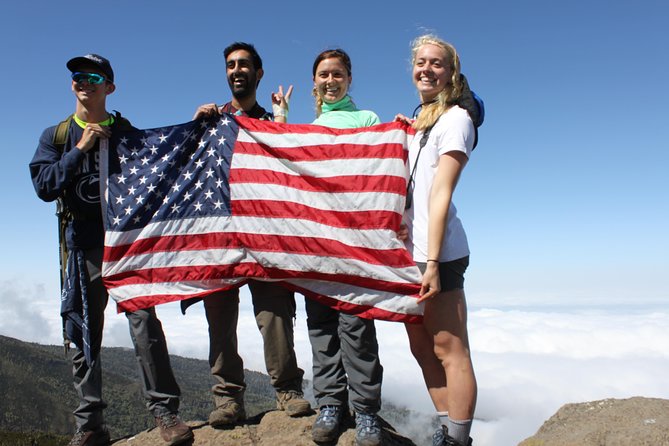
Book it if you want Machame with a schedule built for acclimatization, plus a safety list that looks strong on paper: oxygen tanks, VHF radios, Gamow Bag, and measured oxygen checks. You also get a camp setup that focuses on basics that actually help you, warm washing water, purified drinking water, clean camp routines, and reliable meals.
Skip it or pause if you dislike paying for add-ons like tips or you are unsure you can handle the altitude challenge even with pacing. Kilimanjaro is not a place for denial. It is a place for preparation, patience, and listening to your guides.
If that sounds like your style of travel, this Machame 7-day plan is a solid bet.
FAQ
Where is this Kilimanjaro trek based, and what transfers are included?
The trek is based in Moshi, Tanzania. The package includes arrival and departure transfers, and it also includes transportation in the destination location. After you finish, you transfer back to your previous hotel for the certificate and summit party ceremony.
How long is the trek, and how much walking time is included?
The duration is 7 days (approx.). The plan includes 6 full days of walking and 2 nights of accommodation in Moshi. Total distance covered on the climb is listed as 62 km (37 miles).
What safety equipment is included during the climb?
Safety items included are emergency oxygen tanks, VHF handheld radios carried on each trek, a Gamow Bag, and a pulse-oximeter to measure oxygen level. Rescue fees on the mountain are also included.
What camp and comfort items are provided?
You get water proof tents and sleeping mats, plus high powered solar LED lights. Toilet tents are included, along with a portable personal flash toilet. Warm water for washing is provided every day, and drinking water is clean and purified.
Are meals included on the mountain?
Yes. All meals while on the Mountain are included, including breakfast, lunch, and dinner for the trek days.
What is not included in the price?
Not included: tips, Tanzania visa on arrival, and personal expenses such as laundry and beverages. Optional tours after your climb are also not included.
Can you cancel, and what happens if weather is poor?
You can cancel for a full refund if you cancel at least 24 hours before the experience starts. If the experience is canceled due to poor weather, you are offered a different date or a full refund.
More Machame Departures
- Kilimanjaro climb, Machame Route (7-day)
★ 5.0 · 262 reviews - Climbing Kilimanjaro – Machame Route
★ 5.0 · 170 reviews - Climbing Kilimanjaro through 7 days Machame Route
★ 5.0 · 151 reviews - #1. Best Kilimanjaro Day hike Tour-Machame Route-ISMANI
★ 4.2 · 47 reviews - 7 Days Machame route – Kilimanjaro
★ 5.0 · 45 reviews
Kilimanjaro, Route by Route
- Kilimanjaro climb by Lemosho Route (7-day)
★ 5.0 · 651 reviews - Kilimanjaro climb, Machame Route (7-day)
★ 5.0 · 262 reviews - Kilimanjaro Climbing Lemosho Route 8 Days.
★ 5.0 · 186 reviews - Climbing Kilimanjaro – Machame Route
★ 5.0 · 170 reviews - Climbing Kilimanjaro through 7 days Machame Route
★ 5.0 · 151 reviews
Just added from around Moshi
Kilimanjaro Machame Route, compared.
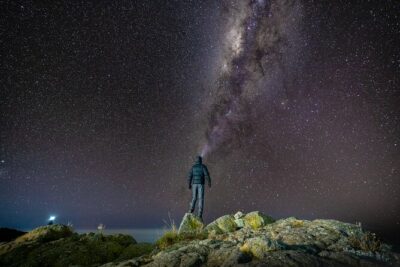 ★ 5.0Kilimanjaro climb, Machame Route (7-day)From $3,377262 reviews
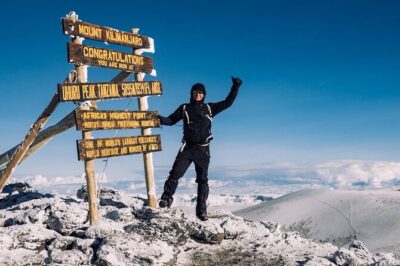 ★ 5.0Climbing Kilimanjaro – Machame RouteFrom $2,322170 reviews
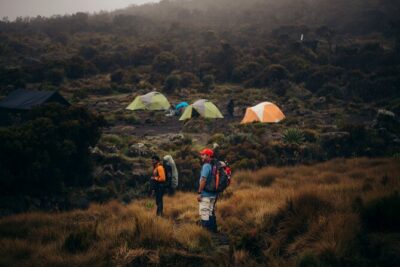 ★ 5.0Climbing Kilimanjaro through 7 days Machame RouteFrom $2,425151 reviews
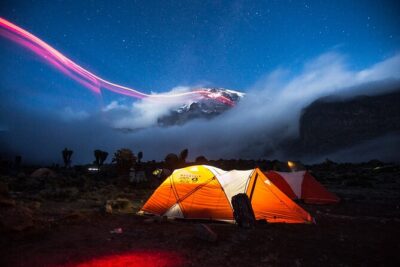 ★ 5.07-Day Machame Kilimanjaro Summit Tour from ArushaFrom $2,695125 reviews
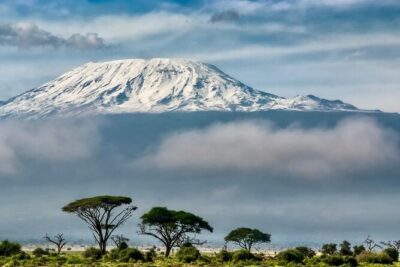 ★ 5.07 Days Kilimanjaro via Machame route affordable priceFrom $2,400110 reviews
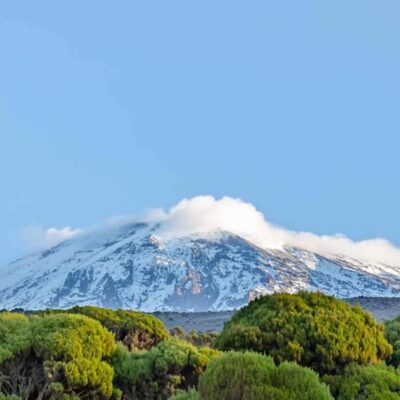 ★ 4.2#1. Best Kilimanjaro Day hike Tour-Machame Route-ISMANIFrom $11547 reviews
 ★ 5.07 Days Machame route – KilimanjaroFrom $2,85045 reviews
 ★ 5.0The Best of Machame Route in 6 Days: Your World’s Summit GuideFrom $1,15044 reviews
Browse the lists this tour appears in