
REVIEW · KILIMANJARO MACHAME ROUTE
Kilimanjaro Machame Route 6 Days
Six days on Kilimanjaro turns you into a planner. This Machame route mixes rainforest, alpine zones, and a summit push, with day-by-day altitude changes that keep you moving steadily.
Two things I like right away: the safety kit is taken seriously, with emergency oxygen tanks plus a Gamow Bag for hyperbaric support, and the daily routine is built around real mountain logistics like purified drinking water, warm washing water each day, and full meals on the climb.
One possible drawback to think about is the pace. Even though the itinerary is doable, it still expects a solid fitness base, and some days are long or high-altitude heavy, especially around Barranco and the summit.
In This Review
- Key Highlights You’ll Feel on the Mountain
- Why the 6-Day Machame Route Works for Real People
- Day 1: Machame Gate to Machame Camp, Rainforest Warm-Up (11 km)
- Day 1 Camp Routine: Water, Tents, and Getting Organized
- Day 2: Machame Camp to Shira Camp 2, Shorter Distance, Higher Air (5 km)
- Day 2 Zone Change: Low Alpine Starts to Feel Real
- Day 3: Shira Camp 2 to Barranco Camp, the Long Day (10 km)
- Day 3 Camp: You’ll Notice the Team Advantage
- Day 4: Barranco to Karanga Valley to Barafu, High Alpine Tightrope (Short Distance, Big Feel)
- Why Day 4 Matters for Summit Chances
- Day 5: Uhuru Peak Summit Push and Down to Mweka Camp (12 km)
- Summit Support You’ll Want (and Why It Shows Up in Reviews)
- Day 6: Mweka Camp to Mweka Gate, Rainforest Exit and Celebration (10 km)
- Where the Included Gear and Food Are Real Value
- Hotels, Transfers, and the Comfort Bridge Before and After
- Fitness Fit: Who This Machame 6-Day Trek Suits Best
- What to Pack in Your Real-Life Carry System (No Guesswork, Just Common Sense)
- Should You Book Kilimanjaro Brothers for Machame in 6 Days?
- FAQ
- Where does this Kilimanjaro Machame Route start?
- How long is the Machame route?
- What is the total trekking distance?
- What are the key environments you hike through?
- How much hiking is typical on each day?
- Are meals included?
- Is safety equipment included?
- Is pickup included?
- What is not included in the price?
- What happens if weather cancels the experience?
Key Highlights You’ll Feel on the Mountain
- Safety systems built in, including oxygen tanks, a Gamow Bag, VHF radios, and a pulse-oximeter
- English-speaking professional mountain guides, plus strong support on summit day
- Full meals on the mountain with large portions of fresh, nutritious food
- Machame Route pacing over 62 km (about 37 miles), with multiple altitude steps for acclimatization
- Comfort details that matter: warm water for washing daily and waterproof tents
- Local team energy, with guide names like Mawra and Samson called out in standout experiences
Other ways up Kilimanjaro we reviewed
- Kilimanjaro climb by Lemosho Route (7-day)★ 5.0 · 651 reviews
- Kilimanjaro climb, Machame Route (7-day)★ 5.0 · 262 reviews
- Kilimanjaro Climbing Lemosho Route 8 Days.★ 5.0 · 186 reviews
- Climbing Kilimanjaro – Machame Route★ 5.0 · 170 reviews
Why the 6-Day Machame Route Works for Real People
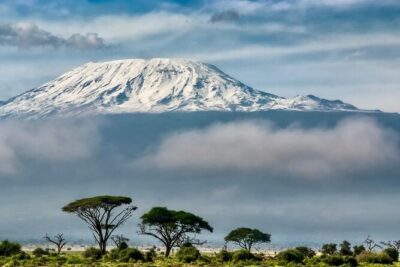
The Machame Route is popular for a reason: it gives you multiple altitude “beats” instead of one giant leap. You start at Machame Gate at 1,640 m (5,380 ft), climb into the rainforest, then gradually move into low alpine and high alpine zones before the glacial zone appears near the summit push.
I like that this version is built around the minimum typical time of about six days (five nights), covering about 62 km (37 miles) gate to gate. That’s not a “walk in the park” number, but it’s also not some rushed overnighter. It’s a serious trek designed for people with moderate fitness and some hiking experience, and it still lets first-timers succeed when they take the days seriously.
You should know what you’re buying, though. Even with good guidance, altitude is altitude. Your success comes down to pacing, hydration, and listening to your body, especially once you reach the high camps.
Day 1: Machame Gate to Machame Camp, Rainforest Warm-Up (11 km)
Your trek begins with a drive from Moshi area into the climb start at Machame Gate, where you start at 1,640 m (5,380 ft). Then you work your way up to Machame Camp at 2,850 m (9,350 ft).
This day is listed as 5 to 6 hours over about 11 km (7 miles), with the terrain in the rainforest zone. That rainforest start matters more than it sounds. You tend to get consistent walking conditions, and it helps you settle into the rhythm without immediately hitting the thinnest air.
Practical expectation: you’ll likely sweat early, then feel colder once you stop at camp. Bring layers you can adjust fast, because rainforest humidity can fool you.
Day 1 Camp Routine: Water, Tents, and Getting Organized
The experience includes warm water for washing every day, plus clean purified drinking water. That’s a big quality-of-life upgrade on a climb like this, because small comfort problems get huge when you’re tired.
You also get waterproof tents and cold-weather sleeping mats, plus large portions of fresh, healthy and nutritious foods for mountain meals. Dining is set up with aluminum dining tables and big chairs with backs and armrests, so you’re not squatting around trying to eat in wind or dust.
If you’re the type who needs everything in its place to stay calm, you’ll appreciate how structured this feels on day 1. When your brain is tired, organization is morale.
More Machame departures, compared
Day 2: Machame Camp to Shira Camp 2, Shorter Distance, Higher Air (5 km)
Day 2 climbs from Machame Camp up to Shira Camp 2 at 3,810 m (12,500 ft). The hiking time is again 5 to 6 hours, but the distance is a short 5 km (3 miles).
That “shorter but higher” setup is key. You spend more time working at altitude rather than covering tons of ground. This is one of the reasons the Machame Route can be manageable for first-timers: you’re not only pushing distance, you’re adapting to a higher breathing level.
One note I take seriously: a short distance doesn’t mean easy. Thin air can make a “quick” hike feel long, especially if you start too fast. Your goal is to stay controlled, not heroic.
Day 2 Zone Change: Low Alpine Starts to Feel Real
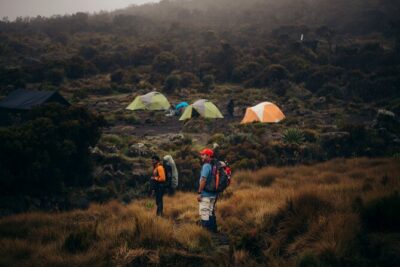
You move into the low alpine zone, and the weather can shift quickly at those heights. Even with tents and good camp support, you’ll want a system for staying warm without overpacking your day.
The good news: you’re not doing this trek solo. The route includes VHF handheld radios carried on each trek, which helps the team coordinate smoothly if conditions change.
Day 3: Shira Camp 2 to Barranco Camp, the Long Day (10 km)
Day 3 is where the climb starts testing stamina. You hike from Shira Camp 2 to Barranco Camp, with about 8 to 9 hours of hiking over 10 km (6 miles).
This day spans a low alpine to high alpine zone transition. Translation: the air gets thinner and the terrain tends to feel more exposed. It can be a grind not just because of time, but because it’s the first day where the body may feel “behind” if you’re not pacing.
If you’re unsure how to handle this day, here’s the simple rule I’d follow: go slower than you think you need to for the first half. Save your energy for the last push into Barranco, because that’s when fatigue can start hitting hard.
Day 3 Camp: You’ll Notice the Team Advantage
In experiences like this, morale matters as much as legs. People highlight the kind of support that keeps you calm on long hours, and guide names like Mawra and Samson come up for doing exactly that, including strong help on summit day.
You also get the same core mountain setup: clean water, nutritious meal service, and proper sleeping arrangements. When you can count on that daily routine, you spend less energy worrying and more energy recovering.
Day 4: Barranco to Karanga Valley to Barafu, High Alpine Tightrope (Short Distance, Big Feel)
Day 4 has a two-stage feel. You climb from Barranco Camp to Karanga Valley Camp at 3,995 m (13,106 ft) after lunch, then continue onward to Barafu at 4,673 m (15,331 ft).
The listed hiking time is 4 to 5 hours with a total distance around 4 km (2 miles). That sounds short, but high altitude makes “short” feel intense. You’re climbing into a zone where your body has less margin, so it’s less about distance and more about breathing control.
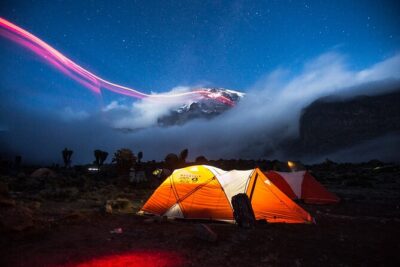
This is the high alpine zone, and it sets you up for what comes next. Barafu is essentially the platform camp for summit night, so this day is about conserving enough energy to sleep, eat, and later move at night.
Why Day 4 Matters for Summit Chances
The itinerary is structured to get you up to Barafu without turning day 4 into a total exhaustion day. That matters because summit night is demanding.
Included support also helps here: the experience provides a pulse-oximeter to measure oxygen levels. You’re still the one carrying the main responsibility, but having the team monitoring oxygen trends can make the plan more responsive.
Day 5: Uhuru Peak Summit Push and Down to Mweka Camp (12 km)
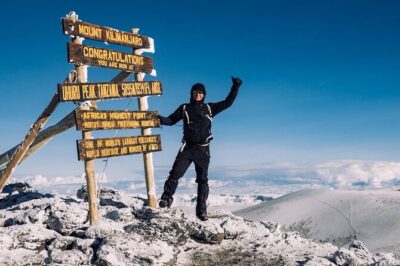
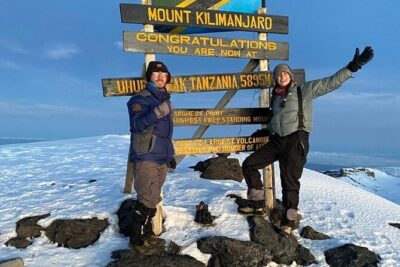
This is the day with the headline: climbing to Uhuru Peak at 5,895 m (19,341 ft) and then descending to Mweka Camp at 10,000 ft.
The hiking window is listed as 4 to 6 hours with distance around 12 km (7 miles). Near the peak, you’ll feel the thin air as much as you’ll feel the cold and effort. The zone shifts into the glacial zone, plus all the zones you passed before.
This is where I’d tell you to respect the plan. Summit day is not a day to prove fitness. It’s a day to manage your breathing, keep moving steadily, and accept that slow can be the smartest pace.
Summit Support You’ll Want (and Why It Shows Up in Reviews)
One of the most praised parts of this climb style is the summit-day support. The guide names Mawra and Samson are specifically mentioned for doing the work that matters most, the support that keeps timing and effort under control.
Add in the included porters to carry your day-pack during the summit attempt, and you’ll remove a major source of strain. It’s not magic, but reducing pack weight can help you focus on the climb itself.
Also built in are safety essentials like emergency oxygen tanks. In a trek at this altitude, that’s the kind of equipment choice that reduces anxiety when it matters.
Day 6: Mweka Camp to Mweka Gate, Rainforest Exit and Celebration (10 km)
After summit success and a night at Mweka Camp, you finish with a descent from Mweka Camp to Mweka Gate at 1,640 m (5,340 ft). This walk is listed as 3 to 4 hours over about 10 km (6 miles), and it takes you back into the rainforest zone.
Then comes the part that makes the finish feel official: you transfer to your hotel for a summit certificate and a celebration party. You also have an overnight stay back at your previous hotel.
I love this because it closes the loop. Getting to the gate is one thing. Getting a sense of closure, plus a real bed, helps your body recover instead of feeling like the trek ends in a scramble.
Where the Included Gear and Food Are Real Value
At $2,326.61 per person, this isn’t a bargain climb. But look at what’s included, and the math starts to make sense. You’re not only paying for guides and permits. You’re paying for risk management, camp infrastructure, and daily logistics that keep you functioning at high altitude.
Here are the included items that most directly affect your comfort and safety, not just “extras”:
- Emergency oxygen tanks
- Gamow Bag for hyperbaric support
- VHF handheld radios for communication
- Portable personal flash toilet
- Warm water for washing every day
- Clean purified drinking water
- All meals on the mountain, with large portions of fresh nutritious foods
- Cold-weather sleeping mats and waterproof tents
You can see where this value lives. On a climb like this, the hidden costs are often stress, waiting, and underpowered support. This style aims to prevent that by bringing in the gear that lets the team respond quickly.
Hotels, Transfers, and the Comfort Bridge Before and After
You get two nights classic standard hotel accommodations, one before the trek and one after. You also get arrival and departure transfers, plus all transportation in the destination location.
That matters because the climb is one long physical project. Having a solid base before day 1 helps you settle in. Having a proper return after day 6 helps you recover and sleep without rebooking your life around logistics.
If you like a clear plan, you’ll appreciate that the package is built to remove friction.
Fitness Fit: Who This Machame 6-Day Trek Suits Best
This trek is designed for physically fit people with some hiking experience, but plenty of first-time trekker types do fine when they follow pacing advice.
I’d tell you to assess yourself with simple honesty:
- Can you hike for 5 to 9 hours with stops?
- Do you handle uphill walking without sprinting?
- Can you handle cold at high altitude, even if you’re bundled?
If you’re relatively new to hiking but in good health, you may be okay. Just don’t let day 3 or the summit day tempt you into going faster than your body wants.
What to Pack in Your Real-Life Carry System (No Guesswork, Just Common Sense)
You won’t find exact packing lists here, so I’ll keep this practical. Focus on layers you can adjust, a rain-ready shell if the mountain shifts weather, and a system that keeps your essentials reachable.
Also, because porters carry your day-pack during the summit attempt, you should think about what goes into that day-pack. Keep it simple: items you need immediately, not everything you hope you’ll need.
Should You Book Kilimanjaro Brothers for Machame in 6 Days?
I’d book this if you want a climb that takes both altitude and logistics seriously. The combination of English-speaking professional guides, radios, oxygen, Gamow Bag, and a structure that includes full meals and daily water support is what helps a trek feel controlled instead of chaotic.
I’d hesitate if you’re looking for a “light” hike or you’re prone to pushing too fast early. This route asks you to pace yourself, and you need to respect summit day as a careful climb, not a race.
If your goal is to hike Kilimanjaro with strong team support, including guide names like Mawra and Samson being recognized for professional summit help, this Machame option is a solid choice.
FAQ
Where does this Kilimanjaro Machame Route start?
The experience is located in Moshi, Tanzania, and it includes a drive to Machame Gate at the start of the trek.
How long is the Machame route?
It runs for 6 days approximately, covering five nights on the mountain.
What is the total trekking distance?
The total distance covered is about 62 km, which is about 37 miles, from gate to gate.
What are the key environments you hike through?
You climb through several zones, including rain forest, low alpine, high alpine, and the glacial zone near Uhuru Peak.
How much hiking is typical on each day?
Daily hiking ranges by day, with times listed from about 4 to 9 hours depending on the section. Some days cover shorter distances but still take time due to altitude.
Are meals included?
Yes. All meals while on the mountain are included, with breakfast, lunch, and dinner provided each day during the trek.
Is safety equipment included?
Yes. The inclusions list emergency oxygen tanks, a Gamow Bag, and VHF handheld radios. A pulse-oximeter is also included to measure oxygen level.
Is pickup included?
Pickup is offered, and the tour also includes arrival and departure transfers and all transportation in the destination location.
What is not included in the price?
Not included are tips, Tanzania visa on arrival, and personal expenses such as laundry and telephone. Optional tours after your climb are also not included.
What happens if weather cancels the experience?
The experience requires good weather. If it is canceled due to poor weather, you are offered a different date or a full refund.
More Machame Departures
- Kilimanjaro climb, Machame Route (7-day)
★ 5.0 · 262 reviews - Climbing Kilimanjaro – Machame Route
★ 5.0 · 170 reviews - Climbing Kilimanjaro through 7 days Machame Route
★ 5.0 · 151 reviews - #1. Best Kilimanjaro Day hike Tour-Machame Route-ISMANI
★ 4.2 · 47 reviews - 7 Days Machame route – Kilimanjaro
★ 5.0 · 45 reviews
Kilimanjaro, Route by Route
- Kilimanjaro climb by Lemosho Route (7-day)
★ 5.0 · 651 reviews - Kilimanjaro climb, Machame Route (7-day)
★ 5.0 · 262 reviews - Kilimanjaro Climbing Lemosho Route 8 Days.
★ 5.0 · 186 reviews - Climbing Kilimanjaro – Machame Route
★ 5.0 · 170 reviews - Climbing Kilimanjaro through 7 days Machame Route
★ 5.0 · 151 reviews
Just added from around Moshi
Kilimanjaro Machame Route, compared.
 ★ 5.0Kilimanjaro climb, Machame Route (7-day)From $3,377262 reviews
 ★ 5.0Climbing Kilimanjaro – Machame RouteFrom $2,322170 reviews
 ★ 5.0Climbing Kilimanjaro through 7 days Machame RouteFrom $2,425151 reviews
 ★ 5.07-Day Machame Kilimanjaro Summit Tour from ArushaFrom $2,695125 reviews
 ★ 5.07 Days Kilimanjaro via Machame route affordable priceFrom $2,400110 reviews
 ★ 4.2#1. Best Kilimanjaro Day hike Tour-Machame Route-ISMANIFrom $11547 reviews
 ★ 5.07 Days Machame route – KilimanjaroFrom $2,85045 reviews
 ★ 5.0The Best of Machame Route in 6 Days: Your World’s Summit GuideFrom $1,15044 reviews
Browse the lists this tour appears in