
REVIEW · KILIMANJARO MACHAME ROUTE
Kilimanjaro Climb • Machame Route ~ 10 Day
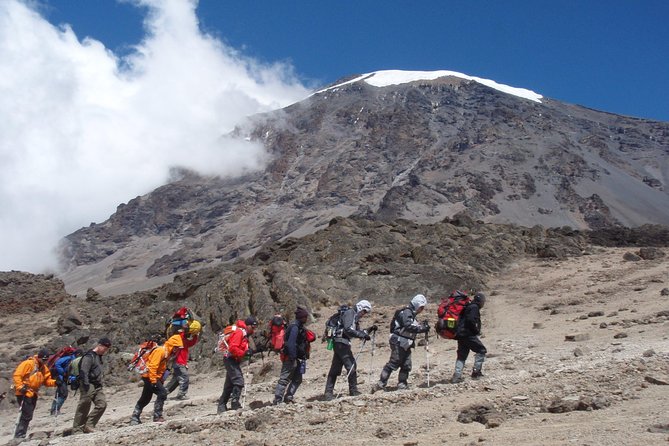
Kilimanjaro humbles you fast. The Machame Route mixes mossy rain forest, Shira Plateau volcanic history, and a sunrise push to Uhuru Peak. You get a real sense of altitude as the route changes step by step, not just a straight grind uphill.
I love how the climb runs as a fully supported trek, especially the camp set up that lets you focus on hiking instead of logistics. I also love the emphasis on safety, including medically trained High Altitude First Responders alongside the guiding team, plus careful medical evaluations mentioned in feedback.
One drawback to plan for is that climbing gear and clothing rental are not included, so you will need to budget for rentals or pack the right items before you go.
In This Review
- Key highlights of the Machame Route with Tusker
- Moshi prep: orientation, gear check, and getting your footing
- Machame Gate to Machame Camp: rain forest hiking and monkey noise
- Shira Plateau and the altitudes that show up fast
- Lava Tower to Barranco: glacier views near Kibo
- Barranco Wall and the Kibo-Mawenzi contrast
- Barafu and the cold reality check before summit day
- Summit night: Barafu to the Crater rim, then Uhuru Peak at sunrise
- Descent to Mweka gate: rainforest walking, final lunch, and that shower moment
- Why the Tusker crew support is a big part of the value
- Price and what you’re really getting for $5,628 per person
- Who this Machame climb suits best
- Should you book the Machame Route with Tusker?
- FAQ
- Where does this Kilimanjaro Machame climb start?
- How long is the Machame Route itinerary?
- What is the summit goal on this route?
- Is pickup available?
- Is this tour private or shared?
- Are meals included?
- Are climbing gear and clothing rentals included?
- Is the summit scheduled for early morning?
- Do the guides include medical support?
- What is the cancellation policy?
Key highlights of the Machame Route with Tusker
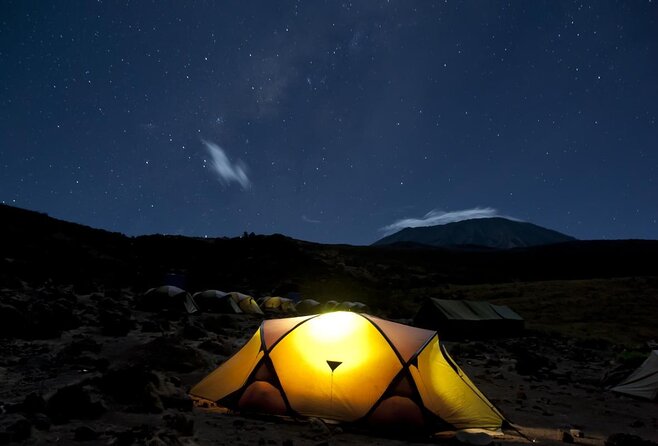
- Camp set up every night, so you mostly hike, then move into a ready camp.
- Medically trained support on the mountain, with High Altitude First Responders and daily health checks.
- A summit plan timed for early daylight, so you reach Uhuru Peak just after sunrise.
- Big scenery variety in a single route, from rain forest to Shira and glacier views near Kibo.
- Iconic trekking days, including the Barranco Wall and the cold Barafu lead-in.
- Private trip for your group, paired with Moshi orientation and a gear check.
Other ways up Kilimanjaro we reviewed
- Kilimanjaro climb by Lemosho Route (7-day)★ 5.0 · 651 reviews
- Kilimanjaro climb, Machame Route (7-day)★ 5.0 · 262 reviews
- Kilimanjaro Climbing Lemosho Route 8 Days.★ 5.0 · 186 reviews
- Climbing Kilimanjaro – Machame Route★ 5.0 · 170 reviews
Moshi prep: orientation, gear check, and getting your footing
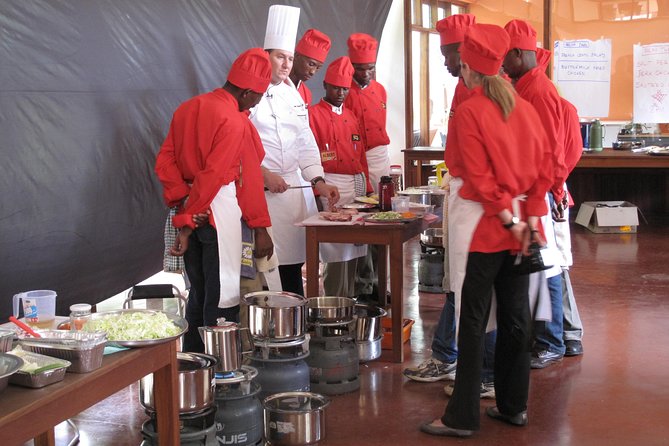
Your trip starts in Moshi, Tanzania, with time to settle in before you touch the mountain. On Day 1, you arrive and check into a family-owned hotel, then use the day to relax and get your body ready for tomorrow. Day 2 is your buffer, because you spend two nights in Moshi prepping and getting to know your guides.
This is more than hotel downtime. You get a detailed climb orientation and a gear check, which matters because Kilimanjaro is not the place to realize you forgot gloves, a warm layer, or something small that affects your comfort. The smoother you are on day 1 and 2, the more energy you can spend hiking on the slopes.
You should also expect that Moshi is where the team sets your rhythm. I like that the plan has that soft start, instead of throwing you straight into high altitude the same day you arrive.
Machame Gate to Machame Camp: rain forest hiking and monkey noise
On Day 3, you drive to the Machame gate, handle the national park sign-in with your guide, then start the climb. The trail begins to narrow and steepen as you work your way uphill through dense, mossy rain forest. This is the part of Kilimanjaro that surprises first-timers, because it can feel humid and alive, not just cold mountain rock.
The vibe here is active. The route goes through a setting where colobus monkeys bark from the tree canopy, and the air feels like it belongs to a different planet than the summit. You also get camp support quickly: the camp crew has camp set up when you arrive, so you can move in without turning the evening into a second job.
You hike about 7 hours to reach Machame Camp. Practical note: because this day is in rain forest conditions, it’s smart to wear what you can handle if you sweat early, then cool off later. Your guide will set the pace, and the itinerary keeps things steady.
Shira Plateau and the altitudes that show up fast
Day 4 shifts the mood. After breakfast, you leave the last glades of rain forest behind and work through fields of heather. On a clear day, you can spot Kibo Peak from 20 miles (12 km) away, which gives you a visual target while your body starts to notice altitude.
This day is where the climb becomes more than just walking. The plan specifically notes that after about 9,000 ft, you start to feel the effects of altitude, and you hike slowly. You also pass through classic Kilimanjaro plant life, including lobelia, protea, and giant Senecio, which look like they belong in a science film.
You reach Shira in about 7 to 8 hours. Think of Shira as a staging zone. It’s high enough to start testing your breath and stamina, but close enough that the route can keep acclimatizing you gradually.
More Machame departures, compared
Lava Tower to Barranco: glacier views near Kibo
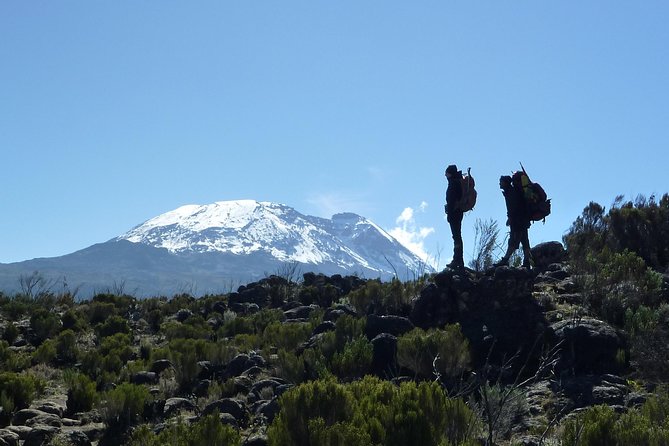
Day 5 is a long, scenic day, about 8 hours, with a strong sense of walking around Kibo’s dramatic presence. You hike uphill past the Lava Tower, then slowly trek downhill through giant Senecios toward Barranco. The route is known for putting you near some of the most dramatic mountain angles, and here you start seeing the towering peaks from different sides, including glacier views on Kibo’s south-facing side.
The highlight is the way the trail links geology and altitude. You are not only changing elevation, you are changing the visual world around you, from forest remnants to open plant zones and then toward the alpine character of Barranco.
You arrive at Barranco Camp after descending through heather and lobelias. That descent element is important. Even when you feel fine, Kilimanjaro is about managing your effort, and this day helps you keep things moving without making every step a maximum push.
Barranco Wall and the Kibo-Mawenzi contrast
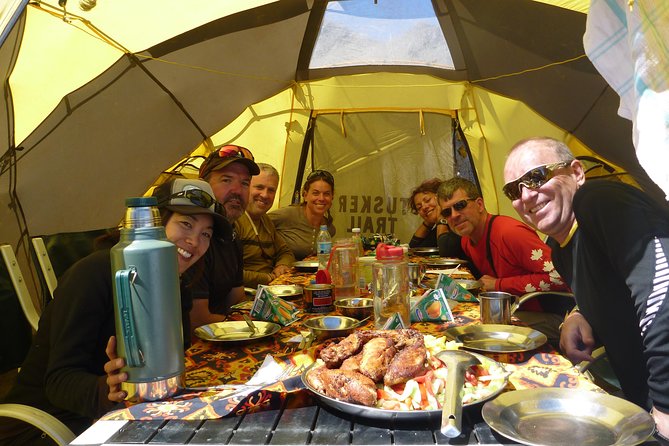
Day 6 is shorter but punchier, about 5 hours. After breakfast, you head for the Barranco Wall, one of the most spectacular days on the route. This is a hiking day with real rhythm, because you get up and down valleys and then tackle a climb that feels more exposed than the earlier forest section.
The scenery helps you stay present. The route notes Kibo hovering over your left shoulder, while Mawenzi looms to the right. That kind of constant landmarking is useful when you start to feel the mental fatigue of long climbs.
Because the air gets thinner over the week, it helps when the day is built around focus points. You’re not just “going up,” you’re going toward a known feature, Barranco Wall, with views that keep you motivated.
Barafu and the cold reality check before summit day
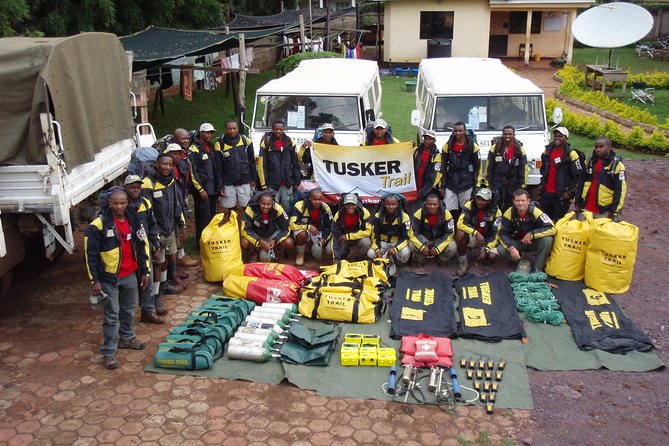
Day 7 is where the climb starts testing you more seriously. The itinerary flags that the air becomes thin, and you will run short of breath. The uphill section toward Barafu Camp is tough, but it’s also rewarding because you reach a base for the summit night.
Barafu means ice in Swahili, and the plan calls out that it gets extremely cold at this altitude. This is one of those days where your comfort choices matter. If you go light on warmth, you will feel it more. If you manage layers well and follow the pace your guide sets, the cold stays uncomfortable but manageable.
Expect anticipation on this day. Clouds can move in and out, and the route notes Mawenzi’s eroded shape appearing as the weather shifts. That’s a real mental cue: the summit push is close, and you are no longer hiking in the same way you did on day 3 and 4.
Summit night: Barafu to the Crater rim, then Uhuru Peak at sunrise
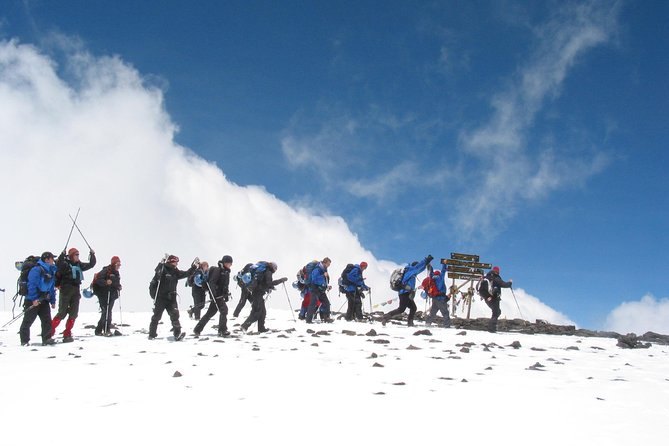
Day 8 is the big one. You start climbing a couple hours before sunrise, so you’re on the steepest and most demanding part of the mountain while it’s still dark and the temperature is at its lowest. This is also when the itinerary is very specific about how the day flows.
First, you go from Barafu to the summit area, reaching the Crater rim after lunch. That part is described as steep, with a long effort that often feels like it goes forever. The plan notes the distance as 2.75 miles (4.5 km), with total time 7 to 9 hours for that segment.
Then you continue onward: Crater rim to Uhuru Peak is described as about 1 to 2 hours, and you reach Uhuru Peak just after sunrise. That timing is a big deal because it can make your summit moment feel more human. You can see your footing better, and the switch from darkness to warm daylight tends to brighten everything, including your attitude.
After Uhuru Peak, you continue down to Millennium. The itinerary describes that descent as invigorating, then back down to Barafu for rest before continuing to Millennium Camp for your last night. You then hike from summit to Millennium in about 5 to 6 hours, covering 6.3 miles (10.1 km).
This is also where the support team matters. Reviews emphasize tents, food, and advice, and they also mention careful medical evaluations each day. On summit night, that kind of day-to-day health focus is not a nice-to-have. It changes how steady you feel moving into the hardest hours.
Descent to Mweka gate: rainforest walking, final lunch, and that shower moment
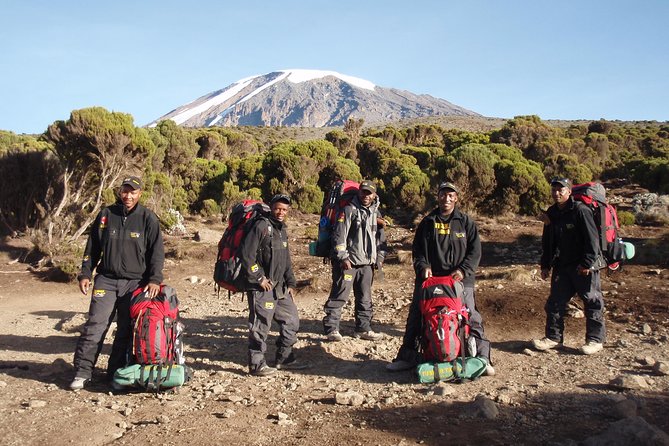
Day 9 is the closing act, but it’s not just an easy stroll. You start with a 2 hour hike to Mweka Camp, then continue about 4 hours through the rainforest down to the gate. You arrive back to civilization with a final lunch and a celebration with your guides and porters.
After the gate, you drive back to the hotel for a well-earned shower. That rhythm, celebration then downtime, helps you decompress without dragging the ending out too long. You also get a clear finish line: the plan sets this as your last full day of walking before departure.
Day 10 is flexible. You can depart Tanzania or continue on safari through wildlife reserves. Even if you do not book safari, it’s useful that the trip has a clean on-ramp and off-ramp, so you can build the rest of your Tanzania days without chaos.
Why the Tusker crew support is a big part of the value
On paper, this is a 10-day hiking itinerary. In real life, the biggest difference between a good climb and a difficult one is how well the team manages the week around you.
The itinerary itself tells you the crew carries your equipment and sets up camp nightly, which translates into real time saved every afternoon. I also like that the plan builds in Moshi orientation and gear check, because it reduces confusion when the mountain gets serious.
In feedback, the guiding team is repeatedly called out for being attentive, eager, and helpful. Names that come up include Kombe, Guadance, Nemis, and Ureo, and that kind of consistent mention is usually a sign the experience is run by actual people with a system. Reviews also highlight tents, food, advice, and careful medical evaluations.
That medical angle matters because Kilimanjaro is an altitude climb, not a technical mountain. Even when you are fit, altitude can be unpredictable, and the plan’s focus on medically trained High Altitude First Responders gives you extra reassurance.
Price and what you’re really getting for $5,628 per person
The price listed is $5,628 per person. That sounds steep until you look at what’s included and what’s not.
On the included side, you have meals (breakfast 9, lunch 10, dinner 8) and admission ticket flags throughout the hiking portion. You also get a full support setup with guides, porters, and daily camp infrastructure, plus medical-ready support on the mountain. And you get a private tour format, meaning your group is not mixed into a larger crowd.
On the not included side, the big one is climbing gear and clothing rental. That means you either need to pack well or plan to rent essentials separately. If you are not already equipped for cold, windy high altitude, this is where your budget can quietly grow.
My practical take: if you want the climb to feel managed, with fewer logistics headaches and strong safety support, the price is easier to justify. If you love DIY logistics and already own the right cold-weather gear, you may feel less of a need for a high-touch provider.
Who this Machame climb suits best
This plan is best for you if you:
- Want a classic Kilimanjaro itinerary that moves through rain forest, Shira, Barranco, Barafu, and finishes with an early summit strategy.
- Like having a strong guiding and support team handling camp logistics.
- Appreciate altitude support that includes medically trained first responders.
It might not be the best fit if:
- You want to travel ultra-budget and you are not ready to pay for gear rentals or warm clothing.
- You dislike cold mornings and steep walking, since the plan includes extreme cold at Barafu and a demanding summit night climb.
If you’re a first-time Kilimanjaro hiker, the structured Moshi prep, gear check, and daily guidance can help you feel more confident. If you’re an experienced hiker, the itinerary’s clear pacing and major landmarks are still a good match.
Should you book the Machame Route with Tusker?
I would book this if your goal is a well-supported Machame climb with a strong safety mindset, early summit timing, and less time spent managing camp logistics. The mix of rain forest, Shira volcanic views, Barranco Wall drama, and a sunrise Uhuru Peak moment makes this route feel like it changes gear every day.
Skip it only if you are not prepared for the cold and altitude demands, or if you do not want to handle gear rental planning. For most people, the decision comes down to one thing: do you want the mountain to feel guided and managed? This one is built for that.
FAQ
Where does this Kilimanjaro Machame climb start?
It starts in Moshi, Tanzania.
How long is the Machame Route itinerary?
The duration is about 10 days.
What is the summit goal on this route?
The summit target is Uhuru Peak, the highest point in Africa (19,341 ft / 5,895 m).
Is pickup available?
Pickup is offered.
Is this tour private or shared?
This is a private tour/activity, meaning only your group participates.
Are meals included?
Yes. The itinerary lists breakfast (9), lunch (10), and dinner (8).
Are climbing gear and clothing rentals included?
No. Climbing gear and clothing rental are not included.
Is the summit scheduled for early morning?
Yes. The climb to Uhuru Peak starts a couple of hours before sunrise, and the plan aims to summit just after sunrise.
Do the guides include medical support?
Yes. The plan describes medically trained High Altitude First Responders as part of the guiding team.
What is the cancellation policy?
Free cancellation is available. You can cancel up to 24 hours in advance for a full refund, based on local time cutoffs.
More Machame Departures
- Kilimanjaro climb, Machame Route (7-day)
★ 5.0 · 262 reviews - Climbing Kilimanjaro – Machame Route
★ 5.0 · 170 reviews - Climbing Kilimanjaro through 7 days Machame Route
★ 5.0 · 151 reviews - #1. Best Kilimanjaro Day hike Tour-Machame Route-ISMANI
★ 4.2 · 47 reviews - 7 Days Machame route – Kilimanjaro
★ 5.0 · 45 reviews
Kilimanjaro, Route by Route
- Kilimanjaro climb by Lemosho Route (7-day)
★ 5.0 · 651 reviews - Kilimanjaro climb, Machame Route (7-day)
★ 5.0 · 262 reviews - Kilimanjaro Climbing Lemosho Route 8 Days.
★ 5.0 · 186 reviews - Climbing Kilimanjaro – Machame Route
★ 5.0 · 170 reviews - Climbing Kilimanjaro through 7 days Machame Route
★ 5.0 · 151 reviews
Just added from around Moshi
Kilimanjaro Machame Route, compared.
 ★ 5.0Kilimanjaro climb, Machame Route (7-day)From $3,377262 reviews
 ★ 5.0Climbing Kilimanjaro – Machame RouteFrom $2,322170 reviews
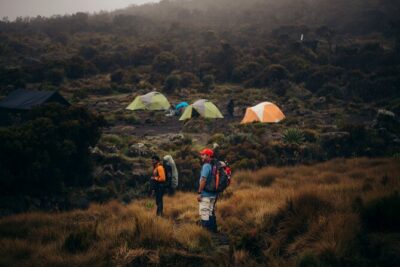 ★ 5.0Climbing Kilimanjaro through 7 days Machame RouteFrom $2,425151 reviews
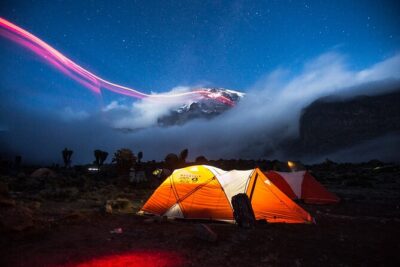 ★ 5.07-Day Machame Kilimanjaro Summit Tour from ArushaFrom $2,695125 reviews
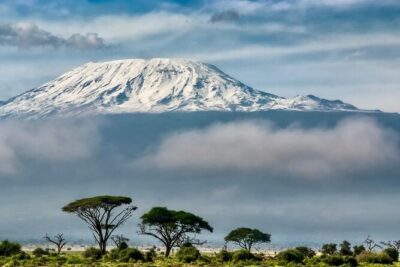 ★ 5.07 Days Kilimanjaro via Machame route affordable priceFrom $2,400110 reviews
 ★ 4.2#1. Best Kilimanjaro Day hike Tour-Machame Route-ISMANIFrom $11547 reviews
 ★ 5.07 Days Machame route – KilimanjaroFrom $2,85045 reviews
 ★ 5.0The Best of Machame Route in 6 Days: Your World’s Summit GuideFrom $1,15044 reviews
Browse the lists this tour appears in