
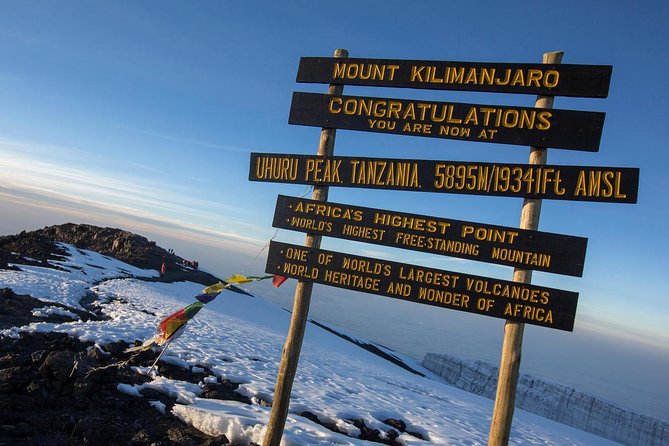
REVIEW · KILIMANJARO MACHAME ROUTE
Kilimanjaro Climb – 7 Days Machame Route
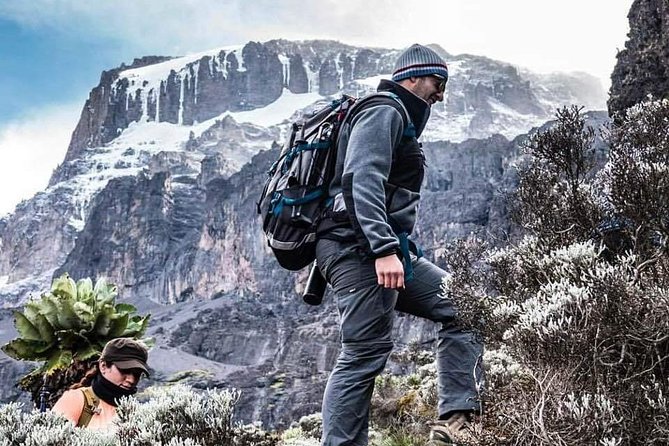
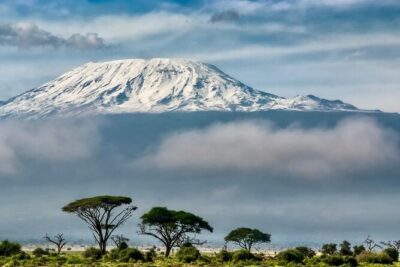
Kili teaches patience, one step at a time. The Machame Route, often called the Whisky Route, is famous because the scenery keeps changing, from rainforest climbs to moorland ridges and eventually misty views of Kibo under big ice scenery. It is one of the most scenic ways up, and that visual variety matters when you are spending days at altitude.
I really like how this route builds time for acclimatization, with a pacing that is generally more manageable over 7 days. I also love the all-in structure: you get professional guides, cooks, and porters, plus 4-season tents and 3 meals daily, so your job is mainly to hike, breathe, and stay warm.
The main consideration is simple: even on a good route, the altitude and the summit push are still hard. Day 6 includes a long up-and-down day with major elevation change, so you should be ready for the physical grind and the cold nights that come with sleeping at high altitude.
In This Review
- Key things to know before you climb the 7-day Machame Route
- Machame route, also called the Whisky Route: why the scenery matters
- Value check: what $2,500 covers on Kilimanjaro (and why that matters)
- Day-by-day plan: the walk, the views, and where it can feel tough
- Day 1: Machame Gate to Machame Camp
- Day 2: Machame Camp to Shira Camp
- Day 3: Shira Camp to Lava Tower, then Barranco Camp
- Day 4: Barranco Camp to Karanga Camp
- Day 5: Karanga Camp to Barafu Camp
- Day 6: Barafu Camp to the summit area, then down to Mweka Camp
- Day 7: Mweka Camp to Mweka Gate to Moshi
- Your crew and comfort: guides, tents, food, and morale support
- Packing and pacing advice for altitude, cold nights, and long days
- Should you book this 7-day Machame climb with Incredible Africa Adventures?
- FAQ
- Where does the 7-day Machame route start and end?
- How long is the trek and how many days is it?
- Is airport pickup and drop-off included?
- What is day 6 like, including the summit segment?
- Are tents provided, and what type?
- What meals are included while you are on the mountain?
- What does the price include?
- What is not included in the tour price?
- Do I need a certain fitness level?
- Can I cancel for free, and what if weather is bad?
Key things to know before you climb the 7-day Machame Route
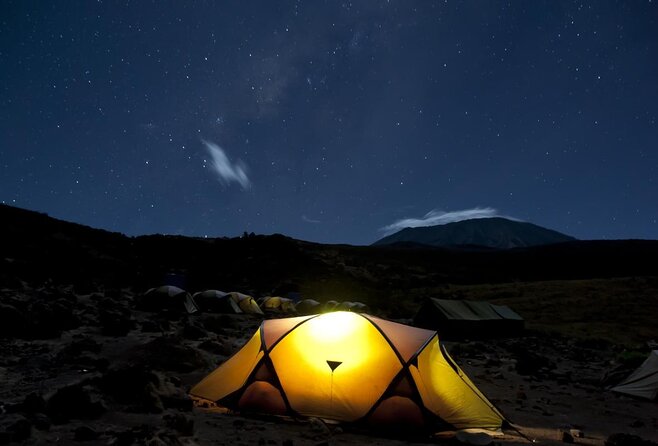
- Machame scenery swap: rainforest, moorland, semi-desert, alpine desert, then glaciers and snow views
- Acclimatization built in: a 7-day plan that makes the incline feel more controlled than shorter options
- All-in mountain support: guides, cooks, porters, rescue fees, and camping fees handled
- High camp to summit intensity: Day 6 is the big challenge, then you keep moving downhill to sleep again
- Comfort details show up in service: people highlight morale boosts and even special food handling like gluten-free needs
Other ways up Kilimanjaro we reviewed
- Kilimanjaro climb by Lemosho Route (7-day)★ 5.0 · 651 reviews
- Kilimanjaro climb, Machame Route (7-day)★ 5.0 · 262 reviews
- Kilimanjaro Climbing Lemosho Route 8 Days.★ 5.0 · 186 reviews
- Climbing Kilimanjaro – Machame Route★ 5.0 · 170 reviews
Machame route, also called the Whisky Route: why the scenery matters
Kilimanjaro is not one single look. On the Machame route, you get distinct “worlds” in just a few days, and that is a big deal for your motivation.
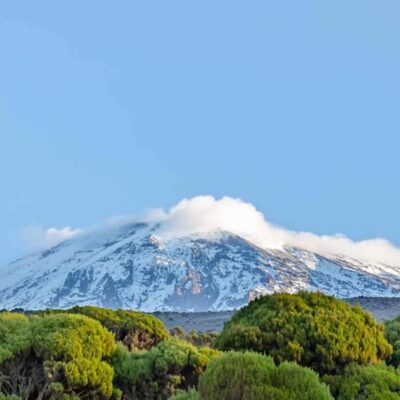
Day 1 starts with rainforest at lower elevation, where the air feels more forgiving and the path funnels you toward camp. Day 2 shifts to moorland, which tends to feel more open and exposed. Day 3 and Day 4 bring semi-desert and alpine desert scenery, where your footsteps are quieter and the horizon feels huge. Then you get the big moment: misty Kibo views and the dramatic approach beneath glaciated features on the way to the summit area and back down.
There is also something practical about this scenery mix: the route does not just throw you into maximum altitude immediately. It gives you time to adjust your pace and breathing rhythm while the environment changes around you, which is exactly how you want altitude to feel, gradual and spaced out.
Value check: what $2,500 covers on Kilimanjaro (and why that matters)
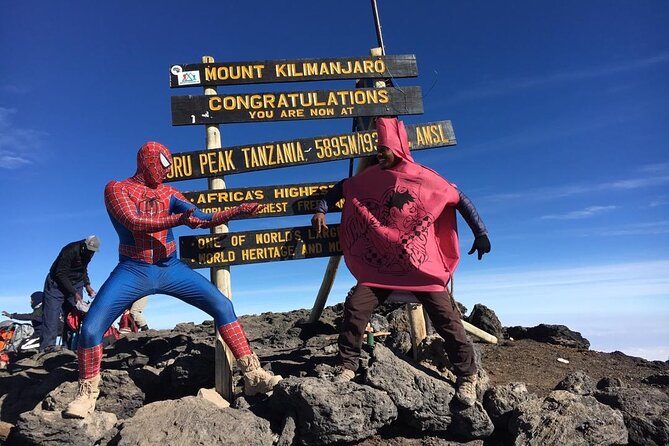
At $2,500 per person, you are not just paying for a “ticket to a mountain.” You are paying for the entire operating system that keeps you hiking, fed, safe, and camping.
Here is what is included:
- Pick up and drop off at Kilimanjaro International Airport
- Park fees, camping fees, and rescue fees, plus 18% VAT
- 4-season mountain tents
- Transportation to and from the mountain gate
- Professional guides, cooks, and porters
- 3 meals daily while you are on the mountain
That coverage is the value. Rescue and camping fees are easy to underestimate until you compare total costs across operators. Also, tents, cooks, and porters are not small perks. On a 7-day trek, those roles directly affect how you sleep, how you eat, and how much energy you have left for the hike.
What is not included:
- Flights
- Items of personal nature
- Laundry services
- Tips for the mountain crew
One more value note: this is described as a private experience, meaning only your group participates. If you care about moving at your own pace and not negotiating your comfort with strangers, that matters.
Day-by-day plan: the walk, the views, and where it can feel tough
This route is built as a steady climb with a key “tough day” later, plus downhill walking every night cycle. Below, I will break down each day in plain terms, including the distances and altitude changes you are looking at.
More Machame departures, compared
Day 1: Machame Gate to Machame Camp
You hike about 10.75 km (7 miles) for 5 to 6 hours, climbing from 1811 m to 3021 m. That is roughly 1210 m of elevation gain. Expect rainforest conditions.
Why this day matters: it is your warm-up to altitude, but it is not a casual stroll. The rainforest often brings more moisture and can mean slower footing. You start building rhythm and learning how your body responds when the air thins.
Possible drawback: if you go out too fast on day 1, you can feel it later. Plan a pace you can hold even when the path starts to feel like it is politely judging you.
Day 2: Machame Camp to Shira Camp
This is shorter, about 5.3 km (3 miles) for 4 to 5 hours, rising from 3021 m to 3839 m. That is about 818 m of altitude gain. Terrain shifts to moorland.
Why it is valuable: this is where you benefit from a longer itinerary. The climb continues, but the day is not as aggressively long as day 1. Moorland can feel windy and exposed, so layering matters more than you think.
Practical thought: if you feel sluggish, day 2 is where you slow down without feeling like you are “falling behind.” The goal is to arrive at camp functional, not heroic.
Day 3: Shira Camp to Lava Tower, then Barranco Camp
Day 3 is about 10.75 km (6 miles) for 5 to 6 hours, climbing from 3839 m to 3986 m, with 147 m of gain. It is semi-desert.
Why Lava Tower matters: it adds a high point and helps you acclimatize before you drop into a lower-feeling camp area. Then the route pushes you toward Barranco Camp, where you start to see the route’s signature challenge coming into view.
Possible drawback: even with smaller altitude gain, you can still feel “worked” at this level. At altitude, your body spends energy just to keep moving, not just to climb.
Day 4: Barranco Camp to Karanga Camp
You cover about 5.2 km (3 miles) in 3 to 4 hours, from 3986 m to 4034 m, gaining only 48 m. This is alpine desert.
Why this day is smart: it functions like a buffer. You keep moving, but you are not stacking huge altitude increases on your body. That can improve your chances later, especially with the summit push coming.
What to watch for: if you feel great on day 4, it can be tempting to hike faster. Resist that urge. The route’s strength is pacing.
Day 5: Karanga Camp to Barafu Camp
About 3.3 km (2 miles) for 3 to 4 hours, rising from 4034 m to 4662 m. That is about 628 m of gain, still alpine desert.
Why it can feel like a shift: 628 m sounds moderate, but when you are already high, it can feel like a different type of effort. Barafu is your launch pad. It is also where you start thinking about what you will need for summit night, because your body will want practical comfort, not complicated decisions.
Day 6: Barafu Camp to the summit area, then down to Mweka Camp
This is the day most people remember. It includes:
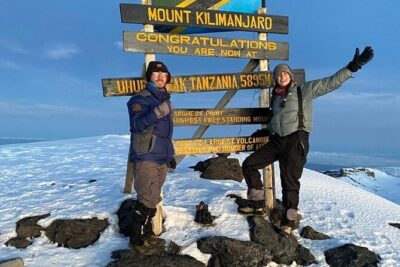
- Up: 4.86 km (3 miles), 5 to 7 hours, from 4662 m to 5895 m (gain 1233 m)
- Down: 11.5 km (7.2 miles), 5 to 6 hours, descending to about 3106 m (loss 2789 m)
Terrain includes glaciers and snow-capped summit scenery.
Why the split matters: the summit part is what you picture, but the real test is the grind of moving downhill afterward when you still feel the altitude. Your legs may feel like they are made of old rubber bands.
This is also where your pacing, hydration, and attitude pay off. If you try to force speed early, it can backfire. If you hike steady, you often keep enough fuel in your body to keep going until you reach the next sleeping point.
Day 7: Mweka Camp to Mweka Gate to Moshi
You hike about 9.1 km (6 miles) for 3 to 4 hours, from 3106 m to 1633 m, losing 1473 m. The terrain is rainforest again.
Then from the gate, a driver meets you to go back to your hotel in Moshi, about 30 minutes.
Why this last day feels sweet: you get relief from high-altitude sleeping, and the rainforest air feels like a reward. It is also a reminder that you still have to walk. Do not assume day 7 is only paperwork and photos.
Your crew and comfort: guides, tents, food, and morale support
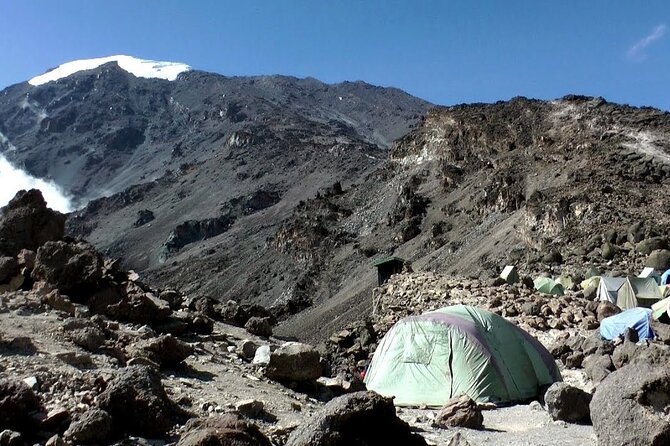
On Kilimanjaro, the “camp stuff” is not fluff. It is what helps you recover so you can hike again the next day.
This operator includes:
- 4-season mountain tents
- 3 meals daily while on the mountain
- A full team of guides, cooks, and porters
- Park, camping, and rescue fees handled
In the feedback, one name keeps showing up as a guiding force: guides such as Nelson, Innocent, Raffael, and John. People also call out English-speaking, experienced leaders who keep the mood high, and you see it in small details like morale and humor that show up when the hike gets slow.
Food support matters too. One group specifically noted the team accommodated gluten-free needs, and they even brought coffee and hot water in the tent. That kind of comfort is not necessary to climb, but it can make the nights feel less miserable and the mornings more manageable.
Also, remember you are in a tent at night every day. A strong tent setup and consistent meals help you avoid the common failure mode, you spending energy worrying about comfort instead of saving energy for hiking.
Packing and pacing advice for altitude, cold nights, and long days
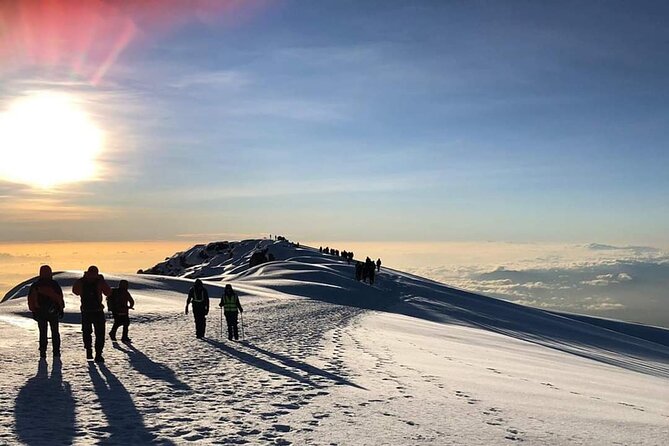
You do not want your gear to become a second job. With 4-season tents and meals included, your main packing goal is staying warm, dry, and moving well.
A few practical principles:
- Layer like you expect temperature swings. You go from rainforest to high alpine desert conditions where it can be cold, fast.
- Plan for a long day on Day 6. That is the summit day plus the descent to Mweka Camp. Bring what you need for steady effort, not just for the dramatic summit photos.
- Keep water and snacks simple. The route is busy enough that you want easy routines. Drink steadily rather than chugging at random points.
- Pace beats willpower. This plan’s strength is manageable progress across several days. Use that structure. Do not “win the day” by hiking too fast early.
One more non-negotiable: altitude makes your body unpredictable. Even if you are fit, you still need to respect symptoms and communicate with your guide team. If you feel wrong, tell them early. That is part of hiking smart.
Should you book this 7-day Machame climb with Incredible Africa Adventures?
If you want a Kilimanjaro route with big scenery variety, the Machame itinerary is a strong choice. The biggest reason to book is the route logic: it spreads altitude increases across multiple days, then concentrates intensity on the summit day when you are already acclimatized. If you like being out in constantly changing landscapes rather than moving through one repeating environment, this route matches that taste.
I would book if:
- You are aiming for a scenic, classic Kilimanjaro route called the Whisky Route
- You want full-service support with guides, cooks, porters, tents, meals, and key fees included
- You prefer a private experience and a planned transport flow around Moshi
I might reconsider if:
- You are not ready for a serious physical day on Day 6, with both the summit push and a long descent to Mweka Camp
- You know you struggle with cold nights and you have not trained or planned for that kind of discomfort
If you do book, your best strategy is simple: walk steady, follow your guide’s pace, and protect your energy for the big day.
FAQ
Where does the 7-day Machame route start and end?
The trek starts at Machame Gate and finishes after you reach Mweka Gate, where you then transfer back to Moshi. Day 1 goes from Machame Gate to Machame Camp, and Day 7 goes from Mweka Camp to Mweka Gate and then to Moshi.
How long is the trek and how many days is it?
It is a 7-day climb on the Machame Route, with hiking days ranging from about 3 to 6 hours most days, and a longer Day 6 that includes both the summit push and a descent.
Is airport pickup and drop-off included?
Yes. The package includes pick up and drop off at Kilimanjaro International Airport.
What is day 6 like, including the summit segment?
Day 6 includes hiking up from Barafu Camp to the summit area and then descending to Mweka Camp. It is listed as 5 to 7 hours up and 5 to 6 hours down, with elevation going from about 4662 m to 5895 m, then descending to about 3106 m.
Are tents provided, and what type?
Yes. The package includes 4-season mountain tents, and camping fees are also included.
What meals are included while you are on the mountain?
You get 3 meals daily while you are on the mountain.
What does the price include?
Included items are airport pickup and drop-off, park fees, camping fees, rescue fees, 18% VAT, tents, mountain gate transportation, professional guides, cooks and porters, and 3 meals daily.
What is not included in the tour price?
Not included are flights, items of personal nature, laundry services, and tips to the mountain crew.
Do I need a certain fitness level?
The guidance is moderate physical fitness. You should be prepared for a demanding high-altitude trek, especially on the summit day.
Can I cancel for free, and what if weather is bad?
Cancellation is free up to 24 hours in advance for a full refund. The experience requires good weather, so if it is canceled due to poor weather you should be offered a different date or a full refund.
More Machame Departures
- Kilimanjaro climb, Machame Route (7-day)
★ 5.0 · 262 reviews - Climbing Kilimanjaro – Machame Route
★ 5.0 · 170 reviews - Climbing Kilimanjaro through 7 days Machame Route
★ 5.0 · 151 reviews - #1. Best Kilimanjaro Day hike Tour-Machame Route-ISMANI
★ 4.2 · 47 reviews - 7 Days Machame route – Kilimanjaro
★ 5.0 · 45 reviews
Kilimanjaro, Route by Route
- Kilimanjaro climb by Lemosho Route (7-day)
★ 5.0 · 651 reviews - Kilimanjaro climb, Machame Route (7-day)
★ 5.0 · 262 reviews - Kilimanjaro Climbing Lemosho Route 8 Days.
★ 5.0 · 186 reviews - Climbing Kilimanjaro – Machame Route
★ 5.0 · 170 reviews - Climbing Kilimanjaro through 7 days Machame Route
★ 5.0 · 151 reviews
Just added from around Moshi
Kilimanjaro Machame Route, compared.
 ★ 5.0Kilimanjaro climb, Machame Route (7-day)From $3,377262 reviews
 ★ 5.0Climbing Kilimanjaro – Machame RouteFrom $2,322170 reviews
 ★ 5.0Climbing Kilimanjaro through 7 days Machame RouteFrom $2,425151 reviews
 ★ 5.07-Day Machame Kilimanjaro Summit Tour from ArushaFrom $2,695125 reviews
 ★ 5.07 Days Kilimanjaro via Machame route affordable priceFrom $2,400110 reviews
 ★ 4.2#1. Best Kilimanjaro Day hike Tour-Machame Route-ISMANIFrom $11547 reviews
 ★ 5.07 Days Machame route – KilimanjaroFrom $2,85045 reviews
 ★ 5.0The Best of Machame Route in 6 Days: Your World’s Summit GuideFrom $1,15044 reviews
Browse the lists this tour appears in