
REVIEW · KILIMANJARO MACHAME ROUTE
Kilimanjaro 7 Days Machame Route Private Tour
Kilimanjaro tests patience and pays you back. This private Machame route gives you a classic climb rhythm with built-in acclimatization, plus a full camping setup so you can focus on walking, hydrating, and sleeping. You base out of Moshi, with optional airport pickup and a pre-trek gear check so you start the hike ready.
I really like the private tour feel, because it keeps the pace and planning tightly matched to your group. I also like that camp life is handled for you, with dining and sleeping tents plus meals carried in by the kitchen team.
The one consideration is the altitude workload. Even with a smart schedule, the summit night is long, cold, and demanding, and you should treat this as serious climbing, not a casual hike.
In This Review
- Key things that make this Machame climb work
- Why the Machame Route is such a satisfying challenge from Moshi
- Moshi pre-trek day: your gear check, briefing, and calm before the push
- Day 2: Machame gate through rainforest to Machame Camp
- Day 3: the moorlands lift, big views, and a camp with motivation
- Day 4 acclimatization: Lava Tower at 4,600 m, then down to Barranco Camp
- Day 5: Great Barranco exit and Karanga Camp at 3,963 m
- Day 6: Barafu Camp at 4,643 m, tough scree, and summit prep
- Day 7: summit night, Stella Point at 5,861 m, and Uhuru Peak
- Day 8: Mweka descent down to about 1,700 m, then your certificate
- Camp life: how the included kitchen setup changes your experience
- Safety and medical readiness you get before you even start
- Guides, teamwork, and why the organization gets praised so often
- Price and value: what $1,895 buys you on Kilimanjaro
- Who this private Machame tour is best for
- Should you book the Kilimanjaro 7 Days Machame Private Tour?
- FAQ
- What route is this tour?
- How long is the overall trip?
- Where does the tour start?
- Does the tour include pickup from the airport?
- What is included in the camping setup?
- What about meals?
- Is summit attempt equipment provided?
- What safety and medical items are provided?
- Is this tour private?
- Can I cancel for a full refund?
Key things that make this Machame climb work
- Private group focus for smoother logistics, pacing, and decision-making
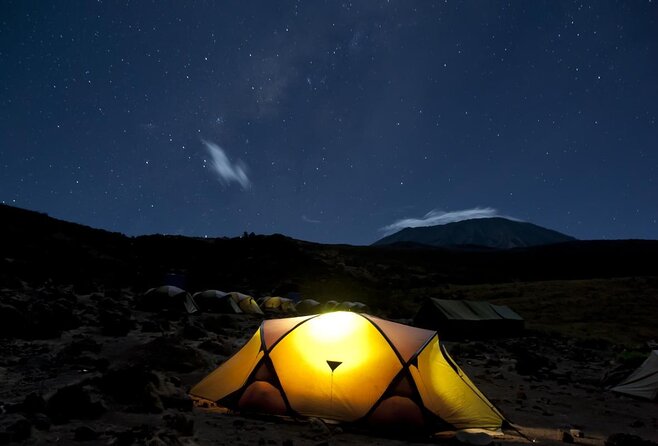
- Full camping setup (tents, pads, dining area, utensils) so you are not hauling everything
- Certified Wilderness First Responder guides plus first-aid support on the mountain
- Real acclimatization choices, including time at higher elevations before continuing
- Emergency comfort items like pulse oximeters and portable oxygen tanks
- Reliable camp planning that keeps you fed and moving on schedule, even on summit night
Other ways up Kilimanjaro we reviewed
- Kilimanjaro climb by Lemosho Route (7-day)★ 5.0 · 651 reviews
- Kilimanjaro climb, Machame Route (7-day)★ 5.0 · 262 reviews
- Kilimanjaro Climbing Lemosho Route 8 Days.★ 5.0 · 186 reviews
- Climbing Kilimanjaro – Machame Route★ 5.0 · 170 reviews
Why the Machame Route is such a satisfying challenge from Moshi
If you want Kilimanjaro that feels like a proper adventure, Machame is one of the routes that delivers. The scenery changes as you go, but the bigger win is the “training effect” of the daily effort. You are steadily climbing, then dropping to sleep lower, which is exactly what your body needs when you start operating in thin air.
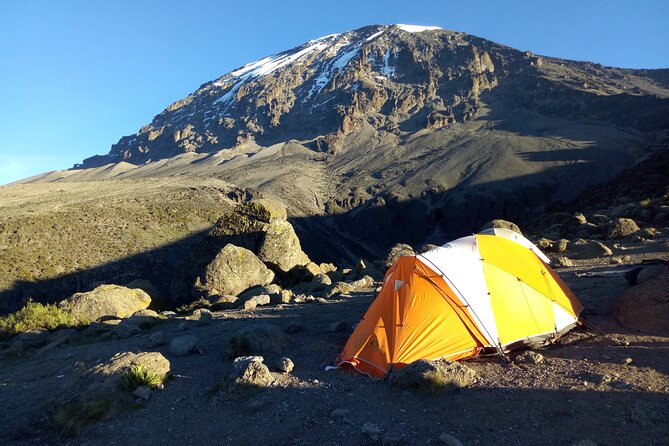
This tour is built around the Machame flow, starting from the Machame gate and moving through distinct zones: montane forest, moorlands, alpine desert, and then the ice and crater edge area. That means your trek does not feel like one long sameness slog. You get repeated moments where the environment clues you in that you are truly gaining elevation, and those changes help you stay mentally engaged on harder days.
From Moshi, the logistics also make sense. Most people fly into Kilimanjaro Airport or travel through Arusha, then settle in Moshi for briefing and prep. That extra day buffer is important on Kilimanjaro, because getting ready well is part of climbing well.
Moshi pre-trek day: your gear check, briefing, and calm before the push
Your trip starts in Moshi with an optional airport transfer, then a hotel stay where you meet your guide for your pre-trek briefing. Plan to arrive at least one day before the trek start. That is not just a technicality. It gives you time to settle, review what you brought, and correct gaps before the mountain starts demanding your attention.
This day also includes equipment review and any rentals you might need from the tour store. That matters because the right cold-weather and altitude gear is a safety factor, not just comfort. If your sleeping bag or layers are wrong, the problem shows up at night when you can least afford it.
If you are a nervous planner, this is the kind of day you will appreciate. You go from traveling mode to mountain mode without rushing. You also get the summit logic explained ahead of time, so midnight does not feel like an ambush.
Day 2: Machame gate through rainforest to Machame Camp
After breakfast, you drive from Moshi to Machame gate. There is registration at the gate, then the trek begins through rainforest. The early part is usually your first taste of what Kilimanjaro feels like, humid, alive, and slower going than you expect because the trail is not just “straight uphill.”
You gain from about 1,200 m up toward roughly 1,700 m and then climb toward 3,000 m. Expect around 5 to 7 hours of hiking for about 13 km. You finish at Machame Camp, where tents are already set up. Dinner and overnight happen at the campsite.
What I like about this stage is the gentle ramp into altitude. You are not going from sea level to summit thoughts right away. You start building rhythm: steady walking, small stops, water intake, and pacing that does not spike your breath.
One practical tip: treat the forest day as a warm-up for your “walking behavior.” If you start sprinting, your breathing will betray you later.
More Machame departures, compared
Day 3: the moorlands lift, big views, and a camp with motivation
Day 3 brings you out of rainforest glades and up through moorlands. You are moving from about 3,000 m to around 3,800 m, covering roughly 9 km in about 5 to 6 hours. The description is “little valleys and steep rocky ridge,” with heather plants and a real sense that you are leaving the lush world behind.
You end at a camp positioned on the western side of the mountain. That is where you can see Mount Meru, Shira Plateau, Kibo Peak, and often a striking sunset. Then it is dinner and overnight.
This day matters because it is where many people feel the altitude for the first time in a way that sticks in the mind. The views are gorgeous, but the real value is psychological. When you look out and recognize distant peaks, you remember that the work is going somewhere.
If you are prone to rushing on scenic days, resist it. Use the landscape as a reason to slow down, breathe, and keep your pace controlled.
Day 4 acclimatization: Lava Tower at 4,600 m, then down to Barranco Camp
This is your long acclimatization day, and it is one of the key reasons Machame schedules can work better than a straight line up. You wake early for breakfast, then trek east toward a junction that heads up to Lava Tower at about 4,600 m for acclimatization.
After that higher segment, you continue down to Barranco Camp at about 3,950 m. The day includes around 13 km and about 7 to 8 hours of hiking.
The trick with acclimatization days is that they do not feel easy. You are working, not resting. But the payoff is that you give your body time to adapt, then you sleep lower again to recover.
You also end the day in a spot that sits by the Barranco wall valley. That location helps explain why the next day can feel like a “structured effort” instead of a random assault. You are building a sequence: climb high to adjust, then descend to regain stability.
Day 5: Great Barranco exit and Karanga Camp at 3,963 m
Day 5 starts by descending into the Great Barranco, a huge ravine. Then you exit steeply, climbing up the Great Barranco Wall. The effort is not technical, but it is long and tiring because it climbs rock and demands steady focus.
You pass under the Heim and Kersten glaciers area, then head toward the Karanga valley. From there, you climb up to Karanga Camp at around 3,963 m.
Hiking time is about 4 to 5 hours for roughly 5.5 km. There is also an optional mid-afternoon acclimatization trek up to around 4,200 m for those who feel strong, followed by a return to camp.
This is a day where your mental game matters. You are high, you are working, and you might feel like stopping more than you want to. The “bigger picture” win is that you are training for the big push later, not just getting through the days.
If you are the type who gets tempted to go hard early, use this day to practice the Kilimanjaro pace you want to keep under stress.
Day 6: Barafu Camp at 4,643 m, tough scree, and summit prep
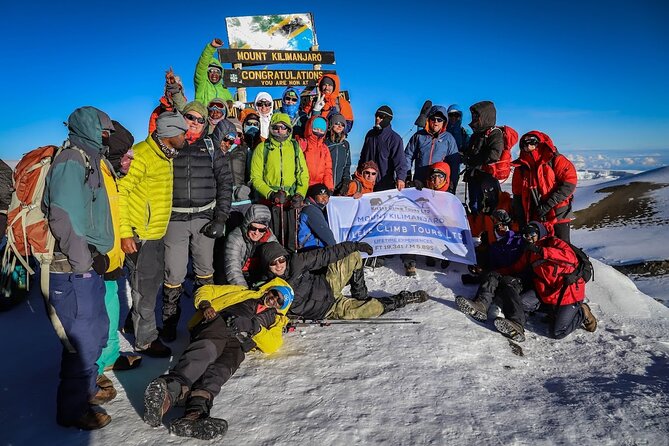
On Day 6 you go from about 3,963 m up to Barafu Camp at around 4,643 m. Distance is short, only about 3 km, but the time is 3 to 4 hours because the terrain is scree and the altitude does the rest of the work.
Expect a steep, desolate walk across slopes with little to no vegetation. When you arrive, you eat and rest in the afternoon as you prepare for the long night ahead. The summit is another 1,342 m up after reaching Barafu.
This is where practical preparation pays off. You will set up your gear for summit night, including ski stick and thermal clothing. The trip notes also point out something that many hikers forget, plan for a replacement headlamp and even camera gear for the climb.
What I like about this setup is that it turns summit night from an anxious guessing game into an actual checklist. Once you have your layers sorted and your light ready, you can focus on breathing, not fiddling.
Day 7: summit night, Stella Point at 5,861 m, and Uhuru Peak
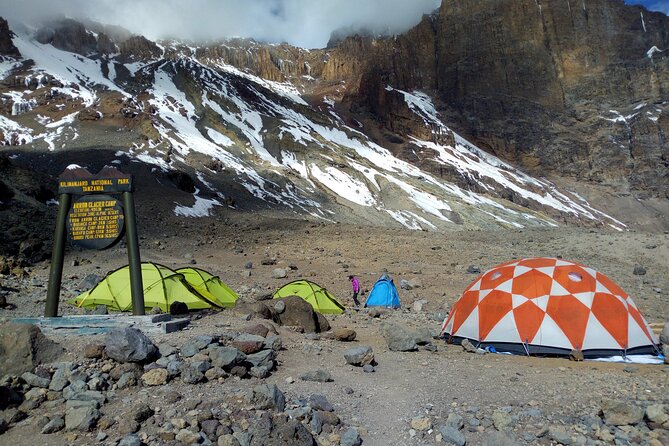
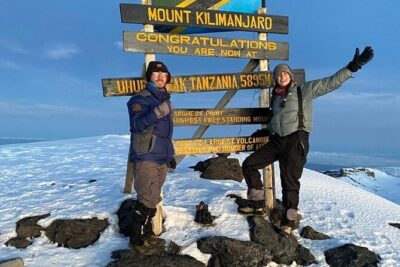
This is the day people remember forever. You wake at midnight for a light breakfast, then you start your summit ascent before dawn. The goal is to reach Uhuru Peak shortly before or after sunrise.
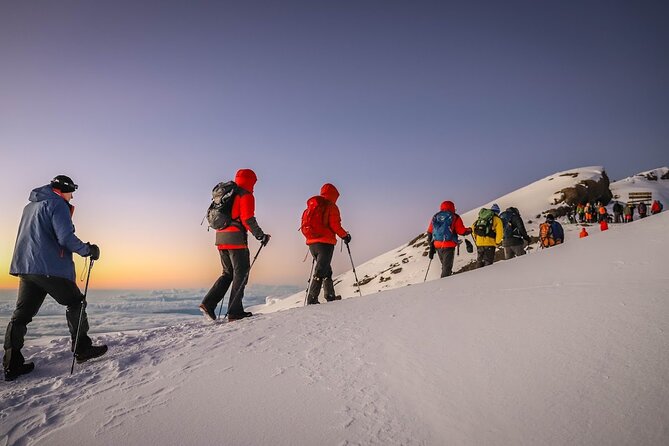
The trail is switchbacks up steep scree and possibly snow, then you reach Stella Point on the crater rim at about 5,861 m around 4 to 5 AM. At Stella Point you are supposed to get big crater views, including the glaciers facing you. After about an hour of hiking along the Kibo crater rim, you reach Kilimanjaro true summit, Uhuru Peak.
Hiking time is long, roughly 12 to 14 hours for the day, and the route includes moving from around 4,620 m up and then down to roughly 3,100 m later. Expect desert and ice terrain, with cold that is part of the experience.
A detail worth taking seriously: night climbing is when small mistakes compound. If you bring the wrong hat, skip a layer, or underpack for cold hands, you will feel it at the worst possible time. Use this day to be meticulous, not macho.
Also, keep your mind on the step-to-step plan. The switchbacks can make distance feel misleading, so your only useful unit is the next controlled segment.
Day 8: Mweka descent down to about 1,700 m, then your certificate
After the summit day, you descend. Day 8 takes you from around 3,100 m down to Mweka Park gate at about 1,700 m, crossing montane forest along the way. Distance is about 9 km, with hiking time around 3 to 4 hours.
At Mweka gate you sign out, then you head toward your transfer back to the hotel. That is also the day for the certificate presentation and celebration.
This is not a victory lap that feels easy for everyone. Your legs are tired, your breathing is different after the summit effort, and you might still feel dehydrated. But the descent is how you return to normal altitude life.
I like this day because it gives closure. You are not just stumbling off the mountain. You are finishing with a formal sign-out and a real sense that the whole process is complete.
Camp life: how the included kitchen setup changes your experience
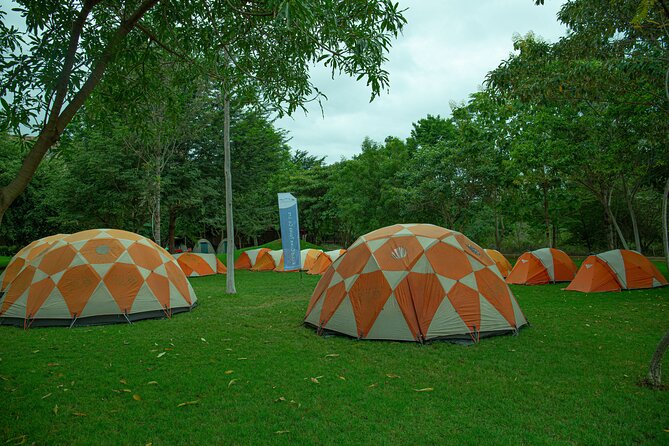
Kilimanjaro camping can be either miserable or manageable, and a lot depends on what you are carrying versus what the crew handles. This private Machame tour includes camping equipment: dining tent, table, chairs, sleeping tents, sleeping pads, and crockery and cutlery. That means your “home” at camp is already organized, and you can focus on sleeping, eating, and recovery.
Meals are also included in a counted way: 8 breakfasts, 7 lunches, and 6 dinners. That matters because at altitude, you need consistent fuel and you do not want to be thinking about where your next meal comes from.
In the feedback for this provider, food quality and service show up again and again, along with the sense that the crew took care of day-to-day needs so hikers could just keep moving. Some summit stories also include the emotional side, like sharing laughs with your team even during the hardest parts of the push. That human element is not guaranteed, but with a well-run crew, it becomes part of what makes Kilimanjaro feel like a shared achievement.
Safety and medical readiness you get before you even start
This is a serious climb. The tour’s safety kit and staff credentials help set expectations.
Guides are described as certified Wilderness First Responder guides with professional mountain crew. You also get pulse oximeters, portable oxygen tanks, and a first aid kit.
I appreciate this combination because it addresses two realities of high-altitude trekking. First, you need monitoring. Second, you need response capability. Oximeters help you notice patterns early. Oxygen tanks and first aid support show that the team is not relying on luck alone.
Also, there is an explicit commitment to fair wages for the mountain crew, approved by Kilimanjaro National Park Authority. That is not just a moral footnote. When crews are treated well, they tend to be steady and professional, and hikers tend to feel that stability in the way camp and logistics run.
Guides, teamwork, and why the organization gets praised so often
When people talk about Kilimanjaro, they often mention two things: the mountain and the humans carrying the process. In the feedback for this operator, the strongest repeated theme is organization, planning, and effectiveness.
What that looks like in practice:
- Your schedule is handled so you are not guessing what happens next
- Your equipment management is planned, not chaotic
- Meals are on time enough that you can keep a steady routine
- Guides and cooks help keep energy up during hard stretches
Guide names show up in some of the stories, like Freddy being credited in a Kilimanjaro experience booked through this company’s family of tours. Not every climb will have the same person, but the name is a good clue that experienced guides are in the mix.
One of my favorite “signs of competence” is how people describe communication as flawless. On Kilimanjaro, communication is not just friendliness. It is safety and pacing.
Price and value: what $1,895 buys you on Kilimanjaro
This tour costs $1,895 per person, for a total trip of about 9 days including the trek and wind-down time. On paper, that can sound like a lot until you break down what’s included.
You are paying for:
- Park-related fees and taxes
- A certified guide and professional mountain crew
- Full camping equipment like tents, pads, and dining setup
- A kitchen team that provides meals every day you need them
- Safety gear including pulse oximeters, portable oxygen tanks, and a first aid kit
- Fair wages for the crew
You are not paying for your personal hiking gear and tips. That is standard for Kilimanjaro, but you should budget for it and plan what you will carry versus rent. If you already own good boots and cold layers, that helps. If you do not, plan time to rent during the pre-trek day in Moshi.
Is it the cheapest option? Probably not. But you are buying fewer uncertainties and more support at altitude. For most people, that is where the real value lives.
Who this private Machame tour is best for
This is described as a private tour/activity, meaning only your group participates. It also targets travelers with moderate physical fitness.
This is a good fit if you:
- Want the classic Machame experience with a structured acclimatization plan
- Prefer a team that handles camp setup and meal logistics
- Appreciate clear pacing and practical support more than DIY problem-solving
- Are ready for a demanding summit night that starts at midnight
It may not be the best fit if you:
- Are looking for a light, low-commitment hike
- Do not want to deal with cold-weather gear and long trekking days
- Have medical constraints that you have not discussed with your doctor and the operator
One encouraging detail in the feedback: there is a noted summit success story involving four veterans with prosthetics reaching the top. That does not remove the challenge, but it does show the team has supported complicated situations. Still, your own body has the final say, so plan your health strategy carefully.
Should you book the Kilimanjaro 7 Days Machame Private Tour?
Book it if you want the Machame route with the kind of support system that makes the days feel organized. You will have camp setup handled, meals provided on a consistent schedule, and safety tools in place. The private format is also a plus if you want pacing and instructions tailored closely to your group.
Consider another approach if you have any doubt about your ability to handle cold, altitude, and a very long summit day. Even with acclimatization, Kilimanjaro is unforgiving when preparation is rushed.
If you are the right fit, this is the kind of climb where “done right” is the difference between suffering and achievement. The schedule gives your body a fighting chance, and the crew details help you focus on the hike itself, not on the logistics around it.
FAQ
What route is this tour?
It is a Kilimanjaro 7-day Machame Route private tour, based out of Moshi.
How long is the overall trip?
The duration is listed as approximately 9 days.
Where does the tour start?
The trip is based in Moshi, Tanzania, with a start time listed as 9:00 am.
Does the tour include pickup from the airport?
Optional airport transfers are offered, including pickup from Kilimanjaro Airport and transfer to your hotel in Moshi or Arusha if you opt for it.
What is included in the camping setup?
Camping equipment is included, such as dining tent, table, chairs, sleeping tents, sleeping pads, and crockery and cutlery.
What about meals?
Breakfast is included 8 times, lunch 7 times, and dinner 6 times.
Is summit attempt equipment provided?
The tour includes camp equipment, but personal gear like your hiking outfit, boots, and sleeping bag are not included.
What safety and medical items are provided?
The tour includes pulse oximeters, portable oxygen tanks, and a first aid kit. Guides are described as certified Wilderness First Responder guides with professional mountain crew.
Is this tour private?
Yes, it is described as a private tour/activity, meaning only your group participates.
Can I cancel for a full refund?
Yes, free cancellation is available. You can cancel up to 24 hours in advance of the experience start time for a full refund.
More Machame Departures
- Kilimanjaro climb, Machame Route (7-day)
★ 5.0 · 262 reviews - Climbing Kilimanjaro – Machame Route
★ 5.0 · 170 reviews - Climbing Kilimanjaro through 7 days Machame Route
★ 5.0 · 151 reviews - #1. Best Kilimanjaro Day hike Tour-Machame Route-ISMANI
★ 4.2 · 47 reviews - 7 Days Machame route – Kilimanjaro
★ 5.0 · 45 reviews
Kilimanjaro, Route by Route
- Kilimanjaro climb by Lemosho Route (7-day)
★ 5.0 · 651 reviews - Kilimanjaro climb, Machame Route (7-day)
★ 5.0 · 262 reviews - Kilimanjaro Climbing Lemosho Route 8 Days.
★ 5.0 · 186 reviews - Climbing Kilimanjaro – Machame Route
★ 5.0 · 170 reviews - Climbing Kilimanjaro through 7 days Machame Route
★ 5.0 · 151 reviews
Just added from around Moshi
Kilimanjaro Machame Route, compared.
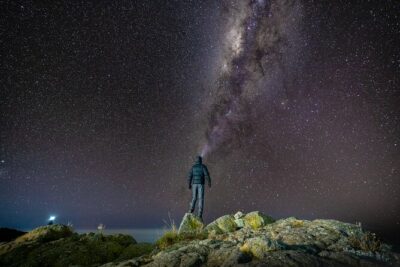 ★ 5.0Kilimanjaro climb, Machame Route (7-day)From $3,377262 reviews
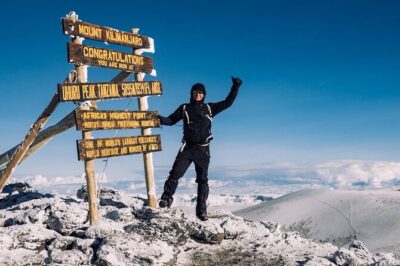 ★ 5.0Climbing Kilimanjaro – Machame RouteFrom $2,322170 reviews
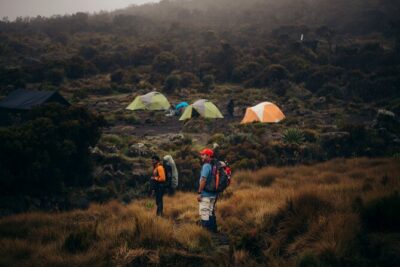 ★ 5.0Climbing Kilimanjaro through 7 days Machame RouteFrom $2,425151 reviews
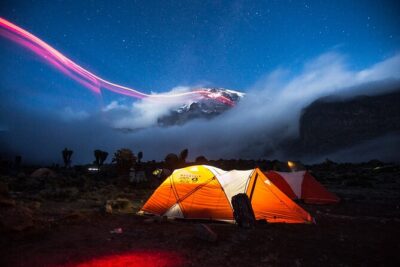 ★ 5.07-Day Machame Kilimanjaro Summit Tour from ArushaFrom $2,695125 reviews
 ★ 5.07 Days Kilimanjaro via Machame route affordable priceFrom $2,400110 reviews
 ★ 4.2#1. Best Kilimanjaro Day hike Tour-Machame Route-ISMANIFrom $11547 reviews
 ★ 5.07 Days Machame route – KilimanjaroFrom $2,85045 reviews
 ★ 5.0The Best of Machame Route in 6 Days: Your World’s Summit GuideFrom $1,15044 reviews
Browse the lists this tour appears in