
REVIEW · KILIMANJARO MACHAME ROUTE
Climb Mount Kilimanjaro: 7 Days Machame Route
Kilimanjaro is tough, but this plan is organized. You tackle the Machame Route in seven days from Moshi with porters carrying up to 15 kg, modern tents, and backup tools like oxygen systems and pulse oximeters. I love the supportive crew and the warm sleeping pads that make cold camps way more bearable. One drawback to consider: the summit push starts very early and includes long, heavy scree, so you need real stamina, not just good intentions.
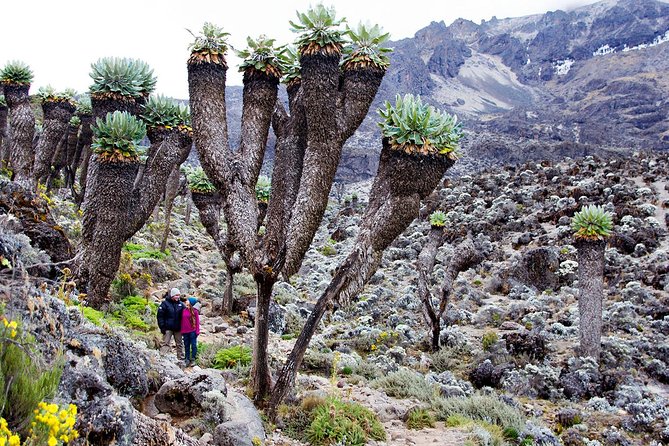
What makes Machame special is the way it shifts from rainforest walking to moorland and high altitude days, so you are not stuck in one kind of scenery all week. You also get round-trip logistics handled around the climb, including transfers and park formalities at the gates.
At $3,034, this is a serious budget line. The value is strong because permits, rescue fees, camping fees, meals, bottled water, and major comfort items are included, not just the “climbing part.” Still, you should plan extra money for daily crew payments and any personal gear rental.
In This Review
- Key things I’d zero in on before you book
- Kilimanjaro on the Machame Route, what this 7-day plan really means
- Price and logistics from Moshi, transfers, permits, and the comfort you actually use
- Meeting at Machame Gate, crew setup, and day one rainforest walking
- Day 2 into low alpine, first views of Kibo and Mount Meru
- Day 3 acclimatization at altitude, climb high then sleep low
- Day 4 Great Barranco to Karanga Camp, long effort on the wall
- Day 5 to Barafu Camp, finishing the South Circuit and resting for the big night
- Day 6 midnight start to Uhuru Peak, Stella Point sunrise and the Stella-to-summit grind
- Day 7 descent to Mweka Gate, rainforest walking, and your certificate moment
- Crew, tents, oxygen gear, and the small comfort items that make a difference
- Who this is best for, and who should think twice
- What to pack and how to use the included gear (without overthinking it)
- Should you book this 7-day Machame Kilimanjaro climb?
- FAQ
- How long is the Kilimanjaro climb on the Machame Route?
- Where do we meet and what time does the trek start?
- Is transportation from the airport included?
- What camping comfort is included?
- Is oxygen included for the trek?
- Are any food items included?
Key things I’d zero in on before you book
- Machame Gate day one is run like a system, with your guide and crew ready and park formalities handled at the start
- Modern tents plus 2-inch warm sleeping pads help you sleep enough to keep going
- Oxygen systems and pulse oximeters are included, which matters when weather and altitude can turn fast
- Day 3 is built for acclimatization, with time at altitude (up to 4600m) while you end the day near your starting elevation
- Stella Point sunrise near the crater rim is the emotional peak of the whole trek
Other ways up Kilimanjaro we reviewed
- Kilimanjaro climb by Lemosho Route (7-day)★ 5.0 · 651 reviews
- Kilimanjaro climb, Machame Route (7-day)★ 5.0 · 262 reviews
- Kilimanjaro Climbing Lemosho Route 8 Days.★ 5.0 · 186 reviews
- Climbing Kilimanjaro – Machame Route★ 5.0 · 170 reviews
Kilimanjaro on the Machame Route, what this 7-day plan really means
This is a classic Kilimanjaro formula: walk consistently uphill, rest strategically, and then make the big summit leap when your body has had enough altitude education. The Machame Route is known for steady effort with a real reward, views that change hour by hour, and a route rhythm that keeps you busy without pretending it is easy.
Your trip starts in Moshi and works through Kilimanjaro National Park via Machame Gate. Day by day, you move into different altitude zones, from lower rainforest to moorlands and grasslands, then higher rocky terrain around the crater rim. That shift is part of the adventure, and it also helps explain why you feel different stages of cold, breathlessness, and fatigue throughout the week.
The practical win here is the support setup. You do not just meet a guide and hope for the best. You meet a crew at Machame Gate that includes your guide, cook, and porters, and you share tents with one to two other climbers. A crew like this matters because it affects how fast camps come together, how meals get served, and how quickly you can settle in at each stop.
Price and logistics from Moshi, transfers, permits, and the comfort you actually use
Let’s talk money in a useful way. The listed price is $3,034 for the seven-day climb. That includes a lot of the stuff that usually turns Kilimanjaro into a frustrating scavenger hunt: park permits, Kilimanjaro National Park rescue fees, camping or hut fees, modern tents, warm sleeping pads, oxygen systems, pulse oximeters, and meals across the week.
You also get accommodation before and after the trek, including breakfast in a sharing twin room. Transfers are part of the package too: pickup at Kilimanjaro International Airport, transfer to your hotel in Moshi as arranged, transfer to the trail head, and a return to the airport after you finish.
One more practical point: the tour is private, meaning only your group participates. That usually helps with pacing decisions inside your group and coordination around tenting and camp setup.
What’s not included is just as important for budgeting. The tour does not include guide, cook, and porter daily payments listed as $15 to $20 per day for the guide, $10 to $15 per day for the cook, and $8 to $10 per day for the porter. It also does not include personal gear rental, international flights and insurance, and an added fee tied to nationality for US nationals and other nationalities (listed as $100 for US nationals and $50 for other country nationals).
Meeting at Machame Gate, crew setup, and day one rainforest walking
Day 1 begins at Machame Gate, about an hour drive from Moshi. The timing is set, with a meeting start time of 8:00 am. Once you arrive, there is a burst of activity as porters assemble gear and you complete park formalities.
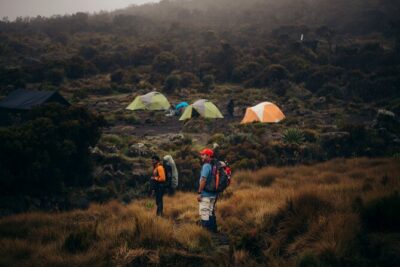
Then you walk. The route starts with a steady climb through dense rainforest. This is not a random hike stage. It is your warm-up to the rhythm of uphill trekking, where you learn how your breathing changes, how often you need to drink, and how your legs feel after sustained effort.
The day is listed at around 6 hours. In practice, that means you will be moving long enough to get your body working, but not so long that you are destroyed on day one. It is a smart start for a seven-day itinerary.
One comfort detail I like here: you are sleeping in modern tents, and warm sleeping pads are included. When you step into the colder altitudes later, that base camp comfort helps a lot.
More Machame departures, compared
Day 2 into low alpine, first views of Kibo and Mount Meru
On Day 2 you head into a relatively steep section as the vegetation shifts into moorlands and grasslands. This is the “the mountain changed” day. The air feels different and your effort can feel harder even if the walking time is similar.
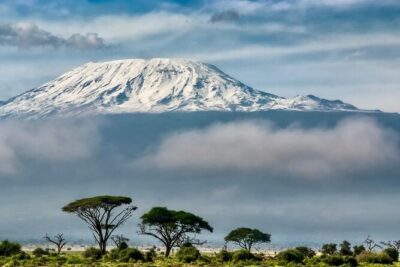
You will reach Shira Camp 2 on a plateau that offers your first major views. From there, you can see Kibo in the northwest and Mount Meru in the east. Getting those first big altitude landmarks early is motivating. It also helps you mentally orient, because Kilimanjaro is not just one peak, it is a whole visual geography as you move around.
Day 2 is about 5 hours. That is a manageable trekking block, and it sets you up for what comes next: an acclimatization day that is designed to keep you safer and more effective.
Day 3 acclimatization at altitude, climb high then sleep low
Day 3 is one of the most important parts of the week. You start on high moorland, and you spend time at altitude, up to 4600m. The big idea is climb high and sleep low, even though you end day three around a similar elevation to when you started from Shira Camp.
That structure matters. At Kilimanjaro altitude, the goal is not to “win” the walking day. The goal is to give your body time to adjust so you are not paying for every meter with a sick summit push. This is the day where you want to focus on breathing control, steady pace, and consistent hydration.
Day 3 is about 6 hours on the trek. So yes, it still takes effort. But it is effort with a purpose.
If you are hoping for a tour that respects acclimatization, this is where you see it on the calendar.
Day 4 Great Barranco to Karanga Camp, long effort on the wall
Day 4 begins with a descent into the Great Barranco, a huge ravine. Then you exit by climbing up the Great Barranco Wall. The wording matters: it is rock and it is long and tiring, but not technical.
This is a day where legs can feel overloaded. You are working harder than day one’s rainforest rhythm, but you are not doing scrambling skills. If you have good endurance and you keep your pace controlled, you will handle it. If you go too fast early, you will pay later.
After that long push, you climb from the Karanga valley to your night camp at Karanga Camp, at 3963m. The walking time is about 4 hours.
I also like that this stage gives you a mental break after the steepness, because once you reach camp, you can focus on recovery and staying warm. The included warm sleeping pads and modern tents are useful here, not “nice to have.”
Day 5 to Barafu Camp, finishing the South Circuit and resting for the big night
Day 5 continues up to Barafu Camp. This is where you settle in for summit day. You also get a sense of completion because the South Circuit is completed, and the route offers views of the summit from multiple angles.
That matters because on summit morning, you are not just guessing what you are climbing toward. You have already seen it from different perspectives during the approach.
Day 5 is listed at around 4 hours. Shorter than day four, but you will still feel the altitude. This is also when camp routine becomes your job. Eat, rest, and follow the guidance from your guide and crew. If your stomach is sensitive at altitude, this is the day to keep things simple and hydrated.
Dinner, hot drinks, and the camp setup should all help you transition from trekking mode to survival mode in a controlled way.
Day 6 midnight start to Uhuru Peak, Stella Point sunrise and the Stella-to-summit grind
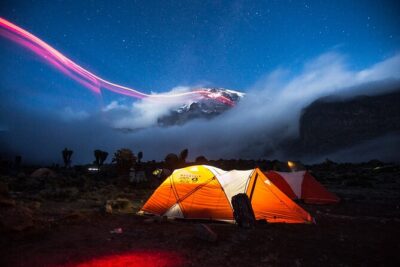
Day 6 is the big one. You start very early, between midnight and 2 am, on the way to the summit between the Rebmann and Ratzel glaciers. You move in a northwesterly direction and ascend through heavy scree toward Stella Point on the crater rim.
This is the most mentally and physically challenging portion of the trek, and it is not just a “steep” problem. Scree slows your footing and makes every step a little more expensive.
From Stella Point, you stop briefly. Then you can get rewarded with what the itinerary promises as the most magnificent sunrise you are likely to see. Faster hikers may view the sunrise from the summit, but Stella Point is the classic checkpoint for many.
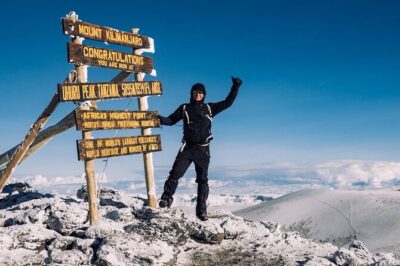
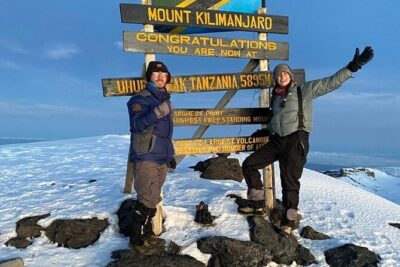
From there, snow can be present on the final ascent to Uhuru Peak. The final push is about reaching the highest point on Mount Kilimanjaro and the continent of Africa.
After Uhuru Peak, you begin your descent. The plan is to keep moving down toward the Mweka area to finish the week.
A summit day can feel like a blur, so here is what you should carry into it mentally: your goal is controlled effort all the way to Stella Point, then a steady climb to the top, then don’t sabotage the win by moving too fast downhill.
Day 7 descent to Mweka Gate, rainforest walking, and your certificate moment
Day 7 is your finish line. You trek down through rainforest on a gentle descent to Mweka Gate. At the gate you complete park formalities and receive certificates.
The trekking day is listed at about 4 hours. That shorter time helps, because by now your legs will be tired and your body has already done the hardest work.
After finishing, you move to your arranged hotel for an overnight. This is one of those days where the win is not the walking. It is the recovery. A proper shower, decent sleep, and a quiet meal can feel like part of the summit.
Crew, tents, oxygen gear, and the small comfort items that make a difference
This tour leans heavily on support systems, and you feel it in how camps are set up and how you recover between stages.
Your crew includes a guide and cook, plus porters. Each climber gets porters to carry 15 kg, which means you should still carry your personal day items, but you are not hauling everything at altitude. That usually makes you better at pacing, because you are carrying less weight that can throw off your breathing.
Sleeping setup is also strong on paper: you share tents with one to two other climbers, and you get warm sleeping pads that are listed as 2 inches thick. At Kilimanjaro, the tent is only part of the comfort equation. The pad helps you insulate from the ground cold and get enough sleep to keep walking.
The tour also includes oxygen systems and pulse oximeters. You are not promised an oxygen bottle in every case, but you are not left without tools if conditions change. Oxygen availability can be a big reassurance, especially on a summit attempt when fatigue and weather can collide.
For bathroom comfort, portable flush toilets can be provided for free upon request. That is worth knowing ahead of time because it changes how fast you can reset in camp.
Also included: bottled water, coffee and/or tea, plus group equipment like a dining tent, table, chairs, and crockery. Meals tend to be easier when you have an actual setup rather than improvised eating.
On crew quality, one 5/5 review from Chris highlighted that the team was helpful, friendly, and supportive the whole time, and that it was knackered but worth it. That kind of consistency is exactly what you want on a route that will test you.
Who this is best for, and who should think twice
This trek is aimed at people with moderate physical fitness. You should be comfortable with steep hiking for multiple hours and the reality of long effort days at altitude.
You should also know what you are signing up for: Day 6 is listed at 13 hours and includes scree near Stella Point, plus a midnight to early morning summit push. If you struggle with sustained uphill work, you might find the pace stressful even with a crew carrying gear.
This option makes the most sense if you want:
- a structured acclimatization plan with a high, then lower, sleep day
- modern camping comfort
- oxygen and monitoring gear included
- the logistics handled from Moshi to the trail head and back
If you want a Kilimanjaro climb that feels like a guided expedition with real camp support, this fits that style.
What to pack and how to use the included gear (without overthinking it)
The tour includes sleeping pads, modern tents, oxygen systems, and a first aid kit. What is not included is personal gear rental, so you will want to sort out your own clothing and trekking equipment.
Because the itinerary moves from rainforest to cold crater rim conditions, your clothing needs to handle big temperature swings. You will be sleeping in a tent, so you want warm layers and insulation for nights. Also, since you are carrying less thanks to porter support, you can pack more strategically around warmth and essentials rather than trying to carry everything yourself.
Even though portable flush toilets are available on request, you should still bring whatever basic hygiene items you prefer, because toiletries are not included.
A tip that helps most people succeed: keep your most important items in your own pack. Things like medication and documents should not depend on porter access.
Should you book this 7-day Machame Kilimanjaro climb?
I’d book it if you want a well-run expedition where the fundamentals are covered: permits and rescue fees, modern tents, warm sleeping pads, food across the week, porter support, and summit-day tools like oxygen and pulse oximeters.
I would think twice if your budget cannot stretch for the additional daily crew payments and the nationality-based added fee, or if you are not ready for a midnight summit start plus a long Day 6.
If you like climbing with structure and you want to maximize comfort while earning altitude the hard way, this Machame 7-day plan is a strong match.
FAQ
How long is the Kilimanjaro climb on the Machame Route?
The trek runs for 7 days, with the main walking stages spread across the itinerary and summit day (Day 6) listed as a very long day.
Where do we meet and what time does the trek start?
You meet your trekking crew at Machame Gate. The meeting start time is 8:00 am, and Machame Gate is about an hour drive from Moshi.
Is transportation from the airport included?
Yes. The tour includes pickup at Kilimanjaro International Airport, transfer to the trail head, transfers to your Moshi hotel as arranged, and return to Kilimanjaro airport after the climb.
What camping comfort is included?
You sleep in modern tents and you are provided with warm sleeping pads listed as 2 inches thick. You also share tents with 1 to 2 other climbers.
Is oxygen included for the trek?
Yes. The tour includes oxygen systems and pulse oximeters, plus a first aid kit.
Are any food items included?
Yes. During the climb, meals are included as dinner (6), breakfast (6), and lunch (6). Bottled water, and coffee and/or tea are also included.
More Machame Departures
- Kilimanjaro climb, Machame Route (7-day)
★ 5.0 · 262 reviews - Climbing Kilimanjaro – Machame Route
★ 5.0 · 170 reviews - Climbing Kilimanjaro through 7 days Machame Route
★ 5.0 · 151 reviews - #1. Best Kilimanjaro Day hike Tour-Machame Route-ISMANI
★ 4.2 · 47 reviews - 7 Days Machame route – Kilimanjaro
★ 5.0 · 45 reviews
Kilimanjaro, Route by Route
- Kilimanjaro climb by Lemosho Route (7-day)
★ 5.0 · 651 reviews - Kilimanjaro climb, Machame Route (7-day)
★ 5.0 · 262 reviews - Kilimanjaro Climbing Lemosho Route 8 Days.
★ 5.0 · 186 reviews - Climbing Kilimanjaro – Machame Route
★ 5.0 · 170 reviews - Climbing Kilimanjaro through 7 days Machame Route
★ 5.0 · 151 reviews
Just added from around Moshi
Kilimanjaro Machame Route, compared.
 ★ 5.0Kilimanjaro climb, Machame Route (7-day)From $3,377262 reviews
 ★ 5.0Climbing Kilimanjaro – Machame RouteFrom $2,322170 reviews
 ★ 5.0Climbing Kilimanjaro through 7 days Machame RouteFrom $2,425151 reviews
 ★ 5.07-Day Machame Kilimanjaro Summit Tour from ArushaFrom $2,695125 reviews
 ★ 5.07 Days Kilimanjaro via Machame route affordable priceFrom $2,400110 reviews
 ★ 4.2#1. Best Kilimanjaro Day hike Tour-Machame Route-ISMANIFrom $11547 reviews
 ★ 5.07 Days Machame route – KilimanjaroFrom $2,85045 reviews
 ★ 5.0The Best of Machame Route in 6 Days: Your World’s Summit GuideFrom $1,15044 reviews
Browse the lists this tour appears in