
REVIEW · KILIMANJARO MACHAME ROUTE
Climb Kilimanjaro, 7 Days Machame Route Hiking
Kilimanjaro gets real fast, and the Machame route plans for it. This 7-day climb from Moshi is built around a steadier ascent that helps acclimatization (often described as trek high, sleep low), while still delivering serious mountain walking. I like that it’s quieter than the more famous highway-route options and generally keeps you moving on a scenic, gentler profile for your altitude game plan.
Two things I like a lot: you get the full camp logistics handled for you (tents, sleeping bags, and gear provided, plus mineral water), and the itinerary is designed with shorter walking days to support acclimatization. One consideration: expect rain, mud, and fog, so even “good weather days” can still feel slippery and loud underfoot.
If you’re okay with wet trails and you want a more gradual climb rhythm than the quickest routes, this Machame route experience can be a smart, high-value way to tackle Kilimanjaro.
In This Review
- Key highlights you’ll care about
- The Machame route logic: why “trek high, sleep low” helps
- Expect rain, mud, fog, and slow, careful footing
- Moshi starting point and the first day mindset
- Day-by-day rhythm: how the 7 days actually feel
- Day 1: start with the gentler Machame profile
- Day 2 and Day 3: build acclimatization without frying yourself
- Day 4, Day 5, and Day 6: the camp cycle becomes your whole world
- Day 7: your final day of the planned trek
- Machame Camp (2980) and what camp setup really means
- Wildlife in the mist: Colobus monkeys and your best chances
- Gear, sleeping setup, and meals: what’s included and what to plan
- Gear and sleep
- Meals
- The guide and the human side
- Price and value: what $900 gets you on Kilimanjaro
- Safety, pace, and choosing a smart hiking profile
- Should you book this 7-day Machame route climb?
- FAQ
- How long is the Kilimanjaro Machame route hike?
- Where is the meeting point for this experience?
- What is the price per person?
- Is pickup or transportation included?
- What route is this?
- What’s included in the package?
- How many meals are included?
- Are tips included?
- What kind of weather should I expect?
- What is the group size limit?
- What is the cancellation policy?
Key highlights you’ll care about
- Trek high, sleep low acclimatization style on a longer, gentler profile than some routes
- Rain, mud, and fog expected, so your packing choices matter
- Camp setup team arrives early, setting tents and boiling water before you reach camp
- Machame Camp (2980) timing tends to land you there late afternoon or early evening
- Wildlife chances in the Kilimanjaro National Park zone, including Colobus monkeys
- Small group size max 14, which makes the experience feel more organized
Other ways up Kilimanjaro we reviewed
- Kilimanjaro climb by Lemosho Route (7-day)★ 5.0 · 651 reviews
- Kilimanjaro climb, Machame Route (7-day)★ 5.0 · 262 reviews
- Kilimanjaro Climbing Lemosho Route 8 Days.★ 5.0 · 186 reviews
- Climbing Kilimanjaro – Machame Route★ 5.0 · 170 reviews
The Machame route logic: why “trek high, sleep low” helps
The Machame route is a classic Kilimanjaro path for a reason: it balances effort with altitude strategy. You’re told it’s longer and more gradual than some alternatives, and that matters because Kilimanjaro success is not just about fitness. It’s about how you treat your body at altitude, day after day.
The big idea is that you trek higher during the day, then you sleep lower than your day’s peak as the route cycles through camps. That rhythm can help your body adjust, which is why the route is described as having one of the highest summit success rates. You’re still hiking uphill most of the time, but the route’s topography gives your itinerary room to manage acclimatization.
I also like that this climb is described as a quieter route than the more crowded options. Less crowd noise can mean better rest, and better rest can mean calmer mornings. It’s not a guarantee, but it’s a real perk when you’re trying to sleep at altitude.
One practical point: the itinerary here is specifically arranged for acclimatization by using shorter walking days during the trek. That doesn’t make it easy. It just means you’re not stacking huge days on top of huge days with no breathing space.
Expect rain, mud, fog, and slow, careful footing
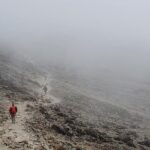
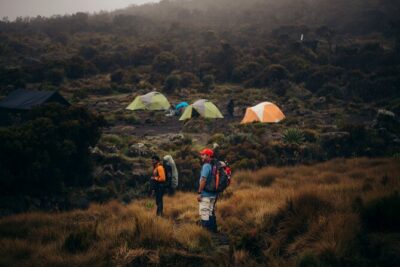
Let’s talk weather, because this is Kilimanjaro and this route is honest about it. During this section of the hike, expect rain, mud, and fog. That changes everything: trail traction, visibility, and how your lungs feel when you’re cold.
Rain means you’ll likely be damp for long stretches. Mud means you’ll need patience with your steps, especially when the ground turns slick. Fog means you might not see far ahead, so you have to trust your guide’s pace and the rhythm of the day.
This is also where “tough but manageable” becomes the tone. The Machame route is said to involve rather tiring walking, even though it’s gentler than some routes. In bad weather, “gentler” often just means the grade is less brutal. It doesn’t mean the hike gets pleasant.
So pack like it’s going to be wet, and wear like traction matters. Dry socks alone can feel like luxury by the time you reach camp.
Moshi starting point and the first day mindset
You start in the Moshi area, with the meeting point listed as Kilimanjaro Airport, Kilimanjaro National Park, Tanzania. The experience also notes that pickup is offered, and private transportation plus all transfers are included. That’s useful because Kilimanjaro logistics can get complicated fast, especially if you arrive with delays or you’re juggling getting to Moshi and then to the trail start.
On Day 1, the route is described with the Machame style you’ll keep seeing in this plan, including the Whiskey Route wording used in the schedule. This part of the trip is about getting your legs used to the uphill rhythm without going too hard too fast.
Even if your body feels strong, Kilimanjaro punishes early overconfidence. The best move is to treat the first day as training for your pace, not as a chance to prove something. In fog and rain, that “quiet pace” becomes even more important.
More Machame departures, compared
Day-by-day rhythm: how the 7 days actually feel
The itinerary blocks are listed day by day, and each day stays centered on Kilimanjaro National Park and the route’s gradual ascent philosophy. The most important pattern is that your walking schedule is designed for acclimatization using shorter walking days, not nonstop grind.
Here’s the practical way to think about your week:
Day 1: start with the gentler Machame profile
You begin on Kilimanjaro with the Machame approach described as longer and more gradual than routes like Umbwe or Marangu. The walking can still be tiring, but the goal is to avoid the “too steep, too soon” shock.
You may also get an early taste of the trail conditions: rain, mud, and fog are part of the expectation for this climb section. Your only job is to settle into the day’s pace, keep hydrated, and take breaks without racing the group.
Day 2 and Day 3: build acclimatization without frying yourself
These days keep you in Kilimanjaro National Park, with the same overall Machame logic: quieter route, gradual ascent, and itinerary choices that help acclimatization. You’re not just walking for distance, you’re walking for adaptation.
If you’re reading closely, this itinerary suggests you should view these middle days as your altitude rehearsal. Smaller efforts now usually pay off later with steadier breathing and less panic when the air gets thin.
Day 4, Day 5, and Day 6: the camp cycle becomes your whole world
As the climb continues, the day-to-day experience becomes the loop: hike, lunch break, camp setup, rest. The overview also tells you about how camp arrival works, including that the porters and chef move quickly so camp is ready when you get there.
This is also where you’ll feel the value of the plan’s pacing. Longer walking days on Kilimanjaro are rarely the problem. The problem is longer walking days stacked too close together when you haven’t acclimatized yet. This schedule is described as already taking that into account.
Day 7: your final day of the planned trek
Day 7 still lists Kilimanjaro National Park as the stop for the day. Since the provided details do not specify summit timing, I’ll keep it practical: your final day will be about managing altitude strain and finishing the trek safely with your guide’s direction.
At this point, your biggest advantage is consistency. If you’ve been disciplined with pace and hydration, you’ll likely feel less wrecked than someone who raced earlier days.
Machame Camp (2980) and what camp setup really means
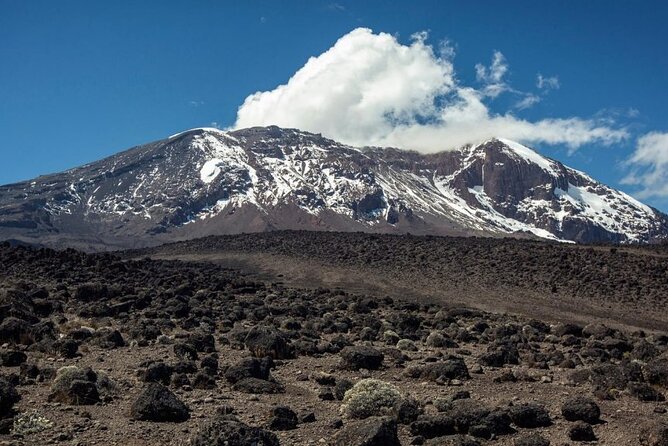
The most specific camp detail given is about reaching Machame Camp (2980) in the late afternoon or early evening. About halfway up the trail you have a lunch break, then you climb onward and land at camp later the same day.
Camp here is not just “a place to sleep.” It’s a system that protects your time and energy.
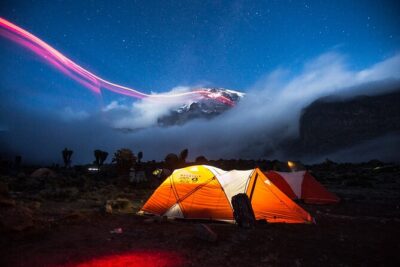
When you arrive, the porters and chef are expected to have reached camp before you. They set up your tents, boil drinking water, and prepare snacks for when you get there. That matters because on Kilimanjaro, the post-hike window can be the difference between feeling cared for and feeling depleted.
After washing up, you get a hot dinner. Then you turn in. The cycle sounds simple, but when you’re dealing with cold nights and wet days, it’s huge to know your essentials are ready quickly.
And one more important piece: mineral water is included. That reduces friction at a time when you do not want to be rationing supplies or guessing what’s safe to drink.
Wildlife in the mist: Colobus monkeys and your best chances
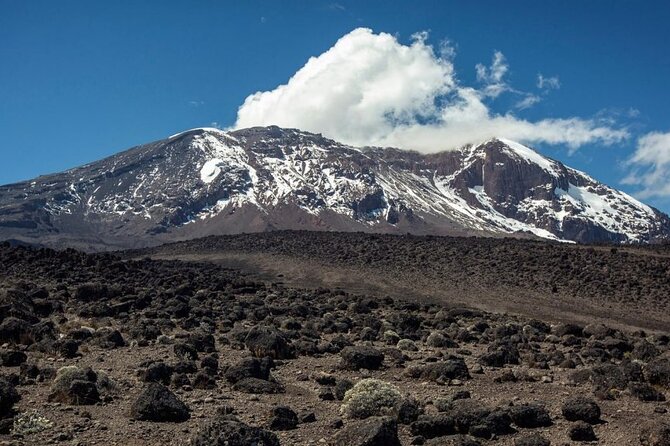
Kilimanjaro National Park isn’t only about big mountain views. You also get wildlife moments, including Colobus monkeys. The plan specifically tells you to keep an eye out for wildlife during the hike.
In fog, you might think everything becomes “just walking,” but wildlife can still show up when conditions slow you down and bring you closer to the ground. The best approach is simple: keep moving safely, watch the edges of the trail, and don’t break off from the group to chase a sighting.
If you’re an animal watcher, the Machame route’s quieter feel can also increase your chances of noticing small stuff, because you’re not constantly sorting through crowds.
Gear, sleeping setup, and meals: what’s included and what to plan
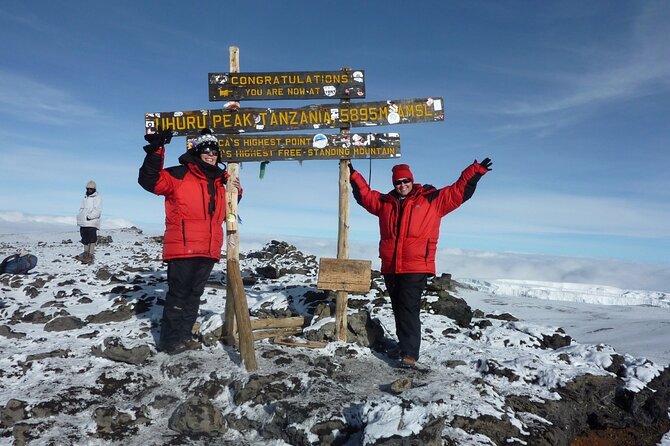
This is a full-service style climb package, at least on the gear and meal side.
Gear and sleep
You get sleeping bags, tents, and all your climbing gears included. That’s a big value point because Kilimanjaro gear can be expensive if you buy it last minute or rent it across multiple stops.
The package also includes accommodations and mineral water. That reduces the guesswork, which matters when you’re trying to focus on breathing and not troubleshooting logistics.
Meals
Meals are included for 6 breakfasts, 6 lunches, and 6 dinners. That usually means most trekking days are covered, but it also suggests one day may not have a full set of meals included. I’d plan snacks and extra hydration buffers just in case you find a gap in your day’s schedule.
The guide and the human side
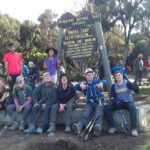
A professional guide is included, plus private transportation and transfers. Group size max is listed as 14 travelers, which generally helps maintain order on a mountain where every decision impacts pacing and safety.
In the reviews data you provided, I saw named staff and guide examples like Tiffany, Sia, Victor, and Idress. Even if your group uses different team members, the common thread is that people were praised for planning and for feeling safe. When you’re paying for a mountain climb, you’re paying for people who run a tight operation.
Price and value: what $900 gets you on Kilimanjaro
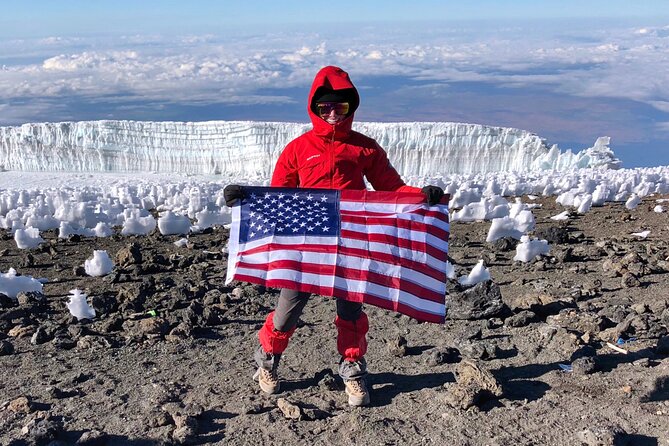
The price listed is $900.00 per person for the 7-day Machame route hike.
At this price, you’re not paying only for the trail. You’re paying for a bundle of things that add up quickly if you try to piece it together yourself:
- Professional guide and the safety planning that comes with it
- Private transportation and all transfers
- All accommodation, plus tents and sleeping bags
- Meal service for most days, including lunch and dinner
- Mineral water
- Included gear, so you’re not starting the climb underprepared
What’s not included is important, and it’s spelled out: tips and parking fees. Tipping is a common “missing” cost people only realize at the end. If your budget is tight, plan for it early rather than scrambling later.
A fair way to judge value: if $900 covers your gear needs, your meal needs, and your mountain logistics, it’s often a good deal compared to cobbling together separate components. If you already have every item and know how to arrange transfers, the value changes. But most people do not have that setup ready.
Safety, pace, and choosing a smart hiking profile
This climb notes that most travelers can participate. That doesn’t mean it’s casual. Kilimanjaro is still altitude plus sustained hiking. Machame is described as tough compared to Marangu, and the walking can be tiring.
The good news is that the itinerary is designed for acclimatization using shorter walking days. That’s exactly the kind of planning that helps non-elite hikers keep moving without burning out.
Still, go into it with a reality check:
- Rain, mud, and fog can make the hike harder than the map looks
- Lung fatigue at altitude is not the same thing as leg fatigue on flat ground
- Your biggest daily tool is pacing, not speed
If you like structured trekking, you’ll likely feel comfortable with this kind of guided, camp-based route. If you hate schedules and prefer freedom, this may feel more controlled than you expect.
Should you book this 7-day Machame route climb?
Book it if you want a Kilimanjaro route that prioritizes acclimatization with a gradual, quieter Machame profile, and you want most of the hard parts handled for you, like tents, sleeping bags, gear, meals, and transfers. I also think it suits travelers who don’t mind wet weather and want wildlife chances like Colobus monkeys while you hike.
Hold off or ask more questions first if you strongly prefer dry trails and clear skies, because the plan explicitly calls out rain, mud, and fog. Also double-check your personal budget for tips, since they are not included.
If your goal is to climb smarter, not just faster, the Machame route is a solid match.
FAQ
How long is the Kilimanjaro Machame route hike?
The hike is listed as 7 days (approx.).
Where is the meeting point for this experience?
The meeting point is Kilimanjaro Airport, Kilimanjaro National Park, Tanzania.
What is the price per person?
The price is $900.00 per person.
Is pickup or transportation included?
Yes. Private transportation and all transfers are included, and pickup is also offered.
What route is this?
This experience is the 7-day Machame Route hiking trip, with the itinerary referencing the Whiskey Route style trail.
What’s included in the package?
Included items are sleeping bags, tents, and all your climbing gears, professional guide, accommodation, mineral water, and meals (breakfast, lunch, dinner).
How many meals are included?
Meals listed as included are Breakfast (6), Lunch (6), and Dinner (6).
Are tips included?
No. Tips are not included.
What kind of weather should I expect?
The experience notes you should expect rain, mud, and fog during this section of the hike.
What is the group size limit?
The group has a maximum of 14 travelers.
What is the cancellation policy?
You can cancel for a full refund if you cancel up to 24 hours in advance. If you cancel less than 24 hours before the start time, the amount paid is not refunded.
More Machame Departures
- Kilimanjaro climb, Machame Route (7-day)
★ 5.0 · 262 reviews - Climbing Kilimanjaro – Machame Route
★ 5.0 · 170 reviews - Climbing Kilimanjaro through 7 days Machame Route
★ 5.0 · 151 reviews - #1. Best Kilimanjaro Day hike Tour-Machame Route-ISMANI
★ 4.2 · 47 reviews - 7 Days Machame route – Kilimanjaro
★ 5.0 · 45 reviews
Kilimanjaro, Route by Route
- Kilimanjaro climb by Lemosho Route (7-day)
★ 5.0 · 651 reviews - Kilimanjaro climb, Machame Route (7-day)
★ 5.0 · 262 reviews - Kilimanjaro Climbing Lemosho Route 8 Days.
★ 5.0 · 186 reviews - Climbing Kilimanjaro – Machame Route
★ 5.0 · 170 reviews - Climbing Kilimanjaro through 7 days Machame Route
★ 5.0 · 151 reviews
Just added from around Moshi
Kilimanjaro Machame Route, compared.
 ★ 5.0Kilimanjaro climb, Machame Route (7-day)From $3,377262 reviews
 ★ 5.0Climbing Kilimanjaro – Machame RouteFrom $2,322170 reviews
 ★ 5.0Climbing Kilimanjaro through 7 days Machame RouteFrom $2,425151 reviews
 ★ 5.07-Day Machame Kilimanjaro Summit Tour from ArushaFrom $2,695125 reviews
 ★ 5.07 Days Kilimanjaro via Machame route affordable priceFrom $2,400110 reviews
 ★ 4.2#1. Best Kilimanjaro Day hike Tour-Machame Route-ISMANIFrom $11547 reviews
 ★ 5.07 Days Machame route – KilimanjaroFrom $2,85045 reviews
 ★ 5.0The Best of Machame Route in 6 Days: Your World’s Summit GuideFrom $1,15044 reviews
Browse the lists this tour appears in