
REVIEW · KILIMANJARO MACHAME ROUTE
Best 7 Days Machame Route group hiking on Kilimanjaro
Kilimanjaro feels close on the Machame route. This Machame Route trek, also called the Whiskey route, is popular for a reason: you move from rainforest to moorland to high alpine ridges, with some of the most dramatic “up there” scenery on the mountain. You start just outside Moshi, climb fast enough to feel challenging, then finish with a classic Mweka descent back down to the gate.
I love how the route builds your altitude chances through its step by step profile. I also love the payoff of the summit push, with the stop at Stella Point for a sunrise view when weather allows. Those two things, acclimatization pacing and the timing of the summit attempt, matter more than fancy marketing.
One drawback to consider is that Machame can feel steep and difficult, especially because your itinerary is shorter than gentler routes. Nights get brutally cold at higher camps, and mud can show up in the rainforest and again at lower elevations on the way down.
In This Review
- Key highlights that make this climb work
- Machame Route from Moshi: what this trek is really like
- Price and value: what $2,080 per person covers
- How hard is Machame, and who it suits best
- Day 1: Moshi to Machame Gate and into the rainforest mud
- Day 2: Shira Plateau at 3,840m, cold nights start early
- Day 3: Lava Tower, Arrow Glacier, and the Barranco acclimatization strategy
- Day 4: Barranco Wall, Karanga, and Barafu Hut before summit day
- Day 5: midnight summit push, Stella Point sunrise, and Uhuru Peak
- Day 6: Mweka descent, muddy lower trails, then back to Moshi
- What you get from the support team on Kilimanjaro
- Group hiking, pacing, and why small details matter
- Packing and prep: rain, below-freezing camps, and scree footwork
- Should you book this Machame Route climb?
- FAQ
- How long is the Machame Route hike?
- Where does the tour start and when?
- Is this a private group or a shared group?
- What meals are included?
- What is included in the price?
- What is not included?
- What happens on summit night?
- Is cancellation free?
Key highlights that make this climb work
- Machame’s rainforest to alpine climb: the trail changes zones quickly, so your body and clothing needs to keep up
- Shira Plateau at 3,840m: exposed, cold, and a key altitude checkpoint before higher terrain
- Lava Tower and Arrow Glacier day: a long acclimatization day that ends at Barranco Camp around 13,000ft
- Southern Ice Field views from the Southern Circuit: you get summit angles from multiple directions before Barafu
- Stella Point sunrise timing: the hardest stretch comes with one of the most famous weather-dependent moments on Kilimanjaro
- Mweka descent with certificates at the gate: you get closure fast once you reach the official finish
Other ways up Kilimanjaro we reviewed
- Kilimanjaro climb by Lemosho Route (7-day)★ 5.0 · 651 reviews
- Kilimanjaro climb, Machame Route (7-day)★ 5.0 · 262 reviews
- Kilimanjaro Climbing Lemosho Route 8 Days.★ 5.0 · 186 reviews
- Climbing Kilimanjaro – Machame Route★ 5.0 · 170 reviews
Machame Route from Moshi: what this trek is really like
This Kilimanjaro climb is based out of Moshi, a practical home base with the climb logistics you want when you are traveling to Tanzania. You are picked up from the Arusha area and driven to Machame Village first, then to Machame Gate where you register and begin hiking into the national park.
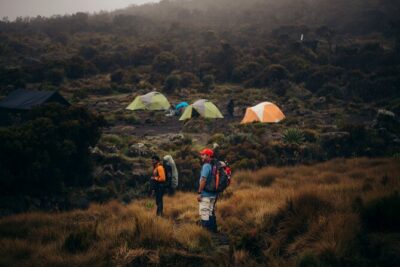
The route is popular because it is scenic and varied. You are not just doing one type of hiking. You start in rainforest, shift into moorland and rocky ridges, then move into high, cold terrain near the ice zones. That variety is great for the mind, even when the walking is tough.
It is also called the Whiskey route, and while you might hear different nicknames floating around, the takeaway is simple: expect a classic Kilimanjaro storyline with real altitude strain. This is not the kind of itinerary you do casually after sleeping in.
Price and value: what $2,080 per person covers
At $2,080 per person, the cost is not cheap, but you are also not just buying a set of walking days. This package is built around the big cost drivers on Kilimanjaro.
What is included:
- All fees and taxes
- Private transportation and airport pick up
- Meals: 6 lunches, 6 breakfasts, and 5 dinners
- Ground support while you are on the mountain
What is not included:
- Visa
- Tipping the crew
- Flight costs
- Personal hiking equipment
For value, the meals and fees matter. Kilimanjaro costs often explode when you start adding park fees, transport, and food separately. Here, those basics are already handled, so you can focus on training, packing, and pacing instead of chasing receipts.
How hard is Machame, and who it suits best
Machame is described as difficult, steep, and challenging, mainly due to its shorter itinerary. That lines up with what you will feel on the ground: frequent effort, big elevation change, and rougher walking surfaces as you climb higher.
This hike fits best if you are:
- Comfortable with steep hiking for hours
- Used to basic backpacking or high-altitude trekking
- Mentally prepared for cold nights and a very hard summit segment
If you are brand new to hiking or you want a very slow, gentle acclimatization rhythm, you might want to compare other Kilimanjaro routes. Machame is popular for a reason, but popularity does not mean it is easy.
More Machame departures, compared
Day 1: Moshi to Machame Gate and into the rainforest mud
Your day begins early, with pickup from the Arusha area around the 1,400m mark and a drive to Machame Village. You get a packed lunch and can also buy mineral water there.
Then you hit the park area. Depending on road conditions, you might continue by vehicle to Machame Gate, or you might walk about 3 km through muddy conditions for roughly an hour. That is your first real clue about Kilimanjaro logistics: even small transfers can become wet and physical.
Once you register at the gate office, the hike starts quickly into the rain forest. There is a strong possibility of rain in the forest, which can turn the trail into soggy, muddy, slippery ground. You will also take a welcome lunch stop about halfway, which helps break up the effort.
What to watch for on day 1:
- Slippery footing, even before altitude becomes your main enemy
- The temptation to overpace while you still feel warm
Day 2: Shira Plateau at 3,840m, cold nights start early
You rise at Machame camp and after breakfast climb for about an hour into the forest top area, then transition into moorland for around two hours at a gentler gradient. That gentler section is a gift. Use it to breathe, settle your pace, and save energy.
After a short lunch and rest, you climb onto a rocky ridge heading toward Shira Plateau. As you go, you get a sense of the bigger mountain picture, including views in the easterly direction toward Western Breach and glaciers.
You end the day at Shira campsite around 3,840m. At this altitude, the night can feel even colder than the previous one, with temperatures dropping well below freezing. The porters boil water for drinking and washing, then dinner happens at camp.
Practical takeaway: cold night management is not optional. Even if you feel fine during the hike, your body will pay attention once the light drops.
Day 3: Lava Tower, Arrow Glacier, and the Barranco acclimatization strategy
From Shira Plateau, you continue up a ridge eastward, passing the junction toward Kibo. Your direction changes south east toward Lava Tower, often described with the name Shark’s Tooth. After that landmark, you reach another junction and climb up toward the Arrow Glacier at roughly 16,000ft.
Then you do something smart for acclimatization: you descend to Barranco Camp at around 13,000ft. Even though you end day 3 near the same elevation you started, this up and down day helps your body adjust for the summit push later.
This day is key mentally because it teaches you what tomorrow’s style will feel like. When you finally settle into Barranco for rest and dinner, you are not just relaxing. You are absorbing the altitude work your body just did.
Day 4: Barranco Wall, Karanga, and Barafu Hut before summit day
After breakfast, you leave Barranco and move onto a steep ridge. You pass the Barranco Wall, which is the kind of climb that makes you think about form: short steps, steady rhythm, no hero moves.
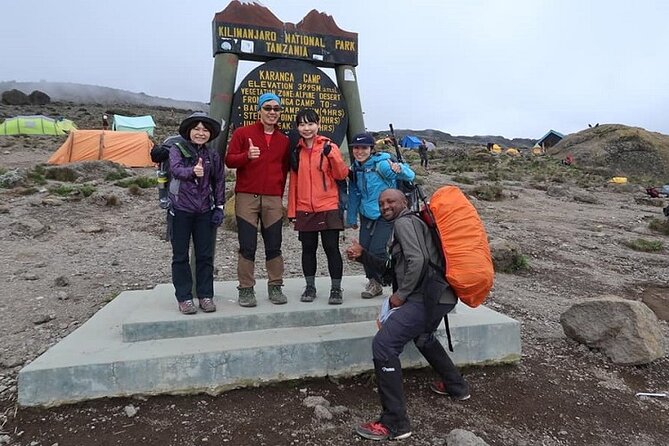
From there you continue to the Karanga Valley campsite. Then you leave Karanga and join the Mweka Trail junction area, climbing up to Barafu Hut. This day is your setup. You get views of the summit from many angles because you have completed the South Circuit portion that gives those different “look at it from here” perspectives.
From Barafu, you can see Mawenzi and Kibo. Dinner and rest follow, and you prepare for a very early departure on day 5.
One thing I would not ignore: day 4 is about ending strong. If you spend day 4 trying to rush, you often feel that mistake most on the midnight summit start.
Day 5: midnight summit push, Stella Point sunrise, and Uhuru Peak
This is the big one. You start between midnight and 2am, heading toward the summit between the Rebmann and Ratzel glaciers.
The walking becomes mentally and physically challenging, with heavy scree sections as you ascend toward Stella Point on the crater rim at 18,600 ft. You stop briefly there, and if weather cooperates, you get the sunrise that many people dream about.
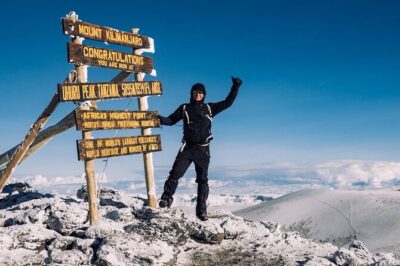
From Stella Point, you might encounter snow all the way on the final ascent to the summit. Then at Uhuru Peak you reach the highest point on Mount Kilimanjaro and the continent of Africa, at 5,895m.
A few realities to keep in mind:
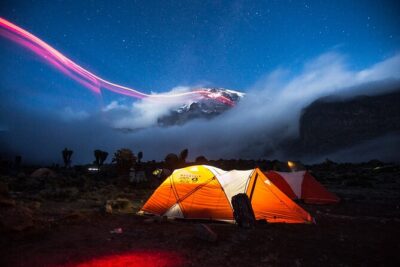
- The cold and altitude hit at the same time, even when you are focused on the goal
- Your legs may feel worse than you expect, because scree and steep sections are slow work
If you want a clear plan for day 5, it is simple: keep your pace controlled, stay with your guide’s instructions, and treat the summit attempt as a process, not a sprint.
Day 6: Mweka descent, muddy lower trails, then back to Moshi
After breakfast, you descend to the Mweka Park Gate to receive your summit certificates. This is a “we made it” moment, but do not treat day 6 like a vacation stroll.
At lower elevations, the trail can be wet and muddy. Gaiters and trekking poles help a lot here. Shorts and t-shirts might be plenty for daytime, but keep rain gear and warmer clothing handy because conditions can shift fast.
Once you reach Mweka gate, a vehicle meets you and drives you back to your hotel in Moshi.
What you get from the support team on Kilimanjaro
Kilimanjaro success is not only legs and lungs. It is also organization: guide decision making, porter support, and camp logistics.
In the feedback you provided, certain names keep coming up in connection with strong guidance and inspiration, including Nalisis and Omary. People describe teams that feel welcoming and supportive, with guides and porters who help make the days run smoothly. I take that as a sign that the operator emphasizes on-the-ground coordination, not just selling a route name.
You can also infer something about gear and camp setup from the way people describe tents and hiking services. On Kilimanjaro, the quality of the basics can make cold nights and long days more tolerable.
Group hiking, pacing, and why small details matter
This experience is described as a private tour/activity, meaning it is focused on your group rather than random mixing. Still, some climbs operate with small mixed groups in practice, and the group sizes mentioned range from around 5 to about 10 people.
That matters for pacing. In a small group, you can get into a rhythm faster, and your guide can adjust the plan without waiting around for a huge pack. It also makes it easier to share encouragement on the hard hours, especially on the early summit morning.
Practical pacing advice from the route profile:
- Start slower than you think you need to on day 1 and day 2
- Treat day 3 acclimatization descent as a feature, not a letdown
- Save real energy for the midnight push
Packing and prep: rain, below-freezing camps, and scree footwork
Your packing plan should match the conditions explicitly described.
Bring clothing for:
- Rain forest rain and slippery conditions on day 1
- Below freezing nights at Shira Plateau, with cold exposure even when the day feels manageable
- Possible snow on the ascent from Stella Point to Uhuru Peak
- Wet and muddy descent on day 6
Gear that is directly called out as helpful:
- Gaiters
- Trekking poles
You will likely wear shorts and t-shirts at lower elevations during descent, but your kit should include rain gear and warmer clothing because temperatures and weather can shift.
My simple mindset for Kilimanjaro packing: if you are debating whether you will use it at altitude or in wet mud, the answer is usually yes.
Should you book this Machame Route climb?
Book it if:
- You want the Machame Route with a classic progression from rainforest through Shira Plateau and up to summit via Stella Point
- You are ready for a steep, difficult climb and you prefer a route that is popular because it delivers varied scenery
- You can handle very cold nights, muddy trail sections, and the reality of scree on summit day
Consider other options if:
- You want a gentler itinerary with more gradual altitude time
- You are not yet comfortable with steep hiking and cold weather
- You are not prepared for a midnight to 2am summit start, which is intense even for fit hikers
If you do book, I would also plan your training and packing to match the route reality. Machame rewards discipline. You do not need to be a mountaineer, but you do need to respect steep steps, cold camps, and slow, steady effort when the mountain turns rough.
FAQ
How long is the Machame Route hike?
The duration is listed as approximately 6 days, with the experience described as a 6 to 7 day Machame route option.
Where does the tour start and when?
The meeting point is Shanty Town, Tanzania, and the start time is 8:00 am.
Is this a private group or a shared group?
The additional info says this is a private tour/activity, meaning only your group will participate.
What meals are included?
The package includes breakfast (6), lunch (6), and dinner (5).
What is included in the price?
Included items are all fees and taxes, private transportation, airport pick up, and the listed meals.
What is not included?
Not included are visa, tipping the crew, flights, and personal hiking equipment.
What happens on summit night?
You begin the summit hike very early, between midnight and 2am, ascend through scree toward Stella Point for a sunrise rest (weather permitting), and then continue to Uhuru Peak.
Is cancellation free?
Yes. You can cancel up to 24 hours in advance for a full refund. If you cancel less than 24 hours before the start time, the amount paid will not be refunded.
More Machame Departures
- Kilimanjaro climb, Machame Route (7-day)
★ 5.0 · 262 reviews - Climbing Kilimanjaro – Machame Route
★ 5.0 · 170 reviews - Climbing Kilimanjaro through 7 days Machame Route
★ 5.0 · 151 reviews - #1. Best Kilimanjaro Day hike Tour-Machame Route-ISMANI
★ 4.2 · 47 reviews - 7 Days Machame route – Kilimanjaro
★ 5.0 · 45 reviews
Kilimanjaro, Route by Route
- Kilimanjaro climb by Lemosho Route (7-day)
★ 5.0 · 651 reviews - Kilimanjaro climb, Machame Route (7-day)
★ 5.0 · 262 reviews - Kilimanjaro Climbing Lemosho Route 8 Days.
★ 5.0 · 186 reviews - Climbing Kilimanjaro – Machame Route
★ 5.0 · 170 reviews - Climbing Kilimanjaro through 7 days Machame Route
★ 5.0 · 151 reviews
Just added from around Moshi
Kilimanjaro Machame Route, compared.
 ★ 5.0Kilimanjaro climb, Machame Route (7-day)From $3,377262 reviews
 ★ 5.0Climbing Kilimanjaro – Machame RouteFrom $2,322170 reviews
 ★ 5.0Climbing Kilimanjaro through 7 days Machame RouteFrom $2,425151 reviews
 ★ 5.07-Day Machame Kilimanjaro Summit Tour from ArushaFrom $2,695125 reviews
 ★ 5.07 Days Kilimanjaro via Machame route affordable priceFrom $2,400110 reviews
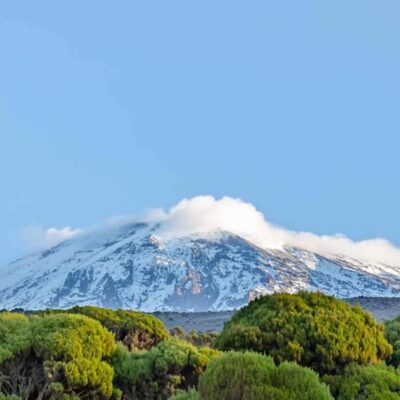 ★ 4.2#1. Best Kilimanjaro Day hike Tour-Machame Route-ISMANIFrom $11547 reviews
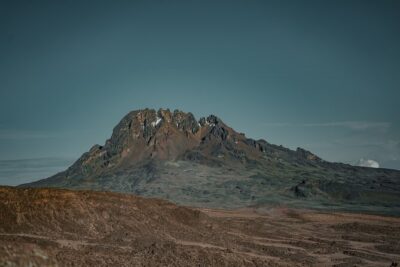 ★ 5.07 Days Machame route – KilimanjaroFrom $2,85045 reviews
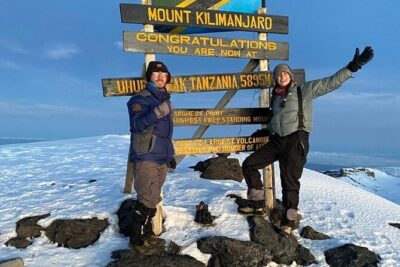 ★ 5.0The Best of Machame Route in 6 Days: Your World’s Summit GuideFrom $1,15044 reviews
Browse the lists this tour appears in