
REVIEW · KILIMANJARO MACHAME ROUTE
9 Days Mount Kilimanjaro Climb Machame Route
Midnight on Kilimanjaro feels like science fiction. This 9 day Machame Route climb from Moshi is built around smart altitude pacing, great camp stepping stones, and that classic push to Uhuru Peak.
What I like most is the way the program mixes real acclimatization with practical trail handling, from the rainy rainforest start to the Barranco Wall moment. I also like that you are not dealing with everything alone, the climb support team, cook, and porters are part of the setup, and your camp gear is arranged so you can focus on hiking.
One consideration is that Kilimanjaro still punishes rushing. Even with a good plan, you need to take altitude seriously, and the day after the summit is all about careful, slow footing in the descent.
In This Review
- Key Points Worth Noting Before You Go
- Moshi Basecamp, Stella Maris, and the Calm Before the Climb
- Machame Gate to Machame Camp: Rainforest First Day Reality Check
- Shira Camp Views and the Lava Tower Acclimatization Pattern
- Lava Tower to Barranco Camp: The Rise-and-Fall Training Day
- Barranco Wall Early, Karanga Camp Reset, and the Move to Barafu
- Barafu Summit Camp, Kosovo Acclimatization, and the Midnight Uhuru Peak Push
- Millennium Camp to Mweka Gate: Finishing in the Forest Line
- Price and Value, From Guides to Meals to Water
- Who This Works Best For, and How to Prep Without Overthinking
- Should You Book This Machame Route Climb?
Key Points Worth Noting Before You Go
- Machame starts in rainforest at Machame Gate, with tropical showers possible, so raincoats matter.
- Acclimatization is built into the route, including the Shira to Lava Tower rise and fall and the Lava Tower to Barranco shift.
- Barranco Wall is timed for sanity, an early start helps you avoid crowding, and the climb is about an hour.
- Your midnight summit push runs with close safety support, with a guide monitoring every two climbers.
- Camp setup reduces your workload, including tents and sleeping bags staged for you ahead of time.
- The descent is the risk phase, with guidance warning that most accidents happen on the way down, so go slow with your feet.
Other ways up Kilimanjaro we reviewed
- Kilimanjaro climb by Lemosho Route (7-day)★ 5.0 · 651 reviews
- Kilimanjaro climb, Machame Route (7-day)★ 5.0 · 262 reviews
- Kilimanjaro Climbing Lemosho Route 8 Days.★ 5.0 · 186 reviews
- Climbing Kilimanjaro – Machame Route★ 5.0 · 170 reviews
Moshi Basecamp, Stella Maris, and the Calm Before the Climb
Most Kilimanjaro adventures start with a rush. This one starts with a smoother landing: you get picked up at the Kilimanjaro airport and driven about 30 to 40 minutes to Stella Maris lodge in Moshi. It is just outside Moshi town, and the big practical payoff is comfort, a hot shower, and beds that let you actually sleep.
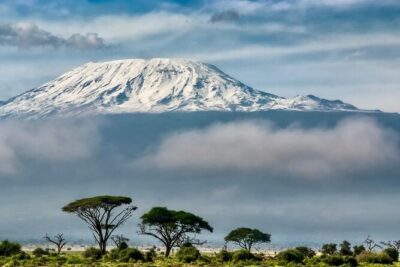
Stella Maris also gives you a view of Mount Kilimanjaro. That sounds like a postcard detail, but it matters because it gets your mind in the right place. You can look at the mountain before you feel it in your lungs.
You are also advised to try for an early night because the real work begins the next day. That is good advice. Even if you feel fine, that sleep matters when your body is about to start adjusting to altitude.
Machame Gate to Machame Camp: Rainforest First Day Reality Check
Day 2 is your first climb day, and it starts at Machame Gate at about 1,800 meters. After permits are processed and the group registers with search and rescue, you head up toward Machame Camp at about 3,010 meters.
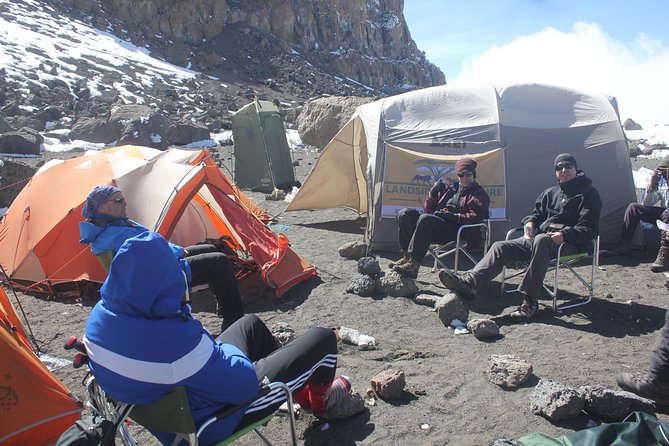
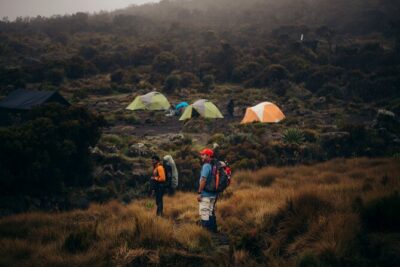
This is the Machame signature: you trek through rainforest. That means weather can change quickly, and tropical showers are specifically called out as highly probable. I love that the plan makes this obvious, because it changes what you pack and how you dress. Bring spare clothes for the wet moments, and do not treat rain gear like a luxury.
At this stage you are not chasing speed. Your job is to get your body used to going higher without overheating. Expect damp trail time, and expect to learn what wet hiking clothes feel like when you are breathing harder than normal.
Shira Camp Views and the Lava Tower Acclimatization Pattern
Day 3 moves you from Shira Camp at about 3,845 meters, and it is the day you often start seeing the Shira Plateau. Going from rainforest back to wide views is a mental reward. You are still working, but suddenly you can see why people keep coming back.
The trekking on this day is described as not very difficult physically, but altitude changes can still hit you. That is the key: a trail can be manageable on paper and still feel hard because your body is adapting. This is where pacing becomes your best tool. Slow steps, steady breathing, and listening to your body are more important than any fitness brag.
Then you add an acclimatization hike toward Lava Tower Camp with about 300 meters of gain. The rise-and-rest pattern is the point. It teaches your body the new altitude rhythm without forcing you to summit energy levels.
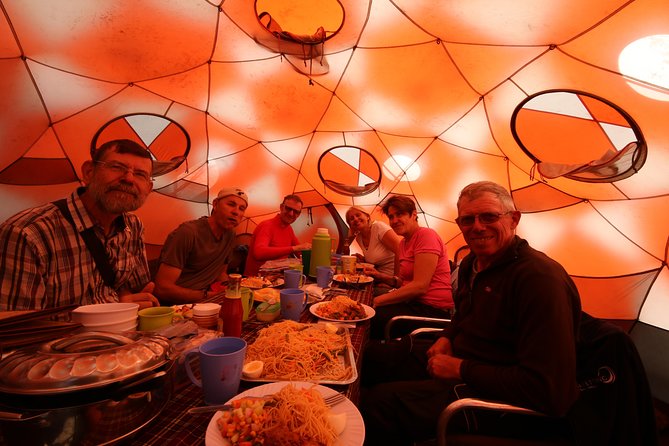
By the time you are back at Shira Camp, you have a hot dinner waiting. That matters because it signals a pattern you will rely on again and again during the climb: work, rest, eat, sleep, repeat.
More Machame departures, compared
Lava Tower to Barranco Camp: The Rise-and-Fall Training Day
Day 4 begins at Shira Camp and heads to Lava Tower, climbing from about 3,845 meters to about 4,630 meters. The description is clear that the rise-and-fall nature can be difficult. That is not a scare tactic. It is just honest about how this route behaves.
The lunch break at Lava Tower is a practical move. You are spending time at higher altitude before dropping down about 650 meters to Barranco Camp at about 3,960 meters. That day design helps acclimatization while keeping you from burning your legs too early.
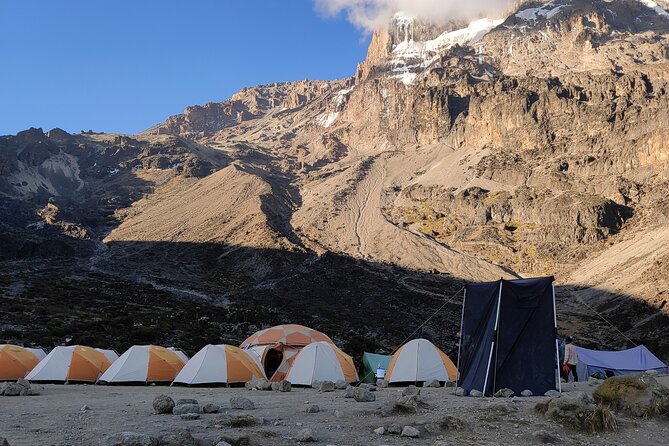
Then you arrive at Barranco Camp, where the famous Barranco Wall is right there, visible and intimidating. The wall will be your next day highlight.
Also note the reassurance here: the Barranco Wall climb has a simple trail for the next day. You still should not take it lightly, but the route is not asking you for climbing skill. It is hiking, with a steep section.
Barranco Wall Early, Karanga Camp Reset, and the Move to Barafu
Day 5 starts with an early push. The reason is simple: avoid crowding on the way up Barranco Wall. This is one of those small logistics calls that can make a big difference to your experience. Less congestion means less stopping, less waiting, and fewer people blocking a narrow, steep trail.
The wall climb itself is said to be merciful, around an hour or so, even though it looks steep. The top is also described as a great photo moment, with Kibo Peak as a backdrop. Even if you do not care about photos, the view reward is real motivation, because it gives you something uplifting right after a tough-looking climb.
From there, the day turns into ups and downs, and your guides choose positions for individual climbers. That individualized approach is valuable on Kilimanjaro. Some people move well on steep grades, some need more breaks. Having a guide adapt the pace is usually what keeps you comfortable.
You then reach Karanga Camp for lunch and continue with an acclimatization climb toward Barafu, with the highest point described around 4,270 meters. After that, the group drops back to Karanga Camp for overnight. Think of this day as leg training plus breathing practice.
Then Day 6 sets up your real summit night.
Barafu Summit Camp, Kosovo Acclimatization, and the Midnight Uhuru Peak Push
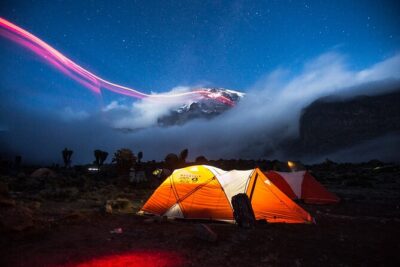
Day 6 is a turning point. You move from Karanga Camp up to Barafu Summit Camp at about 4,673 meters. The plan includes a team that sets up camp for you ahead of time, including tents and sleeping bags. That is a big deal. If you are responsible for setup after a long trek, you waste energy that you need later.
Once you regain strength, there is another short acclimatization climb, toward Kosovo Summit Camp, with a top around 4,800 meters, then you return to Barafu for a hot dinner. After that, the message is clear: rest and sleep before night summiting.
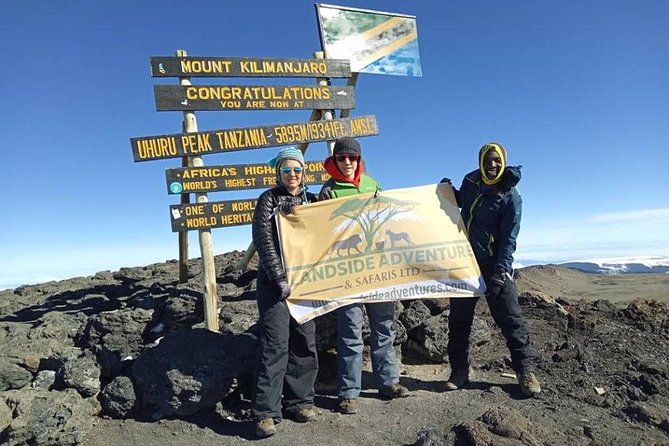
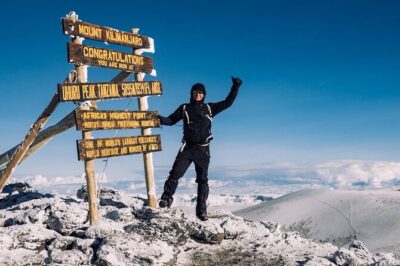
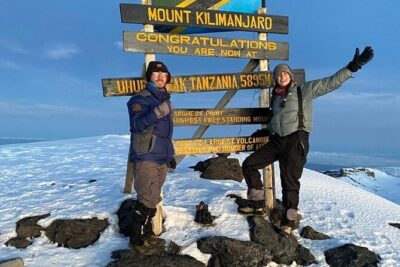
Then Day 7 begins with the summit push. Summiting starts around midnight from Barafu at about 4,673 meters, and you end at Uhuru Peak at 5,895 meters. The trek is described as fairly simple, but you still face rarified mountain air. This is where simple does not mean easy. Oxygen gets scarce, and you work harder for each step.
Safety is also built into the plan. A guide monitors condition throughout and accompanies every two climbers. That structure helps in a practical way because it means the decision to slow down, stop, or adjust is not left to chance.
After reaching Uhuru Peak, you are given an opportunity to walk on the nearby glacier. That is a classic Kilimanjaro moment, and it also gives you something to remember besides sheer effort.
Then you start descending to Millennium Camp at about 3,820 meters. The plan calls for a two-hour rest back at Barafu before descent, which helps many people conserve energy and keep the descent safer.
Millennium Camp to Mweka Gate: Finishing in the Forest Line
Day 7 descent leads into a lower camp for sleep. Day 8 takes you from Millennium Camp at about 3,820 meters down to Mweka Gate at about 1,640 meters. The drop is long, and the description points out that the camp position being far lower at the forest line should offer a good night’s sleep.
After breakfast, you walk out to Mweka Gate, described as about 5 to 6 hours. This day can feel both triumphant and oddly emotional. You have already done the hard part, but your body still has to finish the work.
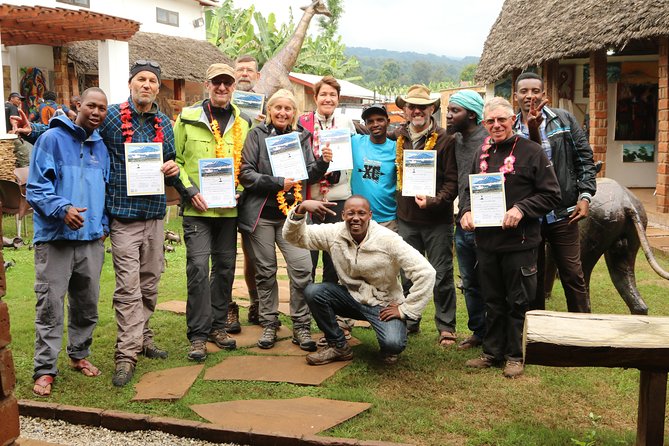
At Mweka Gate you do a short celebration with the whole climb crew. Then you receive your climb certificates, and you drive to your lodge. It is the right blend of achievement and decompression.
Day 9 is your final transfer, hotel to airport. If you have a late flight, late checking out can be arranged for extra fees, and typical check out is 11:00 AM. That timing is worth checking early so you do not scramble.
Price and Value, From Guides to Meals to Water
The price is $3,250 per person for this roughly 9 day Machame Route climb. That sounds like a lot, but Kilimanjaro pricing is mostly about the logistics of doing it safely: guides, cook, porters, permits handling on the ground, meals, camp infrastructure, and transportation.
Here is what the package explicitly includes:
- Roundtrip airport transfers
- Treated drinking water
- Sleeping mattress, tables, and chairs
- Professional mountain guides, cook, and porters
- Meals for vegetarian or non-vegetarian (breakfast 9, dinner 6, lunch 7)
This is also where I think the value sits. You are paying for a full support system, not just a person pointing you uphill. The mention of tents and sleeping bags being set up ahead at Barafu is part of that same value, because it reduces the mental and physical load during the most important days.
What is not included: tips. That is common on Kilimanjaro, and it is worth budgeting for ahead of time. If you are strict about fixed costs only, keep that in mind when you compare options.
One more practical detail: you get a mobile ticket. That can make arrival logistics easier, especially when you are dealing with early mornings.
Who This Works Best For, and How to Prep Without Overthinking
This tour is described as best for travelers with moderate physical fitness. That does not mean you can be casual. Kilimanjaro is altitude plus long days. But it does mean the route design and support structure are intended to help typical hikers manage the climb.
The group size matters too. The maximum is 6 travelers. On Kilimanjaro, smaller groups often mean more attention and less waiting. It also usually leads to a calmer rhythm on narrow sections like Barranco Wall.
Based on how the climb is planned, I think you will feel happiest if you are the type who:
- wants a structured acclimatization approach
- is willing to hike slower than you feel you could
- appreciates hot food and proper rest cycles more than speed bragging
- can stay focused on safety during the descent
As for what to pack from what is explicitly mentioned: bring spare clothes and raincoats because the rainforest day includes highly probable tropical showers. Also remember the warning about the descent. The guidance is blunt that descent is deceptively easy with treacherous footing and that it accounts for 90 percent of accidents. So you should plan to treat Day 7 to Day 8 movement like real work, not a victory lap.
Should You Book This Machame Route Climb?
If you want the classic Kilimanjaro experience with a route that builds altitude gradually, this Machame climb from Moshi is a solid pick. I particularly like the mix of preparation steps, like camp setup in advance and safety guidance during the summit night.
Book it if:
- you value a small group (max 6) and consistent support
- you want explicit acclimatization steps, not just a generic hike plan
- you prefer having meals and treated water handled for you
Think twice if:
- you are not willing to commit to pacing and careful footing, especially after summiting
- you strongly dislike extra costs like tips and late checkout fees
Bottom line: this is a well-structured plan for Machame Route hikers who want real support, clear altitude logic, and the chance to reach Uhuru Peak from Moshi with a finish that still feels like a celebration.
More Machame Departures
- Kilimanjaro climb, Machame Route (7-day)
★ 5.0 · 262 reviews - Climbing Kilimanjaro – Machame Route
★ 5.0 · 170 reviews - Climbing Kilimanjaro through 7 days Machame Route
★ 5.0 · 151 reviews - #1. Best Kilimanjaro Day hike Tour-Machame Route-ISMANI
★ 4.2 · 47 reviews - 7 Days Machame route – Kilimanjaro
★ 5.0 · 45 reviews
Kilimanjaro, Route by Route
- Kilimanjaro climb by Lemosho Route (7-day)
★ 5.0 · 651 reviews - Kilimanjaro climb, Machame Route (7-day)
★ 5.0 · 262 reviews - Kilimanjaro Climbing Lemosho Route 8 Days.
★ 5.0 · 186 reviews - Climbing Kilimanjaro – Machame Route
★ 5.0 · 170 reviews - Climbing Kilimanjaro through 7 days Machame Route
★ 5.0 · 151 reviews
Just added from around Moshi
Kilimanjaro Machame Route, compared.
 ★ 5.0Kilimanjaro climb, Machame Route (7-day)From $3,377262 reviews
 ★ 5.0Climbing Kilimanjaro – Machame RouteFrom $2,322170 reviews
 ★ 5.0Climbing Kilimanjaro through 7 days Machame RouteFrom $2,425151 reviews
 ★ 5.07-Day Machame Kilimanjaro Summit Tour from ArushaFrom $2,695125 reviews
 ★ 5.07 Days Kilimanjaro via Machame route affordable priceFrom $2,400110 reviews
 ★ 4.2#1. Best Kilimanjaro Day hike Tour-Machame Route-ISMANIFrom $11547 reviews
 ★ 5.07 Days Machame route – KilimanjaroFrom $2,85045 reviews
 ★ 5.0The Best of Machame Route in 6 Days: Your World’s Summit GuideFrom $1,15044 reviews
Browse the lists this tour appears in