
REVIEW · SERENGETI NATIONAL PARK SAFARIS
8 Days Private Safari in Serengeti Tour
There are mornings you never forget. This 8-day private safari out of Moshi pairs a custom game-drive pace with a guide who speaks English or Spanish and clearly knows the country’s wildlife and local customs.
I especially like how you keep trying for the Big Five, not just ticking off parks. I also like the mix of habitats, so you go from Tarangire’s elephant herds and baobabs to Serengeti’s Mara River drama.
One thing to consider: you’ll spend long stretches in a vehicle, and while meals and park entry are covered, drinks and tipping are not.
In This Review
- Key highlights to know before you go
- Private Safari Out of Moshi: What You’re Really Paying For
- Day 1 in Arusha: The Arrival Buffer Day
- Day 2 Tarangire National Park: Baobabs, Elephants, and a Real Dry-Season Edge
- Days 3 and 4 Serengeti: Plains Views, Predator Chances, and Migration Timing
- Day 3: Ngorongoro Conservation Area Views and a Bush Lunch
- Day 4: Central Serengeti for Predators, Then the North for the Mara River
- Day 5 North Serengeti and Pamoja Camp: Mara River Hunting Plus Long Drive Time
- Day 6 Ngorongoro Crater: The Best Big Five Stage in East Africa
- Day 7 Lake Manyara: Tree-Climbing Lions and a Birds-First Day
- Day 8 Arusha National Park: Walking With an Armed Ranger
- Price and Logistics: Does It Feel Worth It?
- Who This Safari Fits Best
- Should You Book This 8-Day Private Serengeti Safari?
- FAQ
- Is this tour private or shared?
- Where does the safari start?
- What language will the guide speak?
- What’s included in the price?
- What is not included?
- How long is the safari?
- Is park entry included?
- What if I need to cancel?
Key highlights to know before you go
- A private guide in English or Spanish: you get a close, question-friendly safari experience, not a rushed bus tour.
- Serengeti with migration timing options: July to October is when Mara River crossings can be a top payoff.
- Ngorongoro Crater for high-density wildlife: this is the day where the Big Five hunt gets real.
- Built-in wildlife time plus hot lunches: you’re not just driving, you’re also pausing to eat in the parks.
- Tree-climbing lions and heavy bird life at Lake Manyara: great if you like nature details beyond the big mammals.
- Arusha National Park walking tour with an armed ranger: a slower, grounded way to finish with.
More of the Serengeti, drive by drive
- Safari Serengeti And Ngorongoro★ 5.0 · 288 reviews
- 5 Days Camping Tarangire, Serengeti & Ngorongoro crater & Visiting Maasai★ 5.0 · 58 reviews
- 4 Days Group Joining Camping Safari to Tarangire Serengeti Ngorongoro Crater★ 5.0 · 50 reviews
- 4 Day Private Tour Throughout Tarangire, Serengeti and Ngorongoro★ 5.0 · 42 reviews
Private Safari Out of Moshi: What You’re Really Paying For
This safari starts in Moshi, which is a practical launch point for northern Tanzania. The value here is the private setup, using a private Toyota Land Cruiser 4×4 and a dedicated safari guide, so you can move based on sightings and conditions instead of waiting on a schedule.
The other big value is the guide relationship. The experience is described as very close and personal, with a guide who can talk you through fauna, flora, and local customs, not just point out animals from a distance. On a trip like this, that makes your sightings feel more meaningful because you understand what you’re seeing and why animals are behaving the way they are.
The price is not small, at $4,928.58 per person for the 8 days. But the inclusions matter: accommodations, park entry, transport, and most meals are bundled, so you’re paying mainly for time in the field and a private guiding team, not for constant add-ons.
Day 1 in Arusha: The Arrival Buffer Day
Day 1 is basically your reset after travel. You’ll be picked up from Kilimanjaro International Airport, then driven to Arusha for relaxation and an overnight stay. The ride time listed is about 5 hours, so it’s not a quick hop, but it does keep you from trying to start a safari game drive while you’re still jet-lagged.
This first day matters more than it sounds. Tanzania safari is about early starts, long vehicle days, and real concentration on spotting animals. Landing late or pushing too hard on day 1 tends to steal energy you’ll want later in Serengeti and Ngorongoro.
Practical note: you’re not just arriving, you’re switching from airport pace to safari pace. Pack light for the road day and be ready to shift into early mornings quickly.
Day 2 Tarangire National Park: Baobabs, Elephants, and a Real Dry-Season Edge
Tarangire is where the safari energy ramps up. You leave Arusha early and drive to Tarangire, about a 2-hour transfer. Then you spend the day in a park known for its large elephant herds and giant baobab trees.
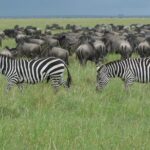
Why Tarangire is a strong day early in the trip: during the dry season it becomes a wildlife magnet. The itinerary also points to a mini-wildlife migration, with around 250,000 animals entering the park during that period, plus strong numbers of lions and leopards. In plain terms, this is a place where your chances improve because animals concentrate around better conditions.
What I like about this day is the variety. You get big mammals and thick scenery, not just open plain driving. If you love atmosphere and photos, Tarangire is usually more visually textured than many people expect.
Possible drawback: Tarangire day length is set at about 5 hours in the schedule, so you’ll want to enjoy the drive and sightings, but don’t expect endless slow wandering like you might in places with hiking trails.
Days 3 and 4 Serengeti: Plains Views, Predator Chances, and Migration Timing
Serengeti is the big reason most people come to Tanzania, and your plan here tries to hit two different Serengeti moods.
Day 3: Ngorongoro Conservation Area Views and a Bush Lunch
On day 3, after breakfast around 8:00am, you drive toward Serengeti, passing through the Ngorongoro Conservation Area. The route includes circling the crater area and descending on the other side, with a “free African massage” on the bumpy road, then moving past Maasai villages en route.
At the Naabi Hill entrance gate, you can walk to a viewpoint with sweeping views over the Serengeti plains. Then you get a hot lunch either at the gate or during the drive toward the heart of Serengeti, with an interesting bush setup by your guide.
This combination works well. You’re not only game-driving, you’re also orienting yourself to what makes Serengeti special: space. That viewpoint pause helps you understand why herds can stretch across such huge distances and why predators can look like they’re almost hiding in plain sight.
Day 4: Central Serengeti for Predators, Then the North for the Mara River
Day 4 is built around the idea of improving your odds. First you do a morning game drive in central Serengeti, where the itinerary says there’s a better chance to spot big predators and non-migratory animals, including Big Five chances.
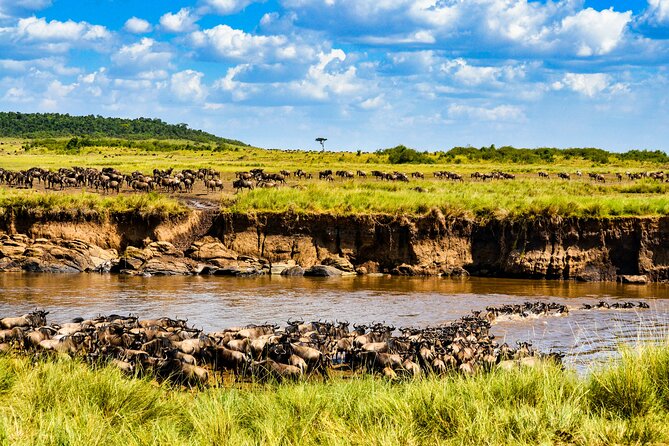
After lunch, you drive to far north Serengeti to follow the Great Migration. The schedule focuses on July to October, when wildebeest are in the northern plains, and crossings near the Mara River can happen. If you travel during those months, this is the day that can deliver the most dramatic, crowd-pleasing moments.
What to keep in mind: migration is timing-dependent. Even with a great plan, animals move based on rain, water, and grass. A strong guide matters because your job is to be flexible and present, not to insist the day must look a certain way.
Day 5 North Serengeti and Pamoja Camp: Mara River Hunting Plus Long Drive Time
Day 5 starts with options, then turns into a full day in north Serengeti. After breakfast around 8:00am or based on your preference, you explore around the Mara River, then move back toward central Serengeti for an evening drive.
This day is set up to maximize wildlife time. Your lunch is hot and served inside the park around 12:30pm, with soft drinks and unlimited drinking water included. Then there’s an “unlimited drive” until evening, before you head to your tented camp or lodge for dinner and overnight. The accommodation named for this night is Pamoja Serengeti Luxury Camp.
I like this structure because it gives you more than one shot at different animal behaviors. Early morning can bring activity and movement, then late afternoon is often about predators and calmer sightings. The Mara River area is especially compelling because it’s tied to migration movement.
Possible consideration: day 5 is long, and you might feel it. If you’re someone who gets cranky after hours on uneven tracks, pack patience. The payoff is that you spend more time looking, less time rushing between stops.
Day 6 Ngorongoro Crater: The Best Big Five Stage in East Africa
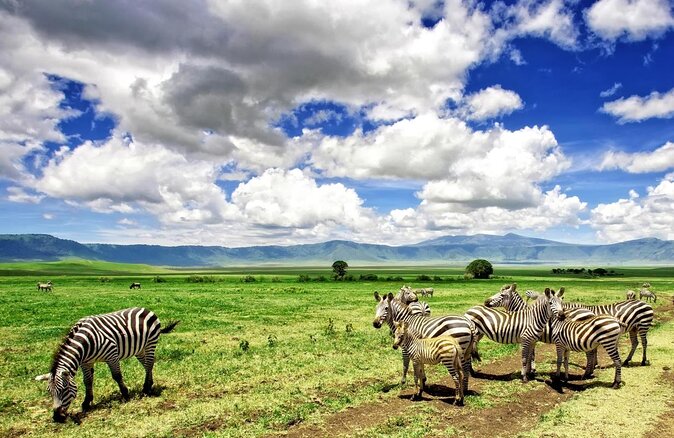
Ngorongoro is the day that feels like a movie set for wildlife. You depart early after breakfast for a game drive en route to the crater, then descend into the caldera. The itinerary frames the crater as a breathtaking setting and notes it as one of the best East Africa spots to see the Big Five.
You’ll see the crater’s edge, then the 20 km diameter caldera opens up before you, and you descend into the crater on an adventurous trail. The plan also highlights that it’s a World Heritage Site, with seasonally over 25,000 animals and species ranging from hyenas and birds to the endangered black rhino.
Why this day is so valuable, even if you’ve already seen lions or elephants elsewhere: Ngorongoro has a kind of wildlife density you don’t get in more open country. When animals are close, your guide can also help you track clues like movement patterns, shade preferences, and where prey is feeding.
Possible drawback: crater drives and descents can feel physically intense because you’re dealing with steep views and vehicle movement. Bring water, take breaks when you can, and don’t treat this as a day for sleeping off fatigue.
Day 7 Lake Manyara: Tree-Climbing Lions and a Birds-First Day
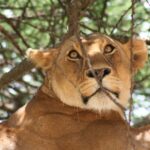
After breakfast, you drive to Lake Manyara National Park. The itinerary calls it the home of tree-climbing lions and a birds’ paradise. It also states that more than 500 species are present, and even first-time visitors might observe around 100 in a single day.
Lake Manyara can feel like a different kind of safari. The park has a narrow belt of acacia woodland near the floodplain, and that’s where tree-climbing lions are known to hang out. The itinerary also includes giraffes, zebras, hyenas, buffalo, hippos, elephants, and wildebeests as potential sightings.
After game drive time, you’ll drive to Mto Mbu village for a village visit. The schedule cuts off before describing activities in detail, so I won’t guess what you’ll see beyond the village stop itself. But culturally, this helps you balance the animal days with how people live alongside wildlife.
Practical note: Manyara days can reward people who like details. If you’re the type who enjoys birds, calls, and small behavioral signs, you’ll likely have a strong day here.
Day 8 Arusha National Park: Walking With an Armed Ranger
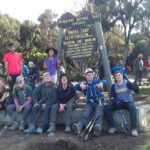
The final day is shorter in driving terms and slower in pace. You drive to Arusha National Park, about 45 minutes, then do a morning walking tour for around 2 hours accompanied by an armed ranger.
This walking component changes the flavor of the safari. Game drives are about scanning distance; walking tours are about noticing signs like tracks, insects, bird calls, and smaller animals you might miss from a vehicle. The park is listed as having African elephants, zebras, giraffes, buffalo, baboons, and antelopes, plus black and white colobus.
After the walk, you’ll have a packed lunch in the park area, then continue with game drive before returning to your Arusha hotel for dinner and overnight. Your tour planning summary also notes that on the last day they will drop you at the airport or another place depending on your plans, so if you have onward travel, coordinate the exact endpoint with your operator.
Price and Logistics: Does It Feel Worth It?
At $4,928.58 per person, this is a premium private safari package. The “worth it” question comes down to what you get bundled.
Included items (the big ones):
- Private Toyota Land Cruiser 4×4 and your private safari guide
- All fees and taxes
- Accommodations
- Arrival and departure transfers
- Meals (breakfasts, lunches, dinners listed across days)
- Park admission ticketing coverage as stated
- On day 5, unlimited drinking water and soft drinks at lunch are explicitly included
Not included items you should plan for:
- Drinks
- Tipping
- Internal and local flights
- Visa
- Medical and travel insurance
For me, the best value signal is not just the price, it’s that most of the expensive baseline costs are covered. Private transport and guiding time are what drive budgets in East Africa. Here, you’re essentially paying for time in the field with a guide and driver, across multiple top parks in eight days, with meals and entry fees handled.
Where the cost can still sting: if you drink a lot of soda, juice, or alcoholic drinks, that expense can add up. If you’re unsure about tipping levels, set aside extra money before you go.
Who This Safari Fits Best
This tour is a great match if you want:
- A private experience where your guide can focus on you
- A guide who speaks English or Spanish and can explain fauna, flora, and customs
- Both the “classic Serengeti” experience and the “different angle” days like Tarangire, Lake Manyara, and Arusha walking
It’s also a good pick if you’re traveling with people who want to keep a close, comfortable rhythm together, instead of sharing a vehicle with strangers.
If you’re budget-first, this likely won’t be your best fit. But if you value guide attention and longer wildlife time over cheaper group travel, it fits the bill.
Should You Book This 8-Day Private Serengeti Safari?
Book it if you’re aiming for a private safari with strong odds of Big Five sightings, a serious Serengeti run, and a finish that includes a walking tour. I also think it’s a smart choice for travelers who like learning as they watch, since the guide is described as very knowledgeable about animals and local customs, and you can keep asking questions throughout the drive.
Consider holding off or asking for clarification if you have strict limits on early mornings and vehicle time, since the schedule is built around early departures and full days. Also ask your operator how they’ll handle your exact final drop off, since the itinerary ends with Arusha hotel overnight while the tour summary mentions airport or other endpoint options.
If you’re ready for a classic northern Tanzania route, done privately and guided closely, this is the kind of trip that can turn into a life highlight.
FAQ
Is this tour private or shared?
This is a private tour, meaning only your group will participate.
Where does the safari start?
The experience starts with pickup at Kilimanjaro International Airport.
What language will the guide speak?
The guide can speak Spanish or English.
What’s included in the price?
The price includes all fees and taxes, accommodations, transportation, arrival and departure transfers, a private Toyota Land Cruiser 4×4, a private safari guide, and meals including breakfast, lunch, and dinner.
What is not included?
Not included are drinks, tipping, internal and local flights, visa, and medical and travel insurance.
How long is the safari?
The tour is listed as 8 days (approx.).
Is park entry included?
Yes. Admission ticket coverage is listed as free for the park days, and day 5 indicates admission ticket included.
What if I need to cancel?
You can cancel for a full refund if you cancel at least 24 hours in advance of the experience start time.
The Serengeti, Three More Ways
- Safari Serengeti And Ngorongoro
★ 5.0 · 288 reviews - 5 Days Camping Tarangire, Serengeti & Ngorongoro crater & Visiting Maasai
★ 5.0 · 58 reviews - 4 Days Group Joining Camping Safari to Tarangire Serengeti Ngorongoro Crater
★ 5.0 · 50 reviews - 4 Day Private Tour Throughout Tarangire, Serengeti and Ngorongoro
★ 5.0 · 42 reviews - 7 Days Safari. Serengeti, Tarangire, Lake Manyara & Ngorongoro Crater.
★ 5.0 · 34 reviews
Just added from around Moshi
Serengeti National Park Safaris, compared.
 ★ 5.0Serengeti Balloon Safari and authentic bush breakfastFrom $5502,480 reviews
 ★ 5.0Balloon Safari & Bush Breakfast in Serengeti – Miracle ExperienceFrom $5991,646 reviews
 ★ 5.03 Days Serengeti & Ngorongoro Group Camping SafariFrom $815574 reviews
 ★ 5.05-Day Highlights mid-Range Crater, Serengeti, TarangireFrom $2,327296 reviews
 ★ 5.0Safari Serengeti And NgorongoroFrom $2,845288 reviews
 ★ 5.03-Day Classic Serengeti SafariFrom $1,455263 reviews
 ★ 5.0Private 6-Day Tarangire Manyara Crater and Serengeti with Mid-Range LodgesFrom $2,685238 reviews
 ★ 5.05 Days Camping Tarangire, Serengeti & Ngorongoro crater & Visiting MaasaiFrom $1,254229 reviews
Browse the lists this tour appears in