
REVIEW · 7-DAY EXPERIENCES
7 Days Tanganyika Wilderness Safari
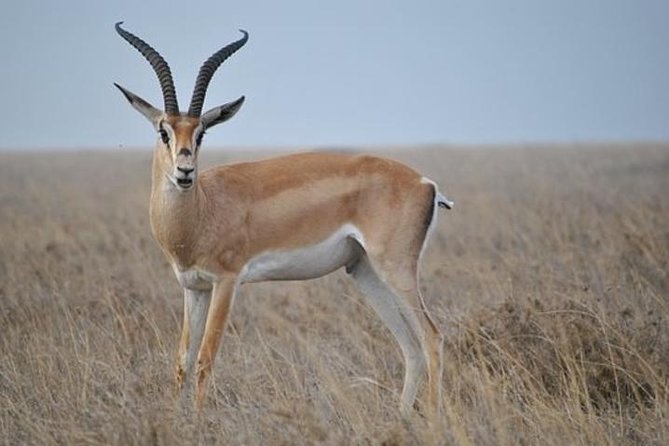
Private safari, real wild drama. This 7-day Tanganyika wilderness route from Arusha gives you crowd-free game drives across Tarangire, the Serengeti, and Ngorongoro, with a pop-up roof 4×4 so you can scan for animals without craning your neck. What I like most is how the days are paced around wildlife, plus the included comforts that keep you fueled and hydrated, including binoculars and snacks during drives. One thing to consider: you will spend plenty of time on the road, and some routes can feel bumpy, so bring a little patience (and a willingness to get comfy in the vehicle), like the groups who praised drivers such as Francis for steady driving and clear animal explanations.
You are also not just doing wildlife, you are doing wildlife in the right places. Tarangire is often calmer than the headline parks, the Serengeti gives you big-habitat variety, and Ngorongoro crater is the kind of setting that makes even a normal sighting feel dramatic. At $2,929.49 per person, the value hinges on the fact that your park fees, park time, vehicle, driver, and most meals are already handled, so you are paying for time in the field rather than nickel-and-diming every day.
In This Review
- Key highlights worth your attention
- A private 7-day circuit that starts in Arusha and stays in the parks
- Day 1: Meet and greet at Kilimanjaro, then Kibo Palace Hotel reset
- Day 2 Tarangire National Park: quieter drives, elephants, and serious birding time
- Day 3 Olduvai Gorge then central Serengeti: big meaning, then big animals
- Day 4 Full day central Serengeti toward Seronera: where the hours feel well used
- Day 5 Serengeti north to Ngorongoro: Garden of Eden vibes, plus Lake Magadi
- Day 6 Morning Ngorongoro crater drive: why you go early
- Day 7: back to Arusha and out for your flight
- What you pay for, and why it can be good value
- Comfort, vehicle reality, and what to pack for the road days
- Who this safari fits best
- Should you book this 7-day Tanganyika Wilderness Safari?
- FAQ
- What does the tour include each day?
- Which parks and areas are part of the safari?
- Is this safari private or shared?
- What is the start time and where does it begin?
- Is Olduvai Gorge included?
- Are alcoholic drinks included?
Key highlights worth your attention
- Private safari time with only your group, so you can move at the pace you want
- Pop-up roof 4×4 for easier spotting and more natural viewing angles
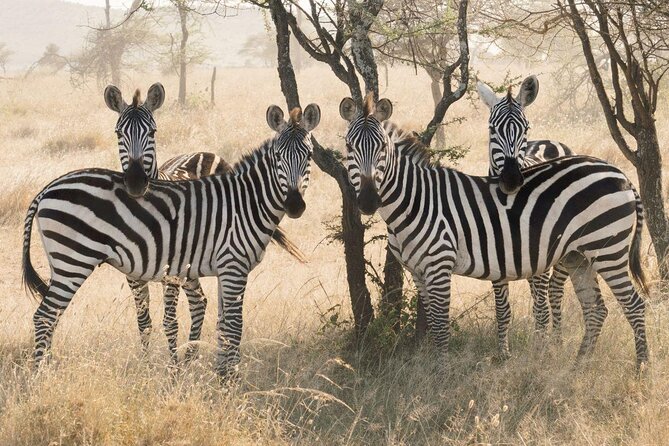
- Tarangire first, which many people skip, giving you quieter elephant and bird watching
- Olduvai Gorge on the way to the Serengeti, adding meaning before the big wildlife days
- Ngorongoro crater plus Lake Magadi, a strong combo for water birds and chance of hippos
- Included meals, bottled water, and a sundowner wine glass, so you stay comfortable all day
Still weighing it up? These Arusha trips came out well when we reviewed them.
- Balloon Safari & Bush Breakfast in Serengeti – Miracle Experience★ 5.0 · 1,646 reviews
- Tanzania Classic – 7 Days★ 5.0 · 1,151 reviews
- 4 Days Group Camping Safari★ 5.0 · 1,101 reviews
- 5 Days Group Camping Safari★ 5.0 · 730 reviews
A private 7-day circuit that starts in Arusha and stays in the parks
This is the kind of safari that works because it is built around the driving and viewing, not around switching hotels every few hours. You start in the Arusha area and then move through three major wildlife settings, each with its own feel. That matters, because animals react to habitat. If you only visit one park, you get one slice of the story. If you stack several ecosystems like this, your odds of interesting sightings climb, and the whole trip feels less repetitive.
The private setup is a real plus. It means you are not stuck waiting for a large group to find the same spot. You can linger when there is action, and you can move when the day calls for a change. The car itself helps too. The pop-up roof gives you a better look, especially when animals are in the middle distance or you are trying to spot motion in tall grass.
Day 1: Meet and greet at Kilimanjaro, then Kibo Palace Hotel reset
Your safari begins with arrival support at Kilimanjaro Airport. You get a meet-and-greet and a transfer to your exclusive accommodation, the Kibo Palace Hotel. This is a practical first-day choice because you land, you get moved, you get to sleep, and you do not waste your first daylight hour hunting logistics.
What you should do today is simple. Drink water, eat something solid, and go to bed like you mean it. The next days start early enough that jet lag can turn into bad moods if you do not recover quickly.
Day 2 Tarangire National Park: quieter drives, elephants, and serious birding time
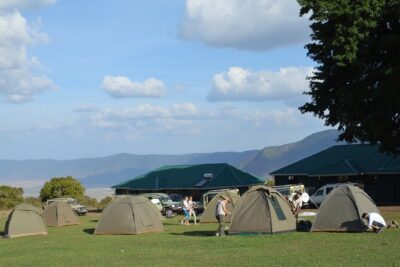
After breakfast, you drive to Tarangire National Park, and you stay at Maramboi Tented Lodge. Tarangire is famous for elephants and for birds, but the best part for many people is the calmer atmosphere compared with the busiest safari circuits.
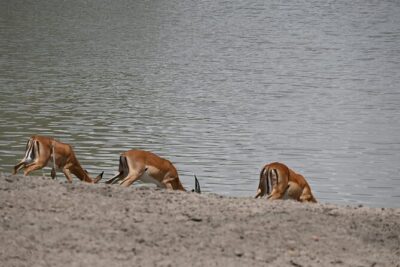
So what does that look like in real life? More time to watch. More chances to notice smaller wildlife details, like birds that pop out of trees and edges of grasslands. And because it is a quieter park, you often feel less rushed during game drives. You are still looking for the big icons, but you also get a safari rhythm that feels more like calm observation than constant searching.
A practical tip: this is a day to pack light for the vehicle. Binoculars are included, but you want your hands free for photos. Sunglasses help too, because Tarangire can be bright and dusty.
Day 3 Olduvai Gorge then central Serengeti: big meaning, then big animals
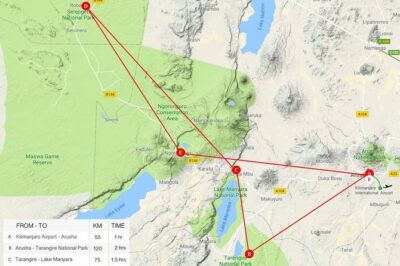
Today is the bridge day, and it is a good one. After breakfast, you head toward the Serengeti via Olduvai Gorge. This is where human evolution is tied to one of the world’s most important prehistoric sites, so it adds a dose of perspective before you hit the wildlife intensity.
Then you continue to the Serengeti and go on a game drive toward the central area, with Serengeti Acacia Camps as your overnight. The Serengeti is the wildlife headline you expect, but what makes this itinerary strong is that it emphasizes habitat variety. You are not just chasing one scenery type. In the Serengeti, you can run into swamps, woodland, soda lakes, and short grass plains, and that changes where and how animals show up.
If you want a memorable safari day, this is one to pay attention to the vehicle technique. The pop-up roof helps, but the real trick is letting your guide position the car. Experienced driver-guides, including people who have been singled out for patient explanations and animal tracking, tend to focus on reading signs, not just driving toward sightings.
Day 4 Full day central Serengeti toward Seronera: where the hours feel well used
Day 4 is a full day game drive toward Central Serengeti, often around the Seronera area. You stay in the same style of base, Serengeti Acacia Tented Camps.
A full day in one of the Serengeti’s classic zones is where your trip starts to feel like a real safari, not a road trip with animal stops. You have time to catch the wildlife when it shifts. Morning can bring more movement, midday can be hotter and quieter, and late afternoon can turn active again. This day gives you the runway to experience that rhythm.
Included in the safari flow, you get snacks during game drives and bottled water. That small detail matters more than people think. If you have to buy food on the fly, you lose time and patience, and you also get distracted from scanning the horizon.
Day 5 Serengeti north to Ngorongoro: Garden of Eden vibes, plus Lake Magadi
After breakfast, you depart from the Serengeti north route and head into the Ngorongoro Conservation Area, with Ngorongoro Farm House Lodge as your base. The crater is the main event, but the way you build in a stop like Lake Magadi makes the day more than just one dramatic viewpoint.
Lake Magadi is an alkaline lake inside the crater area, and it is known for water birds such as flamingos, plus sightings like hippos in the broader crater ecosystem. Even when you are not seeing the biggest species in a single moment, these water settings often produce steady wildlife action: birds changing positions, animals coming to the water edges, and the kind of crater scenery that forces you to pause and just take it in.
One reality check: Ngorongoro crater can be visually intense. The terrain pulls your eyes everywhere. Your best tool is discipline. Keep looking for motion and listen to your guide’s scanning calls, because animals can appear suddenly when you stop fixating on the wrong patch of ground.
Day 6 Morning Ngorongoro crater drive: why you go early
Day 6 is a morning game drive in the World Heritage Site, Ngorongoro Crater, followed by a late afternoon drive back to the lodge.
Going early is smart because it gives you fresh light and often more active viewing. The crater is a unique bowl, so conditions can change fast. Morning drives tend to help you catch animals before the area gets too hot and before everyone settles into slower patterns.
The included breakfast plus the timing means you are not scrambling. Then you spend your best viewing hours in the crater itself. This is also one of those days where a strong guide matters. The best ones can spot tracks, read body language, and steer you to likely areas rather than guessing randomly.
Day 7: back to Arusha and out for your flight
You finish with breakfast at the lodge, then drive back to Arusha. From there you get a transfer to the airport for your international flight, or to your hotel if you arranged that on your end.
This last day is simple by design. It prevents that awkward feeling of trying to cram one more full safari drive right before flying. Also, it lines up with what you want after a week in vehicles and wildlife tracking. You leave with stories, not exhaustion.
What you pay for, and why it can be good value
Let’s talk price, because at $2,929.49 per person, you want your money to buy real time, not just paperwork.
Here is what you are getting that supports value:
- Park fees are included
- Unlimited game mileage during safari game drives means you can keep searching without worrying about distance charges
- A 4WD vehicle with pop-up roof, plus binoculars, guide books, and destination maps
- Driver and guide are part of the package
- Round-trip private transfers are included
- Unlimited bottled water and snacks during game drives
- A glass of wine on sundowner, plus meals and specified drinks are included in the overall package structure
- Accommodation and meals are included for the trip duration, with the last day not including accommodation
When a safari includes those basics, you are paying for logistics heavy-lifting. That is the difference between spending your day watching wildlife versus spending it figuring out transport, food, and entry fees.
Is it cheap? No. But for a private 7-day circuit hitting Tarangire, the Serengeti, and Ngorongoro with park time and vehicle included, the cost starts to look like a fair trade for time in the field.
Comfort, vehicle reality, and what to pack for the road days
A safari is not a spa day. It is a long day outdoors from vehicle to vehicle. Your comfort depends on small things, and this trip supports comfort with water, snacks, and proper gear for viewing.
Still, keep expectations honest:
- Some routes can be bumpy, and you should plan for that
- You will sit and scan for hours, so bring layers, not just one outfit
- Heat can hit hard, even if the day starts cool
- Your best viewing happens when you are not fighting your clothing, your gear, or your body
What the package already covers helps. Binoculars are in the vehicle. Maps and guide books mean you can understand where you are without pulling out your phone every two minutes. The fridge in the vehicle is another quality-of-life item, because cold water and cool breaks feel like a luxury when you are in a long drive day.
If you care about the guide experience, pay attention to how your driver behaves in the vehicle. Some guides, like Francis, have been described as steady and patient with explanations. Others, like Emmanuel or Juma, were praised for doing more than driving, like helping you with what you need and keeping the whole day smooth. In a private safari, your guide can make the difference between seeing animals and really understanding them.
Who this safari fits best
This is a great match if you want:
- Private safari time with no crowd pressure
- A well-paced mix of parks: Tarangire, Serengeti, Ngorongoro
- A trip that includes meals and drinks so you can focus on wildlife
- Strong guiding emphasis, with plenty of chances for animal spotting and explanation
It is also a good choice for honeymooners and families, since you can tailor your attention to what matters most to your group. The itinerary has moderate physical demand, so you should have a level of fitness that lets you enjoy long sitting periods and early mornings.
Should you book this 7-day Tanganyika Wilderness Safari?
I think this is a solid booking if you want a private, high-effort wildlife week where the basics are handled for you. You are paying for the days that matter, park fees, and the time to scan properly in multiple ecosystems. The inclusion of game driving mileage, bottled water, and steady support reduces the mental load, and that makes the safari feel smoother.
The main reason to pause is simple: if you hate being in a vehicle for hours or you are sensitive to bumpy roads, this kind of itinerary will test your patience. If that sounds manageable, then this safari is one of those trips where the scenery and animals feel like a nonstop story, day after day.
If you are okay with road time and you want the classic Tanzania trio of Tarangire plus Serengeti plus Ngorongoro, book it and focus on being present. Bring layers, charge your camera, and let the day unfold.
FAQ
What does the tour include each day?
It includes accommodation (for all days except the last day), meals as per the itinerary, and game drive support like a 4WD vehicle with pop-up roof, binoculars, guide books, and destination maps. Bottled water is unlimited, and snacks are provided during game drives.
Which parks and areas are part of the safari?
You visit Tarangire National Park, the Serengeti (including central and north areas), and the Ngorongoro Conservation Area with Ngorongoro Crater. Lake Magadi is also visited within the crater area.
Is this safari private or shared?
It is a private tour/activity, and only your group participates.
What is the start time and where does it begin?
The experience starts in Arusha at 8:30 am.
Is Olduvai Gorge included?
Yes. You travel to the Serengeti via Olduvai Gorge and you go there as part of the day.
Are alcoholic drinks included?
Alcoholic drinks are not included, but there is a glass of wine on the sundowner. Other alcohol can be purchased.
Just added from around Arusha
7-Day Experiences, compared.
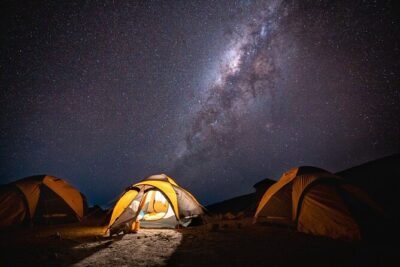 ★ 5.0Kilimanjaro climb by Lemosho Route (7-day)From $3,476651 reviews
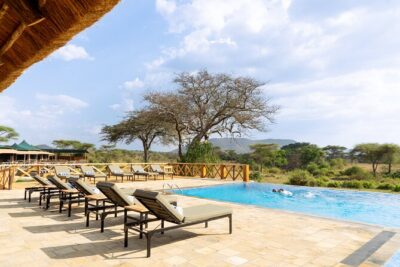 ★ 5.07-Day Premium Luxury Tanzania Safari All-InclusiveFrom $4,840426 reviews
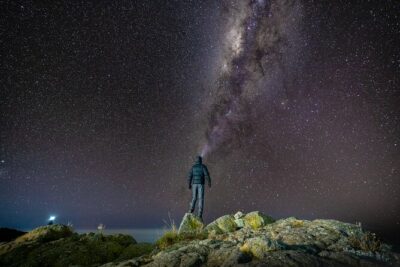 ★ 5.0Kilimanjaro climb, Machame Route (7-day)From $3,377262 reviews
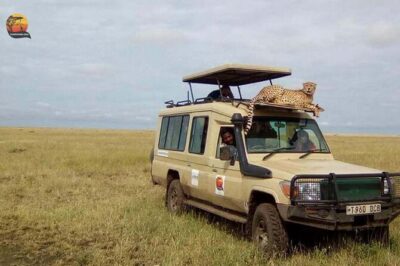 ★ 5.0Group Safari 7 Days in Tanzania’s Main ParksFrom $3,000240 reviews
 ★ 5.0Climbing Kilimanjaro through 7 days Machame RouteFrom $2,425151 reviews
 ★ 5.07-Day Machame Kilimanjaro Summit Tour from ArushaFrom $2,695125 reviews
 ★ 5.07 Days Kilimanjaro via Machame route affordable priceFrom $2,400110 reviews
 ★ 5.07 days great migration safariFrom $4,51477 reviews
Browse the lists this tour appears in