
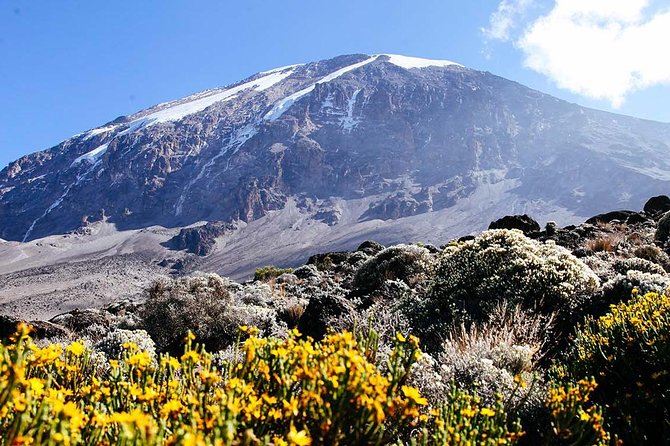
REVIEW · KILIMANJARO MACHAME ROUTE
7 Days Machame Route Trek Mount Kilimanjaro
Rainforest monkeys and icy summits, seven days. The Machame Route on Mount Kilimanjaro gives you a step-by-step climb through rainforest, heath, and moorland, with acclimatization built into the schedule, not left to luck. I like that you’re supported by an expert guide and a full mountain crew, but you should also know this trek demands real fitness and cold-weather toughness, especially as you move toward the higher camps.
You’ll start with a hotel pickup in Arusha around 8:30 am, then head toward Kilimanjaro National Park for the gate and paperwork before your hiking begins. I also like the small feel of this trip, maximum 4 travelers, because it makes it easier to move as a group and stay focused on the day ahead. On summit night you’re climbing in darkness with headlamps, then you get that sunrise moment at Uhuru Peak, with the glacier light right after.
In This Review
- Key things to know before you go
- Machame Route basics, and why this 7-day rhythm works
- Price and value: what $2,200 covers on Kilimanjaro
- Who runs the show: guides, cooks, porters, and the small-group feel
- Day-by-day: from Machame Camp to Uhuru Peak
- Day 1: Into the rainforest, to Machame Camp
- Day 2: Shira Camp and the first big altitude shift
- Day 3: Shira Plateau to Lava Tower, then into Barranco Valley
- Day 4: Conquering Barranco Wall, then cruising to Karanga
- Day 5: Barafu Camp on dry desert terrain
- Day 6: Midnight tea, Stella Point, and Uhuru Peak sunrise
- Day 7: Farewell ceremony, Mweka Gate, and the rainforest finish
- Acclimatization, altitude, and summit-night realism
- Wildlife and scenery notes you will actually remember
- Who should book this Machame trek, and who should think twice
- Should you book this 7 Days Machame Route trek?
- FAQ
- What time does the trek start?
- Where do we begin hiking?
- How long is the Machame Route trek?
- Are tents used for overnight stays?
- How many travelers are in a group?
- Is pickup included?
- What happens at the end of the trek?
- What if the experience is canceled due to weather?
- Is it possible to cancel for a full refund?
Key things to know before you go
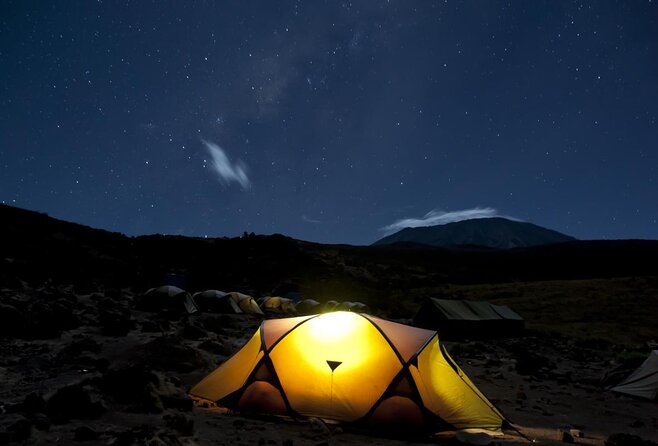
- Acclimatization is part of the plan: you gain altitude in stages, including a day where you climb about 700 m but sleep only a little higher
- Rainforest wildlife early: you hike among big old trees and ferns, and you may spot black-and-white colobus monkeys
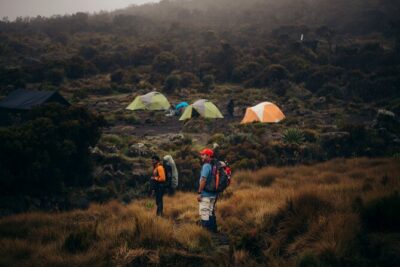
- Tent nights on the mountain: overnight stays use tents on the Machame Route
- Barranco Wall, hands-on but not technical: you’ll use your hands for grip, but it’s not described as real climbing
- Summit night starts around midnight: warm tea and biscuits, headlamps, then Stella Point to Uhuru Peak at 5,895 m
- A guided, crew-supported rhythm: expert guides plus cooks and porters help you keep moving and eating well
Other ways up Kilimanjaro we reviewed
- 8-Day Small-group Lemosho Kilimanjaro Summit Trekking★ 5.0 · 186 reviews
- 7-Day Machame Kilimanjaro Summit Tour from Arusha★ 5.0 · 125 reviews
- Mountain Kilimanjaro Day Hike★ 5.0 · 102 reviews
- 4 days Best experience Kilimanjaro Hike, Serengeti &Ngorongoro★ 5.0 · 54 reviews
Machame Route basics, and why this 7-day rhythm works
The Machame Route is one of Kilimanjaro’s classic paths for a reason. It mixes thick rainforest at the start with drier moorland and then the exposed alpine desert as you climb. That variety is not just pretty. It changes how your body feels, how your pace works, and how you mentally handle a long trek.
The big selling point here is acclimatization. The itinerary is structured so you keep gaining altitude while still giving yourself chances to sleep at heights that do not jump too fast. For example, on Day 3 you climb roughly 700 m but sleep at a level only slightly higher than the previous night. That matters because Kilimanjaro is all about how your body responds to altitude, not just how far you walk.
Also, this is a guided trek with a limit of up to 4 travelers. That matters more than people think. When the group is small, guides can better assess how you’re doing and keep you moving at a pace that is realistic. Several past clients mention guide support and a crew that takes the climb seriously and focuses on each person’s success.
Price and value: what $2,200 covers on Kilimanjaro
At $2,200 per person for about 7 days, you’re paying for more than a route and a map. You’re paying for an organized mountain operation. In the itinerary you’ll get multiple meals, tent-based overnight stays, and guided hiking each day.
You should also consider what this includes beyond the hike itself. The trip offers a pickup and starts with hotel transfer to the national park gate for the paperwork, so you’re not left coordinating logistics on your own. And because the trek uses tents for the nights on the mountain, you’re paying for real operational planning, not just a suggested itinerary.
What you might still want to think about is the total “cost” that isn’t listed in the price. Kilimanjaro demands gear readiness and stamina. If you show up undertrained or without thinking about cold nights, you’ll feel it fast. The trek is doable for most travelers, but “most” does not mean “easy.”
Who runs the show: guides, cooks, porters, and the small-group feel
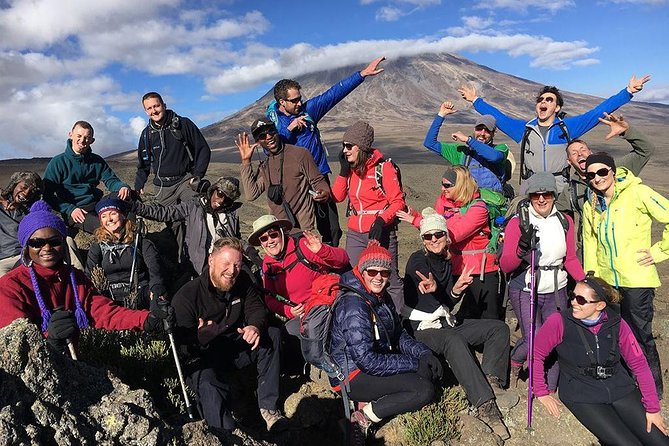
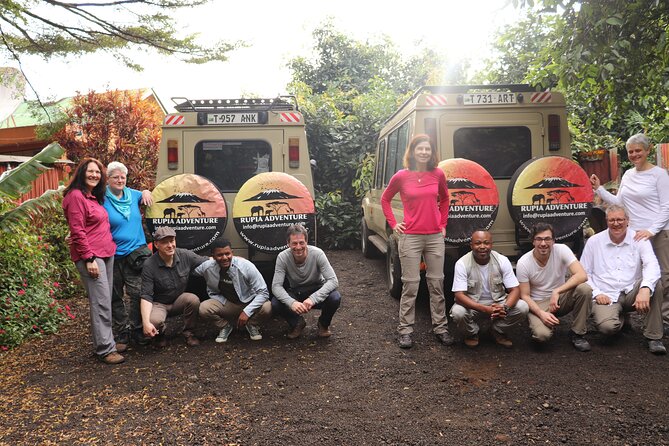
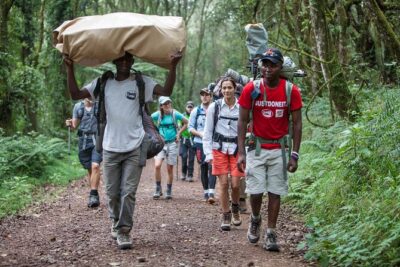
This is not a solo adventure. You’ll hike with an expert guide, and the trip runs with a mountain crew. The itinerary repeatedly references hearty meals and dinners, which usually means cooks are active throughout the route, not just at base.
From past experiences with this operator, people frequently highlight professionalism and kindness across the team. Some trekkers even mention specific guides by name during their Machame trek, including Gideon and Laurent at the pre-climb briefing, and Emanuel and Meshack as part of the guiding group. Others mention guides such as Mathias, Frank, Julius, and Johnny. I can’t promise which guide you’ll get, but the pattern is clear: the operator staffs teams meant for summit success, not just sightseeing.
Small-group size also changes the vibe. With up to 4 travelers, you’re less likely to feel lost in a crowd. Your guide can also adjust how you move if someone is struggling, especially on the long days leading up to the final push.
More Machame departures, compared
Day-by-day: from Machame Camp to Uhuru Peak
Expect a gradual climb with a few key “feels different” days. Some days are long walking sessions. A couple are shorter, and those are intentional for recovery.
Day 1: Into the rainforest, to Machame Camp
After breakfast, you’re picked up at your hotel and transferred toward the Kilimanjaro National Park gate. Once paperwork is done, you start hiking to Machame Camp, a 5-6 hour day.
This is the green start. You move through rainforest with large ancient trees, primeval ferns, and endemic flowers like Impatiens Kilimanjari. Wildlife is part of the deal too. You might spot black-and-white colobus monkeys peeking through the leaves.
When you reach camp, you’re given time to relax, stretch, and eat a hearty meal before sleeping in a tent. This is a good day to focus on steady steps and not racing your breath.
Possible drawback: rainforest days can be muddy and tiring. If your ankles are not used to uneven ground, go slow early.
Day 2: Shira Camp and the first big altitude shift
Today you start early, not because the hike is short, but because you want to arrive at Shira Camp around mid-afternoon. The big story is the change in terrain.
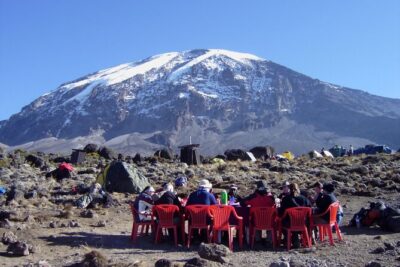
You go from lush rainforest to dry moor and heath land. As you climb, the mountain views open up. When the sun drops, the glaciers of Kibo can glint in the golden light, which is a classic Kilimanjaro moment.
You’ll reach camp, eat another cooked meal, and get ready for another tent night.
Why it matters: this day sets expectations. The trek slowly teaches you that Kilimanjaro is not one single environment. You’re training your mind for change.
Day 3: Shira Plateau to Lava Tower, then into Barranco Valley
Acclimatization is the focus today. You climb from Shira Plateau toward Lava Tower (4,640 m). You’ll pause for rest, then continue through the Barranco Valley to Barranco Camp.
This day takes about 6-7 hours. The route shifts again into an alpine desert feel, with small lobelia plants and giant senecio along the way. It’s a different kind of beauty, more exposed and harsher.
You’ll arrive at Barranco Camp for dinner and overnight. This is also one of those camps where you can feel the “mountain day” energy starting to build.
What to watch: Barranco Valley terrain can feel uneven underfoot. Keep your steps controlled, especially if you’re already breathing harder from altitude.
Day 4: Conquering Barranco Wall, then cruising to Karanga
Today’s headline is Barranco Wall. Some parts require using your hands for better grip, but the route is not described as actual climbing. Your guide is with you for every step, and the back-and-forth ascents and descents are part of the acclimatization logic.
After the wall, you walk along the ridge, taking in dramatic contrasts of desert and vegetation. Then you head to Karanga Camp, which takes about 3-4 hours, leaving more time for camp life.
There’s even time to play a game like rummy in the evening, which sounds small, but it’s the kind of normal moment that helps keep your morale up at altitude.
Day 5: Barafu Camp on dry desert terrain
You wake up to sunlight dancing off the Kibo Summit, then eat breakfast and start toward Barafu Camp.
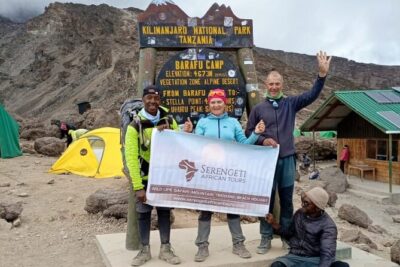
Most of this day is dry desert-like terrain, with Kibo appearing on your left side as you walk. After 3-4 hours, you reach Barafu Camp, where you’ll have an early dinner and settle in. This is the day before summit night, so the tone changes. It’s about saving energy.
Why Barafu matters: the itinerary places you here so you can rest early and start the final push at night.
Day 6: Midnight tea, Stella Point, and Uhuru Peak sunrise
This is the night everyone talks about, because it’s the summit bid.
Around midnight, you’ll be woken by your guide with warm tea and biscuits. You’ll climb up to Stella Point (about 5-7 hours). The moon and your headlamps are your only light source, so headlamp readiness is crucial.
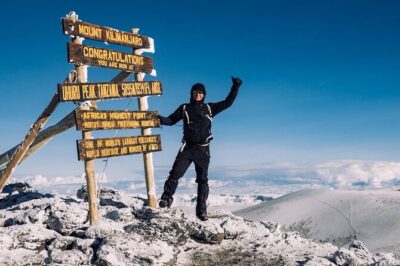
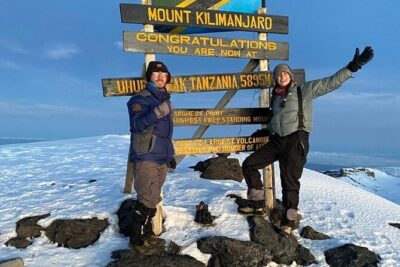
From Stella Point, it takes another 1-2 hours to reach Uhuru Peak at 5,895 m. Then you get the sunrise over the African landscape, with a pink hue on the snowy peak and glaciers that sparkle like diamonds around you.
After that, you start the descent along the same route back to Barafu Camp, where your team awaits you.
One practical note from a past trekker: the climb up can feel like mind over matter, but the descent has its own challenges. Your legs may feel it more than you expect once you’re finally done with the summit.
Day 7: Farewell ceremony, Mweka Gate, and the rainforest finish
You’ll have breakfast, then a traditional farewell ceremony from your mountain crew. That moment often hits harder than you expect, because it turns the trip into something communal, not just a personal achievement.
Then you start your final trek down. You’ll hike through the rainforest again, giving you a last chance to spot colobus monkeys. The hike down to Mweka Gate takes about 2-3 hours.
From the gate you’re met and transferred back to your hotel for a long shower, pool time, and a relaxed evening. Dinner and overnight at the hotel wraps up the whole experience.
Acclimatization, altitude, and summit-night realism
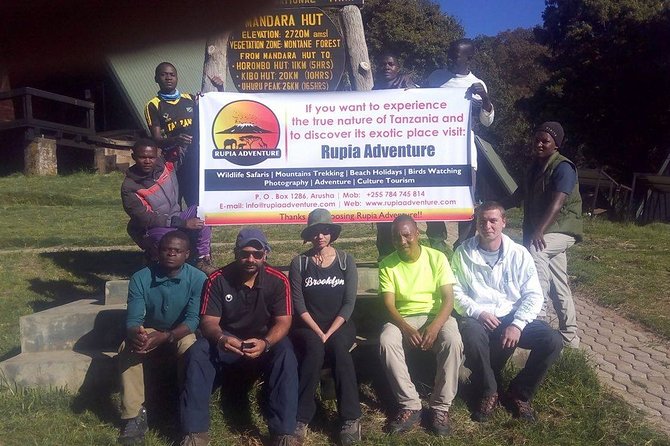
Kilimanjaro is not about how fast you can walk. It’s about how well you can manage altitude and conserve energy for the final hours.
This itinerary supports acclimatization in a few ways:
- You climb in stages across different terrains, which gives your body time to adapt.
- You gain altitude on key days but sleep at only slightly higher elevations at times.
- The route includes ups and downs like Day 4 (Barranco Wall and ridge trekking), which can help your body adjust while keeping your summit window realistic.
Even with that, summit night is still hard. You’re climbing in darkness from around midnight, using headlamps, and the days before are there to position you. If you go out too fast on Day 6, you’ll pay for it.
One piece of summit advice that keeps showing up in people’s Kilimanjaro stories involves altitude medication. A past trekker strongly recommended taking Diamox, and the practical takeaway for you is this: talk to your doctor about whether Diamox or any altitude medication makes sense for you, and follow their guidance.
Wildlife and scenery notes you will actually remember
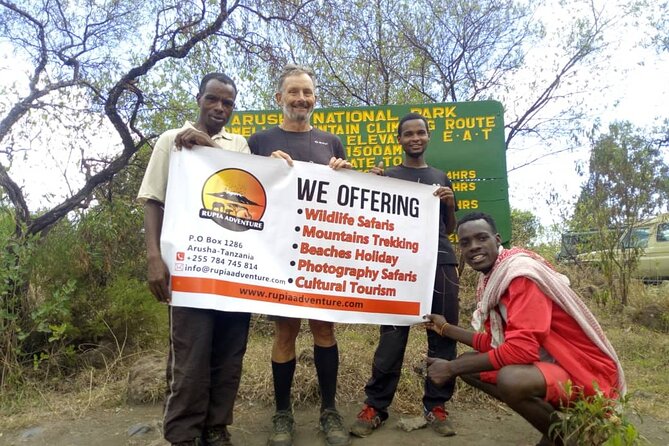
I love that this trek gives you multiple “chapters” of nature, and you’re not stuck in one generic mountain view.
Early on, you’re surrounded by rainforest, old tree trunks, big ferns, and endemic flowers. It’s also one of your best chances for monkey sightings, because colobus monkeys can pop into view in the canopy.
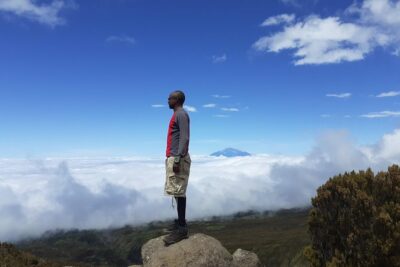
As you climb, you start seeing the plants that define each zone, like the giant senecio and smaller lobelia in Barranco Valley. Later, when you’re close to Kibo’s icy zone, the scenery turns stark, and you feel exposed to cold air and wind.
The summit payoff is not just the altitude marker. It’s the sunrise light reflecting off snow and glaciers at Uhuru Peak, after you’ve done the hardest work in the cold.
Who should book this Machame trek, and who should think twice
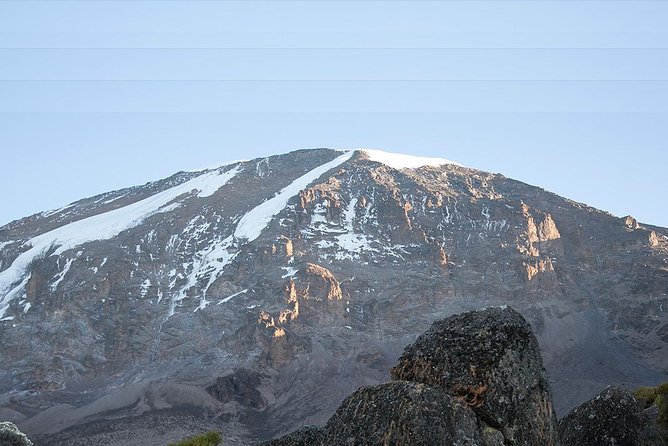
This tour fits you best if:
- You want the classic Machame Route experience with real acclimatization built in
- You like guided treks and want expert support rather than planning everything alone
- You can handle cold nights in tents and early starts
- You are training toward a summit goal, not just a casual hike
You should think twice if you’re not ready for a strenuous multi-day trek, especially the midnight climb. Even with acclimatization, Kilimanjaro demands effort. If your fitness is uncertain, the right move is to train first, so the trek feels like a challenge you can manage rather than a shock.
Should you book this 7 Days Machame Route trek?
If your goal is to have the best shot at reaching the summit while enjoying a full slice of Kilimanjaro’s ecosystems, I think this route makes a lot of sense. The schedule supports acclimatization, the guided structure keeps you moving efficiently, and the mountain crew element matters for morale when you’re tired.
I’d book if you want:
- acclimatization as a real plan, not a hope
- expert guidance through the key moments like Barranco Wall and summit night
- a crew-focused experience where meals and tent nights are part of the system
Skip it or adjust your plan if:
- you’re not prepared for cold tent nights and the long summit approach
- you want a purely relaxed walk with no altitude pressure
If you’re ready to work for it, the Machame Route delivers. Rainforest monkeys on the way up, then glaciers and sunrise when you earn them.
FAQ
What time does the trek start?
The start time is 8:30 am, with a pickup from your hotel in Arusha.
Where do we begin hiking?
You are picked up from your hotel after breakfast and transferred to the Kilimanjaro National Park gate, where paperwork is completed before the trek begins.
How long is the Machame Route trek?
The duration is listed as 7 days, approximately.
Are tents used for overnight stays?
Yes. Overnight stays on the Machame Route use tents.
How many travelers are in a group?
This experience has a maximum of 4 travelers.
Is pickup included?
Yes, pickup is offered.
What happens at the end of the trek?
After reaching Mweka Gate, you are met and taken back to your hotel for a long shower and a relaxed day, with dinner and overnight at the hotel.
What if the experience is canceled due to weather?
This experience requires good weather. If it’s canceled due to poor weather, you’ll be offered a different date or a full refund.
Is it possible to cancel for a full refund?
Yes. You can cancel up to 24 hours in advance for a full refund. If you cancel less than 24 hours before the experience’s start time, the amount paid will not be refunded.
More Machame Departures
- 7-Day Machame Kilimanjaro Summit Tour from Arusha
★ 5.0 · 125 reviews - 6 Days: Hiking Kilimanjaro via Machame Route
★ 5.0 · 24 reviews - 6-Day Guided Tour in Machame Route Mt Kilimanjaro
★ 5.0 · 17 reviews - KILIMANJARO MACHAME ROUTE, (Climb 7days)
★ 5.0 · 16 reviews - 7 days Kilimanjaro climb via Machame route (Whiskey route)
★ 5.0 · 16 reviews
Kilimanjaro, Route by Route
- 8-Day Small-group Lemosho Kilimanjaro Summit Trekking
★ 5.0 · 186 reviews - 7-Day Machame Kilimanjaro Summit Tour from Arusha
★ 5.0 · 125 reviews - Mountain Kilimanjaro Day Hike
★ 5.0 · 102 reviews - 4 days Best experience Kilimanjaro Hike, Serengeti &Ngorongoro
★ 5.0 · 54 reviews - From Arusha/Moshi: Kilimanjaro Hike Marangu Route Day Trip
★ 4.5 · 54 reviews
Just added from around Arusha
Kilimanjaro Machame Route, compared.
 ★ 5.0Kilimanjaro climb, Machame Route (7-day)From $3,377262 reviews
 ★ 5.0Climbing Kilimanjaro – Machame RouteFrom $2,322170 reviews
 ★ 5.0Climbing Kilimanjaro through 7 days Machame RouteFrom $2,425151 reviews
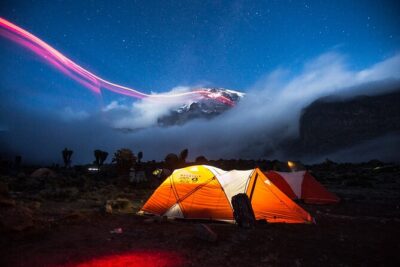 ★ 5.07-Day Machame Kilimanjaro Summit Tour from ArushaFrom $2,695125 reviews
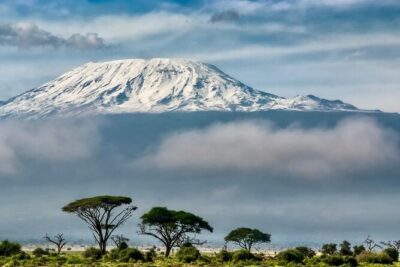 ★ 5.07 Days Kilimanjaro via Machame route affordable priceFrom $2,400110 reviews
 ★ 4.2#1. Best Kilimanjaro Day hike Tour-Machame Route-ISMANIFrom $11547 reviews
 ★ 5.07 Days Machame route – KilimanjaroFrom $2,85045 reviews
 ★ 5.0The Best of Machame Route in 6 Days: Your World’s Summit GuideFrom $1,15044 reviews
Browse the lists this tour appears in