
REVIEW · KILIMANJARO MACHAME ROUTE
7 Days Machame Route Kilimanjaro Trekking
Kilimanjaro feels different every day on Machame. This 7-day trek mixes rainforest, moorland, semi-desert, alpine desert, and summit scree into one clear game plan. I also like how the trip leans on a strong human team, with guides such as Ombeni, Safaeli, Oliver, Mathew, and Godlove named in past group feedback, plus operator coordination from Erastus.
The main tradeoff is what you already expect on Kilimanjaro, cold and altitude. Nights can get brutally cold at exposed camps, and by the time you are pushing for the summit your body may start throwing altitude symptoms like headaches and shortness of breath.
In This Review
- Key points before you lace up
- Machame Route for seven days: what it really means
- Arusha to Machame Gate: the early start that sets the tone
- Day 1 in montane forest: wet trails, big mood swings
- Day 2 to Shira Plateau (3840m): moorland walking with glacier views
- Day 3 to Lava Tower (4630m): altitude hits, then you drop to Barranco
- Day 4 Great Barranco Wall and Karanga Valley: acclimatization day done right
- Day 5 to Barafu Camp (4550m): short hike, serious exposure
- Day 6 summit night: 23:30 start to Uhuru Peak and back down
- Day 7 descent, celebration, and completion certificates
- Price and value: what $2,200.11 buys you (and what it does not)
- Camps, food, and crew quality: why this trip earns repeat praise
- Practical advice: packing and altitude steps you can control
- Who this Machame trek suits best
- Should you book this Machame 7-day trek with Mafie Adventures?
- FAQ
- Where does the trek start and end?
- What time does the day start?
- How long is the trek?
- Is pickup from Arusha included?
- Is this a private tour?
- What hiking and timing should I expect on summit day?
- Are park tickets included?
- What meals are included?
- Do I need to bring a sleeping bag and climbing gear?
- Is there a cancellation option with a refund?
Key points before you lace up
- Machame is the most chosen route: about 50% of climbers select it, and many seasoned trekkers do too.
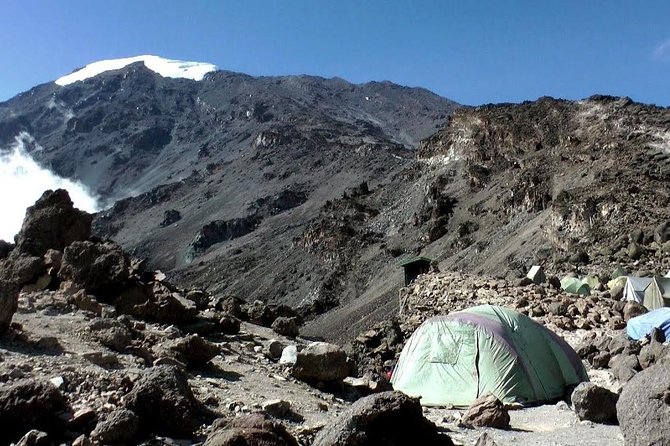
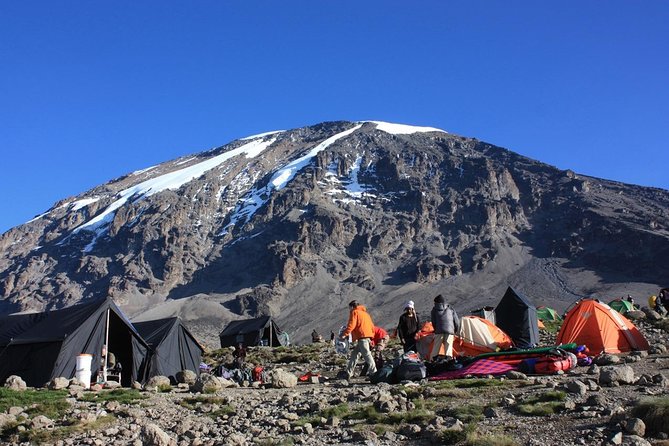
- Big scenery variety: montane forest, moorland, semi-desert, alpine desert, then stone scree toward the ice-capped top.
- Camps are set up for you: tents get prepared before you arrive, and porters handle drinking and washing water.
- Summit attempt starts at 23:30: you’ll reach Stella Point first for sunrise timing, then continue to Uhuru Peak.
- Food and logistics are built in: chef-prepared dinners, lunches, and breakfasts are included, with meals starting from day 1.
Other ways up Kilimanjaro we reviewed
- 8-Day Small-group Lemosho Kilimanjaro Summit Trekking★ 5.0 · 186 reviews
- 7-Day Machame Kilimanjaro Summit Tour from Arusha★ 5.0 · 125 reviews
- Mountain Kilimanjaro Day Hike★ 5.0 · 102 reviews
- 4 days Best experience Kilimanjaro Hike, Serengeti &Ngorongoro★ 5.0 · 54 reviews
Machame Route for seven days: what it really means
The Machame Route is a popular choice for a reason. It is not just about getting higher. It is about moving through distinct habitat zones as you climb, so the mountain keeps changing what you see and how the air feels.
It is also considered a “good value” style of itinerary. Machame gets you into the park with relatively easy access from Arusha, and the overall trek length is shorter than some alternatives. That matters if you want the Kilimanjaro experience without adding extra days on the trail.
This is a camping trek, not a lodge climb. You sleep in tents at camps along the route, with a mess tent and cooking gear included. That setup can feel comforting because you are not constantly figuring out camp life. Still, it is camping on a high mountain, so the cold and wind are real parts of the deal.
Arusha to Machame Gate: the early start that sets the tone
Most treks start with a ride and a warm cup of hope. This one starts at 4:00 am in Arusha, with pickup offered. You drive from Arusha (around 1,400m) to Machame Village, where you can buy mineral water and receive a packed lunch.
From there, road conditions decide whether you continue by vehicle for about 3 kilometers or walk a short stretch to Machame Gate. At the gate, guides and porters handle the admin side. You and your guide register with TANAPA, and porters get your belongings organized and packed for the hike. That means you can focus on your own pace early.
Day 1 begins the ascent through montane rainforest. Expect rain, mud, and fog. In plain terms: your clothes will likely get wet, and the trail may be slippery. Bring gear you can tolerate being damp. Also, plan for the fact that the first day can feel muddy and slow even if the distance is not huge.
Day 1 in montane forest: wet trails, big mood swings
You hike about 7 hours on day 1 over roughly 18 kilometers in the montane forest zone. You are going from lower altitude into the park’s rainforest, so the air can feel humid and heavy, especially if fog rolls in.
Why I think this day matters: rainforest start days teach you rhythm. You learn how you personally respond to steady uphill walking while the weather changes minute to minute. If you fight the mud, you burn energy. If you accept it and keep a steady pace, you land in camp with enough focus to sleep and recover.
If the weather is rough, that is not automatically bad. Fog and mist often make visibility worse but can make the temperature more manageable than a sunny scramble. Still, you need to stay warm and dry enough to sleep.
More Machame departures, compared
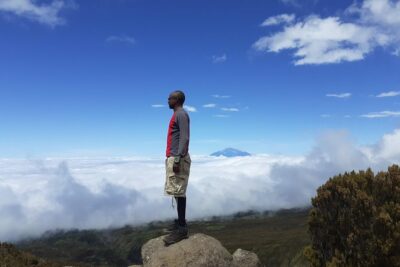
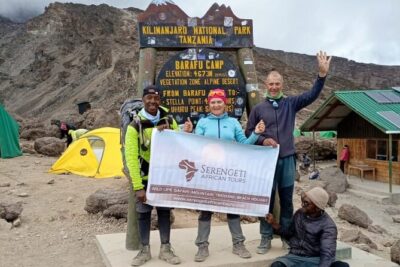
Day 2 to Shira Plateau (3840m): moorland walking with glacier views
Day 2 is about 6 hours and roughly 9 kilometers. You leave the rainforest behind and step into heathland moorland vegetation. This is a different kind of trek. You’ll cross streams and walk over rocky ridges. It can feel less wet than day 1, but the footing still asks for attention.
At the end of day 2, you reach Shira Camp at 3,840m. You’ll be near a stream, and the view can be spectacular when clouds cooperate, with the Western Breach and glaciers visible to the east. Tents are set up prior to arrival, and porters prepare drinking and washing water. That small service detail matters because you spend less energy on camp chores and more on recovery.
The big consideration for day 2 is cold. Shira Camp is exposed and temperatures can drop below freezing. You will feel that even if your hiking socks feel fine. Plan for a night where you actually need to stay warm, not just “survive” it.
Day 3 to Lava Tower (4630m): altitude hits, then you drop to Barranco
Day 3 runs about 7 hours and covers about 15 kilometers. You leave moorland for semi-desert and rocky terrain. Expect a drier, more exposed feel than earlier days.
After about 5 hours of walking east, you reach the Lava Tower area at 4,630m. Packed lunch is served at the Tower. There is an option to climb Lava Tower if weather allows. That option is nice because it gives you a “choose your challenge” moment. If conditions look safe and you feel strong, you can add a short extra push. If not, you still get the experience of being at that dramatic point on the route.
This is also where altitude can start talking back. Headaches and shortness of breath are normal at this stage. If you feel them, do not assume something is wrong. The smarter move is to keep your pace calm and consistent.
After lunch, you descend to Barranco Campsite at about 3,950m. Descending can feel easier on your legs, but you still need to respect altitude. Your lungs and head may not fully “reset,” so keep your hydration and breathing steady.
Day 4 Great Barranco Wall and Karanga Valley: acclimatization day done right
Day 4 is shorter on paper: about 4 to 5 hours and roughly 5 kilometers. But it is a quality acclimatization day. You tackle the Great Barranco Wall, described as class 2. The encouraging part is that many people find it easier than it first looks.
At the top, you can get a view of Heim Glacier and often feel like you are above the clouds. That can be a strong mental payoff because it reminds you why you trained for this.
From there, the trail winds up and down through the Karanga Valley. Why you should care: this “roller coaster” style walking can help your body acclimatize while keeping the overall day manageable. It is the kind of day that feels like active recovery.
If you want to finish the summit day with good energy, treat day 4 like it matters. Keep your steps smooth, save your hard efforts for the summit push.
Day 5 to Barafu Camp (4550m): short hike, serious exposure
Day 5 is a quick one: about 2 to 3 hours and roughly 4 kilometers. You leave Karanga Camp around 3,959m and the trail intersects with the Mweka Route, which you will use for descent later in the itinerary.
After about an hour, you reach Barafu Hut. This is an important practical point: it is the last water stop for the porters because there is no accessible water at Barafu Camp (4,550m). Translation: things can get tight on water planning as you approach camp.
Then you continue to Barafu Camp, where tents are on a rocky exposed ridge. Wind and rocks are part of the setup, and the guidance is to familiarize yourself with the campsite before dark. That advice is not dramatic. It is safety. When it is cold and visibility is worse, you want to know where to step and where you can move without tripping.
Dinner is served early so you can rest. This is your pre-summit night, so sleeping quality can make a real difference.
Day 6 summit night: 23:30 start to Uhuru Peak and back down
Day 6 is the big day. You’ll hike about 7 kilometers up to the summit, then descend about 23 kilometers back toward Mweka. Total hiking time is often 8 hours to reach Uhuru Peak, with the descent taking 7 to 8 hours.
Your guide wakes you around 23:30 with tea and biscuits. That early start is common for summit attempts because you want to catch sunrise and keep the route conditions safer.
The climb heads northwest over stone scree. Many hikers find this part the most mentally and physically challenging segment. It is also where pacing matters most. You do not win by sprinting. You win by keeping your effort consistent until your body finds a rhythm.
About 6 hours into the climb, you reach Stella Point at 5,685m on the crater rim. You get sunrise there, which is one of the reasons people willingly suffer through the midnight grind.
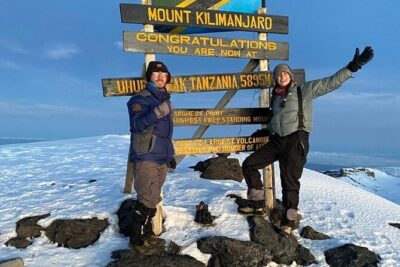
After that, you continue for about 2 more hours on a snow-covered trail to Uhuru Peak at 5,895m. Then comes the long descent. Expect your legs to feel like they belong to someone else by the time you are trekking downhill.
Day 7 descent, celebration, and completion certificates
Day 7 brings the emotional reset. You start with breakfast, then the staff celebrates on the mountain with dancing and singing. It is also when you give tips to your guide, assistant guides, chef(s), and porters. Past group feedback strongly highlights how supportive and professional the crew feels, including named guides like Oliver and Godlove, with a big emphasis on kindness plus mountain competence.
After celebration, you descend about 3 hours back to Mweka Gate. The park requires hikers to sign for certificates of completion.
If you reached Stella Point at 5,685m, you receive green certificates. If you reached Uhuru Peak at 5,895m, you receive gold certificates. After that, you descend into Mweka village for about 1 hour, then the activity ends back at the meeting point in the Arusha area.
Price and value: what $2,200.11 buys you (and what it does not)
At $2,200.11 per person, this trek looks pricey on paper until you break down what is included. You are paying for more than “a guide walking with you.”
Included items you actually feel on the mountain:
- Camping equipment, including mess tent, mattress, and cooking gear
- Accommodation during the trek
- Porterage, plus a professional driver/guide
- Rescue fees and parking fees
- Taxes/VAT
- Meals across the journey: 6 breakfasts, 7 lunches, 6 dinners
- A packed logistics system at camps, including tent setup and water prep
What is not included:
- Climbing gear and sleeping bag, though you can rent them
- International flights and any accommodation before and after the trek
- Personal items, travel insurance, visa fees, and any government-imposed tax or fee increases
- Bath towels and tips
If you want to keep costs under control, do a simple checklist early: confirm you have (or will rent) a sleeping bag and climbing gear, and budget separately for tips. Those items are the usual “surprise costs” on Kilimanjaro, and this trip does not try to hide them.
Camps, food, and crew quality: why this trip earns repeat praise
The most praised parts of the experience are human, not just scenic. Past feedback emphasizes friendly, kind guides who still run a tight operation. Names show up again and again, with guides like Ombeni and Safaeli, plus Oliver and Mathew, and Godlove mentioned in summit success stories.
It also helps that communication seems strong. One group described contacting the team with just days to spare and getting quick responses, plus smooth pickup and coordination. That matters because Kilimanjaro is not the place to scramble at the last second.
Food is another real factor. You get chef-prepared dinners each night, plus breakfasts and lunches built into the days. On high altitude treks, good meals are not a luxury. They help you recover, keep your energy, and sleep better.
One review also referenced having an own toilet setup. You might find the exact details vary by camp logistics, but the point is worth noting: comfort plumbing can be a major morale boost after a long day in cold air.
Practical advice: packing and altitude steps you can control
You do not need to invent a strategy. You just need to manage the parts you can influence.
Cold is a headline issue. Shira Camp can drop below freezing, and Barafu Camp is exposed to wind and rocks. Even if you feel fine during the hike, your body can get cold fast when you stop moving. Rent or bring what you need for sleeping. Since sleeping bag and climbing gear are not included, treat renting as part of planning, not an afterthought.
Altitude symptoms are normal, not shameful. Day 3 can trigger headaches and shortness of breath. Summit night is a mental game. If you start feeling altitude stress, keep your pace steady, breathe evenly, and let your guide set expectations.
Mud and rain can hit on day 1. Plan for wet gear and protect what you can. If everything you carry turns into a soaked sponge, you will feel it later.
Finally, remember water constraints near Barafu. Barafu Hut is the last water stop for porters because water is not accessible at Barafu Camp. That means you should pay attention to how you start the last push rather than trying to rely on refills at camp.
Who this Machame trek suits best
This is a strong fit if:
- You want a well-trodden, widely chosen route, with variety across habitats
- You are comfortable with a camping trek and cold nights
- You want a structured plan that handles camp setup, cooking, and porter support
- You are aiming for the summit experience with a traditional Machame 7-day rhythm
It might be less ideal if:
- You know you struggle with cold, wind, or sleeping outdoors
- You are not ready for the long summit day effort and the late-night wake time around 23:30
- You are hoping to avoid budgeting for a sleeping bag, climbing gear rentals, and tips
Should you book this Machame 7-day trek with Mafie Adventures?
If you want the Machame Route because it balances scenery variety, a popular climbing choice, and a tighter itinerary, this option makes sense. The included package is solid for the price, especially the camping setup, meals, porterage, and camp logistics. And the repeated theme in past feedback is that the crew runs the trek with both warmth and professionalism, including named guides and an operator coordinator who keeps things moving.
Book it if you are serious about preparing for cold and altitude and you are comfortable with the reality that day 6 is hard. Skip it if you need a gentler schedule or you are not ready to handle wet day 1, frozen camp nights, and a midnight summit attempt.
FAQ
Where does the trek start and end?
It starts in Arusha, Tanzania, and it ends back at the meeting point.
What time does the day start?
The start time is listed as 4:00 am.
How long is the trek?
The duration is about 7 days.
Is pickup from Arusha included?
Yes, pickup is offered.
Is this a private tour?
Yes, it is private, meaning only your group participates.
What hiking and timing should I expect on summit day?
You are woken around 23:30 for tea and biscuits, you reach Stella Point after about 6 hours, then continue for about 2 more hours to Uhuru Peak, and you descend to Mweka over 7 to 8 hours.
Are park tickets included?
Admission ticket is listed as free.
What meals are included?
Breakfast is included for 6 days, lunch is included for 7 days, and dinner is included for 6 days.
Do I need to bring a sleeping bag and climbing gear?
Climbing gear and a sleeping bag are not included, but both are available for rent.
Is there a cancellation option with a refund?
No. The experience is non-refundable and cannot be changed for any reason.
More Machame Departures
- 7-Day Machame Kilimanjaro Summit Tour from Arusha
★ 5.0 · 125 reviews - 6 Days: Hiking Kilimanjaro via Machame Route
★ 5.0 · 24 reviews - 6-Day Guided Tour in Machame Route Mt Kilimanjaro
★ 5.0 · 17 reviews - KILIMANJARO MACHAME ROUTE, (Climb 7days)
★ 5.0 · 16 reviews - 7 days Kilimanjaro climb via Machame route (Whiskey route)
★ 5.0 · 16 reviews
Kilimanjaro, Route by Route
- 8-Day Small-group Lemosho Kilimanjaro Summit Trekking
★ 5.0 · 186 reviews - 7-Day Machame Kilimanjaro Summit Tour from Arusha
★ 5.0 · 125 reviews - Mountain Kilimanjaro Day Hike
★ 5.0 · 102 reviews - 4 days Best experience Kilimanjaro Hike, Serengeti &Ngorongoro
★ 5.0 · 54 reviews - From Arusha/Moshi: Kilimanjaro Hike Marangu Route Day Trip
★ 4.5 · 54 reviews
Just added from around Arusha
Kilimanjaro Machame Route, compared.
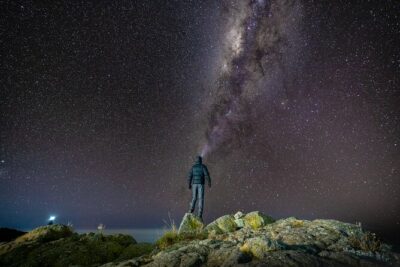 ★ 5.0Kilimanjaro climb, Machame Route (7-day)From $3,377262 reviews
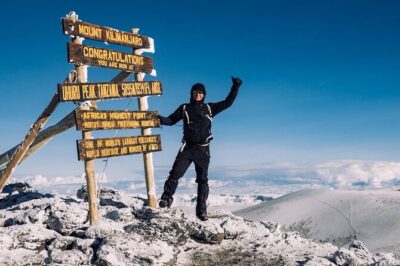 ★ 5.0Climbing Kilimanjaro – Machame RouteFrom $2,322170 reviews
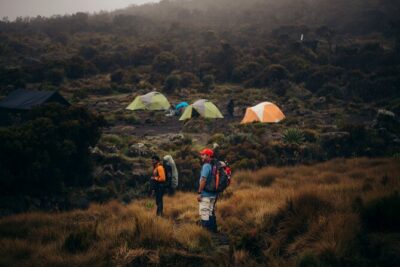 ★ 5.0Climbing Kilimanjaro through 7 days Machame RouteFrom $2,425151 reviews
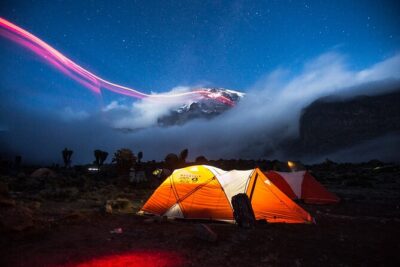 ★ 5.07-Day Machame Kilimanjaro Summit Tour from ArushaFrom $2,695125 reviews
 ★ 5.07 Days Kilimanjaro via Machame route affordable priceFrom $2,400110 reviews
 ★ 4.2#1. Best Kilimanjaro Day hike Tour-Machame Route-ISMANIFrom $11547 reviews
 ★ 5.07 Days Machame route – KilimanjaroFrom $2,85045 reviews
 ★ 5.0The Best of Machame Route in 6 Days: Your World’s Summit GuideFrom $1,15044 reviews
Browse the lists this tour appears in