
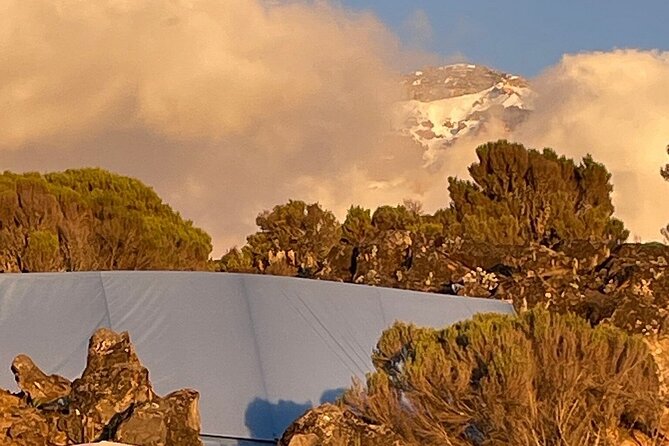
REVIEW · KILIMANJARO MACHAME ROUTE
7 Days Kilimanjaro Trekking Machame Route
Kilimanjaro is tougher than you think, and that helps. This 7-day Machame route trek leans into the classic Kilimanjaro rhythm, with tent nights and changing habitats day after day, so you feel the mountain step by step. Day by day, you gain altitude, learn how your body reacts, and keep your eyes on the views that make the suffering feel worth it.
I especially like the way the trip is built around good support. Guides like Sebastiaan Shirima and the wider team show up as real coaches, not just transport, and that matters when you are tired, cold, and breathing hard. I also like that park admission tickets are included in the schedule, so fewer things are left for you to figure out.
One real consideration is the steep, high-altitude workload. Machame is designed for people who are physically fit with some hiking experience, and you still face a long, rocky day after a big acclimatization effort, plus early summit timing.
In This Review
- Key Things I’d Watch Before You Go
- Why the Machame Route Works for People Who Want a Real Trek
- Moshi Start, Transfers, and the First Mile Mindset
- Day 1: Machame Gate Through Montane Forest to Camp at 3,000m
- Day 2: The Shift From Rain Forest to Moorland and Shira Camps
- Day 3: Lava Tower, Arrow Glacier at 16,000 ft, Then Down to Barranco
- Day 4: Barranco Wall Scramble, Karanga Valley, and High Alpine Feel
- Day 5: A Short, Easy Recovery Before Barafu
- Day 6: Midnight Summit Push to Stella Point and Uhuru Peak
- Day 7: Mweka Descent, Summit Certificates, and the Return to Arusha
- Price and Value: What $2,500 Gets You Here
- Gear and Fitness Tips That Match This Route
- The Guide Team Factor, and Why It Shows Up in Reviews
- Who This 7-Day Machame Trek Best Suits
- Should You Book This Machame Trek With Kiwoito Africa Safaris?
- FAQ
- What time does the trek start?
- How long is the Machame route trek?
- Is pickup included, and where do you go at the end?
- Are park admission tickets included?
- Is this tour private or shared?
- Can I bring a service animal?
- Can I get a full refund if I cancel?
Key Things I’d Watch Before You Go
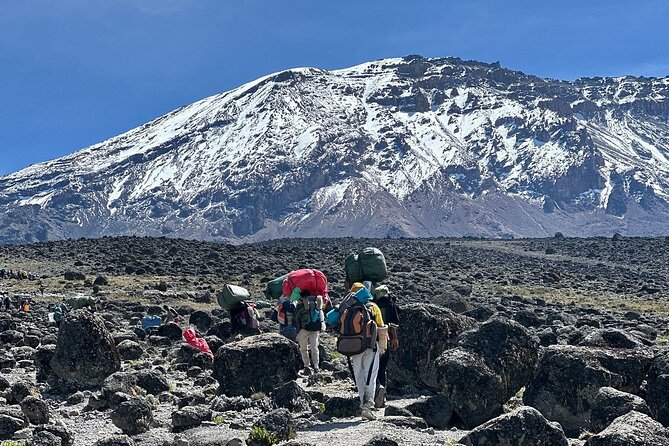
- Machame is the steeper, tent-based route for hikers who want a more demanding trek and changing scenery.
- Acclimatization is not optional here. The plan includes up-and-down days that help your body prepare.
- Barranco Wall involves basic scrambling. You should feel comfortable using your hands on rock.
- Lava Tower, Arrow Glacier, and Semi-desert terrain keep the mountain feeling varied, not repetitive.
- Sunrise is a main event. Stella Point is timed so you can chase one of the best light shows on Kilimanjaro.
- Support comes with named guides and a motivated team. Multiple reviews highlight Sebastian, Sebastiaan Shirima, Charles, Henry, William, Gift, and Amani.
Other ways up Kilimanjaro we reviewed
- Kilimanjaro climb by Lemosho Route (7-day)★ 5.0 · 651 reviews
- Kilimanjaro climb, Machame Route (7-day)★ 5.0 · 262 reviews
- Kilimanjaro Climbing Lemosho Route 8 Days.★ 5.0 · 186 reviews
- Climbing Kilimanjaro – Machame Route★ 5.0 · 170 reviews
Why the Machame Route Works for People Who Want a Real Trek
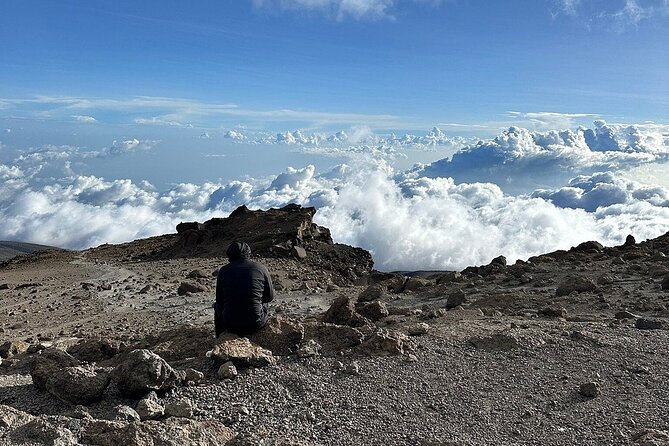
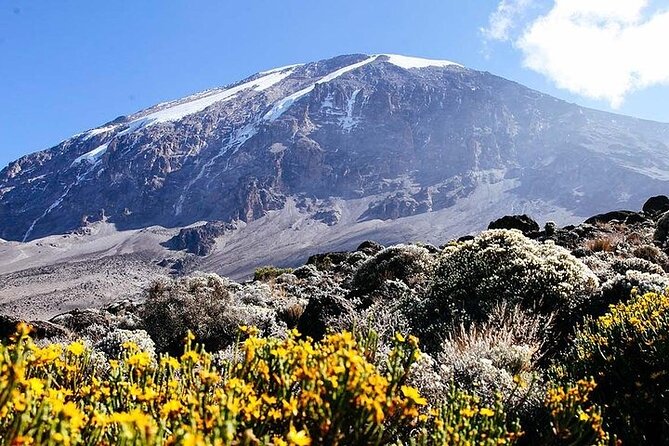
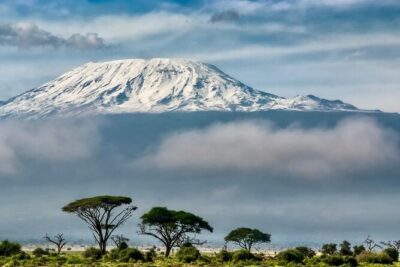
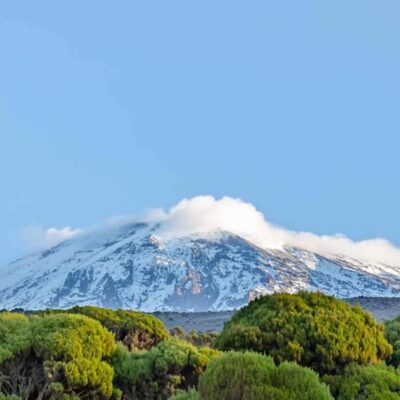
If you like hikes where you can actually feel progression, Machame fits. It is one of Kilimanjaro’s best-known routes because it mixes habitats as you climb, from forest to moorland to alpine desert. You are not just walking uphill, you are moving through different ecosystems, which makes the trek feel more like a long journey than a single slog.
Machame is also known for being steeper and more demanding than the routes with huts and more gradual profiles. You will hike longer stretches at higher effort, and you will sleep in tents. That means you need to bring real hiking stamina and accept that you will spend some nights bundled up, listening to wind and the mountain settling in.
The route is about 62 km from gate to gate, so the math is simple: you are earning those views. Done well, the Machame plan helps you build altitude tolerance without pretending the mountain will be easy.
Moshi Start, Transfers, and the First Mile Mindset
Your base is Moshi, and you get pickup offered. Day 1 begins with breakfast, then a transfer to Machame Gate where you sign up and start trekking toward the climb. The tour operates with a start time of 7:00 am, so you should plan to be ready early.
This matters more than it sounds. Kilimanjaro days run on timing, and early starts give your body daylight to work and help keep the hike safer in terms of footing and temperature swings. Also, getting the first admin steps handled at the gate takes pressure off your brain, which is useful when you’re already dealing with altitude nerves.
From the start, remember the basic rule that keeps summit attempts healthier: pace conservatively. Even if you feel good at 3,000 m, the mountain doesn’t care about your ego.
Day 1: Machame Gate Through Montane Forest to Camp at 3,000m
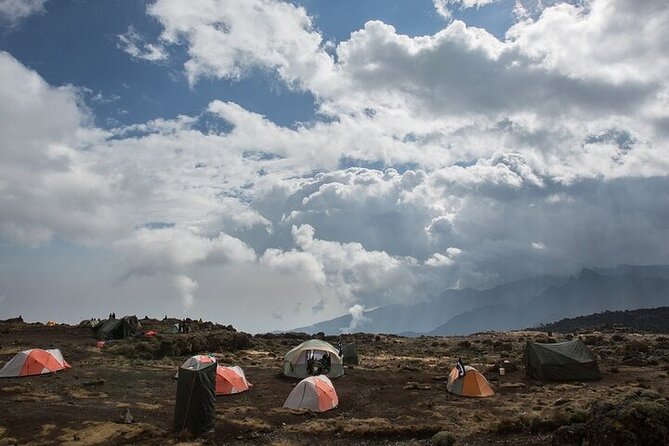
Day 1 starts at around 3,000 m and runs through montane forest. You cover about 11 km and hike roughly 5 to 7 hours, landing at Machame campsite for dinner and your overnight tent stay.
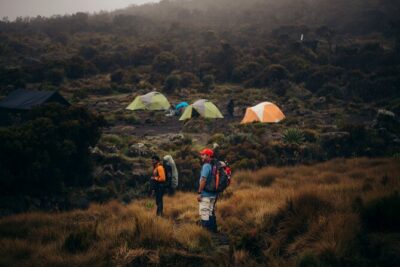
The forest start is not just scenic. It is practical. Warmer, greener terrain feels less punishing, so it’s a good place to settle into rhythm, test your layers, and dial in your breathing pace. You will likely feel an early challenge in the form of uneven footing and steady uphill strain, but the environment is forgiving compared to what’s coming.
The drawback is simple: if you rush here, you can burn energy before the real altitude pressure shows up. Treat Day 1 as setting your tempo, not proving anything.
More Machame departures, compared
Day 2: The Shift From Rain Forest to Moorland and Shira Camps
On Day 2, the trail leaves the rainforest and you keep climbing. You walk out of the glades, traverse a valley, then move up a rocky ridge covered in heath. From there, the route crosses into moorlands on the Shira Plateau and continues toward Shira 2 camp, including crossing a large river gorge before reaching Shira campsite.
This day climbs from roughly 3,000 m to 3,850 m. The gain is about +850 m, and you cover around 9 km for 4 to 6 hours. The environment shifts to moorland, and that change usually means cooler air, thinner cover, and more exposure.
What I like about this day is that it teaches you how to handle transitions. You go from lush footing to more open terrain, so you start thinking about wind, sun glare, and keeping yourself hydrated even if you do not feel sweaty.
The consideration is that the rocky ridge can feel steep for a while. If you are the type to power through, you’ll want to slow down. Your summit day depends on conserving today’s energy.
Day 3: Lava Tower, Arrow Glacier at 16,000 ft, Then Down to Barranco
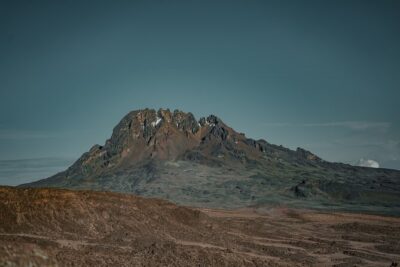
Day 3 is where the mountain starts pulling out its big character features. Starting from the Shira Plateau, you move along a ridge passing junctions toward Kibo, then turn southeast toward the Lava Tower, often called Shark’s Tooth. After that, you reach the Arrow Glacier area at 16,000 ft, then continue down to Barranco Hut at about 13,000 ft.
It is a day with a tricky emotional pattern. You gain altitude to see one of the most memorable sections of the route, then you descend back down. Done right, that up-then-down structure helps acclimatization. Even though your end elevation is similar to where you started, your body has experienced the altitude stress in a controlled way.
You cover about 10 km and hike 6 to 8 hours. The habitat is listed as semi-desert, which usually means you are walking in a drier, harsher-looking environment with fewer distractions besides the terrain and the sky.
If I were advising you, I’d say: hydrate and keep moving steadily on this day, but do not try to win speed. Your goal is to arrive at Barranco feeling functional enough to rest well, not wrecked.
Day 4: Barranco Wall Scramble, Karanga Valley, and High Alpine Feel
Day 4 is a distinct shift into higher alpine territory. You begin with a steep traverse up the Barranco Wall, described as a 257-meter rock face that requires basic scrambling skills to reach the top of the Karanga Valley. After that, the trail follows a series of inclines and declines to Karanga camp at about 3,960 m, where you sleep in tents.
Distance is about 7 km, and you will hike around 7 hours. This is longer than the distance suggests, and that’s because scrambling and steep sections slow you down. The habitat changes into a high alpine zone, which usually means colder air and more exposure.
What I like here is that the day gives you a real skill moment. If you practice careful foot placement and scramble with control, you build confidence for later technical-looking sections and for summit day fatigue management.
The drawback is that you should be comfortable using your hands and maintaining balance on rock. If scrambling makes you panic, prepare for it. This is not a purely flat hiking route.
Day 5: A Short, Easy Recovery Before Barafu
Day 5 is deliberately shorter and easier. Starting at Karanga camp, you join the Mweka trail up to Barafu camp at 4,680 m. The hike is around 6 km and takes about 3 hours.
This is the day I’d protect as much as possible. Your body is gearing up for the summit push, and you want to arrive at Barafu feeling rested rather than half-finished. It is also a chance to manage gear issues, like adjusting layers and checking what you have ready for cold night temperatures.
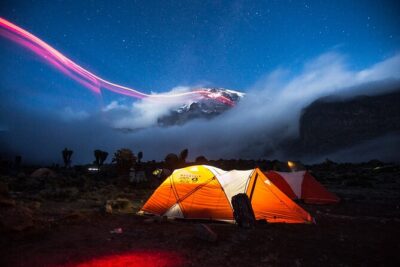
The environment is listed as alpine desert. That usually means wind can feel sharper and nights can get cold fast, even when days seem manageable. Keep your layers organized so you are not wasting energy searching through your pack.
Day 6: Midnight Summit Push to Stella Point and Uhuru Peak
Day 6 is the main event. You start very early, between midnight and 2:00 am, heading toward the summit between the Rebmann and Ratzel glaciers. You reach Stella Point at 18,600 ft for a short rest, and this is where many trekkers hope to catch the sunrise. Weather decides whether you get that perfect show, but the timing is built for it.
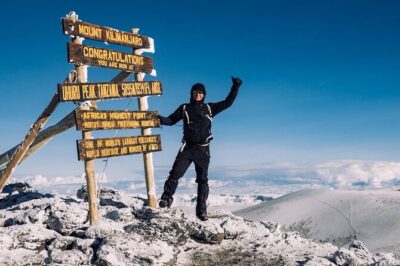
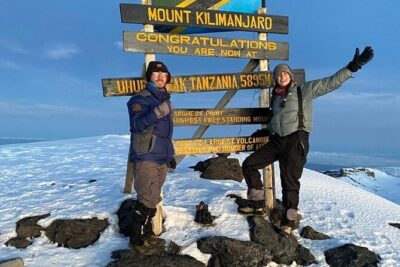
From Stella Point, you may encounter snow all the way up for the final push of about 1 hour to the summit. Then you reach Uhuru Peak, the highest point on Mount Kilimanjaro and the African continent’s top elevation.
After the summit, you descend straight down to the Mweka hut campsite, stopping at Barafu for lunch. This long descent is where loose gravel can feel exhausting on knees and ankles, so trekking poles and steady pacing matter a lot. Even if you feel strong at the top, you still need to protect your joints on the way down.
One small but important note from the route logic: faster hikers may see sunrise from Uhuru Peak itself. If you are aiming for sunrise at Stella Point, you can plan on resting there and letting the moment happen, without chasing speed.
Day 7: Mweka Descent, Summit Certificates, and the Return to Arusha
Day 7 starts with breakfast, then you continue descending down to the Mweka Park Gate to receive your summit certificates. After that, you walk about another hour to Mweka Village, where a vehicle meets you and drives you back to your hotel in Arusha.
You drop from roughly 10,000 ft to 5,400 ft, hiking around 10 km for 3 to 4 hours. The environment is rain forest on the way down, and that usually means wet and muddy conditions at lower elevations.
I really like the practical emphasis here: you are told gaiters and trekking poles help with loose ground. You are also told shorts and T-shirts may be enough at lower altitude, but you should keep rain gear and warmer clothing handy because mountain weather is unpredictable.
If you’ve been high and cold for days, the descent can feel deceptively easy until your feet start slipping. Take it slow, keep your steps short, and treat the last day like part of the climb, not a victory lap.
Price and Value: What $2,500 Gets You Here
At $2,500 per person for a 7-day Machame trek, you are paying for a full week of high-altitude logistics, not just walking time. The schedule explicitly includes park admission tickets and gives you pickup support, plus you receive a mobile ticket and confirmation at booking.
The biggest value, though, is less about paperwork and more about how the plan handles fatigue and altitude. Machame takes you through serious elevation changes and includes acclimatization, a scrambling day, and the early summit window. When that is managed well, you get a better shot at reaching the top with fewer avoidable problems.
Also, the guide team reputation comes through strongly in feedback. Multiple mentions highlight Sebastian, Sebastiaan Shirima, Charles, Henry, William, Gift, and Amani, with people praising motivation, professionalism, and a feeling of being supported throughout the climb. That human factor is hard to price, but it is often the difference between grinding alone and finishing strong.
Gear and Fitness Tips That Match This Route
You do not need to be a mountaineer, but you do need to be prepared to hike hard at altitude. The tour is designed for physically fit people with some hiking experience, and Day 4’s Barranco Wall scramble makes “light hiking fitness” an incomplete standard.
Here are the practical things that align with this Machame plan:
- Bring trekking poles and use them on descents. You will descend a lot, including on summit day.
- Pack gaiters for muddy or loose trail sections. They’re explicitly suggested for the lower, wetter end of the route.
- Practice layered clothing. Expect cold during the early summit hours and then warmer conditions later.
- Train for stamina, not just distance. This route has steep segments and long hiking blocks, even on shorter days.
- Brush up on basic scrambling comfort. Barranco Wall requires it, and confidence helps.
For training, think in terms of repeated uphill effort. You want your legs and lungs to be calm when the trail steepens, not when it is flat and easy.
The Guide Team Factor, and Why It Shows Up in Reviews
The Machame route is challenging, but a big part of the experience is how you are managed on the mountain. The most praised element across feedback is the support style, including motivation and professionalism, with names like Sebastiaan Shirima standing out again and again.
You can see patterns in what people loved: guides who help you succeed, a team that keeps things organized, and encouragement when your pace slows. That kind of coaching is not just nice. It helps you manage effort on summit night and keeps everyone moving safely through steep or rocky terrain.
If you care about authenticity, this matters too. A well-run Kilimanjaro climb feels more like a human-powered expedition than a bus tour with oxygen. The guide team is what turns the mountain into a story you actually remember.
Who This 7-Day Machame Trek Best Suits
This trek is a strong fit if you:
- Want a steeper route with changing habitats
- Are comfortable camping in tents
- Have some hiking experience and solid fitness
- Prefer a structured acclimatization plan
- Like having a motivated guide team rather than hiking solo
It may not be the right match if you struggle with scrambling or you want a gentler hike with less steep rock. Machame is popular because it is rewarding, and it is demanding because it is rewarding.
Also consider your cold-weather tolerance. Summit timing means you will be out in very early hours, and you should be ready for cold, even if you are excited by the idea of sunrise.
Should You Book This Machame Trek With Kiwoito Africa Safaris?
Book it if Machame is your style: you want variety, steeper hiking, tent nights, and a plan that treats acclimatization as part of the journey, not a bonus. The inclusion of park admission and the pickup support add practical value, and the guide team reputation from named staff like Sebastiaan Shirima, Charles, and Sebastian-related support is a strong signal that you will not feel left on your own.
Skip it, or at least consider a different route, if you want minimal steep scrambling, or if you are not ready for the early midnight-to-2:00 am summit start. The Machame plan rewards people who pace smart and accept that the mountain sets the tempo.
If you read this and think, I can handle a tough hiking week with real structure, then this is a compelling choice.
FAQ
What time does the trek start?
The start time is 7:00 am. Day 1 begins after breakfast with a transfer to Machame Gate to sign up before hiking begins.
How long is the Machame route trek?
It is listed as 7 days, approx. The itinerary includes several day hikes and one very early summit day.
Is pickup included, and where do you go at the end?
Pickup is offered. After the final descent, you receive summit certificates at Mweka Park Gate, walk to Mweka Village, then a vehicle drives you back to your hotel in Arusha.
Are park admission tickets included?
Yes. Admission tickets are included in the schedule for the days shown as included.
Is this tour private or shared?
This is a private tour/activity. Only your group will participate.
Can I bring a service animal?
Service animals are allowed.
Can I get a full refund if I cancel?
Free cancellation is offered. You can cancel up to 24 hours in advance for a full refund. If you cancel less than 24 hours before the experience’s start time, the amount you paid is not refunded.
More Machame Departures
- Kilimanjaro climb, Machame Route (7-day)
★ 5.0 · 262 reviews - Climbing Kilimanjaro – Machame Route
★ 5.0 · 170 reviews - Climbing Kilimanjaro through 7 days Machame Route
★ 5.0 · 151 reviews - #1. Best Kilimanjaro Day hike Tour-Machame Route-ISMANI
★ 4.2 · 47 reviews - 7 Days Machame route – Kilimanjaro
★ 5.0 · 45 reviews
Kilimanjaro, Route by Route
- Kilimanjaro climb by Lemosho Route (7-day)
★ 5.0 · 651 reviews - Kilimanjaro climb, Machame Route (7-day)
★ 5.0 · 262 reviews - Kilimanjaro Climbing Lemosho Route 8 Days.
★ 5.0 · 186 reviews - Climbing Kilimanjaro – Machame Route
★ 5.0 · 170 reviews - Climbing Kilimanjaro through 7 days Machame Route
★ 5.0 · 151 reviews
Just added from around Moshi
Kilimanjaro Machame Route, compared.
 ★ 5.0Kilimanjaro climb, Machame Route (7-day)From $3,377262 reviews
 ★ 5.0Climbing Kilimanjaro – Machame RouteFrom $2,322170 reviews
 ★ 5.0Climbing Kilimanjaro through 7 days Machame RouteFrom $2,425151 reviews
 ★ 5.07-Day Machame Kilimanjaro Summit Tour from ArushaFrom $2,695125 reviews
 ★ 5.07 Days Kilimanjaro via Machame route affordable priceFrom $2,400110 reviews
 ★ 4.2#1. Best Kilimanjaro Day hike Tour-Machame Route-ISMANIFrom $11547 reviews
 ★ 5.07 Days Machame route – KilimanjaroFrom $2,85045 reviews
 ★ 5.0The Best of Machame Route in 6 Days: Your World’s Summit GuideFrom $1,15044 reviews
Browse the lists this tour appears in