
REVIEW · KILIMANJARO MACHAME ROUTE
7 Days Kilimanjaro Trekking Machame Route with Professional Guide
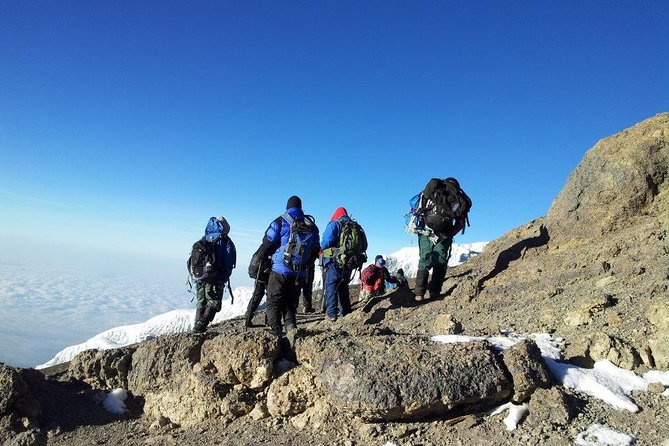
A volcano for breakfast, then clouds for days. I like how the Machame Whiskey route is built around smarter altitude timing, not just brute force. The other thing I appreciate is the calm, organized support system, including oxygen, rescue fees, and a professional guide team that can set a sustainable pace. The main drawback to weigh is the effort: some days are long, and the summit push starts around 1 a.m.
This is also priced like a full service climb, not a budget backpacking trip. At $2,400 per person, the value mostly comes from what’s included (transfers, accommodation, tents, meals, and gear), but you should still plan for tips on top. If you’re hoping for an easy hike, this isn’t it, especially on summit night and the longer walk days.
In This Review
- Key things that make this Machame trek worth your attention
- Why the Machame Whiskey route helps you climb smarter
- Day 1 in Arusha: transfers, briefing, and getting your gear checked
- Day 2 through Machame National Park gate: rainforest to Machame Camp
- Day 3 into moorland and Shira Plateau, with Mt. Meru in the clouds
- Day 4 from Lava Tower to Barranco Valley Camp: long day, big payoff
- Day 5 up the Barranco Wall to Karanga Camp and the Southern Icefields
- Day 6 to Barafu Hut: the acclimatization hike and summit prep rest
- Summit night from Barafu, 1 a.m. start to Stella Point sunrise (and optional Uhuru)
- Day 8 descent to Mweka: forest birdlife, farms, and Arusha again
- Guides and organization: why pace control is everything
- Price and value: what $2,400 per person really buys
- What to plan for on your end (without guessing)
- Should you book this Machame 7-day Kilimanjaro trek?
- FAQ
- What route is this trek on?
- Where do I start and end the trip?
- How long is the trekking time on the mountain?
- When is the summit climb scheduled?
- What is included in the tour price?
- What is not included?
- Are airport transfers included?
- What meeting time should I expect before hiking?
- What fitness level is recommended?
- Is this a private group tour?
- How does cancellation work?
Key things that make this Machame trek worth your attention
- Whiskey route timing for acclimatization, with a full extra day on the mountain plan
- Summit night schedule starts about 1 a.m., aiming for sunrise at Stella Point
- Guide support that adjusts your pace, a theme in guide praise including Frankie, Nestor, Emmanuel, Bryson, Augustine, and Clinton
- Safety basics included like oxygen, first aid, and rescue fees
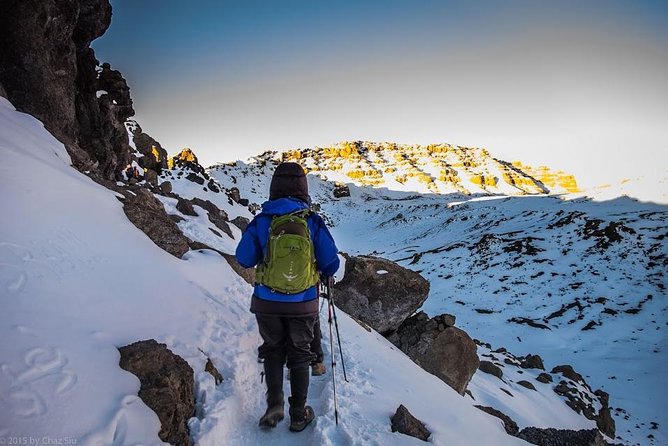
- Day-by-day altitude variety, from rainforest to moorland to scree and crater-rim views
Other ways up Kilimanjaro we reviewed
- 8-Day Small-group Lemosho Kilimanjaro Summit Trekking★ 5.0 · 186 reviews
- 7-Day Machame Kilimanjaro Summit Tour from Arusha★ 5.0 · 125 reviews
- Mountain Kilimanjaro Day Hike★ 5.0 · 102 reviews
- 4 days Best experience Kilimanjaro Hike, Serengeti &Ngorongoro★ 5.0 · 54 reviews
Why the Machame Whiskey route helps you climb smarter
The Machame “Whiskey” route earns its nickname less from magic and more from how it moves you up, back, and up again. In practical terms, you gain altitude in stages and you get an extra acclimatization day compared with shorter Machame variants. That’s a real advantage for most people because your body needs time to adjust, especially once you’re above the forest.
You’ll spend 7 days on the mountain even though the overall trip runs about 9 days. Those extra two days are used for the Arusha lodge start and finish, plus travel buffer. The result is fewer days that feel like forced marches. You still hike hard, but you hike with a schedule that respects altitude.
Day 1 in Arusha: transfers, briefing, and getting your gear checked
Your trip starts in Arusha at Arusha Safari Lodge, with pickup from Kilimanjaro International Airport (JRO) via private transfer. If you arrive any time on day 1, you’re not squeezed into an immediate hike. Instead, you’ll get organized in the late afternoon with a pre-climb meeting around 4:30 pm and an included dinner served at 6:30 pm, plus time for equipment checks.
This is also where the operator confirms your mandatory medical coverage and travel insurance. I like this step because it removes a common last-minute scramble. It also signals something important about how the trip runs: they’re focused on planning, not just movement.
Day 2 through Machame National Park gate: rainforest to Machame Camp
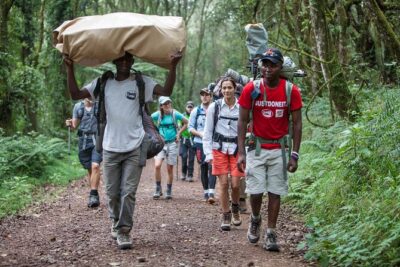
You register at Machame National Park gate, then head into lush forest right away. The forest section matters because it’s your first real acclimatization “warm up.” The air feels easier to breathe than higher zones, and it helps you settle into the rhythm of hiking with a guide and porters.
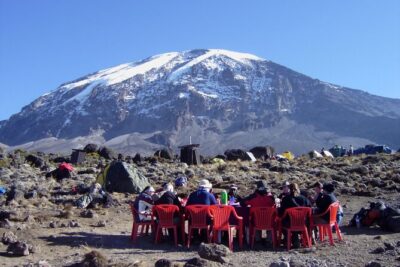
This day’s walk time is about 5 to 6 hours, and you’ll stop for a picnic lunch en route. You finish at Machame Camp (9,800 ft). Expect the day to feel like steady effort rather than a sudden grind. It’s a good day to start using the pace you’ll rely on all week: slow enough to stay comfortable, steady enough to keep momentum.
More Machame departures, compared
Day 3 into moorland and Shira Plateau, with Mt. Meru in the clouds
After leaving the forest behind, the trail changes character. You move into the moorland zone with giant heather, and the terrain becomes rockier, with more open views. This is the day where you start feeling Kilimanjaro in your legs in a different way: not just elevation, but the trail’s texture.
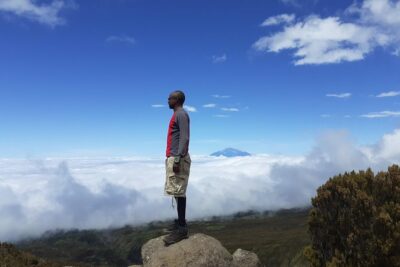
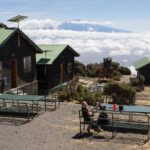
You climb toward Shira Plateau areas, and your camp is near Shira Hut at about 12,600 ft. The walk time is about 4 to 5 hours. One of the standout details here is the view of Mt. Meru floating among clouds. It’s the kind of scenery that makes the early days feel worthwhile, even before you’re thinking about summit night.
Potential consideration: you’re still gaining altitude, so if you’re prone to rushing early, this is a day where you’ll want discipline. A slower start can pay off later.
Day 4 from Lava Tower to Barranco Valley Camp: long day, big payoff
Day 4 is described as panoramic and sustained. You’ll climb through stretches that feel like steady ascent, then reach lunch near Lava Tower at about 14,900 ft. From there, you descend into the Barranco Valley, reaching Barranco Camp (12,800 ft).
This day can run about 7 to 9 hours, so plan for a longer time on your feet. What I like about the structure is that you get a high lunch point, then you’re rewarded with a lower camp. That drop matters for how you sleep and how you feel the next morning.
Barranco Camp is set with dramatic cliffs around you and wide views down toward the plains. It’s not just pretty. It gives you a clear sense of scale, and it reminds you why everyone talks about Kilimanjaro like it’s its own world.
Day 5 up the Barranco Wall to Karanga Camp and the Southern Icefields
The Barranco Wall climb is the kind of hiking segment that quickly sorts out your strategy: use steady steps, keep your breathing under control, and don’t sprint any section just because it looks short.
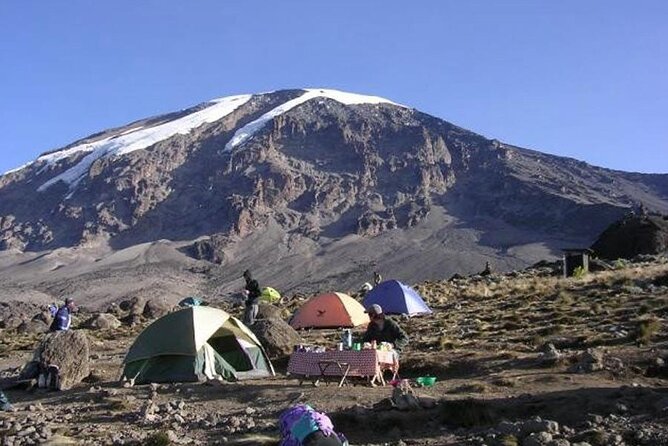
After that steep section, you move onto an undulating trail along the south-eastern flank of Kibo. This is where Southern Icefields views become a highlight. The terrain shifts again into scree, with pockets of greener growth tucked into sheltered hollows.
You camp at Karanga Camp (about 13,100 ft), and one specific detail stands out: Karanga is noted as the last water point on the approach to the summit. That means you’ll want to treat hydration seriously before and during this day. It’s also a good reminder that what feels like “just walking” is actually part of a survival plan on an altitude mountain.
Walk time is about 5 to 7 hours. If you feel beat up here, you’re not alone, and you shouldn’t force extra pace. Save energy for tomorrow.
Day 6 to Barafu Hut: the acclimatization hike and summit prep rest
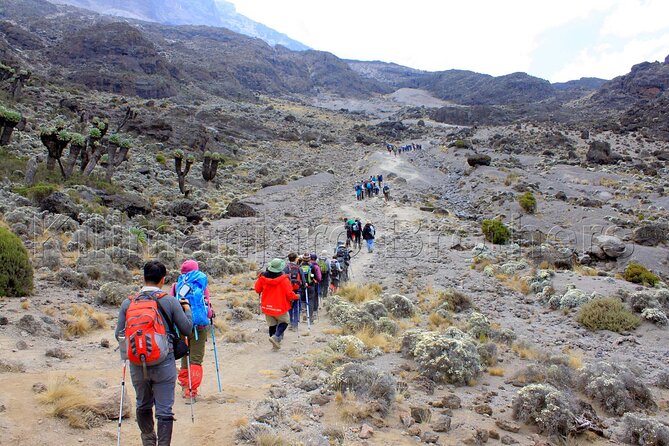
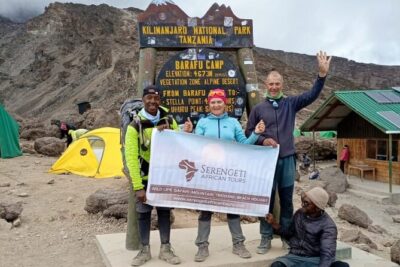
Day 6 is where the climb starts shifting from “go up” to “get ready.” You follow an easy path on compacted scree, with unrelenting altitude gain, and then reach Barafu Hut around 14,800 ft for lunch.
The plan includes a short acclimatization hike to a plateau at about 15,700 ft. Then you spend the rest of the day resting and preparing for the final summit ascent early the next morning. I like days like this because they reduce the chance you accidentally turn your summit day into a disaster made from bad timing.
Walk time is about 3 to 5 hours. That’s a break compared to earlier long days, but don’t assume it’s “easy.” You’ll still feel altitude, and you’ll still need sleep and recovery. This is a day to be boring on purpose: eat, hydrate, and keep your focus on the summit schedule.
Summit night from Barafu, 1 a.m. start to Stella Point sunrise (and optional Uhuru)
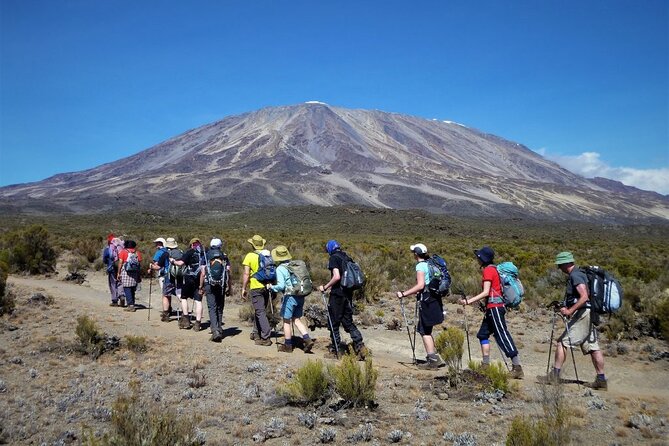
This is the day you hear about before you ever arrive in Tanzania. The summit push begins by torchlight about 1 a.m., so plan for a pre-dawn routine and a sleep pattern that doesn’t fully reset. You’ll climb over loose volcanic scree on steep terrain with zig-zags. Most people move slower than they expect, and that’s normal.
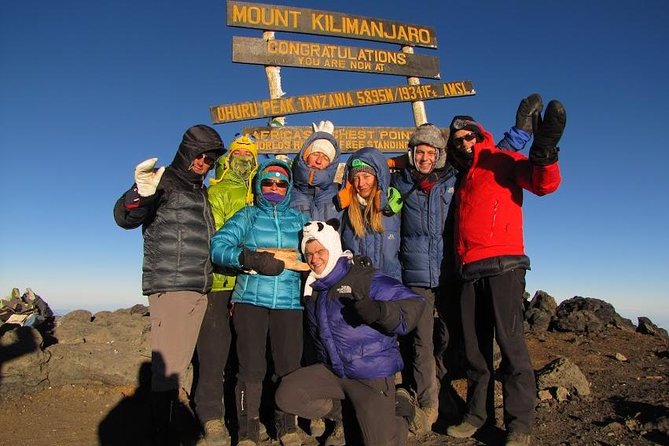
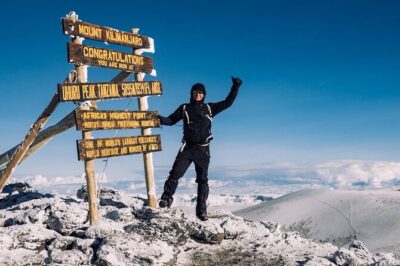
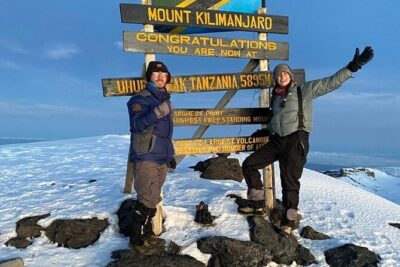
You reach Stella Point (about 18,800 ft) in about 5 to 6 hours. The big moment is sunrise. After resting briefly on Stella Point, the route describes an optional two-hour round trip along the crater rim to Uhuru Peak (about 19,345 ft), passing close to glaciers and ice cliffs still present in the summit area.
Then comes the contrast: the descent to Barafu is described as surprisingly fast. After some refreshments, you continue down to your final campsite at Millenium Camp (about 12,500 ft).
Walk time on this day can run 11 to 15 hours. The main thing I’d tell you is this: your summit success often depends more on pacing and staying steady than on how tough you feel at the start. That aligns with what you’ll hear from guide teams like Frankie, Nestor, Emmanuel, Bryson, Augustine, and Clinton, who are praised for reading how people are doing and adjusting the pace so the chances of summiting stay realistic.
Day 8 descent to Mweka: forest birdlife, farms, and Arusha again
After the summit and the long descent day, Day 8 is all about getting you safely down and transitioning back to normal life. The route takes you through a tropical forest with birdsong and lush undergrowth, plus “considerable botanical interest” as you move.
You descend to Mweka (about 5,400 ft), and you pass through the Kilimanjaro National Park gate there. Then the day continues through coffee and banana farms before you transfer back to Arusha lodging.
This day is about 4 to 6 hours of walking. It’s a gentler schedule compared with the mountain’s midweek demands, and it’s a relief for your legs. It also helps you mentally reset, because the environment shifts from altitude drama to working farmland and everyday Tanzania.
Dinner and overnight return to Arusha Safari Lodge are included, so you’re not scrambling for your next meal or transport.
Guides and organization: why pace control is everything
The strongest praise across the available feedback is about the guide and porter team. Names show up clearly: Frankie and Nestor, Emmanuel, Bryson, and Augustine, and also Clinton for pre-booking support. The common theme is professional guidance paired with kindness, plus the ability to sense how you’re feeling and adjust pace.
That pacing skill is not a “nice to have.” On Kilimanjaro, going too fast early can cost you later. When guides slow down for you, that can make the difference between grinding and recovering. It can also make the trek feel more human, instead of a constant fight.
Organization is also part of the praise, from pickup and drop off to how things run day by day. For you, that means fewer decision points while you’re tired. You just follow the plan: know the next camp, know the next timing, know where the food and rest happen.
On the safety side, the package includes oxygen, rescue fees, and first aid. Those aren’t the same thing as avoiding altitude sickness, but they are the right kind of support for a serious climb.
Price and value: what $2,400 per person really buys
At $2,400 per person, this trek is positioned as a full-service climbing experience. The list of what’s included is the key to evaluating value.
Included items cover: all fees and taxes, private transportation and all transfers, all accommodation, professional guide, rescue fees, oxygen, all gears, first aid, tents, and meals including breakfast (9), dinner (8), and lunch (8). There’s also a note about pickup offered and a mobile ticket.
So you’re not paying only for “someone to lead you.” You’re paying for the systems that keep you fed, sheltered, transported, and supported. That matters a lot when you’re dealing with multiple camp changes, high altitude conditions, and a summit schedule that requires early starts.
What’s not included is tips. That’s normal in trekking, and it’s worth setting aside ahead of time so you don’t get surprised at the end.
One more value note: this is labeled as a private tour/activity, meaning only your group participates. For couples or families, that can be a big quality upgrade because the pacing decisions are more focused on you as individuals rather than a large mixed group.
What to plan for on your end (without guessing)
The trek is built for moderate physical fitness, so you should honestly assess whether you can hike for many hours at altitude. You’ll want the mental flexibility to accept slow walking, especially on summit night and on scree sections.
Because oxygen and first aid are included, you should still make sure your own medical coverage is in place, since the trip briefing confirms that as mandatory. Also, confirm what “all gears” includes for you personally, then pack your personal items accordingly.
And because the summit ascent starts by torchlight around 1 a.m., plan for what you’ll need for reliable night-time movement. If something like lighting or weather protection isn’t covered by the gear list, you’d want to address that before you arrive.
Should you book this Machame 7-day Kilimanjaro trek?
Yes, if you want a well-paced Machame climb that uses acclimatization time intelligently and gives you real support in the hardest hours. The route’s structure, including that extra acclimatization approach and the early summit scheduling to reach sunrise, is exactly the kind of planning that helps most hikers stay in the game.
I’d also book it if guide quality is high on your priority list. The repeated guide names and consistent praise for pace adjustments and professionalism are a strong signal that you’re not just buying a bed and a trail map. You’re buying a team.
Skip or reconsider if you have doubts about long hiking days or if you’re looking for a light, casual experience. This route demands effort, and summit night is long. If you can handle that, the payoff is seeing the mountain unfold step by step, from rainforest to crater rim sunrise.
FAQ
What route is this trek on?
It follows the Machame route on Kilimanjaro, starting at Machame Gate and traveling through forest, moorland, the Shira Plateau area, and toward the summit from Barafu Hut.
Where do I start and end the trip?
The trip begins and ends at the lodge in Arusha, Tanzania.
How long is the trekking time on the mountain?
The total time on the mountain is 7 days, even though the overall trip is listed as about 9 days.
When is the summit climb scheduled?
The final ascent starts about 1 a.m. by torchlight, with the plan to reach Stella Point around sunrise.
What is included in the tour price?
The package includes all fees and taxes, private transportation, all transfers, all accommodation, professional guide, rescue fees, oxygen, all gears, first aid, tents, and meals including breakfast, lunch, and dinner.
What is not included?
Tips are not included.
Are airport transfers included?
Yes. There is a private transfer from Kilimanjaro International Airport (JRO) to Arusha on day 1, and a private departure transfer from Arusha to JRO after the trek.
What meeting time should I expect before hiking?
There is a pre-climb meeting around 4:30 pm, and an included dinner is served at 6:30 pm on day 1.
What fitness level is recommended?
The trek is recommended for travelers with moderate physical fitness.
Is this a private group tour?
Yes. It’s listed as a private tour/activity, so only your group participates.
How does cancellation work?
Free cancellation is available up to 24 hours in advance for a full refund. If canceled less than 24 hours before the start time, the amount paid is not refunded. If weather forces cancellation, you are offered a different date or a full refund.
More Machame Departures
- 7-Day Machame Kilimanjaro Summit Tour from Arusha
★ 5.0 · 125 reviews - 6 Days: Hiking Kilimanjaro via Machame Route
★ 5.0 · 24 reviews - 6-Day Guided Tour in Machame Route Mt Kilimanjaro
★ 5.0 · 17 reviews - KILIMANJARO MACHAME ROUTE, (Climb 7days)
★ 5.0 · 16 reviews - 7 days Kilimanjaro climb via Machame route (Whiskey route)
★ 5.0 · 16 reviews
Kilimanjaro, Route by Route
- 8-Day Small-group Lemosho Kilimanjaro Summit Trekking
★ 5.0 · 186 reviews - 7-Day Machame Kilimanjaro Summit Tour from Arusha
★ 5.0 · 125 reviews - Mountain Kilimanjaro Day Hike
★ 5.0 · 102 reviews - 4 days Best experience Kilimanjaro Hike, Serengeti &Ngorongoro
★ 5.0 · 54 reviews - From Arusha/Moshi: Kilimanjaro Hike Marangu Route Day Trip
★ 4.5 · 54 reviews
Just added from around Arusha
Kilimanjaro Machame Route, compared.
 ★ 5.0Kilimanjaro climb, Machame Route (7-day)From $3,377262 reviews
 ★ 5.0Climbing Kilimanjaro – Machame RouteFrom $2,322170 reviews
 ★ 5.0Climbing Kilimanjaro through 7 days Machame RouteFrom $2,425151 reviews
 ★ 5.07-Day Machame Kilimanjaro Summit Tour from ArushaFrom $2,695125 reviews
 ★ 5.07 Days Kilimanjaro via Machame route affordable priceFrom $2,400110 reviews
 ★ 4.2#1. Best Kilimanjaro Day hike Tour-Machame Route-ISMANIFrom $11547 reviews
 ★ 5.07 Days Machame route – KilimanjaroFrom $2,85045 reviews
 ★ 5.0The Best of Machame Route in 6 Days: Your World’s Summit GuideFrom $1,15044 reviews
Browse the lists this tour appears in