
REVIEW · KILIMANJARO MACHAME ROUTE
7 Day Trek To The Roof Of Africa Kilimanjaro via Machame Route
Kilimanjaro punishes and rewards in equal measure. The Machame Route is a classic for a reason: you get lush rainforest mornings, high alpine desert walking, and that last grind to snow and ice on Africa’s roof. I like that the hiking plan builds time to adjust to altitude, not just a straight shot to the top.
I especially like the safety setup. You have certified Wilderness First Responder Guides, an emergency oxygen canister, medical kit, and two daily health checks with an oximeter. I also like how well-fed the trip is, with three freshly prepared meals each day on the mountain and diet options for vegetarians, gluten free needs, halal, and kosher.
One drawback to think about: the total cost is $3,190 per person, and you still need to budget for things not included like visa, travel insurance, staff tips, and your personal hiking gear (sleeping bag, boots, and more).
In This Review
- Key things that make this Machame trek work
- Why the Machame Route is such a smart Kilimanjaro choice
- Day 1: Arrival in Moshi and a smooth start from JRO
- Day 2: Machame Gate to Machame Camp, rainforest climbing and a real warm-up
- Day 3: Machame Camp to Shira Camp, heather and moorland time at altitude
- Day 4: Shira Camp to Barranco Camp, plus the Lava Tower acclimatization push
- Day 5: Barranco Camp to Karanga Camp, the Barranco Wall walk-over
- Day 6: Karanga Camp to Barafu Camp, high alpine desert and the final staging
- Day 7: Summit window to Uhuru Peak, then down to Mweka Camp
- Day 8: Mweka Camp to Mweka Gate, then a Moshi hotel day
- Day 9: Transfer day, plus optional safari time
- Price and Logistics: what $3,190 covers, and what you still handle
- Guides, crew, and safety checks that make the days feel more manageable
- Tents, sleeping mats, and meals: not glamorous, but done right
- Who this Machame trek is best for
- Should you book this Machame trek with Soraka Tours?
- FAQ
- What is included on the mountain?
- Do you provide airport transfers in Tanzania?
- Are meals available for special diets?
- Do I need to bring my own hiking gear?
- Is single tent accommodation available?
- Can I cancel and get a full refund?
Key things that make this Machame trek work
- A route with built-in acclimatization: you get high climbs, rest nights, and acclimation hikes instead of a rushed profile.
- Safety-minded crew: Wilderness First Responder guides, plus an oxygen canister and a medical kit on the mountain.
- Twice-daily altitude check: oximeter readings and focused questions each day.
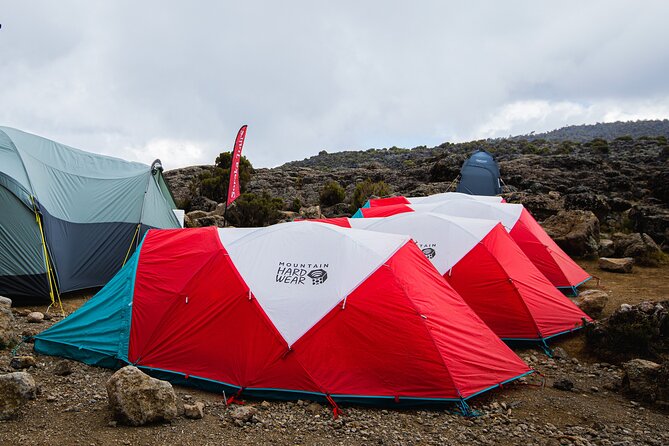
- Comfort where it counts: warm sleeping mats and 4-season Mountain Hardware tents for your nights in camp.
- Meals are included daily: three fresh meals on the mountain, plus Moshi hotel nights with breakfast.
Other ways up Kilimanjaro we reviewed
- Kilimanjaro climb by Lemosho Route (7-day)★ 5.0 · 651 reviews
- Kilimanjaro climb, Machame Route (7-day)★ 5.0 · 262 reviews
- Kilimanjaro Climbing Lemosho Route 8 Days.★ 5.0 · 186 reviews
- Climbing Kilimanjaro – Machame Route★ 5.0 · 170 reviews
Why the Machame Route is such a smart Kilimanjaro choice
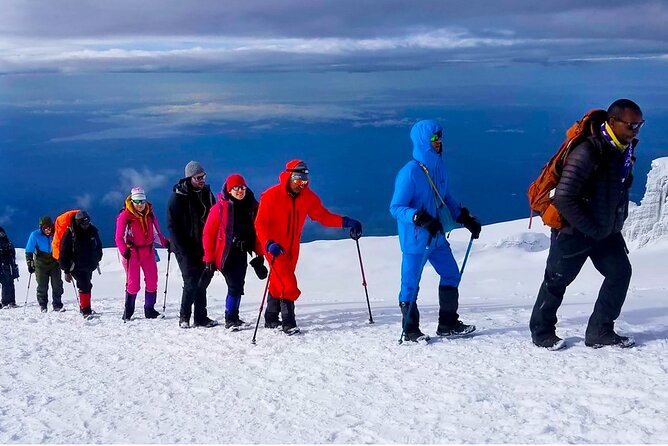
Machame is popular because it mixes scenery with altitude management. You start climbing through rainforest, then move into moorland, and finally reach the cold, dry zone where snow and glaciers show up near the summit area. That gradual change helps your body react less like a switch and more like a slow adjustment.
I also like that the route has a big “learning day” baked in. The acclimatization patterns on Kilimanjaro are where you either get comfortable moving at high altitude or you pay for it later. Machame gives you opportunities to practice that pacing before you try the top.
Day 1: Arrival in Moshi and a smooth start from JRO
Day 1 is all about getting set up with less stress. You arrive, and you get airport pickup and drop-off linked to Kilimanjaro International Airport (JRO). The tour also includes ground transportation, so you are not figuring out local logistics while you are tired and maybe still jet-lagged.
This matters because Kilimanjaro is already a lot. The smoother your first day, the more energy you have for the climb and the gear routine that comes right after.
Day 2: Machame Gate to Machame Camp, rainforest climbing and a real warm-up
You start around 5,905 ft at Machame Gate and climb to Machame Camp near 9,875 ft. That first day is your introduction to walking uphill while your breathing does not feel normal yet.
What I like about this day is that it tends to feel like a controlled ramp. The rainforest walking is a change of pace from your usual city hikes, and you build the habit of steady steps before the air gets thinner.
Practical note: start slow. If you walk like you are training for speed, altitude will correct you. Aim for a pace you could keep for hours.
More Machame departures, compared
Day 3: Machame Camp to Shira Camp, heather and moorland time at altitude
Day 3 climbs again, from about 9,875 ft up to Shira Camp around 12,600 ft. You move through heather and moorland zones, which is a reminder that Kilimanjaro is not one biome. It is many environments stacked like chapters.
This day is where you learn what “high altitude walking” feels like for your body. Your legs still work, but your breathing may need more frequent resets. If you do not panic, you will usually do fine.
Day 4: Shira Camp to Barranco Camp, plus the Lava Tower acclimatization push
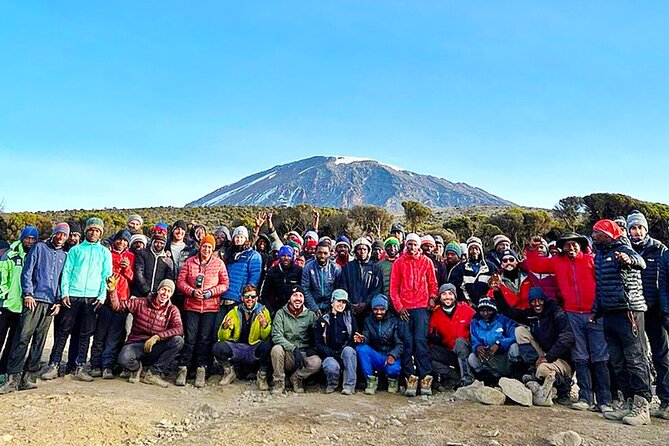
Day 4 goes from Shira Camp (about 12,600 ft) to Barranco Camp (about 12,960 ft). On top of that, you get an acclimatization hike to Lava Tower near 15,190 ft.
This is a great pattern because it teaches your body what to do with a higher altitude moment, then gives you a camp that is slightly lower. You get payoff, too, since you can look out toward areas like the Western Breach and the Southern Glacier during the higher segment.
The tradeoff is effort. Lava Tower day is not “just a stroll.” Keep your pace steady, drink water, and let the guides handle the timing. You do not need hero moves here.
Day 5: Barranco Camp to Karanga Camp, the Barranco Wall walk-over
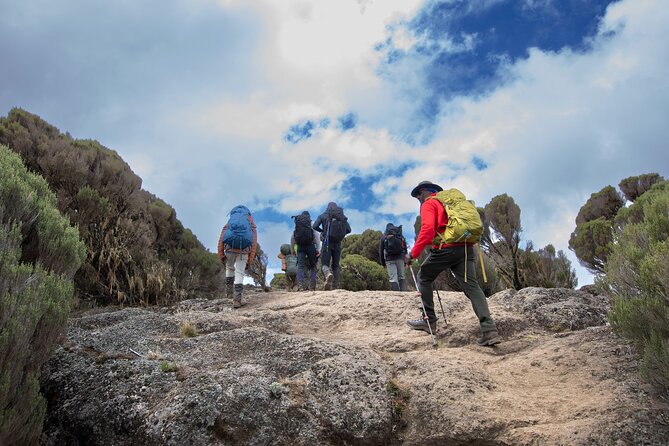
Day 5 moves from Barranco Camp around 12,960 ft up to Karanga Camp near 13,270 ft. The highlight is the famous Barranco Wall segment, where you get views from above as you work through the steeper parts.
This day can feel mentally sharp because the route asks for attention. You are not only thinking about breathing, you are also watching your footing and staying smooth on the incline.
What I like: you are still not at the summit altitude level yet. That makes Day 5 a bridge day, where you build confidence for the next long push toward the final camps.
Day 6: Karanga Camp to Barafu Camp, high alpine desert and the final staging
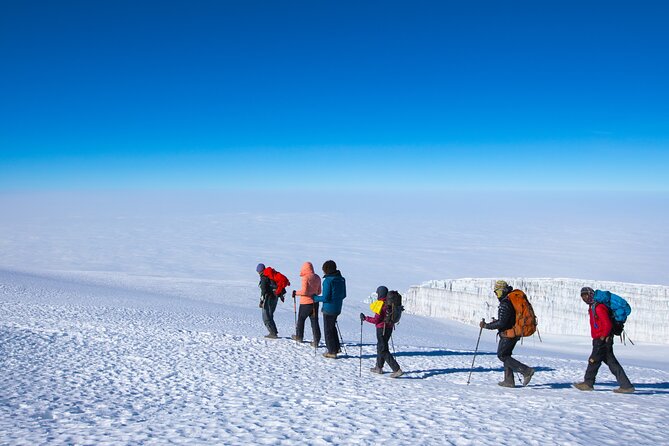
Day 6 climbs from about 13,270 ft to Barafu Camp around 15,190 ft. This is high alpine desert terrain, and it often feels colder, drier, and more exposed than earlier days.
Barafu is basically your staging base for the summit bid. You want to arrive thinking about sleep, hydration, and how you will dress for the cold early start that comes next.
Gear and comfort matter more here. Tents are part of the included package, and you get warm sleeping mats. Still, you should plan on needing layers even after you stop walking.
Day 7: Summit window to Uhuru Peak, then down to Mweka Camp
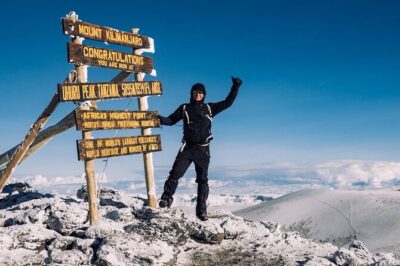
This is the big day. You leave Barafu Camp and push up to Uhuru Peak at about 19,341 ft, then descend to Mweka Camp around 10,170 ft.
The summit night and early morning are where Kilimanjaro earns its reputation. You are moving in cold conditions with limited daylight, and the altitude can make every step feel like it takes more oxygen than it should.
What I like about having a safety-minded operator here is that they build in structure, not just hope. Your guides have Wilderness First Responder certification, and the trip includes an emergency oxygen canister and medical kit. You also get those daily health checks with an oximeter and question-based screening.
After you summit, the descent is still a workout. Descending can be tough on knees and feet. Your win comes from staying controlled and steady, not rushing.
Day 8: Mweka Camp to Mweka Gate, then a Moshi hotel day
Day 8 goes from Mweka Camp near 10,170 ft down to Mweka Gate around 5,380 ft, followed by a hotel day in Moshi.
This is where your body finally gets a break from the constant “walk, adjust, walk” rhythm. You will likely feel tired and sore, but it is a good tired, the kind that comes from finishing the hard part.
The tour includes hotel time, and it also includes two nights at Kili Wonders Hotel in Moshi (or similar) with breakfast. That means you can get real meals and a bed after days in camp.
Day 9: Transfer day, plus optional safari time
Day 9 is transfer to the airport, or you can add safari adventures. The key value here is flexibility. You are not boxed into only one thing once the trek ends.
If you want the full Tanzania combo, this is the logical moment to tack on wildlife time. If you just want rest, you get that too.
Price and Logistics: what $3,190 covers, and what you still handle
$3,190 per person is not cheap, but it is also not just a “guide fee.” What you get includes park fees (including rescue and camping fees), three meals daily on the mountain, the tented accommodation setup, warm sleeping mats, emergency medical equipment (oxygen canister and medical kit), and daily health checks. You also get JRO airport pickup and drop-off plus ground transportation.
That bundle matters because Kilimanjaro costs add up fast when you start counting park entry, camping permissions, staff, and logistics. Paying one package rate can save you time and confusion, especially when you are focusing on altitude rather than spreadsheets.
What you should budget separately:
- visa fee
- airfare
- travel insurance
- tips for mountain staff
- alcoholic beverages
- lunch and dinner at the Moshi hotel
- personal climbing equipment (sleeping bag, hiking boots, and more)
Also consider that the group size is capped at 15 travelers. Smaller groups can mean a calmer pace and a more personal feel, which I prefer on a demanding trek.
Guides, crew, and safety checks that make the days feel more manageable
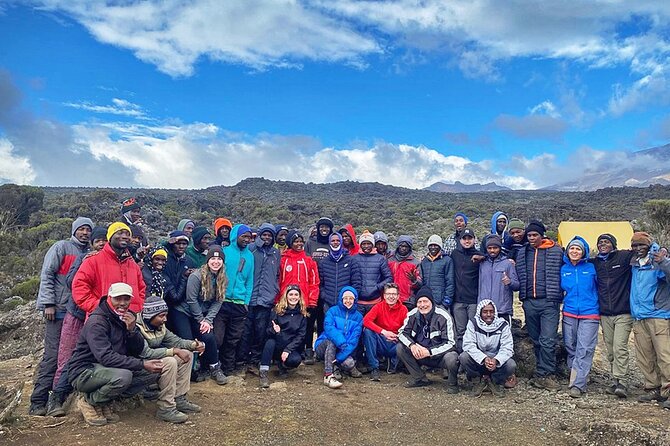
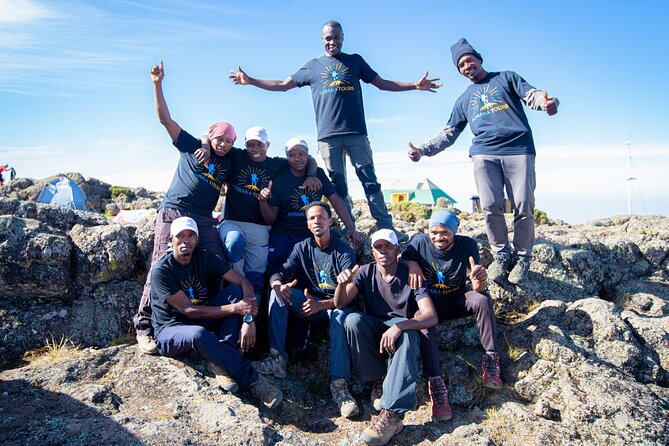
This is where the trip earns real trust. You are not just getting someone who knows the trail. You get certified Wilderness First Responder Guides, each with over 10 years of climbing experience. That background shows up in how guides run the day: structured wake-up timing, regular check-ins, and decision-making that aims to keep you safe.
You also get emergency oxygen and a medical kit. And the daily process is specific: two health checks using an oximeter and targeted questions about how you are feeling.
In past feedback connected to this operator, guide names like Baraka and Baltasari come up, with people highlighting how friendly coaching and steady assistance helped them through tough moments. If you end up with guides like that, you will probably feel less alone when the air gets mean.
One more crew note: staff are paid fair wages as set by KINPA. That is not a tiny detail in Tanzania. It is part of why operations run responsibly.
Tents, sleeping mats, and meals: not glamorous, but done right
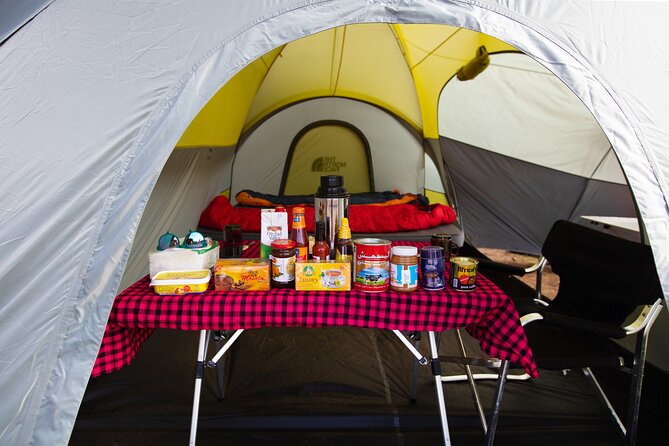
Nights on Kilimanjaro are about function. You get 4-season Mountain Hardware tented accommodation and warm sleeping mats. There are dining tents with tables, chairs, and cutlery too, which helps a lot because it gives you a real place to refuel instead of eating while standing in the cold.
Food is included as three freshly prepared meals each day on the mountain. That may sound basic, but it is huge for summit readiness. When you are at altitude, you need calories, warm drinks, and regular intake.
Diet accommodations are part of the package: vegetarian, gluten free, halal, and kosher meal plans can be handled. If you have dietary needs, tell the operator early so they can plan correctly.
If you care about comfort, remember that you still need your own personal sleeping bag and climbing boots. The tour provides tent and mat support, not full gear.
Who this Machame trek is best for
This trek fits hikers with moderate physical fitness who want a structured path and a safety-first team. The Machame profile is challenging, and summit day is not “mostly walking.” It is a cold, long push where pace control matters.
It is also a good match if you like having a clear routine. This trip is built around daily timing, camp arrivals, and check-ins, not wandering and improvising.
If you know you hate cold mornings, make peace with that. If you know you can pace and keep calm when your breathing changes, you will do better than you think.
Should you book this Machame trek with Soraka Tours?
I’d book this if you want a classic Kilimanjaro route plus a safety setup that takes altitude seriously. The mix of park fees included, daily meals, warm sleeping mats, oxygen and medical gear, and daily oximeter checks is the kind of “boring details” that keep trips on track.
I would not book it if the idea of paying extra for visa, travel insurance, tips, and personal gear would stress you out. Also, if you are unwilling to walk uphill for long days and handle cold, early-morning summit conditions, you might want a different mountain plan.
If you’re ready for the real challenge of the Roof of Africa, this Machame option is a solid, practical choice with the right support system in place.
FAQ
What is included on the mountain?
The trip includes all Kilimanjaro National Park fees, including rescue and camping fees, plus three freshly prepared daily meals on the mountain. You also get tented accommodation (4-season Mountain Hardware tents), warm sleeping mats, and emergency oxygen with a medical kit.
Do you provide airport transfers in Tanzania?
Yes. JRO (Kilimanjaro International Airport) pick-up and drop-off is included, along with all ground transportation.
Are meals available for special diets?
Yes. The trek can accommodate vegetarians, gluten free diets, halal meal plans, and kosher meal plans.
Do I need to bring my own hiking gear?
Yes. Personal climbing equipment is not included, including items like sleeping bags and hiking boots.
Is single tent accommodation available?
Single accommodation is available, but it comes with an extra charge.
Can I cancel and get a full refund?
Yes, there is free cancellation. You must cancel at least 24 hours before the experience start time for a full refund.
More Machame Departures
- Kilimanjaro climb, Machame Route (7-day)
★ 5.0 · 262 reviews - Climbing Kilimanjaro – Machame Route
★ 5.0 · 170 reviews - Climbing Kilimanjaro through 7 days Machame Route
★ 5.0 · 151 reviews - #1. Best Kilimanjaro Day hike Tour-Machame Route-ISMANI
★ 4.2 · 47 reviews - 7 Days Machame route – Kilimanjaro
★ 5.0 · 45 reviews
Kilimanjaro, Route by Route
- Kilimanjaro climb by Lemosho Route (7-day)
★ 5.0 · 651 reviews - Kilimanjaro climb, Machame Route (7-day)
★ 5.0 · 262 reviews - Kilimanjaro Climbing Lemosho Route 8 Days.
★ 5.0 · 186 reviews - Climbing Kilimanjaro – Machame Route
★ 5.0 · 170 reviews - Climbing Kilimanjaro through 7 days Machame Route
★ 5.0 · 151 reviews
Just added from around Moshi
Kilimanjaro Machame Route, compared.
 ★ 5.0Kilimanjaro climb, Machame Route (7-day)From $3,377262 reviews
 ★ 5.0Climbing Kilimanjaro – Machame RouteFrom $2,322170 reviews
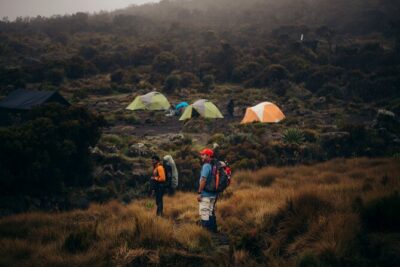 ★ 5.0Climbing Kilimanjaro through 7 days Machame RouteFrom $2,425151 reviews
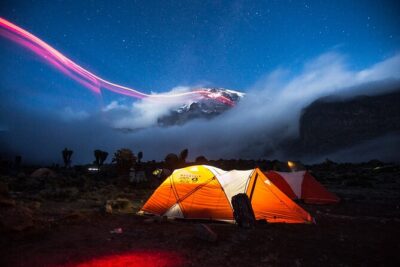 ★ 5.07-Day Machame Kilimanjaro Summit Tour from ArushaFrom $2,695125 reviews
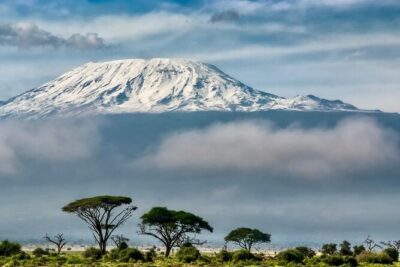 ★ 5.07 Days Kilimanjaro via Machame route affordable priceFrom $2,400110 reviews
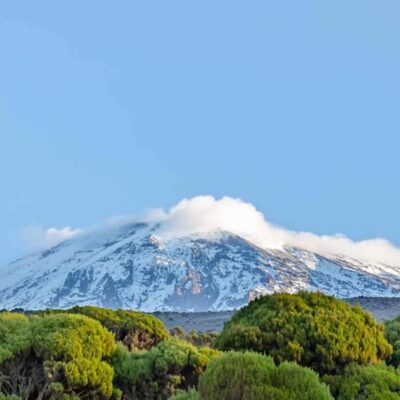 ★ 4.2#1. Best Kilimanjaro Day hike Tour-Machame Route-ISMANIFrom $11547 reviews
 ★ 5.07 Days Machame route – KilimanjaroFrom $2,85045 reviews
 ★ 5.0The Best of Machame Route in 6 Days: Your World’s Summit GuideFrom $1,15044 reviews
Browse the lists this tour appears in