
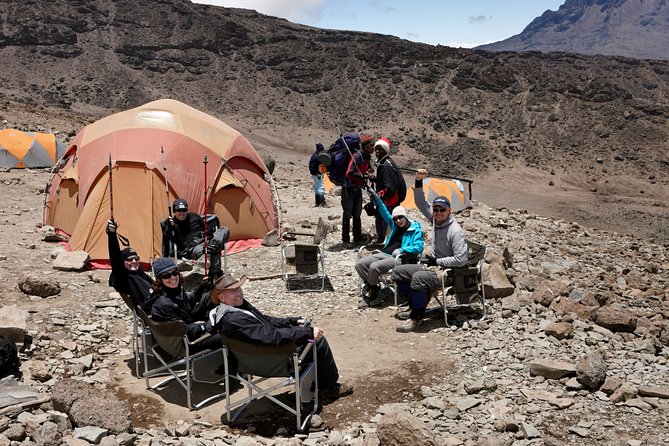
REVIEW · KILIMANJARO MACHAME ROUTE
7-Day Private Kilimanjaro Hiking Tour via Machame from Arusha
Seven days to the roof of Africa. I love this Machame itinerary for its easy access to the trailhead and for the way scenery changes day to day. The main consideration is that this is the most popular camping route, so you should expect company at camps and on the trail at times.
This is a private trek for your group, with a full support team, guides and porters, plus cooks who handle campsite setup so you are not doing logistics under exhaustion. The pacing also matters here, with a dedicated acclimatization day built in and a summit plan that starts around midnight.
In This Review
- Key things I’d circle on your plan
- Machame From Arusha: Why This Route Fits Real Life
- Day 1, Arusha to Machame Camp: Register, Stretch, and Follow the Moss
- Day 2, Shira Plateau Day: View Work for Your Brain, Work Work for Your Legs
- Day 3, Acclimatization on the Shira Plateau: The Up, Down, and Why It Matters
- Day 4, Barranco Wall and Karanga River Valley: Hands-on Climbing Day
- Day 5 to Barafu Camp: Glacier Views, Alpine Desert, and Summit Sleep Training
- The Summit Night: Midnight Start, Headlamp Hours, and Stella Point
- Day 7, Mweka Descent: Forest Steps to the Gate
- Who Runs the Show on This Trek, and Why It Impacts Your Odds
- Price and Value: Is $2,699 a Good Deal?
- Who This 7-Day Private Machame Trek Suits Best
- Should You Book This Private Machame Trek?
- FAQ
- What time does the trek start?
- How long is the Machame trek?
- Is this a private tour?
- Do I get pickup from Arusha?
- How does the trek begin at Machame Gate?
- When is the summit hike to Uhuru Peak?
- Is there a steep, difficult day before the summit?
- Do I have time to acclimatize before going higher?
- What if I want an optional detour on day 3?
- What should I know about the descent on the last day?
- How does cancellation work for a full refund?
Key things I’d circle on your plan
- Machame Gate start keeps the first day focused, after a roughly 1.5-hour drive from Arusha
- Cloud forest to alpine desert happens over just a few days, so you get variety without a rushed schedule
- Acclimatization day 3 builds altitude before a quick descent to Barranco Camp
- Barranco Wall on day 4 is the hardest segment, and it can mean using your hands
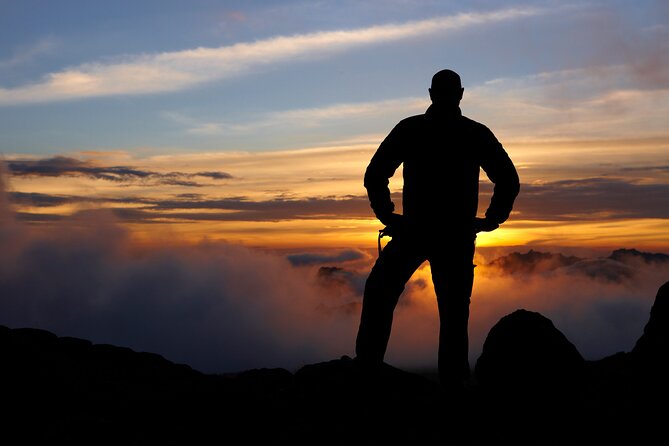
- Summit night begins at midnight with a steep climb to Stella Point before you reach Uhuru Peak
- Finish through the forest to Mweka Gate helps you end with steady movement instead of another big altitude push
Other ways up Kilimanjaro we reviewed
- 8-Day Small-group Lemosho Kilimanjaro Summit Trekking★ 5.0 · 186 reviews
- 7-Day Machame Kilimanjaro Summit Tour from Arusha★ 5.0 · 125 reviews
- Mountain Kilimanjaro Day Hike★ 5.0 · 102 reviews
- 4 days Best experience Kilimanjaro Hike, Serengeti &Ngorongoro★ 5.0 · 54 reviews
Machame From Arusha: Why This Route Fits Real Life
The Machame route is a popular choice for a reason. You start from Machame Gate with a relatively straightforward reach from Arusha, and the trek steadily changes terrain as you gain altitude, so you do not just march through one kind of scenery.
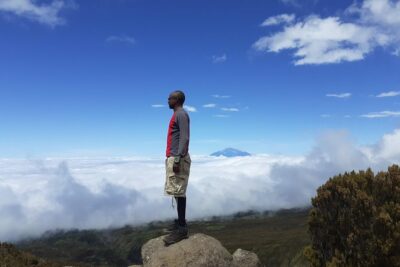
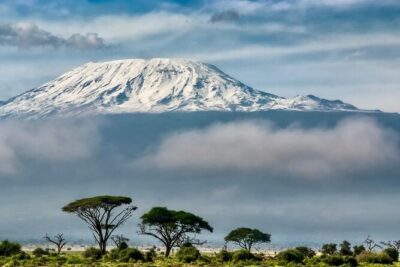
I also like the west-side feel of this plan. It is designed to ascend on the west, which influences your views and gives you big picture moments, especially when Kibo Peak and the surrounding peaks are visible.
The tradeoff is simple: popularity. This is described as the most popular camping route overall, so even if your group is private, you may see lots of other climbers at camps like Barranco and along busy stretches.
Day 1, Arusha to Machame Camp: Register, Stretch, and Follow the Moss
You leave Arusha at 9:00am and drive about 1.5 hours through coffee farms and villages to Machame Gate. At the gate, you wait while your team registers your climb, then porters, guides, and cooks make their final preparations.
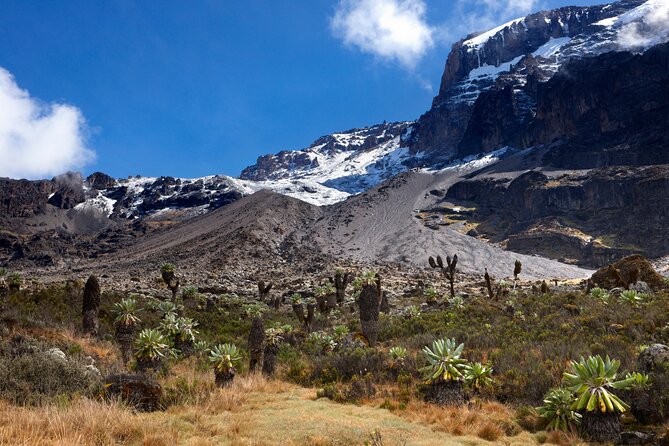
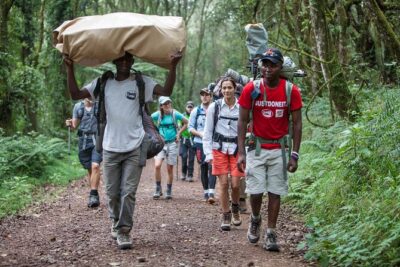
After that, you hike to Machame Camp. The first big win of this day is the character of the climb: you move through moss-covered cloud forest, which tends to feel cooler and more atmospheric than the later alpine sections. As the forest thins, the trail opens into heathers, tall grasses, and wildflowers, and on a clear day you can catch striking views of the upper mountain, including Kibo Peak.
Practical note: when the weather cooperates, you will likely want to stay ahead of hydration early. The plan emphasizes “carry plenty of drinking water” as the trek heats up on clear days, and day 1 is where good habits start.
Day 2, Shira Plateau Day: View Work for Your Brain, Work Work for Your Legs
Day 2 is built around elevation and big scenery shifts. You tackle several uphill sections, and there are multiple viewpoints where you can look down at plains and forests while Kibo and Mawenzi sit above you.
The vegetation changes are a highlight, too. As you gain altitude, trees diminish and you start seeing high altitude plants like Senecio kilimanjari and Lobelia deckenii. It makes the day feel like more than just a grind, because you can track the mountain changing around you.
After lunch, you climb onto the Shira Plateau, created when Kibo’s lava flows filled the Shira crater. Then you reach Shira Camp, where you relax for the rest of the day.
A balanced expectation: this day can feel “busy” on your body because of uphill sections, but it is also good training for summit readiness. If you pace yourself and drink regularly, you get used to working steadily without needing to sprint.
More Machame departures, compared
Day 3, Acclimatization on the Shira Plateau: The Up, Down, and Why It Matters
Day 3 is a key reason people succeed on Kilimanjaro, even when they are not the fastest hikers. The plan describes it as crucial for acclimatization.
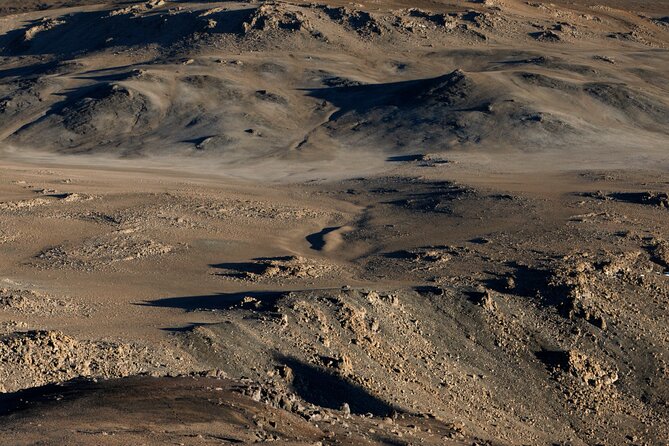
The day starts with a hike east on the Shira Plateau, reaching the junction where the Shira and Lemosho routes meet. After that, you continue through a barren landscape and stop for lunch.
Here is the pattern that matters for your body: the plan notes the elevation gain is only about 110 meters, but by early afternoon you will have climbed to around 4,530 meters, then begin a quicker descent to Barranco Camp. That “up high, then down” approach is what helps your body adjust.
You also have a possible detour if you are feeling strong: a route via Lava Tower, described as a roughly 300-foot lava formation jutting from the mountainside. It is optional, so you can decide based on how you feel.
Day 4, Barranco Wall and Karanga River Valley: Hands-on Climbing Day
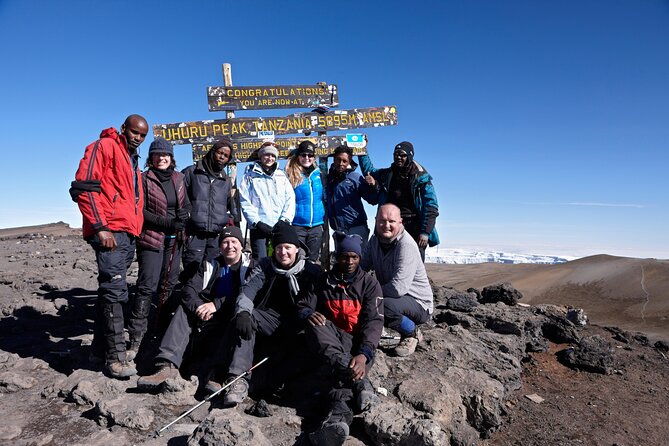
If you want one day that feels different, it is day 4. You leave Barranco Camp after breakfast and head toward Karanga Valley.
The day begins with an hour-and-a-half scramble up the Barranco Wall. In some spots you may have to use your hands to aid your climb. This is the kind of segment where trekking poles can help you stay stable, but your mindset matters more: treat it like careful movement, not a test of speed.
After you reach the top, the rest becomes gentler. The hike continues through fairly level terrain and then you descend into the green Karanga River Valley. That contrast, from rocky scramble to greener valley, is a psychological reward when you are tired.
Day 5 to Barafu Camp: Glacier Views, Alpine Desert, and Summit Sleep Training
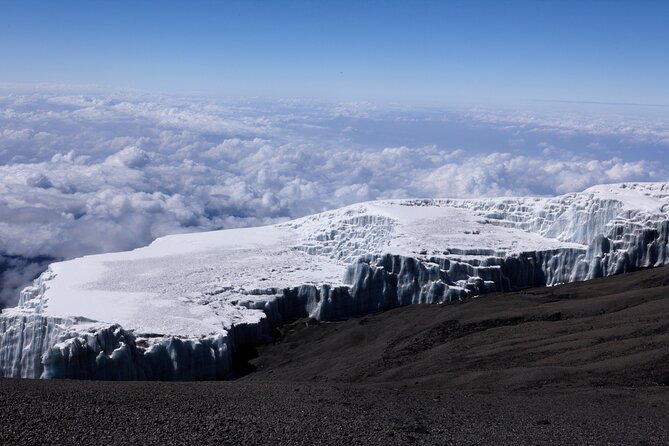
Day 5 builds toward the hardest part of the whole climb, the summit night.
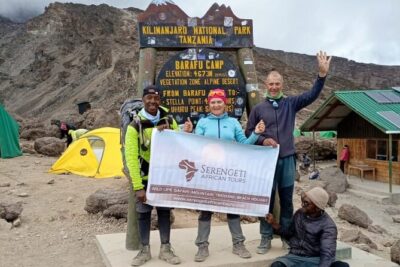
After breakfast you hike toward Barafu Camp. On the way you may view several of Kibo’s glaciers, as well as the junction that connects the descent route (Mweka) with the Machame trail.
The trail on the way to Barafu is described as passing through alpine desert with little vegetation. This can feel exposed, so it is smart to pay attention to sun protection, wind layers, and how you manage water.
When you reach Barafu Camp, you get stunning views of Kibo and Mawenzi peaks. Then comes the big behavioral challenge: you are advised to try to sleep after dinner because you will wake before midnight for the summit hike.
If you have ever struggled to sleep on a bus or in a hotel, you might relate. This day is where your routine matters. Keep snacks simple, avoid sudden over-hydration late at night, and focus on calming your breathing.
The Summit Night: Midnight Start, Headlamp Hours, and Stella Point
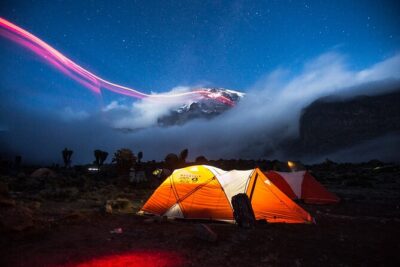
On day 6, around midnight, you begin the final ascent to Uhuru Peak. The plan describes hiking for about six hours with headlamps.
This is the steepest stretch of the trek. The route is very steep until you reach the crater rim at Stella Point. After that, the hike from Stella Point to Uhuru Peak is described as a gradual climb and not very technically difficult, but altitude makes it long and tiring.
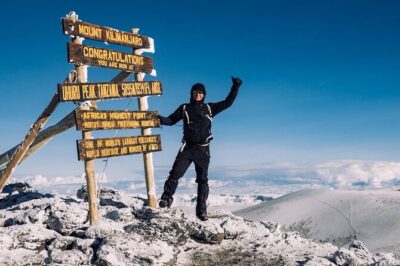
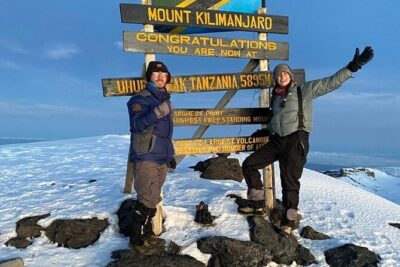
You reach Uhuru Peak and take photos with your guide and group before starting your descent to Mweka Camp. On the way down you can enjoy views of the mountain, crater, clouds, and glaciers.
A grounded way to think about summit success: you do not need hero energy. You need steady steps, frequent check-ins, and a pace that you can sustain for hours while breathing through the altitude.
Day 7, Mweka Descent: Forest Steps to the Gate
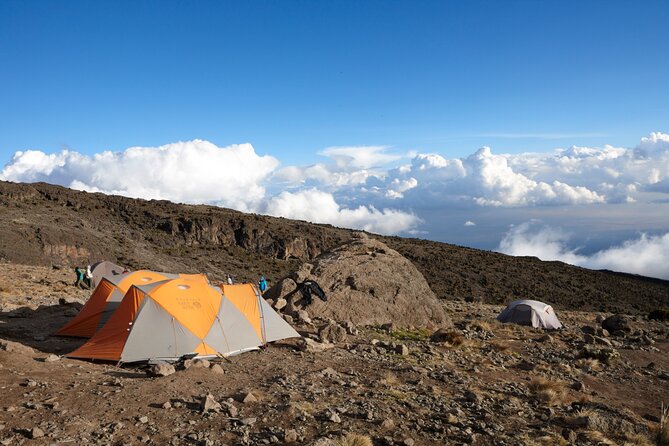
Your final day starts with breakfast at Mweka Camp. Then you finish with a hike through the forest to Mweka Gate.
The trail may be slippery after rain, so your best friend is careful foot placement. Even if you feel “almost done,” you still need to respect gravity on the downhill.
Once you reach the lower station of Mweka Gate, vehicles meet you and take you back to Arusha. The ending here is practical: you get movement down, you avoid another long climb, and you transition back to real-world comfort.
Who Runs the Show on This Trek, and Why It Impacts Your Odds
You are not doing this alone. The plan emphasizes a team approach: guides and porters who spend the next six days trekking with you to Uhuru Peak, plus cooks preparing and supporting your days and evenings.
I also like what shows up in names from past experiences tied to this operator and wider climbing crews. Guides such as Colman and Earnest have shown up in summit-success stories, and Ema and Shaban appear in other positive accounts. On a separate Tanzania trip component, a driver named Sifuni is also credited with helping make the experience feel well organized and connected.
Here is the practical lesson for you: when you are this high, your team’s attitude becomes part of your safety plan. You want people who explain what you are doing, keep morale steady, and handle logistics so you can focus on your pace and hydration.
Equipment is also called out as high-end. That usually matters most for comfort and risk control, especially on summit night and on steep, rocky sections like Barranco Wall.
Price and Value: Is $2,699 a Good Deal?
At $2,699 per person, this is not a bargain. But it is also not a mystery pricing number. The itinerary includes a full multi-day support system: guides, porters, cooks, camp preparation, and the structure that supports acclimatization and a nighttime summit attempt.
You also get value in the way logistics are handled. You register at Machame Gate, the team makes final preparations, and you are guided through each day with a route plan. There are also admission tickets marked as free in multiple days, which signals that park access is handled within the package rather than you piecing together permits at the last minute.
Where price can still sting is if you are not ready physically, or if you arrive with gear you did not test. A summit night that is six hours of steep, high-altitude work does not forgive sloppy planning. So the best way to judge value is this: do not just compare the price tag. Compare what is included in support, pacing, and equipment quality, because that is what helps you finish the whole circuit.
Who This 7-Day Private Machame Trek Suits Best
This trek asks for strong physical fitness. That makes it a good fit for hikers who can handle long days and steep sections without falling apart emotionally.
You should also consider what kind of trip you want. It is private for your group, but it is still on a popular route overall. If you want total solitude and silence, Machame may not be your best match. If you want a well-tested path with enough people to feel like you are not alone, it can be perfect.
It also fits travelers who like structured pacing. The itinerary has a clear progression from cloud forest to plateau hiking, a crucial acclimatization day, then the summit push with a midnight start.
Should You Book This Private Machame Trek?
I would book this if you want a route with a well-shaped plan: varied scenery, a built-in acclimatization rhythm, and a summit schedule that is timed for the right kind of effort. The Machame start from Arusha also keeps your first day from feeling chaotic.
You might skip it if either of these hits you: you are not confident in your fitness level for steep days and a midnight ascent, or you strongly prefer quiet, uncrowded camping. Machame is popular for a reason, and that means you will likely share the mountain with other climbers at some point.
If you are aiming for a serious but organized Kili climb, this 7-day private Machame option is the kind of trip where careful planning can turn stress into momentum.
FAQ
What time does the trek start?
The experience start time is 9:00am, with a drive from Arusha to Machame Gate.
How long is the Machame trek?
It is listed as a 7-day trek, approximately.
Is this a private tour?
Yes. It is described as a private tour or activity, and only your group participates.
Do I get pickup from Arusha?
Pickup is offered, and vehicles meet you at the lower station of Mweka Gate on the final day to return to Arusha.
How does the trek begin at Machame Gate?
You drive to Machame Gate, meet your guides, porters, and cooks, then wait while the climb is registered and final preparations are made before hiking to Machame Camp.
When is the summit hike to Uhuru Peak?
The final ascent begins around midnight, and the hike continues for about six hours with headlamps.
Is there a steep, difficult day before the summit?
Yes. Day 4 includes an hour-and-a-half scramble up Barranco Wall, and in some places you may need to use your hands.
Do I have time to acclimatize before going higher?
Yes. Day 3 is specifically identified as crucial for acclimatization, including climbing to around 4,530 meters before descending quickly to Barranco Camp.
What if I want an optional detour on day 3?
You can take a detour via Lava Tower, described as a lava formation jutting from the mountainside.
What should I know about the descent on the last day?
Day 7 finishes with a hike through the forest to Mweka Gate, and the trail may be slippery if it rained.
How does cancellation work for a full refund?
You can cancel up to 3 days in advance of the experience for a full refund, meaning you need to cancel at least 3 full days before the start time. If it is canceled because a minimum number of travelers is not met, you are offered another date or a full refund.
More Machame Departures
- 7-Day Machame Kilimanjaro Summit Tour from Arusha
★ 5.0 · 125 reviews - 6 Days: Hiking Kilimanjaro via Machame Route
★ 5.0 · 24 reviews - 6-Day Guided Tour in Machame Route Mt Kilimanjaro
★ 5.0 · 17 reviews - KILIMANJARO MACHAME ROUTE, (Climb 7days)
★ 5.0 · 16 reviews - 7 days Kilimanjaro climb via Machame route (Whiskey route)
★ 5.0 · 16 reviews
Kilimanjaro, Route by Route
- 8-Day Small-group Lemosho Kilimanjaro Summit Trekking
★ 5.0 · 186 reviews - 7-Day Machame Kilimanjaro Summit Tour from Arusha
★ 5.0 · 125 reviews - Mountain Kilimanjaro Day Hike
★ 5.0 · 102 reviews - 4 days Best experience Kilimanjaro Hike, Serengeti &Ngorongoro
★ 5.0 · 54 reviews - From Arusha/Moshi: Kilimanjaro Hike Marangu Route Day Trip
★ 4.5 · 54 reviews
Just added from around Arusha
Kilimanjaro Machame Route, compared.
 ★ 5.0Kilimanjaro climb, Machame Route (7-day)From $3,377262 reviews
 ★ 5.0Climbing Kilimanjaro – Machame RouteFrom $2,322170 reviews
 ★ 5.0Climbing Kilimanjaro through 7 days Machame RouteFrom $2,425151 reviews
 ★ 5.07-Day Machame Kilimanjaro Summit Tour from ArushaFrom $2,695125 reviews
 ★ 5.07 Days Kilimanjaro via Machame route affordable priceFrom $2,400110 reviews
 ★ 4.2#1. Best Kilimanjaro Day hike Tour-Machame Route-ISMANIFrom $11547 reviews
 ★ 5.07 Days Machame route – KilimanjaroFrom $2,85045 reviews
 ★ 5.0The Best of Machame Route in 6 Days: Your World’s Summit GuideFrom $1,15044 reviews
Browse the lists this tour appears in