
REVIEW · KILIMANJARO MACHAME ROUTE
7-Day Mt. Kilimanjaro Hiking: Machame Route
Seven days up Kilimanjaro tests your grit. The Machame route is a scenic, popular climb that still feels rugged and serious, with frequent changes from rain forest to moorland to alpine desert. I especially like the human side of this trek, with guidance that stays calm and encouraging, including leaders such as Abouh, plus guides like Samuel, Justin, and Edgar, and with porters who keep spirits up. The other big win is the summit-day payoff built around Stella Point sunrise. One drawback to weigh carefully: Machame is steep and challenging, and its shorter rhythm means altitude acclimatization is on you, not on extra days.
From Arusha you start early, get picked up, and move with a small group (max 15). The price covers a lot of the big stuff you usually have to manage yourself, including park fees, camping equipment, portage, and multiple meals plus bottled water each day. If you are new to high-altitude hiking, you’ll want to be honest about your fitness and how you handle breathlessness before you choose this route.
In This Review
- Key Highlights You Can Plan Around
- Machame Route: Why This “Whiskey Trail” Feels Worth It
- Getting From Arusha Into Kilimanjaro Country
- Day 1 Forest to Day 2 Moorland: The Pattern Starts Immediately
- Day 3 Lava Tower Push: The Toughest Day So Far
- Day 4 Great Barranco Wall: A Confidence Builder
- Day 5 Barafu Camp: Wind, Rocks, and Your Last Water Moment
- Day 6 Summit Night: Stella Point to Uhuru Peak
- Day 7 Descent to Mweka Gate and Your Certificate Moment
- Price and Value: What $2,500 Buys on Machame
- Fitness, Altitude, and the Practical Reality of Machame
- Who Should Book This Trek (and Who Should Reconsider)
- Should You Book This Machame Trek With Makanjanja Safaris?
- FAQ
- How long is the Mt. Kilimanjaro Machame route trek?
- Where does the trek start, and what time do you depart?
- What is included in the $2,500 price?
- What is not included?
- How does the certificate work on the final day?
- Can you cancel for a refund?
Key Highlights You Can Plan Around
- A Machame route with big scenery shifts from rain forest into moorland, then semi-desert and alpine desert
- Support that keeps morale steady thanks to an English speaking guide team, often led by Abouh
- Day 3 acclimatization benefit built around Lava Tower altitude, then a meaningful descent toward Barranco
- Great Barranco Wall (Class 2) as a confidence builder, with views that can put you above the clouds
- A summit night schedule that starts around 23h30 for the Stella Point sunrise moment
- Certificate colors based on altitude reached, green for Stella Point and gold for Uhuru Peak
Other ways up Kilimanjaro we reviewed
- 8-Day Small-group Lemosho Kilimanjaro Summit Trekking★ 5.0 · 186 reviews
- 7-Day Machame Kilimanjaro Summit Tour from Arusha★ 5.0 · 125 reviews
- Mountain Kilimanjaro Day Hike★ 5.0 · 102 reviews
- 4 days Best experience Kilimanjaro Hike, Serengeti &Ngorongoro★ 5.0 · 54 reviews
Machame Route: Why This “Whiskey Trail” Feels Worth It
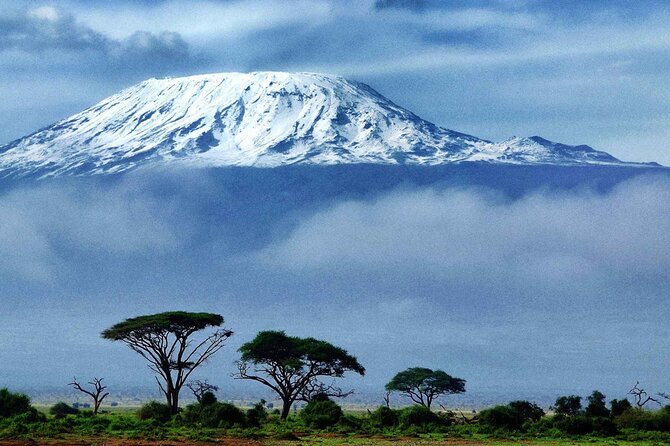
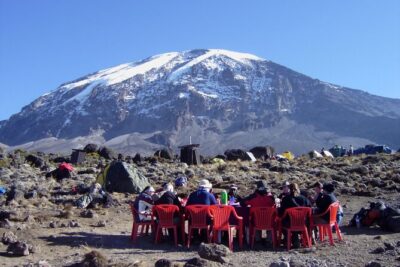
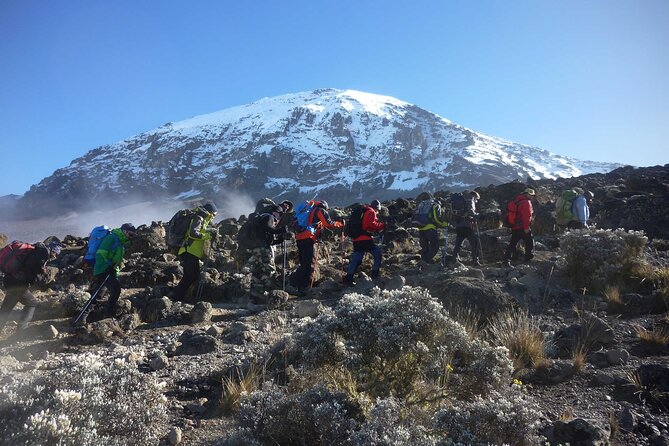
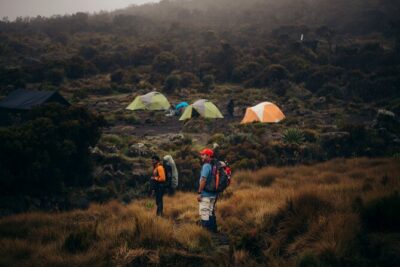
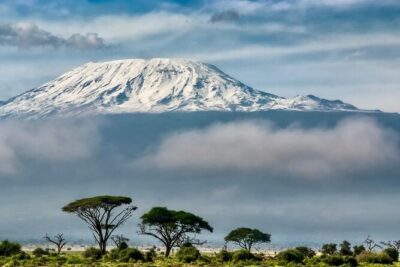
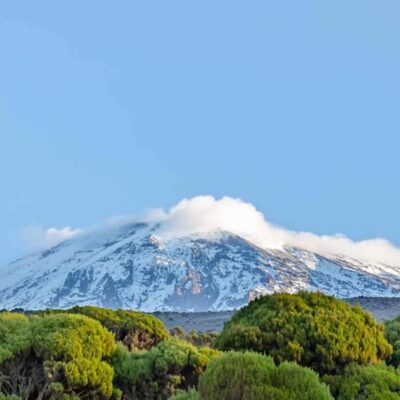
Machame, also called the Whiskey route, is the Kilimanjaro track most people talk about because it is visually varied and stays interesting even when your legs are not. You start in low forest country and you keep climbing into harsher zones. That matters because the mountain does not just get higher, it changes how it feels underfoot and in the air.
I like that the plan is built around real altitude work, not just a straight hike upward. You crest, you settle into a zone, and then you come back down again at the right times. For example, after reaching around Lava Tower altitude on day 3, you descend toward Barranco. That is the kind of “hard, then recover” cycle that can help you acclimatize without turning the trip into a long slog.
Still, Machame is not a gentle “scenic walk.” The climb is steep and the itinerary is shorter than some alternatives, so it is better suited to hikers who are comfortable with sustained effort and who can handle cold, wind, and breathlessness. If you want easy, this is not it.
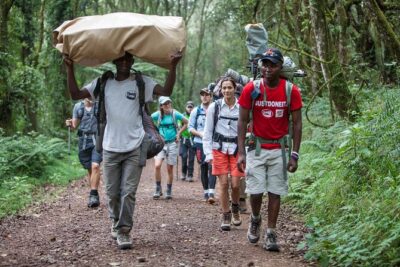
The other reason it can be a good match for nervous first-timers is the team energy. The strongest praise centers on the guide leadership style and porter attitudes, with people feeling safe, motivated, and cared for throughout. In past group experiences on this trek, guides including Samuel, Justin, and Edgar have been described as attentive and reassuring. That kind of steady support can be the difference between quitting mentally and pushing through one more switchback.
Getting From Arusha Into Kilimanjaro Country
Your trek starts in Arusha, Tanzania, at Arusha Airport, with a pickup and a start time of 7:00am. The location setup matters. If you arrive the night before, you reduce stress. If you arrive late, you add extra risk right before a physically demanding week.
On day 1, you drive from Arusha (about 1,400m) to Machame Village. Then you head toward the Machame gate. Depending on road conditions, there may be a muddy walk of about 3 km from the village area, which can take around an hour. That first stretch is not about fitness training, it is about setting expectations: you are already working early, and Kilimanjaro is not always neatly paved.
After registering at the gate office, the trail enters the rain forest almost immediately. This is where weather can play games. Rain in the forest is common enough that you should plan for soggy trail and slippery footing. The positive side is the forest day feels cooler and more alive, but you should bring the mindset that everything may be wet for a while.
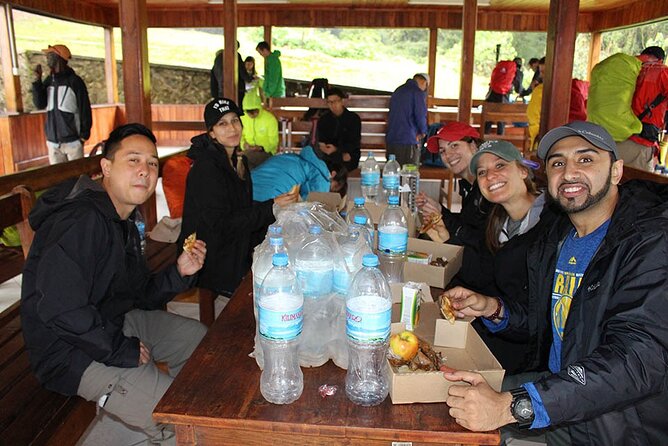
You will get a packed lunch in the village, plus a welcome lunch stop partway during the climb. By the end of day 1, you reach camp and settle in for the night. Even early in the trip, the temperatures can start turning against you once you are higher and exposed.
Day 1 Forest to Day 2 Moorland: The Pattern Starts Immediately
Day 2 is the shift day. You rise early at Machame camp and then climb for about an hour through forest before moving into the moorland zone for roughly two hours on a gentler gradient. That combination is useful for most hikers. It gives you a transition from slippery forest footing into open, windier walking where you can find your rhythm.
Then you push onto rocky ridges and head toward the Shira plateau at about 3,840m. One of the best perks on this day is the expanding view. You can start seeing major features in the distance, including the Western Breach with its glaciers. Views like that are not just pretty pictures. They help you gauge where you are and how the climb is unfolding.
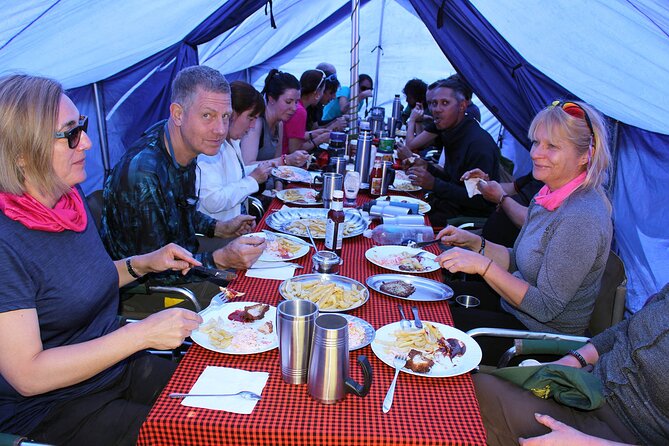
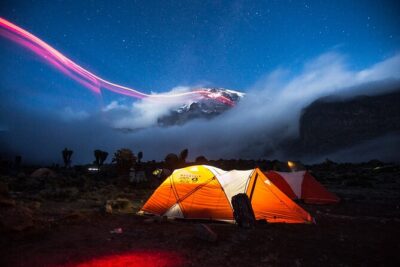
The camp on Shira is exposed and cold. Dinner comes after your porters boil water for drinking and washing, and temperatures can drop well below freezing. This is where you need to be practical: treat camp time like part of the hike. Warm layers, staying dry, and good tent habits help you avoid wasting energy shivering.
More Machame departures, compared
Day 3 Lava Tower Push: The Toughest Day So Far
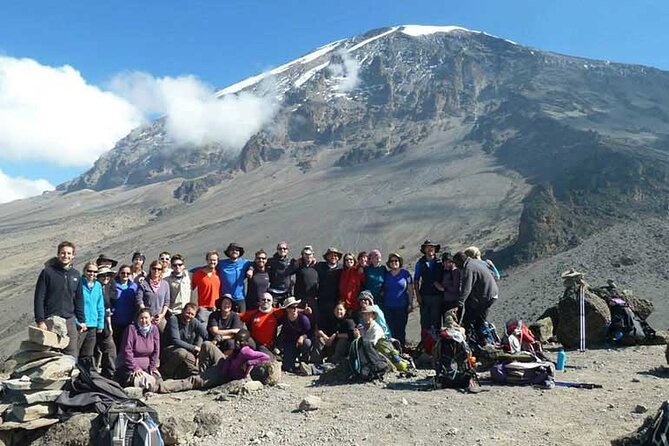
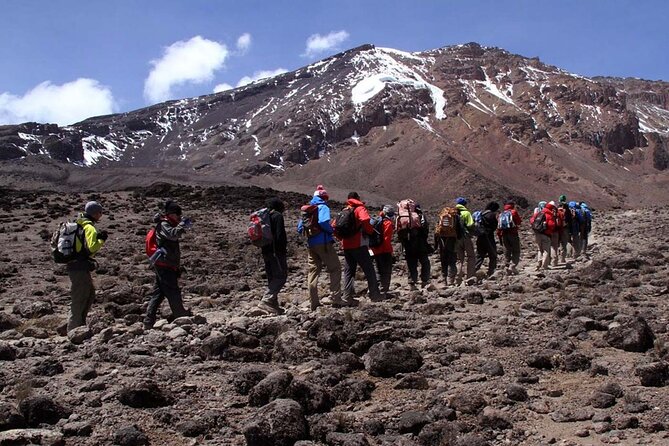
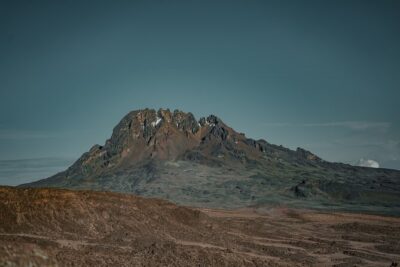
Day 3 has a reputation for a reason. You turn east into semi-desert and rocky terrain around Lava Tower. You reach about 4,630m after roughly five hours of walking, then you face the toughest part of the route so far.
The effort can bring on symptoms that many climbers recognize: breathlessness, irritability, and headaches. That does not mean you are failing, it means your body is reacting to altitude. What makes this day pivotal is the follow-through. After lunch and the push to Lava Tower, you descend nearly 680m toward the Barranco camping area, which brings you to around the 4,600m range.
That descent is where the “acclimatization benefit” starts to feel real. Mentally, it can be a relief to come down after a hard climb. Physically, it can help you get through the next days with more control. You are still high, but the plan avoids the trap of going from hard peak altitude to another higher push without any reset.
Day 4 Great Barranco Wall: A Confidence Builder
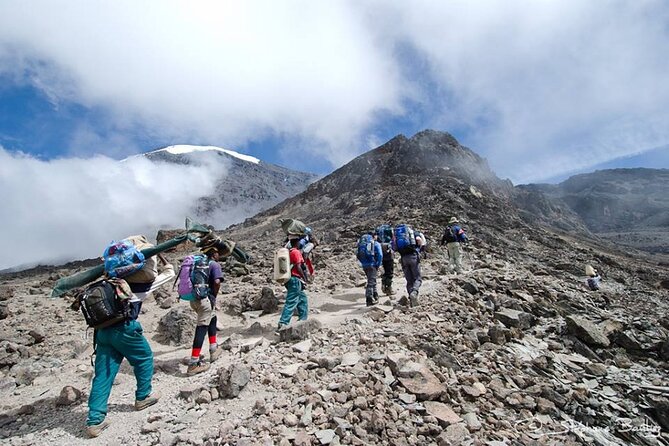
Day 4 is a shorter hiking day at about 4 to 5 hours and around 5 km, but it carries a big moment. You attack the Great Barranco Wall, which is often described as Class 2. That classification matters. You are not doing technical climbing, but you will use your hands at times and you need balance on uneven ground.
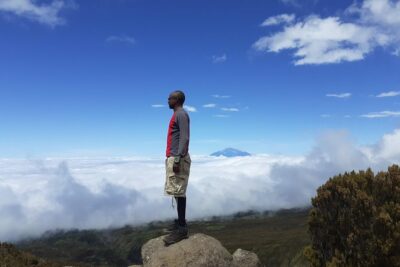
At the top, conditions can reward you with views of Heim Glacier and a feeling of being above the clouds. Even if the weather is not perfect, this is the day many people remember because it turns the climb from suffering into solving. You focus on steps and grip and breathing, and suddenly the mountain feels conquerable.
After the Wall, you hike through the Karanga Valley. It is up and down, but it is an “acclimatization” day in the way the route is paced. You are working, but you are not sprinting toward the summit yet. This is the kind of day that helps your body adjust while letting you practice staying calm in changing terrain.
Day 5 Barafu Camp: Wind, Rocks, and Your Last Water Moment
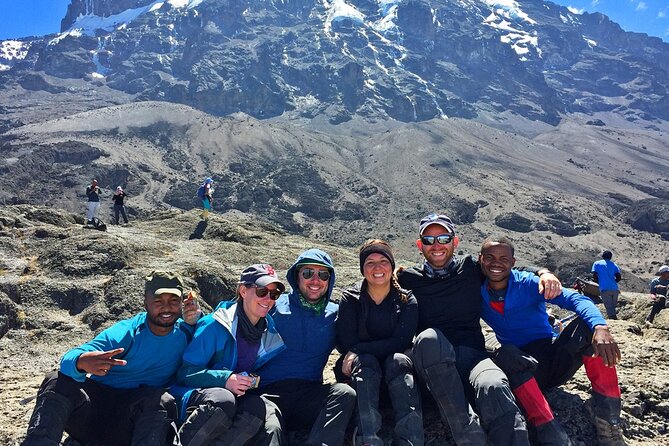
Day 5 starts from Karanga Camp (around 3,959m). You hike for about 2 to 3 hours, around 4 km, and your route intersects with the Mweka Route, the path used for descent on the final two days. That intersection can be reassuring. You are not only going up, you are crossing a corridor that connects the whole mountain system.
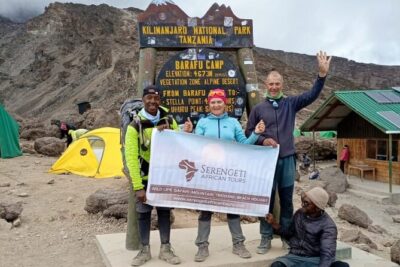
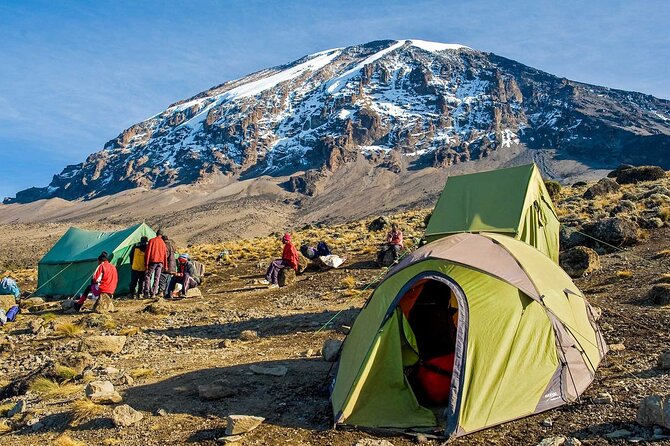
After about an hour of continuing upward, you reach Barafu Hut. This is important because Barafu Camp sits around 4,550m, and it is rocky and exposed. The big practical detail: Barafu Camp is your last water stop for porters, and there is no accessible water at the camp itself.
So you need to take camp routines seriously. Tents are exposed to wind and rocks, so familiarize yourself with how the area works before dark. The route expects early dinner and rest, because day 6 begins in the night.
I like this day for what it teaches. You learn that the climb is not only about steps. It is also about timing, staying organized, and respecting limits when you are tired.
Day 6 Summit Night: Stella Point to Uhuru Peak
Day 6 starts late in the evening, around 23h30. After tea and biscuits, you begin the night hike toward Stella Point on the crater rim. The climb through heavy scree takes about six hours for many hikers, and it is often described as the most physically and mentally challenging stretch on the whole route.
Scree is slow walking. It also makes you careful with footing. The advantage is that you are moving toward a clear goal, and your efforts have a built-in payoff: Stella Point at about 5,685m. Here you stop briefly, and if weather allows, you get the most magnificent sunrise you are likely to see.
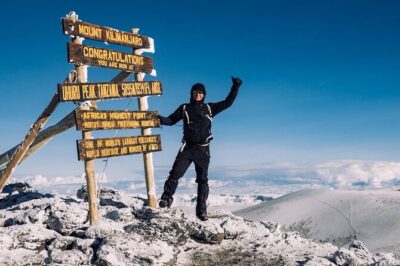
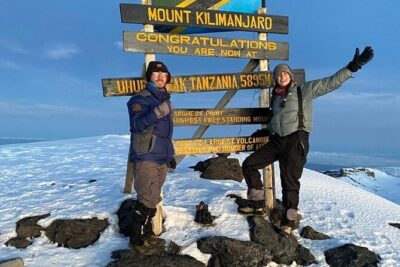
From Stella Point, you ascend for about 2 hours to Uhuru Peak at 5,895m. Snow may be present along the way. You spend time on the summit depending on conditions, including visibility and the weather. Keep your time tight and focused. The mountain rewards efficiency at high altitude.
This is also where the earlier support really pays off. A strong guide team helps you manage pace, breathing, and decision-making when everything feels harder than expected. The best accounts of this trek repeatedly mention guides being attentive and reassuring, plus porters helping make the climb feel safer.
Day 7 Descent to Mweka Gate and Your Certificate Moment
Day 7 brings a different energy. After breakfast, staff celebrate with dancing and singing. Then you hand over your tips to the guide, assistant guides, chefs, and porters. Even if tips are not included in the package price, that moment is worth planning for. It is part of how the team is recognized after a very demanding week.
Then you descend for about 3 hours back to Mweka Gate. The park requires all hikers to sign their names to receive completion certificates. There is a simple reward system based on what you reached: green certificates go to hikers who reached Stella Point, and gold certificates go to hikers who reached Uhuru Peak.
After the certificate process, you continue down into Mweka village for about an hour (roughly 3 km). This last descent is a bit longer than you might expect, but it also gives your body time to transition from mountain mode to human mode. Expect legs to feel heavy, even if your mind is buzzing.
Price and Value: What $2,500 Buys on Machame
At $2,500 per person, you should look at this as a bundled service, not just a “guide fee.” What is included is big-ticket stuff for Kilimanjaro:
- Meals and water, including bottled water (3 liters or more per day)
- All fees and taxes
- Camping equipment use
- Portage
- Professional English mountain guide and cooker
- A mix of breakfasts, lunches, and dinners across the days
Not included items are also straightforward: tips, flights, visa fees, and mountain gear.
So is it good value? I think it can be, if you are the kind of traveler who wants to arrive, hike, and let the logistics run. Camping equipment and portage alone can take stress out of the trip. Also, having an English speaking guide and cooker helps because you are not trying to figure out high-altitude meal routines while tired and cold.
Where the value can wobble is if you show up underprepared. If you need to buy mountain gear at the last minute, that cost can jump quickly. If you are unsure about your fitness, Machame’s difficulty is not something you want to discover late in the trip.
Fitness, Altitude, and the Practical Reality of Machame
This route suits hikers with moderate physical fitness, but it is still hard. The key idea is that Machame is steep and demanding, especially because the schedule is relatively tight. You should be comfortable with sustained uphill hiking for hours, plus cold and wind at higher camps.
Altitude is the other reality check. Day 3 can trigger symptoms for the first time, and day 6 is a long night push at very high elevations. You can improve your odds by being honest with yourself before you leave home: how well you handle hills, how you breathe during exertion, and how you respond to discomfort.
Packing smart matters too, even though exact items are not listed here. Since the route can be wet in the forest and bitterly cold at exposed camps, plan for layers and warmth. Since Barafu is windy and tents face rocks, choose gear that you can manage even when conditions are not pleasant.
Who Should Book This Trek (and Who Should Reconsider)
This Machame trek is best for adventurous hikers who want the classic Kilimanjaro route with major scenery changes and a real mountain feel. If you have some hiking or backpacking experience, you will likely handle the steep days better.
It can also work well for travelers who value a supportive team. The most praised aspect in group experiences has been the caring, cheerful, attentive attitude of the guides and porters. People often feel safe because the team stays engaged, motivates you, and keeps things moving with good spirits.
I would reconsider if any of these apply to you:
- You struggle with steep hikes and lose motivation when breathless
- You dislike cold, windy nights and shaky footing
- You are looking for a relaxed, slow itinerary that gives you extra time at altitude
Machame is for those who want effort, views, and that summit morning feeling when you look back and realize you kept going.
Should You Book This Machame Trek With Makanjanja Safaris?
If you want a classic Kilimanjaro climb with scenic variety and a strong chance of getting a sunrise moment at Stella Point, this route choice makes a lot of sense. The included package is substantial, especially the camping equipment, portage, meals, and an English guide team, and the small group size (up to 15) should help with comfort and flow on crowded sections.
I would book if you are ready for steep walking, cold exposed camps, and the mental test of the summit night that starts around 23h30. I would not book if you are hoping for an easy trek or if you are unsure about altitude. In that case, you might want a longer acclimatization plan that reduces the intensity.
FAQ
How long is the Mt. Kilimanjaro Machame route trek?
It is listed as a 7-day hike, approximately.
Where does the trek start, and what time do you depart?
The meeting point is Arusha Airport, with a start time of 7:00am.
What is included in the $2,500 price?
Meals and water (including bottled water of 3 liters or more a day), all fees and taxes, camping equipment, portage, and a professional English mountain guide and cooker are included, along with breakfasts, lunches, and dinners as scheduled.
What is not included?
Tips, flights, visa fees, and mountain gear are not included.
How does the certificate work on the final day?
You sign your name to receive a completion certificate. If you reached Stella Point (5,685m) you receive a green certificate. If you reached Uhuru Peak (5,895m) you receive a gold certificate.
Can you cancel for a refund?
Yes, you can cancel for free up to 24 hours in advance for a full refund. If you cancel less than 24 hours before the start time, the amount paid is not refunded.
If you want, tell me your age, hiking history, and current weekly exercise routine, and I’ll help you sanity-check whether Machame fits your comfort level.
More Machame Departures
- 7-Day Machame Kilimanjaro Summit Tour from Arusha
★ 5.0 · 125 reviews - 6 Days: Hiking Kilimanjaro via Machame Route
★ 5.0 · 24 reviews - 6-Day Guided Tour in Machame Route Mt Kilimanjaro
★ 5.0 · 17 reviews - KILIMANJARO MACHAME ROUTE, (Climb 7days)
★ 5.0 · 16 reviews - 7 days Kilimanjaro climb via Machame route (Whiskey route)
★ 5.0 · 16 reviews
Kilimanjaro, Route by Route
- 8-Day Small-group Lemosho Kilimanjaro Summit Trekking
★ 5.0 · 186 reviews - 7-Day Machame Kilimanjaro Summit Tour from Arusha
★ 5.0 · 125 reviews - Mountain Kilimanjaro Day Hike
★ 5.0 · 102 reviews - 4 days Best experience Kilimanjaro Hike, Serengeti &Ngorongoro
★ 5.0 · 54 reviews - From Arusha/Moshi: Kilimanjaro Hike Marangu Route Day Trip
★ 4.5 · 54 reviews
Just added from around Arusha
Kilimanjaro Machame Route, compared.
 ★ 5.0Kilimanjaro climb, Machame Route (7-day)From $3,377262 reviews
 ★ 5.0Climbing Kilimanjaro – Machame RouteFrom $2,322170 reviews
 ★ 5.0Climbing Kilimanjaro through 7 days Machame RouteFrom $2,425151 reviews
 ★ 5.07-Day Machame Kilimanjaro Summit Tour from ArushaFrom $2,695125 reviews
 ★ 5.07 Days Kilimanjaro via Machame route affordable priceFrom $2,400110 reviews
 ★ 4.2#1. Best Kilimanjaro Day hike Tour-Machame Route-ISMANIFrom $11547 reviews
 ★ 5.07 Days Machame route – KilimanjaroFrom $2,85045 reviews
 ★ 5.0The Best of Machame Route in 6 Days: Your World’s Summit GuideFrom $1,15044 reviews
Browse the lists this tour appears in