
REVIEW · KILIMANJARO MACHAME ROUTE
7 Day Kilimanjaro Machame climb
Seven days, one steep staircase to Africa’s roof. The 7 Day Machame climb is a classic Kilimanjaro camping route, often nicknamed the whisky route for how popular it is. I like that it stays non-technical, yet still delivers that hands-on mountain feeling at the Barranco Wall. One caution: you have a long, cold summit night that is not a fit if you have known altitude or lung issues.
What also makes this itinerary work is how it moves you through different zones, from southwest rainforest up into heather and moorland, then into alpine desert. I especially liked the operational side, with organized staff, English-speaking guides like Calvin Shayo (and other named guides such as John, Musa, Baraka, Vincent, Augustin, Isaac, Acasio, Matej, and Denis) and a setup crew that makes camp life feel manageable.
The main thing to consider is simple: this is a tough trek with steep sections and loose scree during the summit push, and you’ll need strong fitness to handle it. If you’re okay with that, this Machame plan is one of the most logical ways to chase Uhuru Peak while still getting chances to acclimatize.
In This Review
- Key highlights worth packing for
- Machame’s appeal: popular, camping-based, and built for acclimatization
- Your week on the mountain, day by day (what you’ll feel and why it matters)
- Barranco Wall: the scrambling moment you’ll remember
- Camping life that keeps you moving (not suffering)
- Safety on Kilimanjaro: what’s included and what it can’t do
- Price and value: what $2,580 really covers
- Who should pick this Machame climb, and who should rethink
- Should you book this 7-day Machame climb with Shah Tours?
- FAQ
- Is this Kilimanjaro route technical?
- Where do you start, and what time does it begin?
- Where does the climb end?
- How long is the hike each day?
- Are meals included, and is drinking water included?
- What camping gear is provided?
- Do I get luggage porter help?
- What safety and medical support is included?
- Can I upgrade to a single tent?
- Can I cancel and get a refund?
Key highlights worth packing for
- Acronym-proof planning: pre-climb briefing in Moshi and a focused equipment check before you start
- Non-technical route with a real scramble: Barranco Wall is where you use your hands and legs, no ropes needed
- Day-to-day altitude rhythm: Lava Tower at 4630m for acclimatizing, then high camps built into the plan
- Camp logistics that protect your energy: tent crew, cooking staff, and basic camp comfort (mattress, dining tent, wash stations)
- Clear safety layer: oxygen cylinder per 5 passengers plus twice-daily health checks using an oximeter
- Value tied to what’s included: park fees, camping, rescue fees, meals, and transfers are part of the price
Other ways up Kilimanjaro we reviewed
- Kilimanjaro climb by Lemosho Route (7-day)★ 5.0 · 651 reviews
- Kilimanjaro climb, Machame Route (7-day)★ 5.0 · 262 reviews
- Kilimanjaro Climbing Lemosho Route 8 Days.★ 5.0 · 186 reviews
- Climbing Kilimanjaro – Machame Route★ 5.0 · 170 reviews
Machame’s appeal: popular, camping-based, and built for acclimatization
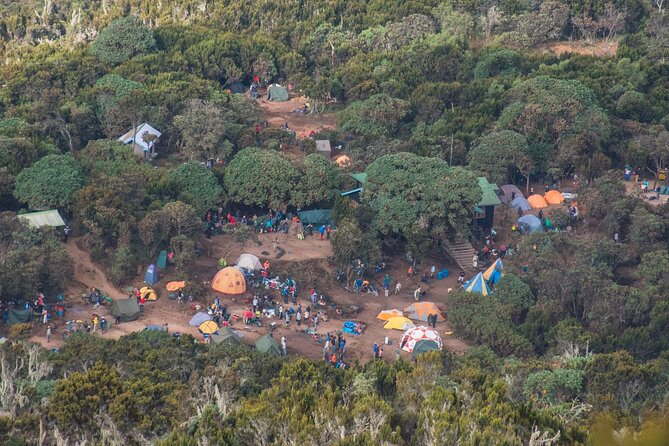
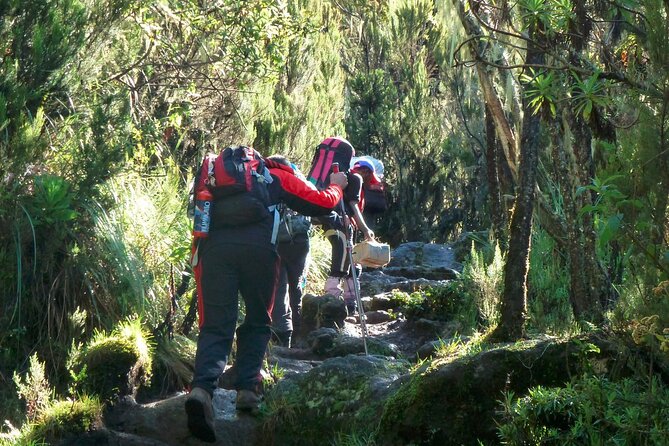
Machame is one of the most famous ways up Kilimanjaro, and for good reason. The route starts in the southwest mountain rain forest and then walks you upward through multiple climate zones. You’ll feel that change in the air and on the ground, which matters because Kilimanjaro is not a single “difficulty level,” it’s a gradual ramp.
This version of Machame is non-technical, meaning you’re not carrying ropes or doing technical climbing. But it’s not a gentle stroll either. The hike is described as steep and challenging at points, and you do get one specific scrambling section at the Barranco wall where you’ll use your hands and legs. That’s the moment where the climb stops feeling like hiking and starts feeling like real mountain travel.
If you like structure, Machame’s design is also practical. The itinerary alternates harder climbing days with days that give you time to adjust, including an acclimatization stop at the Lava Tower (4630m). That’s not magic, but it is smart pacing, and smart pacing is what helps most people keep moving instead of breaking.
Your week on the mountain, day by day (what you’ll feel and why it matters)
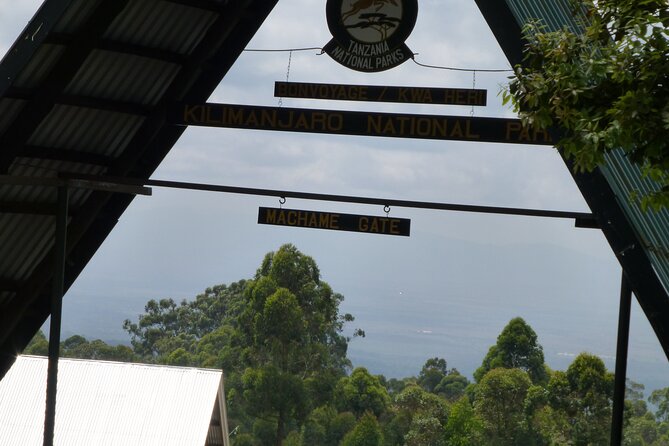
On day one, you leave Moshi around 09:00am and transfer by road to Machame gate. After registration, you trek through the rain forest zone. It’s thick with diverse plants, and rain is common in this zone, which can make paths slippery. You’ll hike steadily but relatively steeply until you reach the edge of the forest and into the heather zone. This first day sets the tone: you’re learning how your legs work for Kilimanjaro before altitude really starts to bite.
Day two keeps things challenging but more scenic. You hike through heather and moorland, then climb a steep ridge toward Picnic Rock, a semi-circular cliff that gives strong views on clear days. From there, you can see Kibo peak (your summit target is Uhuru Peak) and the jagged peaks of the Shira Plateau to the west. You may also see Mount Meru in the distance. The rest of the day is described as gentler and flatter, and that matters because it gives you a way to recover without fully stopping. You end at camp with equally spectacular views.
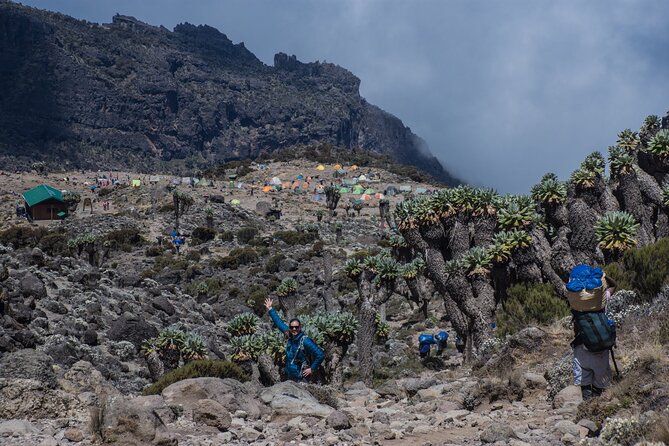
Day three is where the route starts to feel more “high mountain.” You move toward the Kibo cone, climbing over the edges of the alpine desert to your first high altitude stop: the Lava Tower at 4630m (15190ft). This is an acclimatization day and also a body-check. Then you descend steeply anti-clockwise around Kibo into the Barranco Valley. If you’re the type who likes noticing nature instead of only counting steps, this day has a neat payoff with large flowering mountain cacti known as Kilimanjaro Senecios.
Day four is shorter on paper and heavy in personality. You leave camp and ascend the Barranco wall. This is the non-technical scramble section, “impressive” by the tour description, and it’s meant to give you a mountain-climbing feeling without needing advanced equipment or experience. From the top, you get a superb view back toward your camp and the Heim glacier. After that, the hike winds through alpine desert toward the Karanga valley, which is your last water point. You descend into Karanga valley and then continue to camp.
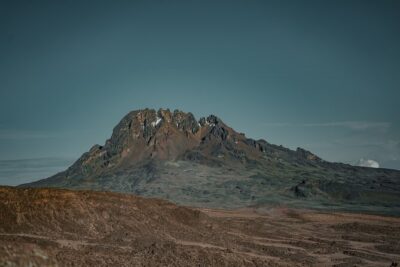
Day five is your “settle in and prep” day. You climb almost casually through alpine desert, keeping a slow pace even though the ground isn’t extremely steep. Kibo cone is closer, and you may glimpse Mawenzi peak to the east. The short distance is intentional: you have time at the summit camp to rest and prepare for the summit attempt that night. This is not the day to treat like a race. You’re building energy for hours that come next.
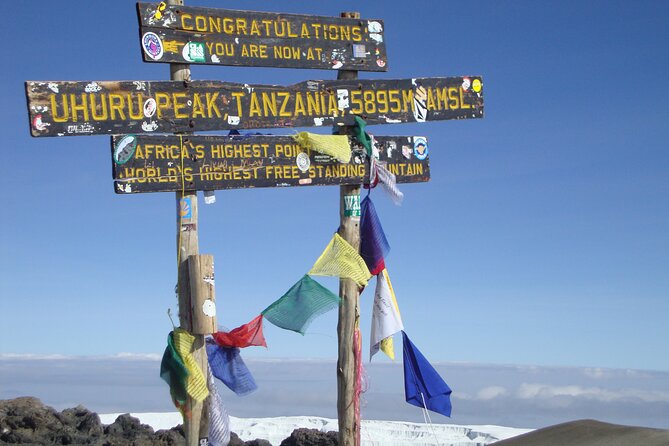
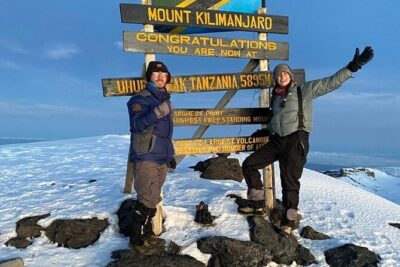
Day six is the big one, and it starts very early. Around 00:00am, you begin your final ascent to Uhuru peak through the arctic zone. The trek is steep over loose volcanic scree through the dark and cold night, and the plan calls for slow zig-zag progress toward Stella Point at 5685m (18650ft). Stella Point is your first stop on the Kibo crater rim, then you tackle a short but difficult hike to Uhuru Peak at 5895m (19341ft), the highest point in Africa. You usually don’t spend long at the peak because altitude is extreme. After reaching Uhuru Peak, you descend back to base camp for breakfast or brunch, then continue descending through alpine desert. The whole day is listed as about 18 hours, so mentally treat it as a long expedition day.
Day seven is your wind-down day in the best way: descent through the southern rain forest until Mweka gate, where your vehicle is waiting to take you back to Moshi. The crew often leaves from Mweka gate after dropping you, which can feel a little emotional because the team becomes part of your daily rhythm for a full week.
Barranco Wall: the scrambling moment you’ll remember
This is the part of Machame that most people talk about for a reason. The route stays non-technical, but Barranco wall forces you to use your hands and legs. You won’t need special gear, and you don’t need prior rock climbing skills, but you do need balance and a willingness to move carefully.
Why this matters for your experience: it adds variety. Instead of only thinking about lungs and legs, you’ll also use coordination. It’s also a confidence-builder if you pace well. The description promises a superb view from the top back toward the camp and the Heim glacier on the peak, and that view is the reward that makes the scramble feel worthwhile.
If you’re worried about the “scrambling” part, the practical advice is to take the scramble segment seriously while treating it like a controlled hike. Move deliberately. Use your hands when the terrain asks for it. This is where you convert effort into steadiness.
More Machame departures, compared
Camping life that keeps you moving (not suffering)
This is a camping route, so comfort isn’t like a lodge. But the tour includes a lot of the stuff that makes camping bearable and even enjoyable.
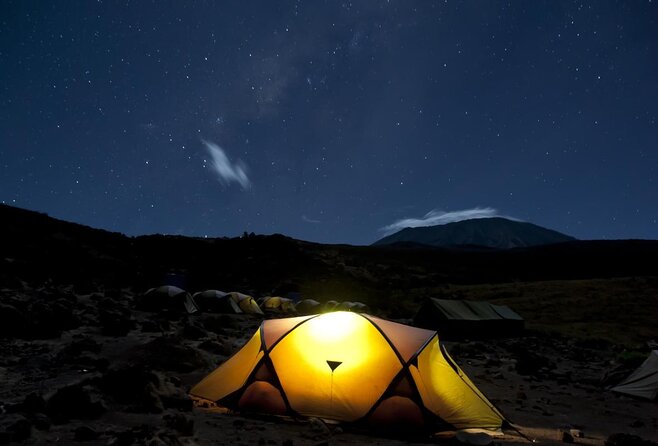
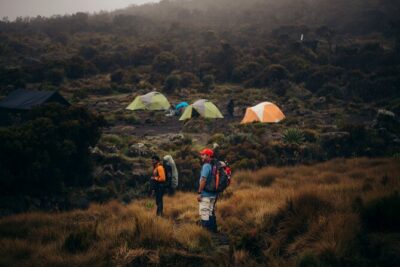
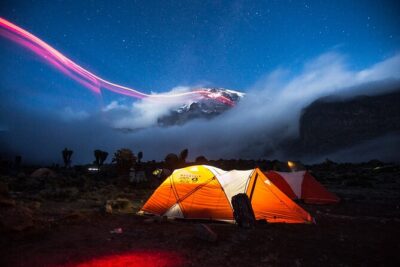
On the logistics side, you get specialist tent crew set-up. Camps use four-season tents, plus a basic foam sleeping mattress around 1 inch per person. There’s also a dining tent, chairs, and tables. That means you’re not just collapsing in the dark, you have a space designed for meals and regrouping.
Tent sharing is described as: four-season tent sharing for even numbered plus one single tent for odd numbers. If you want your own tent, the tour lists an option for extra single tents for $20 per extra tent per day, per person. So yes, it’s possible to upgrade, but it’s not automatically included.
Daily hygiene is also planned. There’s a hand washing station and a small personal wash basin at campsites. Toilets are shared public toilet facilities at campsites. Again, not luxury, but you’re not guessing how it works when you arrive tired and cold.
Meals are fully handled on the mountain, with a trained mountain cook and waiter. The tour says all meals on the mountain are included, along with utensils like cutlery, bowls, and cups. You won’t be carrying your own cookware. You will be managing how much you eat when you’re tired, which is different.
Water rules are important. Boiled drinking water is provided from the first camp onward. Water on the first day of the trek is not included, so plan for that before you start hiking. Also, metal and hard plastic water bottles are not permitted, and soft plastics are not permitted on the mountain. That means you’ll need a compliant bottle strategy based on what the operator allows.
Safety on Kilimanjaro: what’s included and what it can’t do
Kilimanjaro is altitude travel, and safety is never just one thing. This tour’s safety package includes multiple elements you can actually point to.
First, you’ll have trained, certified, and experienced English-speaking mountain guides at KINAPA minimum ratios. Before you start, there’s a pre-climb briefing and an equipment check in Moshi.
Second, there’s medical monitoring. The plan includes twice-daily health checks with guides and a high-grade medical oximeter. It also includes one emergency oxygen cylinder per 5 passengers and a first aid kit. That oxygen can be a serious help in the moment, though it’s not a promise that every altitude issue can be prevented.
Third, there’s a fairness and welfare component. The tour includes monitoring via Kilimanjaro Porters Assistance Project standards for fair treatment. That matters if you care about how the climb runs behind the scenes, not only the summit photos.
If you’re deciding whether Machame is right for you, think of this as a safety net that works best when you cooperate. The tour sets expectations clearly: strong physical fitness is needed, and it’s not recommended for lung problems or other known altitude-related medical conditions.
Price and value: what $2,580 really covers
At $2,580 per person, this isn’t a budget trek, but it also isn’t paying only for a guide with a whistle. The included costs are substantial, and that changes the value equation.
Included items cover taxes and VAT, plus national park conservation fees, park entry, camping fees, and rescue fees as applicable. You’re also paying for people and systems: certified guides, a tent crew, cooking and waiter staff, and meals with eating utensils.
Transfers are included too. The tour provides 1 transfer from a Moshi lodge or pickup location to park gates per group, and 1 transfer from park gates to a Moshi lodge or drop-off location per group. That saves you from coordinating transport on a tight schedule.
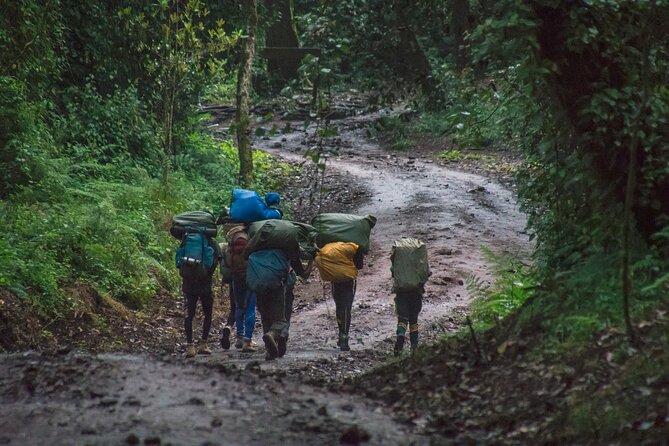
Porter support is included in a specific way: 1 luggage porter carrying personal luggage up to 15kg per person. Luggage storage is also included while on trek. Plus, you get an approx. 100L rubberized hold all bag or packsack.
Now for the costs that are not included, which you should factor early:
- Tips or gratuities
- Beverages such as soft drinks and alcohol
- Insurance and visas
- Items of personal nature
- Water on the first day of the trek
- Extra single tents ($20 per extra tent per day)
- Comfort upgrades like a portable toilet ($45 per day, max 5 pax) or foldable bed ($20 per bed, per day)
- Flying Doctors Emergency Evacuation membership
- Personal equipment such as sleeping bags or walking poles (the tour asks you to request pack guideline)
- Extra guides or extra luggage porters (listed as $35 per guide per day, $20 per luggage porter per day)
My take on value: if you want a climb where park fees, camping, food, and key safety systems are folded into the price, this Machame option is designed around that. The “hidden costs” are mainly personal choices like upgrades, tips, and what you bring to pack your own body gear.
Who should pick this Machame climb, and who should rethink
This tour is for people with strong physical fitness. It’s also clearly not recommended for people with lung problems or other known altitude-related medical conditions.
If you’re looking for a non-technical route that still feels like mountain travel, Machame fits. You get a one-day scramble at Barranco wall, steep and challenging hiking on the southern circuit, and a summit push that is steep, cold, and done over loose scree. You do not need climbing experience with ropes or technical gear, but you do need the basics of trekking stamina and careful movement.
If you prefer a lot of structure, you’ll likely like this itinerary. It’s paced with altitude stops like Lava Tower, includes a rest and preparation day at the summit camp, and then hits the summit attempt at night. That’s the rhythm.
If you’re the type who gets overwhelmed by early starts and long days, be honest with yourself about day six. The summit ascent starts around 00:00am, and day six runs around 18 hours. You can train, but you can’t negotiate the clock.
Should you book this 7-day Machame climb with Shah Tours?
I think you should consider booking if you want the classic 7 day Machame experience with camping, and you care about having support that goes beyond just “a guide who walks fast.” The included structure is strong: certified English-speaking guides, oxygen and medical checks with an oximeter, tent crew and meal support, and the kind of daily organization that keeps you from burning brainpower on logistics.
I’d hold off if you know you’re vulnerable to altitude issues or you have lung conditions. Even though the route is non-technical, the summit night is still demanding, steep, and done through cold darkness.
If you book, go in with a simple mindset: pace well, follow guide instructions during health checks, and treat the Barranco scramble as a skill moment, not a panic moment. Done right, Machame is one of those climbs where the effort feels earned, not random.
FAQ
Is this Kilimanjaro route technical?
This Machame itinerary is described as non-technical. There is a small scrambling section at the Barranco wall where you use your hands and legs, but the tour notes that no special equipment or experience is required.
Where do you start, and what time does it begin?
You meet in Moshi at Shah Tours, 6 Sekou Toure Way, Moshi 1821, Tanzania. The start time is listed as 9:00am, with a transfer by road to Machame gate.
Where does the climb end?
The trek ends at Mweka gate, where a vehicle takes you back to Moshi town or your drop-off location. The tour activity ends back at the meeting point.
How long is the hike each day?
The itinerary lists day-by-day trekking time as approximately 7 hours on days 1 and 2, 8 hours on day 3, 5 hours on day 4, 4 hours on day 5, about 18 hours on day 6, and 4 hours on day 7.
Are meals included, and is drinking water included?
All meals on the mountain are included, along with eating utensils. Boiled drinking water is provided on trek from the first camp onwards. Water on the first day of the trek is not included.
What camping gear is provided?
The tour includes four-season tents, a basic 1-inch foam sleeping mattress per person, plus dining tent setup with chairs and tables. Specialist tent crew set up campsites.
Do I get luggage porter help?
Yes. The tour includes 1 luggage porter carrying personal luggage up to 15kg per person. Luggage storage is also included while on trek.
What safety and medical support is included?
Included support includes twice daily health checks with guides and a high-grade medical oximeter. There is also 1 emergency oxygen cylinder per 5 passengers and a first aid kit.
Can I upgrade to a single tent?
Yes. Extra single tents cost $20 per extra tent per day.
Can I cancel and get a refund?
You can cancel for free up to 24 hours in advance of the experience start time for a full refund. If you cancel less than 24 hours before the start time, the amount paid is not refunded.
More Machame Departures
- Kilimanjaro climb, Machame Route (7-day)
★ 5.0 · 262 reviews - Climbing Kilimanjaro – Machame Route
★ 5.0 · 170 reviews - Climbing Kilimanjaro through 7 days Machame Route
★ 5.0 · 151 reviews - #1. Best Kilimanjaro Day hike Tour-Machame Route-ISMANI
★ 4.2 · 47 reviews - 7 Days Machame route – Kilimanjaro
★ 5.0 · 45 reviews
Kilimanjaro, Route by Route
- Kilimanjaro climb by Lemosho Route (7-day)
★ 5.0 · 651 reviews - Kilimanjaro climb, Machame Route (7-day)
★ 5.0 · 262 reviews - Kilimanjaro Climbing Lemosho Route 8 Days.
★ 5.0 · 186 reviews - Climbing Kilimanjaro – Machame Route
★ 5.0 · 170 reviews - Climbing Kilimanjaro through 7 days Machame Route
★ 5.0 · 151 reviews
Just added from around Moshi
Kilimanjaro Machame Route, compared.
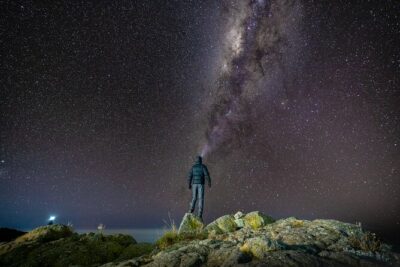 ★ 5.0Kilimanjaro climb, Machame Route (7-day)From $3,377262 reviews
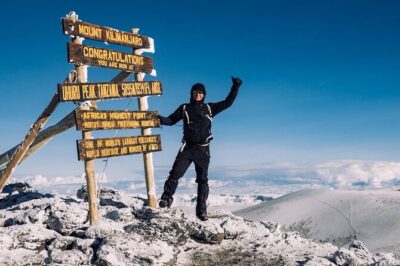 ★ 5.0Climbing Kilimanjaro – Machame RouteFrom $2,322170 reviews
 ★ 5.0Climbing Kilimanjaro through 7 days Machame RouteFrom $2,425151 reviews
 ★ 5.07-Day Machame Kilimanjaro Summit Tour from ArushaFrom $2,695125 reviews
 ★ 5.07 Days Kilimanjaro via Machame route affordable priceFrom $2,400110 reviews
 ★ 4.2#1. Best Kilimanjaro Day hike Tour-Machame Route-ISMANIFrom $11547 reviews
 ★ 5.07 Days Machame route – KilimanjaroFrom $2,85045 reviews
 ★ 5.0The Best of Machame Route in 6 Days: Your World’s Summit GuideFrom $1,15044 reviews
Browse the lists this tour appears in