
REVIEW · KILIMANJARO MACHAME ROUTE
7-Day Kilimanjaro Hiking Tour via Machame Route
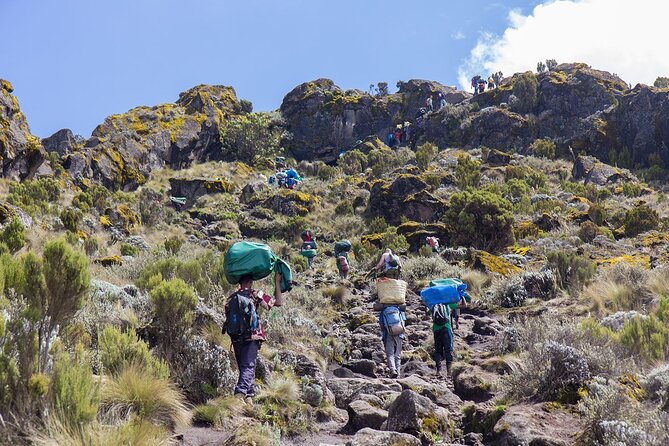
Kilimanjaro rewards patient legs, not just grit. This 7-day Kilimanjaro hiking tour on the Machame route, also called the Whiskey route, trades a quick sprint for better acclimatization and scenery, with you sleeping in included tents and eating in camp with a real setup. I especially like traveling with a certified team, including a Wilderness First Responder and CPR-ready guide (Mr Josia is cited), and I appreciate the clean, well-run tents and cooking setup that keep you fueled day after day.
The tradeoff is effort. You need strong fitness for long hikes, and you should be mentally ready for that early midnight start on summit day, plus cold, low-light conditions at higher camps. If you want an easy pace or hate early mornings, Machame may feel like hard work, not just a scenic adventure.
In This Review
- Key things to know before you go
- Why Machame (Whiskey Route) fits hikers who want scenery and time
- Price and value: where the $2,150 goes
- The crew and camp setup that make high-altitude days easier
- Day 1: Machame gate and tropical rainforest to Machame Camp
- Day 2: Shira camp via a steep rocky ridge
- Day 3: Lava Tower acclimatization and the Great Barranco Wall
- Day 4: Barranco Wall edge climb into Karanga Camp
- Day 5: Barafu camp pacing and the need for real rest
- Day 6: Midnight summit start, sunrise over the Great Rift Valley, then down
- Day 7: Mweka forest hike out and drive back to Arusha
- Who should book Machame with this operator, and who should think twice
- Quick value check: what to plan for outside the package
- Should you book this Machame route with Kitau Tanzania Safaris?
- FAQ
- What route is this trek on?
- Where does the tour take place?
- How long is the trek?
- What time do we start?
- Is pickup included?
- Are tents included?
- What meals are included?
- Is a guide included?
- Are park fees and other charges included?
- Are flights and visas included?
- What is the cancellation policy?
Key things to know before you go
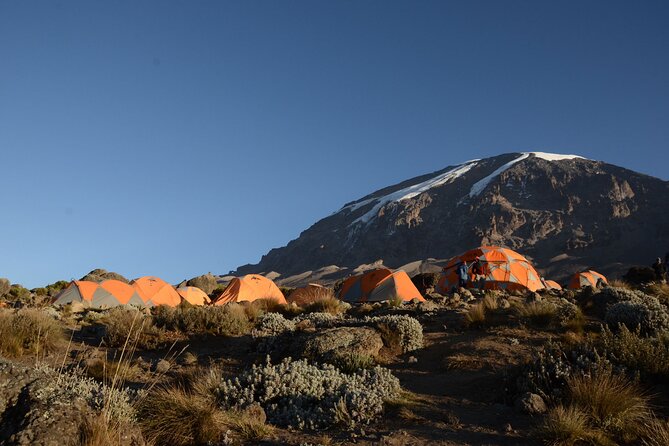
- Machame, the Whiskey route: scenic and widely chosen, with all climbers sleeping in tents (included).
- 7 days for easier acclimatization: the schedule helps your body adjust, which matters at altitude.
- Lava Tower day + Barranco Wall days: you get a mix of climb, acclimatization, and big view moments.
- Summit push at night: you start just after midnight and aim for sunrise over the Great Rift Valley.
- Full-board meals and camp comfort: drinking water plus breakfast, lunch, and dinner served at camp.
- Small group cap: up to 12 travelers, with English-speaking guide support and rescue fees included.
Other ways up Kilimanjaro we reviewed
- 8-Day Small-group Lemosho Kilimanjaro Summit Trekking★ 5.0 · 186 reviews
- 7-Day Machame Kilimanjaro Summit Tour from Arusha★ 5.0 · 125 reviews
- Mountain Kilimanjaro Day Hike★ 5.0 · 102 reviews
- 4 days Best experience Kilimanjaro Hike, Serengeti &Ngorongoro★ 5.0 · 54 reviews
Why Machame (Whiskey Route) fits hikers who want scenery and time
Machame is one of Kilimanjaro’s best-known routes, and it gets that reputation for a reason: it mixes forest hiking early on with tougher, steeper terrain as you gain altitude. It’s also the second most popular route, and the tone of the whole trek feels like gradual pressure, not a sudden jump. That matters because Kilimanjaro is not just about “can you walk uphill.” It’s about how your body handles altitude changes over several days.
This is a 7-day plan, and that extra day compared to shorter itineraries is there for acclimatization. In practical terms, you’ll get more time to adjust before the summit attempt. The tour is designed for physically fit people with some hiking experience, so it assumes you can hike for hours and handle uneven trails, including rocky sections.
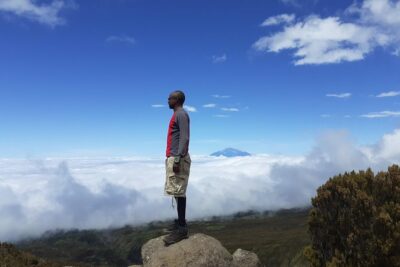
If you like your adventure to include both effort and payoff views, Machame tends to deliver. You spend time in tropical rainforest on day one, then you move into terrain that feels more exposed and dramatic as you climb. And on the mid-trek days, the scenery turns into those famous Kilimanjaro moments people come for, like Barranco Wall and the sunrise plan.
Price and value: where the $2,150 goes
At $2,150 per person, this trek is not a bargain, but it’s also not priced like a luxury-only experience. The value is in what’s included.
Here’s what you get that usually costs real money on Kilimanjaro:
- Private transportation and gate transfers
- All fees and taxes
- A professional, English-speaking Wilderness First Responder and CPR certified guide
- A full cooking and porter crew (with crew wages and rations handled)
- Rescue fees
- Drinking water and full-board meals
- Quality mess tents with tables and chairs
- Equipment for rents (listed as included)
You also get tickets to enter the mountain grounds each day, since admission tickets are included in the daily plan.
What you don’t get is equally important:
- Flights and taxes
- Visas
- Any optional add-ons
So when you compare this price, don’t only compare it to other “cheap” Kilimanjaro options. Compare it to what those options leave out. With this one, the big-cost items like fees, rescue coverage, and crew logistics are part of the package. That reduces the risk of budgeting surprises once you’re in-country and ready to climb.
The crew and camp setup that make high-altitude days easier
The best thing about this tour, in day-to-day terms, is camp operations. Kilimanjaro hiking is hard enough. You do not want a trip where the basics fall apart.
In the reviews, the company’s team gets credit for clean gear, quality tents, and good food. One review highlights clean equipment and delicious meals, plus a guide named Mr Josia who helped the group reach the top safely. Another review praises the tents, food, and a polite, caring crew.
A few details in the tour description also point to why camp life works here:
- All climbers sleep in tents, and tents are included.
- Meals are served in a dinner tent or outside on blankets, which keeps things practical at night.
- The trip includes quality mess tents with table and chairs, so you’re not just sitting on random ground every day.
That sounds small until you’re tired, cold, and trying to eat. A proper mess setup helps you recover between walking days. It also makes the day feel more structured, which is underrated on summit schedules that shift you from normal routines to survival-style timing.
More Machame departures, compared
Day 1: Machame gate and tropical rainforest to Machame Camp
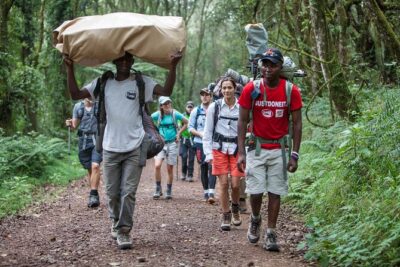
Day one starts with logistics, then turns into hiking you can actually enjoy. You drive to Machame gate, handle registration, and begin climbing the same day. After that, you hike through tropical rainforest, which changes the whole mood of the trip. Early on, the air can feel warmer and more sheltered than higher camps, and the trail experience is more about footing and steady effort than fear of exposure.
A nice touch in the route description is wildlife potential. As you move through rainforest, you might spot colobus monkeys and wild birds. Even if you do not see animals every hour, rainforest hiking has a different rhythm: you walk under cover, and the sounds around you keep you mentally busy.
You end day one at Machame camp for dinner and overnight. The day is listed around 6 hours, which is exactly what you want on the first day: long enough to start acclimatization and build walking habits, not so long that you arrive wrecked.
Watch-outs for day one: keep your pace comfortable. It’s tempting to feel good in the forest and “go hard.” Machame works better when you keep a steady, controlled effort. Your future self on steeper days will thank you.
Day 2: Shira camp via a steep rocky ridge
Day two climbs from Machame Hut. You cross a stream onto the west bank, then follow a path up a steep rocky ridge. The route description mentions criss-crossing a few times before reaching Shira camp.
Shira is a big milestone because you’re heading toward higher, more open terrain. The camp sits at the base of a semi-circular wall of rocks, so the setting feels more dramatic than what you had on day one. Dinner and overnight at Shira camp close out the day.
This is the kind of day where hiking technique matters. Rocky ridges punish sloppy footing. If you’ve got any hiking experience, use it: keep your eyes on the trail, shorten your stride when the slope gets steeper, and stay consistent.
Potential drawback: the steep rocky sections can feel more draining than the time on the clock suggests. Even if day two is listed at about 6 hours, it can feel intense because of footing and slope. Expect that, and do not treat “hours” as the main measure of difficulty.
Day 3: Lava Tower acclimatization and the Great Barranco Wall
Day three is built for acclimatization. From Shira camp, you hike up toward Lava Tower at about 15,000 feet. The plan then continues down toward Barranco Camp via the Great Barranco Wall.
This is one of those days where you feel the route changing. Lava Tower sits you higher, giving your body a chance to adjust before you tackle more demanding terrain later. Then Barranco brings you back down in a way that still challenges your legs, especially around wall sections.
The camp at Barranco is often described as one of the best on the mountain, and even without going into hype, the positioning helps: you’re not just grinding through. You reach a camp that feels like a “you earned this” moment after a day of climbing and descending.
Day three is also listed around 6 hours, which reinforces that this route uses time intelligently. You get a dedicated acclimatization push and then continue toward the next camp zone.
Tip that helps on days like this: if you’re feeling rough, focus on steady breathing and short rests, not speed. Acclimatization days are where you build momentum without burning matches.
Day 4: Barranco Wall edge climb into Karanga Camp
Day four starts at Barranco camp with an ascent through the edge of the Great Barranco Wall. The description calls it a tough morning climb on a steep trail, and that matches what Machame hikers learn quickly: the wall days are where legs get tested.
The reward is views. Once you reach the top, the scenery and sense of scale can feel huge. Then you continue to Karanga Camp for dinner and overnight.
Karanga is positioned as a step between the wall experience and the final approach camps. You’ll likely feel the cumulative fatigue here. That’s normal. What you want is controlled effort, good hydration, and patience with your pace.
Consideration: if you went too hard on day two or day three, day four will feel harsher than you expected. In a 7-day route, the goal is to arrive at day four in “tired but functional” shape.
Day 5: Barafu camp pacing and the need for real rest
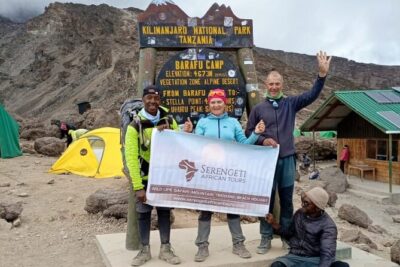
Day five is a shorter climb than the previous days, hiking up to the final camp before your last summit ascent. The description is clear: you’ll want plenty of rest because you need energy for the final push.
That’s Barafu camp for dinner and overnight. This is the day where your mindset matters. It’s easy to think, “shorter means easier,” then spend the evening too restless or too energetic. On Machame, day five is about conserving energy, eating well, and preparing for the next day’s brutal timing.
Even though the trek is listed around 6 hours, the purpose of the day is not just movement. It’s conditioning your body for summit day, which starts very early.
What helps: plan to take the camp routine seriously. Eat what you can, stay warm, and avoid unnecessary strain. Summit day gives you a window, and you want to walk into it feeling ready, not drained.
Day 6: Midnight summit start, sunrise over the Great Rift Valley, then down
Summit day starts just after midnight. The walk today takes 10 to 14 plus hours, with the description also giving a sense of the steepness: an ascent of about 1,100 meters in just over 3 km (1.86 miles) is quoted, and it’s expected to take about 6 to 8 hours for the climb portion.
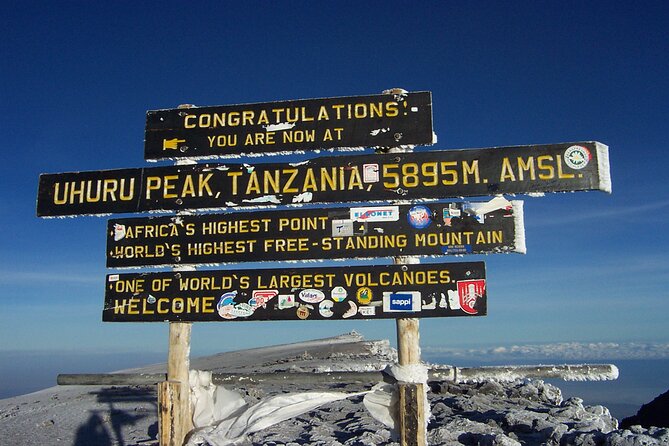
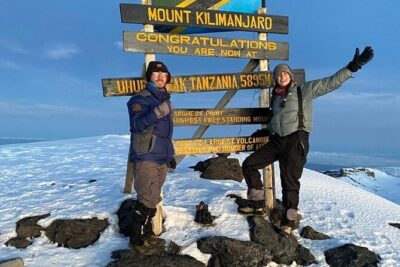
This is the heart of the Machame experience. You climb in the dark and aim to reach the summit in time to watch sunrise over the Great Rift Valley. After sunrise and pictures, you start descending down the mountain to below the tree line, then end at Mweka Camp for dinner and overnight.
A few practical points from this schedule:
- You will likely feel the altitude more on this day than any other.
- The timing is intense. Even if your body is strong, sleep and cold management can be your limiting factor.
- Your energy planning matters. If you under-eat or mismanage pacing earlier, summit day punishes that.
One realistic drawback to consider: day six is long. The “10 to 14+ hours” matters more than any “6 hours” listing in a summary. Your feet, legs, and mind need to handle a very long day with a steep climb section near the end.
If you’re the type who panics when plans get hard, this is the day to practice calm. The best thing you can do is follow the guide’s pacing and take the route one step at a time.
Day 7: Mweka forest hike out and drive back to Arusha
Day seven is your recovery day, but it’s not a free ride. You do a short three hour hike out through lush forest. It’s a gentler ending after the summit climb, and it helps you finish the trek with forward motion without the steep, high-altitude stress.
Then you meet the driver at the Mweka park gate, and you’re driven back to your hotel in Arusha.
This day matters because it closes the loop. Your body is still adjusting, and having a planned vehicle pickup prevents the usual chaos of “where do we go now?” The route description is straightforward, which is what you want after a long climb.
Who should book Machame with this operator, and who should think twice
This trek is clearly aimed at people who are up for sustained hiking and a serious summit day. It’s recommended for travelers with strong physical fitness and some hiking experience.
You’ll likely enjoy it most if:
- You want the scenic variety that comes with rainforest early on and open, dramatic terrain later.
- You prefer a 7-day schedule that makes acclimatization more manageable.
- You want a provider that handles the heavy logistics, including crew, rescue fees, meals, and camp comfort.
You should think twice if:
- You’re not comfortable with long days and the midnight summit start.
- You want a low-effort walk with lots of downtime.
- You have health limitations that require a more flexible, slower plan. (In that case, talk to a medical professional before committing.)
Quick value check: what to plan for outside the package
Because the tour includes fees, meals, tents, and guide support, you can focus on the climb and let the team handle operations. Still, you should plan for what’s not listed:
- Flights and taxes
- Visas
- Any optional activities
Also remember the weather requirement: the experience requires good weather, and if it’s canceled due to poor weather you’ll be offered a different date or a full refund. That matters when you’re planning around fixed vacation schedules.
Should you book this Machame route with Kitau Tanzania Safaris?
If your priority is a classic Kilimanjaro route that balances scenery with a schedule built for acclimatization, Machame makes sense. This specific package looks strong on the basics that decide whether a summit trek feels organized or stressful: certified medical-ready guide support, included rescue fees, full-board meals, tents, and camp infrastructure like quality mess tents.
I would book if you are physically ready for a demanding climb and you can handle the midnight summit timing. I would hold off if you need a very gentle pace or you know early starts and long hiking days will stress you more than you can manage.
FAQ
What route is this trek on?
This is the 7-Day Kilimanjaro Hiking Tour via the Machame Route, also known as the Whiskey route.
Where does the tour take place?
The tour is in Arusha, Tanzania.
How long is the trek?
It runs for 7 days (approximately).
What time do we start?
The meeting start time is 7:00 am.
Is pickup included?
Pickup is offered and the tour includes private transportation.
Are tents included?
Yes. All climbers sleep in tents, and tents are included.
What meals are included?
The tour includes full board meals, with breakfast (6), lunch (7), and dinner (6), plus drinking water.
Is a guide included?
Yes. You get a professional, English-speaking guide who is Wilderness First Responder & CPR certified.
Are park fees and other charges included?
Yes. The tour includes all fees and taxes, and admission tickets are included each day in the plan.
Are flights and visas included?
No. Flights and taxes are not included, and visas are not included.
What is the cancellation policy?
You can cancel for free up to 24 hours in advance for a full refund. If it’s canceled due to poor weather, you’ll be offered a different date or a full refund.
More Machame Departures
- 7-Day Machame Kilimanjaro Summit Tour from Arusha
★ 5.0 · 125 reviews - 6 Days: Hiking Kilimanjaro via Machame Route
★ 5.0 · 24 reviews - 6-Day Guided Tour in Machame Route Mt Kilimanjaro
★ 5.0 · 17 reviews - KILIMANJARO MACHAME ROUTE, (Climb 7days)
★ 5.0 · 16 reviews - 7 days Kilimanjaro climb via Machame route (Whiskey route)
★ 5.0 · 16 reviews
Kilimanjaro, Route by Route
- 8-Day Small-group Lemosho Kilimanjaro Summit Trekking
★ 5.0 · 186 reviews - 7-Day Machame Kilimanjaro Summit Tour from Arusha
★ 5.0 · 125 reviews - Mountain Kilimanjaro Day Hike
★ 5.0 · 102 reviews - 4 days Best experience Kilimanjaro Hike, Serengeti &Ngorongoro
★ 5.0 · 54 reviews - From Arusha/Moshi: Kilimanjaro Hike Marangu Route Day Trip
★ 4.5 · 54 reviews
Just added from around Arusha
Kilimanjaro Machame Route, compared.
 ★ 5.0Kilimanjaro climb, Machame Route (7-day)From $3,377262 reviews
 ★ 5.0Climbing Kilimanjaro – Machame RouteFrom $2,322170 reviews
 ★ 5.0Climbing Kilimanjaro through 7 days Machame RouteFrom $2,425151 reviews
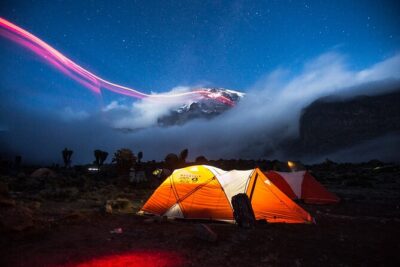 ★ 5.07-Day Machame Kilimanjaro Summit Tour from ArushaFrom $2,695125 reviews
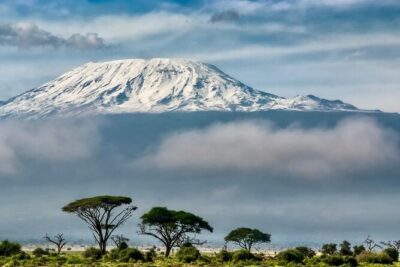 ★ 5.07 Days Kilimanjaro via Machame route affordable priceFrom $2,400110 reviews
 ★ 4.2#1. Best Kilimanjaro Day hike Tour-Machame Route-ISMANIFrom $11547 reviews
 ★ 5.07 Days Machame route – KilimanjaroFrom $2,85045 reviews
 ★ 5.0The Best of Machame Route in 6 Days: Your World’s Summit GuideFrom $1,15044 reviews
Browse the lists this tour appears in