
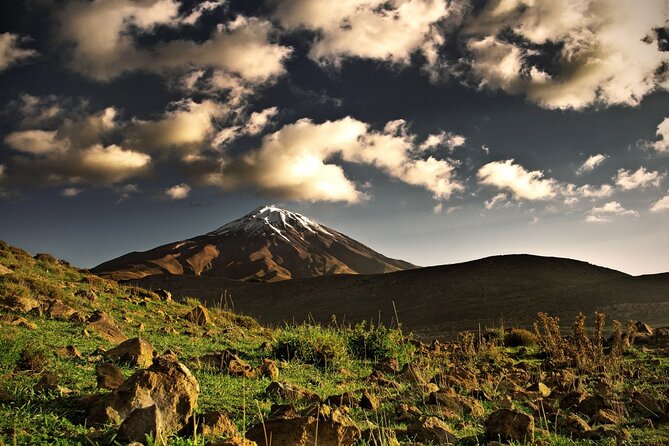
REVIEW · KILIMANJARO MACHAME ROUTE
7-Day Kilimanjaro Climbing Via Machame Route
Kilimanjaro is quieter at night, and harder too. This 7-day Machame route, also called the Whiskey Route, runs across Kilimanjaro climate zones, from tropical forest to the summit-area Arctic conditions, with camps placed to support gradual acclimatization.
I love how the route is built around viewpoints and gradual rhythm, especially around Barranco and the big-wall scenery.
I also like the team approach highlighted by this operator, with experienced guides such as William, Rama, Zach, David, and cook Hussein, plus consistent support for the key moments like the Barranco Wall crossing. The main drawback is the late-night grind, the midnight summit start and a long same-day descent can wear you out even if you are in good shape.
In This Review
- Key Highlights Before You Commit
- The Machame Route on Kilimanjaro, Whiskey Route Energy
- Price and What You Actually Get for $2,565
- Moshi to Machame Gate, Starting at 1,748m With Real Momentum
- Day 2 to Shira 2 Camp, Leaving the Trees for Heather and Wind
- Day 3 to Barranco Camp, Lava Tower Lunch and Great Breach Wall Views
- Day 4 to Karanga Camp, Crossing Barranco Wall Without Technical Stress
- Day 5 to Barafu, Positioning for the Midnight Summit Bid
- Day 6 Uhuru Peak, Stella Point Descent, and the Most Important Timing
- Day 7 Mweka Gate and Your Certificate Moment Back in Moshi
- Guides, Porters, and Why the Team Makes or Breaks Kilimanjaro
- Best Fit, Who Should Choose This 7-Day Machame Climb
- Final Decision, Should You Book This Machame 7-Day Trip?
- FAQ
- How long is the climb on the Machame route?
- Where do you start from in Moshi?
- What time does the experience start?
- Are meals included?
- Is there a certificate at the end of the climb?
- Is a visa included in the price?
- What is the cancellation policy?
Key Highlights Before You Commit
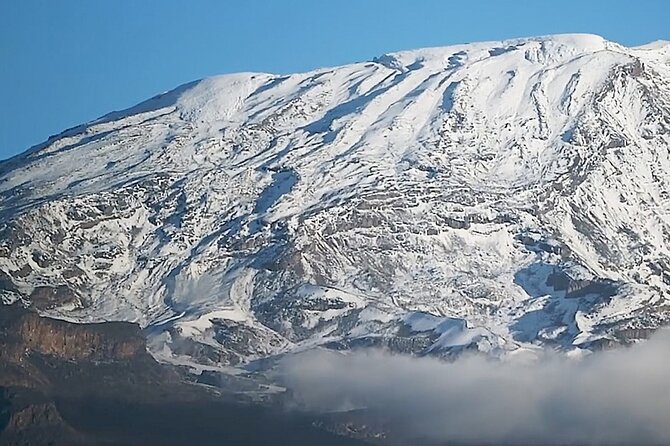
- Machame Route, also called the Whiskey Route, for varied eco zones and a classic Kilimanjaro feel
- Camps chosen for acclimatization, with the biggest altitude gains spread out over days
- Barranco Camp views, including standout sightlines toward the Great Breach Wall
- A non-technical Barranco Wall crossing, guided to keep it steady and manageable
- Midnight summit schedule, waking up at 11 pm for a sunrise arrival at Uhuru Peak
- Local team energy, with guides and porters who focus on keeping you comfortable and moving safely
Other ways up Kilimanjaro we reviewed
- Kilimanjaro climb by Lemosho Route (7-day)★ 5.0 · 651 reviews
- Kilimanjaro climb, Machame Route (7-day)★ 5.0 · 262 reviews
- Kilimanjaro Climbing Lemosho Route 8 Days.★ 5.0 · 186 reviews
- Climbing Kilimanjaro – Machame Route★ 5.0 · 170 reviews
The Machame Route on Kilimanjaro, Whiskey Route Energy
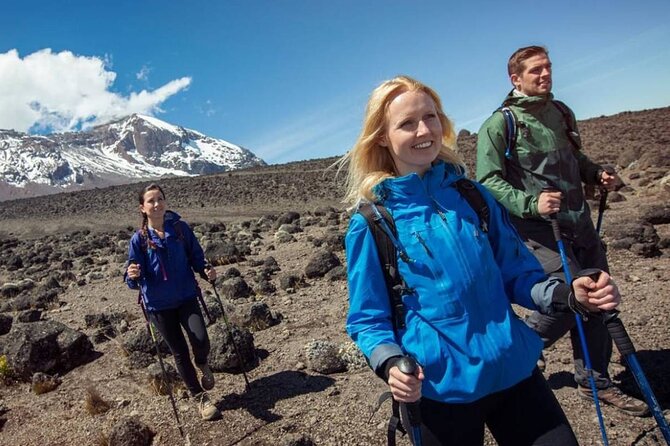
The Machame Route is popular for a reason. You start in the tropical rainforest zone and work your way upward through moorland and heather, then toward the summit area where conditions feel closer to the Arctic desert. It is the kind of climb where your surroundings change so often that time passes differently, even when the air gets thin.
This version is the 7-day plan, which you should strongly consider if you want better acclimatization spacing. The operator also notes you can do a 6-day climb, but the 7-day option is preferred because it gives you more time for your body to adjust.
You’ll also get the “big moments” that Kilimanjaro is famous for. Barranco gives you a world-class-feeling view line toward the Great Breach Wall, and the summit day is timed to aim for sunrise at Uhuru Peak. That mix of steady trekking plus one high-stakes night is what makes Machame feel like a proper Kilimanjaro story.
Price and What You Actually Get for $2,565
At $2,565 per person, this is not a budget deal. But it also is not “pay and hope.” The value comes from what’s included and how the climb is organized.
Here’s what you are getting as part of the package:
- Meals: 7 breakfasts, 7 lunches, and 6 dinners
- Pickup offered in Moshi
- Some park admissions included, including time at Machame Gate and again at Mweka Gate for your certificate moment
- You return to Moshi and end at a Premium Hotel, with an afternoon arrival target
On top of that, the operator’s stated team structure shows up in how people talk about the guides and cook. Names that come up repeatedly include William as a lead guide, plus team members like Rama, Zach, David, Hussein, Paul, Izadini, Joseph, and Donovan. The overall pattern is the same: guides and porters focus on making the mountain climb feel organized and safe, not chaotic.
Potential cost reality check: visa fees and international flights are not included. So your true trip cost depends on your country and flight plan. If you already know those, the $2,565 price starts to look more like “all the mountain work is handled,” rather than a rough starting price.
Moshi to Machame Gate, Starting at 1,748m With Real Momentum
You begin on the southern slope at Machame Gate (5,718 ft / 1,748 m). The route start is close to Moshi. The overview notes Machame Gate is about a 20-minute drive from Aishi Machame Hotel, which is a small but meaningful comfort if you do not want a long pre-trek slog.
Day 1 climbs to Machame Camp (9,350 ft / 2,850 m), and it takes about 5 to 7 hours. You are in the tropical rainforest zone, which matters for two reasons.
First, it helps you get into the rhythm without starting at extreme altitude immediately. Second, rainforest days often feel better mentally. You tend to get natural shade and steady hiking conditions, so your first day is about pacing, not survival.
Night one is spent at Machame Camp. That’s your base for the gradual pull upward, and it sets the tone for the route’s overall style: you move, you sleep high enough to adapt, and you do it in a way that reduces the “jump” feeling.
More Machame departures, compared
Day 2 to Shira 2 Camp, Leaving the Trees for Heather and Wind
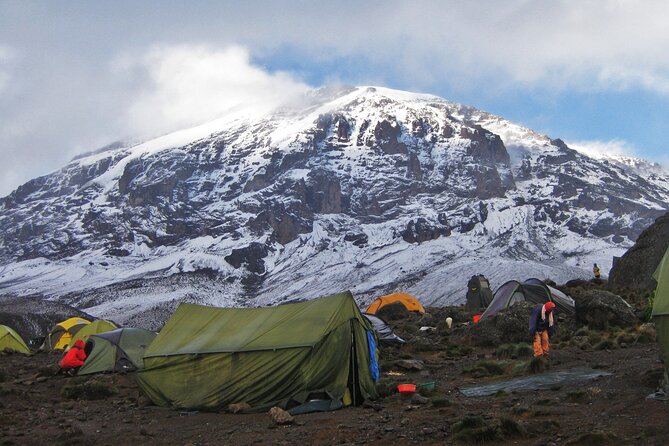
On Day 2, you start at Machame Camp (9,350 ft) and head for Shira 2 Camp (12,621 ft / 3,847 m). The day is about 8 hours and the key change is ecological.
You leave the rainforest zone and enter the Moorland/Heather Zone. That shift isn’t just visual. Fewer trees means more exposure to wind and temperature changes. It also means you’ll likely feel the altitude more clearly, because there is no thick canopy to soften the mountain air.
Shira 2 Camp is a night where you start to feel “high,” but it still fits the Machame plan of stepping up in a way that supports acclimatization. If you’re the type of hiker who dislikes sudden changes, this is one reason the Machame route can feel friendly compared with some faster itineraries.
Dinner and breakfast are included as part of the package, but the big practical point is simple: Day 2 is your transition day. Take it slow and treat it like the runway for the tougher scenery to come.
Day 3 to Barranco Camp, Lava Tower Lunch and Great Breach Wall Views
Day 3 starts at Shira 2 and hikes to Barranco Camp (13,066 ft / 3,983 m). It’s about 8 hours. This is where the Machame route starts to show its “classic Kilimanjaro drama.”
You hike toward the Lava Tower area for lunch. You then descend to Barranco Camp, and the terrain becomes more desolate as the desert-like conditions start to take over. That down-and-out feel is important, because Day 3 is one of the main moments where the climb teaches you how to manage altitude.
Barranco Camp is famous in this program for one big reason: the views of the Great Breach Wall. The plan notes those views are probably better than anywhere else on the mountain. Even if you do not obsess over geography, you’ll feel it in your body. You arrive, you catch your breath, and the scenery makes you stop for a minute, because it’s hard not to.
You sleep at Barranco Camp, which also sets you up well for the next day’s wall-crossing step.
Day 4 to Karanga Camp, Crossing Barranco Wall Without Technical Stress
Day 4 climbs from Barranco Camp (13,066 ft) to Karanga Camp (13,106 ft / 3,994 m). The hike is about 4 to 5 hours, and the key event is crossing the Barranco Wall.
This part is a psychological hurdle for many people, but the plan is clear: it is not technical, and your guides will assist you. That matters. You do not need mountaineering skills here. You need steadiness, good pacing, and the ability to trust the guide movement plan.
Karanga Camp sits right after that crossing, giving you a chance to recover and keep your acclimatization moving forward. The day is shorter than Day 2 or Day 3, which helps your body adjust after the big view day.
You’ll rest for the remainder of the day, and you sleep at Karanga Camp.
Day 5 to Barafu, Positioning for the Midnight Summit Bid
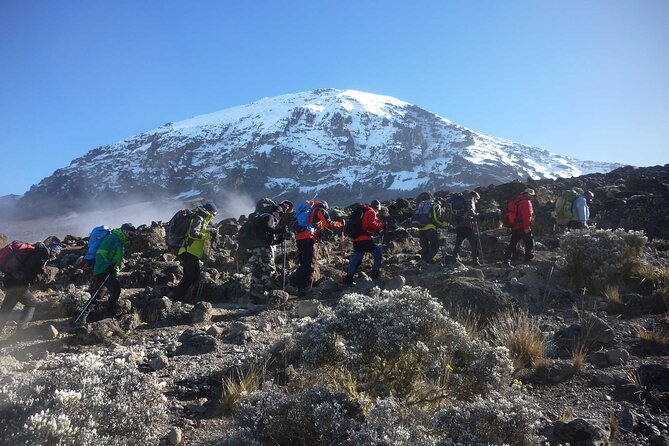
On Day 5 you go from Karanga Camp to Barafu Camp (15,239 ft / 4,644 m). Expect about 4 to 5 hours.
This is a turning point day. After the daytime climb, your schedule becomes extremely specific. The program notes that you’ll rest early, aiming to be asleep at about 7 pm, then waking up at 11 pm to prepare for the summit climb.
The reason this matters is the body and brain both. You are not just hiking uphill, you are also building a nighttime routine while oxygen levels are low. You’ll likely rely on your team more than usual, and this is where guide leadership pays off.
Barafu Camp is where you stage. It’s not the time to “chat your way into overexertion.” It’s the time to keep your energy for the main event.
Day 6 Uhuru Peak, Stella Point Descent, and the Most Important Timing
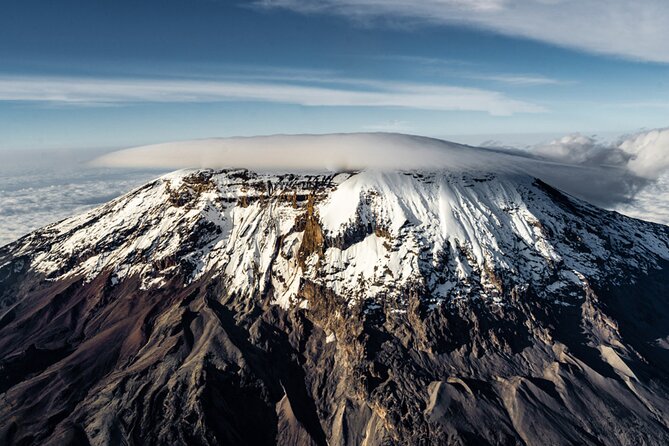
Day 6 is the summit day, and it has two parts: the ascent to Uhuru Peak and the descent via Stella Point.
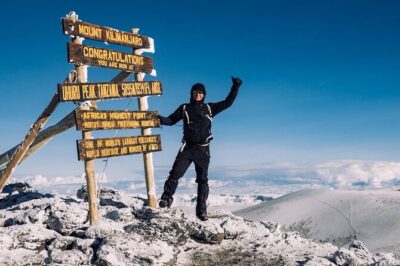
You start from Barafu at around midnight. The plan says the hike to Uhuru Peak takes about 7 hours and that you reach the summit around sunrise. That timing is the heart of this itinerary, because sunrise is when the goal becomes real and visibility is often better for photos.
From a practical standpoint, you’ll want to keep your effort steady, because the route here is less about speed and more about endurance at thin air. The climb is demanding, but it is also predictable in how it unfolds: midnight start, steady grind, sunrise reward.
After a short celebration at the top, you descend via Stella Point down all the way to Mweka Camp (10,204 ft / 3,110 m). The descent is about 6 to 8 hours. That’s a long day in your legs, and it’s also when tired decision-making can happen.
The route sets you up to handle this with rest nights and staged altitude gains leading up to the summit. Still, treat the descent like part of the challenge, not a victory lap.
You sleep at Mweka Camp to close out the week.
Day 7 Mweka Gate and Your Certificate Moment Back in Moshi
Day 7 starts with breakfast at Mweka Camp, then you descend to Mweka Gate (5,423 ft / 1,653 m). This last descent takes about 3 to 4 hours.
At the gate, you sign the official Kilimanjaro National Park register. You then get presented your official Kilimanjaro certificate by the head guide, plus a cold drink. It’s a simple finish line, and it helps you make the whole climb feel official, not just personal.
After that, you head back to Moshi by bus. The plan targets an arrival at a Premium Hotel in the mid-afternoon around 3 pm, depending on when you leave the morning camp.
This is where the Machame route feels complete. It doesn’t just drop you off at some random location. It brings you back into real life with enough daylight left to feel like you made it.
Guides, Porters, and Why the Team Makes or Breaks Kilimanjaro
People focus on summits. I get it. But on Kilimanjaro, the team can matter even more than the route name.
In this program, the guide names that show up in real climbing stories include William as the lead figure, with a support network that often includes Rama, Zach, David, and a cook named Hussein. Other guide names that come up in bookings include Izadini, Paul, Joseph, and Donovan.
What these names tend to represent in practical terms is:
- guidance that helps you keep moving at the right pace
- safety-minded decisions during tough sections
- consistent meal support, with enough focus on food quality that people describe meals as delicious
- communication and availability before and during the hike, including adjustments when needed
Even better, this team style shows up alongside the porters and cook effort, which is what makes nights livable. When you reach a camp exhausted, you want more than a sleeping spot. You want the day to be handled for you, so you can sleep and recover.
Best Fit, Who Should Choose This 7-Day Machame Climb
A 7-day Machame climb is best for you if you want:
- Variety across eco zones, from rainforest to moorland and toward summit desert conditions
- a route that uses multiple camps to support gradual acclimatization
- a classic Kilimanjaro rhythm with a major day for the Great Breach Wall views at Barranco
- the option of a summit start timed for sunrise around Uhuru Peak
This is also a good match if you like structure. The plan includes very clear timing like the 7 pm rest and 11 pm wake-up before the midnight summit start.
One caution: the program is aimed at people with at least moderate physical fitness level, but the schedule is still intense. Day 5 and Day 6 are long, and the same-day descent after summit is real work.
If you hate night starts and long descents, you may feel it more than someone who enjoys controlled suffering.
Final Decision, Should You Book This Machame 7-Day Trip?
I’d book this Machame 7-day climb if you want a route that checks the Kilimanjaro boxes in a balanced way: big scenery moments, staged acclimatization, and summit timing built around sunrise. The package also feels value-driven for what it includes, especially with meals handled, pickup offered, and certificate and admissions included at the key gate points.
I would think twice if you are highly sensitive to exhausting schedules. The midnight summit start and the long descent after Uhuru Peak are not optional. Also, since Machame is described as one of the more popular climb options, you should expect a lively mountain atmosphere rather than total solitude.
If you want a well-run team setup with guides like William and a strong camp support system, this 7-day Machame plan is a sensible choice.
FAQ
How long is the climb on the Machame route?
The experience is listed as 7 days approximately. There is also an option for a 6-day climb, but the 7-day version is described as preferred for better acclimatization.
Where do you start from in Moshi?
You start in the Moshi area and transfer to Machame Gate on the southern side of Kilimanjaro. Pickup is offered, and Machame Gate is noted as about a 20-minute drive from Aishi Machame Hotel.
What time does the experience start?
The listed start time is 12:00 am.
Are meals included?
Yes. The package includes breakfast 7 times, lunch 7 times, and dinner 6 times.
Is there a certificate at the end of the climb?
Yes. On the final day at Mweka Gate, you sign the official Kilimanjaro National Park register and receive an official Kilimanjaro certificate from the head guide.
Is a visa included in the price?
No. Visa and international flights are not included.
What is the cancellation policy?
Cancellation is free. You can cancel up to 24 hours in advance for a full refund, and changes within 24 hours of the start time are not accepted.
More Machame Departures
- Kilimanjaro climb, Machame Route (7-day)
★ 5.0 · 262 reviews - Climbing Kilimanjaro – Machame Route
★ 5.0 · 170 reviews - Climbing Kilimanjaro through 7 days Machame Route
★ 5.0 · 151 reviews - #1. Best Kilimanjaro Day hike Tour-Machame Route-ISMANI
★ 4.2 · 47 reviews - 7 Days Machame route – Kilimanjaro
★ 5.0 · 45 reviews
Kilimanjaro, Route by Route
- Kilimanjaro climb by Lemosho Route (7-day)
★ 5.0 · 651 reviews - Kilimanjaro climb, Machame Route (7-day)
★ 5.0 · 262 reviews - Kilimanjaro Climbing Lemosho Route 8 Days.
★ 5.0 · 186 reviews - Climbing Kilimanjaro – Machame Route
★ 5.0 · 170 reviews - Climbing Kilimanjaro through 7 days Machame Route
★ 5.0 · 151 reviews
Just added from around Moshi
Kilimanjaro Machame Route, compared.
 ★ 5.0Kilimanjaro climb, Machame Route (7-day)From $3,377262 reviews
 ★ 5.0Climbing Kilimanjaro – Machame RouteFrom $2,322170 reviews
 ★ 5.0Climbing Kilimanjaro through 7 days Machame RouteFrom $2,425151 reviews
 ★ 5.07-Day Machame Kilimanjaro Summit Tour from ArushaFrom $2,695125 reviews
 ★ 5.07 Days Kilimanjaro via Machame route affordable priceFrom $2,400110 reviews
 ★ 4.2#1. Best Kilimanjaro Day hike Tour-Machame Route-ISMANIFrom $11547 reviews
 ★ 5.07 Days Machame route – KilimanjaroFrom $2,85045 reviews
 ★ 5.0The Best of Machame Route in 6 Days: Your World’s Summit GuideFrom $1,15044 reviews
Browse the lists this tour appears in