
REVIEW · KILIMANJARO MACHAME ROUTE
7-Day Kilimanjaro Climb Machame Route–The Best Path to Uhuru Peak
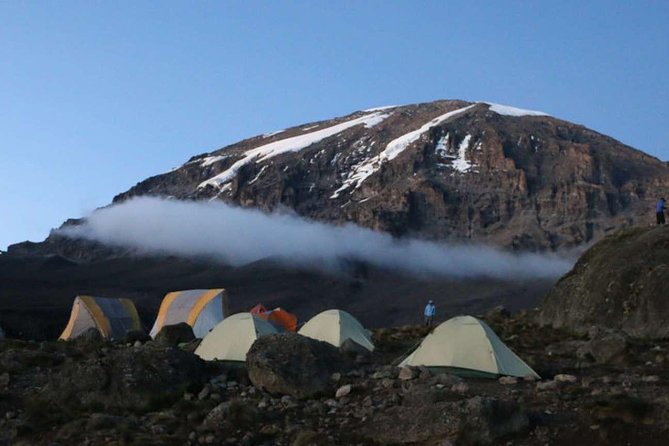
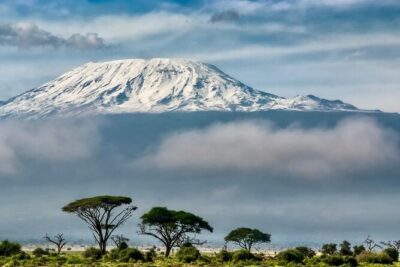
Kilimanjaro keeps changing its face. This 7-day Machame Route to Uhuru Peak mixes rainforest, moorland, and alpine desert as you gain altitude the smart way. I love how the route is paced for acclimatization, not just a brute-force push upward.
Two things I especially like. First, the hiking rhythm: you go up, catch your breath at key camps, and even climb higher for acclimatization before dropping back down. Second, the human side, the leadership and care from the guide team, with names like Frazier, Justin, and Abraham showing up in feedback and support stories.
One drawback to plan for: this is still a real summit trek. The final day is long, cold, and thin-air hard, with a 10 to 12 hour push from camp to Uhuru Peak at 5,895m, then descent. If you do not train and pace yourself, your body will notice fast.
In This Review
- Key highlights you will feel on this Machame climb
- Why the Machame Route is a strong bet for Uhuru Peak
- Day-by-day: what to expect from Machame Gate to Mweka Gate
- Day 1: Machame Gate to Machame Camp (1,800m to 2,835m)
- Day 2: Shira Cave Camp on the Shira Plateau (2,835m to 3,750m)
- Day 3: Lava Tower acclimatization, then down to Barranco Camp (3,750m to 4,600m then 3,900m)
- Day 4: Barranco Wall to Karanga Camp (3,900m to 4,035m)
- Day 5: Up to Barafu Camp, then early rest (4,035m to 4,640m)
- Day 6: Midnight summit to Uhuru Peak, then down to Mweka Camp (4,640m to 5,895m then 3,080m)
- Day 7: Mweka descent through rainforest to Mweka Gate (3,080m to 1,640m)
- Acclimatization: what this route does right (and what you still must do)
- Crew, food, and camp comfort: the value you notice most
- Price and value: what $2,812 covers and why it matters
- What you need to plan for: gear, water, toilets, and health
- Should you book this 7-day Machame climb?
- FAQ
- Where does the Kilimanjaro climb start and end?
- How long is the Machame climb?
- What is the highest point on this route?
- Is this a private trek?
- What does the price include?
- What is not included in the tour price?
- Are airport transfers included?
- Is emergency oxygen allowed for summit assistance?
Key highlights you will feel on this Machame climb
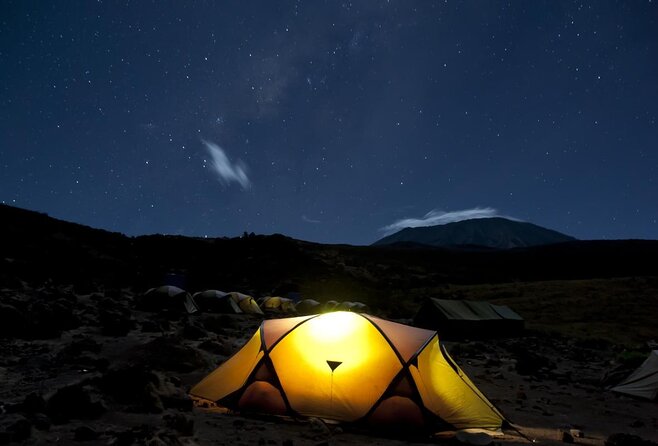
- Acclimatization that is built into the schedule, including the Lava Tower climb higher then sleeping lower pattern
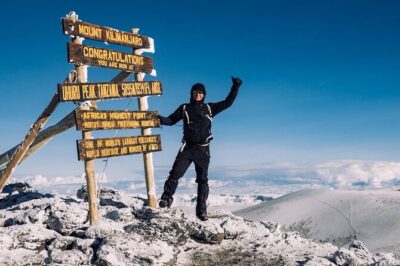
- Uhuru Peak at 5,895m reached on a midnight start, so you arrive in time to take in the view and celebrate
- Hot water wash daily plus fresh drinking water, which makes a noticeable difference after long hiking days
- Emergency oxygen and basic first aid included for emergencies only, plus trained guides and porters
- A supportive crew culture reported again and again, with guides encouraging calm, steady effort
Other ways up Kilimanjaro we reviewed
- Kilimanjaro climb by Lemosho Route (7-day)★ 5.0 · 651 reviews
- Kilimanjaro climb, Machame Route (7-day)★ 5.0 · 262 reviews
- Kilimanjaro Climbing Lemosho Route 8 Days.★ 5.0 · 186 reviews
- Climbing Kilimanjaro – Machame Route★ 5.0 · 170 reviews
Why the Machame Route is a strong bet for Uhuru Peak
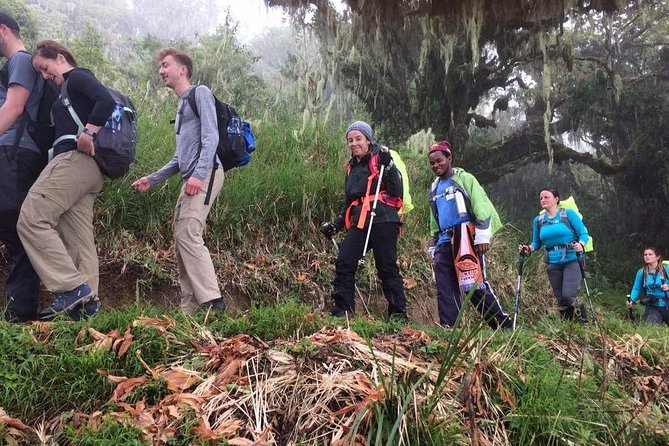
The Machame Route is popular for a reason. Over seven days, it gives you altitude gain with variation, so your trek does not feel like one long staircase. You hike through rainforest at the start, then you shift into cooler heath and moorland, and later you travel through dry alpine desert terrain as you get closer to Kibo. That change matters because your body adapts better when the day-to-day experience is not one-note.
The bigger advantage is the way the route supports acclimatization. You do not just climb to a higher camp and hope for the best. You reach certain high points, then you sleep lower so your system gets a chance to adjust. That is exactly what helps many hikers feel more in control during the summit approach.
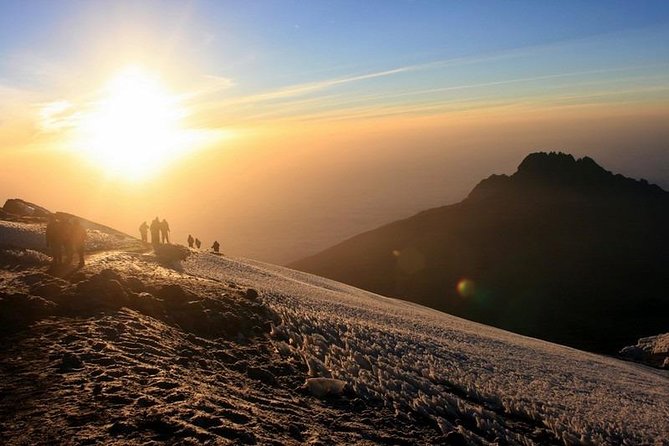
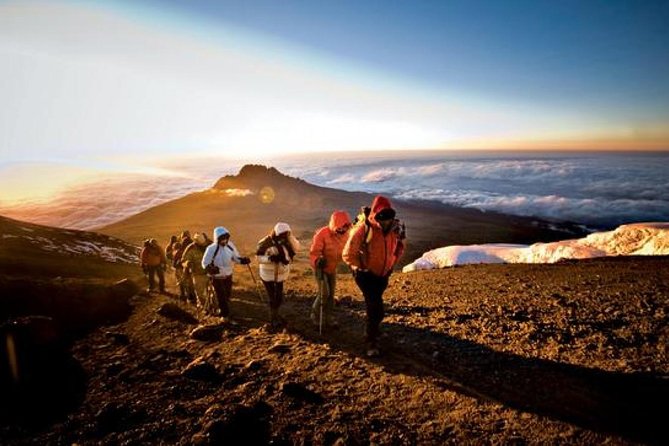
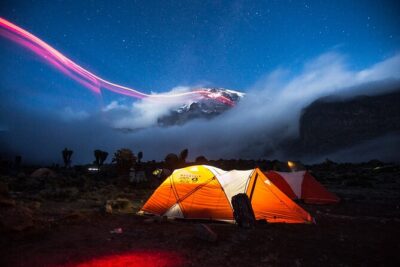
I also like that this climb aims for a summit attempt that is built into a clear routine. Starting the summit trek just after midnight is typical for Kilimanjaro, because the temperature is cold and the wind can pick up later. You will feel like you are moving in a different world, trekking under moonlight, until the summit moment arrives and you can finally stop thinking about meters and start thinking about the view.
Still, let’s be honest. Machame is a “challenging yet rewarding” route for a reason. It is not a stroll, and you should expect fatigue to build. The best way to make this feel rewarding is to treat every camp day as part of the climb, not downtime.
Day-by-day: what to expect from Machame Gate to Mweka Gate
Below is the practical feel of each day, including the altitude shifts that drive how you will likely feel.
Day 1: Machame Gate to Machame Camp (1,800m to 2,835m)
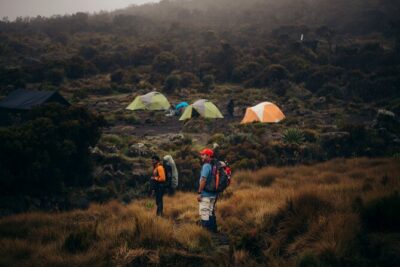
You start at Machame Gate and hike through rainforest, where the air is cooler than you expect at first and the trail feels alive with plants and wildlife. The hike takes about 5 to 7 hours, with arrival at Machame Camp around 2,835m.
This is a great day to get your legs working without rushing. You are not “failing” if this feels slow. In fact, a calm pace early can help you avoid the common mistake of spending your energy too fast.
More Machame departures, compared
Day 2: Shira Cave Camp on the Shira Plateau (2,835m to 3,750m)
Today you shift out of the rainforest feel and into heath and moorland. You climb to Shira Camp on the Shira Plateau, about 4 to 6 hours of trekking, landing around 3,750m. The views are a big part of the experience, with panoramas of Kibo Peak and surrounding valleys.
This is also where the air starts to feel thinner. Even if you are breathing hard, keep your effort smooth. If you push for speed, you will pay later, especially as the summit night approaches.
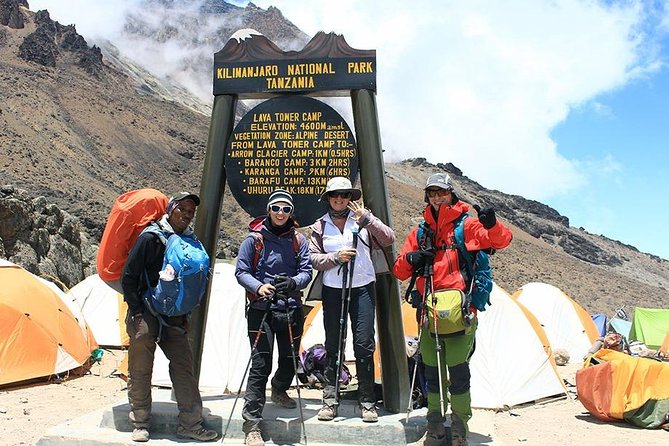
Day 3: Lava Tower acclimatization, then down to Barranco Camp (3,750m to 4,600m then 3,900m)
This is one of the most important days on the climb. You go up to Lava Tower for acclimatization around 4,600m, then descend to Barranco Camp around 3,900m. Expect about 6 to 8 hours trekking.
The payoff is twofold. You get the big high-altitude moment at Lava Tower, and you also get the relief of sleeping lower afterward. That “climb higher, then recover lower” design is one of the best ways to reduce altitude stress during a Kilimanjaro ascent.
The terrain here also changes character again. Alpine desert sections can feel stark and exposed, so bring a mindset for dryness, cold, and wind.
Day 4: Barranco Wall to Karanga Camp (3,900m to 4,035m)
You tackle the Barranco Wall, a thrilling scramble that is still managed in a safe way by your guide team. After that, you keep trekking through valleys to reach Karanga Camp around 4,035m. Expect about 4 to 5 hours.
This day is a confidence builder. It is not just physical, it is mental. Once you’ve handled Barranco Wall, you will likely feel more ready for the summit push days, because you have already proven you can manage rocky sections at altitude.
Also, pay attention to how you move. Scrambling rewards technique, not brute strength.
Day 5: Up to Barafu Camp, then early rest (4,035m to 4,640m)
A gradual ascent takes you to Barafu Camp, about 4 to 5 hours. You will reach around 4,640m and then rest early because you start your final ascent at midnight.
This is the day when your sleep becomes part of the strategy. Even if you feel fine, your body is storing up energy. If you eat too little or rush around the camp like you have all day, you often regret it later.
Think simple: get your layers ready, follow your guide’s routine, and focus on conserving energy.
Day 6: Midnight summit to Uhuru Peak, then down to Mweka Camp (4,640m to 5,895m then 3,080m)
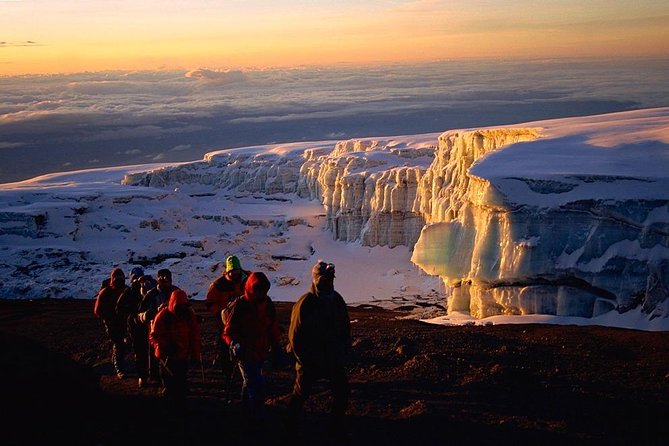
This is the main event. You start just after midnight and trek in moonlight toward Uhuru Peak at 5,895m. The trekking time is typically 10 to 12 hours, and after celebrating, you descend to Mweka Camp around 3,080m.
This is a long day in every sense, from the physical workload to the mental focus required when the altitude is high. You will likely feel cold for most of the ascent, and the air will feel thin even if you are moving steadily.
The key here is pacing. The summit is not a sprint. Your guides will manage the rhythm and keep you moving within a safe comfort level, using the emergency systems provided if anything goes wrong.
Day 7: Mweka descent through rainforest to Mweka Gate (3,080m to 1,640m)
After breakfast, you descend through the rainforest toward Mweka Gate. Expect about 3 to 4 hours trekking, dropping to around 1,640m.
You also get your summit certificate at the gate, which is a nice marker that turns the whole day into something official and memorable. Then it is back to Moshi after the trek ends at the meeting point.
This is also when you appreciate the design choice of descending via rainforest. The change in vegetation and temperature can feel like relief after the stark summit approach.
Acclimatization: what this route does right (and what you still must do)
This climb gives you multiple chances to adapt, which is one reason it can work well for first-time summit seekers. You get a day around Shira Plateau, then a high point at Lava Tower with a lower sleeping camp afterward. Later, the route continues with a scrambling and valley day at high altitude before the summit push.
The biggest “mechanical” win is that the trek includes both rising and recovery. If you only climb and never allow your body to settle, you raise the odds of altitude sickness. Here, the structure supports a steadier acclimatization process.
Still, the route can’t do everything for you. You need to follow pacing instructions, eat what you’re given, and report symptoms early. If you feel off, do not try to power through silently. This route includes emergency oxygen and basic first aid, but those are for emergencies, not a free pass.
If you want one practical takeaway, it’s this: treat every camp break like it matters. Hydrate, rest, and keep your effort controlled on walking days. That is the difference between finishing the trek feeling proud and finishing it feeling battered.
Crew, food, and camp comfort: the value you notice most
Kilimanjaro is often described as a summit climb, but what you really experience is a full week of logistics plus altitude. This tour takes away a lot of the stress because it includes the people and the systems that keep you moving.
You have qualified mountain guides, assistant guides, porters, and a cook, all with wages included. That means your time and attention can stay on hiking and recovery instead of managing every detail.
Food support is also a big deal. Lunch and dinner are provided on seven days each, and breakfast is included on six days. On summit day, this matters because calories and routine help your body run better during a cold, long climb.
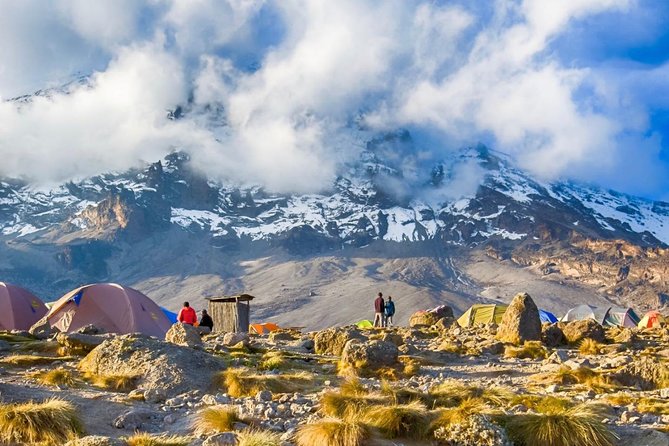
Camp comfort is surprisingly important too. You are provided camping equipment like tents, camp chairs, tables, and sleeping mattress. And you get fresh water for drinking plus hot water for a wash daily. After a day above the treeline, being able to freshen up can improve how you sleep and how you feel the next morning.
One more point that stood out in feedback: people mention kindness and strong leadership, often naming Frazier, Justin, and Abraham. That shows up in how guides check in and keep morale steady. There is also mention of a positive, Hakuna Matata style attitude, which can help you keep your head clear when you are tired and waiting your turn in the dark.
Price and value: what $2,812 covers and why it matters
At $2,812 per person, the price is not small. The value comes from what you are buying besides the mountain view.
You are covered for all fees and taxes, and you get return transfers between Kilimanjaro airport and Moshi. That alone can save time, hassle, and risk if you are not already in Tanzania.
You also get critical support items and staffing. Emergency oxygen and basic first aid are included for emergencies only, plus qualified guides, assistant guides, porters, and cook wages. On top of that, camping equipment and daily water and hot-water washing are part of the package.
This is where you should do a simple mental math check. If you try to cobble together logistics yourself, you often end up spending similar money on pieces, then discovering you still need training, staffing, and camp setup to run safely. Here, the structure is already bundled.
So, what can you still expect to pay extra for? Your flights and visas are not included. Travel and health insurance is not included, and you also handle personal medicine and water purifying tablets. Your personal hiking gear is not included, but you can rent it from stores in Moshi.
What you need to plan for: gear, water, toilets, and health
This climb includes drinking water and hot water wash, which helps with hydration and cleanliness. But personal water purifying tablets are not included, so you should bring those or plan to source them before you go.
You also need to handle personal medicine. The tour provides emergency oxygen and basic first aid, but you should still come prepared for personal needs.
Gear is another area to be clear about. Personal hiking and trekking gear is not included, though you can rent gear in Moshi. That means you should arrive with a plan for what you will rent versus what you will carry. At altitude, small comfort items become important, so do not wait until the last minute to get your rentals sorted.
Portable toilet is optional, but strongly recommended. This is one of those topics that people like to avoid, but it matters when you are living on a mountain for multiple days.
Finally, keep your expectations realistic. The tour lists moderate physical fitness as the baseline. That does not mean easy, it means you should be ready to hike daily for hours, including a very long summit day.
Should you book this 7-day Machame climb?
If you want the best mix of scenery, acclimatization support, and a summit attempt designed with a clear midnight rhythm, this Machame Route is a solid pick. It also fits well if you care about crew leadership and a calm, caring team vibe, especially if names like Frazier, Justin, and Abraham mean something to you from your research.
I would lean toward booking if you are the kind of person who can follow pacing, listen to guidance, and treat rest as part of success. You will likely appreciate the inclusion of daily hot-water washing, full meal coverage, and emergency support.
I would think twice if you hate cold nights, do not want a long summit day, or struggle with consistent daily hiking. This climb rewards steady effort, not last-minute courage.
FAQ
Where does the Kilimanjaro climb start and end?
The experience starts in Moshi Urban, Tanzania, and it ends back at the same meeting point.
How long is the Machame climb?
It is a 7-day trek, listed as approximately 7 days.
What is the highest point on this route?
The summit day targets Uhuru Peak at 5,895m.
Is this a private trek?
Yes. It is listed as a private tour/activity, meaning only your group participates.
What does the price include?
The price includes all fees and taxes, return transfers between Kilimanjaro airport and Moshi (and Moshi back to the airport), emergency oxygen for emergencies only, a basic first aid kit, qualified guides and porter staff, camping equipment, fresh drinking water, hot water for a daily wash, and meals (lunch 7 times, dinner 7 times, and breakfast 6 times).
What is not included in the tour price?
Not included are flights and visas, travel and health insurance, personal nature items, personal hiking and trekking gear (you can rent in Moshi), an optional portable toilet, personal medicine, and water purifying tablets, plus any meals and drinks not specified and snacks.
Are airport transfers included?
Yes. Return transfers are included from Kilimanjaro airport to Moshi and from Moshi to Kilimanjaro airport.
Is emergency oxygen allowed for summit assistance?
No. Emergency oxygen is included for use in emergencies only, not as summit aid.
More Machame Departures
- Kilimanjaro climb, Machame Route (7-day)
★ 5.0 · 262 reviews - Climbing Kilimanjaro – Machame Route
★ 5.0 · 170 reviews - Climbing Kilimanjaro through 7 days Machame Route
★ 5.0 · 151 reviews - #1. Best Kilimanjaro Day hike Tour-Machame Route-ISMANI
★ 4.2 · 47 reviews - 7 Days Machame route – Kilimanjaro
★ 5.0 · 45 reviews
Kilimanjaro, Route by Route
- Kilimanjaro climb by Lemosho Route (7-day)
★ 5.0 · 651 reviews - Kilimanjaro climb, Machame Route (7-day)
★ 5.0 · 262 reviews - Kilimanjaro Climbing Lemosho Route 8 Days.
★ 5.0 · 186 reviews - Climbing Kilimanjaro – Machame Route
★ 5.0 · 170 reviews - Climbing Kilimanjaro through 7 days Machame Route
★ 5.0 · 151 reviews
Just added from around Moshi
Kilimanjaro Machame Route, compared.
 ★ 5.0Kilimanjaro climb, Machame Route (7-day)From $3,377262 reviews
 ★ 5.0Climbing Kilimanjaro – Machame RouteFrom $2,322170 reviews
 ★ 5.0Climbing Kilimanjaro through 7 days Machame RouteFrom $2,425151 reviews
 ★ 5.07-Day Machame Kilimanjaro Summit Tour from ArushaFrom $2,695125 reviews
 ★ 5.07 Days Kilimanjaro via Machame route affordable priceFrom $2,400110 reviews
 ★ 4.2#1. Best Kilimanjaro Day hike Tour-Machame Route-ISMANIFrom $11547 reviews
 ★ 5.07 Days Machame route – KilimanjaroFrom $2,85045 reviews
 ★ 5.0The Best of Machame Route in 6 Days: Your World’s Summit GuideFrom $1,15044 reviews
Browse the lists this tour appears in