
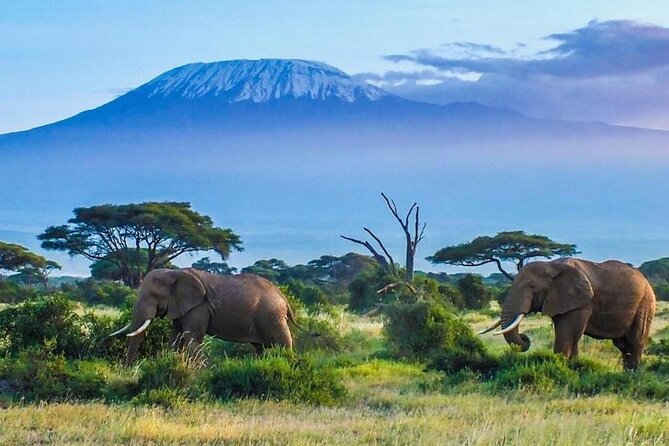
REVIEW · KILIMANJARO MACHAME ROUTE
7-Day Kilimanjaro Climb Machame Route
Stella Point sunrise is the main event here. This 7-day Machame Route from Moshi takes you through rainforest, moorland, semi-desert, and alpine desert, with steeper hiking and tent camping instead of huts. It is known as the Whiskey route because it can feel tough, but the payoff is big views and a real sense of moving through the mountain’s zones.
I love the way the acclimatization days are built into the plan. You do a key evening at Barranco after reaching the Lava Tower area, then you get the short Karanga day that helps your body settle in before the big effort. I also love that the South Circuit timing lets you see both Mawenzi and Kibo from Barafu, so summit day is not a blind leap into the unknown.
One consideration: Machame is steeper and more demanding than some alternatives, and summit night involves heavy scree, a long cold push, and a tough mental stretch from Stella Point to Uhuru Peak. If you skip key basics like trekking poles and gaiters, you will feel it in mud and rocky sections.
In This Review
- Key things to know before you book Machame
- Machame Route, the Whiskey Route, and why hikers pick it
- Price and value: what you pay for on a 7-day climb
- Moshi to the park: getting started with the right momentum
- Day 1 to Day 2: rainforest climb, then Shira moorlands
- Day 3 to Day 4: Lava Tower and Barranco, then the short Karanga day
- Day 5: Barafu Hut and the South Circuit views
- Day 6: Summit push from the crater rim, Stella Point to Uhuru Peak
- Day 7: Descent to Mweka Gate, certificates, then back to Moshi
- What’s included, what’s not, and the gear choices that matter most
- Who this Machame climb suits best
- Should you book Unique Planet Safaris for Machame?
- FAQ
- How long is the Kilimanjaro climb on the Machame route?
- Where does the climb start and end?
- Is pickup offered and are airport transfers included?
- What route is used for this climb?
- What meals are included during the trek?
- Are park fees included in the price?
- What is not included in the package?
- How big is the group?
- What are the cancellation terms?
- What fitness level do I need?
Key things to know before you book Machame
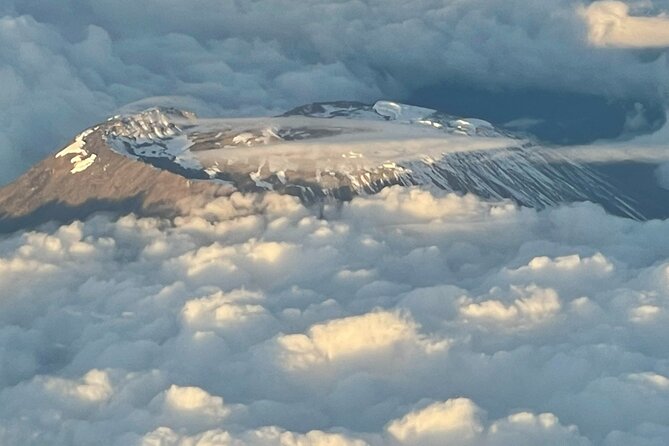
- You get a real habitat change every day, from rainforest to moorland to alpine desert
- Acclimatization is intentional, with Shira, Barranco, and the shorter Karanga day
- Summit night is the hardest segment, including Stella Point at 18,600 ft and possible snow all the way
- Tent nights mean you travel lighter mentally, but you must handle cold and weather packing well
- Group size stays small, up to 20 travelers, which often makes logistics feel smoother
- Food and organization matter here, with consistent support and a guided pace that helps you keep moving
Other ways up Kilimanjaro we reviewed
- Kilimanjaro climb by Lemosho Route (7-day)★ 5.0 · 651 reviews
- Kilimanjaro climb, Machame Route (7-day)★ 5.0 · 262 reviews
- Kilimanjaro Climbing Lemosho Route 8 Days.★ 5.0 · 186 reviews
- Climbing Kilimanjaro – Machame Route★ 5.0 · 170 reviews
Machame Route, the Whiskey Route, and why hikers pick it
Machame is the most popular Kilimanjaro route, and for a good reason. The climb does not just go up in a straight line, it rotates through different climates and terrain. That variety makes the hike feel like a journey, not a grind with the same scenery all day.
The route is also famous for being tougher than the more gradual Marangu option. You hike longer steeper sections, and you sleep in tents. That mix is part of why Machame has a strong following, including many seasoned climbers. You get dramatic views and a clear sense that you are earning every hour.
If you like active days, and you are the type who takes pride in tough routes, Machame fits. If you want a slow, gentle start with huts and a more predictable walking rhythm, Machame might feel like a lot.
Price and value: what you pay for on a 7-day climb
At $2,280 per person, this climb sits in the “serious adventure” price bracket. The key question is what you get for that money, and in this package you get the essentials that matter on Kilimanjaro.
Your trip includes all park fees, transfers from and to the airport, accommodation, and a full set of meals (breakfast 6, lunch 7, dinner 6). For most people, the big cost on Kilimanjaro is not just walking days. It is the logistics, guiding team, and the costs tied to being inside the national park.
What is not included is also important for your budgeting. You are responsible for visa, international flights, any personal gear rentals, and mountaineering insurance. If you plan to rent gear, add that cost before you lock your final budget. Also plan your health coverage early, because insurance is one of those “small line item, big consequences” decisions.
Net: you are paying for a guided, structured climb with park access and meals handled. That is good value if you want to focus on training, packing, and acclimatizing instead of chasing paperwork and logistics.
Moshi to the park: getting started with the right momentum
You start out in Moshi, and the drive to the Kilimanjaro National Park gate takes about 50 minutes. Along the way you pass Machame village on the lower slopes, which is a nice early reminder that the mountain is part of a living landscape and community, not just a peak on a brochure.
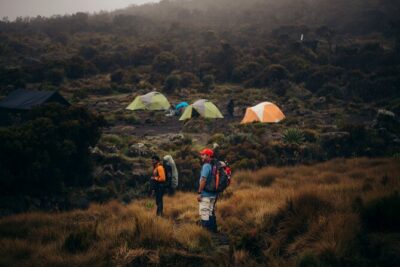
Once you enter the park, the walking begins right away. Day 1 starts in rainforest with a winding trail up a ridge. Lower down, the trail can get muddy and slippery, so this is where I’d be strict about your early gear choices.
Bring and use trekking poles and gaiters from the start. They matter most on the day you feel fresh and think you can skip “just this once.” You also have a long enough hike on Day 1, 11 km and about 5 to 7 hours, that your body learns the rhythm of steady effort and moving with purpose.
More Machame departures, compared
Day 1 to Day 2: rainforest climb, then Shira moorlands
Day 1: Machame Camp (5,400 ft to 9,400 ft, 11 km, 5-7 hours, rain forest)
Day 1 is your warm-up in altitude and your real introduction to Kilimanjaro trail conditions. Rainforest often means damp air and slick patches. You gain height steadily and you learn how your legs react when the ground is less predictable.
You walk from the park gate along the ridge to reach Machame Camp. The plan here is to get you moving and establish a baseline. If you go out too fast on Day 1, you will pay for it later, especially once you hit colder zones.
Day 2: Shira campsite (9,400 ft to 12,500 ft, 5 km, 4-6 hours, moorland)
Day 2 looks shorter on paper, 5 km, but the altitude jump can still feel punchy. You leave the glades of the rainforest and start climbing toward heather-covered ridges, then you transition toward a river gorge.
The moorland feel is different, more open and exposed, so you can get colder even if you feel fine while climbing. You also get a proper end point at Shira campsite for rest and dinner before the next big navigation days.
This is one reason I like Machame as a route option. Your days are not just about distance, they are about pacing through changing zones.
Day 3 to Day 4: Lava Tower and Barranco, then the short Karanga day
Day 3: Shira to Barranco (12,500 ft to 13,000 ft, 10 km, 6-8 hours, semi desert)
This is a day with multiple landmarks and a purpose. From the Shira Plateau, you head east up a ridge, then move toward the junction for the peak of Kibo. You continue toward the Lava Tower, often called the Shark’s Tooth.
After that, you reach the Arrow Glacier area at about 16,000 ft, then descend to Barranco Hut at 13,000 ft. The key point is that you end the day close to where you started, but you have still gained and challenged your system. That is acclimatization in action.
At Barranco, you rest and enjoy dinner, and the day sets you up for tomorrow. I’d treat this day like a training day, not a sightseeing marathon.
Day 4: Barranco to Karanga Valley campsite (13,000 ft to 13,100 ft, 5 km, 4-5 hours, alpine desert)
Day 4 is short on elevation and distance. You continue from Barranco and climb a steep ridge past Barranco Wall, then reach Karanga Valley campsite.
Short days like this can be a psychological relief when you are tired, but they are also strategic. It gives your body time to adjust before Barafu. If you get this day wrong by pushing too hard, it can make the final stretch on Day 5 and Day 6 feel heavier.
Day 5: Barafu Hut and the South Circuit views
Day 5: Karanga to Barafu (13,100 ft to 15,300 ft, 4 km, 4-5 hours, alpine desert)
Day 5 is brief and steep. You head for the junction that connects with the Mweka Trail, then continue up to Barafu Hut. This is where you have completed the South Circuit, and the altitude is high enough that the air feels thin and your pace matters even more.
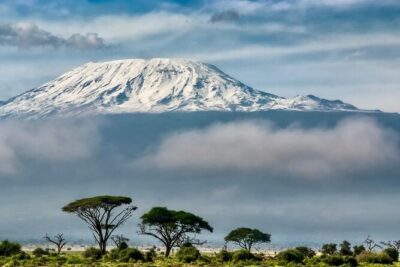
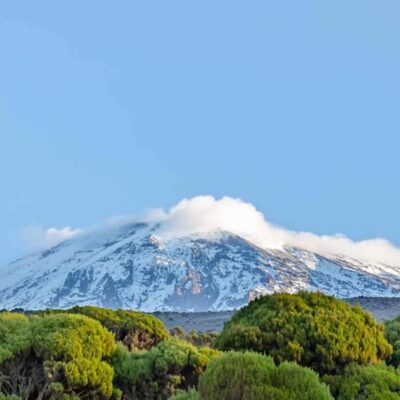
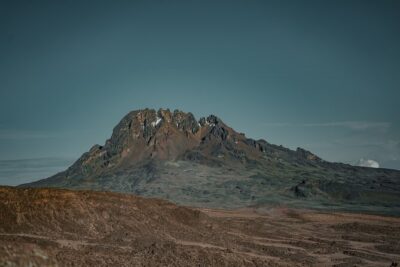
The big detail here is the summit-angle payoff. From Barafu, you can see both Mawenzi and Kibo. That matters because your summit effort is not just an abstract goal. You can visually connect where you are to where you are going.
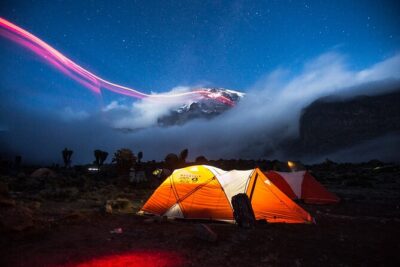
At Barafu you camp, rest, eat, and prepare for summit night. This is also the day to handle your clothing and layers thoughtfully, since summit conditions can swing from chilly to brutally cold.
Day 6: Summit push from the crater rim, Stella Point to Uhuru Peak
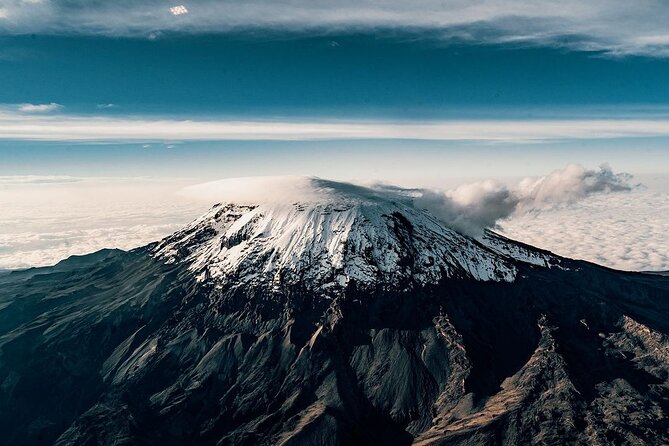
This is the day that defines your Kilimanjaro story.
You start very early in the morning, climbing toward the summit between the Rebmann and Ratzel glaciers. The route heads northwest, and you ascend through heavy scree toward Stella Point on the crater rim at 18,600 ft.
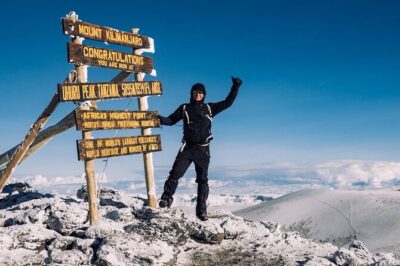
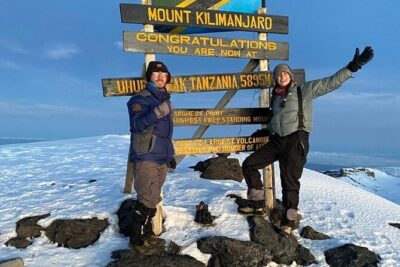
Stella Point is where you stop for a short rest, and where weather permitting you get one of those sunrise moments you will remember for years. After that, the plan continues with about a 1-hour ascent to Uhuru Peak, the highest point on Mount Kilimanjaro and the continent of Africa.
A practical note: snow is possible all the way up the final stretch. The cold at altitude can make you feel slower, even if your legs are okay. Keep moving steadily, dress for the chill, and do not burn energy early because you might need it later on that last climb.
This day is not just about fitness. It is about pacing your breathing, staying calm, and accepting that summit night is mentally demanding. If you train for hills and long days, you will still benefit, but the mental strategy matters as much as the muscle.
Day 7: Descent to Mweka Gate, certificates, then back to Moshi
Day 7: Mweka Park Gate to Mweka Village to Moshi (10,000 ft to 5,400 ft, 10 km, 3-4 hours, rainforest)
After breakfast, you descend to the Mweka Park Gate to receive your summit certificates. At lower elevations it can be wet and muddy, so your legs might feel fine but your footing can get tricky.
This is where I am glad you planned for traction. Gaiters and trekking poles help with balance on slick ground. Shorts and t-shirts may be enough for the gate area, but keep rain gear and warmer layers handy because Kilimanjaro weather loves to change its mood.
After the gate, you continue about an hour to Mweka Village. A vehicle then meets you and drives you back to your hotel in Moshi. It is a satisfying end, and you get your official proof that you made it.
What’s included, what’s not, and the gear choices that matter most
Included in the package is the stuff that protects your time and reduces stress: transfers from and to the airport, park fees, accommodation, and meals. The moveable pieces are already handled, so you can focus on staying well and following the pacing.
Not included is the cost and hassle of certain essentials like personal gear rentals, visa, international flights, and mountaineering insurance. If you already own your hiking system, great. If you need to rent, confirm which items are available and factor in rental timing.
On this route specifically, these items matter most:
- Trekking poles for muddy sections on Day 1 and Day 7, and for steep ridges
- Gaiters to keep grit and wet from chewing up your socks and boots
- Layering that works for cold summit conditions, plus rain protection for the descent
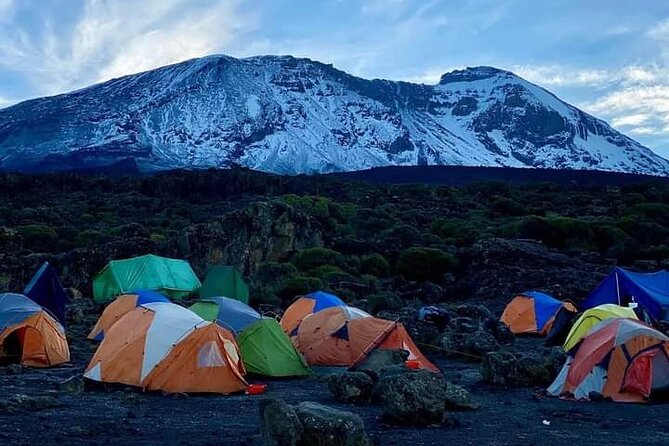
- A realistic approach to cold nights, because you are sleeping in tents
You do not need to overpack. You do need to pack smart. The mountain takes care of testing your choices.
Who this Machame climb suits best
This 7-day Machame trek is for you if you have moderate physical fitness and you are ready for steep, sometimes rocky hiking. The route’s profile is demanding enough that you should feel comfortable on long uphill days before you arrive.
It also suits people who want:
- A route with multiple habitat changes
- A structured acclimatization plan
- A summit experience that starts from the crater rim, with Stella Point sunrise potential
If you are short on time, very sensitive to cold, or you want a slower walk with huts and less scree, you might feel squeezed on Machame. In those cases, comparing against gentler route styles could be worth it.
Should you book Unique Planet Safaris for Machame?
I would book this if you want a classic Machame climb with a clear plan, a small group limit, and support that helps you keep pace on summit night. The combination of park access, meals, and transfers removes a lot of friction from your trip, which is exactly what you want when you are spending days at altitude.
I would not book it if you cannot handle steep hiking or if you are missing key gear and insurance planning. Machame is not a casual hike. It is an earned summit climb where preparation shows up on your boots and your breathing.
If you do your training and pack thoughtfully, this route has everything that makes Kilimanjaro feel real: rainforest starts, high moorland air, semi-desert segments, an intense summit push, then a muddy but meaningful return to Moshi with certificates in hand.
FAQ
How long is the Kilimanjaro climb on the Machame route?
The climb is listed as 7 days (approx.).
Where does the climb start and end?
It starts in Moshi, Tanzania. The experience ends back at the meeting point, with a vehicle transfer from Mweka Village to your Moshi hotel after reaching Mweka Park Gate and Mweka Village.
Is pickup offered and are airport transfers included?
Pickup is offered, and transfers from and to the airport are included.
What route is used for this climb?
This experience is the Kilimanjaro Machame route.
What meals are included during the trek?
Meals included are breakfast (6), lunch (7), and dinner (6).
Are park fees included in the price?
Yes, all park fees are included.
What is not included in the package?
Personal gear rentals, visa, international flights, and mountaineering insurance are not included.
How big is the group?
The maximum group size is 20 travelers.
What are the cancellation terms?
You can cancel up to 24 hours in advance for a full refund. If you cancel less than 24 hours before the start time, the amount paid is not refunded.
What fitness level do I need?
You should have a moderate physical fitness level.
More Machame Departures
- Kilimanjaro climb, Machame Route (7-day)
★ 5.0 · 262 reviews - Climbing Kilimanjaro – Machame Route
★ 5.0 · 170 reviews - Climbing Kilimanjaro through 7 days Machame Route
★ 5.0 · 151 reviews - #1. Best Kilimanjaro Day hike Tour-Machame Route-ISMANI
★ 4.2 · 47 reviews - 7 Days Machame route – Kilimanjaro
★ 5.0 · 45 reviews
Kilimanjaro, Route by Route
- Kilimanjaro climb by Lemosho Route (7-day)
★ 5.0 · 651 reviews - Kilimanjaro climb, Machame Route (7-day)
★ 5.0 · 262 reviews - Kilimanjaro Climbing Lemosho Route 8 Days.
★ 5.0 · 186 reviews - Climbing Kilimanjaro – Machame Route
★ 5.0 · 170 reviews - Climbing Kilimanjaro through 7 days Machame Route
★ 5.0 · 151 reviews
Just added from around Moshi
Kilimanjaro Machame Route, compared.
 ★ 5.0Kilimanjaro climb, Machame Route (7-day)From $3,377262 reviews
 ★ 5.0Climbing Kilimanjaro – Machame RouteFrom $2,322170 reviews
 ★ 5.0Climbing Kilimanjaro through 7 days Machame RouteFrom $2,425151 reviews
 ★ 5.07-Day Machame Kilimanjaro Summit Tour from ArushaFrom $2,695125 reviews
 ★ 5.07 Days Kilimanjaro via Machame route affordable priceFrom $2,400110 reviews
 ★ 4.2#1. Best Kilimanjaro Day hike Tour-Machame Route-ISMANIFrom $11547 reviews
 ★ 5.07 Days Machame route – KilimanjaroFrom $2,85045 reviews
 ★ 5.0The Best of Machame Route in 6 Days: Your World’s Summit GuideFrom $1,15044 reviews
Browse the lists this tour appears in