
REVIEW · KILIMANJARO MARANGU ROUTE
6 Days Trekking Marangu Route Mount Kilimanjaro
Marangu makes Kilimanjaro feel almost doable. This 6-day Marangu Route climb runs at a constant, moderate pace on a well-developed trail for most of the trek. I love the hut-based nights, which feel more comfortable than camping routes when you’re tired and altitude is already doing its thing.
I also like how well the whole operation is run. In past trips with this provider, guides like Michael and Yano were singled out for caring attention, and communication was praised as clear from start to finish. One consideration, though: the summit night is steep and demanding, and you’ll earn every step on the rocky sections.
If you want a structured climb with small-group logistics and solid support, this is one of the more practical ways to tackle Mount Kilimanjaro. And with a maximum of 6 travelers, you avoid the big-chaos feeling that can happen on popular routes.
In This Review
- Key things I’d circle before booking
- Why the Marangu Route is often the “most manageable” Kilimanjaro plan
- Price and logistics: what $1,900 really buys you
- Before day one: timing, group size, and where the trek begins
- Day 1: Rainforest trekking to Mandara Hut, plus the Kisambioni picnic
- Day 2: Mandara to Horombo Hut through moorland and rocky, dry-feeling plants
- Day 3: The acclimatization day at Horombo, Zebra Rocks, and Mawenzi views
- Day 4: The alpine desert, the last water point, and a very early night
- Day 5: Summit night from 2330 hrs, Hans Meyer point, and Gillman’s steep zigzags
- Day 6: Descent to Marangu Gate through cloud forest, then certificates
- Huts, meals, and the comfort factor on a route that is still high-altitude hard
- Value check: included transfers, guides, porters, and why it affects your comfort
- Weather and the reality of a “best weather” trek
- Who should book this Marangu Route trek, and who should be cautious
- Should you book the 6 Days Trekking Marangu Route on Kilimanjaro?
- FAQ
- What time does the trek start?
- Where do we start, and when do we depart for Marangu Gate?
- How long is the trek?
- What kind of accommodation is used during the climb?
- Are meals included?
- Is pickup and transfer included?
- What is included in the price?
- What is not included?
- What summit certificates are awarded?
Key things I’d circle before booking
- Marangu Route in 6 days with rainforest, moorland, alpine desert, and cloud forest in one trip
- Simple mountain huts instead of tent camping for your nights
- Well-timed acclimatization including an extra night at Horombo on Day 3
- A tougher summit approach via Hans Meyer point and Gillman’s point on the crater rim
- Support that matters: guides Michael and Yano, plus a team that helps with trekking needs
- Strong value on the basics with park fees, guides, porters, cooks, transfers, and 7 meals included
Other ways up Kilimanjaro we reviewed
- 8-Day Small-group Lemosho Kilimanjaro Summit Trekking★ 5.0 · 186 reviews
- 7-Day Machame Kilimanjaro Summit Tour from Arusha★ 5.0 · 125 reviews
- Mountain Kilimanjaro Day Hike★ 5.0 · 102 reviews
- 4 days Best experience Kilimanjaro Hike, Serengeti &Ngorongoro★ 5.0 · 54 reviews
Why the Marangu Route is often the “most manageable” Kilimanjaro plan
The Marangu Route is known for one big thing: it’s built for steady hiking. Most days give you a constant, moderate rhythm rather than constant sudden steepness. That matters because on Kilimanjaro, your biggest enemy is often not a single hill, it’s wasted energy and poor pacing.
This itinerary starts in rainforest and climbs step by step through different climate zones. That’s not just scenery. It helps your body adjust as you gain altitude gradually. On many treks, your day feels like “forward progress,” not “survive the next bend.”
The other practical reason people like Marangu is hut sleeping. You’re still on a mountain, so don’t expect a hotel. But you can sleep in huts on this route, which can feel like a real advantage when you’re doing late-night summit work and trying to recover fast.
Price and logistics: what $1,900 really buys you
At $1,900 per person, this isn’t a budget trek. But when you look at what’s included, it starts to make sense for serious planning.
Included items cover the essentials that usually add up quickly:
- park fees, plus all fees and taxes
- professional guides
- porters and cooks, including their salaries
- private transportation and arrival and departure transfers
- nights accommodation before climbing
- 7 breakfasts, 7 lunches, and 7 dinners
Also, you get pickup offered and a mobile ticket. That sounds small, but it reduces friction when you arrive tired, or you’re coordinating from Arusha or Moshi.
What’s not included is also clear: international and domestic flights, visa fees, tips, alcohol, and mountaineering insurance. If you’re trying to compare “total trip cost,” these add-ons are where plans can differ a lot.
Bottom line: this price looks best if you want a guided, all-in logistics package with meals handled and park access covered.
Before day one: timing, group size, and where the trek begins
The trek is scheduled to start around 7:00 am, with departures from Arusha or Moshi around 0800 hrs to Marangu Gate for registration. That timing matters. You want to begin the hike while the route is calm and the day still has time to unfold.
The maximum group size is 6 travelers, which usually means less waiting around and more consistent guide attention. When you’re dealing with altitude and early starts, small-group pacing can be a gift.
You’ll be using private transport for the movement around town and back out at the end. That’s part of why this itinerary feels “comfortable” compared to options that rely on shared rides and long public transfers.
Marangu, other operators and other lengths
Day 1: Rainforest trekking to Mandara Hut, plus the Kisambioni picnic
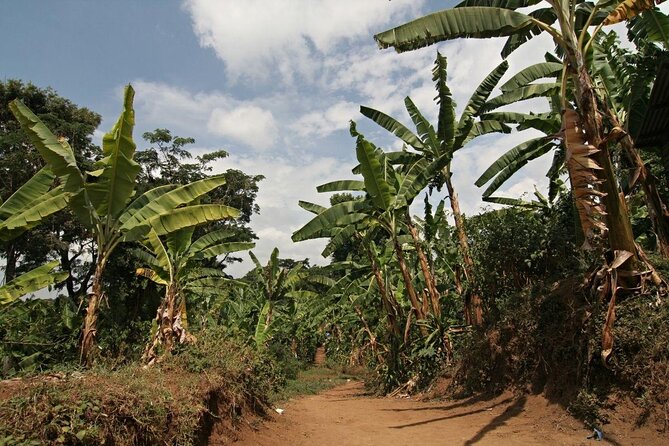
Day 1 is your warm introduction to Kilimanjaro’s everyday feel. You depart Marangu Gate, then walk along a narrow trail through rainforest for most of the hike. That means humidity, steady effort, and a path that can be damp underfoot.
You stop for a picnic lunch at Kisambioni, which is a halfway marker for the day. It’s a useful structure point. Instead of guessing when you’ll eat, you get a planned break, and then you move on.
After lunch, you continue through the rainforest until you reach Mandara Hut. The plan then gives you a relaxed afternoon. If you feel good, you can add a short walk to Mahundi Crater. On a clear day, the views are described as striking, including east views toward Taveta and northwest views toward Mawenzi Peak.
What to watch on Day 1: focus on steady breathing. Even though this is often called the easier start, rainforest trekking still adds fatigue quickly.
Day 2: Mandara to Horombo Hut through moorland and rocky, dry-feeling plants
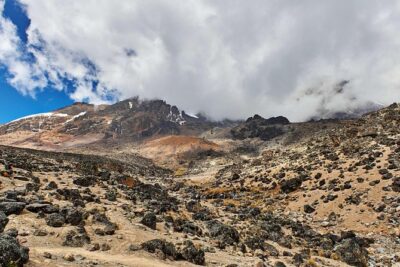
Day 2 shifts the vibe. After breakfast, you leave Mandara and head toward Horombo Hut. A large part of the day runs through Kilimanjaro moorland, a rocky terrain with desert-like plants.
You’ll have a picnic lunch at Kambi ya Taabu. Again, the day is structured so you’re not guessing when you’ll eat. That keeps energy steadier than a “snack whenever” plan.
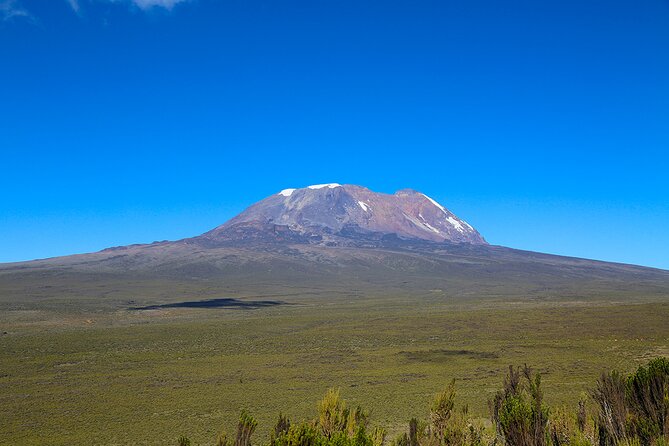
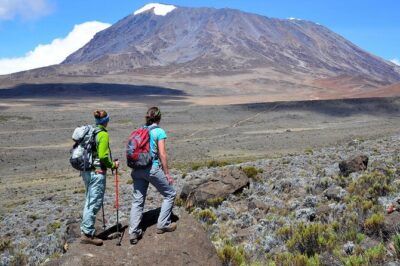
If the weather cooperates, this is one of the days for standout views. The route can offer beautiful sightlines toward Mawenzi and Kibo peaks. On days like this, you’ll be glad you didn’t spend all your effort trying to run the trail.
You arrive at Horombo Hut around 1500 hrs, then you’ve got time to rest and recover. That rest period is not free time, it’s altitude strategy. Let your body settle before Day 3 pushes acclimatization further.
Day 3: The acclimatization day at Horombo, Zebra Rocks, and Mawenzi views
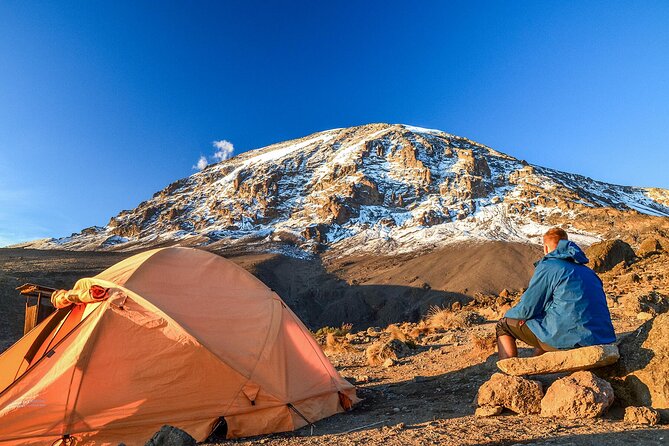
Day 3 is an extra night at Horombo. That might sound like a “slow day,” but it’s one of the most important parts of your trip. The whole reason is to help your body acclimatize before the real summit work.
The itinerary recommends hiking toward Mawenzi with a stop at Zebra Rocks. The timing given is about 3 hours up and 1.5 hours down. That means it’s a real hike, not a casual stroll, but it’s designed to be controlled.
This day is where you learn your pacing. If you push too hard, you’ll feel it later. If you take it smart and consistent, you’ll set yourself up better for the steep night on Day 5.
When this day goes right, it also improves your comfort level on the climbs that come after. You’re still climbing, but your body is more prepared.
Day 4: The alpine desert, the last water point, and a very early night
Day 4 starts your push into higher, colder terrain. After breakfast, you continue ascent into the alpine desert. You pass the last water point at 13550 ft / 4130 m.
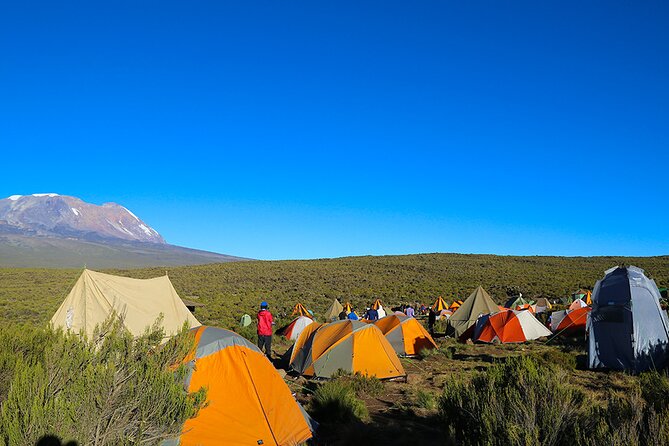
This is a key operational detail. You’ll need to fill your water bottles with the water you’ll need until you return to Horombo in two nights’ time, unless you’re willing to buy mineral water at Kibo Hut. So for planning, your water strategy is part of your success.
The summit gain from here is described as a further 3921 ft / 1195 m, and the final ascent is planned the same night. The itinerary even suggests going to bed around 1830 hrs and prioritizing sleep.
If you only remember one thing about Day 4, remember this: you are setting up your body for night climbing. Sleep is not optional. It’s performance.
Day 5: Summit night from 2330 hrs, Hans Meyer point, and Gillman’s steep zigzags
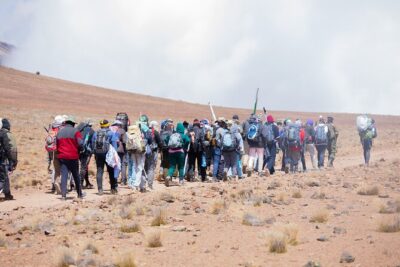
This is the day you’ll judge the entire trip by. Around 2330 hrs, you wake up and start with tea and biscuits. Then you shuffle onto the trail. The itinerary calls out that this is where it gets tough, and it’s not exaggerating.
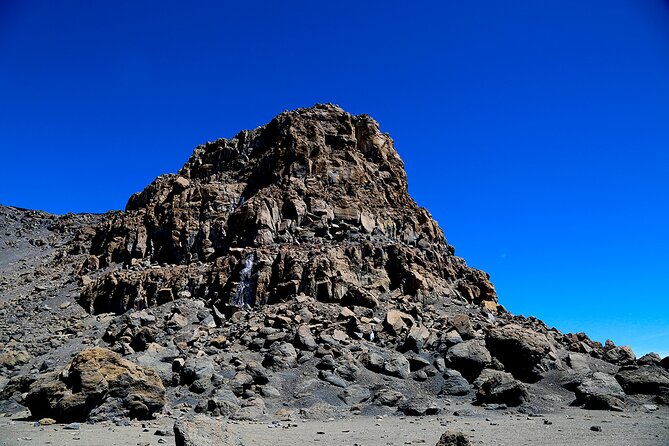
The route begins with a rocky climb toward Hans Meyer point (17225 ft / 5250 m). That point is also noted as a good resting spot. You’ll likely feel the altitude and the rock underfoot immediately.
Then you zigzag up to Gillman’s point (18639 ft / 5681 m) on the crater rim. This section is steep, with a lot of stone screed. The effort is physical, but it’s also mental. You’ll want a steady rhythm, not a sprinting mindset.
If you’re someone who panics when the trail is rough, this is where mental training matters. Keep your pace small and controlled, and focus on the next steps, not the summit as a distant idea.
Day 6: Descent to Marangu Gate through cloud forest, then certificates
After breakfast, you end the trek with a descent to Marangu Gate. The last trek on Kilimanjaro is described as beautiful, passing through Kilimanjaro’s cloud forest.
The main practical note is about footing. Watch your step on the descent, because the trail can be slippery. This is when people rush, and it’s also when small slips become big problems. Trekking smart on the way down matters as much as trekking smart going up.
At Marangu Gate, you sign for departure. This is also where successful climbers receive their summit certificates.
The itinerary’s certificate thresholds are specific:
- reaching Gillman’s Point (18652 ft / 5685 m) gets a silver certificate
- reaching Uhuru Peak (19341 ft / 5895 m) gets a gold certificate
Then your vehicles are waiting to take you back to Arusha.
Huts, meals, and the comfort factor on a route that is still high-altitude hard
On the Marangu Route, you’re sleeping in simple mountain huts. This is often an advantage versus camping routes, especially if you prefer a more structured setup. Your body still needs rest, and huts can be easier to manage logistically during a high-altitude trip.
Food is handled for the full trek: 7 breakfasts, 7 lunches, and 7 dinners are included. That means you’re not trying to plan meals at altitude, and you’re not worrying about where you’ll eat each day. For a trek that includes a night climb, this is a real convenience.
Also, this style of organized support tends to matter most when you’re tired and your supplies are limited. Past experiences with this provider highlight guides who looked after the group well and a team of porters who helped with trekking needs like small backpacks. That kind of help can take stress off your shoulders.
Just keep expectations realistic. “Simple huts” means you trade luxury for convenience and routine.
Value check: included transfers, guides, porters, and why it affects your comfort
A lot of Kilimanjaro trips advertise “guides included.” This one includes a bigger support picture:
- professional guides
- porters and cook salaries
- park fees
- arrival and departure transfers
- private transportation
When all those pieces are handled, you’re free to focus on the hike. You’re not negotiating logistics day by day. You’re not worrying about whether you’ll get access cleared. That’s part of why people rate this style of trip highly for organization and communication.
The small group size, up to 6 travelers, also helps your experience feel less crowded and more managed. At altitude, that can make the days feel calmer.
Weather and the reality of a “best weather” trek
This experience requires good weather. If it has to be canceled due to poor weather, you’ll be offered a different date or a full refund. That’s important because Kilimanjaro conditions can change quickly, and your summit night depends on visibility and safety.
So plan to travel with some flexibility in your schedule. Even with careful planning, nature runs the show.
Who should book this Marangu Route trek, and who should be cautious
This tour suits you if:
- you want the Marangu Route experience with hut nights
- you like structured acclimatization, including the extra night at Horombo
- you prefer clear logistics over trip-by-trip improvisation
- you’re looking for a small group with good communication and support
You might think twice if:
- you’re not comfortable with the idea of a late-night, very steep summit push with rocky scree sections
- you’re expecting a fully easy hike, because “easier route” still means “serious altitude challenge”
- you rely on everything being fully covered, because tips and travel insurance are not included in the tour cost
The Marangu Route is a practical choice, but it isn’t a casual hike.
Should you book the 6 Days Trekking Marangu Route on Kilimanjaro?
If you want an organized, hut-based Kilimanjaro climb with solid day-by-day structure, I’d say this is a strong match. The mix of rainforest start, moorland day, acclimatization hike with Zebra Rocks, and the alpine desert to summit sequence is well planned. And the included meals and support team help the trek feel manageable when conditions get tough.
Book it if you can commit to the summit night effort and you’re okay with a “simple huts” style of comfort. Skip it or compare alternatives if your priority is avoiding steep rocky sections, or if you don’t want to budget for insurance, tips, and flights.
For the right traveler, this is a smart, value-focused way to chase Uhuru Peak or at least earn the certificate milestone along Gillman’s route.
FAQ
What time does the trek start?
The scheduled start time is 7:00 am.
Where do we start, and when do we depart for Marangu Gate?
You depart Arusha or Moshi around 0800 hrs to Marangu Gate for registration.
How long is the trek?
The trek is listed as 6 days (approximately).
What kind of accommodation is used during the climb?
You stay in simple mountain huts during the trek.
Are meals included?
Yes. Breakfast, lunch, and dinner are included for 7 days each.
Is pickup and transfer included?
Yes. Pickup is offered, and arrival and departure transfers are included, along with private transportation.
What is included in the price?
The price includes all fees and taxes, private transportation, nights accommodation before climbing, professional guides, guides’, porters’, and cooks’ salaries, park fees, and the included meals.
What is not included?
International and domestic flights, visa fees, tips, alcoholic beverages, and mountaineering insurance are not included.
What summit certificates are awarded?
Summit certificates are issued at Marangu Gate. Reaching Gillman’s Point earns a silver certificate, and reaching Uhuru Peak earns a gold certificate.
The Marangu Trail
- Private Full Day Hiking Experience to Marangu Route
★ 5.0 · 61 reviews - From Arusha/Moshi: Kilimanjaro Hike Marangu Route Day Trip
★ 4.5 · 54 reviews - Mount Kilimanjaro Day Hike Through Marangu Route to Mandara Hut
★ 5.0 · 37 reviews - Marangu waterfall & Coffee making Cultural Tour | BURIGI CHATO SAFARIS CO LTD
★ 5.0 · 12 reviews - Climb Kilimanjaro – Marangu Route 8 Day Program
★ 5.0 · 10 reviews
Kilimanjaro, Route by Route
- 8-Day Small-group Lemosho Kilimanjaro Summit Trekking
★ 5.0 · 186 reviews - 7-Day Machame Kilimanjaro Summit Tour from Arusha
★ 5.0 · 125 reviews - Mountain Kilimanjaro Day Hike
★ 5.0 · 102 reviews - 4 days Best experience Kilimanjaro Hike, Serengeti &Ngorongoro
★ 5.0 · 54 reviews - From Arusha/Moshi: Kilimanjaro Hike Marangu Route Day Trip
★ 4.5 · 54 reviews
Just added from around Arusha
Kilimanjaro Marangu Route, compared.
 ★ 5.0Kilimanjaro climb, Marangu route (6-day)From $2,90272 reviews
 ★ 5.0Climbing Kilimanjaro – Marangu RouteFrom $2,00465 reviews
 ★ 5.0Private Full Day Hiking Experience to Marangu RouteFrom $26061 reviews
 ★ 4.5From Arusha/Moshi: Kilimanjaro Hike Marangu Route Day TripFrom $10154 reviews
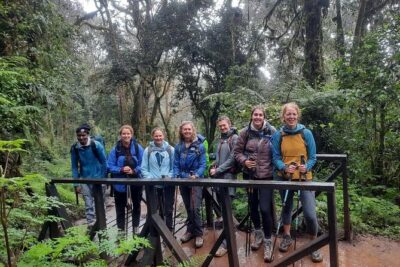 ★ 5.0Mount Kilimanjaro Day Hike Through Marangu Route to Mandara HutFrom $26537 reviews
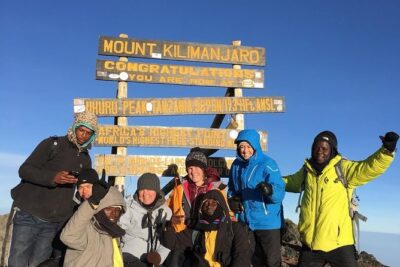 ★ 5.0Kilimanjaro Climbing 5 days Marangu routeFrom $90022 reviews
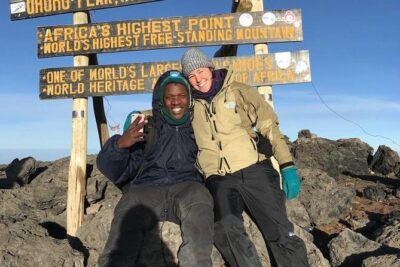 ★ 5.0Best Kilimanjaro Adventures 6 Days Marangu Route ExperienceFrom $1,00018 reviews
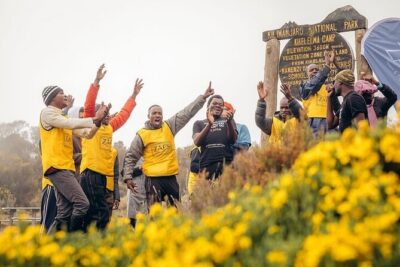 ★ 5.0Kilimanjaro Private Climbing in 6 Days Marangu RouteFrom $2,00016 reviews
Browse the lists this tour appears in