
REVIEW · KILIMANJARO MARANGU ROUTE
Climb Kilimanjaro – Marangu Route 8 Day Program
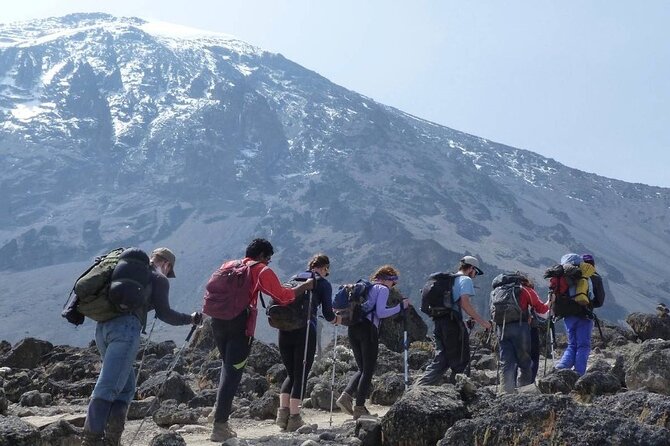
Kilimanjaro gets real fast, even on the Marangu Route. What makes this trek feel so approachable is the hut-based Marangu trail plus a clear, service-friendly itinerary that loops up and back on the same path. I like that it builds in time to acclimatize at Horombo Hut, and the final summit plan is timed for sunrise, not a random late push.
Still, here’s the key caution: Marangu is marketed as the easiest route, but the success rate can be low because lots of people jump in without the fitness for altitude. If you want a calm, controlled climb, you have to respect the schedule and listen to your body, even when the trail looks tame on the map.
In This Review
- Key things I’d plan for
- Marangu Route Reality Check: Hut Beds on a “Tourist” Trail
- Price and What You’re Really Paying For ($2,111, 8 Days, Hut-Based)
- Getting to Kilimanjaro: Moshi, Pickup, and a Simple Start at Springlands
- Day-by-Day: Moshi to Mandara, Horombo, and Kibo Huts
- Day 1: Arrive and settle in Moshi
- Day 2: Rainforest hiking to Mandara Hut (about 4 hours)
- Day 3: To Horombo Hut, with Mawenzi views (about 5 to 6 hours)
- Day 4: Acclimatization day at Horombo (plus zebra rocks training up to 4,100 m)
- Day 5: Kibo Hut and the lunar saddle feeling (about 6 to 7 hours)
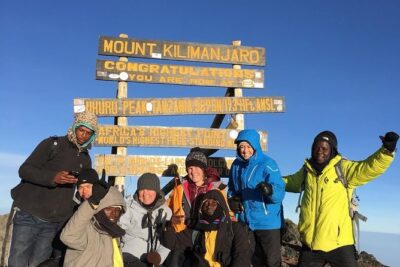
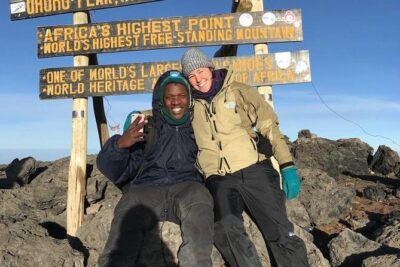
- Day 6: Summit night from Gilman’s Point to Uhuru Peak sunrise
- The Summit Strategy: Why This Schedule Works (and When It Doesn’t)
- Comfort on the Way Up: Meals, Water, Toilets, and Wi-Fi
- Guides and Crew: How the Team Makes or Breaks the Experience
- Who This 8-Day Marangu Program Fits Best
- Should You Book This Kilimanjaro 8-Day Marangu Route Program?
- FAQ
- How long is this Kilimanjaro Marangu Route program?
- Where do you start and end the trek?
- What kind of accommodation do you get on the mountain?
- Is running water available at the huts?
- Does the price include meals and park fees?
- Do I need to bring my own climbing gear?
Key things I’d plan for
- Hut comfort, not camping: You sleep in huts most nights, which keeps gear and daily life simpler.
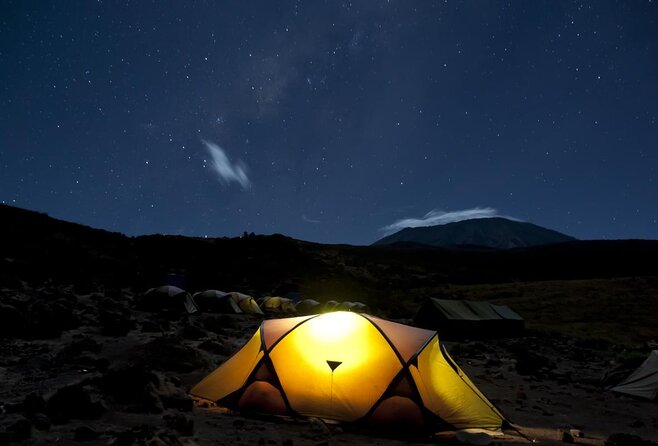
- A built-in altitude buffer: You get an extra acclimatization day at Horombo Hut (3,720 m).
- Summit timing is intense: The push starts around 1:00 a.m. to reach Uhuru Peak at sunrise.
- No running water at Kibo Huts: Expect basic conditions as you get closer to the summit zone.
- Same-track ascent and descent: You’ll see parts of the mountain twice, which can feel both practical and repetitive.
Other ways up Kilimanjaro we reviewed
- 8-Day Small-group Lemosho Kilimanjaro Summit Trekking★ 5.0 · 186 reviews
- 7-Day Machame Kilimanjaro Summit Tour from Arusha★ 5.0 · 125 reviews
- Mountain Kilimanjaro Day Hike★ 5.0 · 102 reviews
- 4 days Best experience Kilimanjaro Hike, Serengeti &Ngorongoro★ 5.0 · 54 reviews
Marangu Route Reality Check: Hut Beds on a “Tourist” Trail
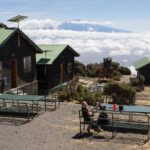
The Marangu Route is often called the tourist route for a reason. Along the way, you’ll find established services, predictable stops, and the big comfort upgrade of hut accommodation. Instead of hauling everything into tents, you’re moving from one hut area to the next, with staff and structure built around the trek.
That hut setup changes the feel of the climb. Your day pack stays manageable, your sleeping routine is more consistent, and you are not constantly fighting wind and wet ground. If you’re the type of person who wants to focus on altitude and the walking, rather than camp logistics, this matters.
One more thing I like about Marangu: it is relatively easy compared to other Kilimanjaro routes, and it is shorter. But don’t let the word easy trick you. The mountain still climbs on your heart rate. Marangu’s lower success rate is a real consideration because many unfit people attempt Kili on this route, assuming the hut beds make it simple. They don’t.
Price and What You’re Really Paying For ($2,111, 8 Days, Hut-Based)
At about $2,111 per person, this is not a budget trek. But it is also not just “a guide and a prayer.” The value is in what’s bundled for you:
- Qualified guides and the mountain crew
- National park fees
- Transport to the start on the mountain and back to Moshi (with overnight at Springlands Hotel after)
- Mountain accommodation in huts on the Marangu route
- Meals: breakfast, lunch, and dinner across the days (listed as 8 dinners, 9 breakfasts, and 8 lunches)
- Boiled water on the mountain
- Wi-Fi
There are also clear things that are not included, which you should treat as part of your true budget: visas, climbing gear, health insurance, and tips for drivers, porters, and guides. Tips aren’t a small detail here. On a mountain like Kilimanjaro, you are supporting a full crew system, and tipping is recommended by the operator.
If you compare this with self-arranged options, the big cost savings people hope for usually disappear once you price guides, park fees, hut reservations, and the logistics back to Moshi. In other words, you pay for a functioning team and a working schedule. For most first-time Kilimanjaro climbers, that’s the point.
Getting to Kilimanjaro: Moshi, Pickup, and a Simple Start at Springlands
Your trip begins in the Moshi area at Springlands Hotel. You’re picked up from Kilimanjaro International Airport, then transferred to your hotel. This is one of those practical choices that prevents day one from becoming chaos. After landing, you don’t want to start solving transport problems before you even meet your guide.
On the trekking day, the schedule is straightforward. You leave Springlands Hotel at around 8:00 a.m. and drive about 45 minutes to Marangu Gate on Kilimanjaro’s eastern side. Paperwork happens at the gate, then your hiking start is typically around 10:30 a.m. That timing matters. You get morning setup, you don’t start in full midday sun, and you avoid the slow scramble that can happen when everyone is still assembling gear.
The group size is capped at 12 travelers, which usually keeps things organized on busy logistics days like park entry and hut transitions.
Marangu, other operators and other lengths
Day-by-Day: Moshi to Mandara, Horombo, and Kibo Huts
Day 1: Arrive and settle in Moshi
You land, transfer to Springlands Hotel, and take the night to get your gear ready and sleep. This is your buffer day, and it helps you show up calmer on day two. Kilimanjaro rewards people who don’t rush the first hours.
Day 2: Rainforest hiking to Mandara Hut (about 4 hours)
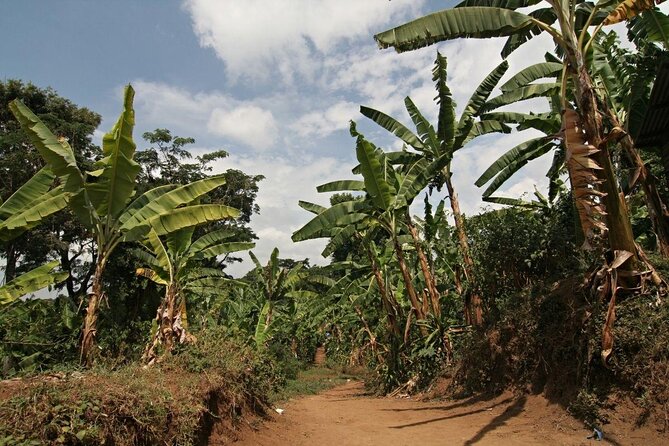
You start the climb through rainforest, heading from the gate to Mandara Hut. The altitude window on this day is about 1,800 m to 2,720 m and the hiking time is roughly 4 hours. You stop halfway for lunch, then reach Mandara Hut around 2 or 3 p.m.
What I like here is the rhythm. You’re moving, but the day doesn’t feel like a marathon. You also have a short optional side trip that sounds small but is worth it: Maundi Crater, about 15 minutes away. The view is described as letting you see Kenya and Northern Tanzania. Even if the visibility is imperfect, it’s a good mental reset before higher altitudes.
Facilities are also decent at Mandara Hut: bathrooms with running water are available. Dinner comes in the early evening, around 7 p.m. and you’ll likely settle in quickly after a full walking day.
Day 3: To Horombo Hut, with Mawenzi views (about 5 to 6 hours)
Day three climbs from about 2,720 m to 3,720 m. You break camp around 8:30 a.m. and hike to Horombo Hut for 5 to 6 hours. The terrain shifts into lower heath land with small shrubs, and this is one of those days where the walking feels steady rather than dramatic.
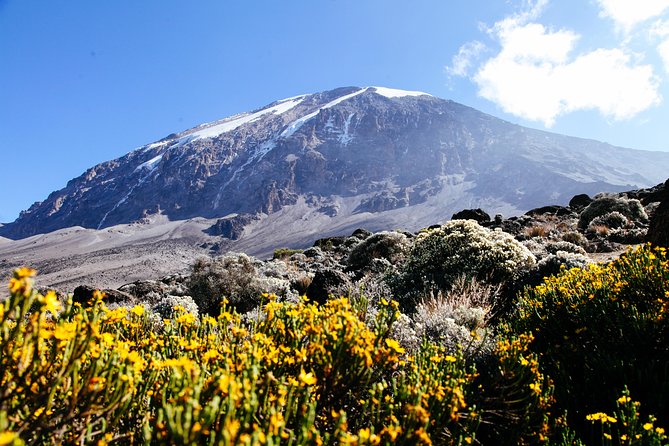
Halfway lunch breaks up the effort, and the reward is big: views of Mawenzi, including the fact that you can see the summit of Kibo from Horombo Huts. That mental picture helps. Once you can visually connect your hut to the higher peak zone, the rest of the climb stops being abstract.
Horombo Hut also has bathrooms with running water, and the schedule is calm enough to rest properly. Expect dinner in the evening and a good chance to sleep.
Day 4: Acclimatization day at Horombo (plus zebra rocks training up to 4,100 m)
This is the day that makes Marangu more than just “walk and hope.” You spend an extra night at Horombo Hut (3,720 m) for acclimatization. You take a walk to zebra rocks, reaching around 4,100 m, then return.
This is training for your altitude response. It helps your body practice breathing at height while still staying on a controlled route. It also familiarizes you with potential summit weather patterns, which can matter when your sleep gets broken later during the summit attempt.
If you’re deciding whether you can handle altitude, this is the built-in checkpoint.
Day 5: Kibo Hut and the lunar saddle feeling (about 6 to 7 hours)
Now you head from about 3,720 m to 4,720 m to Kibo Hut. Hiking time is 6 to 7 hours, and the day includes a major scenery shift.
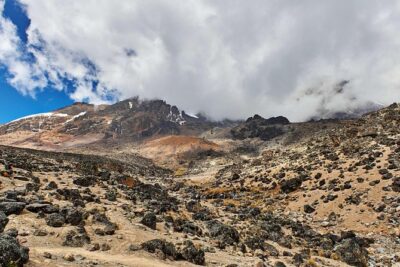
The first half is through upper heath land. The second half crosses the vast saddle connecting Mawenzi and Kibo. It’s described as an alpine desert, almost lunar in feel, and that checks out with how altitude zones often look like a different planet. This day is also your warning label for altitude sickness. Even if you feel good, you must notice signs early and communicate with your guide.
Communication is built into the plan: you have an expert guide throughout, and you should listen closely to your body and your team. When you’re exhausted, it’s too easy to ignore early symptoms.
A practical point I want you to know: there is no running water at Kibo Huts. That doesn’t mean you’re stranded, because boiled water is provided, but it does mean your comfort routine will be more basic than earlier hut nights.
Day 6: Summit night from Gilman’s Point to Uhuru Peak sunrise
This is the big day. You wake at about midnight for a light breakfast, then prepare for the summit ascent. You leave around 1:00 a.m. so you can reach Uhuru Peak at sunrise.
The plan is clear and staged:
- Reach Gilman’s Point around 7:00 a.m.
- Then about 2 more hours to Uhuru Peak, arriving around 8:30 a.m.
- After the summit, descend back to Kibo Huts
- Then cross the saddle again toward Horombo Huts for the night
You also get a visual moment at Gilman’s Point because it is on the crater rim. You’re likely to see the crater view as you get your bearings for the final push.
This day can be emotionally intense, even if you’re physically fit. You’ll feel it in your head more than your legs. That’s why pacing and acclimatization from earlier days matters so much.
The Summit Strategy: Why This Schedule Works (and When It Doesn’t)

What I appreciate about this Marangu program is that the summit is not random. It is timed for sunrise, which usually means you’ll be climbing in cooler hours, then celebrating when visibility tends to be best.
The tough part is that you’re asking your body to function through a sleep-disrupting night. You leave around 1 a.m. after a midnight wake. If you get anxious easily, plan how you’ll calm your brain before you go. If you’re the type who pushes through discomfort, remember this is altitude, not a leg workout. You need to slow down to survive.
Also, because Marangu is advertised as easier, it can tempt people to treat the climb like a confident hike. That is how you end up with people who are unfit attempting Kili and failing. This program gives you the structure, but the mountain still demands your respect.
Comfort on the Way Up: Meals, Water, Toilets, and Wi-Fi
One of the practical reasons Marangu remains popular is the combination of basic comfort and predictable services. You’re not improvising meals. Lunch stops happen about halfway through longer walking days. Dinner is served in the evening, and breakfast comes at scheduled times, including the midnight light breakfast on summit day.
Water gets handled in a way that reduces your stress. The program includes boiled water on the mountain. On the comfort side, bathrooms with running water are available at Mandara Hut and Horombo Hut. You’ll want to use those days to manage routines, especially if you’re trying to reduce dehydration and fatigue.
Then there’s the important exception: no running water at Kibo Huts. So near summit night, your hygiene and convenience are more limited. This is where having a calm mindset helps. You’re not doing a spa weekend. You’re doing Kilimanjaro with the easiest hut approach.
Wi-Fi is listed as included. On the mountain, connectivity can be inconsistent, so I treat Wi-Fi as a nice bonus rather than a guarantee.
Guides and Crew: How the Team Makes or Breaks the Experience
Most people focus on the peak, but the day-to-day experience depends on the crew. Here, the program includes qualified guides plus mountain crew, and the support system is part of the value.
In the experiences I gathered from the people behind the trip, I saw names like John and Issa, with John as lead and Issa supporting. I also saw Dustin called out for being attentive to health and needs. Another lead guide name that came up was Mmasa, described as handling planning and crew support well.
You don’t climb this kind of altitude by strength alone. Good guides help you keep a steady pace, make smart decisions, and adjust if you’re not feeling right. At minimum, you should expect your guide to help you notice altitude sickness early and encourage safe action.
And yes, tips matter. The operator recommends tipping guides and porters, and they also explain how tips can be given at Springlands Hotel at the end. Summit certificates are received there too, so it’s a good last stop for closure.
Who This 8-Day Marangu Program Fits Best
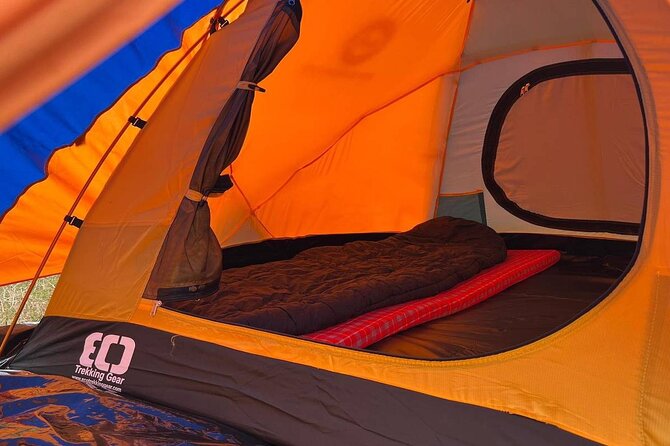
This program fits best if you want:
- Hut accommodation instead of camping
- A relatively straightforward route with the convenience of same-track ascent and descent
- A plan that includes a dedicated acclimatization day at Horombo
- An organized crew setup with national park fees, transport, meals, and boiled water handled
You’ll especially like it if you’re a first-time Kilimanjaro climber who wants a guided experience and less logistical noise.
It might not be the best fit if you want a technical, high-adventure route feel. Marangu is more about steady trekking and accessible hut stops than about rugged route variety. And it also may not be the best choice for people who are truly unprepared for altitude. The hut comfort does not eliminate the altitude challenge, and Marangu can still be tough, especially on people who underestimate the climb.
Should You Book This Kilimanjaro 8-Day Marangu Route Program?
If you’re considering Kilimanjaro and want the most structured “hut and logistics” version, I’d lean toward booking this. The value is strong because you’re not piecing things together, and the schedule includes the big altitude ingredient most people skip on their first try: time at Horombo Hut to adjust.
That said, don’t book this as an easy hike. Treat it as a real altitude expedition. Pack for cold early mornings, respect the pacing advice from your guide, and be honest about your physical fitness before you commit.
One last practical note. The operator states the experience is non-refundable and cannot be changed for any reason. So only book if your dates are firm and you’re comfortable covering the trip cost even if plans shift.
If you want, tell me your fitness level, when you plan to travel, and whether you’ve ever hiked at 3,000 m or higher. I can help you sanity-check whether Marangu, with its hut comfort, matches your goals.
FAQ
How long is this Kilimanjaro Marangu Route program?
The program runs for about 8 days, with a multi-day trek through Kilimanjaro National Park and a return drive back to Moshi on the final trekking day.
Where do you start and end the trek?
You start at Springlands Hotel in Moshi and the activity ends back at the same meeting point.
What kind of accommodation do you get on the mountain?
Accommodation is on the Marangu Route in huts.
Is running water available at the huts?
Bathrooms with running water are available at Mandara Hut and Horombo Hut. At Kibo Huts, there is no running water.
Does the price include meals and park fees?
Yes. National park fees are included, and the tour lists breakfast, lunch, and dinner as included meals during the trek.
Do I need to bring my own climbing gear?
Yes. Climbing gears are listed as not included, so you should plan to bring your own gear for the climb.
The Marangu Trail
- Private Full Day Hiking Experience to Marangu Route
★ 5.0 · 61 reviews - From Arusha/Moshi: Kilimanjaro Hike Marangu Route Day Trip
★ 4.5 · 54 reviews - Mount Kilimanjaro Day Hike Through Marangu Route to Mandara Hut
★ 5.0 · 37 reviews - Marangu waterfall & Coffee making Cultural Tour | BURIGI CHATO SAFARIS CO LTD
★ 5.0 · 12 reviews - Private Tour to Marangu Waterfalls, Chagga Caves, Coffee tour & Hot Springs
★ 5.0 · 7 reviews
Kilimanjaro, Route by Route
- 8-Day Small-group Lemosho Kilimanjaro Summit Trekking
★ 5.0 · 186 reviews - 7-Day Machame Kilimanjaro Summit Tour from Arusha
★ 5.0 · 125 reviews - Mountain Kilimanjaro Day Hike
★ 5.0 · 102 reviews - 4 days Best experience Kilimanjaro Hike, Serengeti &Ngorongoro
★ 5.0 · 54 reviews - From Arusha/Moshi: Kilimanjaro Hike Marangu Route Day Trip
★ 4.5 · 54 reviews
Just added from around Arusha
Kilimanjaro Marangu Route, compared.
 ★ 5.0Kilimanjaro climb, Marangu route (6-day)From $2,90272 reviews
 ★ 5.0Climbing Kilimanjaro – Marangu RouteFrom $2,00465 reviews
 ★ 5.0Private Full Day Hiking Experience to Marangu RouteFrom $26061 reviews
 ★ 4.5From Arusha/Moshi: Kilimanjaro Hike Marangu Route Day TripFrom $10154 reviews
 ★ 5.0Mount Kilimanjaro Day Hike Through Marangu Route to Mandara HutFrom $26537 reviews
 ★ 5.0Kilimanjaro Climbing 5 days Marangu routeFrom $90022 reviews
 ★ 5.0Best Kilimanjaro Adventures 6 Days Marangu Route ExperienceFrom $1,00018 reviews
 ★ 5.0Kilimanjaro Private Climbing in 6 Days Marangu RouteFrom $2,00016 reviews
Browse the lists this tour appears in