
REVIEW · 6-DAY EXPERIENCES
6 Days Tanzania Bush Experience Safari
Six days, four parks, and a lot of sightings. I love the private 4×4 with a pop-up roof, because it makes game drives feel personal, not cramped. I also like the tight route that packs Lake Natron, Serengeti, Ngorongoro, and Tarangire into a fast, high-impact circuit.
The only real catch is energy. You’ll deal with long travel days, including a rough road stretch getting toward Lake Natron, plus big day-game-drive schedules that can leave you tired.
In This Review
- Key things I’d zero in on before you go
- Lake Natron to Tarangire: the safari pace that actually works
- Your private guide and pop-up-roof 4×4, why it changes everything
- Day 1: Lake Natron, the long drive plus waterfalls and sundown
- Day 2: Lake Natron hot springs, wildlife encounters, and a Maasai boma visit
- Day 3: Serengeti through Klein’s Gate, the first big game-drive day
- Day 4: Another full Serengeti day, when the waiting game pays off
- Day 5: Ngorongoro Crater, the Ark of Noah day, and why overnight matters
- Day 6: Tarangire National Park, elephant-heavy river watching and a smooth finish
- Meals, tented camp nights, and what you should pack mentally
- Price and value: what $2,900 per person really buys you
- Small details that affect comfort, timing, and enjoyment
- Who should book this safari, and who should think twice
- Should you book the 6-day Tanzania bush experience?
- FAQ
- What parks does this 6-day safari visit?
- How long is the safari?
- Is pickup from Arusha included?
- What type of vehicle and guiding is included?
- Are meals included?
- Are park fees and taxes included?
- How much should I budget for tips?
- Can I cancel and get a full refund?
Key things I’d zero in on before you go
- Private vehicle, pop-up roof viewing: You get better sightlines and less “tour bus shuffle” time.
- Lake Natron’s unusual scenery and wildlife: You’ll be there for hikes, lake time, and daytime animal sightings.
- Klein’s Gate entry into Serengeti: It sets you up for a classic start and a full day to track predators.
- Ngorongoro Crater, with an overnight inside: Staying in the conservation area helps you maximize the experience.
- All fees and taxes are included: Park entry and core safari costs are handled in the package.
- Guides with real on-the-ground skill: Names that come up in glowing feedback include Joseph, Peter, and Deniz Mlay (NJOFU), plus Mlay.
Still weighing it up? These Arusha trips came out well when we reviewed them.
- Balloon Safari & Bush Breakfast in Serengeti – Miracle Experience★ 5.0 · 1,646 reviews
- Tanzania Classic – 7 Days★ 5.0 · 1,151 reviews
- 4 Days Group Camping Safari★ 5.0 · 1,101 reviews
- 5 Days Group Camping Safari★ 5.0 · 730 reviews
Lake Natron to Tarangire: the safari pace that actually works
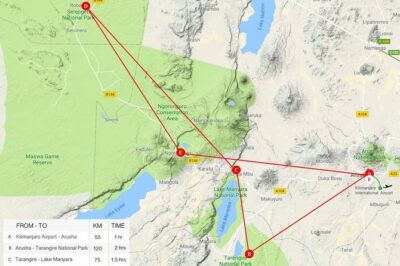
This safari is built for people who want a lot of “wow” without spending a week or more driving around Tanzania. In six days you move from Lake Natron’s striking surroundings, into Serengeti’s big-game country, down into Ngorongoro Crater, then finish with Tarangire’s elephant-heavy river scene.
The best part is that the pacing stays simple: you wake up in one area, you spend your day focused on that area, then you move on. That matters, because safari time is precious, and you don’t want to burn it in transit confusion.
Your private guide and pop-up-roof 4×4, why it changes everything
A private safari vehicle is about more than comfort. When you’re not sharing the truck with strangers, your guide can adjust the driving plan to what you’re seeing, not just to what fits everyone else.
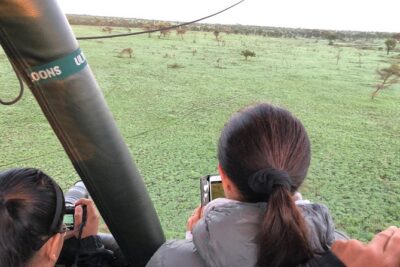
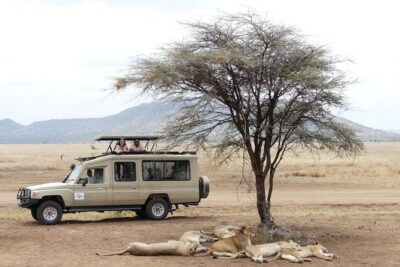
The pop-up roof makes a real difference for wildlife viewing. You can stand or lean for a clearer look, and it’s easier to track animals moving across open ground. For photos, that same vertical vantage helps you avoid the “everyone’s head blocks the view” problem.
Your guide is the brains of the trip. In feedback tied to this operator, multiple guide names come up, including Joseph, Peter, and Deniz Mlay (NJOFU), plus Mlay. That pattern is a strong sign that the day-to-day experience depends heavily on guiding skill, and this one aims to deliver it.
Day 1: Lake Natron, the long drive plus waterfalls and sundown
Day one starts in Arusha with pickup, then a long drive that’s about five hours overall, with the last three hours on a rough road. That rough segment is the part to plan for mentally. If you’re prone to motion sickness, this is the day to bring remedies and keep water handy.
Once you reach Lake Natron, you get a full afternoon rhythm: lunch at the lodge area, then a hike to the waterfalls, followed by sundown by the lake. Lake Natron isn’t just a “pass through” stop. It’s a chance to see wildlife during the approach, then get a more active feel once you arrive.
Day 2: Lake Natron hot springs, wildlife encounters, and a Maasai boma visit
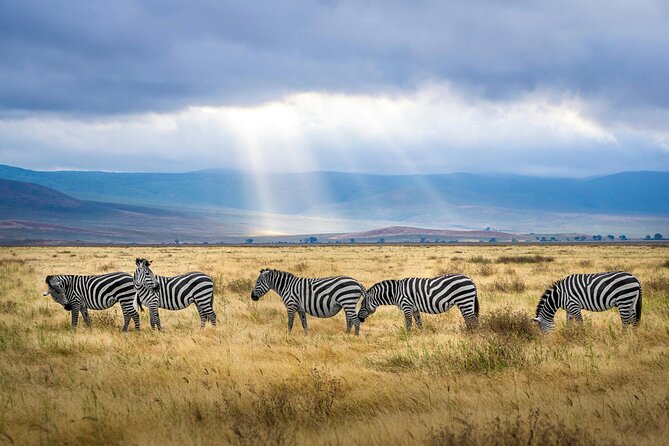
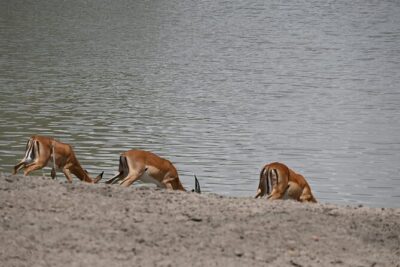
The second day keeps you in Lake Natron country, but shifts the vibe. You’ll drive to the area people call the hot springs part of Lake Natron and spend time with the wildlife around there. The animals you may see include zebra, wildebeest, giraffe, and flamingos.
Then comes the hot-springs experience. You can swim while small fish nibble around your toes, which is one of those simple safari moments that turns into a story you tell later.
In the afternoon, you visit a Maasai boma to learn more about Maasai life. This is one of the cultural touches that feels practical, not performative, because you’re getting context for how people live and interpret their environment alongside the wildlife.
Day 3: Serengeti through Klein’s Gate, the first big game-drive day
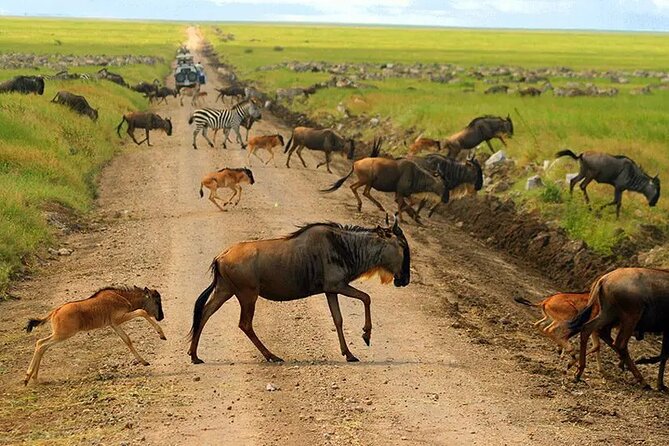
After early breakfast, you drive to Klein’s Gate, the northern entrance to Serengeti. Game drive time begins there, and it’s a classic way to hit the park with momentum.
In the Lobo area, you may spot hundreds of zebra and wildebeest, plus lots of birds. This is a good day to let your eyes learn the park: where animals tend to gather, how prey moves, and how predators fit into the picture.
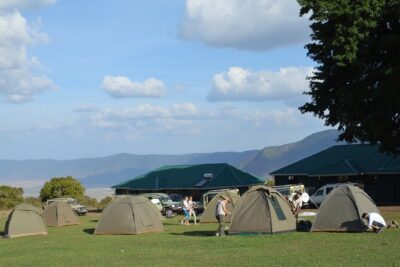
The big question on day three is always the same, will you see the “big five” in Serengeti? Your chances depend on season and luck, but your guide is set up to look for signs and adjust your route during the drive. You’ll overnight in a tented camp in the wilderness, so the park doesn’t feel like a day-trip. It feels like your environment for the night.
Day 4: Another full Serengeti day, when the waiting game pays off
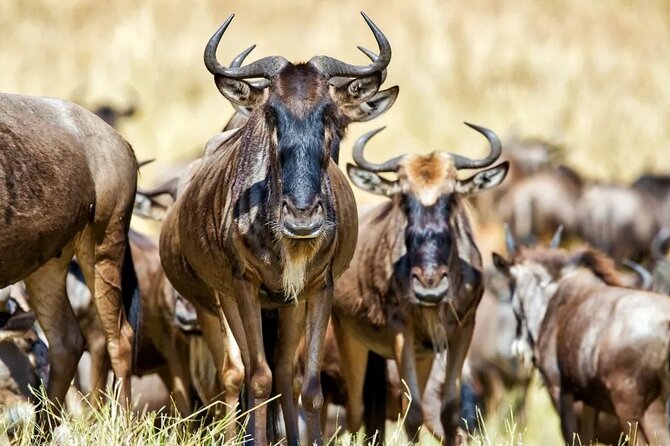
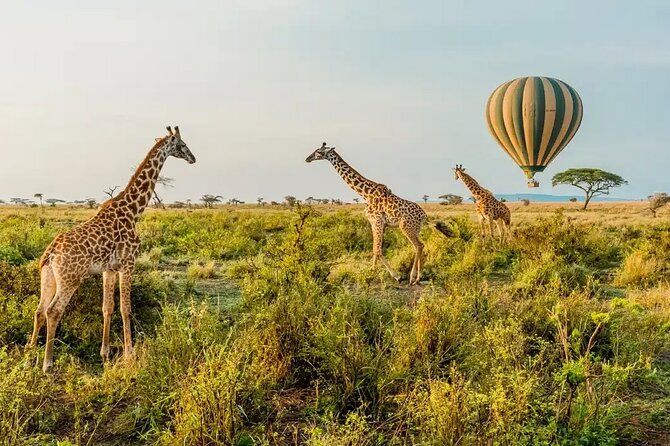
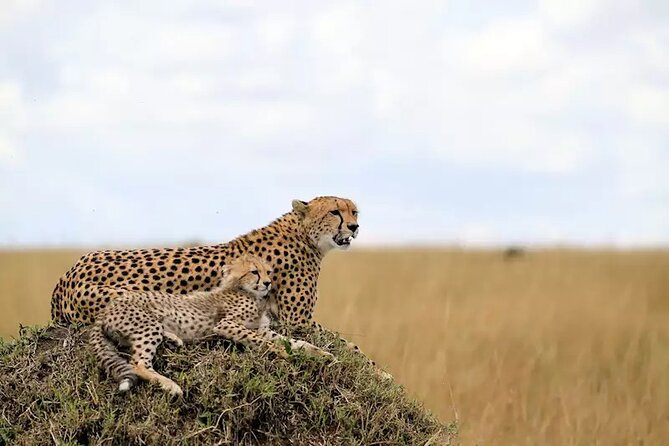
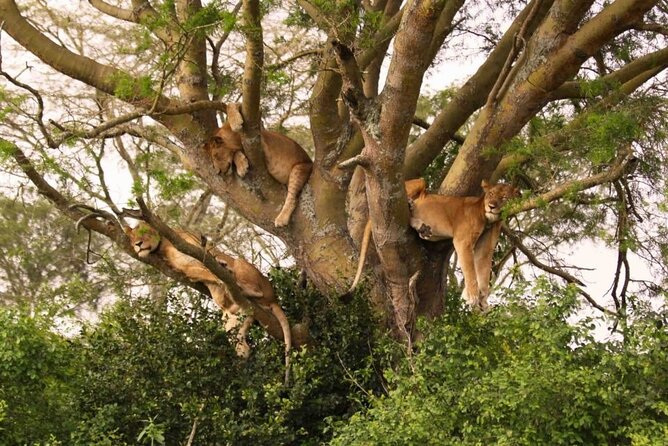
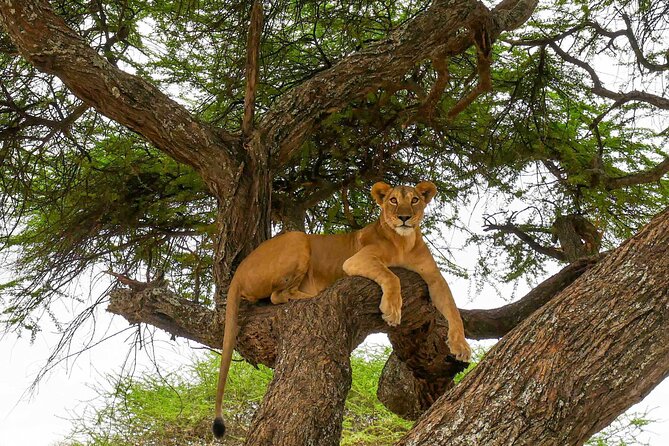
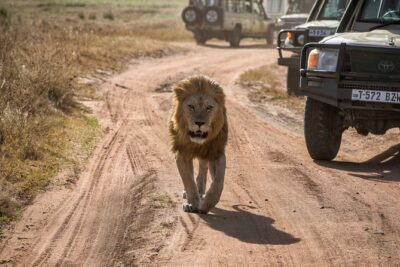
Day four is your full Serengeti focus. Instead of rushing between checkpoints, your guide spends the day showing you animals you might encounter, including lions, cheetah, elephants, and giraffes.
This is the day I’d mentally budget for patience. Sometimes predators are visible early, sometimes you work for it, sometimes the action happens in brief bursts that your guide spots before you do. When the sightings come, it’s usually because you stayed present.
This day ends back at the tented camp for dinner. Waking up in the park and sleeping in it are part of the reason Serengeti hits so hard. You don’t just visit the scenery, you feel surrounded by it.
Day 5: Ngorongoro Crater, the Ark of Noah day, and why overnight matters
Day five drops you into Ngorongoro Crater, often described as the Ark of Noah because so many animals live there. You’ll descend into a setting where the density of wildlife can be striking, with the possibility of seeing lions, zebras, elephants, and lots of birds.
One detail to take seriously is how intense the day feels. The schedule is described as an experience that can exhaust your eyes, which makes sense. You’ll likely bounce between viewing points, scanning for movement, and soaking in the overall scale of the crater.
The best part of this day structure is that you overnight inside the conservation area. That matters because it gives you more than one chance to absorb the crater, rather than just arriving for a short window and immediately driving out.
Day 6: Tarangire National Park, elephant-heavy river watching and a smooth finish
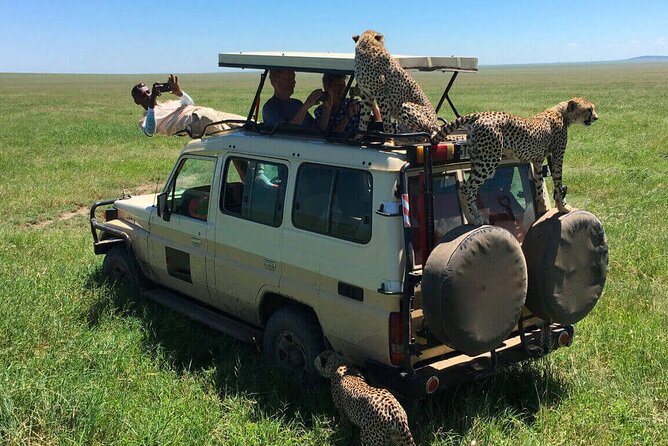
After breakfast you head to Tarangire National Park. Then you get a whole day game drive focused on the animals that make Tarangire special.
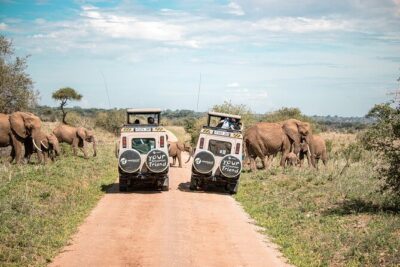
Tarangire is known for elephants, and you can also expect zebra and giraffes. A key feature here is the river: it’s where animals come to drink, so your guide can set the timing to match where activity concentrates.
At lunch, you’ll have a river view and can watch animal movement from the lunch area. That’s a small moment, but it’s also a smart one. Instead of looking only from the vehicle, you get a more relaxed viewing window.
In the afternoon you head back to Arusha.
Meals, tented camp nights, and what you should pack mentally
Food and lodging can make or break a safari experience, especially on a multi-day route. In this package, breakfast and dinner are provided most days (breakfast is listed for five mornings, dinners for five nights), with lunch provided throughout (lunch is listed for six days).
The accommodation is in personal tented camps. That doesn’t mean you should expect a hotel vibe. It means you can be closer to the natural setting, with the tradeoff being more “bush travel” than “urban comfort.”
If you’re traveling at times when nights can feel cool, plan to layer. And bring a small day bag for sun protection and quick access to water during drives.
Price and value: what $2,900 per person really buys you
At $2,900 per person, you’re paying for more than a vehicle and a few game drives. You’re paying for a full private safari structure: private transportation, game driving, accommodation for the itinerary, and listed meals, plus all fees and taxes.
The value angle here is the combination. Many safaris either under-include park logistics or they push you into shared-group compromises. This one is structured as a private experience with included core safari costs, so your money is less likely to evaporate into surprise line items once you arrive.
Tipping is not included, and the recommendation is $10 per day. Budget for it, even if you decide the final amount based on your actual service.
Small details that affect comfort, timing, and enjoyment
A few practical points from how this safari is structured:
- You’ll start with pickup from your Arusha hotel and spend your first day on a long drive with a rough road segment. Plan for that.
- Most days are built around game drive time, plus active add-ons like hiking to waterfalls and a Maasai boma visit.
- You’ll receive confirmation at booking time, and you’ll use a mobile ticket.
- The experience is private, meaning it’s only your group in the vehicle, which is a big deal for pace and flexibility.
- Dietary needs can be accommodated, including vegetarian, vegan, and gluten-free.
If you like safari days with a clear rhythm, you’ll feel at home here. If you want fully relaxed vacation pacing with minimal driving, this may feel intense.
Who should book this safari, and who should think twice
This safari fits best if you want:
- a high wildlife density experience across multiple parks in a short time,
- a private guide and dedicated vehicle with pop-up roof viewing,
- a mix of game drives plus a couple of cultural and active stops.
It’s also a good match for couples and friend groups who want the day plan tailored to their pace and interests, because the vehicle is private.
Think twice if:
- you get very uncomfortable on rough roads,
- you want slower travel between locations,
- you’re sensitive to long days and early starts.
Should you book the 6-day Tanzania bush experience?
If you want a focused, wildlife-heavy route with strong guiding and the ability to see the parks in a short window, I’d say yes, book it. This itinerary-style structure hits the big Tanzania classics, and it does it with private vehicle time that helps sightings and reduces stress.
Just go in with the right expectations: it’s a safari circuit, not a lazy resort hopping trip. Bring patience for long drives, layer up for tented camp nights, and plan your energy for day five in particular. If that sounds like your kind of adventure, this is the sort of safari that can turn into a life highlight fast.
FAQ
What parks does this 6-day safari visit?
You’ll visit Lake Natron, Serengeti National Park, Ngorongoro Crater (in the conservation area), and Tarangire National Park.
How long is the safari?
The experience runs for about 6 days.
Is pickup from Arusha included?
Yes, pickup is offered, and the day starts with pickup in Arusha.
What type of vehicle and guiding is included?
It’s a private safari with a professional guide in a 4×4 safari vehicle with a pop-up roof, and you travel with only your group.
Are meals included?
Yes. Breakfast is listed for 5 mornings, lunch for 6 days, and dinner for 5 nights.
Are park fees and taxes included?
Yes. The package includes all fees and taxes, plus game driving.
How much should I budget for tips?
Tips are not included. The recommended amount is $10 per day.
Can I cancel and get a full refund?
Yes. You can cancel up to 24 hours in advance for a full refund. If you cancel less than 24 hours before the start time, the amount paid is not refunded.
Just added from around Arusha
6-Day Experiences, compared.
 ★ 5.0Tanzania Wildlife Encounters – 6 DaysFrom $3,413277 reviews
 ★ 5.0Private 6-Day Tarangire Manyara Crater and Serengeti with Mid-Range LodgesFrom $2,685238 reviews
 ★ 5.06 Days Private Budget SafariFrom $2,300163 reviews
 ★ 5.06 Days Tanzania Budget Camping SafariFrom $1,600145 reviews
 ★ 5.0Kilimanjaro climb, Lemosho Route (6-day)From $3,034129 reviews
 ★ 5.0Tanzania Enticing Explorations – 6 DaysFrom $3,341106 reviews
 ★ 5.0Kilimanjaro climb, Marangu route (6-day)From $2,90272 reviews
 ★ 5.06 days Tanzania budget safariFrom $2,50065 reviews
Browse the lists this tour appears in