
REVIEW · TANZANIA CAMPING AND BUDGET SAFARIS
6 days Tanzania budget safari
A six-day safari that actually fits a budget. This is a tight circuit out of Arusha that hits Tarangire, the Serengeti, and Ngorongoro Crater, with camping and big-animal time most days. I like that it keeps groups small and schedules long enough for real wildlife searching, not just quick drive-bys. The only thing I’d flag is the tradeoff that comes with the word budget: you are camping, and you will spend long hours in the vehicle.
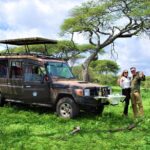
Two things I genuinely like: six people per jeep, which helps you see more calmly and keeps the pace sane. I also like the mix of habitats, from Tarangire’s classic lion and cheetah country to the Serengeti’s predator action and Ngorongoro’s crater “world.”
One possible drawback to plan for: some animals, especially black rhinos, are hard to spot, and game viewing depends on movement and luck. Also, the Maasai village stop has a separate $20 entrance fee, so you’ll want that in mind before you go.
In This Review
- Key highlights and what they mean for your trip
- A Six-Day Circuit That Hits the Best Parts of Northern Tanzania
- Six-Person Jeps, Real Spotting Time, and Why It Matters
- Day 1: Tarangire National Park and a Long Wildlife Search
- Day 2: Ngorongoro Viewpoints, Optional Maasai Village, and Serengeti Sunset
- Day 3: Serengeti Full-Day Drive Beyond Seronera
- Day 4: Early Animal Wake-Up, Then Exiting the Serengeti
- Day 5: Ngorongoro Descent for Black Rhino Odds
- Day 6: Lake Manyara’s Birds, Hippos, Hot Springs, and Tree-Climbing Lions
- Camping, Meals, and the Chef Factor That Makes Budget Feel Comfortable
- Price and Value: What $2,500 Buys You (and What to Watch)
- Who This Safari Fits Best, and Who Might Prefer Another Style
- Should You Book This Safari Soles 6-Day Budget Big Five Plan?
- FAQ
- How long is the safari?
- What places does the safari visit?
- Is pickup offered?
- How many people are in the group and jeep?
- Is camping equipment provided?
- What meals are included in the price?
- Are park entrance fees included?
- Is the Maasai village visit included?
- Are tips included?
- What is the cancellation policy?
Key highlights and what they mean for your trip
- Six-person jeeps for a less crowded safari day
Smaller groups tend to make spotting easier, and you get more personal attention from your driver.
- Serengeti sunset from the Seronera area
You get a classic moment in the right place, with animals still active into late evening.
- Ngorongoro Crater viewpoints plus a crater-floor rhino hunt
You see the scale from above, then descend for the chance at black rhinos.
- Camping equipment included, plus meals on the plan
You do the full bush experience without having to pack gear.
- Lake Manyara’s birds, hippos, hot springs, and possible tree-climbing lions
It’s not just the “Big Five” day, it’s a variety day.
More camping safaris at this price
- 4 Days Group Camping Safari★ 5.0 · 1,101 reviews
- 5 Days Group Camping Safari★ 5.0 · 730 reviews
- 3 Days Serengeti & Ngorongoro Group Camping Safari★ 5.0 · 574 reviews
- 5 Days Camping Tarangire, Serengeti & Ngorongoro crater & Visiting Maasai★ 5.0 · 229 reviews
A Six-Day Circuit That Hits the Best Parts of Northern Tanzania
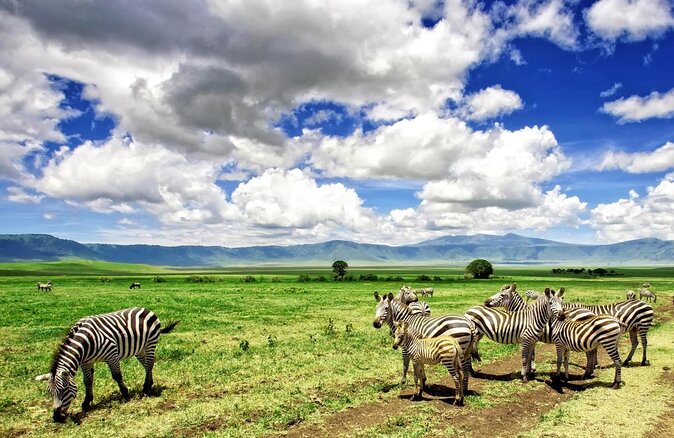
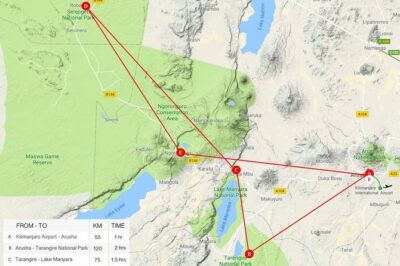
If you have ever watched the Serengeti on TV, you already know the promise. The difference here is how much time you spend moving through the places where the animals actually are: Tarangire for big mammal action, the Serengeti for predator chances, Ngorongoro for crater scenery and rhino odds, then Lake Manyara for a birds-and-oddities finale.
This is also a very “budget safari” way to see Tanzania, because you get camping and meals built into the cost instead of paying for a series of lodges. For many people, that is the whole point. You keep the money for longer drives and more game time, which is what you came for in the first place.
That said, you should go in with eyes open. This kind of safari is physical in a simple way: early starts, long park days, and sleeping in the bush. If you want a soft hotel every night, this might feel like too much. If you want the real Africa rhythm, it fits.
Six-Person Jeps, Real Spotting Time, and Why It Matters
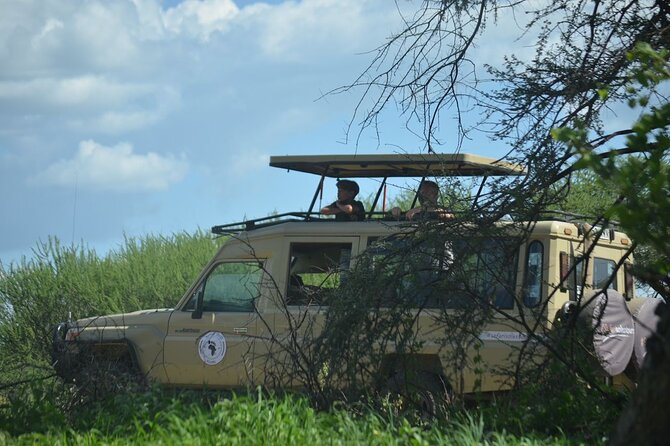
One of the smartest details is the maximum of six clients per jeep. On safari, there is a big difference between “we all squeeze in and look out” and “we can actually focus.” With fewer people, you often get better views and less bumping around when your driver is positioning for a sighting.
You also spend enough hours in each park to let wildlife show up. Day 1 is a full 9-hour push at Tarangire, and later days run long too. That matters because animals do not move on your schedule. More time in the field gives your guide more chances to read tracks, water sources, and the rhythm of predators.
Small jeeps also help when you’re trying to spot those harder animals. Even when the day is not perfect, you can still enjoy the chase: herds shifting, birds lifting off, and predators appearing and disappearing over grass and rocks.
Day 1: Tarangire National Park and a Long Wildlife Search
Tarangire is often where the safari “clicks” for first-timers. It has that open, energetic feel where you can see farther and spotting can happen faster when the conditions are right. This day is built as a full day game drive, starting with the drive from Arusha and then getting straight into the park.
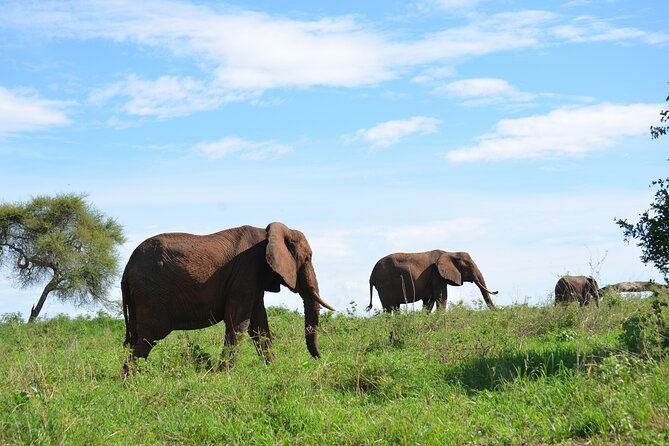
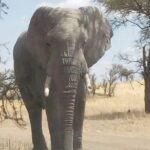
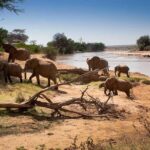
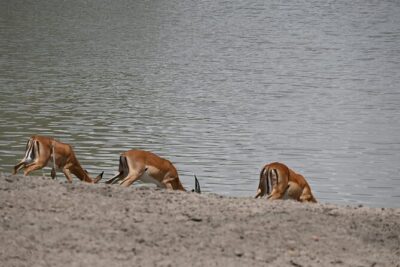
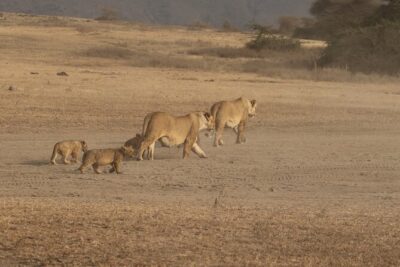
You’re aiming for classic Tarangire sightings: lions, cheetahs, leopards, plus plenty of herbivores like elephants, wildebeest, buffaloes, zebras, and gazelles. Tarangire is also a good place for the “calm thrill” of watching animals close up, especially when they pause to drink or graze near a road line.
Practical note: a full day like this is tiring, but it also keeps momentum. By the time you reach the first campsite rhythm, you’re already in safari mode. You’ll likely sleep well, because your body will be ready for it.
Day 2: Ngorongoro Viewpoints, Optional Maasai Village, and Serengeti Sunset
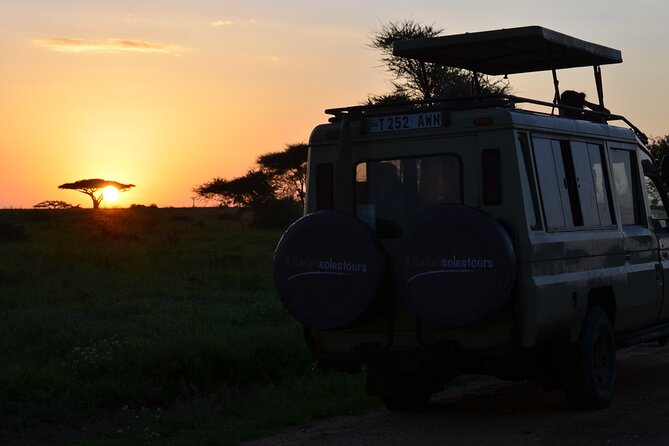
Day 2 does a clever thing: it builds awe from above, then switches you to the Serengeti for late-day action.
First comes Ngorongoro Crater from a viewpoint. That view is the kind of surreal that makes you go quiet for a moment. The crater is a natural “theater,” and seeing it from above helps you understand why so many animals gather down on the floor.
Next, there is the optional Maasai village visit. It is not required, and the entrance fee is $20. If you do it, it’s a chance to learn about Maasai culture and traditions. From what’s described in the tour details, there are references to warrior identity and older practices, with reminders that some traditions have changed over time. If you prefer to keep your day purely focused on wildlife, you can also treat this as a skip and get back to game driving.
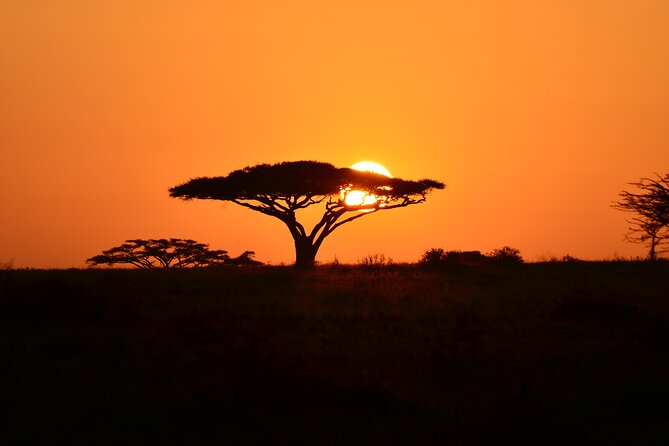
Then you head to the Serengeti in the afternoon. You get game driving around Seronera into late evening, and the highlight is the Serengeti sunset. That timing is practical too. Predators often move at interesting hours, and the light makes spotting and photography easier than midday glare.
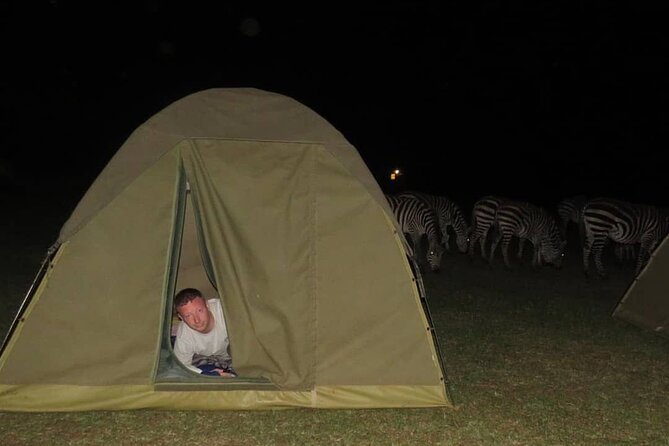
Afterward, you sleep at Seronera camp site. You should know that animals can be around camp, with mention of hyenas and ranger protection nearby. This is part of camping reality in the Serengeti, so it’s not just “camping,” it’s camping in active country.
Day 3: Serengeti Full-Day Drive Beyond Seronera
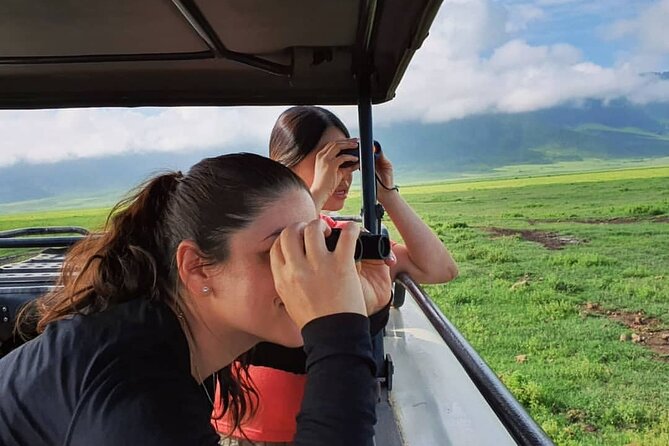
Day 3 is built as a full day in the Serengeti, and the key idea here is flexibility. You start from Seronera and then go out into further parts of the park based on where animals are moving.
That “follow the action” approach matters because the Serengeti is huge. A rigid plan can miss what is actually happening that day. By keeping your route dependent on animal movement, you increase your odds of seeing something good, even if yesterday’s sightings set a high bar.
This is also a day for the slow moments. When you are out long enough, you see the ecosystem, not just the headline animals. You’ll likely notice how herds respond to predators, how birds signal changes, and how the mood shifts as the day moves from morning heat to evening cool.
Day 4: Early Animal Wake-Up, Then Exiting the Serengeti
Day 4 starts early, and you’re aiming to catch animals before the park settles into midday stillness. The day describes an early breakfast and then an early game drive. That’s a smart strategy because animals often feed and move more actively when temperatures are cooler.
You’ll see plenty of wildlife through the morning and into afternoon, then you head to camp for lunch. After lunch, you continue with more game driving, and then you exit the Serengeti and head toward the Simba campsite.
One practical detail from the tour notes: animals can also be spotted on campsites. That is not a marketing line, it’s a camp reality you should expect in this part of Tanzania. If you’re the kind of traveler who likes to step outside and scan the area while you decompress, you’ll enjoy these quieter animal moments.
Day 5: Ngorongoro Descent for Black Rhino Odds
Ngorongoro is where your safari leans into “hard mode” wildlife viewing, especially for black rhinos. This day includes descending into the crater and focusing on rhinos, which are described as among the hardest animals to spot.
From a practical standpoint, this is exactly how you should plan your expectations. You might see other species more easily from the floor crater because the terrain and animal behavior can make them more visible. But black rhinos are still difficult, and on safari you have to accept that your best sightings sometimes come from the work your guide does, not just luck.
The day also includes lunch, more game drive time, and then ascending back up. After that, you move on to campsites for rest. The rhythm is purposeful: crater day viewing, then a calmer end to reset your energy for the last park.
Day 6: Lake Manyara’s Birds, Hippos, Hot Springs, and Tree-Climbing Lions
If the earlier days feel heavy with big-animal focus, Lake Manyara is a good change of pace. This day is shorter than some, but it packs variety, especially if you care about birds and wildlife beyond the Big Five.
You start after an early breakfast and then do a game drive with an emphasis on birds. Flamingos are specifically mentioned, which tells me you’re likely to get those iconic lake views when conditions align. You also may get tree-climbing lions, which is one of those wildlife myths that becomes real the moment you see it.
There’s also a hippo pool for close looks at hippos, plus mention of hot springs. That combo makes the day feel like more than just another drive, because you get moments that break up the monotony of long roads and searching for far-off shapes.
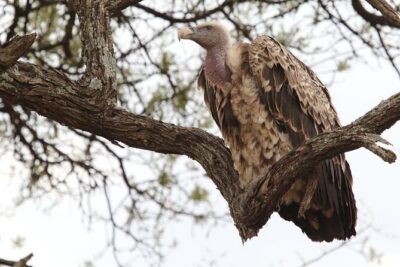
Other species mentioned include buffaloes, wildebeest, warthogs, vultures, eagles, and monkeys. Lake Manyara is a “many wildlife” park, which is perfect on the last day when you want a final wave of sightings without needing another marathon.
Camping, Meals, and the Chef Factor That Makes Budget Feel Comfortable
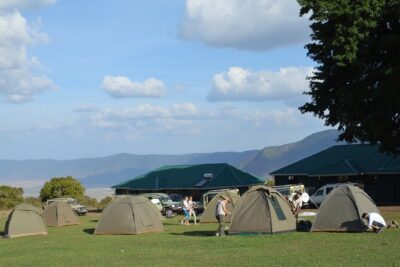
The best part of a budget camping safari is that you don’t have to choose between wildlife and comfort. Camping equipment is included, and meals are covered for six days: breakfast, lunch, and dinner throughout the trip.
You should treat this as “camp comfort,” not hotel comfort. You’ll spend nights in the bush, and your daily routine will follow safari timing. But when the meals are well handled, the whole experience feels smoother.
The experience details include praise for guides and chefs by name. You may encounter guides like Ernest, Elias, Estommy, Oscar, Isack, Freddy, and Abduly, and cooks such as Ibrahim and Action. That name recognition matters because it suggests consistent staffing rather than a different person every day. A good chef and an organized guide can turn “sleep outdoors” into something you look forward to.
Also, long drives can leave you hungry and tired. Having lunch and dinner taken care of means you’re not hunting for food stops all day, which saves time for the parks.
Price and Value: What $2,500 Buys You (and What to Watch)
At $2,500 per person for six days, you’re paying for three major things: park time, vehicle support, and the camping structure plus meals. This is not a cheap trip in Tanzania terms, but it is budget-friendly compared to lodge-style safaris that add nightly accommodation costs.
You’re also buying smarter logistics:
- Small group size, with a maximum of six travelers and six per jeep.
- A schedule that spends multiple days in the Serengeti rather than rushing through.
- Camping equipment included, so you are not duplicating costs with gear rentals.
What you should watch for is what can add to the total:
- Tips are not included, so set aside some budget for staff.
- The Maasai village entrance fee is $20 if you choose to go.
- Some park entries are specifically noted as included or free, but your best move is to confirm what applies to your dates so you know exactly what you pay on the spot.
Value also comes down to expectations. If your goal is Big Five-style sightings plus crater scenery plus a real safari routine, this price often feels fair because it is built around time in the field. If your goal is maximum comfort and minimum driving, you might find better value in a different style of safari.
Who This Safari Fits Best, and Who Might Prefer Another Style
This tour is a strong match if you:
- Want classic Tanzania parks in one trip, especially Tarangire, Serengeti, Ngorongoro Crater, and Lake Manyara
- Like the idea of camping with meals taken care of
- Want small-group safari time, with jeeps capped at six
- Are realistic about animal spotting, especially for black rhinos
It might not be your best fit if you:
- Hate early mornings or long park days
- Want a hotel every night
- Need guaranteed sightings of every Big Five animal, because even with good guiding, wildlife is wildlife
Should You Book This Safari Soles 6-Day Budget Big Five Plan?
If you want an authentic Northern Tanzania circuit and you’re okay with camping, I’d say yes, it’s a sensible book. The structure makes sense: you get multiple Serengeti days for real searching, you get Ngorongoro for the crater scale and rhino odds, and you end with Lake Manyara’s variety so the trip does not feel repetitive.
My biggest decision point would be your comfort with the camping format and your willingness to spend the day in a vehicle. If that feels fine, the small jeep size and the long time in the parks are the kind of details that turn a safari from “saw animals” into a memory you replay later.
If you do book, pack for early starts and bring the kind of attitude that likes the hunt. When you’re patient and the driver is doing his job, the animals show up in their own timing.
FAQ
How long is the safari?
This is a 6-day safari with an approximate duration of about 6 days.
What places does the safari visit?
It focuses on Tarangire National Park, Ngorongoro Crater, Serengeti National Park, and Lake Manyara National Park.
Is pickup offered?
Yes, pickup is offered. The exact pickup point is not specified here, so it’s smart to confirm your pickup location when you book.
How many people are in the group and jeep?
The maximum is six travelers, and the jeep is limited to a maximum of six clients.
Is camping equipment provided?
Yes. Camping equipment is included.
What meals are included in the price?
Breakfast, lunch, and dinner are included for the six days.
Are park entrance fees included?
All fees and taxes are listed as included. The Maasai village entrance fee is specifically noted as not included.
Is the Maasai village visit included?
It’s described as optional, and there is a note that the Maasai village entrance fee is $20 (not included).
Are tips included?
No. Tips are not included.
What is the cancellation policy?
You can cancel for a full refund if you cancel at least 24 hours before the experience start time. If canceled less than 24 hours before, the amount paid is not refunded. If it’s canceled due to poor weather, you are offered a different date or a full refund. If the minimum number of travelers is not met, you may be offered a different date or a full refund.
More Under Canvas
- 4 Days Group Camping Safari
★ 5.0 · 1,101 reviews - 5 Days Group Camping Safari
★ 5.0 · 730 reviews - 3 Days Serengeti & Ngorongoro Group Camping Safari
★ 5.0 · 574 reviews - 5 Days Camping Tarangire, Serengeti & Ngorongoro crater & Visiting Maasai
★ 5.0 · 229 reviews - 5 Days Budget Private Safari, Tanzania
★ 5.0 · 191 reviews
Just added from around Arusha
Tanzania Camping and Budget Safaris, compared.
 ★ 5.04 Days Group Camping SafariFrom $9001,101 reviews
 ★ 5.05 Days Group Camping SafariFrom $1,100730 reviews
 ★ 5.03 Days Serengeti & Ngorongoro Group Camping SafariFrom $815574 reviews
 ★ 5.05 Days Camping Tarangire, Serengeti & Ngorongoro crater & Visiting MaasaiFrom $1,254229 reviews
 ★ 5.05 Days Budget Private Safari, TanzaniaFrom $0191 reviews
 ★ 5.06 Days Private Budget SafariFrom $2,300163 reviews
 ★ 5.02 Days Tarangire and Ngorongoro Group Camping SafariFrom $550146 reviews
 ★ 5.06 Days Tanzania Budget Camping SafariFrom $1,600145 reviews
Browse the lists this tour appears in