
REVIEW · KILIMANJARO MACHAME ROUTE
6 Days Private Mount Climbing in Kilimanjaro Machame Route
Kilimanjaro tests you, then rewards you. On the Machame route, you’ll tackle a scenic climb with big day-to-day altitude gains, chances to enjoy standout sights like the Lava Tower area and the Great Barranco wall, and a summit approach from the southwest. I like how this itinerary is built for altitude survival, with frequent opportunities to walk higher and sleep lower. I also love that it’s run as a private trek, so your guide team can focus on your pace instead of herding a crowd.
One possible drawback is that Machame is popular, so some sections can feel busier than the more obscure routes. It’s also physically more demanding than Marangu and Rongai because parts are steeper, even if the overall plan can feel manageable when you move carefully and acclimatize well.
In This Review
- Key Things I’d Not Miss on This 6-Day Machame Climb
- Machame’s Mix of Climates Is the Whole Point
- Moshi Start, Private Group Flow, and What You Bring
- Day 1: Moshi to Machame Camp, First Big Height Step
- Day 2: Machame Camp to Shira Camp, Shorter Distance, Real Altitude
- Day 3: Shira to Lava Tower Area to Barranco Camp
- Day 4: Barranco Camp to Barafu, Where the Great Barranco Wall Makes Its Case
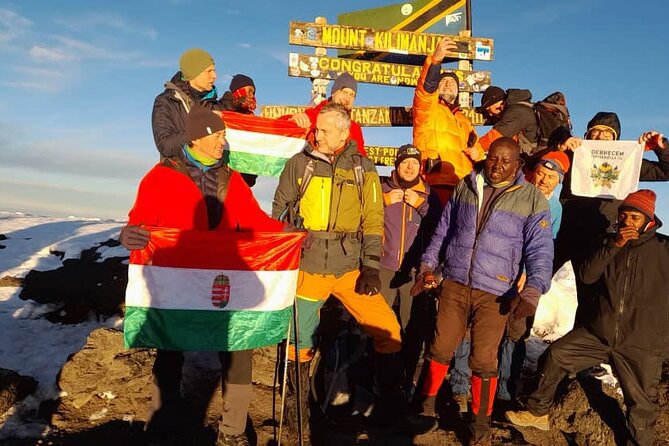
- Day 5: Summit Day from Barafu to 5,895m, Then Down to Mweka Camp
- Day 6: Mweka Camp to Mweka Gate and Back to Your Hotel
- The Crew and Safety Extras That You Can Actually Feel
- Value Check: Is $1,999 for Machame Private Good?
- Who Should Choose This Machame Route, and Who Might Reconsider
- Should You Book This 6-Day Private Machame Trek?
- FAQ
- What time does the climb start?
- Where does this trek start and finish?
- Is this a private trek?
- What camps do you stay at during the 6 days?
- Is the Lava Tower scramble included?
- How hard is the Machame route compared to other Kilimanjaro routes?
- Are meals included?
- What is included for equipment and camp setup?
- Are tips included in the price?
- What is the cancellation policy?
Key Things I’d Not Miss on This 6-Day Machame Climb
- Private, guide-led support: You travel with only your group, which helps keep the pace and instructions personal.
- Walk high, sleep low design: The daily rhythm is aimed at acclimatization, not just brute-force climbing.
- Lava Tower and Great Barranco wall: You get chances for the route’s signature scenery and steeper moments.
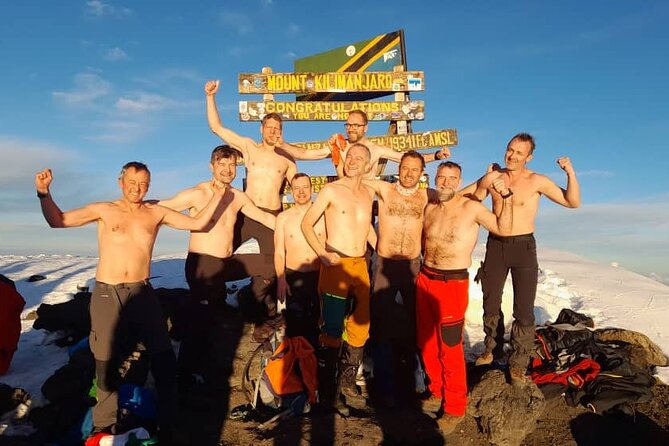
- A high, cold summit day then a long descent: Day 5 tops out at 5,895m and then drops to Mweka Camp.
- Crew, meals, and safety items included: You’re not juggling logistics mid-trek, and you get extras like rescue and pulse oximeters.
Other ways up Kilimanjaro we reviewed
- Kilimanjaro climb by Lemosho Route (7-day)★ 5.0 · 651 reviews
- Kilimanjaro climb, Machame Route (7-day)★ 5.0 · 262 reviews
- Kilimanjaro Climbing Lemosho Route 8 Days.★ 5.0 · 186 reviews
- Climbing Kilimanjaro – Machame Route★ 5.0 · 170 reviews
Machame’s Mix of Climates Is the Whole Point
The Machame route is known for variety, and you feel it as the climb progresses through different climatic zones. You start relatively low near Moshi, then the air thins fast as the path rises toward the summit zone. The route approaches the summit from the southwest, then you descend using the Mweka route, which helps complete a full circuit style experience.
Scenery also comes in “chapters,” not one long sameness. You’ll get expansive views of the Shira Plateau area, an optional scramble toward Lava Tower, and that classic Barranco wall climb that reminds you you’re really on Kilimanjaro. Later, the route traverses under Kilimanjaro’s southern ice field area, which is one of those sights that makes the effort feel real.
Moshi Start, Private Group Flow, and What You Bring
You’ll be based in Moshi, and the tour includes return transport from Moshi to the mountain start and back from the finish. Start time is listed as 8:00 am, so plan to be ready before the day begins, not mid-day hero mode.
This is a private tour/activity, meaning only your group participates. That matters on a trek like this, because the small choices, like how fast you walk and how often you pause for breathing, can make a big difference. If you’re climbing with family or friends, private also helps with communication, decision-making, and keeping everyone on the same schedule.
Gear is largely handled for you. The included items list covers tents and sleeping mattresses, mess tent dining setup, mini camping chairs and tables, and even candles. You also get climbing gears included, plus boiled water during the climb.
Practical note: the provided info says you should have moderate physical fitness. That’s not a casual stroll, but it does signal you do not need to be a mountaineer to do this route successfully, as long as you respect the altitude and take your time.
Day 1: Moshi to Machame Camp, First Big Height Step
Day 1 climbs from about 1,830m to 3,050m. It’s listed as 11 km and about 5 to 6 hours on the trail, which is a solid warm-up by Kilimanjaro standards.
The point of Day 1 is simple: get you up high without exhausting you. Your body starts learning how it feels to breathe in thinner air, and your crew also uses this day to confirm everyone is moving well together. Expect a long-ish walking day, then a camp evening where you focus on hydration and early sleep.
What you’ll appreciate here is the “it’s set up already” factor. With tents, mattresses, dining arrangements, and camp basics included, you can focus on being a person, not a camp contractor.
More Machame departures, compared
Day 2: Machame Camp to Shira Camp, Shorter Distance, Real Altitude
Day 2 moves you from 3,050m to 3,850m. The walk is only 5 km and about 4 to 5 hours, so the distance feels friendlier than Day 1.
This is where the Machame plan earns its keep. A shorter day after a taller Day 1 is a smart move because you’re still gaining altitude, but you’re not forcing your legs to work as hard. The result is that you can acclimatize without turning Day 2 into a survival test.
In practical terms, this is the day to nail your routine: small sips, consistent pacing, and a steady stop-and-go rhythm. You’ll be glad you did, because the route keeps stacking altitude demands.
Day 3: Shira to Lava Tower Area to Barranco Camp
Day 3 is listed as 5 to 6 hours over 10 km, gaining to around 4,000m. That’s a longer day again, but the big reason this day is memorable is what’s in the middle.
You have an optional scramble toward Lava Tower. Even if you skip parts of the scramble, you’ll still experience that “higher and colder” feeling and get time in dramatic terrain. This is also a day where route features begin to feel less like generic walking and more like Kilimanjaro, with steeper pockets and more exposed moments depending on conditions.
Then you finish at Barranco Camp, setting up the next day’s signature work: the Barranco wall climb. In other words, Day 3 is the warm-up before the workout.
Day 4: Barranco Camp to Barafu, Where the Great Barranco Wall Makes Its Case
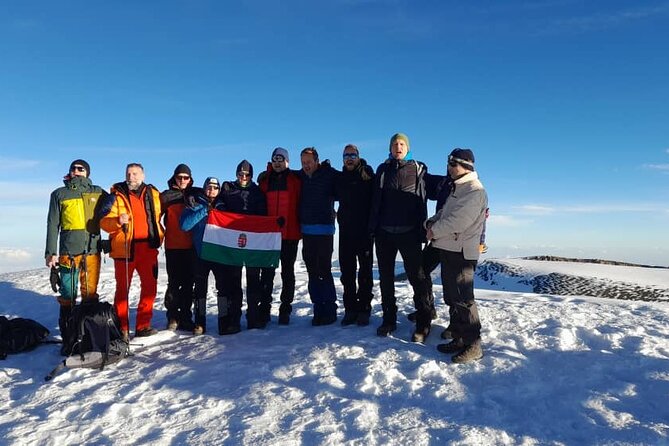
Day 4 is a longer climb that climbs from about 4,000m to 4,700m. It’s listed as 9 km, typically 6 to 8 hours, which tells you to expect sustained effort rather than a quick hop.
This day is built around the Great Barranco wall climb. That wall section is exactly why Machame trekkers talk about route “stages,” because you can feel when the terrain shifts from scenic trekking into steeper climbing work. It’s not just about legs, it’s also about breathing and rhythm.
Finishing at Barafu Camp is your checkpoint moment. You’re not done, and you’re also not starting from scratch. Your body is already aware that a summit push is coming soon, so you’ll want to treat the camp evening as part of the climb, not a break from the climb.
Day 5: Summit Day from Barafu to 5,895m, Then Down to Mweka Camp
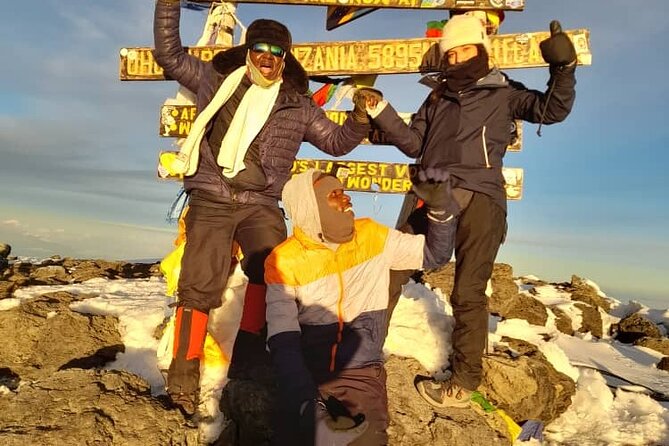
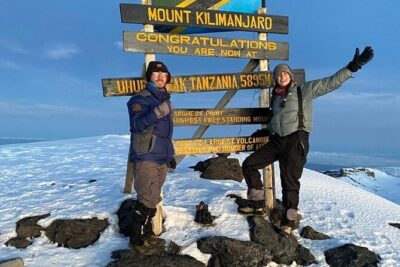
Day 5 is the star of the show and also the most intense part of the week. It’s listed as 5 km up to 5,895m, then down to about 3,090m at Mweka Camp. Total walking time is listed as 5 to 7 hours up and 5 to 6 hours down.
That up and down structure matters. The altitude at the top is the big challenge, and then the descent becomes a new kind of challenge for your knees and hips. You’re basically switching from altitude management to leg management mid-day.
Also, the route includes a traverse underneath Kilimanjaro’s southern ice field area in the overall plan. That gives you a sense of where you are in the mountain’s drama, and it can make the summit attempt feel more grounded in reality, not just math.
This is the day when good crew support can make all the difference. Many reviews for this company highlight exactly this kind of summit day care, including guides like Teacher and crews that kept climbers calm and moving through tough moments.
Day 6: Mweka Camp to Mweka Gate and Back to Your Hotel
Day 6 drops from around 3,090m to 1,680m, which is a huge altitude release. It’s listed as about 10 km and 3 to 4 hours hiking to Mweka Gate, then you return to your hotel.
After the grind of Day 5, this day can feel like your legs are suddenly learning a new job description. Still, take it slow. That final descent is usually when people feel brave and start rushing, and rushing on uneven terrain can turn a victory lap into an annoying stumble.
Finish strong, hydrate, and give yourself credit. This is often the day where the summit feels like it happened in a different universe.
The Crew and Safety Extras That You Can Actually Feel
One reason this Machame trek gets strong feedback is the human side of the operation. Reviews repeatedly praise the way the hosts and guides manage planning and keep climbers comfortable on the trail. Names that come up include Haji and Joeffrey, and also Edward and Teacher as hosts, plus guides such as Juma, Fabian, Chris, Felix, Musa, William, and even senior guide names like Jamleck and Kivase.
What I like about seeing these names repeatedly is that it signals real consistency in how the team handles common issues on Kilimanjaro: pacing, patience, and reassurance when the climb gets uncomfortable.
On the practical side, the included list includes rescue and pulse oximeters, a first aid kit, and a crew with guides, porters, cook, and waiter staffing. That doesn’t erase altitude risk, but it does mean you have monitoring and basic medical support built into the plan.
You’re also not managing meals. All meals (breakfast, lunch, dinner) are included during the trek, plus the camp dining setup like the mess tent is provided. For a high-altitude trek, that’s value you feel day by day, not something you notice only in theory.
Value Check: Is $1,999 for Machame Private Good?
At $1,999 per person, you’re paying for a private climb with a full support system. The key is what’s included, because Kilimanjaro costs can creep fast once you start adding park fees, staffing, and camp infrastructure.
Here’s what stands out as meaningful value based on the provided inclusions:
- National park fees and crew costs are included.
- Guides and porters are included, along with guide, porter, waiter, and cook accommodation and entry fees on the mountain.
- Camping equipment is included: tents, sleeping mattresses, and camp dining supplies.
- Safety and monitoring are included: rescue and pulse oximeters, plus first aid kit.
- Meals are included throughout the trek.
- Climbing gear is included, and boiled water is provided.
If you compare that to a DIY approach, the difference is huge. This trek asks a lot from your body, so it’s smart to outsource the messy parts of logistics and camp setup. Paying for a well-run crew is less about luxury and more about keeping your energy aimed at walking.
The one cost you’ll likely plan for is tips, and the listing says tips not more than $50. That’s a helpful guardrail when you’re budgeting.
Who Should Choose This Machame Route, and Who Might Reconsider
This Machame climb fits best if you want:
- A challenging trek with real altitude work and multiple scenic highlights.
- A plan that prioritizes acclimatization with walk high, sleep low opportunities.
- A private-group experience where guides can keep attention on you, not a big crowd.
It may be a tougher fit if you dislike steep walking for long stretches. The overview notes Machame has sections steeper and physically more demanding than Marangu and Rongai. It can be easier overall than some routes, but that doesn’t mean you should treat it like a gentle hike.
If you’re the kind of traveler who enjoys structured days, measurable progress, and getting a clear sense of the climb’s stages, you’ll likely love this route. If your dream is maximum solitude with minimal foot traffic, Machame’s popularity could be a mismatch.
Should You Book This 6-Day Private Machame Trek?
If you’re aiming for a classic Kilimanjaro route that mixes plateau views, Lava Tower area fun, the Barranco wall challenge, and a real summit day push, this 6-day private Machame plan is a strong option.
Book it if you:
- want private support and a team that focuses on your group,
- can handle long days and the altitude grind,
- appreciate a structured acclimatization rhythm.
I’d pause and rethink if:
- you’re easily discouraged by steeper sections,
- you strongly prefer quieter trails with fewer trekkers,
- you’re not comfortable committing to a full multi-day trekking schedule with a long summit day and big descent.
If you like the idea of a route that earns its drama step by step, Machame is one of the best ways to experience it.
FAQ
What time does the climb start?
The start time is listed as 8:00 am.
Where does this trek start and finish?
It is based in Moshi, with return transportation from Moshi to the starting point on the mountain and back from the finishing point to your hotel.
Is this a private trek?
Yes. It is a private tour/activity, and only your group participates.
What camps do you stay at during the 6 days?
The route goes from Machame Camp to Shira Camp, then to Barranco Camp, Barafu Camp, and Mweka Camp, with a final walk to Mweka Gate and your hotel.
Is the Lava Tower scramble included?
The information says the scramble up Lava Tower is optional.
How hard is the Machame route compared to other Kilimanjaro routes?
The information notes it can be steeper and physically more demanding than Marangu and Rongai, while still being easier overall.
Are meals included?
Yes. All meals on the mountain are included (breakfast, lunch, and dinner).
What is included for equipment and camp setup?
You’ll have tents and sleeping mattresses, plus dining items like cutlery and utensils, and camp dining setup like a mess tent. Climbing gears and boiled water are also listed as included.
Are tips included in the price?
No. Tips are not included, and the listing says tips not more than $50.
What is the cancellation policy?
Free cancellation is available. You can cancel up to 24 hours in advance for a full refund, but changes within 24 hours of the start time are not accepted and the payment is not refunded.
More Machame Departures
- Kilimanjaro climb, Machame Route (7-day)
★ 5.0 · 262 reviews - Climbing Kilimanjaro – Machame Route
★ 5.0 · 170 reviews - Climbing Kilimanjaro through 7 days Machame Route
★ 5.0 · 151 reviews - #1. Best Kilimanjaro Day hike Tour-Machame Route-ISMANI
★ 4.2 · 47 reviews - 7 Days Machame route – Kilimanjaro
★ 5.0 · 45 reviews
Kilimanjaro, Route by Route
- Kilimanjaro climb by Lemosho Route (7-day)
★ 5.0 · 651 reviews - Kilimanjaro climb, Machame Route (7-day)
★ 5.0 · 262 reviews - Kilimanjaro Climbing Lemosho Route 8 Days.
★ 5.0 · 186 reviews - Climbing Kilimanjaro – Machame Route
★ 5.0 · 170 reviews - Climbing Kilimanjaro through 7 days Machame Route
★ 5.0 · 151 reviews
Just added from around Moshi
Kilimanjaro Machame Route, compared.
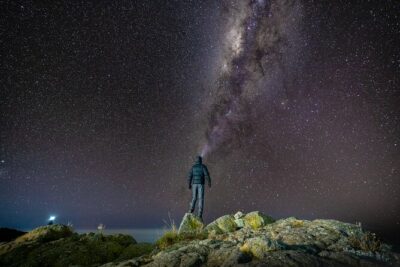 ★ 5.0Kilimanjaro climb, Machame Route (7-day)From $3,377262 reviews
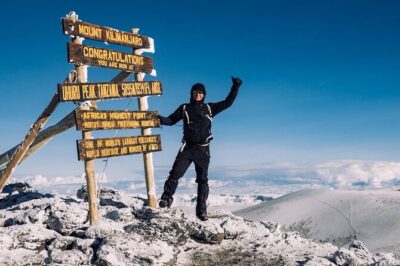 ★ 5.0Climbing Kilimanjaro – Machame RouteFrom $2,322170 reviews
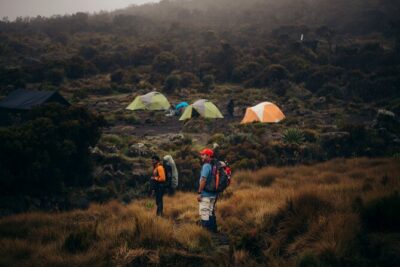 ★ 5.0Climbing Kilimanjaro through 7 days Machame RouteFrom $2,425151 reviews
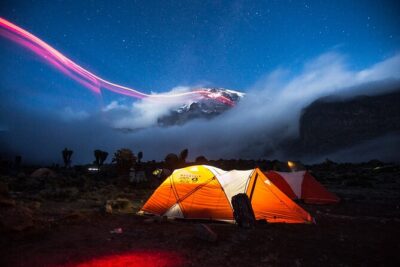 ★ 5.07-Day Machame Kilimanjaro Summit Tour from ArushaFrom $2,695125 reviews
 ★ 5.07 Days Kilimanjaro via Machame route affordable priceFrom $2,400110 reviews
 ★ 4.2#1. Best Kilimanjaro Day hike Tour-Machame Route-ISMANIFrom $11547 reviews
 ★ 5.07 Days Machame route – KilimanjaroFrom $2,85045 reviews
 ★ 5.0The Best of Machame Route in 6 Days: Your World’s Summit GuideFrom $1,15044 reviews
Browse the lists this tour appears in